
In a genre that keeps handing audiences homework for next year’s release, DC Studios’ Clayface has made a villain origin
story that successfully exchanges sequel setups, massive crossover events and flattened tone for a standalone film told with conviction. It is the answer many DC fans have been asking for: a smaller story with purpose, at a brisk hour and forty-eight minutes, by a filmmaker who seems to understand that a comic-book movie does not need to feel as massive as its protagonist. The studio has unapologetically made a
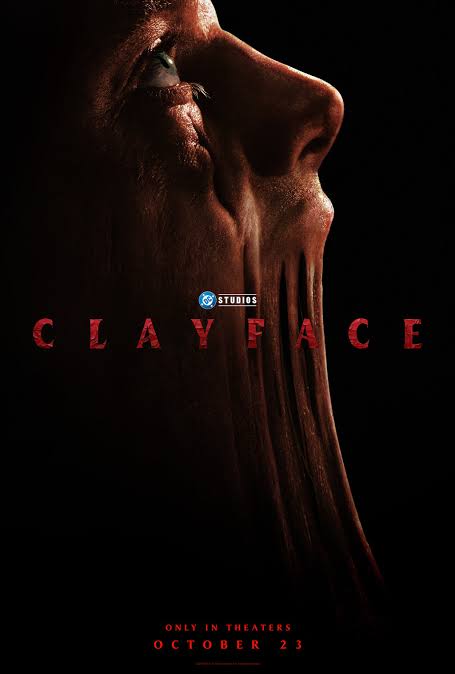
body-horror film. Clayface is lean, bloody and proud of both. DC Studios’ body-horror origin story trades sequel setups for a standalone film told with conviction, and it proves the best thing DC can do right now is think small.
The setup is simple, and the film is better for it. Matt Hagen (Tom Rhys Harries) is Hollywood’s newest It Boy, an actor who learns on the set of his latest production that he has just landed an Oscar nomination. He celebrates at Gotham’s hottest club, Vesuvius, and goes home with the most striking woman on the floor, Mia (Joana Ribeiro). What he “doesn’t know” is that she belongs to Markos Szabo (David Dencik), a Kingpin-esque crime boss with half the city on his payroll and a taste for cruelty. Szabo goes after the one asset Matt can’t afford to lose, and when he finishes, the face is nearly unrecognizable. The industry that built Matt abandons him almost immediately. His agent drops him, his manager (Eddie Marsan) embezzles from him and even his best friend ends up with the roles that should have been his. Desperate, Matt tracks down a scientist, Caitlyn Corr (Naomi Ackie), whose nanocell technology might repair the damage. Everyone but Matt and Caitlyn can see where that road leads.
The film rests on Harries, and he is up to it. He gives Matt a handsomeness that curdles into something anguished and hungry, and he carries real emotional weight. Ackie brings a cool intelligence to Caitlyn. Max Minghella is effective as John Borrelli, a detective who grows suspicious of how many people in Matt’s world are ending up as bloody mush. Borrelli also happens to be engaged to Caitlyn, which gives the film a human stake outside Matt’s own.
The opening stretch does have pacing issues, hurrying through its first act to reach its bigger moments. Images and ideas are planted in passing, and later the film returns to them as callbacks, as if we had been given time to absorb them. We had not. A callback needs a first impression, and too many of these never get one. We barely know Matt before the attack, so the film asks us to mourn a man we have only glimpsed, and the crime boss behind it all is more plot device than presence. A few more minutes in the early going would have given the second half more weight. Still, the ideas are strong enough to hold the room.

The film does eventually turn, using genre to ground the story. Body horror is where Clayface shines. James Watkins has long understood dread (Eden Lake, The Woman in Black, Speak No Evil), and here he commits fully to horror instead of dressing a standard comic-book story up in its clothes. It starts with the slashing of Matt’s face and the surgeries that follow. The camera stays on the damage. The effects feel physical. Watkins holds each shot just long enough to make you want to look away.
That discomfort works because the horror is tied to the premise. Matt is an actor whose career depends on his face, so every change to it matters. The comparisons to Cronenberg’s The Fly are earned, right down to a relationship that can’t survive his body falling apart. The film is closer to The Substance than to anything with a cape. It is the first DC film (aside from Joker) that makes full use of its R rating.
Pacing aside, the film is not flawless. For all its ambition, its themes never stretch beyond the surface. The idea that a visible disfigurement is something to fear, hide or cure is a trope the film leans on but never truly questions. A few of the effects fail when the practical work gives way to the digital. Clayface is at its best when it operates as a straightforward origin story. The simplicity gives the horror somewhere to land.
Clayface is the kind of film I respond to instinctively. It is imperfect, and the opening is proof, but it is brave in the ways that matter. Where so much of the comic book genre plays it safe, bound to shared universes, sequel setups, and an over-reliance on IP at the expense of character-driven stories, Watkins runs the other way. In doing so, he chases intentional, autonomous storytelling: a film that exists for its own sake rather than as a stepping stone to the next one. That independence gives Clayface a purpose many of its peers lack, and it lets the film take risks the genre has grown too careful to attempt. The same leanness that shortchanges a first act that had promise, keeps the horror sharp and characters relatively personable. Clayface shows that thinking small is not always a limitation and in fact can be daring, earning a 74.6/100 from the TwilightRoom. I would rather watch a film stumble toward something bold than glide through something safe.
TwilightRoom Score: 74.6/100