This week’s Criterion Tuesday represents the greatest prison escape film ever made, and this Le Trou review makes the case that it
remains one of the few movies that genuinely earn a superlative that sweeping, a work so stripped of ornament that it becomes almost unbearable to sit through in the best possible way. Jacques Becker builds the entire film out of dialogue-heavy, single-set conversation, trusting the performances and the screenplay to carry a film with no music, no opening credits, and no interest whatsoever in making any of this look cinematic. The film depicts the loud, constant pain and effort
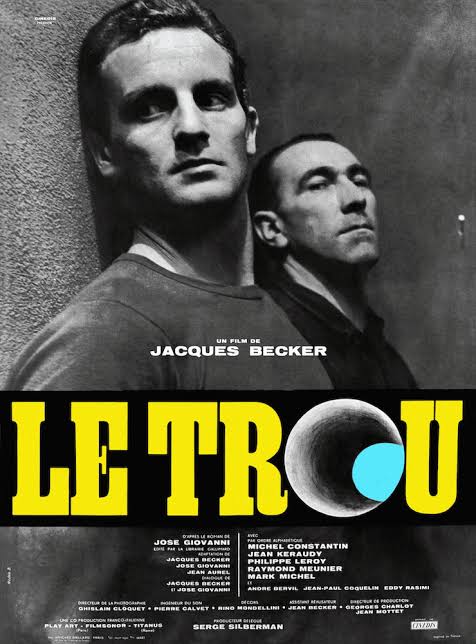
of forcibly digging out of concrete in a way that represents the physical strain of an escape better than any other film in the genre has ever managed. Its visual approach is an amalgamation of patient long takes, natural sound, and a realm so complete that the audience feels as though they are sitting inside the conversation, a blend so distinctive for its era that the film’s existence is almost shocking. Le Trou is overwhelmingly good from its opening scene to its devastating final act, a film that Jean-Pierre Melville called the greatest French film of all time, and it remains near the top of that list more than 60 years later.
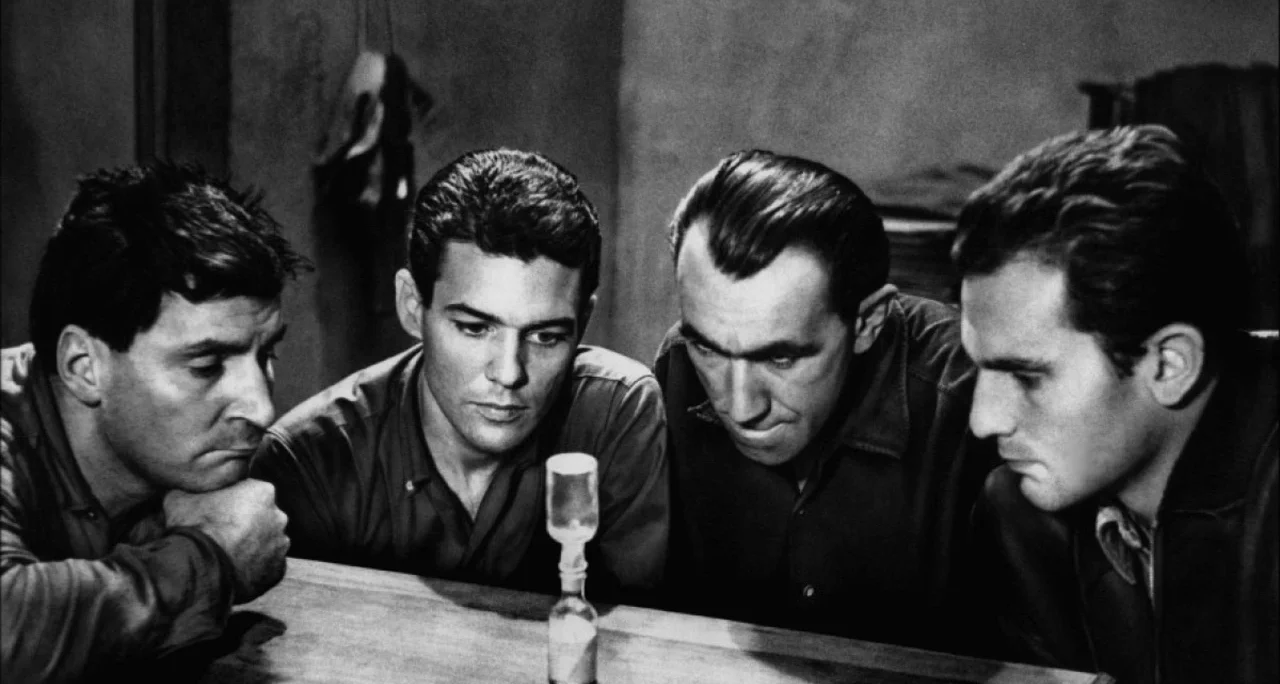
Becker’s premise is as simple as filmmaking gets, which is precisely why it works so completely. Four men share a cell at La Santé with a plan to escape, and a fifth, a late transfer named Gaspard, is dropped in just as everything is about to begin. The film is spare in design, following the men as they dig their way out of the prison, and Becker refuses to build any apparatus around that beyond the conversation itself. Every piece of information we get about these men comes from how they talk to each other while working, and that focus puts an enormous weight on the screenplay and on performances that have to carry entire reels without a cutaway to relieve them. It’s a setup that would collapse instantly in less disciplined hands, but here it becomes the most absorbing thing in the genre.
The craft here is the whole argument, and it begins with the sound and duration of men breaking through a cement floor. Becker holds on that labor far longer than almost any other director would dare, and the loud, constant pain of it conveys the effort, emotion, and physical strain of an escape attempt more completely than any montage ever could. The film contains some of the coolest shots of the era and makes extraordinary use of the French poetic realist tradition Becker came out of, finding beauty in grime without ever prettying it up. The use of peepholes throughout gives us another truly stunning component, turning a crude improvised tool into one of the film’s most frequent and most tense visual ideas. Add the absence of any score, and what you have is a film that roots itself entirely in documentary gravity, which is exactly what the material demanded.
The escape itself unfolds with a patience that makes every small victory feel earned at a cost. At night, after the men are finally able to dig out of their cell, they sneak into the sewers running under the prison and discover they must dig considerably more down there to create a usable escape path for their actual attempt. Those days of digging in the sewers become the heart of the film, and as the work grinds on, each man is forced into decisions about his own fate and the fate of his cellmates that the script never spells out for us. When the breakthrough finally comes, it’s Manu and Gaspard who find the exit out of the sewers and then turn back to get the others, which is the single most important gesture in the entire picture. Leaving dummies under their blankets to fool the guards while they work the tunnels at night completes a portrait of collective effort that nothing else in the genre has ever matched.
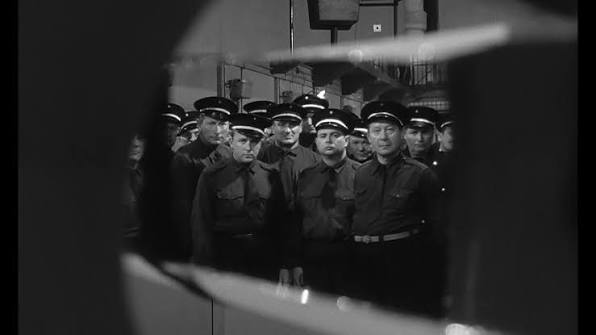
The ending is where Le Trou separates itself permanently from everything around it. Gaspard, the late transfer who joined the mission after it was already underway, is pulled aside to speak with the warden on the very day of the escape, which immediately causes the other men to suspect he has snitched. What follows is one of the coolest reveals in the whole film, as a glance through the cell’s makeshift mirror periscope shows every guard in the prison massed silently outside the door, and moments later they storm the cell and apprehend the men, ending the escape before it can begin. Le Trou is often paired with Robert Bresson’s A Man Escaped, but where Bresson ends on the triumph of solitary individual will, Becker ends on the devastation of collective human trust betrayed. That final image of a man left alone in a cell after selling out his companions remains one of the most crushing in the history of the crime film.
The film’s authenticity is not an artistic effect but a matter of record. It adapts José Giovanni’s novel about his own role in a 1947 escape attempt at La Santé, and it casts Jean Keraudy, who took part in that attempt, among its largely nonprofessional cast. Keraudy introduces the film himself and served as a technical consultant, which is why the tunnel digging, the chiseling through concrete, and the navigation of the sewers carry a precision no amount of research could fake. Becker died on February 21, 1960, at fifty-three, during postproduction, and his son Jean finished the film to his specifications before its March 18 release. Godard’s tribute, “Frère Jacques,” remains among the most moving pieces the New Wave wrote about the generation before it. Released into a Paris marketplace that was simultaneously seeing Breathless, Le Trou was poorly received and accused of siding with criminals, and producer Serge Silberman cut about 24 minutes to improve its commercial prospects, leaving the film largely unknown outside France for years. The Criterion Collection’s release of the complete version finally introduced it to international audiences. It now holds a 4.5 weighted average on Letterboxd across more than 66,000 ratings, stands as the definitive prison escape film, and casts a frequently cited influence over every procedural thriller built on collective effort and trust, earning a 94.3/100 from TwilightRoom.
Twilightroom Score: 94.3/100