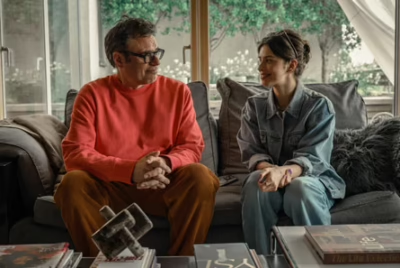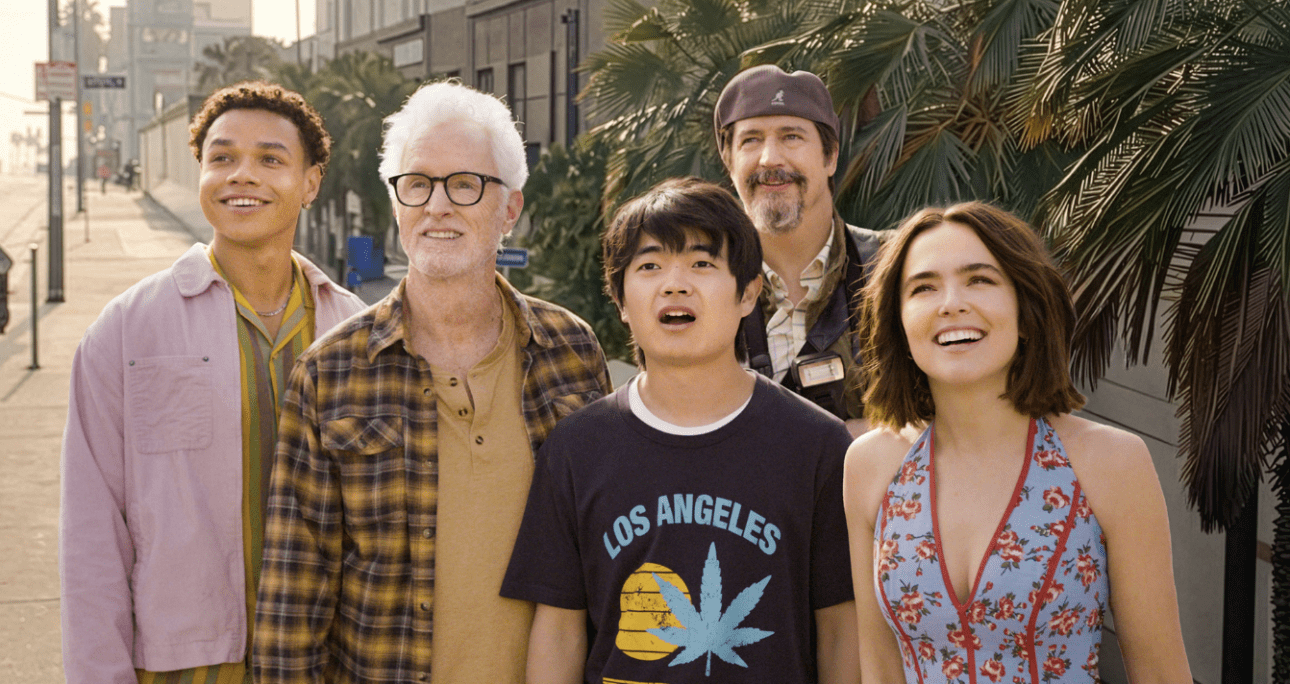
The first film in TwilightRoom’s Tribeca Film Festival coverage is Gail Daughtry & The Celebrity Sex Pass, a Zoey Deutch-starring, intentionally ridiculous satirical comedy that blends celebrity-
culture parody, LA-trip absurdism, relationship humor, and a Wizard of Oz–inspired narrative into one chaotic independent comedy experience. The film follows Gail, a simple Kansas woman preparing to marry her longtime sweetheart Tom, until a bizarre celebrity “sex pass” conversation involving Jennifer Aniston completely derails their relationship and sends her on a revenge-fueled, soul‑searching journey to luxurious Los Angeles. What begins as an awkward marriage-comedy slowly transforms into a surreal celebrity satire with random cameos, absurd humor, exaggerated Hollywood stereotypes, and over-the-top parody storytelling. The film intentionally embraces being
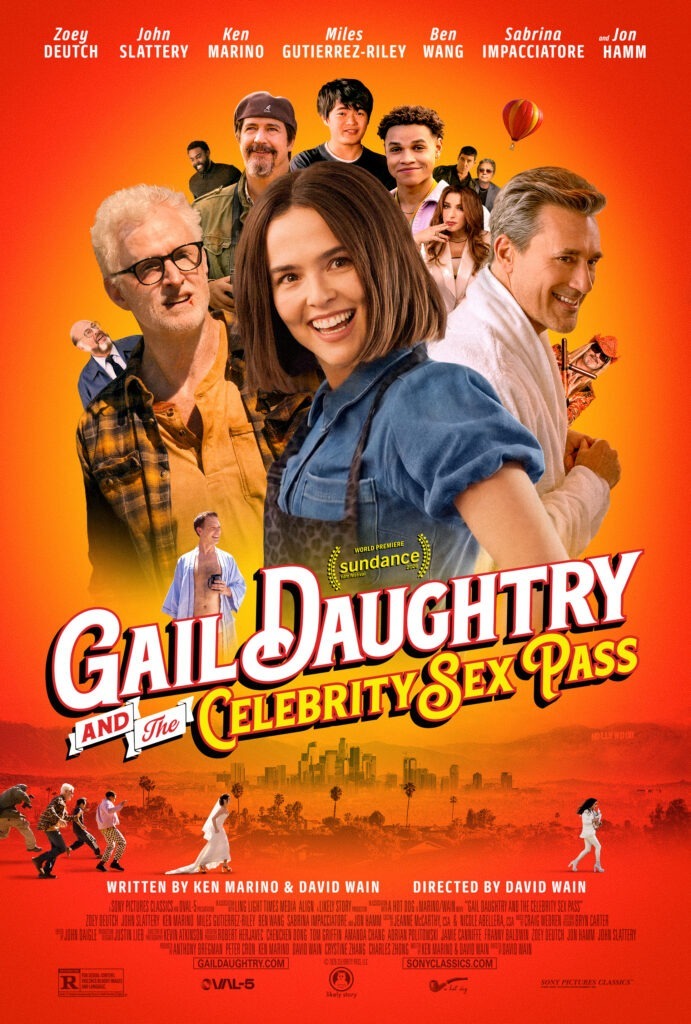
extremely cheesy and dumb at times, leaning fully into awkward humor, low-budget weirdness, and satirical fun rather than realism or emotional nuance. While much of the comedy becomes very hit or miss and the filmmaking can feel messy at times, the film really succeeds in what it set out for, that being an easy entertaining watch whenever its jokes and celebrity parody elements land with the right impact.
Gail’s journey begins after her seemingly normal relationship collapses following Tom’s celebrity “sex pass” encounter with Jennifer Aniston, immediately pushing the film into full absurdist relationship‑comedy territory. Rather than handling the situation with any realism whatsoever, the movie intentionally escalates the conflict into a ridiculous revenge-fueled road trip toward Los Angeles, where Gail hopes to track down celebrity fantasy figure Jon Hamm. The film openly structures itself as a satirical Wizard of Oz parody, transforming LA into an exaggerated fantasy world filled with strange personalities, celebrity-culture caricatures, bizarre obstacles, and intentionally over-the-top humor. Throughout the journey, Gail encounters a rotating collection of celebrity inspired characters and absurd comedy scenarios that constantly blur the line between parody and complete randomness. While the story itself remains extremely loose and episodic, the road-trip adventure structure keeps the movie moving at a fast enough pace to stay entertaining, even when many individual jokes fail to fully land. The narrative rarely attempts emotional depth or realism, instead fully committing itself to awkward comedy, satire, and chaotic Hollywood fantasy escapism.
The film’s comedy is intentionally cheesy and ridiculous, mixing over-the-top Hollywood star power, celebrity-culture parody, awkward relationship conversations, and completely absurd random cameos at a nonstop rate. Much of the humor comes from how seriously the film treats completely ridiculous situations, creating intentionally awkward comedy through its full commitment to dumb ideas and over-the-top fun. The satire surrounding celebrity obsession and online celebrity culture occasionally works very well, especially during the Los Angeles landmark commentary sequences and celebrity interactions. At times, the movie struggles because it constantly tries to balance being both smart and intentionally dumb, a fine line that causes certain scenes to feel unfocused or messy. Despite many jokes missing entirely because they walk that line a little awkwardly, the film still remains consistently entertaining because of how committed it becomes to its bizarre identity and chaotic ideas. Whenever the cameos land, especially in the final stretch, the parody writing and Wizard of Oz inspirations finally shine through, the film clicks together, and the comedy genuinely earns multiple laugh‑out‑loud moments, making that side of the movie an overall success.
The film’s visual style and filmmaking choices clearly reflect its lower-budget, independent comedy roots, with certain editing, cinematography, and composition decisions occasionally feeling rough or underdeveloped compared to larger studio comedies attempting similar satire. Some comedic sequences become intentionally chaotic visually, almost matching Gail’s increasingly ridiculous journey through Los Angeles, but this style can occasionally make scenes feel cluttered or messy rather than cleverly energetic. The movie heavily leans into colorful Hollywood imagery, exaggerated celebrity aesthetics, and absurd production design to reinforce its parody of modern fame, culture and celebrity obsession. Musical choices and comedic timing also become somewhat inconsistent throughout the runtime causing certain scenes to either completely land or totally fall apart, depending on the joke execution itself. However, despite the film’s very noticeable technical weaknesses, the scrappy filmmaking oddly works in favor of the overall tone because the movie never pretends to be anything more than a bizarre chaotic independent comedy. That messy filmmaking identity ultimately helps the movie maintain charm, even if it constantly reminds audiences this is a smaller-scale comedy production rather than a polished mainstream studio satire.
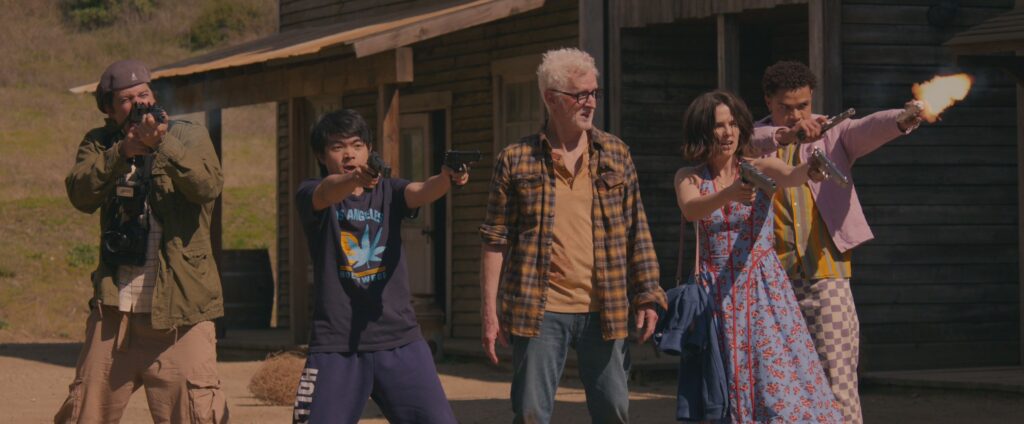
The final act completely abandons realism, escalating into increasingly absurd comedy sequences, celebrity cameos, ridiculous misunderstandings, and intentionally over‑the‑top action‑parody set pieces, including hot‑air‑balloon heights, as Gail’s Los Angeles fantasy fully spirals out of control. Gail eventually makes a life‑altering decision based on her trip to LA, embracing the fantasy and absurdity of the Hollywood world she has spent the film chasing. The ending heavily commits to the Wizard of Oz inspiration, with the celebrity fantasy world almost functioning like Gail’s exaggerated dreamland escape from her ordinary Kansas life, in perhaps the most creative and fun aspects of the comedy as a whole. And, while many of the final jokes are intentionally dumb and chaotic, the commitment from the cast and the nonstop energy allows several of the sequences to genuinely become laugh-out-loud funny, despite the ridiculousness. The final celebrity cameos and parody moments help the movie regain momentum during its closing stretch, making the last section considerably stronger and funnier than parts of the middle act. While the narrative itself remains incredibly shallow and messy overall, the ending succeeds because it fully commits to the bizarre satirical identity the movie had been building toward the entire runtime.
Gail Daughtry & The Celebrity Sex Pass ultimately succeeds far more as a chaotic entertaining satire experiment than as a polished or emotionally meaningful comedy film, but that appears to be exactly what the filmmakers intended from the very beginning. The movie understands its audience and leans into ridiculous celebrity‑culture parody, awkward comedy, and intentionally dumb Hollywood‑fantasy storytelling without ever reaching for grounded realism, and it will almost certainly find a following when it’s released. While the filmmaking, pacing, performances, and joke consistency are all extremely uneven throughout the runtime, the film still becomes a surprisingly easy and enjoyable watch because of how committed it remains to its bizarre comedic identity. Zoey Deutch carries much of the film’s energy through pure commitment to the absurdity while the supporting cast and celebrity satire elements help elevate many scenes beyond what the screenplay itself sometimes offers. The Wizard of Oz parody structure also gives the film a much more unique angle than many modern independent comedies despite the satire occasionally becoming repetitive or unfocused. Overall, Gail Daughtry & The Celebrity Sex Pass earns its place as a strange but memorable opening film for TwilightRoom’s Tribeca coverage, delivering a messy yet genuinely entertaining comedy experience whenever its absurd ideas and parody ambitions fully click, and earning a 64/100 from TwilightRoom.
TwilightRoom Score: 64.9/100