Wildwood is a magnificent piece of stop-motion that delivers an animated fantasy- adventure classic from its very first frames,
proving Laika can both create something never seen before and capture an audience with a tantalizing narrative. The film is an epic quest with real beauty and a unique tone baked directly into the heart of the plot, a rare fantasy that is not a copy-and-paste but instead borrows from a general template and reshapes it with a spirit that nobody else has ever even dreamed of. The film achieves the absolute
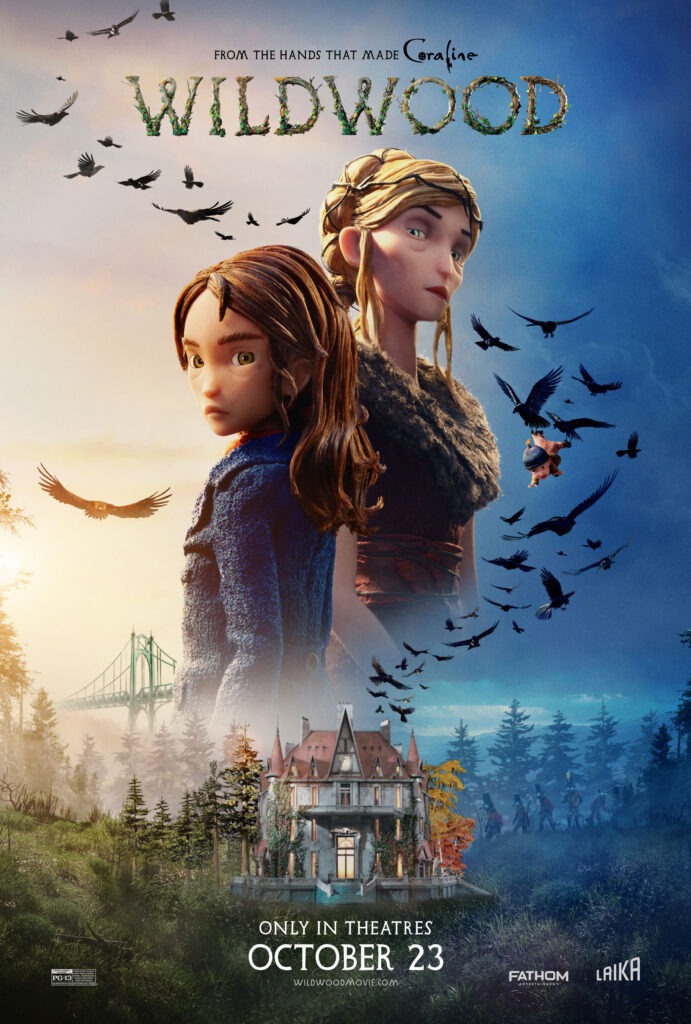
peak of Laika’s craft, which is remarkable, as the studio has been operating at the top of the medium since Coraline and has never once put out something that was not worth your time, but Wildwood is on another level of breathtaking. Travis Knight’s introduction at the AFI FEST premiere placed a whole new perspective on the film, framing the narrative around grief and the ones we wish we were sitting next to in the theater, a powerful message that the film itself stands by gorgeously rather than merely gesturing toward. Wildwood is an astonishing achievement in stop-motion filmmaking but, even further, the clearest example that a form can only go as far as the heart and soul placed within it allow, and in this case Knight brings pure genius to a fantasy-adventure epic that becomes something truly special.
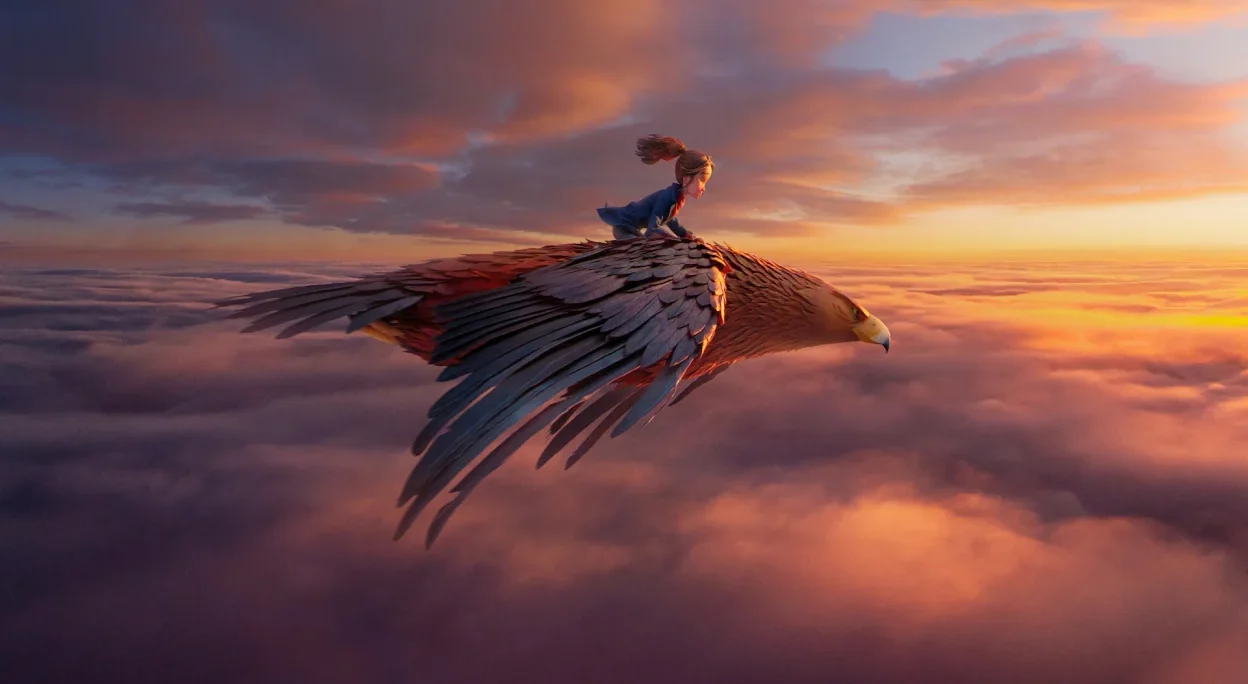
Wildwood begins in Portland with a deliberately simple story about a girl and her baby brother, and the patience of that opening is the first sign that this film knows exactly what it is doing, because it refuses to reach for anything fantastical until it has made you care about something small and real. That simplicity collapses the instant the crows sweep her brother out over the tree line, and the transition into the magical world is handled without a narrator, without an exposition dump, and without a single line explaining what we are suddenly looking at, which is a confidence most fantasy films never find. The first act builds its lore with the stop-motion beauty layered seamlessly underneath it rather than presented as the point, establishing the plot and the politics of this world without stopping the story cold to tell you who rules what and why. Then the score swells, our heroine takes flight on the back of a giant bird, and the film finally unveils the full scale of what it has been quietly assembling across that opening hour. That flight is the hinge of the whole picture, the exact moment a beautifully made adventure reveals itself as something far larger and more ambitious than anything the first twenty minutes suggested was coming.
The craft here is simply on a level nothing else in animation touches, and what makes it extraordinary is not the scale itself but how little the film ever asks you to notice it. Laika has always been a studio that builds worlds with weight to them, but Wildwood is the first time that weight has been applied to something genuinely epic, and the forest, the mansion, and the sky all carry the density of places that physically exist because they physically do exist. The eagle is the single most impressive thing in the film, a creature with a wingspan wider than most of the sets it flies through, animated with such specific attention to how a bird actually holds itself in the air that you forget entirely that somebody placed every one of those feathers by hand. Caleb Deschanel had never shot stop-motion before this, and it shows in the best possible way, because the camera here moves with a live-action instinct that Laika’s previous films, as beautiful as they are, have never quite had. The result is a film that looks like nothing the studio has made before and nothing anyone else is capable of making at all, which is exactly what fifteen years of preparation was supposed to buy.
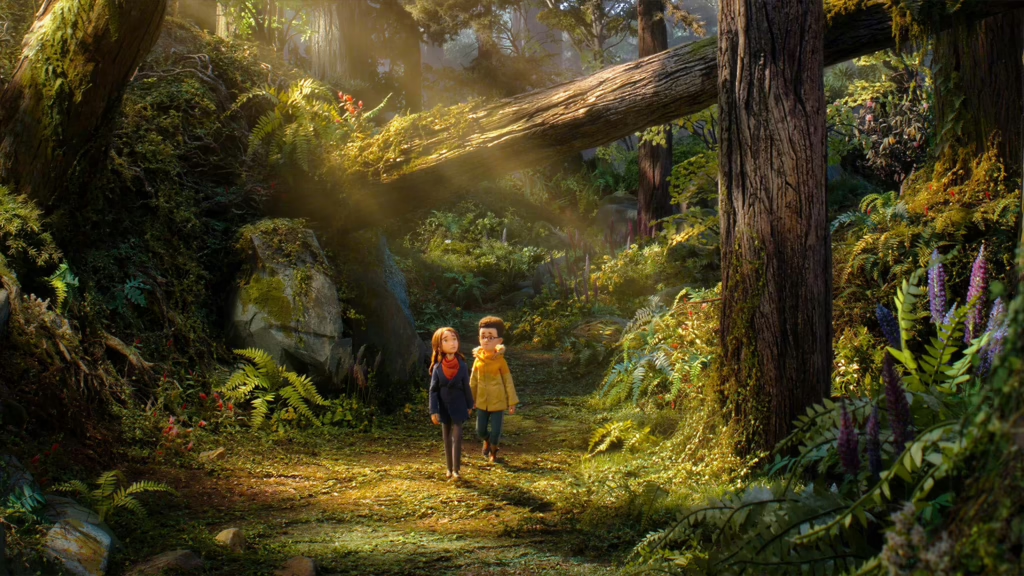
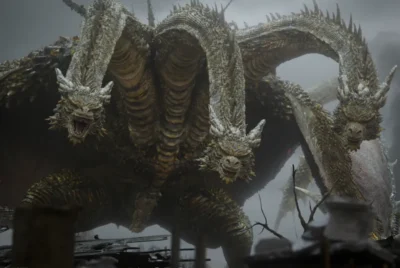
The second half builds steadily and deliberately toward a war sequence pitting the bandits, the birds, and the mystics against the wolves, the crows, and our antagonist, and it is magnificent on every level a sequence can be measured by. That battle stands as one of the greatest achievements in the history of stop-motion animation, and quite possibly the single best, both for the sheer density of what is moving inside every frame and for how clearly the geography of the fight is always communicated to the audience. The storyline develops extremely well and moves at a solid pace that deliberately refuses the prolonged-ending trope so many fantasy films collapse into, choosing to land cleanly instead of extending itself long past its own natural conclusion. It also dives properly into the more adult atmosphere the film has been reaching toward since its first act, which is why the darkness in the back half genuinely registers rather than being gestured at and then walked back. Knight has described the darkness and the hope in this film as inseparable, and the war is where that argument gets made most forcefully, because the uplift at the end only works because of how heavy everything preceding it was allowed to become.
Laika optioned this novel back in 2011, and Knight has been completely open about the fact that he waited on purpose, believing the studio was not yet capable of making Wildwood and needing five more films to get there. That decision is visible in every frame of the finished picture, because this is not a studio stretching to reach something beyond it; this is a studio arriving somewhere it spent fifteen years preparing to go. What Knight brings beyond the technical readiness is the thing that actually separates this from a very expensive demonstration, which is a filmmaker who knows precisely what his film is about and never once loses hold of it across a hundred and forty minutes. His introduction at the AFI premiere reframed the entire thing around grief and around the people we wish were sitting beside us, and watching the film with that in mind reveals how deliberately every choice here has been pointed at that idea rather than at spectacle. It is also worth saying that this is the longest stop-motion feature ever made and Laika’s first PG-13 film, two facts that sound like trivia until you realize both were necessary conditions for telling this story honestly.
Wildwood is the clearest demonstration in years that stop-motion remains fully capable of scale, and the fact that a handmade film can stage something this enormous without ever looking strained is the entire argument delivered in a single sequence. Its emotional foundation is what keeps the craft from becoming an exhibition, because underneath the lore and the politics and the birds this is a story about a sister going after her brother and about the courage it takes to walk into something you do not understand. Knight’s framing of the film around grief gives the whole thing a weight that studio animation at this level almost never attempts, much less earns outright, and the film holds that weight all the way through its ending. This will be studied as the high-water mark of the medium for a very long time, and that is exactly what fifteen years of waiting was for. Earning a 93/100 from TwilightRoom, Wildwood is the second-best film Laika has ever made, a top-five film of the year, and a magnificent achievement in stop-motion filmmaking that nobody else working in animation is currently willing to even attempt.
TwilightRoom Score: 93.5/100