Note: This Review may contain Spoilers after the First Paragraph.
You Can See Everything may just be the best documentary of all time, and the best film in an incredible year for the medium, a three-
hour piece of nonfiction filmmaking so insane that it tricks your mind into believing it’s fiction. As this You Can See Everything review will explore, the film is jaw-dropping from the opening frame to the closing image, not only for its tantalizing material but also for the masterful visual approach of co-directors Nathan Fielder and Lance Oppenheim. The film’s access and subject matter are so absurd and
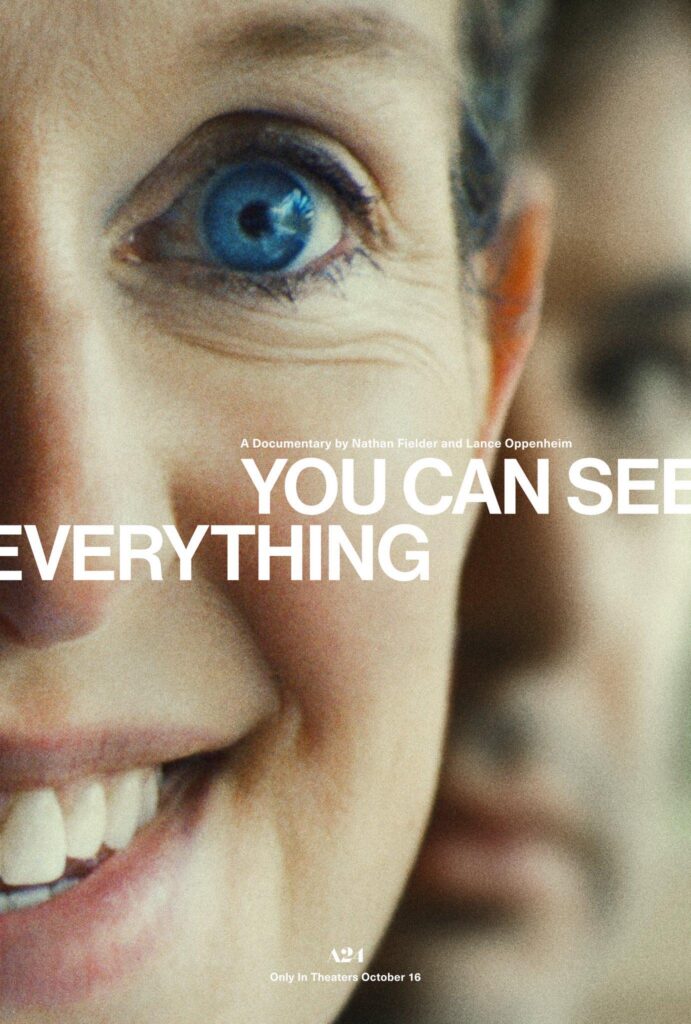
extreme that they circle back to feeling fabricated at many moments, playing like a narrative feature constructed by someone with total authorial control rather than a documentary assembled from whatever an unreliable subject was willing to permit. That collapse between the documented, the documentarian, and the staged is the film’s entire operating principle. You Can See Everything is eerie and tantalizing in equal measure, sustaining a tone that should be impossible to maintain across three hours, a feat that speaks as much to its excellent pacing as to the subject matter itself. Fielder explores every complexity within this story, even as he shifts from filmmaker to subject himself, without flattening or pushing any of them too far. The film’s willingness to sit with contradiction, uncertainty, and its own manipulation preserves an unresolved tension that separates it from every other documentary that has tried to touch this territory. You Can See Everything is a masterpiece of filmmaking, from Oppenheim’s stunning framing and cinematography to the immaculately timed progression of events that never lets up and always looks ahead. At its center, the endlessly intriguing relationship between Nathan Fielder and Elizabeth Holmes becomes one of the most compellingly structured and realized relationships in film history.
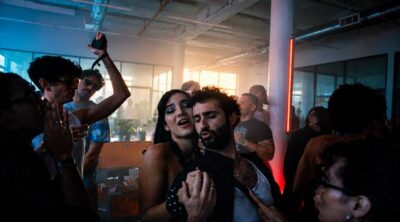
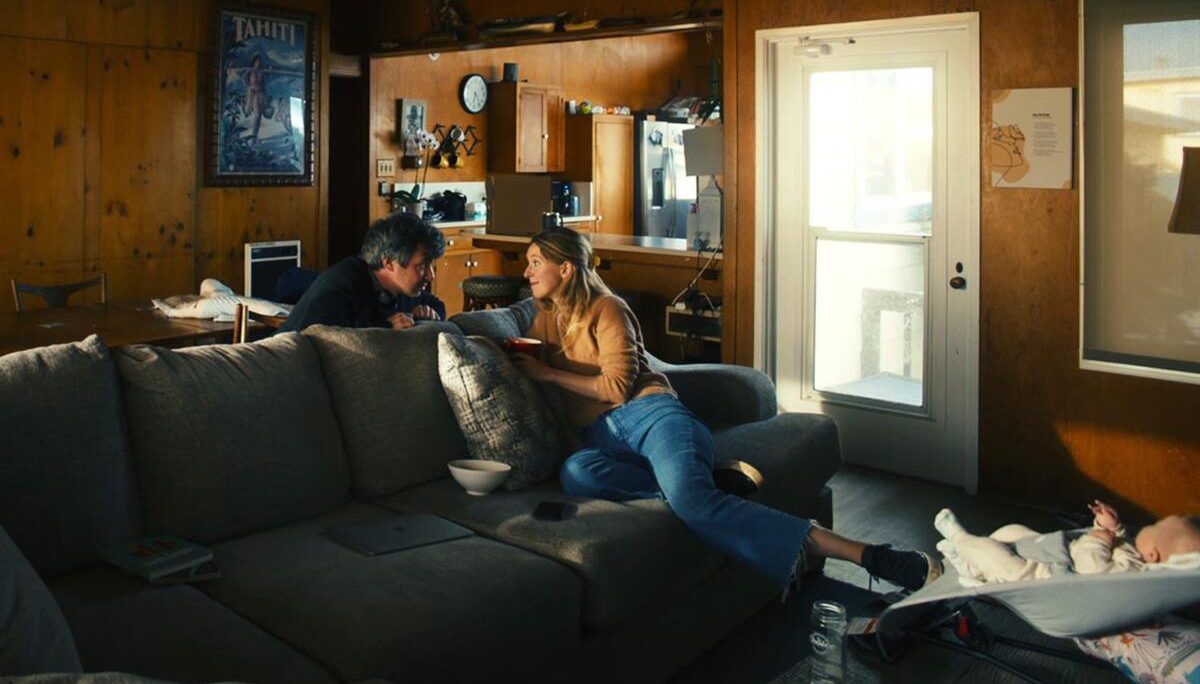
The central relationship here is Nathan Fielder’s with Elizabeth Holmes, and the film frames him from the outset as an outsider observing a life while steadily integrating himself into it, watching from afar until he is ripped inside, which is the structural idea the entire documentary is built around and the one it keeps complicating as the runtime goes on. Billy Evans is odd and centrally evil in a way that escalates continuously throughout, and the film repeatedly implies that Nathan’s mere presence in these rooms is actively preventing something from happening rather than simply recording it, which turns the camera itself into a participant in the events it is capturing during Holmes’s final 30 days of freedom. Billy also emerges as a bigger liar and a more compelling point of interest than Liz herself at moments, which is the first of several reversals the film executes without ever announcing them, quietly redirecting where your attention sits for the remainder of the picture. The fake tears land as devastatingly as anything here, particularly when set against her own earlier comment that crying is the single hardest emotion for her to produce, a juxtaposition the film trusts you to make entirely on your own without a single line of underlining. These juxtapositions run rampant in the film and are brilliantly placed to let the audience connect dots that are so delicately introduced. Watching the three of them sit down and view The Dropout together is fascinating in a way documentaries almost never get to be, because observing a person watch their own semi-biographical dramatization is a form of access nobody has previously had, and Oppenheim understands exactly how rare it is, holding on their faces rather than cutting to what they are seeing.
Fielder is on point every single time he speaks and never wastes a word, a remarkable thing to say about a documentary subject operating largely without a script. His precision is a large part of why the film never tips into exploitation despite how easily it could. The question surrounding the baseball joke reframes our understanding of Holmes’s mind in a direction nobody watching could have reasonably anticipated, raising a question the media never dared to ask. The ensuing conversation about lying and fabrication is some of the most excellent material in the entire film, a stretch where two people who both make their living from performance float between speaking the same language and something completely foreign. The film carries Fielder’s specific brand of humor within such a serious tone that you end up tunnel-visioned into something that feels endlessly unique. That it never undercuts the gravity of what is being discussed is the hardest trick the movie performs. The conversation between Nathan and Holmes’s father about her assault is one of the most interesting sequences here, particularly as her father begins to recognize an issue with what is happening through his own emotional response, arriving somewhere he may never have considered before while the camera is still running. The film executes every one of these moments perfectly, framing each scene so that Nathan’s dual position as observer and participant stays visible without the documentary ever stating it aloud.
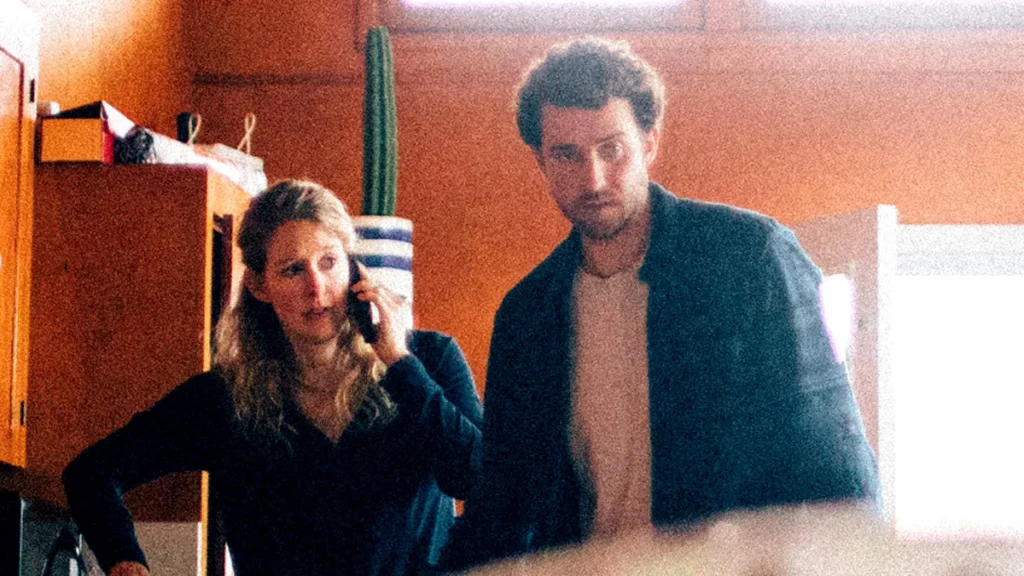
After Nathan shows them The Dropout, the documentary introduces Amanda Seyfried as the most complex piece of its ever-growing puzzle. Her arrival begins the second section, after Elizabeth is sent to prison, and effectively resets the terms of the entire film in one move. That transition pushes the extremist and controlling mindset of Billy fully into view and reframes how the documentary has been looking at both Nathan and Elizabeth since its opening stretch, forcing you to reread everything you have already sat through. Seyfried comes to represent the audience’s perspective across much of the back half while simultaneously playing Holmes in recreations of events that were not captured on camera, a fantastic development that has her doing two completely separate jobs at once without either one compromising the other. That device eventually curdles into a slight distrust of Nathan’s own recollection of events, because by this point he has clearly developed sympathy for Liz, and the film’s willingness to turn that suspicion onto its own narrator adds an entirely new layer to everything surrounding it. Billy revealing that he holds power of attorney and speaking for her in a scene opposite Fielder and Seyfried is the most intense the film ever gets, the moment every thread the documentary has been running finally converges inside a single room.
Lance Oppenheim’s direction and David Bolen’s cinematography bring every scene and sequence to perfection, and the documentary is organized, paced, and delivered with a precision that almost nothing in nonfiction filmmaking has ever approached. The film is shot so magnificently at every moment that you cannot help but marvel at the pure technical skill on display entirely independently of whatever the story happens to be doing at the time, which is a rare thing to say about a documentary where the material itself is this extraordinary. The pacing across three hours never once slackens, which is the single hardest thing to pull off at this length and the clearest available evidence of how completely the filmmakers control what they have assembled. The way the documentary frames Nathan’s perspective across its runtime and then finally places him inside the scene he is watching rather than outside it is the exact structural move the film needed, delivered at the exact right moment and not a second before. That decision is what allows the film to achieve everything it set out to do, and it arrives so late and so quietly that its brilliance only fully registers once the credits have started, which feels like the work of filmmakers who knew precisely what they were building from the very beginning.
You Can See Everything has rewritten what the documentary form is capable of, taking access most filmmakers would have been content to simply point a camera at and constructing something formally audacious out of it instead. Its interrogation of lying, performance, and self-mythology is the most complete treatment of those ideas I have encountered in any film, fiction or nonfiction, and it arrives there without lecturing a single person watching. Fielder, Seyfried, and Oppenheim are each doing career-best work here, and the fact that all three are operating in registers that feel entirely new makes the total coherence of the finished film that much more astonishing. There is not a wasted minute across three hours, which speaks to the intent behind every choice in the finished film. Earning a 99/100 from TwilightRoom, You Can See Everything is the best documentary ever made, the best film of an incredible year, and a piece of work that will be studied for as long as people continue making nonfiction films.
TwilightRoom Score: 99.5/100