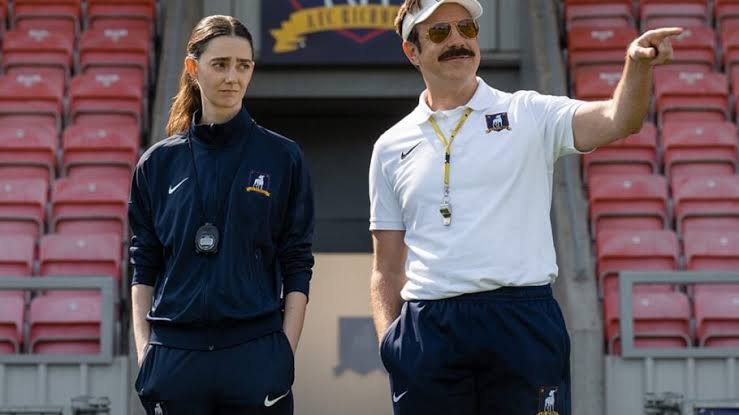
Season 4 of Ted Lasso may become one of the most misunderstood seasons of television ever. Every complaint that the tone differs
from the first three seasons is accidentally the best argument for why it’s so outstanding. A season built around a women’s team instead of a men’s team required change and a different angle, because the sport, the struggles surrounding it, and the overall tone are all genuinely different, and Ted Lasso executes that shift perfectly. I will forever be
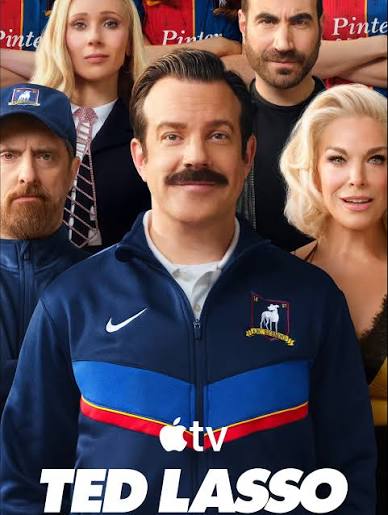
a defender of this fourth season, as one of my favorite shows of all time produced yet another fantastic run with some of the best moments and characters we have ever gotten from Apple TV’s darling, including the brilliant addition of Alice and a speech on embarrassment that completely rewired my brain for the better. If this Ted Lasso Season 4 review proves anything, it is that this show’s formula was never about the Premier League or a promotion race, and that what actually travels is the specific attention it pays to people who have not yet been given a reason to believe in themselves.
The premiere carries the hardest job of the season, re-establishing a world the third-season finale had deliberately closed off, and it takes a little time to find its charm and comedy again before the back half snaps everything into focus and puts the tears back in your eyes by the credits. Episode two is where the whole thing clicks, returning to Richmond with the old gang intact while Ted tries to settle in with the women’s team, and the comedic and dramatic timing that the premiere was still calibrating arrives fully formed. The arrival that matters most is Coach Alice Chilton, perfectly cast and written straight into a classic Ted Lasso arc that won me and everyone else over immediately, because this show has always been at its best when Ted has someone beside him who pushes him to be better while he supplies the happiness and love they need. Episodes three and four then settle into a steady rhythm as Ted and Alice work to build chemistry inside the squad and the team pushes for results in the second division, with Beard folded back into the coaching group and the shape of the season becoming much clearer than the premiere suggested it would. The comedy lands, the warmth is constant, and the new cast keeps delivering, all of which makes this stretch far more confident than the reception around it has given it credit for.
The new characters are the single strongest asset of this season, and the show’s willingness to genuinely invest in them rather than coast on returning faces is exactly what gives this chapter an identity of its own. Gemma is the best of them, with her goal-scoring moment and her backstory making her a natural foil for Ted and the source of the season’s richest material, while her developing relationship with Alice gives the coaching staff a dynamic worth building around. The writing for Alice is consistently brilliant, especially in how freely she is allowed to struggle before she asks for help, and her decision to go to Rebecca and open up about her own history with injury is the kind of specific, unglamorous character work this series has always done better than its peers. The “Believe” and “Win” distinction she draws is the smartest single idea in the season, separating the women’s situation from the men’s and handing each side its own language without diminishing either one. It is a small, character-driven touch of exactly the sort the original run built its entire reputation on, and it lands here with the same weight it would have carried in Season 1.
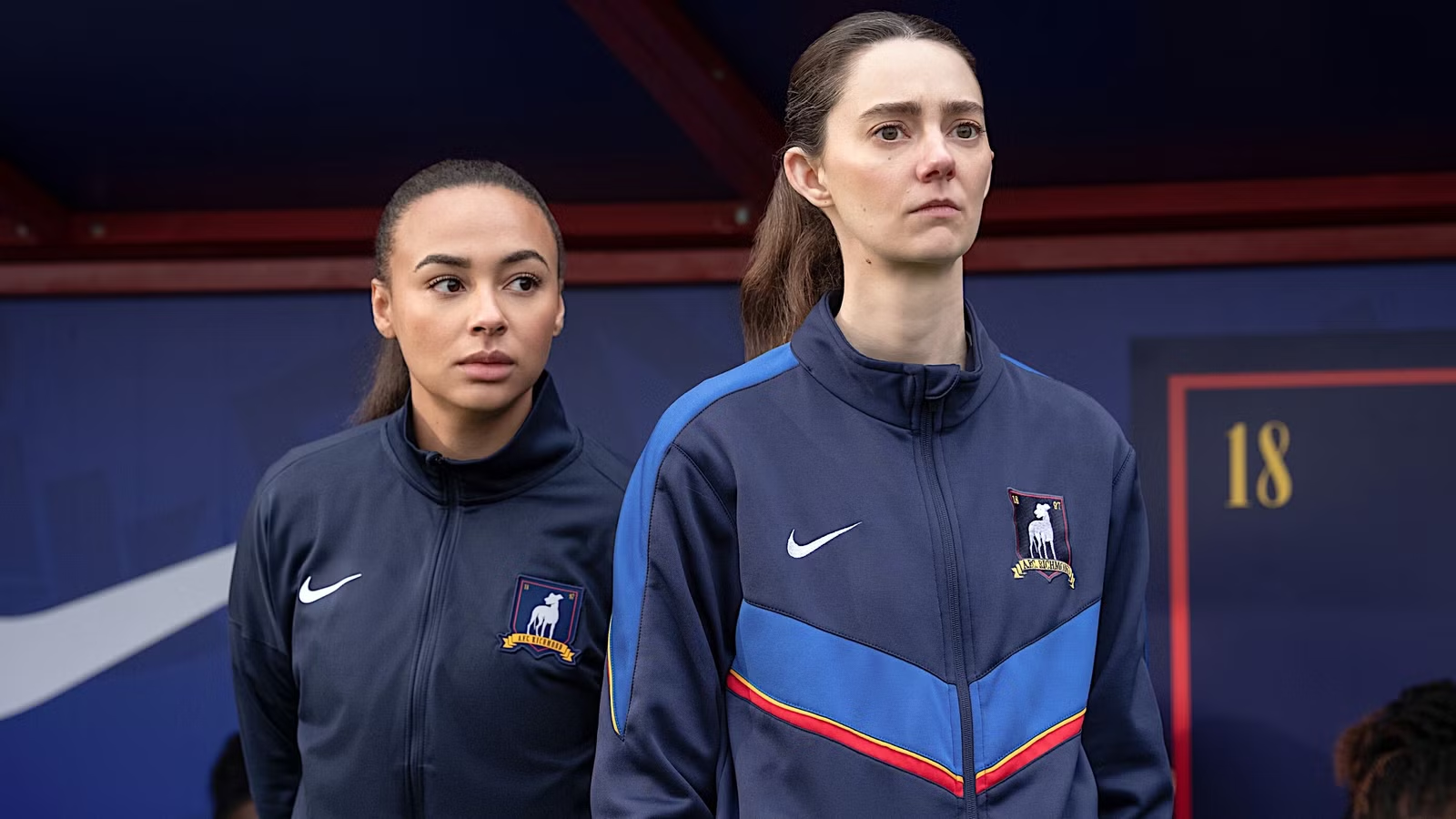
Episode five is constructed almost entirely around Ted and Alice’s clashing coaching philosophies finally giving way to something closer to a true partnership, and the locker-room speech on embarrassment is the best speech this show has ever produced, hitting its emotional mark exactly without ever tipping into the sentimentality the series occasionally leans on too hard. Jamie Tartt’s return is genuinely amazing to see and immediately injects the energy and history this new chapter had been building toward, with his scenes alongside the Lady Greyhounds connecting the whole season back to everything the first three seasons built. Episode seven is an all-timer and one of the best hours of television this year, as Gemma’s knee injury forces her to weigh a law internship against staying with the squad, and Rebecca turns up at the hospital with a gift basket, precisely the sort of small gesture this show understands better than anyone writing television right now. Ted and Alice sitting in silence in their shared office, each processing something neither of them can say out loud, is the best scene of the season, with the passion between them unmistakable and feeding directly into the locker-room speech that follows. Roy’s confession during what was supposed to be a tribute to his Chelsea career turns the episode into a genuine rom-com, and his admission that Keeley makes him feel like a legend brings three seasons of bickering to a perfect close.
The finale understands itself and its own delivery far better than audiences have recognized, and it lands an ending that retroactively reframes everything preceding it. It moves cleanly between Keeley’s viral promo selling out Nelson Road for the Lady Greyhounds’ final match, Roy accepting the Chelsea job while quietly terrified about becoming a father, and a shareholders’ war in which Zelda’s secret share grab collapses before Mae’s will hands Rebecca the two percent she needs to take control of the club. Ted’s resolution is the quietest and best thing in the episode, as he finally tells Henry the truth, looks at his father’s Salesman of the Year plaque, and chooses an assistant manager job under Alice instead of another position at the top of anything. Choosing to close on a man deliberately stepping down rather than up is the most honest decision this season makes, and it is the one that most completely justifies the return. “Change is good” is exactly the right note to walk out on, a fantastic way to stick the landing for a season that spent its entire run being argued about by people who had already decided what it was.
This is a season I expect to look considerably better in five years than it does in the middle of its own discourse, because the complaints leveled at it are descriptions of its design rather than failures of it. Alice Chilton is the best new character this show has introduced since its first season, and the Ted and Alice partnership is the engine that makes this chapter hold up on rewatch in a way the reception never acknowledged. The Lady Greyhounds give the series a genuinely different set of stakes, and the decision to meet those stakes with a different tone rather than forcing the old one onto new material is what separates a real fourth season from a victory lap. Ted Lasso remains one of the most reliably comforting hours on television and one of my favorite shows of all time, and this season added several of its very best moments to that record. Earning an 87/100 in our TwilightRoom review, Ted Lasso Season 4 is a misunderstood and fantastic chapter that I will defend endlessly, anchored by Alice, by Gemma, and by a speech on embarrassment that rewired my brain for the better.
TwilightRoom Score 87.7/100