Introduction
Fantasia International Film Festival delivered another packed slate of genre cinema, horror curiosities, and one prestige TV finale premiere, giving us plenty to dig into across a lineup that ranged from meditative samurai drama to zombie hive-mind horror to a killer-kids-show experiment that only half-worked. Kiyoshi Kurosawa’s The Samurai and the Prisoner emerged as the clear standout of the festival, a reflective, gorgeously shot genre entry that stood well above everything else we saw, while Village of Eight Gravestones proved a faithful, atmospheric adaptation of a beloved detective novel. The rest of the lineup was a genuine mixed bag: Colony and Her Private Hell both showed real conceptual ambition undercut by pacing and writing that couldn’t quite keep up, Nightborn and Unholy Night leaned into effective folk-horror dread without ever fully sticking the landing, and Buddy and Ancestral Beast offered scrappy, inventive swings that needed more polish to match their ideas. Cape Fear also used the festival for its series finale premiere, closing out a season that never fully lived up to its starry cast despite a stronger back half. Here’s our full rundown of everything we caught at Fantasia this year, ranked from best to, well, still worth talking about.
TV Series. Cape Fear
79.1/100 - Full Season Releases - Nick Antosca
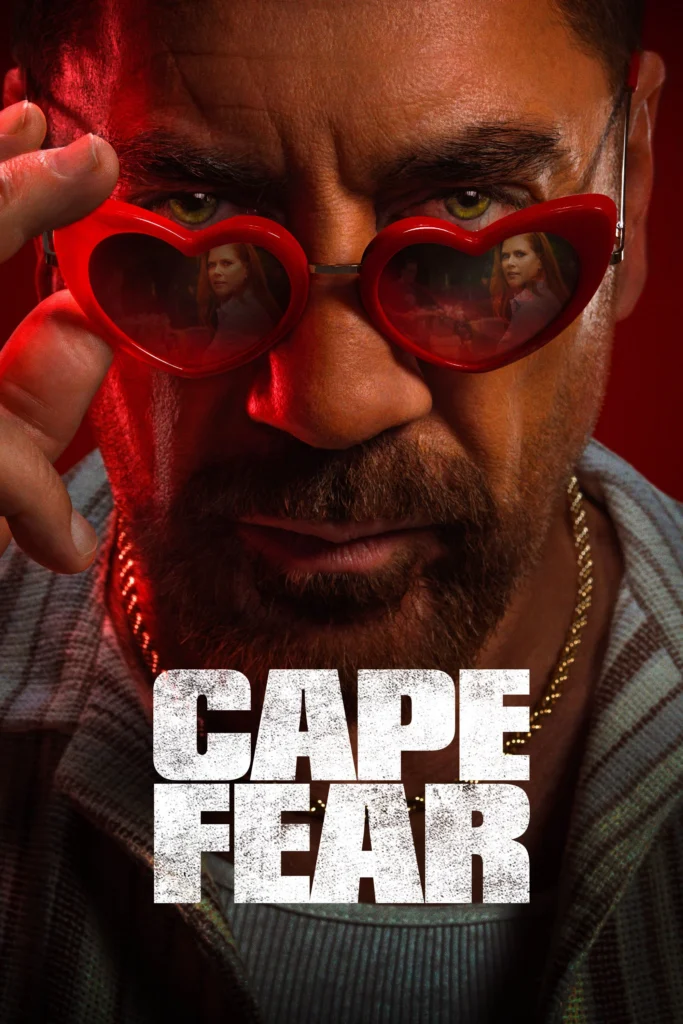
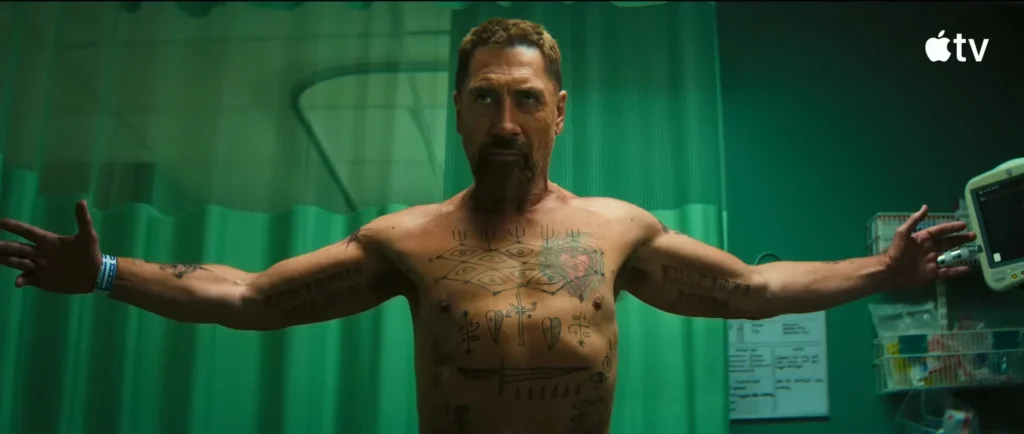
Cape Fear arrived at Fantasia for its finale premiere on a strong wave of positive buzz, and with Amy Adams, Javier Bardem, and Patrick Wilson leading the cast, it’s easy to see why the show was positioned as a hit going in—even if we at TwilightRoom were never fully among its biggest boosters across the season. The writing consistently felt somewhat sloppy, with oddly paced, overdramatic line delivery that raised the question of whether this adaptation was truly necessary in the first place. Across the midseason stretch, we saw more of the fractured connection between Anna and Max that led to his imprisonment and continued unease around their son Zach, whose vaguely unsettling attachment to Max never found a clear motive, while Nevaeh’s disturbing tie to Max and an oddly drunken-feeling bonding stretch between Tom and Max pushed the mysteries forward without ever elevating the show beyond middle-of-the-road acting, intrigue, and horror. Bardem’s real menace consistently outpaced a supporting cast too often stuck making baffling, plot-serving decisions, and even once the campy tone finally clicked into focus by episode six, the concept still felt stretched across too many episodes—a structural problem endemic to Apple TV+’s insistence on longer seasons that some stories simply don’t need.
The back half of the season, though, finally found some momentum. Episode eight marked a genuine turning point as everything began crashing down around the central family and Max’s master plan moved into motion, with Anna’s vengeance-fueled arc benefiting from a campy soundtrack and dread that, for the first time all season, felt perfectly aligned with the material. Episode nine delivered the long-awaited answers, clarifying Max’s sinister relationship to his sister Anna and his children at a quicker, more horror-driven pace that made it the strongest episode of the run, even if the same spotty, overly cheesy dialogue lingered throughout. The finale was a step back down, jumping off the deep end in every direction, pushing Bardem into territory that even the effects work during the climactic house chase couldn’t quite save, and closing on an ending that never delivered the reveal the season had been building toward. Cape Fear remains a show we suspect is somewhat misunderstood by audiences who haven’t tuned into the camp tone and thriller pulp it’s been chasing all along, and while that stronger back half helped justify its Fantasia slot, the season as a whole never fully lived up to its anticipation or its star-studded cast.
1. The Samurai and the Prisoner
80.1/100 - Theatrical Release: July 31 - Kiyoshi Kurosawa
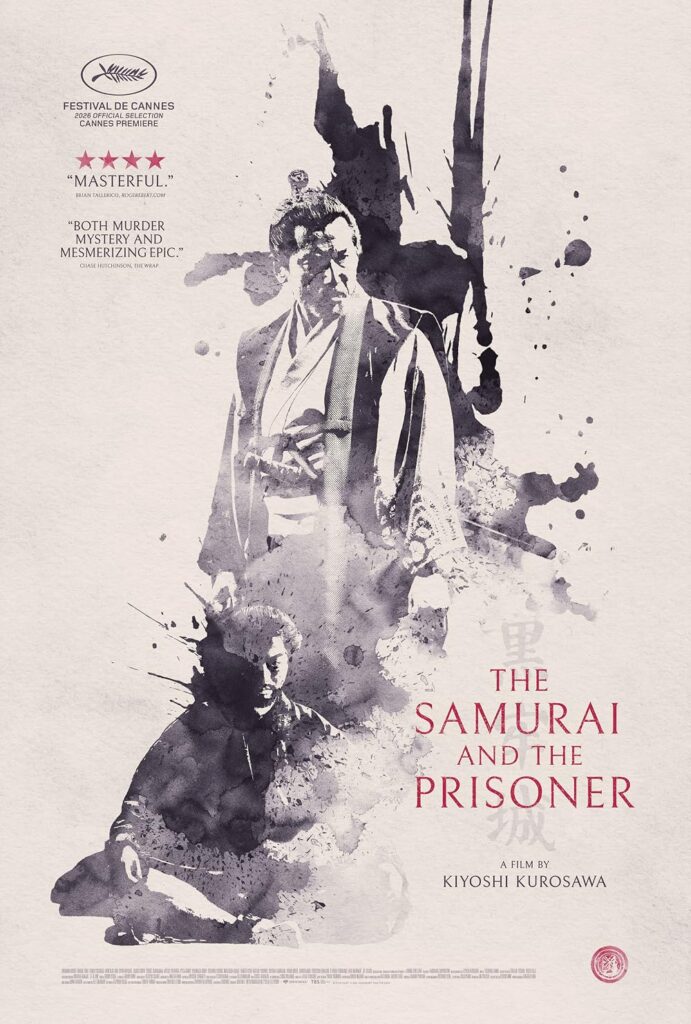
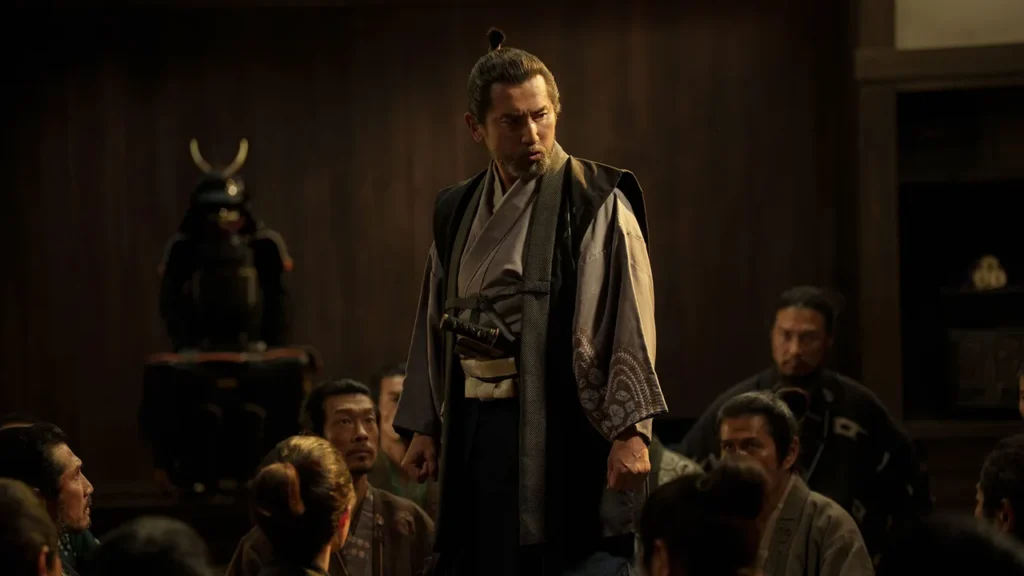
Of everything we caught at this year’s Fantasia International Film Festival, The Samurai and the Prisoner stood out as the clear highlight, Kiyoshi Kurosawa’s reflective new take on the samurai genre carrying an old Akira Kurosawa sensibility through its snowy atmosphere and gorgeous cinematography from the moment Oda’s army begins threatening the city. Masaki Suda, reuniting with Kurosawa after Cloud, gives a strong performance as the imprisoned Kanbei, locked away by Lord Murashige, and it’s Murashige’s search for a traitor within his own walls that gives the film’s slower stretches genuine tension, especially once the psychological warfare escalates and his men begin turning up as carefully packaged warnings. The camerawork is a constant standout throughout the runtime, using distant compositions to embed the samurai within the nature of the city and its shifting landscape as winter turns to spring, resulting in one of the year’s most technically and aesthetically striking films even when its pacing occasionally drags. The reveal of Noto Nyudo as the real traitor, despite his efforts to frame the younger and more hopeful Yosaku, stands as one of the film’s strongest turns, while Kanbei’s quiet devotion to Murashige after his release from the dungeon lends the back half real emotional weight heading into a dramatic final-act revelation. Its greatest flaw remains its length: at two and a half hours, the film feels bloated in stretches, and a tighter two-hour cut might have pushed it from very good to a genuine best-of-the-year contender.
Still, the final act’s dungeon imagery and the gut-punch reveal of Kanbei’s ten-month betrayal at Oda’s hands provide a genuinely powerful close to a rewarding, if overlong, genre entry. Kurosawa’s blend of chamber-drama mystery, siege-film tension, and classical jidaigeki visual language makes The Samurai and the Prisoner feel both timeless and freshly invigorated, and it easily stood as the best film we saw at the festival this year.
2. Village of Eight Gravestones
72.9/100 - Theatrical Release: September 18 - Takashi Shimizu
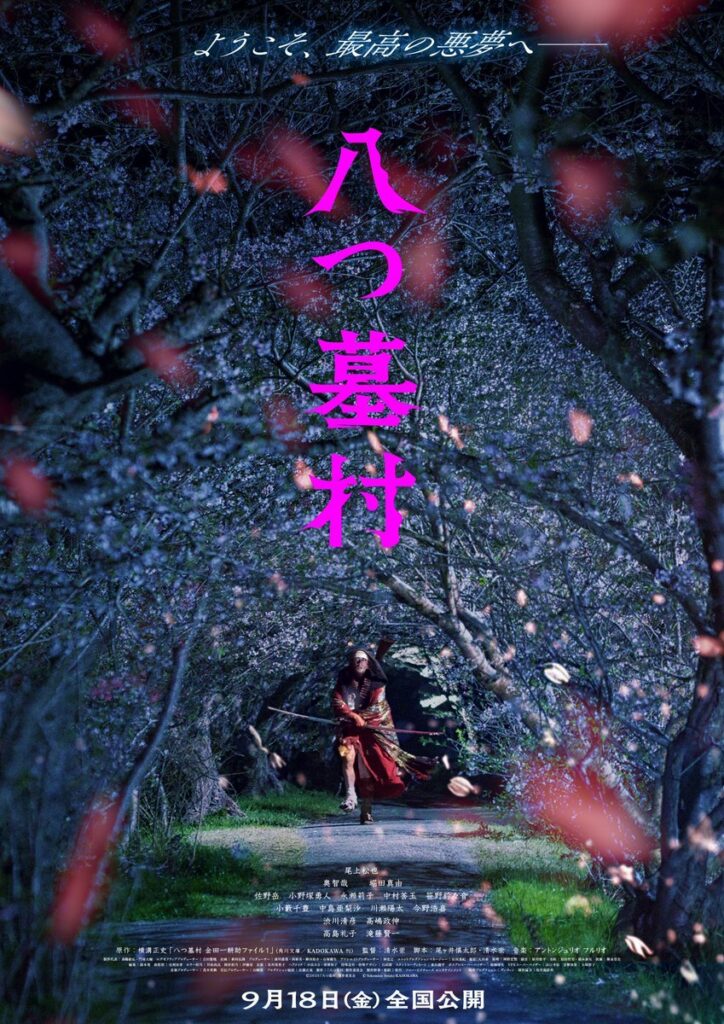
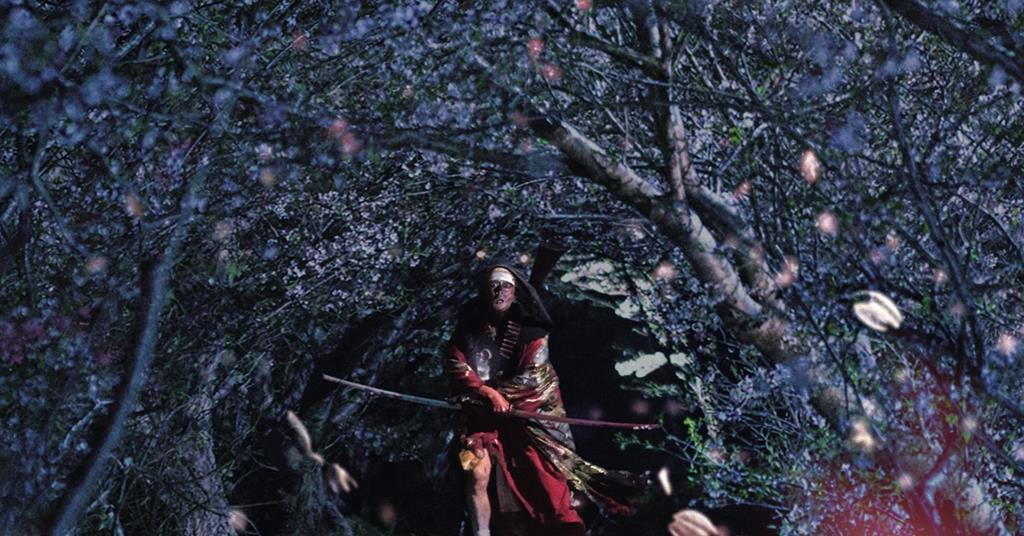
Village of Eight Gravestones follows a young man who heads to the titular village to find answers after a relative’s death, running into Kosuke Kindaichi, a private detective hired by his lost father’s relatives to track him down along the way. The film clearly has a strong detective-story backbone drawn from the famous Seishi Yokomizo novel it’s based on, and this 1977 rendition leans into scenes of death and a suitably gloomy atmosphere that sets an eerie horror tone from early on, even if the narrative moves a bit slowly and requires some patience to fully click. It’s clear from the masks and curse-laden history that the town believes the central family has brought a curse down on itself, and that belief only deepens as the film progresses, turning the village against them. As the horror gets dialed up and the mystery keeps unraveling, the film steadily improves, with more of the youth group tormented and more bodies turning up wearing those same masks, and the eventual reveal gives real weight to why the curse exists in the first place, making the story feel all-encompassing and worth it overall.
The film’s fiery final stretch is quite solid and wraps up a faithful, curse-driven rendition of the source novel, even if it doesn’t quite land with the full payoff the patience it demands seems to be asking for.
3. Colony
69.9/100 - Theatrical Release: August 28 - Yeon Sang-Ho
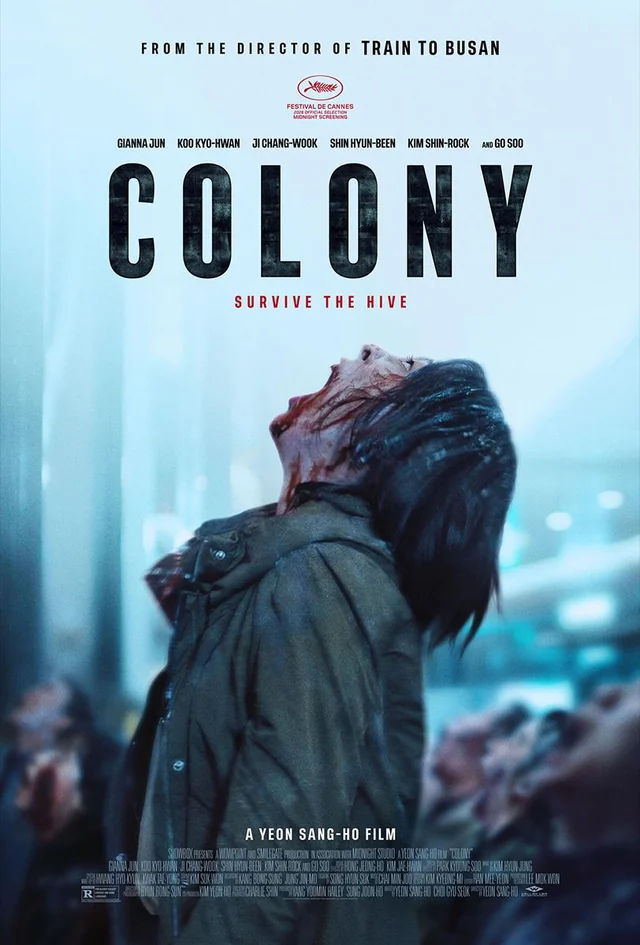
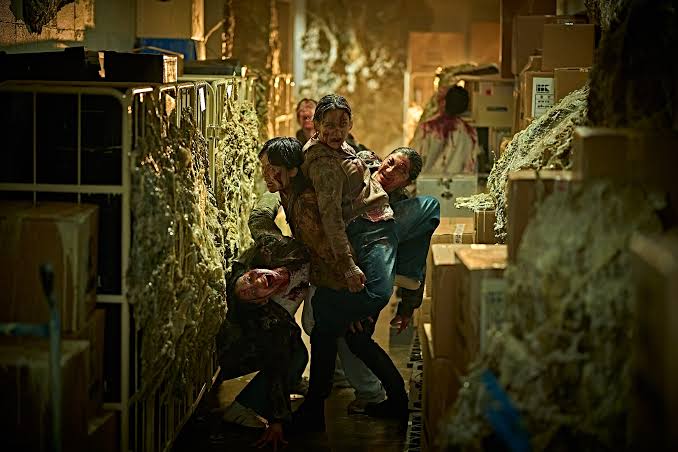
Colony, made by the same director as Train to Busan, follows a young female professor at a biotech conference unveiling a new medical advancement, only for a disgruntled scientist involved in the project to appear demanding a “new humanity” and injecting a colleague with a serum that turns him into a crazed zombie. The outbreak expands quickly as more infected attack at high speed and word spreads to the public, with the infected seeming to adopt a colony-type hive mind that lets them gain higher intelligence through each other. The film moves very quickly into zombie action without letting the audience settle in with its characters, and that pace ends up costing it real emotional stakes throughout. The group’s escape plan gets complicated at several turns, from a security guard going rogue and exposing their location to the colony, to discovering that killing the first infected person kills the colony as a whole right as an outside team finally arrives with a vaccine.
A late twist reveals some fun new ideas that really help drive the action-horror toward the end, and the film closes with the zombies pouring into the streets as the characters chase down the real culprit, though that finale lacks the impact the setup was building toward. Overall, Colony has a clever central premise and no shortage of energy, but its unwillingness to slow down keeps its characters, and its emotional stakes, underdeveloped.
4. Her Private Hell
67.3/100 - Theatrical Release: July 24 - Nicoloas Winding Refn
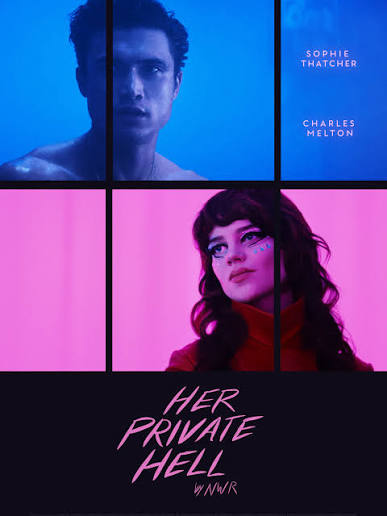
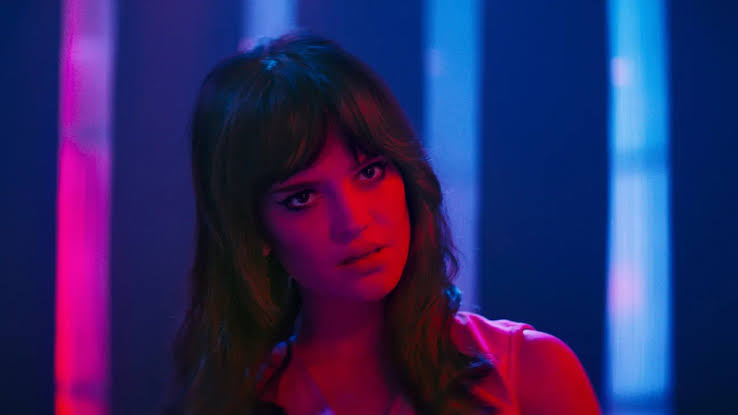
Her Private Hell rounded out our festival coverage, immediately impressing with genuinely striking costume design as it sets its fractured, intentionally broken narrative in a euphoric futuristic city filled with fashion, sexual tension, and mysterious mist. The story follows a leatherman searching this hellscape for his lost daughter, a premise that feels weighty on paper and establishes an odd, psychedelic sci-fi sensibility right from the opening stretch, with the makeup, costume, and color design standing as clear highlights precisely where the narrative and writing fall short. Charles Melton is good in his role as the story’s central figure, walking through the mist in search of his daughter, but the film underuses an actor who is clearly one of the best working today, and the same holds true for Sophie Thatcher, whose character’s relationship with her father and stepmother deteriorates into a toxic, screaming final-act confrontation. As the film enters its second half, it begins to lose its grip on the audience, since the visuals can’t fully compensate for blunt dialogue and a lack of forward narrative momentum, though the club sequence with the girls offers a welcome conceptual reset right when the film needs one most.
At times the whole project feels overly pretentious, written in a manner reminiscent of Megalopolis and seemingly a little too enamored with its own style, while its horror elements stay muted until the final ten to fifteen minutes, when the film finally embraces the genre in earnest. This isn’t a complete dismissal of Her Private Hell, since there’s a genuinely interesting, half-realized experiment buried in its incoherence, but that same incoherence is exactly what keeps it from becoming one of the true standouts of this year’s festival lineup.
5. Nightborn
60.1/100 - Streaming Release: July 31 - Hanna Bergholm
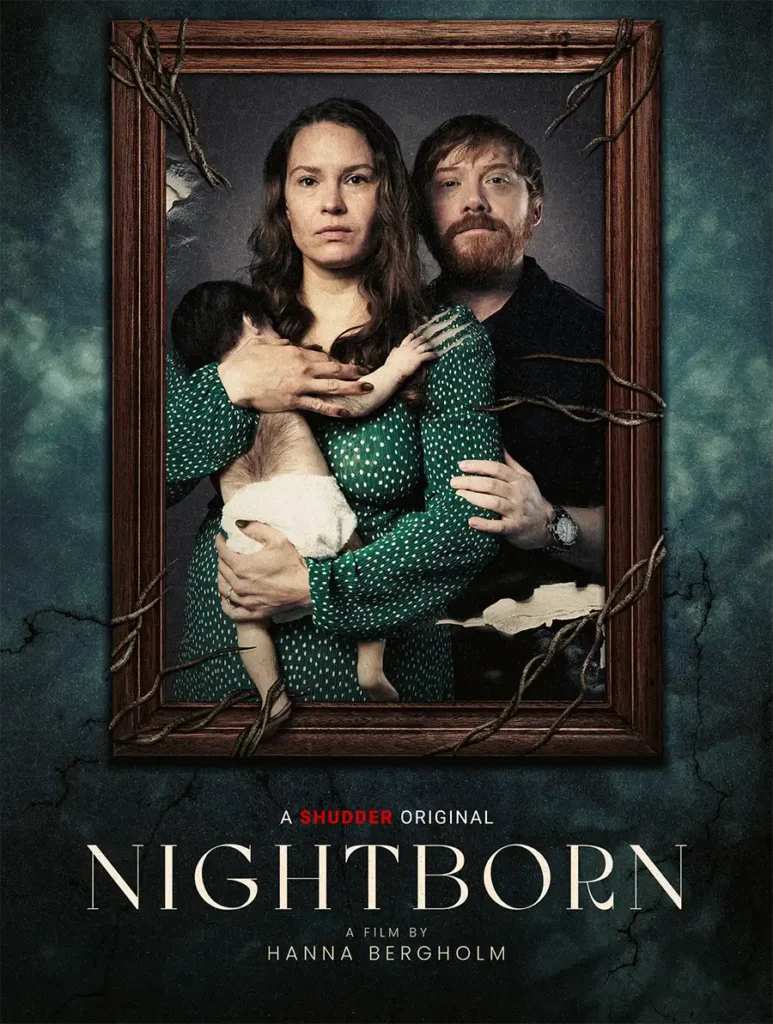
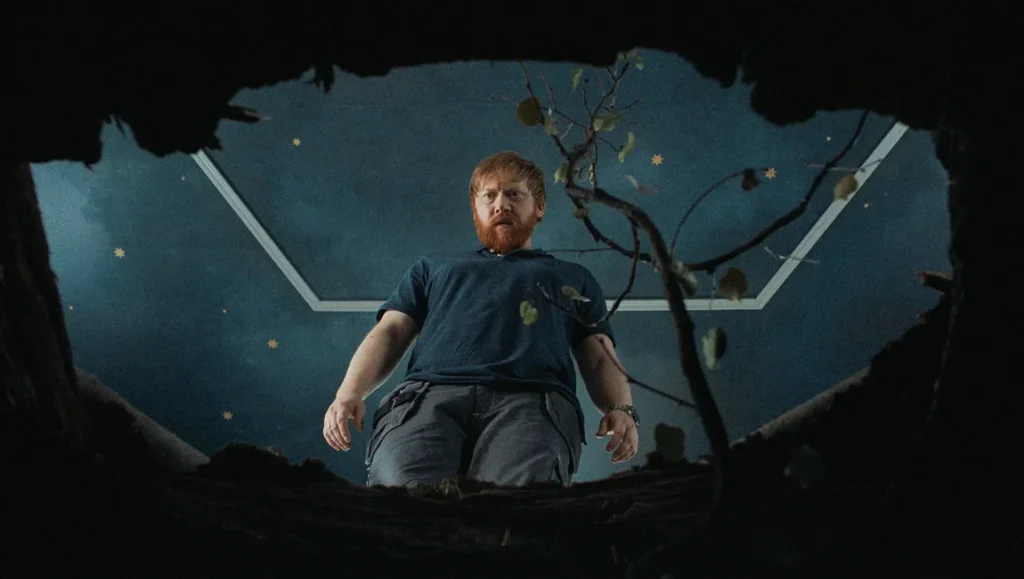
Nightborn arrived at Fantasia as a solid early entry from Shudder, following a young couple, Saga and Jon, as they move into Saga’s overgrown childhood home in the woods to start a family together, only for the isolation of new motherhood and their unusually hairy, unsettling newborn to slowly fracture the relationship between them. The film captures Saga’s post-birth struggle effectively from the outset, building real unease through the child’s increasingly disturbing behavior, its refusal to eat anything but meat, and a mother-and-child bond that seems rooted more in shared anger than warmth—tearing her grandmother’s earring out after an insult is one of the film’s more quietly unsettling early beats. Its folklore-infused, demonic atmosphere stays consistently effective throughout, and the film’s use of darkness, especially around the child’s face, creates genuine dread even as the surrounding woods themselves feel somewhat underused given their eerie, folkloric potential. Jon’s growing denial and the couple’s escalating arguments don’t always land as intended, largely because the relationship lacks the underlying chemistry and emotional volatility needed to make the conflict between them feel earned rather than assumed.
When Jon finally snaps and attempts to take the child from Saga, following his father’s earlier attempt to burn the baby as a priest convinced of its demonic nature, the final act moves too quickly, with the child’s newfound powers and Jon’s violent death by impalement arriving before the film’s buildup has fully earned them. Nightborn has a strong atmosphere and an effective central premise, and its blend of body horror and folklore dread marks it as a notable festival find, but its uneven pacing and unearned final-act payoff keep it from reaching its full potential.
6. Buddy
56.2/100 - Theatrical Release: August 28 - Casper Kelly
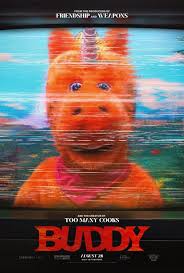
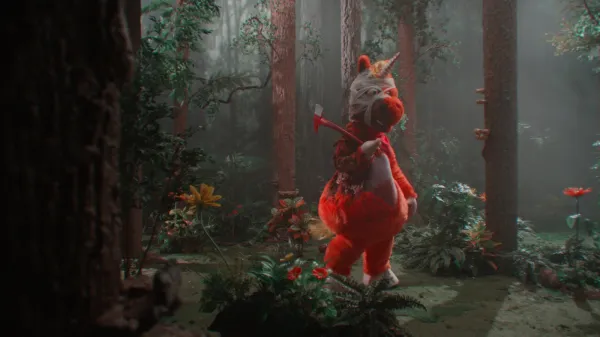
Buddy is a creative way to tackle the cheap horror-kids project, a subgenre that’s full of not-great entries, and while the budgeting and story do get repetitive once the central gimmick and comedy wear off, this is still one of the more inventive films in its genre. Cristin Milioti playing a main role is as shocking as it is fun, though the decision for her character arc is one we couldn’t quite get behind, especially since happy endings in these kinds of films are already a fine line and this one may have needed slightly more than what we’re left with to fully land. Buddy’s character himself is genuinely awesome throughout, with dark comedy moments in his dialogue clearly standing as the highlight of the film, most of all in his interactions with the kids. The acting largely fits the vibe the movie is going for, but the father in the real world is so awful that he pulls you completely out of the film for the entire second act.
Overall, Buddy is a unique take on the kids-show horror genre with genuinely great elements, but it falls short in its dialogue and its blend of serious and comedic tones, ultimately stopping just shy of elevating itself above a dumb-but-fun horror experience.
7. Ancestral Beasts
46.0/100 - Release: N/A - Tim Reidel
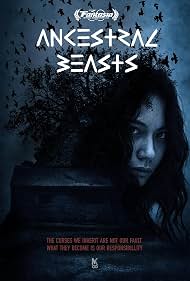
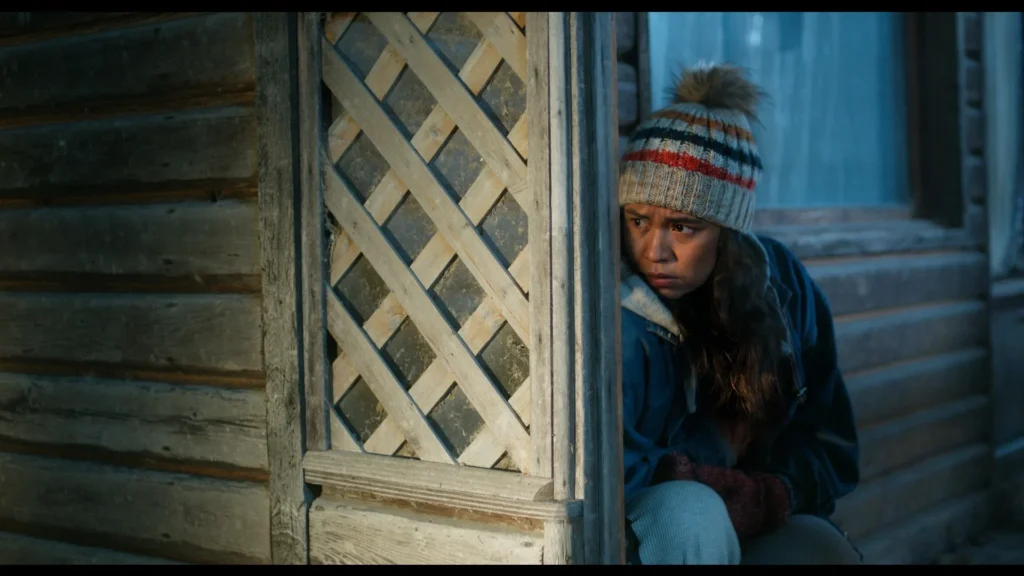
Ancestral Beast brings some genuinely interesting conceptual ideas to the table, with the hands and insects delivering a handful of fun practical effects despite being the lowest-budget independent we checked out at the festival. Where the film struggles is in its writing, particularly around the toxic relationship between the two sisters at its center, and the interactions within the friend group and the main role both feel a bit off and inauthentic throughout. It’s a solid start for an independent production, one that really dives into some smart concepts, but it needs considerably more nuance in its writing to fully land.
The acting decisions end up feeling a bit forced as well, lacking the emotional grounding the material clearly needed to make the central relationships work. Overall, Ancestral Beast is a rough-around-the-edges effort that shows real conceptual promise but is held back by writing and performances that could use a lot more work.
8. Unholy Night
42.1/100 - Release: N/A - Michael Gabriele
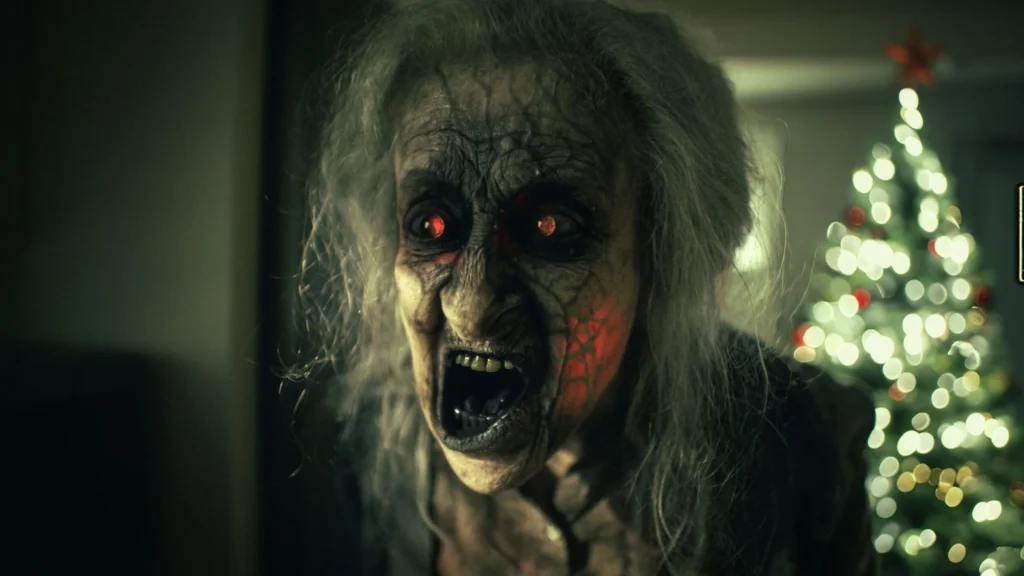
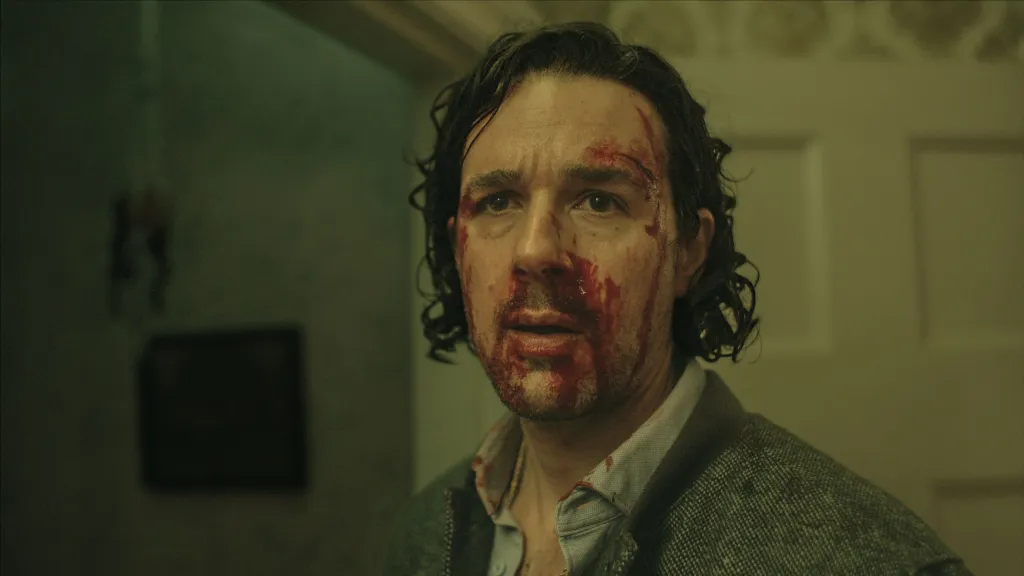
Unholy Night is a Christmas-time horror film that sets its eerie tone immediately, pairing a genuinely creepy holiday soundtrack with a slow-building sense of dread from the opening scene before curdling a seemingly normal family gathering into gory holiday horror. The premise ultimately reveals itself as a kind of cautionary curse story—one about the past and your elders coming back to haunt you if you mistreat them—and there’s a decent hook buried in that idea. Unfortunately, the dialogue is quite bland and lacks luster throughout, and while the family cast is believable enough on paper, the acting and writing fall flat often enough to pull you right out of the horror rather than into it. The film also struggles with momentum and fear in its middle stretch, though the final act does lean more successfully into pure horror, working best precisely when it’s not trying to carry underdeveloped emotional beats alongside the scares.
A late ranting scene about family mistreatment is a particular low point, with emotion and chemistry that feel simply nonexistent and consistently awkward rather than affecting. The final twist is a nice reframing that leaves its lead more distraught, and the film does close on a note of resolve despite the ravaged family at its center, but overall Unholy Night needed far more life and emotional depth in its character work to actually enhance the horror it’s clearly aiming for.