Introduction
July delivered one of the most anticipated stretches of the year, anchored by the arrival of the movie event of the decade in Christopher Nolan’s The Odyssey, a film that lived up to a level of hype few movies ever earn the right to carry. Alongside that scale sat genuine intimacy, as Olivia Wilde’s one-apartment comedy-drama The Invite snuck in as one of the best films of the decade, proving that a single room and a stacked cast can still out-charm a summer full of spectacle. Franchise entries split the difference between triumph and disappointment, with Spider-Man: Brand New Day and Avatar Aang: The Last Airbender giving longtime fans exactly what they’d been waiting for, while other releases this month—from a live-action Moana remake nobody asked for to a Minions sequel that abandons its own best ideas in the final stretch—reminded us that not every swing connects. International and festival cinema had a real say this month too, with Kiyoshi Kurosawa’s The Samurai and the Prisoner standing as the best film we saw at Fantasia, and horror carrying its usual weight as Evil Dead Burn delivered some of the year’s best gore even as its finale stumbled. Between the highs, the disappointments, and everything crammed in between, July gave us plenty to argue about and just as much to recommend. Here is TwilightRoom’s full ranking of every film we checked out and reviewed this month.
15. 72 Hours
45.9/100 - Tim Story - Netflix
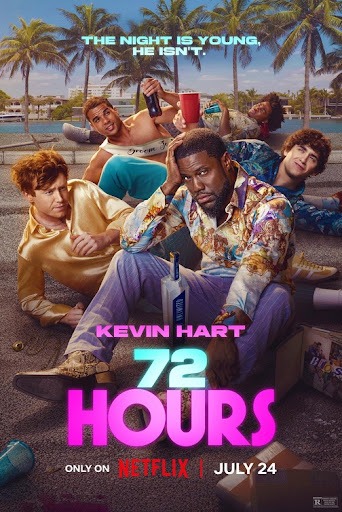
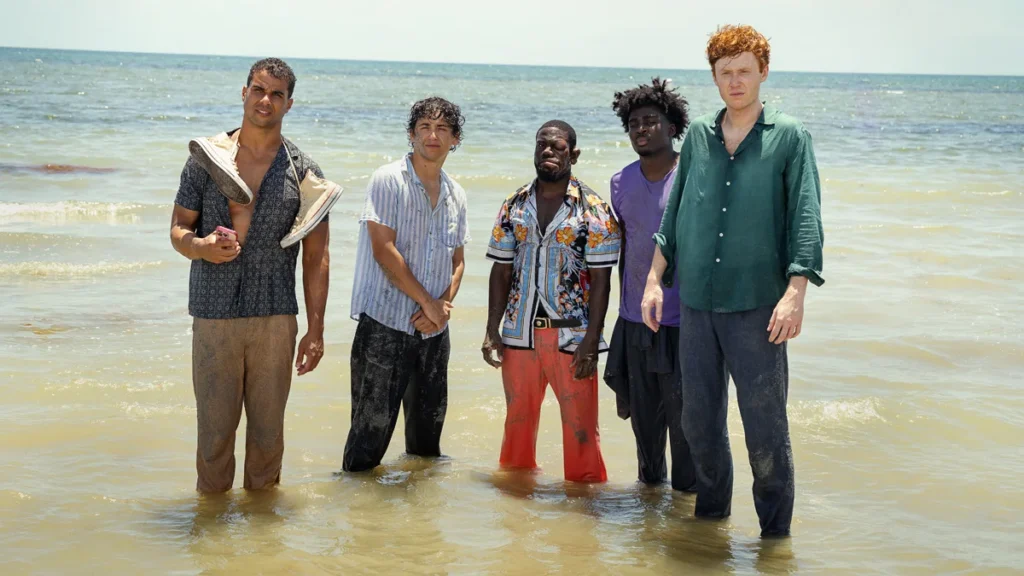
Coming in last on the list is Kevin Hart’s new Netflix comedy, 72 Hours, which pairs him with several younger Saturday Night Live stars in a The Hangover-style premise that is less inventive, far blander, and, worst of all, rarely funny outside a handful of clips already circulating on social media. Hart appears to be trying to return to the loose buddy-comedy mode that made him a star, using his character’s efforts to connect with successful twenty-somethings as the central comic tension, but that generational clash plays as more alienating than rejuvenating. The half-developed love story, fabricated-feeling friendships, and a plot that somehow feels overlong despite its 105-minute runtime produce a comedy with very little momentum or payoff. Unless you need something to play in the background while doing something more important, 72 Hours is an easy skip, and it stands as our lowest-rated film of July.
14. The Dink
48.1/100 - Josh Greenbaum - Apple TV+
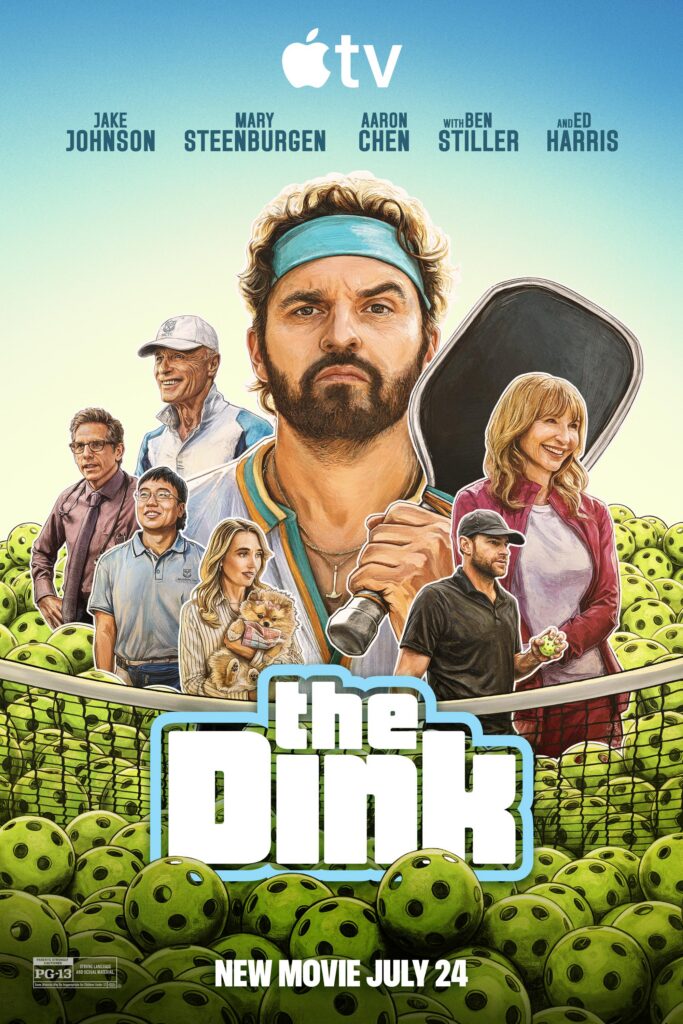
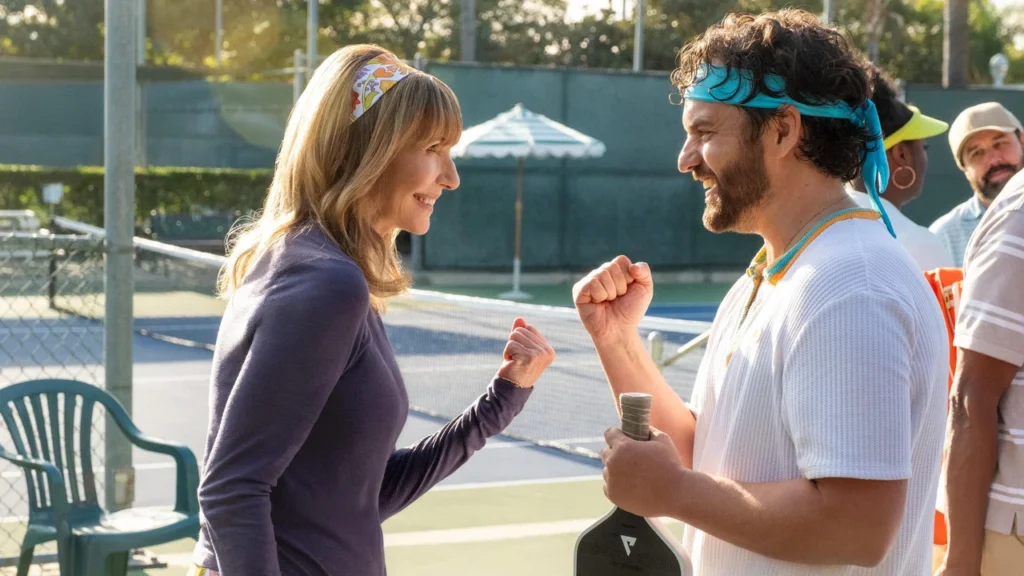
The Dink is the second of two straight-to-streaming comedies released this month that fall short on nearly every front. Starring Zach Johnson, it is likely the first of several pickleball movies to arrive, but the formula does not exactly inspire confidence as a foundation for either a funny or satisfying film. The central relationship is confusing from the outset, and the direction the story takes becomes even stranger as it moves toward a final match that feels so disconnected from the plot that it neatly summarizes the film’s larger problems. If you are looking for an easy weekend watch after exhausting every older comedy in your queue, The Dink may offer something passable. For us, though, it lands at number 14 for the month: a major swing and a miss for Apple TV+.
13. Young Washington
50.1/100 - Jon Erwin - Theaters
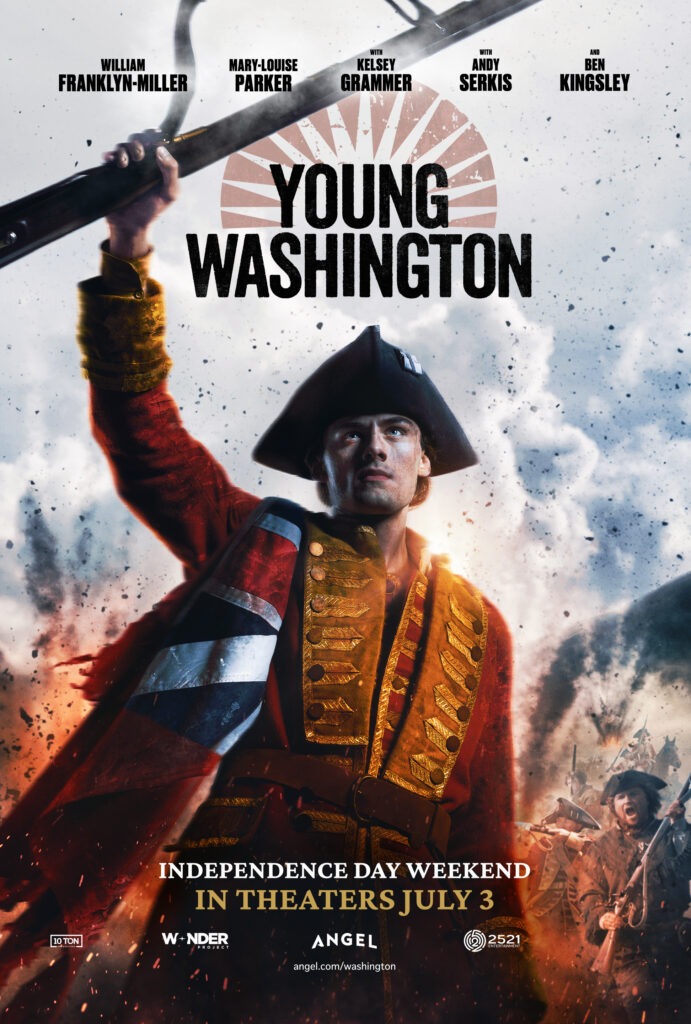
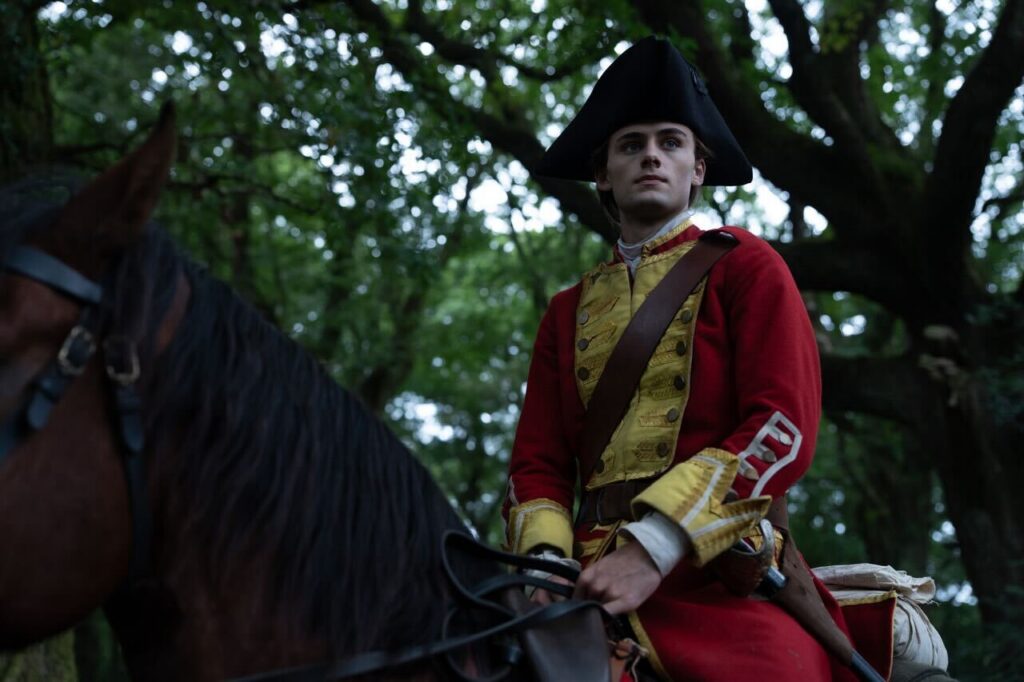
Young Washington opens on the eve of Washington’s ambush in Pennsylvania before jumping back 12 years to trace a young man driven almost entirely by status anxiety, desperate for acceptance within British noble society despite repeated rejection over his American mannerisms. The Allegheny River sequence is among the film’s strongest passages, with cinematography that gives the Ohio Country setting a sense of scale the dialogue rarely matches. That dialogue is the film’s central weakness, consistently bland and often veering into propaganda, presenting Washington’s actions as uncomplicated heroism with little interest in the moral complexity surrounding them. The quieter middle stretch, centered on his failure in battle and retreat to his mother, has the potential to humanize him through defeat, but the screenplay never explores that vulnerability deeply enough for it to resonate. The action-heavy finale is the film at its most engaging, and Washington’s heroism finally feels earned, but the surface-level characterization has already diminished the emotional payoff into a familiar blockbuster beat rather than a meaningful biographical moment. Ultimately, Young Washington plays less like an important biopic than a superhero origin story, broad, accessible, and safely patriotic, but it remains a missed opportunity given the material at its disposal.
12. The Devil's Mouth
57.9/100 - Jeff Wadlow - Prime Video
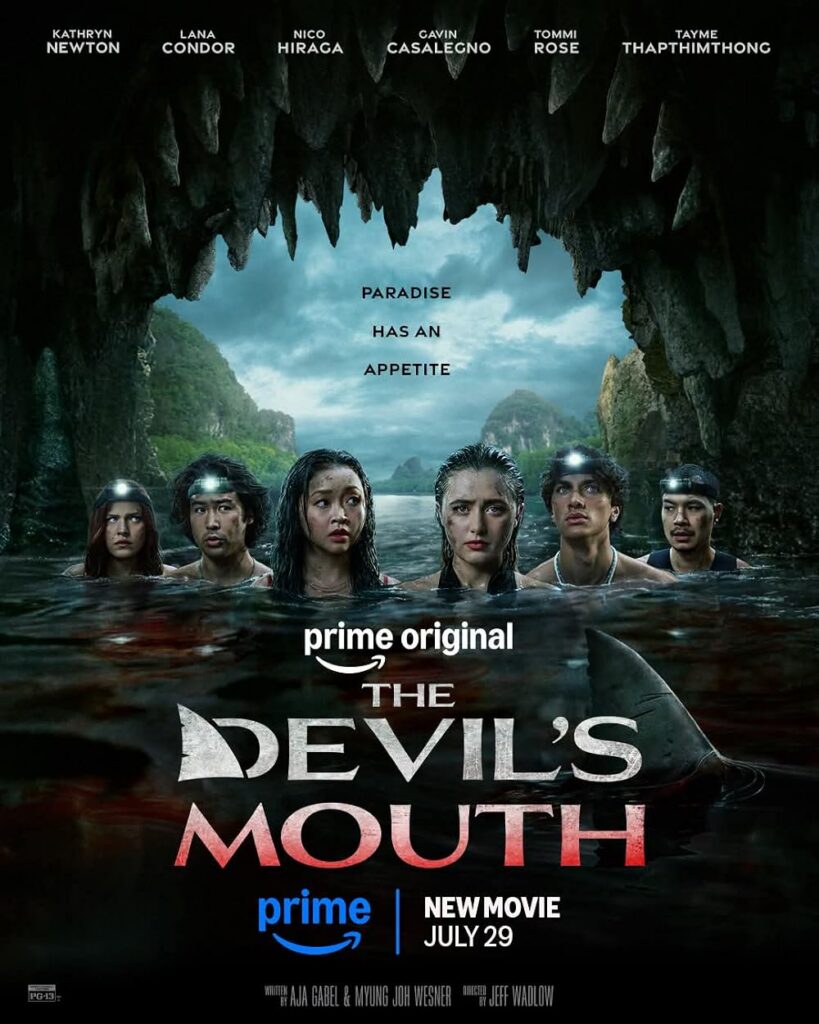
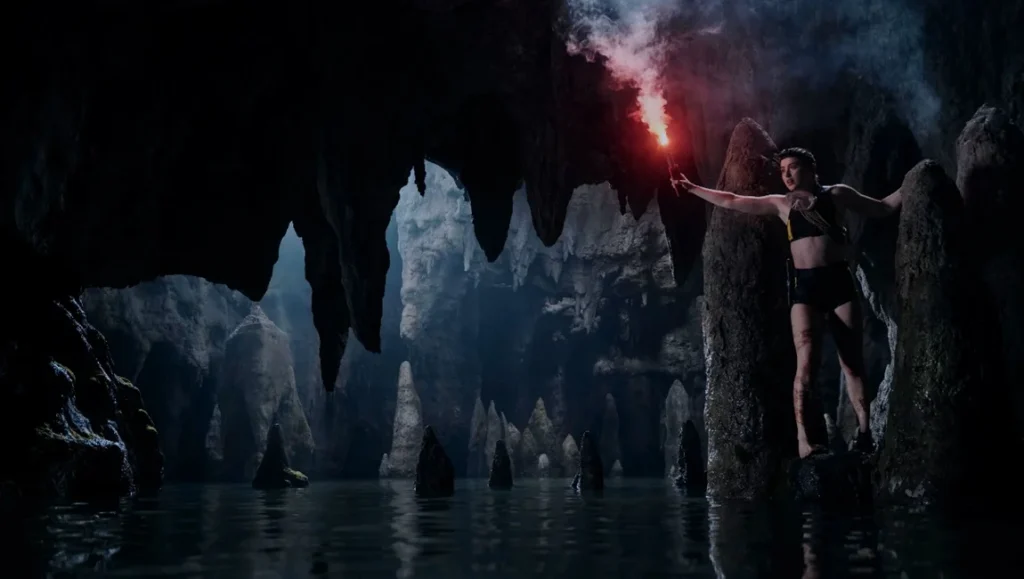
Is it crazy to call The Devil’s Mouth the best shark movie of the year so far, even in what has been a particularly rough year for the genre? Maybe, but I think it is true. The young, mostly television-based cast brings enough energy to keep the film from being a complete wash, and its cave-diving setting is a genuinely fresh idea that gives the movie a distinct identity. Still, the horror scenes and emotional stakes rarely land, while the film never fully exploits either its claustrophobic underwater environment or the shark itself, which lacks the screen presence necessary to become a truly memorable antagonist. Prime Video could have released something far worse, and that is why The Devil’s Mouth sits at number 12, well above the month’s bottom three films, but there comes a point when viewers should stop settling for lackluster shark movies that have been phoning it in for years.
11. Minions & Monsters
59.9/100 - Pierre Coffin - Theaters
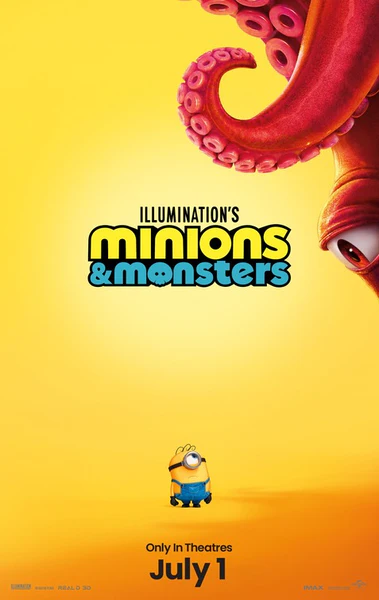
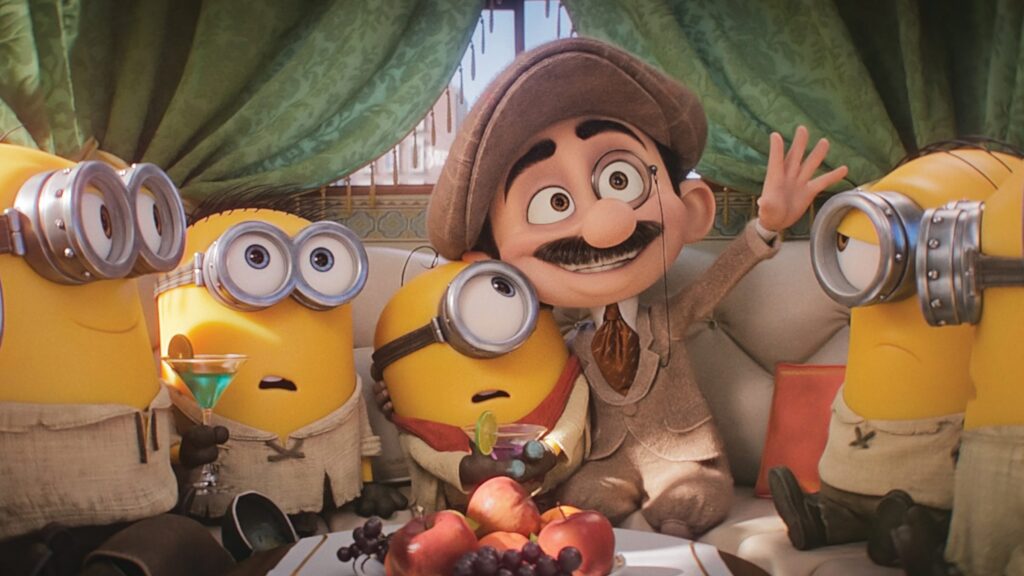
Minions and Monsters had the potential to rank much higher on this list, which makes its uneven execution all the more frustrating. The film’s impact far surpasses its final product, especially because its closing stretch—with the giant blob-like villain and the way it resolves the story—feels like a slap in the face to the genuinely brilliant opening act. A Minions movie that expects its audience to know Buster Keaton, understand the final scene of Citizen Kane, and catch a barrage of Old Hollywood references is an unexpectedly bold and exciting idea. The giant-kaiju angle is similarly fun at first, but the film completely derails the promising setup in a final act that never feels tonally or narratively right. If the filmmakers were going to take the Minions in such a unique direction, they needed to commit fully; once the movie abandons that idea, it loses much of its identity and, most importantly, the comedy that has won audiences over for more than a decade. There are still laughs and genuinely creative touches throughout, but the final product is undeniably messy—and that is why this unexpected disappointment lands at number 11 on this month’s list.
10. Nightborn
60.1/100 - Hanna Bergholm - Shudder
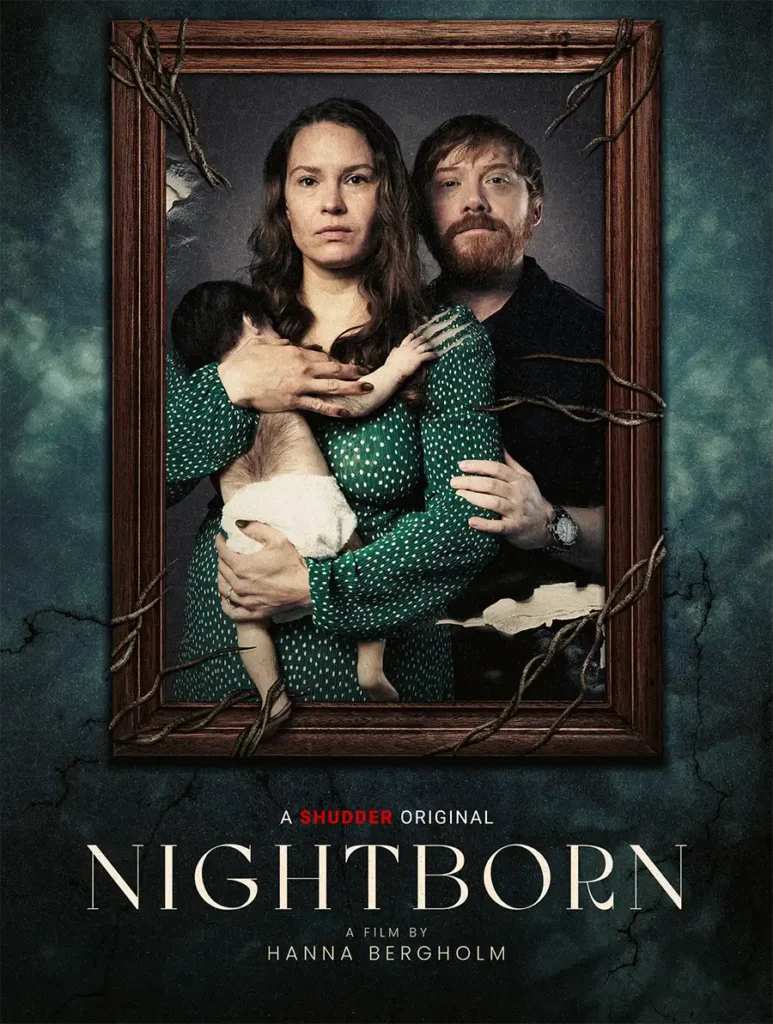
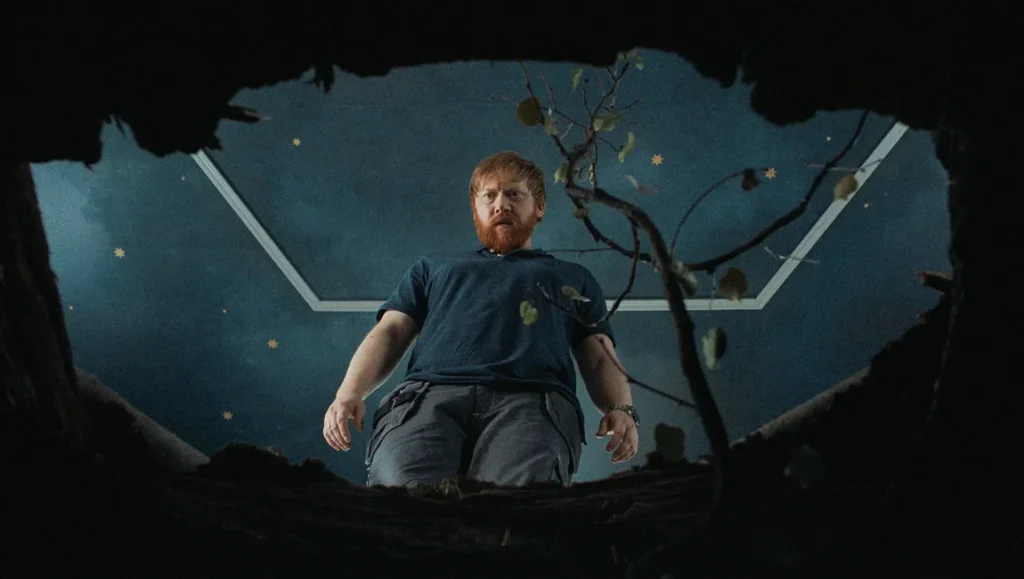
At number 10, Nightborn is a solid early Shudder release that follows a young couple, Saga and Jon, as they move into Saga’s overgrown childhood home in the woods to start a family, only for the isolation of new motherhood and their unusually hairy, unsettling newborn to slowly fracture their relationship. The film captures Saga’s post-birth struggle effectively, building real unease through the child’s increasingly disturbing behavior, its refusal to eat anything but meat, and the mother-and-child bond that seems rooted more in anger than warmth. Its folklore-infused demonic atmosphere is consistently effective, and the use of darkness, especially around the child’s face—creates genuine dread, though the surrounding woods feel underused given their eerie potential. Jon’s denial and the couple’s escalating arguments do not always land, largely because the relationship lacks the chemistry and emotional volatility needed to sell the conflict. When Jon finally snaps and attempts to take the child from Saga, the final act moves too quickly, with the child’s newfound powers and Jon’s violent death arriving before the buildup has earned them. Nightborn has a strong atmosphere and an effective central premise, but uneven pacing and an unearned final-act payoff keep it from reaching its full potential.
9. Moana
64.7/100 - Thomas Kail - Theaters
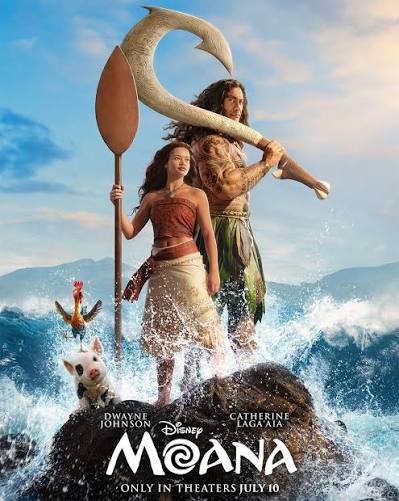

The verdict is in on Disney’s live-action remakes, and this new Moana adaptation is no exception. It falls into the more shot-for-shot category of remakes, feeling less like a necessary new release than a reminder that the animated original already exists. Surprisingly, though, Moana does not land at the bottom of this list—not only because the month’s straight-to-streaming comedies struggled more, but because Catherine Lagaʻaia gives a genuinely strong performance in the title role. The larger issue, shared by many viewers, is that there is little reason to keep remaking these films in live action. The era in which a Disney remake was a guaranteed billion-dollar hit appears to be over, and animation is no longer a medium audiences need to be persuaded to take seriously. That frustration makes some of the reaction to Moana feel less like a response to this specific film than an act of defiance against a company whose animated output remains far more exciting. Moana is still a great story, but Disney’s future feels better represented by animated releases such as Toy Story 5 and Hoppers. That is why it sits at number nine on our monthly list.
8. Her Private Hell
67.3/100 - Nicolas Winding Refn - Theaters
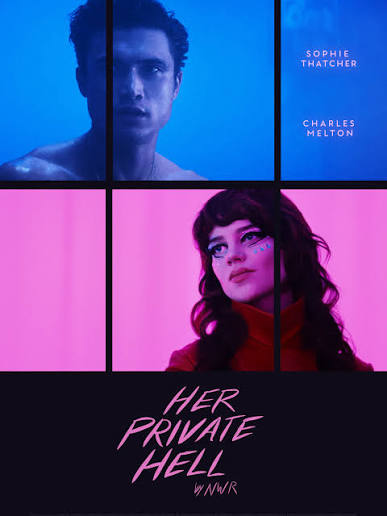
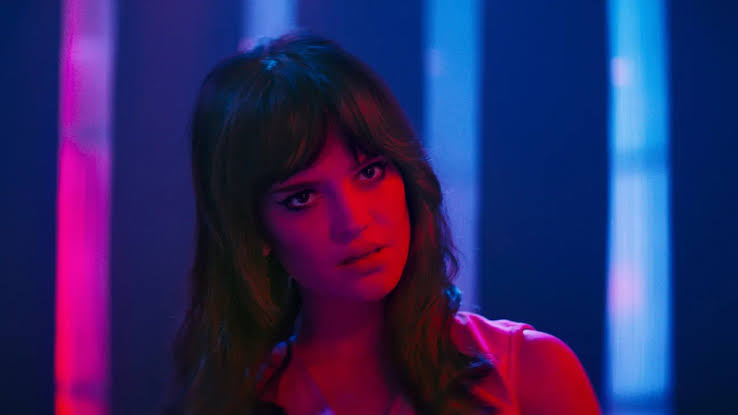
Her Private Hell immediately impresses with genuinely striking costume design, setting its fractured, intentionally broken narrative in a euphoric futuristic city filled with fashion, sexual tension, and mysterious mist. The story follows a leatherman searching this hellscape for his lost daughter, a premise that feels weighty and establishes an odd, psychedelic sci-fi sensibility, with the makeup, costumes, and color design standing as clear highlights where the narrative and writing fall short. Charles Melton is good in his role, but the film underuses an actor who is clearly one of the best working today; the same is true of Sophie Thatcher, whose character’s relationship with her stepfather’s wife deteriorates into toxic, final-act confrontation. As the film enters its second half, it begins to lose its grip, as the visuals cannot fully compensate for the blunt dialogue and lack of narrative momentum, though the club sequence with the girls offers a welcome conceptual reset. At times, the film feels overly pretentious—written in a manner reminiscent of Metropolis and seemingly a little too enamored with its own style—while its horror elements remain muted until the final 10 to 15 minutes, when it finally embraces the genre in earnest. This is not a complete dismissal of Her Private Hell, but its incoherence keeps it from becoming more than a visually striking, half-realized experiment, placing it at number eight rather than the bottom of the list.
7. Motor City
76.3/100 - Potsy Ponciroli - Theaters
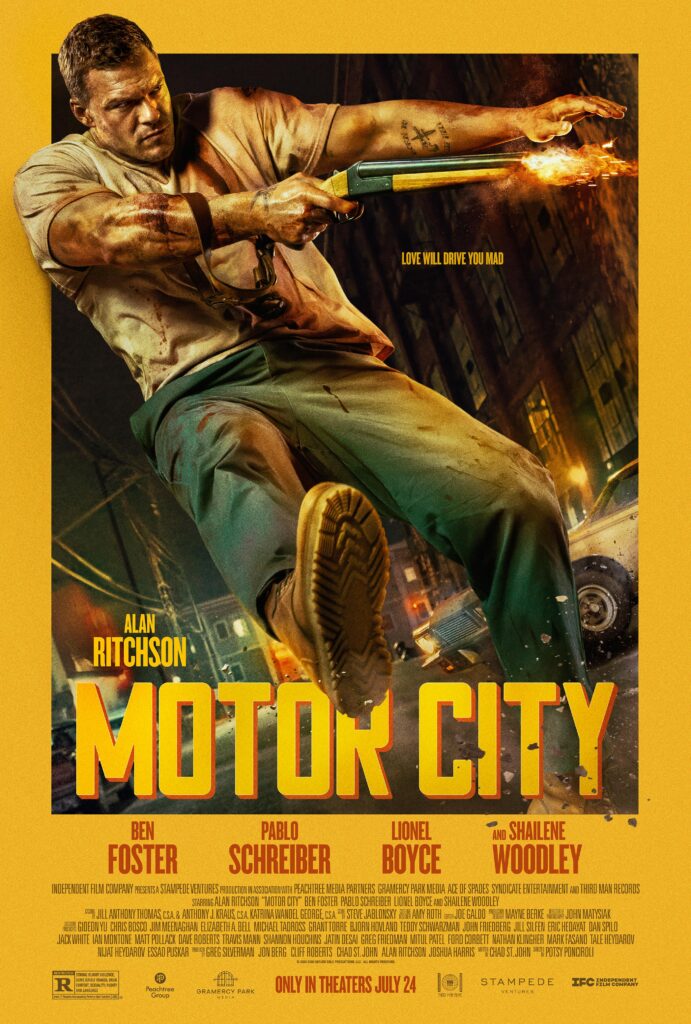
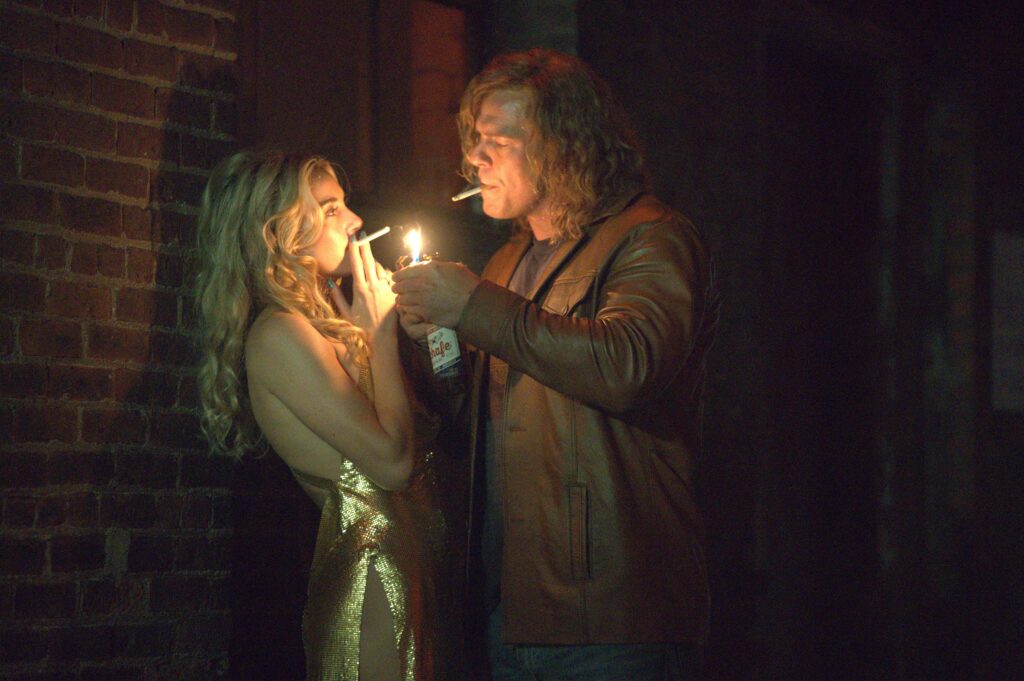
Coming in at number seven, Motor City delivers a distinctly 1970s Detroit atmosphere, with Alan Ritchson carrying the lead in a role built on little to no dialogue. It is an atmosphere-first crime picture rather than the kind of talky thriller the genre often favors. The camerawork is a consistent highlight, particularly in its distant conversational compositions, which prove far more effective than the close-up, dialogue-free moments where the visual style is left doing nearly all the heavy lifting. The prison-break and elevator-fight sequences are the film’s clearest highs, displaying real filmmaking instinct and tension the moment plot mechanics take over from mood-setting. Its biggest self-inflicted wound is its predictability: the final act’s best sequence is shown at the beginning, with little payoff for that structural choice, robbing later scenes of tension that a more patient approach could have preserved. The soundtrack and needle-drop strategy also become a divisive crutch, frequently standing in for dialogue the film seems hesitant to write. Overall, Motor City is a stylish, thrilling crime picture that undercuts its own strongest instincts, but Ritchson’s mostly wordless performance carries enough emotion to make it a fun theatrical watch—as long as you go in expecting very little dialogue.
6. Evil Dead Burn
79.9/100 - Sébastien Vaniček - Theaters
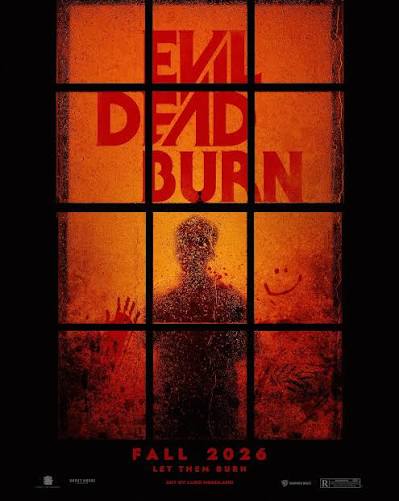
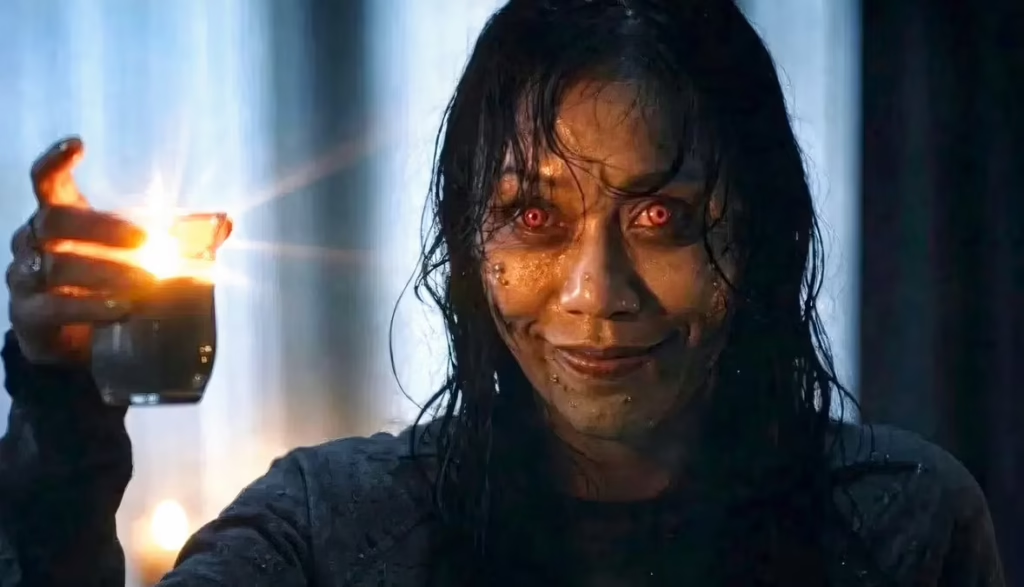
Evil Dead Burn arrives in an already packed horror year and delivers exactly what the franchise has always promised: gruesome, genuinely effective gore that ranks among the best the genre has offered since the series began. Alice emerges as the film’s true engine, transforming from an abused wife introduced in her husband’s shadow into the franchise’s newest truly capable final girl, and the movie is at its strongest when it simply lets her fight. Its tension-building is the most consistent strength, with a dinner-scene descent into madness unfolding as a masterclass in slow-building dread, while the practical effects, especially the fish-hook opening and the resurrection amid the burning, land with the wet, tactile nastiness the franchise has built its name on. The film is held back by its predictability and several genuinely dumb character decisions, most notably Joseph’s escalating cowardice, which becomes one of the more frustrating threads in recent horror memory. The finale also stumbles by relying on noticeably weak CGI just as the emotional stakes peak, undercutting the tactile gore that carries the rest of the film. Evil Dead Burn ranks slightly above Evil Dead Rise on visceral impact, though it cannot touch Evil Dead (2013) or Evil Dead 2, still the franchise’s best balance of gore and camp. Even so, it is a must-watch for gore hounds, with highs that rank among the year’s best horror moments, and it lands at number six on our monthly list.
5. The Samurai and The Prisoner
80.1/100 - Kiyoshi Kurosawa - Theaters
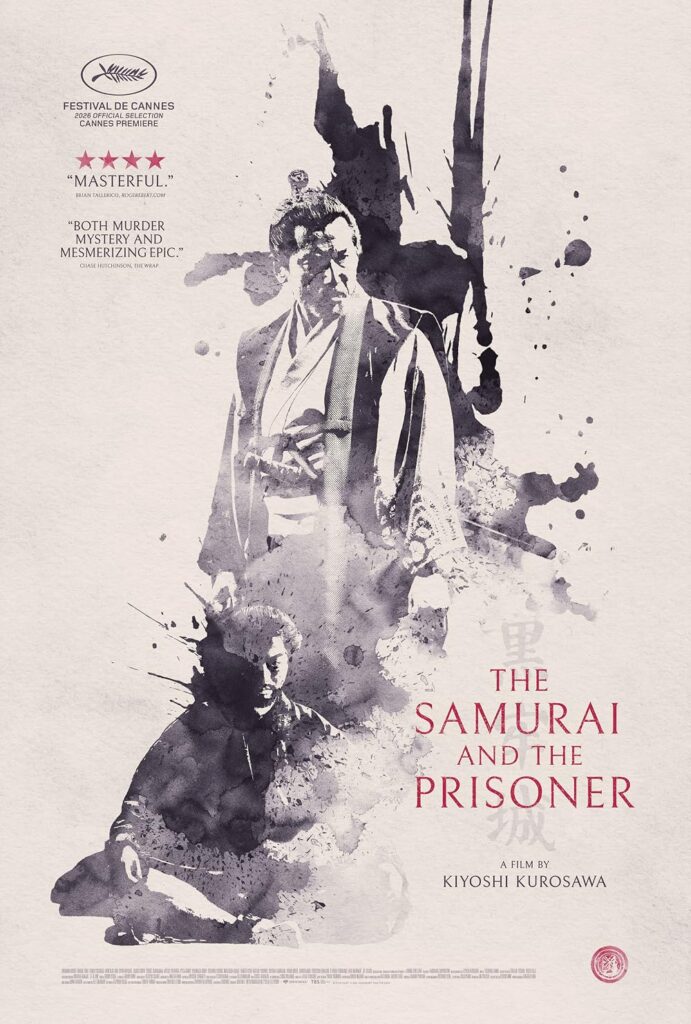
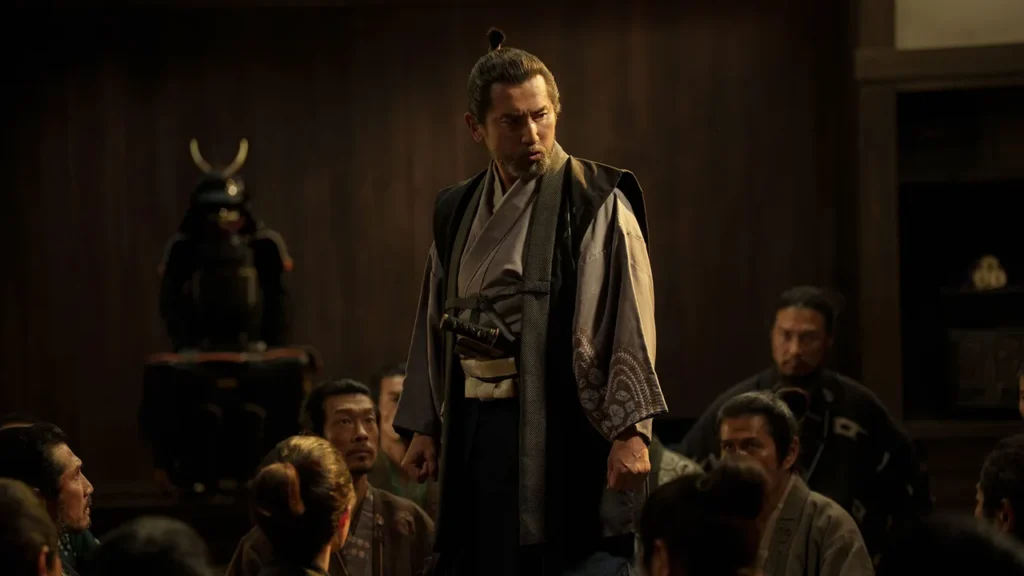
The Samurai and the Prisoner is Kiyoshi Kurosawa’s reflective new take on the samurai genre, carrying an old Akira Kurosawa sensibility through its snowy atmosphere and gorgeous cinematography. Masaki Suda, reuniting with Kurosawa after Cloud, gives a strong performance as the imprisoned Kanbei, while Murashige’s search for a traitor within his own walls gives the film’s slower stretches genuine tension, especially once the psychological warfare escalates and his men begin turning up as carefully packaged warnings. The camerawork is a constant standout, using distant compositions to embed the samurai within the city and its shifting landscape as winter turns to spring, resulting in one of the year’s most technically and aesthetically striking films even when its pacing drags. The reveal of Noto Nyudo as the real traitor, despite his efforts to frame the younger and more hopeful Yosaku, is among the film’s strongest turns, while Kanbei’s quiet devotion to Murashige from the dungeon lends the back half real emotional weight before a dramatic final-act revelation. Its greatest flaw is its length: at two and a half hours, the film feels bloated, and a tighter two-hour cut might have pushed it from very good to one of the year’s best. Still, the final act’s dungeon imagery and the gut-punch reveal of Kanbei’s ten-month betrayal provide a genuinely powerful close to a rewarding, if overlong, genre entry—good enough for fifth on this list and the best film I saw at Fantasia Film Fest.
4. Avatar Aaang: The Last Airbender
84.3/100 - Lauren Montgomery - Paramount+
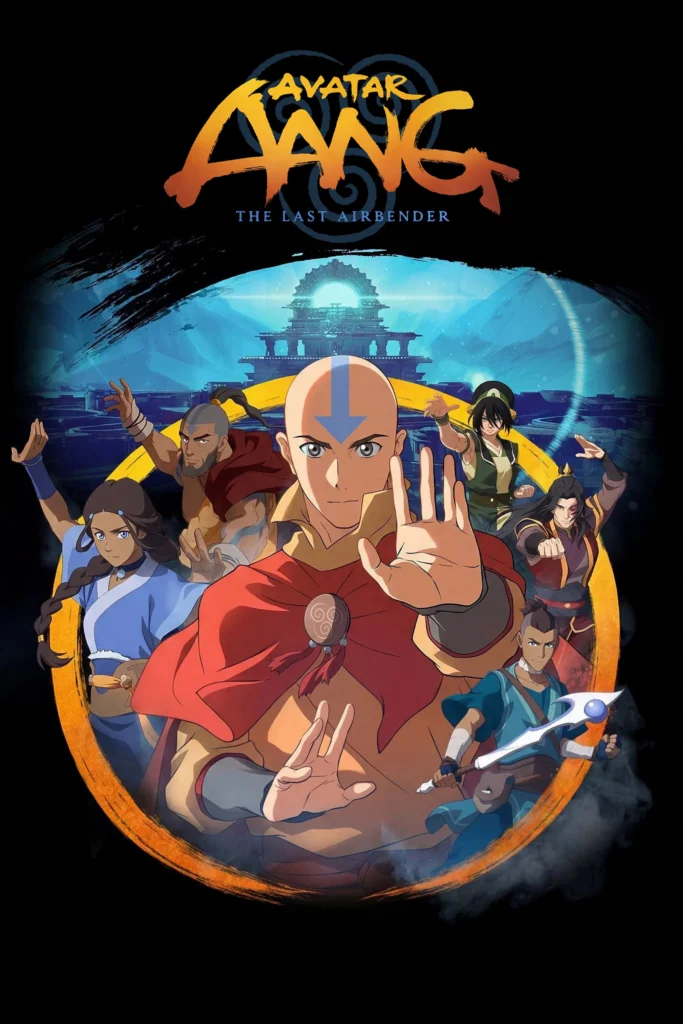
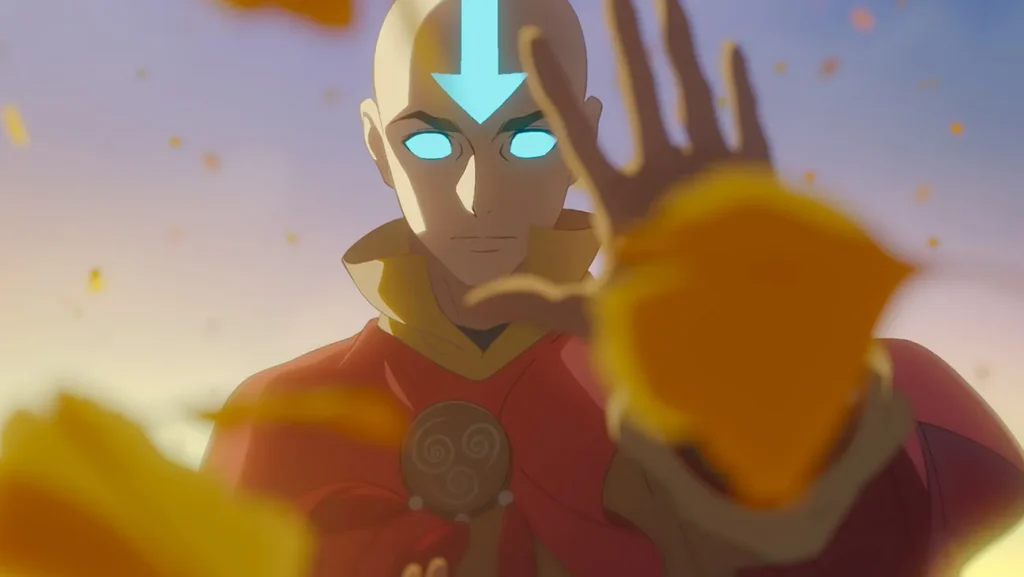
Coming in at number three, Avatar Aang: The Last Airbender is a beautifully animated, richly colored return to one of the best animated series ever made, and one of the stronger animated releases in an unusual year for the medium. Its opening ambush by a new anti-bender group, the Denied, immediately establishes this as a true continuation rather than a nostalgia-driven cash-in, trusting audiences to understand how far these characters have come. Tagah emerges as a genuinely compelling antagonist, with his skepticism toward benders giving the eventual villain reveal real emotional texture, while the final battle is expertly choreographed and visually rewarding enough to justify the patient buildup. The film’s biggest weakness is its underuse of Toph, Zuko, and Katara, three characters who could have carried considerably more dramatic weight and whose limited roles feel like missed opportunities in a project built on fan goodwill. The slow build to the central conflict and the lack of a proper theatrical rollout are also frustrating, but neither undermines the experience. Overall, this comfortably ranks among the top 10 films of the year so far: a gorgeous, satisfying return to a world that deserved this level of care.
3. Spider-Man: Brand New Day
89.2/100 - Destin Daniel Cretton - Theaters
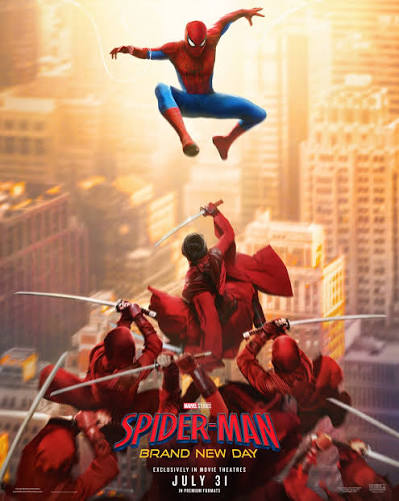
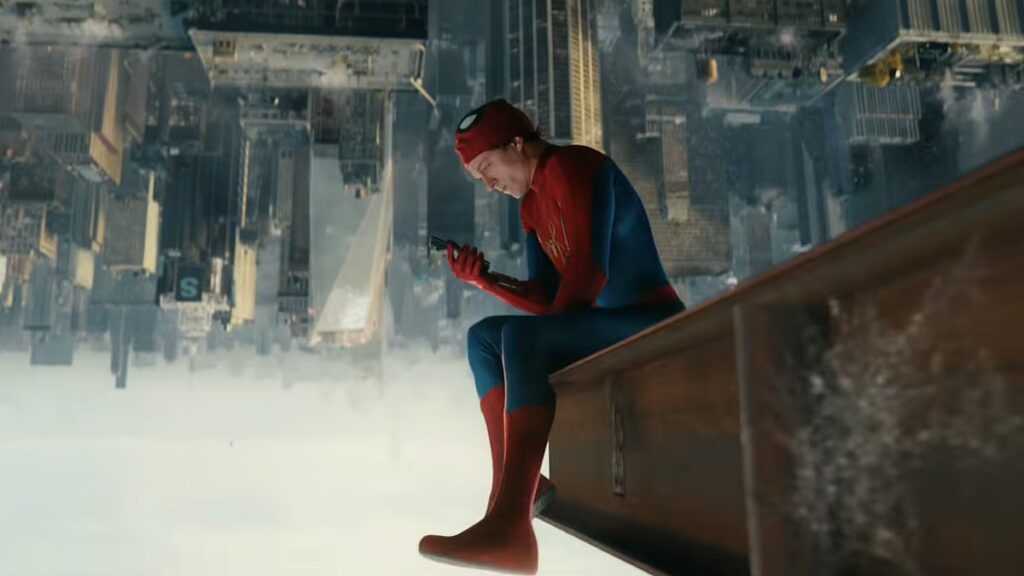
Spider-Man: Brand New Day delivers the best Spider-Man film since the 2002 original, echoing Spider-Man 2 while carving out its own identity as an origin story for this Tom Holland iteration, a story in which Peter finally comes to understand who he truly is. Its willingness to zig where audiences expect a zag, folding Peter’s grief and isolation directly into his powers in a way the character has not attempted since Spider-Man 2, elevates it above the standard franchise sequel. Holland gives the best performance of his career, surpassing even his work in The Odyssey and making a compelling case for himself as the definitive live-action Spider-Man. Sadie Sink’s reveal as a version of Jean Grey lands with genuine weight, the web-swinging chase with the Punisher is a standout, and no cameo, not even Yelena or Hulk, feels forced. The film stumbles only in its climax and ending, where the grief-and-catharsis formula begins to feel mechanical, though even the closing image of Peter and Ned looking out over New York earns its sentiment. Brand New Day offers more than spectacle: it finally gives fans the Spider-Man story they have needed, rather than simply wanted, for years, a story about a hero learning that he does not have to carry everything alone.
2. The Invite
95.6/100 - Olivia Wilde - Theaters
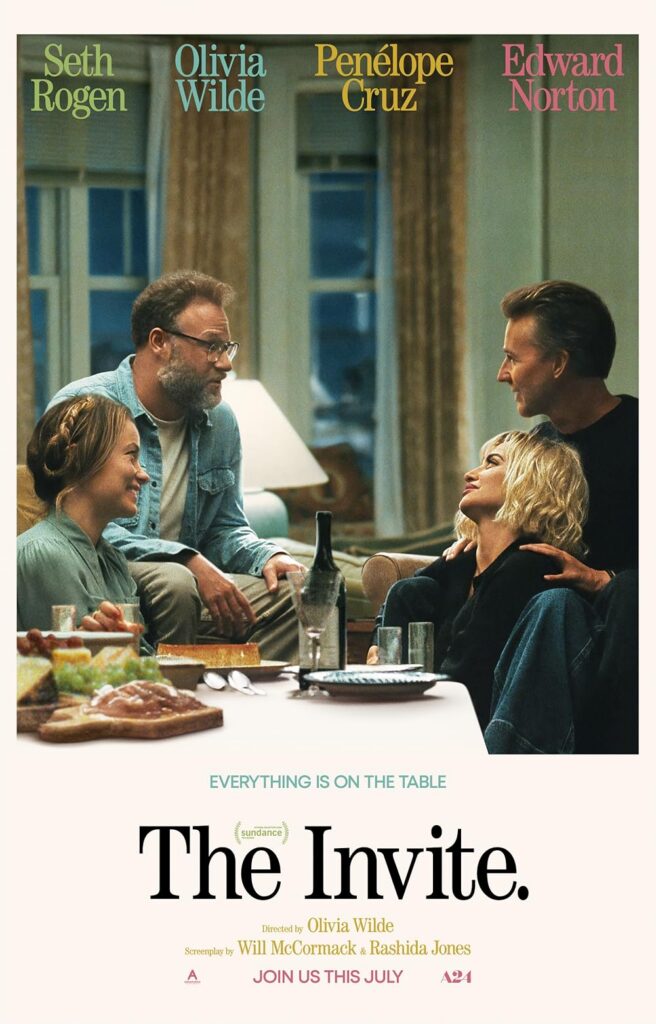
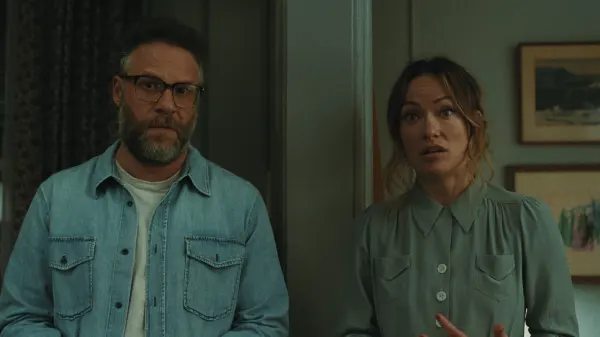
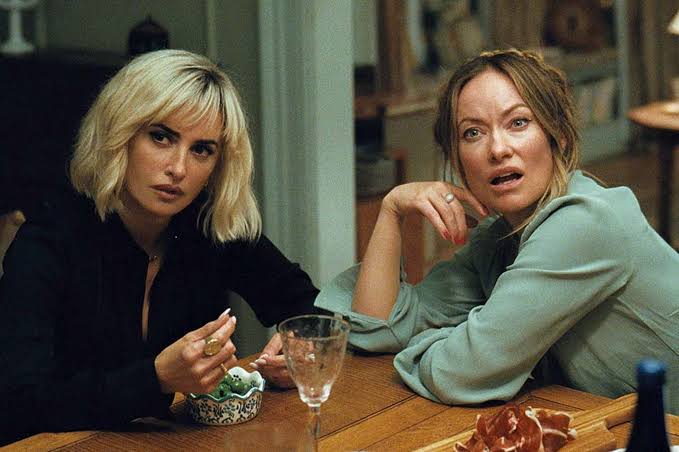
The Invite had a smaller theatrical release in June, but its wider rollout came in July, so I decided to include Olivia Wilde’s brilliant one-apartment comedy-drama here. It is, full stop, one of the best films of the decade. Seth Rogen, Penélope Cruz, Edward Norton, and Wilde herself all deliver performances of such precision and presence that they elevate the film into something special. Yet it is the sharply observed comedy, the awkward pauses, the uncomfortable truths, and the relatability of its final scene, that makes The Invite more than simply the next great A24 release. Its commentary on relationships and the future is so assured that it feels like one of the year’s very best films. In a year dominated by massive blockbusters, The Invite brings a similarly stacked, blockbuster-caliber cast into an intimate setting and turns that contrast into one of the funniest theatrical experiences of the year. Norton and Rogen are perfectly cast, while Wilde and Cruz leave a lasting impression. That is why it lands at number two on this list.
1. The Odyssey
99.3/100 - Christopher Nolan - Theaters
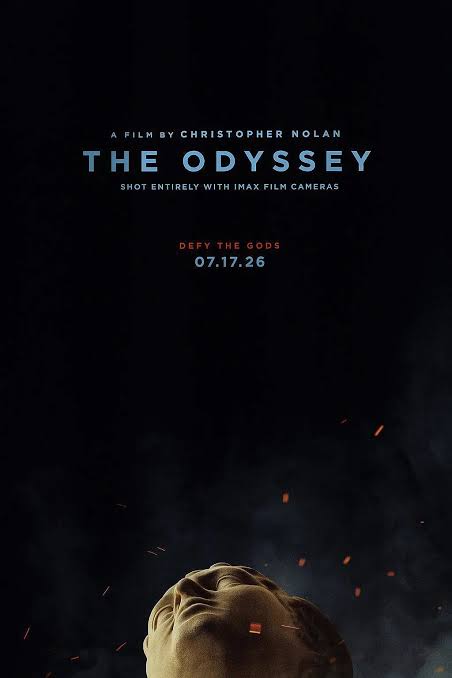
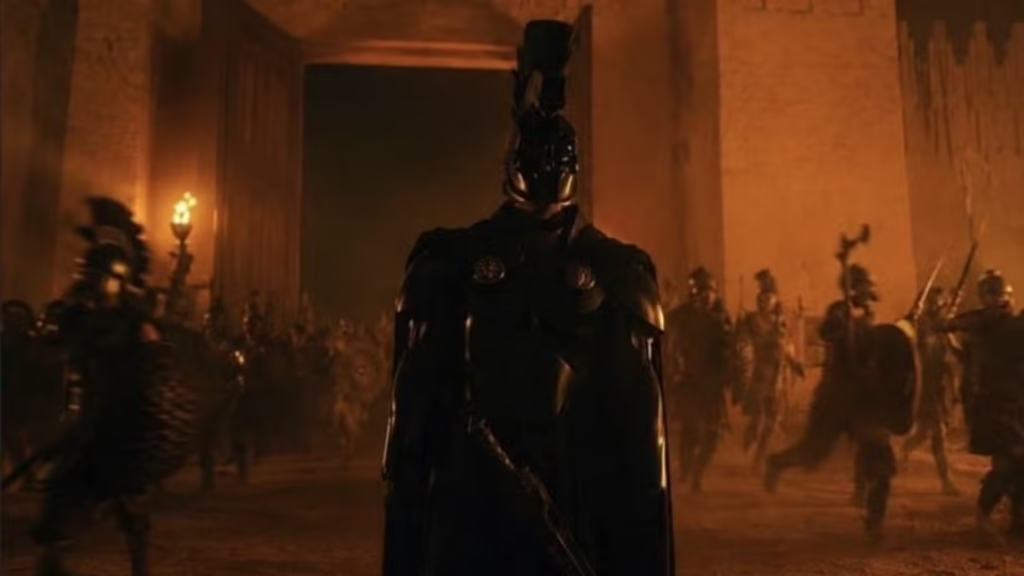
Christopher Nolan’s The Odyssey was always the answer for number one on this list. Shot entirely on IMAX cameras, it delivers exactly what it promises: a modern-day Lawrence of Arabia and a new benchmark for theatrical blockbuster filmmaking. Matt Damon is excellent as a man slowly worn down by his own legend, while Anne Hathaway may deliver her finest work yet as Penelope. Nolan’s horror instincts, unleashed on Cyclops and Circe alike, reveal a filmmaker who could have a second career in the genre if he wanted one. The only thing keeping this from perfection is a slower Ithaca thread that cannot quite match the momentum of the sea voyage, though even that storyline rallies into one of Nolan’s best-ever final acts. This is the epic of modern times: a three-hour film that moves with constant momentum and sustained feeling. It immediately enters the conversation among the greatest epics ever put to film, and the best film of the year so far.