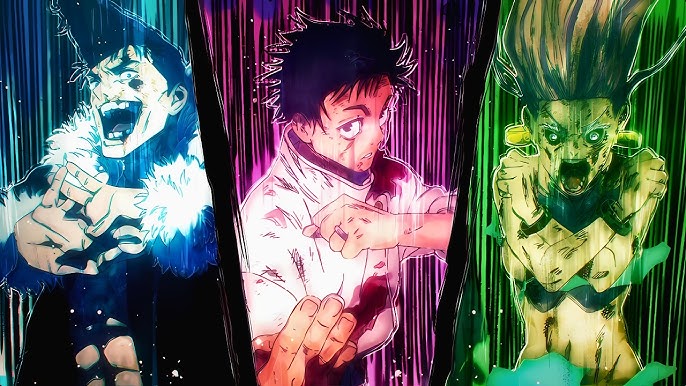
Jujutsu Kaisen Season 3 continues directly into the Culling Games arc, directly after the Shibuya incident covered on Season 2, positioning itself as a high-stakes, action-heavy continuation of one of anime’s most popular new generation series.
The Season prioritizes spectacle, large-scale battles, high-tier animation, and expanding its power system rather than slowing down for really any character-driven storytelling, but that’s exactly what audiences want and expect from the anime. It’s a season that
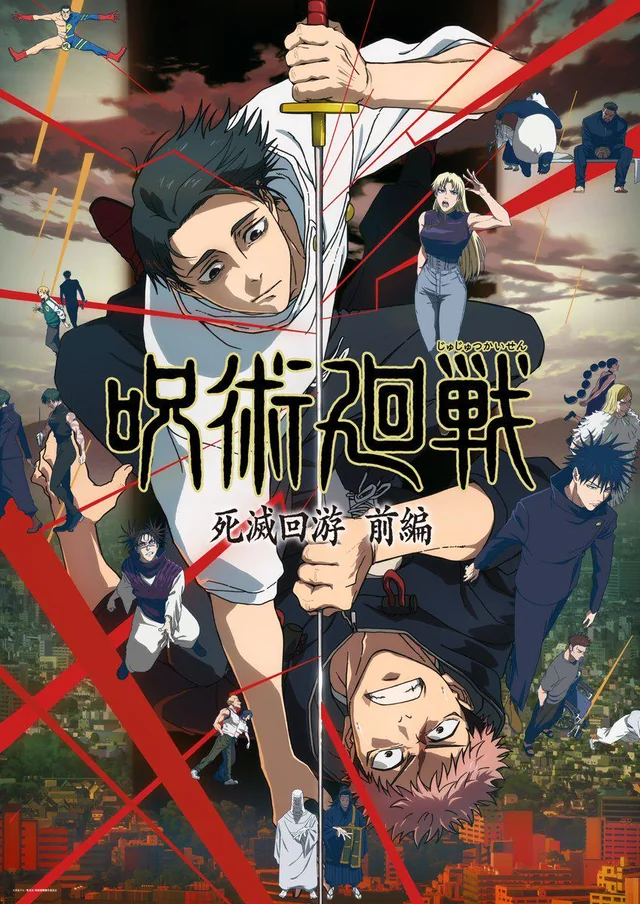
succeeds in heavily reinforcing the show’s identity as the top-of-the-line action- animation anime through the quality of its fight choreography and ambitious animation and homage’s making the show a step above the rest of the winter anime slate. Jujutsu Kaisen Season 3 delivers a visually spectacular and action-packed continuation of the beginning of the Culling Games saga that with the help of newer awakened characters in Yuta and Maki solidify its place at the top of modern anime, even if its lack of narrative depth holds its back from the very top of history.
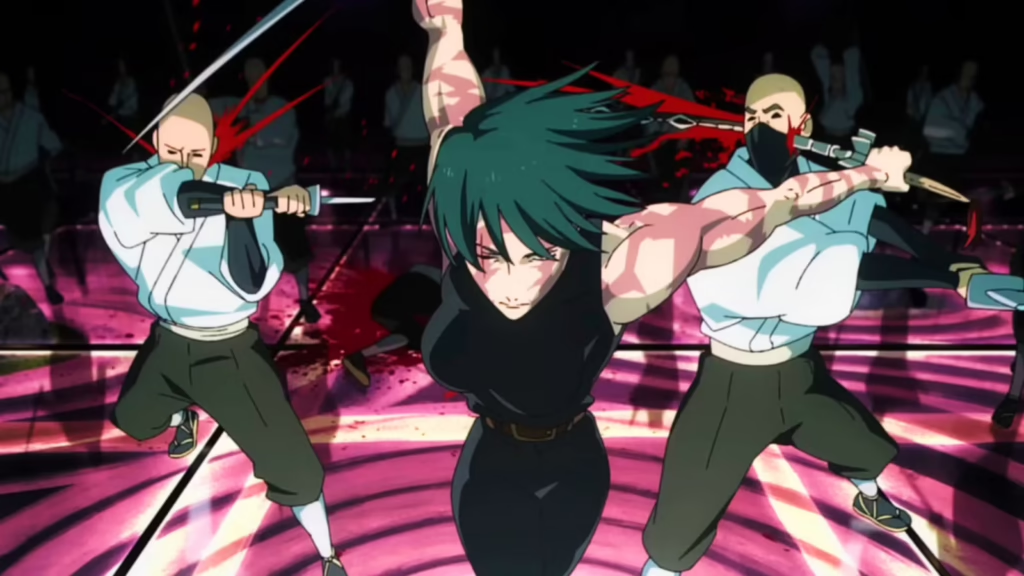
Anime as a medium is no stranger to preferring one type of genre over quite literally everything else in its seasons, shows like Jojo’s Bizarre Adventure and Dragon Ball are perfect examples of how a show can be heralded as the best while sticking heavily to its strength, and Jujutsu Kaisen is just the modern version of this same concept. The Season 3 functions as more of a set-up for the larger Culling Games events, written in the manga, moving between multiple high octane fights, characters, and locations rather than focusing on a single storyline. Major plot beats of the season include: Yuji’s fights with Yuta and Kusakabe; Maki’s Kill Bill-inspired extermination of the Zenin clan, one of the best episodes in all of anime; Hakari’s recruitment; Megumi vs Reggie; and finally Yuta’s famous one-versus-four final episode, which sits atop the ranks of anime episodes, standing alongside Maki’s. The constant shift between characters and events creates a sense of scale and world-building, but also makes the season feel much more like a collection of moments building to something much bigger, rather than one cohesive narrative. This then shocked fans when it was revealed the abrupt stop will create an even more separate season than expected.
The season’s biggest struggle, among a slew of success, is its lack of a singular character focus or even cohesion within the characters, dividing between Yuji, its main character, Megumi, and Yuta, and others, and then leaving them behind for what the manga readers know is quite a long time before they reappear in the series. While this allows for a broader world and multiple perspectives with a ton of new cursed techniques, it limits the emotional depth that comes from following a central arc closely. The absence or reduced presence of key characters sometimes creates a disconnect from earlier emotional stakes.
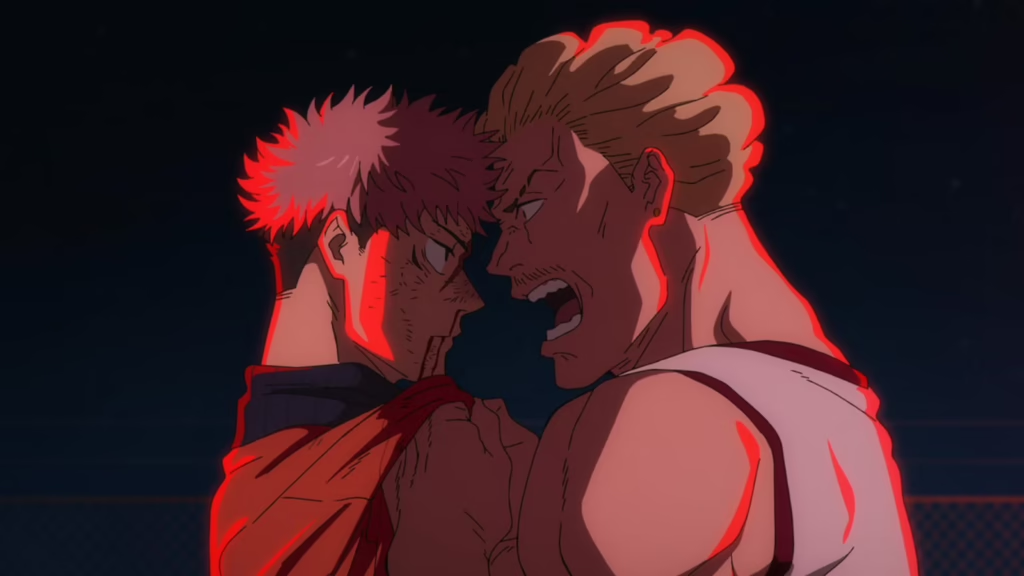
However, quite literally everything else in the season is outstanding, starting with the animation quality put out in every single episode. Using unique, dynamic techniques that pay close attention to every movement and action, the animation highlights new, individual cursed techniques that all employ drastically different powers yet maintain the same level of animated output. Specific fights, such as an entire episode paying homage to Quentin Tarantino’s Kill Bill, showcase some of the best animators in the world directing Maki as she exterminates her former clan, as well as Yuta’s thirty‑minute, non‑stop clash with Ryu and Uro, which is by far the best animated fight of the past year. It is not even close. The creative visual direction and fluid choreography are not just frequent in the show, they are designed individually in every sequence to stand out uniquely, making each battle sequence feel distinct and memorable. Further, the action and animation work together to deepen and solidify one of the most complex power systems in anime: the cursed energy system, which is not only complex but also the most engaging non‑basic system in modern anime. The introduction of new techniques, rules and domains adds layers of strategy to each fight that elevates each of the show’s battles beyond pure spectacle, giving them intellectual and tactical weight. The combination of action, animation, and a power system that are equally excellent carries the season to new heights as we move through the middle of the famed story.
The season maintains a fast pace, moving quickly from one fight or plot point to the next without any downtime, maintaining a level of episode quality that never dips, a feat almost impossible in current weekly anime. While this keeps the energy constantly high and engaging it does leave little time for reflection on each character, but perhaps that is simply not what this show is meant for, pure entertainment is entertaining and Jujutsu Kaisen is the headliner of that concept with its fast paced plot.
Unfortunately, towards the end of the season’s run, the show runners announced a 24- episode Season 3 is not in the works, instead cutting the Season to 12 episodes and having to wait almost 8 months for a possibility at a Season 4 return. A big blow for the fandom but an understandable decision due to the amount of effort inserted into the show’s production. So while we wait longer than anticipated, we can appreciate Season 3 as the perfect combination of elite animation, creative fight design and a fully-realized power system keeping the show consistently engaging. Jujutsu Kaisen Season 3 succeeds as a high level action spectacle that pushes the boundaries of animation and high choreography, it reigns as a standout new generation anime series, delivering a season that is consistently thrilling and visually impressive while setting the stage for and even bigger Season 4, earning it an 86/100 from the TwilightRoom.
Twilight Score: 86.2/100