Lee Cronin’s The Mummy, perhaps a slightly egotistical title, presents itself as a modern body horror revival of a classic IP. However, instead of building on the mythology, adventure, and emotional depth of the Brendan Fraser era, the film leans almost entirely into its grotesque, body-horror-driven execution.
The film follows a fractured family still haunted by the disappearance of their daughter, only for that trauma to resurface in a supernatural form when something ancient is brought back into their home that was never meant to be unleashed. Cronin
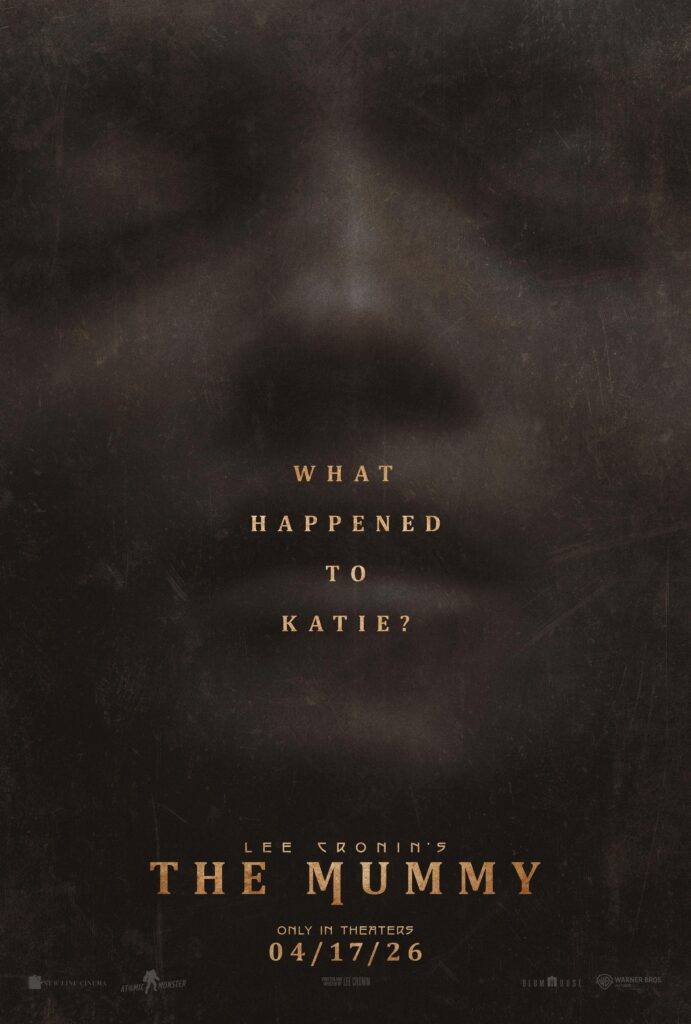
faced plenty of jokes for attaching his name to the title, and maybe he was trying to set the tone, chasing the same kind of craze he earned with Evil Dead Rise, attempting another blend of familial grief, possession horror, and ancient myth, but this time the film never fully commits to any one of those lanes, resulting in something that feels uneven throughout, leaving Cronin’s attached name quite unnecessary, to say the least. Lee Cronin’s The Mummy delivers genuinely disturbing and effective body horror backed by strong visual execution at high-tension moments, but is ultimately dragged down by weak performances, clunky dialogue, and a sluggish, unfocused narrative that takes too long to find its footing, leaving it as a collection of strong horror moments rather than a cohesive entry.
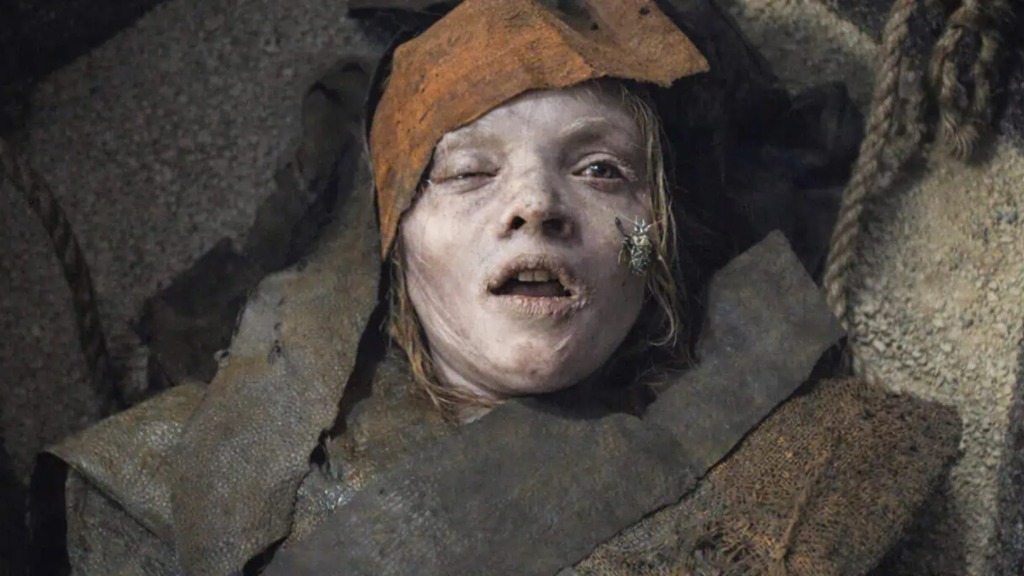
The story centers heavily on Charlie and Larissa. Two parents whose lives are permanently altered after their daughter Katie is abducted in Cairo, setting up a strong emotional premise rooted in a traumatic loss. Eight years later, the family is still dealing with that trauma while raising their son Sebastian and new daughter Maud, but the emotional weight from previous abduction never fully translates on screen. The introduction of a 3000-year-old coffin discovery ties Katie and the family’s past to something ancient, creating a potentially compelling blend of personal and supernatural horror, like a mix of the evil dead and exorcist-type films. As Katie returns possessed, in an unnatural eroded state, the narrative shifts into a contained house horror scenario that should drive tension up but instead takes a bit too long to fully reach its audience’s expectations.
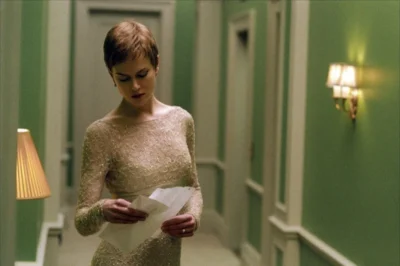
The film relies heavily on Charlie as the central character, but his performance lacks the emotional range needed to ground the story, making him feel quite oddly placed and out of it for a role that demands much more intensity. However, Larissa’s performance stands out as the stronger of the two, bringing a much greater sense of maternal believability and emotional weight than Charlie, an element the film desperately needs, especially since the script continually cuts her off and limits her presence. Katie, as the mummified daughter, becomes the centerpiece of the horror expectedly with her physical transformation and performance driving many of the film’s most effective moments, despite her dialogue being quite suspect. The family as a whole desperately needed more life to their performances to really make this film hit the way fans hoped.
Further, the dialogue is one of the film’s biggest weaknesses, often feeling unnatural and pulling the viewer out of otherwise tense or emotional moments because it lacks genuine feeling. In high stakes horror scenes, especially involving chase scenes with Katie, the dialogue comes off unintentionally funny instead of frightening, as a whole audience laughed at, “I’m her daddy now” in what was supposed to be one of the film’s biggest scares, really undercutting the tone. Emotional exchanges between characters lack the depth they need, making it harder to fully invest in the family dynamic that Cronin’s last work Evil Dead Rise did so well, and better. The film works significantly better when it relies on visual storytelling and horror rather than trying to explain itself or distract through dialogue.
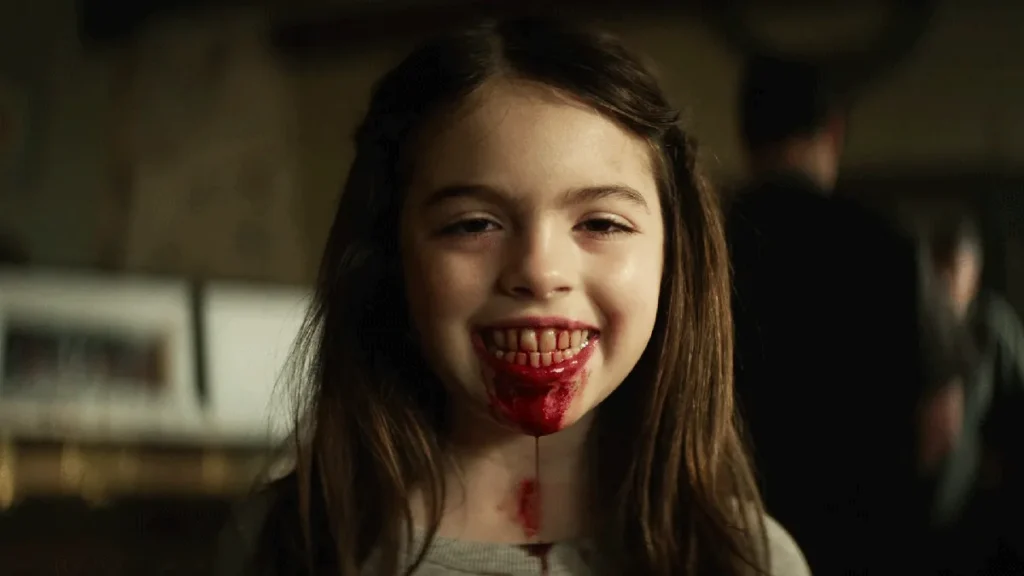
What the film alternatively does very well is clearly in its horror execution, particularly through the use of brutal grotesque body horror and the physical transformation of the mummified Katie. The sequences involving the demonic possession are genuinely effective and what audiences came to see, delivering some of the most memorable and unsettling moments of the year so far. Cronin leans into practical effects and visceral imagery very well, creating a definitive style of horror that feels intense and grounded in physical discomfort, a much better calling card than slapping his name at the beginning of a big release movie, wow that is annoying. These moments highlight the film’s potential, showing what could have been an absolute horror blast if other aspects matched the level of execution.
The pacing is another major issue, with the film taking far too long to establish its core premise and build any real momentum. It takes nearly 90 minutes for the story to fully pick up, which causes the first half to feel dragged-out and unfocused. Once the film does reach its more intense horror final act, it becomes significantly more engaging, but the damage from the slow start had already been done. The structure feels uneven, with a drawn-out setup that gives way to a rushed, chaotic final act. The film further attempts to explore themes of grief, guilt, trauma, and the inability to move on from loss, using Katie’s return as both a literal and symbolic force that destabilizes the couple’s marriage and their grip on sanity. This concept had strong potential, especially in how it links personal trauma with supernatural horror, and could have meaningfully filled that overlong early runtime. However, the film never fully commits to developing these themes, often pushing them aside in favor of the immediate horror moments, tossing away everything that stalled the film in the final act. The ancient Egyptian mythology defining the IP, which could have added the mix of depth the film needs, instead feels quite underdeveloped, functioning more as a background detail than a driving force, and rarely showing the kind of commitment its title promises.
The final act is where the film finally leans into its horror elements, delivering some of its most intense and effective sequences, exactly what audiences came for. The escalation involving Katie and the corruption of the children finally brings the film to the level of chaos and tension it has been straining toward, while also drawing Detective Dalia into the narrative as a genuinely central and important presence. However, the ending itself feels abrupt: just as the film finally dives into the footage of the ceremony that turned Katie into these crazed creature & Charlie’s sacrifice for his daughter, it simply cuts off at a point of revenge. Making the film feel dragged on and abruptly ending at the same time, a really tough combo when trying to please an audience hoping for horror lore.
The Mummy, as it should have been titled, ends up being a mixed experience, with clear strengths in its horror execution but significant weakness in its storytelling. Cronin proves his ability to create disturbing, visually effective horror, but struggles to build a cohesive narrative around it. The film feels like a series of strong horror moments loosely connected by an underdeveloped story ultimately showing flashes of potential but falling short of becoming a fully realized and impactful horror experience, earning the film a 64/100 from the TwilightRoom.
Twilight Room Score: 64.2/100