Introduction to Our Four Favorite Films
In the spirit of the Letterboxd top-four style, we at TwilightRoom thought it fitting to provide our personal top-four list of the four most influential films for the brand and its founder, how they shaped the opinions of the reviews provided here daily, and how they influenced the climate of the film world, altogether. Whether it is a 1940s romance that defined Hollywood cinema for years to come, the funniest film ever made, in our humble opinion, or a 2010s pop-of-color beauty of an experience that’s simply unforgettable, this list of our four favorite films covers each pick in great detail.
1. The Grand Budapest Hotel
100/100 – Wes Anderson – 2014
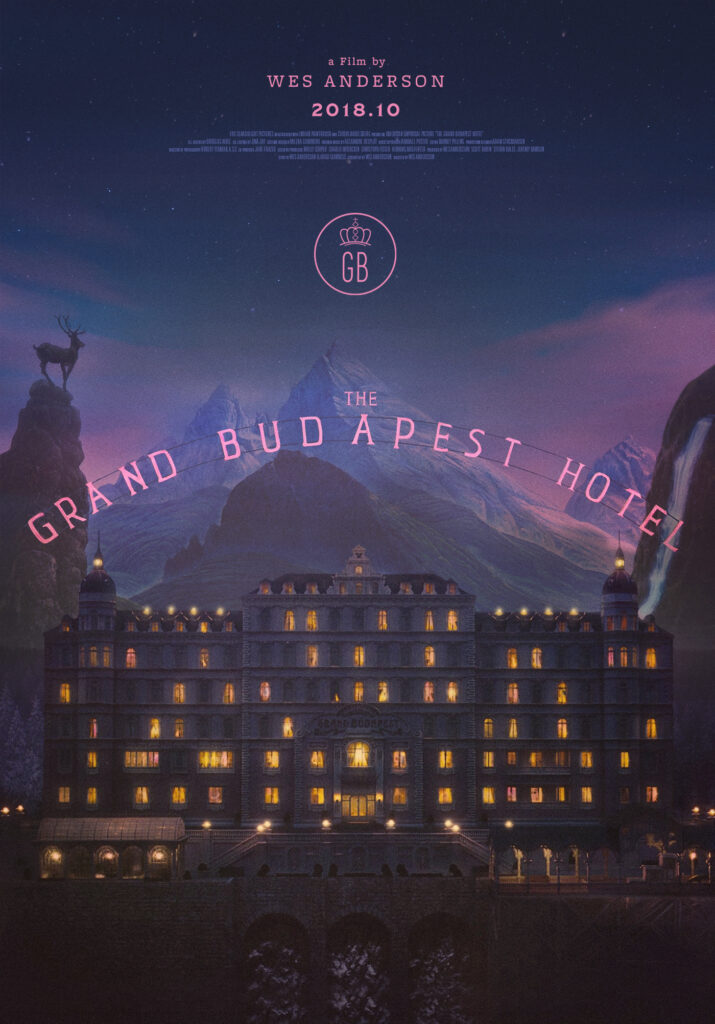
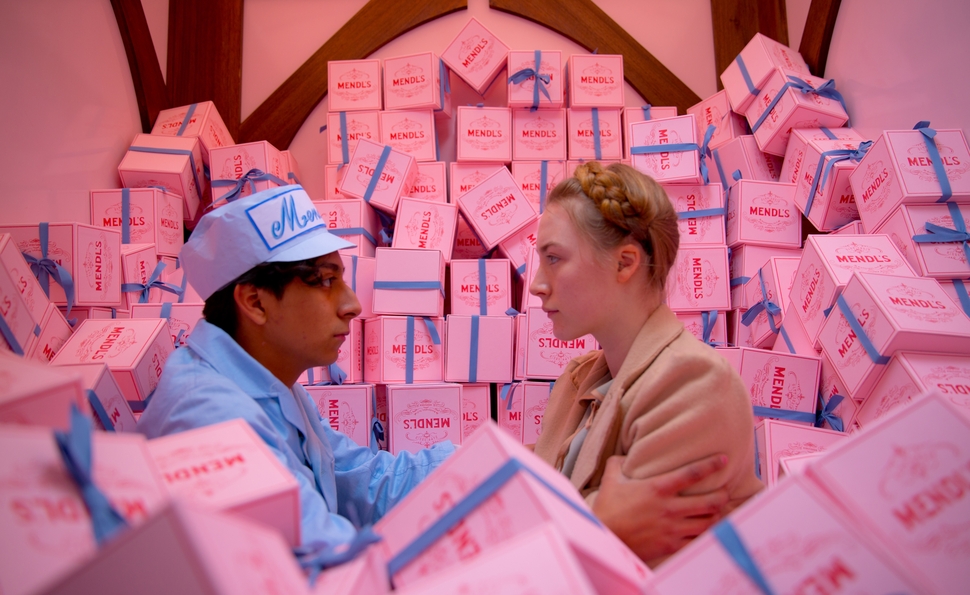
Wes Anderson’s magnum opus of symmetry and beautiful colors has not only had an impact on the culture of film, but has had an impact on the world as a whole and a large impact on us at TwilightRoom for 12 years since its initial release.
The Ralph Fiennes-led thriller, heist, jail-breakout comedy was a huge hit when it released, as it felt like Wes Anderson had finally put everything the film world began to love about his style into one appealing and pleasantly styled masterpiece that took the awkward symmetrical wave of cinema to new heights. Color is such an important aspect in film, and after success in stop motion with Fantastic Mr. Fox, his next clear step was to take that momentum and ability to stun an audience with a heartfelt story combined with equally heartfelt color and translate it into a live-action setting. Perhaps a film surrounding a concierge that is popular among the older, rich ladies who stay at his hotel, enough to leave him the most valuable piece of artwork in the world, wasn’t meant to leave a lasting memory on the world of film, but Wes couldn’t help but turn his art into a movement that defined a brand new genre of film based on the inspiration of so many filmmakers before him. The Grand Budapest Hotel is heralded by us at TwilightRoom as our favorite film of all time, not just for its inspiration in color and simplicity embedded into the brand’s design, but for its timeless story that makes you laugh, cry and everything in between, even after watching it double-digit times.
The film’s narrative unfolds through a layered storytelling structure, following the adventures of Monsieur Gustave H., the meticulous and charming concierge of the Grand Budapest Hotel, and Zero Moustafa, the young lobby boy who becomes his most loyal companion. Set against the backdrop of a fictionalized pre-war Europe, the story centers on the theft of a priceless painting and the sudden death of one of Gustave’s wealthy patrons and lovers, launching the film into a fast-moving blend of murder mystery, inheritance battle, and prison escape. What makes the plot so compelling isn’t necessarily its complexity, but the way Anderson presents it, every moment precisely staged, every movement choreographed with intention. The film’s best aspects come from this balance between chaos and control, where absurd situations are grounded by the film’s rigid visual symmetry and deliberate pacing. The performances, particularly from Ralph Fiennes, elevate the material even further, bringing both humor and sincerity to a character that could easily become caricature. Added to the main roles, every inclusion from this star-studded cast is outstanding, from Adrien Brody to Willem Dafoe, and they fit perfectly into the film’s narrative, the best fit Anderson has ever had for his famous star ensembles. Combined with Alexandre Desplat’s rhythmic and distinct score, the film creates an atmosphere that feels both whimsical and melancholic, reinforcing the idea that beneath its colorful exterior lies a story about loss, memory, and a disappearing world.
The film helped to define my journey into film, as a kid who hadn’t much of anything aside from some franchises and Pixar films, seeing something so beautiful and nuanced in every way highlighted my love for style in film and established a baseline of love for cinema that has never gone away. The Grand Budapest Hotel made a mark on me as a film lover, and now critic, and it has had an effect on the world of film, equally defining trends, genres, and visual appeal for the decade after its release. It’s truly one of the best, and one of the few films at TwilightRoom, joining just three others on this list, to earn a 100/100.
2. Monty Python and the Holy Grail
100/100 – Terry Jones & Terry Gilliam – 1975

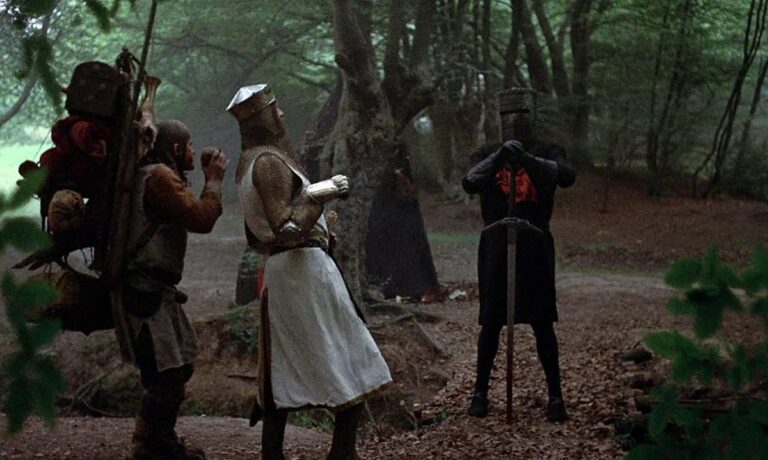
Jumping back even further in history in both release date and origin of how this comedic masterpiece became one of the most influential films in the history of this website and the comedy genre as a whole.
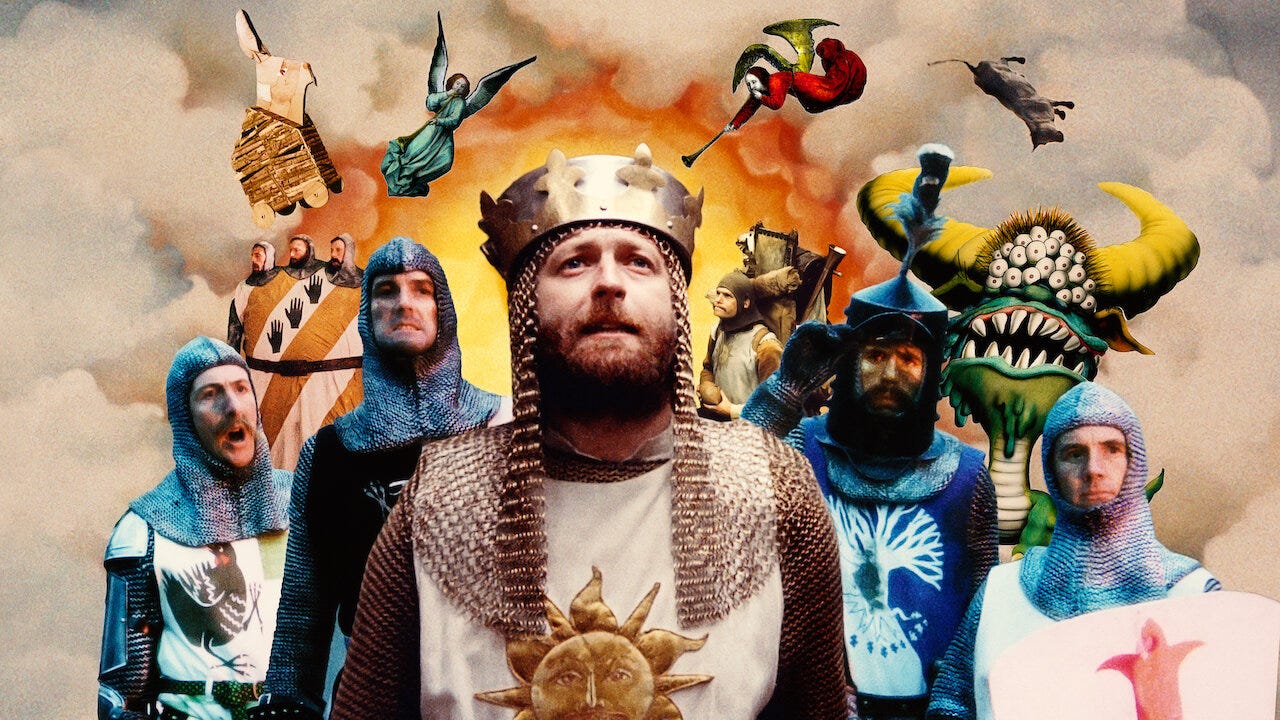
The Terry Gilliam and Terry Jones magnum opus Monty Python and the Holy Grail is part of a series of films and a TV show surrounding the most prolific comedy group in the history of film in Monty Python as they dominated the ’70s and early ’80s with their wacky, nonsensical British comedy that took traditional storytelling and flipped it on its head. From bringing coconuts instead of horses to bouncing to sequences too early in the story and having to reset, Holy Grail creates this atmosphere of medieval fun that has become one of the most quotable films of all time. The film bounces from skit to skit and satire to satire in what may be the only film of all time that has zero misses in its jokes and comedic moments in the entire film. Much of the group’s work is all over the place and awesome, but Monty Python and the Holy Grail is the magnum opus of their conceptual minds, and 50 years later, it remains, for us at TwilightRoom, at least, the funniest film of all time.
Attempting to tell the plot of this film is quite superfluous when acknowledging the concept, but here we go: the film follows King Arthur and his knights as they set out on a quest for the Holy Grail, but quickly abandons any sense of traditional narrative in favor of a series of loosely connected comedic episodes. Rather than building toward a structured arc, the film thrives on its unpredictability, jumping from one absurd scenario to the next, whether it’s the Black Knight refusing to admit defeat, the Knights Who Say “Ni,” or the complete breakdown of the story itself in its final moments. What makes Monty Python and the Holy Grail so effective is how confidently it rejects conventional storytelling, replacing it with a relentless stream of jokes that range from clever wordplay to pure visual absurdity. The film’s best aspects come from this commitment to its own logic, where every gag feels like it exists in a world completely detached from realism, yet perfectly consistent within itself. The low-budget production only enhances the humor, forcing creative solutions like the use of coconuts instead of horses, which have since become iconic and unforgettable. Combined with Monty Python’s sharp timing and chemistry, the film creates a comedic rhythm that never lets up, making it one of the most consistently funny and endlessly rewatchable comedies ever made.
Holy Grail defined my childhood. Every time friends were over or someone asked for my favorite movie, I would always say this one. I’m not one for quoting, but I could tell you every line from this film and every character. It’s monumental to me and so many others. There are some fantastic films out there in the world with real nuance and important things to say and TwilightRoom loves covering them all, but sometimes all it takes is some comedy to define someone’s life and make something memorable. Monty Python and the Holy Grail is a monumental moment for comedic films from its release in 1975 until now, half a century later, and earned through its impact to us and so many others a 100/100 from TwilightRoom.
3. La La Land
100/100 – Damien Chazelle – 2016
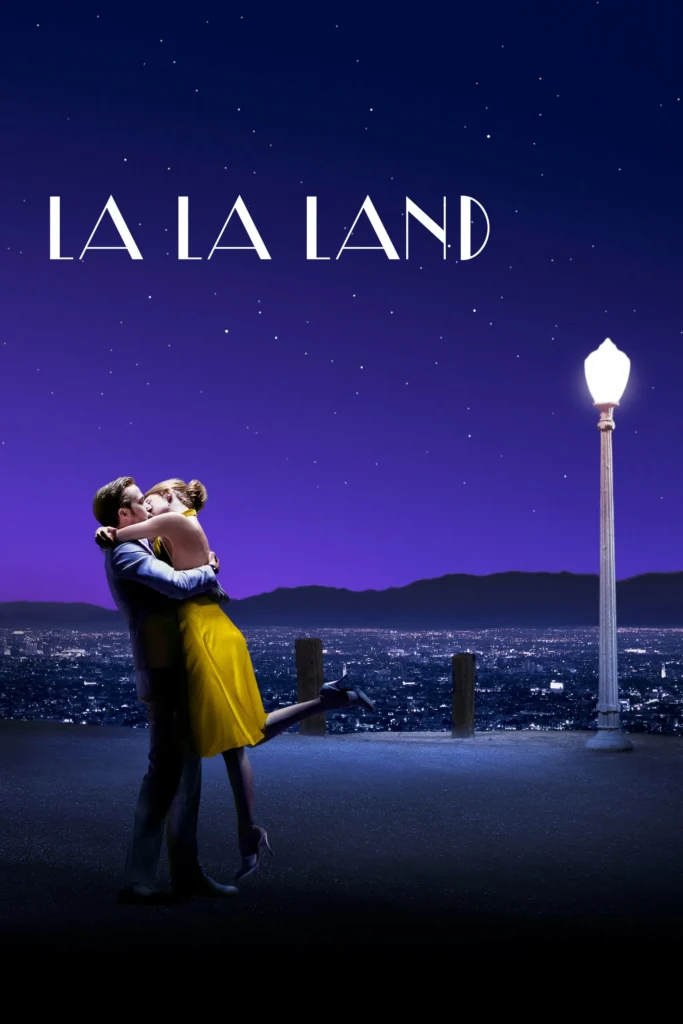
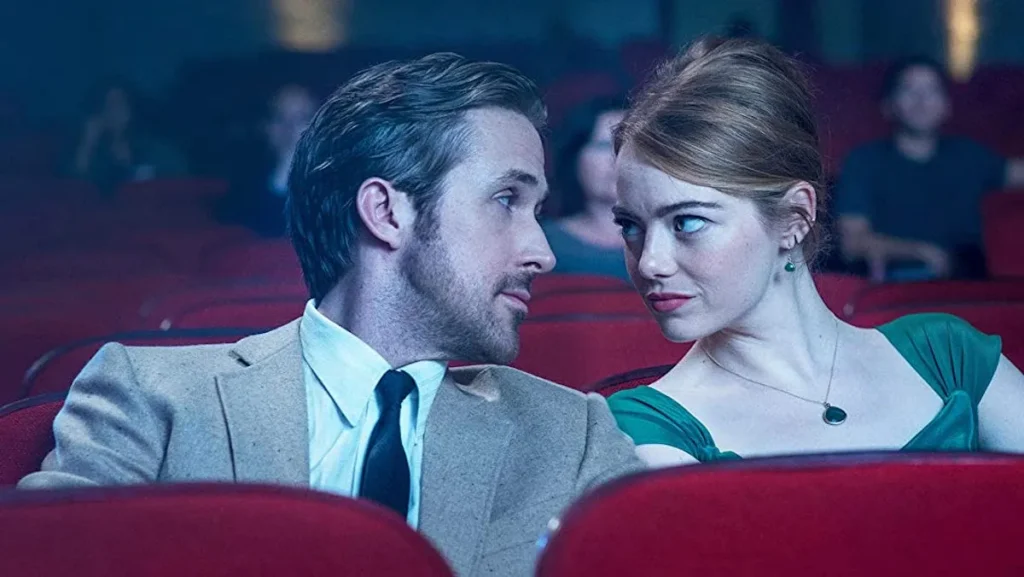
Damien Chazelle has several films in his catalog as a director that audiences may consider his magnum opus, but to us at TwilightRoom, there is nowhere to look but his Emma Stone–Ryan Gosling musical masterpiece, La La Land.
Another great example of the use of colors as a metaphor in film, La La Land does a fantastic job of delivering a complex narrative that satisfies even the harshest critics, while also establishing itself for many casual viewers as their favorite film of all time. If you were to poll 1,000 people, I’d bet this is the film that would rise to the top of most lists, and we at TwilightRoom would be right there with them, as the film is truly generational for its ability to transfer the concepts of older musicals, like Singin’ in the Rain, and the ’90s and 2000s boom of musicals like Chicago, with its own unique and heartbreaking identity. Films need a good ending to be heralded as one of the best and to choose an ending that is as bitter as it is beautiful is what makes this film just that much more special. Gosling and Stone are brilliant and have become two of the biggest stars in the world, but their chemistry here and love for each other through their two characters is something that will never be recreated. Their scene in the Observatory is once in a lifetime and unforgettable. La La Land changed the climate around musicals, it broke the hearts of the entire world, and delivered one of the most colorful and creative films of all time.
The film follows Mia, an aspiring actress, and Sebastian, a struggling jazz musician, as they navigate their ambitions and their relationship in Los Angeles, using the structure of a classic Hollywood musical to tell a deeply modern story. What begins as a vibrant and energetic romance gradually evolves into something more complex, as both characters are forced to confront the sacrifices required to achieve their dreams. The narrative moves through moments of joy, failure, and compromise, building toward an ending that redefines everything that came before it. What makes La La Land so effective is how it uses its musical elements not just as spectacle, but as emotional expression, with each number reflecting the internal states of its characters. The film’s best aspects come from this balance between style and substance, where bold colors, sweeping camera movements, and carefully choreographed sequences enhance rather than overshadow the story. Gosling and Stone’s performances anchor the film, bringing sincerity and vulnerability to a romance that feels both idealized and painfully real. Combined with Justin Hurwitz’s unforgettable score that plays in every car still a decade later, the film creates an experience that is as emotionally resonant as it is visually stunning, cementing its place as one of the most impactful modern musicals.
Right around the time I discovered how beautiful film can be through The Grand Budapest Hotel, I discovered that the idea of a musical can be so much more than I originally thought, and I discovered that heartbreak might never hit quite this hard. The final act of this film is a core memory for everyone who grew up through this film’s release, including me, and it forever changed what it means to design the perfect ending to a beautiful film. La La Land to many is perfect, and that includes us at TwilightRoom, earning it a 100/100.
4. Casablanca
100/100 – Michael Curtiz – 1942
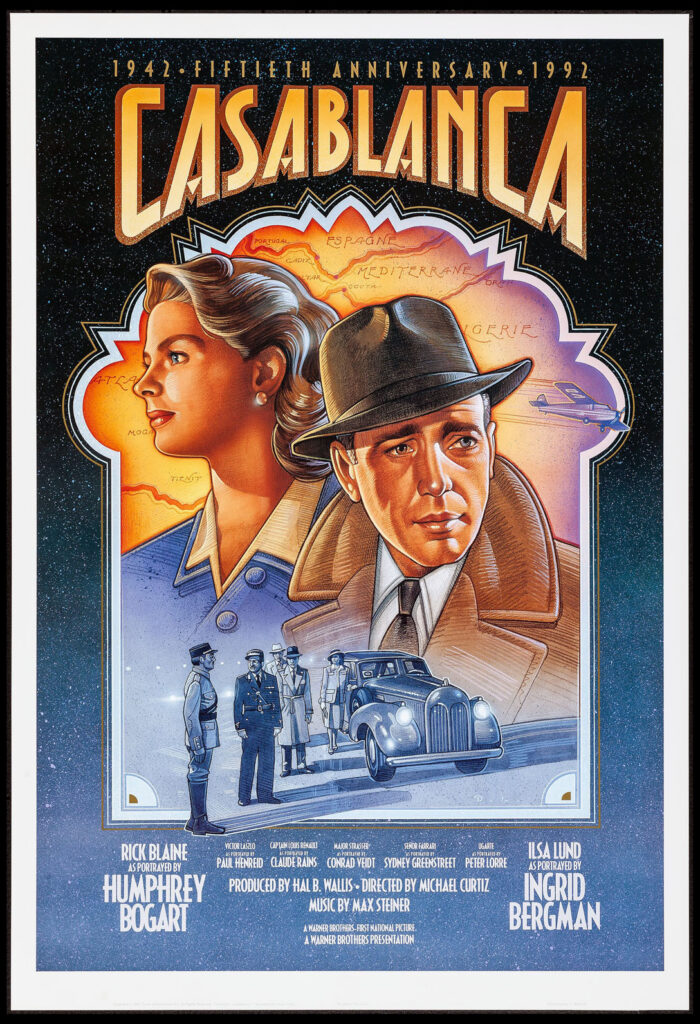
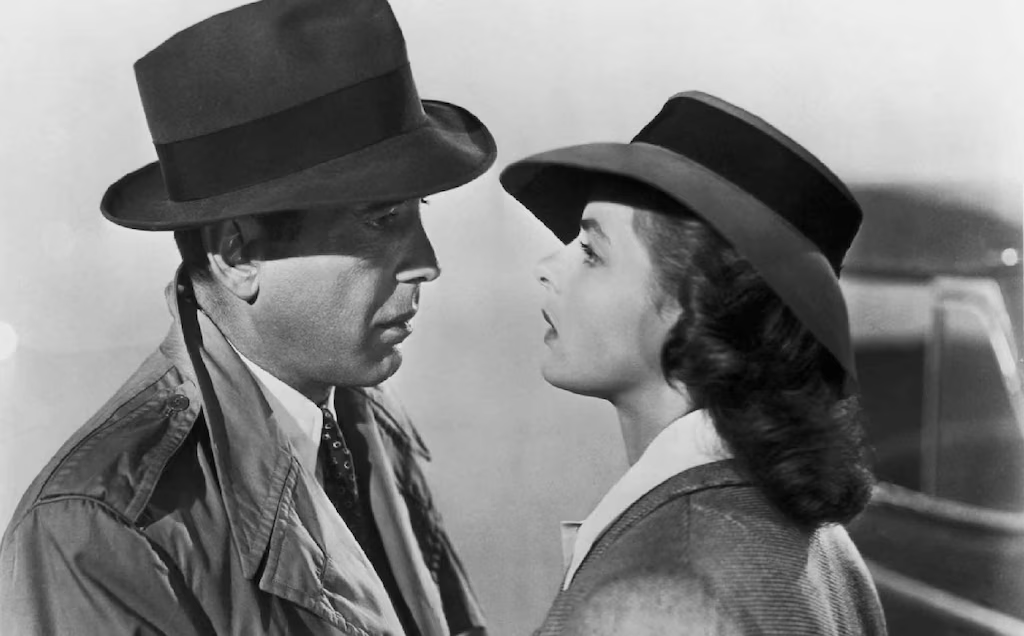
Something that each of these four films has in common is that they need no introduction, and whether you have only heard of this 1942 masterpiece, or it is ingrained in your memory forever, Casablanca certainly fits that description.
What many call the best screenplay ever created, Michael Curtiz’s magnum opus is the defining moment for the director who was known for creating careers for Hollywood stars, but he didn’t need to create Humphrey Bogart or Ingrid Bergman; he needed to cement them, and that is exactly what he did. Casablanca is a film that made its impact on me much later in my process of studying film, and was one of recognition, realizing the music, the witty dialogue, and the black-and-white lighting created movement. It’s a simple love story that doesn’t explain itself too much, but its actors do the work for it: facial expressions from the decades before it, and subtle emotion that defines the decades after it converge into one beautiful piece of cinema here. Casablanca is known as the best screenplay ever, but further, it’s one of the best films ever. Almost a century later, the film is remembered and praised even more than before and it will only continue to grow as a point of emphasis on how Hollywood has changed the medium of film forever.
The film follows Rick Blaine, an American expatriate running a nightclub in Casablanca during World War II, whose carefully constructed neutrality is disrupted by the arrival of Ilsa Lund, a former lover who left him under mysterious circumstances. Alongside her is resistance leader Victor Laszlo, placing Rick at the center of a moral and emotional crossroads that extends far beyond a simple love triangle. What begins as a story of rekindled romance quickly transforms into something larger, blending themes of sacrifice, duty, and personal redemption against the backdrop of global conflict. What makes Casablanca so effective is how effortlessly it balances its narrative, allowing sharp, endlessly quotable dialogue to carry both emotional weight and political tension without ever feeling forced. The film’s best aspects come from this restraint, where subtle performances, particularly from Humphrey Bogart and Ingrid Bergman, communicate more through expression than exposition. Combined with its iconic use of lighting, music, and atmosphere, the film creates a sense of timelessness that elevates its story beyond its era, solidifying it as one of the most complete and enduring works in the history of cinema.
Casablanca was introduced to me through a film class speaking about the best actress performances of all time, highlighting the illustrious career of Ingrid Bergman, and it was a life-changing experience. There are no films that feed the soul better than this one, whether it’s the romance, perfectly delivered dialogue, or ambience. The film is unmatched and perhaps never will be, earning it, like the three on this list before it, a 100/100 from TwilightRoom.
Why These Are Our Four Favorite Films
Together, our four favorite films represent more than personal picks; they form the foundation of what TwilightRoom is built on. Casablanca defines our appreciation for timeless storytelling and the power of dialogue, Monty Python and the Holy Grail shapes our understanding of bold, risk-taking comedy, The Grand Budapest Hotel influences our eye for color, symmetry, and aesthetic identity, and La La Land captures the emotional balance between spectacle and heartbreak that we value so deeply in modern cinema. Each film reflects a different pillar of what we look for in movies, but collectively they define our voice, our taste, and the standard we hold films to in every review. These are not just films we admire; they are films that have actively shaped how we experience and talk about cinema, and will continue to influence everything that comes from TwilightRoom moving forward.