Introduction
We are officially halfway through 2026 and, while returning shows dominated much of the conversation through the first six months, the new‑show landscape delivered far more than expected, with original ideas breaking through, beloved IP finding genuinely fresh voices, and a handful of limited series and debuts that reminded audiences that discovering something for the first time is still one of the best feelings television can offer.
From a Game of Thrones spinoff no one saw coming that quickly became the best new show in years, to animated franchise revivals, creepy Apple TV+ horror that announced itself as something built to last, and quieter discoveries that deserved far more attention than they received, the first half of the year gave fans of original television plenty to celebrate. This is TwilightRoom’s ranking of the fifteen best new television shows of 2026 so far, a list that will likely shift considerably once the fall slate introduces its own contenders but, for now, represents our take on the first half of what is shaping up to be one of the strongest years for new television in recent memory.
1. A Knight of the Seven Kingdoms
89.3/100 - HBO MAX
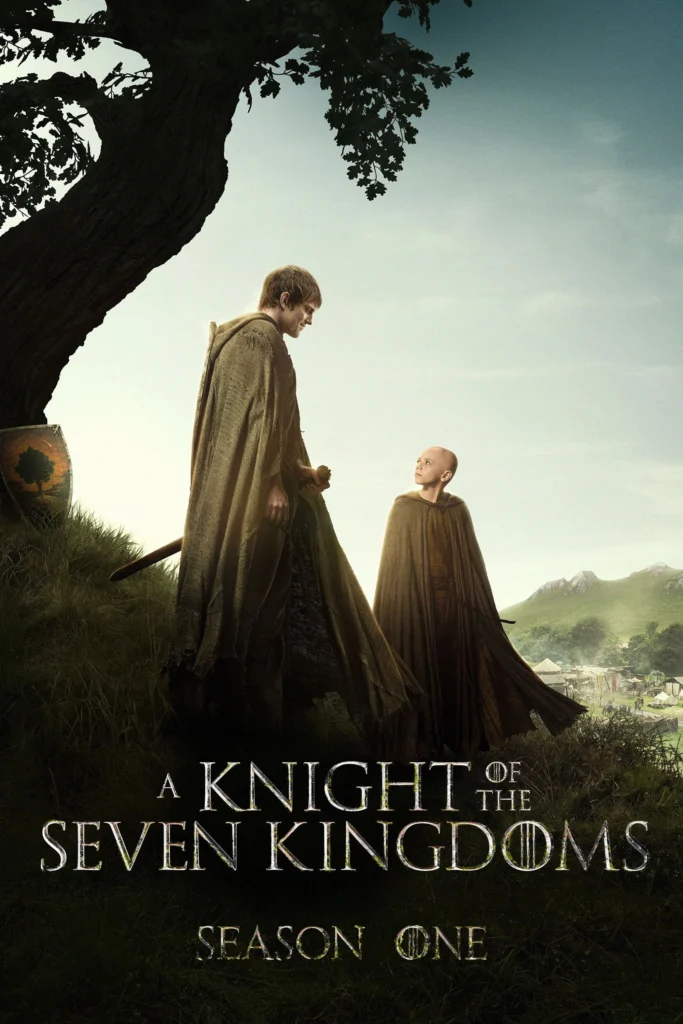
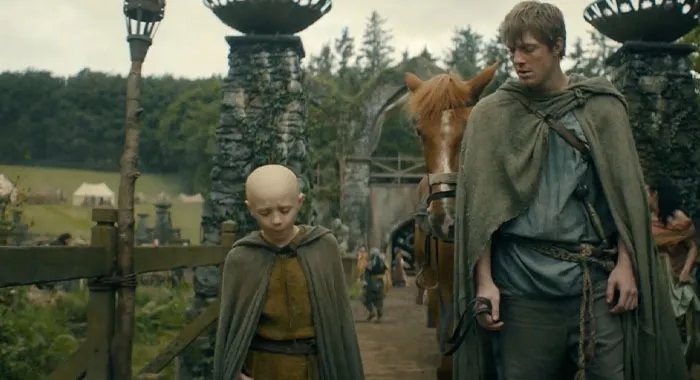
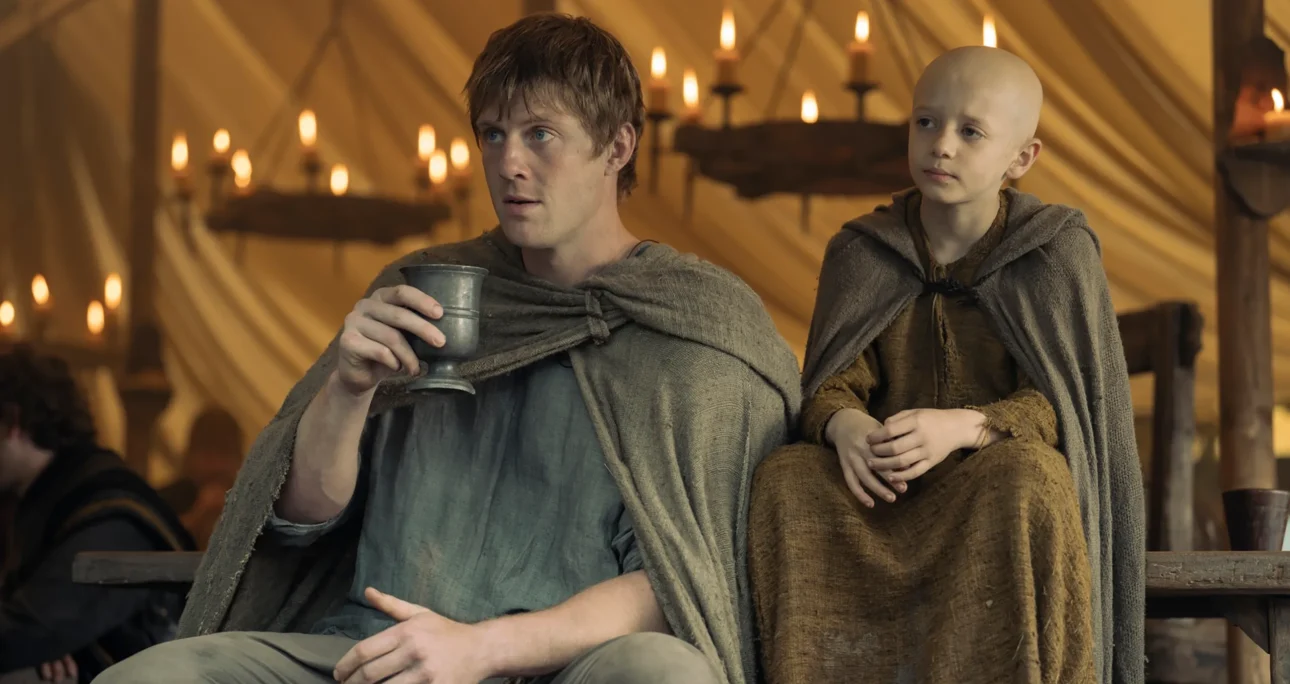
The best show of the year so far, and very likely to stay that way, comes not from a brand‑new franchise but from a familiar world with a distinctly new voice, as A Knight of the Seven Kingdoms returns to Westeros and reframes it as a buddy‑knight tale that is as emotional as it is funny and surprisingly compelling. Shorter episodes, tighter pacing, and a focus on one storyline rather than many is not the traditional Game of Thrones model, but it’s exactly what was needed to breathe new life into the franchise. As Ser Duncan, destined to become one of the greatest knights in history, begins as a mere hedge knight and meets Egg, the little boy who will one day rule all seven kingdoms, the duo quickly becomes one of the most beloved pairings the series has ever seen. It is masterful in its visuals, writing, adaptation of the novella source material, acting, and tight pacing, leaving audiences both constantly wanting more and fully satisfied with what they’ve already received. It has already earned a place in the conversation as one of the best debut seasons ever, which is why it sits at number one on our list of new shows for the year so far with a rating of 89/100 from the TwilightRoom.
2. Star Wars: Maul – Shadow Lord
85.9/100 - Disney+
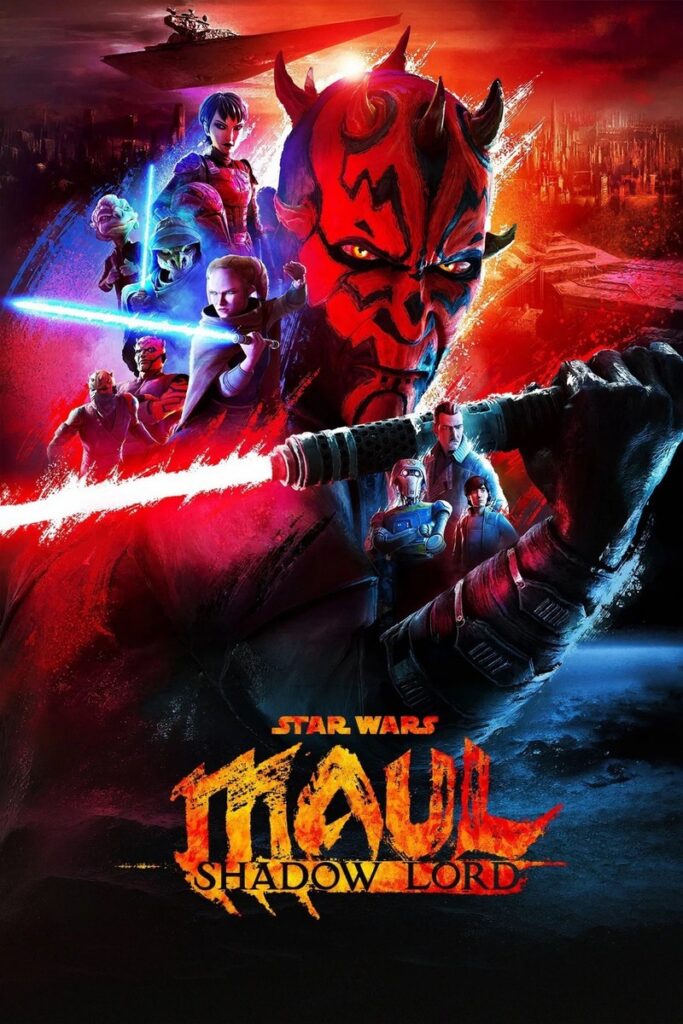
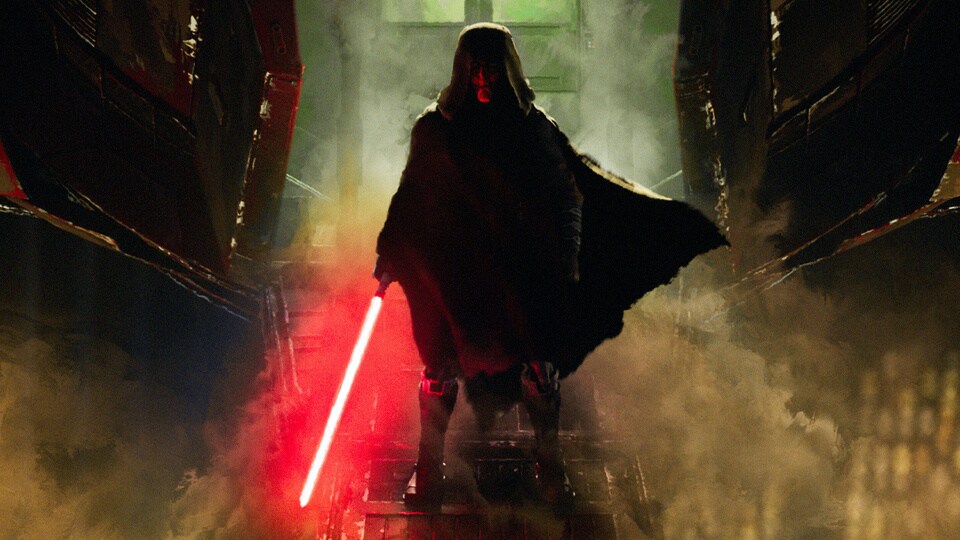
The Star Wars TV era has been as hit‑or‑miss as it gets, but giving one of the saga’s most beloved characters, Maul, a tightly focused animated showcase was always likely to succeed, and Star Wars: Maul – Shadow Lord delivers on that promise and more. Its gorgeous animation, corruption‑driven storyline that introduces a new apprentice in Devon, Jedi‑versus‑Inquisitor showdowns, and a prime Darth Vader appearance give the season everything it needs to stand out, clearly earning its place at number two on this list. Releasing alongside some of the biggest returning shows in television, Star Wars: Maul – Shadow Lord faced immense pressure to not only succeed but genuinely compete, and Disney+ rose to the occasion, knocking it out of the park and immediately promising a second season. In doing so, the series effectively came back from the dead to restore real hope for the future of Star Wars animated television, proving there is still plenty of life left in this corner of the franchise. There are certainly some pacing issues and more fan service than strictly necessary, but even those indulgent moments are so undeniably cool that it’s hard to hold them against the show, which is why Star Wars: Maul – Shadow Lord earns an 85/100 from TwilightRoom.
3. Widow’s Bay
85.8/100 - Apple TV+
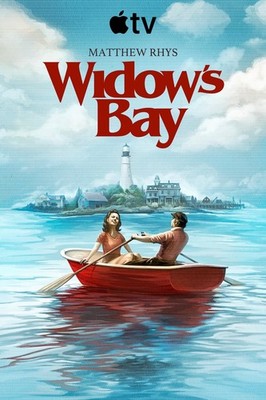
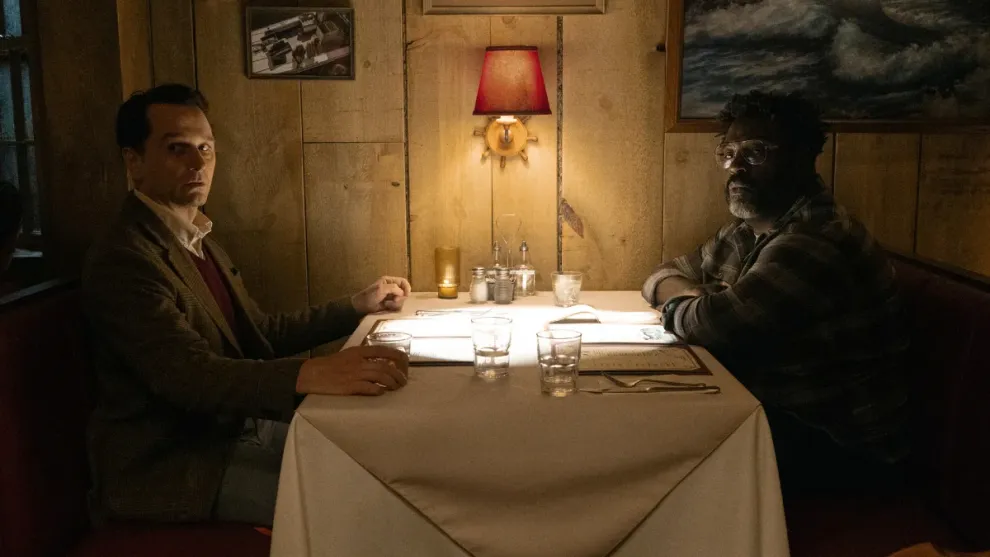
When the original teasers for Widow’s Bay started rolling out, they immediately caught our eye at TwilightRoom, because truly creative promotion will always spark curiosity and pull viewers in. Once the episodes began releasing, that early intrigue quickly turned into genuine excitement, as it became clear this was not just one of Apple TV+’s best originals in years, but one of the strongest new horror series. With a Season 2 already promised and a wonderfully creepy, complex cast of characters, Widow’s Bay is clearly built to stay. In a landscape where ongoing horror TV is notoriously hard to nail, especially outside the limited‑series format, this show feels genuinely groundbreaking if it can keep delivering, and it’s almost certain to be in the awards conversation in a few months. It’s certainly one of the freshest shows on this list on people’s minds but in a 6 month release schedule that had some of the greatest show’s ever release seasons, and greatest franchises ever have more successful releases than they have had in years, it’s still refreshing to have an original idea sit at third on this list and standout from the rest, it’s the type of release that really breathes life into original television, sitting at an 85/100 from TwilightRoom.
4. Rooster
85.2/100 - HBO MAX

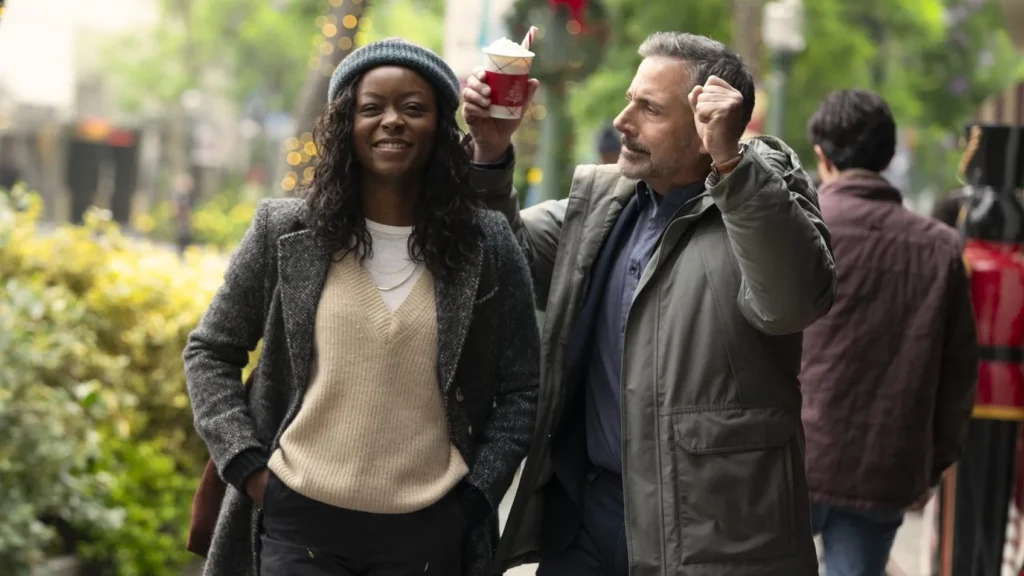
Rooster flew under the radar during its release, Steve Carell’s newest dramedy about a writer who becomes a professor at the same college as his daughter, and while it takes a few episodes to find its stride and really lock in the humor, it’s a show that worked, and one we hope is here to stay. These comedy‑dramas have to walk a tricky line between serious beats, endearing moments, and sharp comedic bits, which makes them inherently polarizing and very hit‑or‑miss for audiences, likely why some viewers skipped Rooster while certain outlets embraced it completely.
We’re firmly on the positive side with Rooster and want more viewers to seek it out as a slightly quieter, more mature kind of comedy—one that might not deliver laugh‑out‑loud moments at every turn but consistently holds your attention and offers real nuance beneath the surface. There’s significant potential for it to grow into a long‑running series: the film‑style cinematography, clever use of angles and atmosphere, and simple premise of a college professor in a small‑town setting give it a framework that can be repeated without losing authenticity, which is a big part of why we have it at number four on our list with a rating of 85/100 from TwilightRoom.
5. Wonder Man
83.0/100 - Disney+
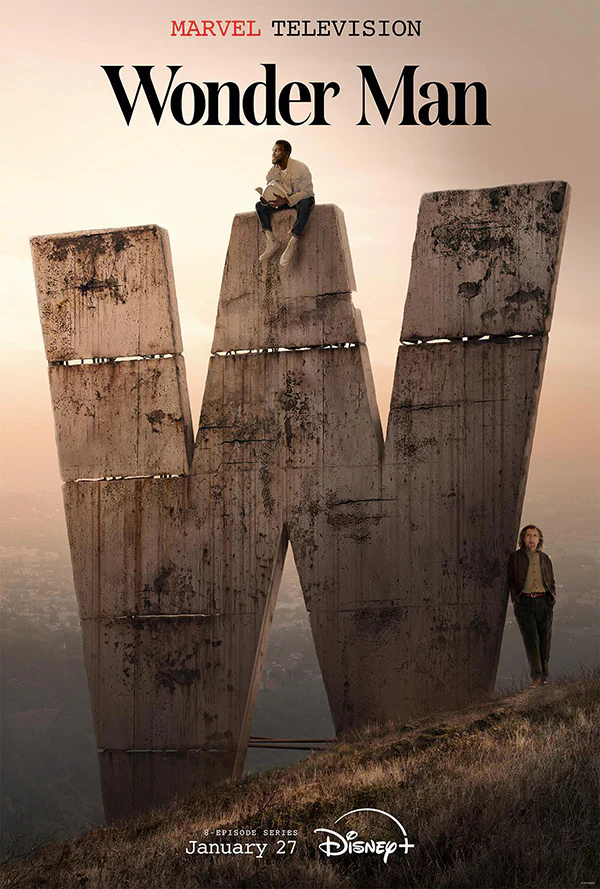
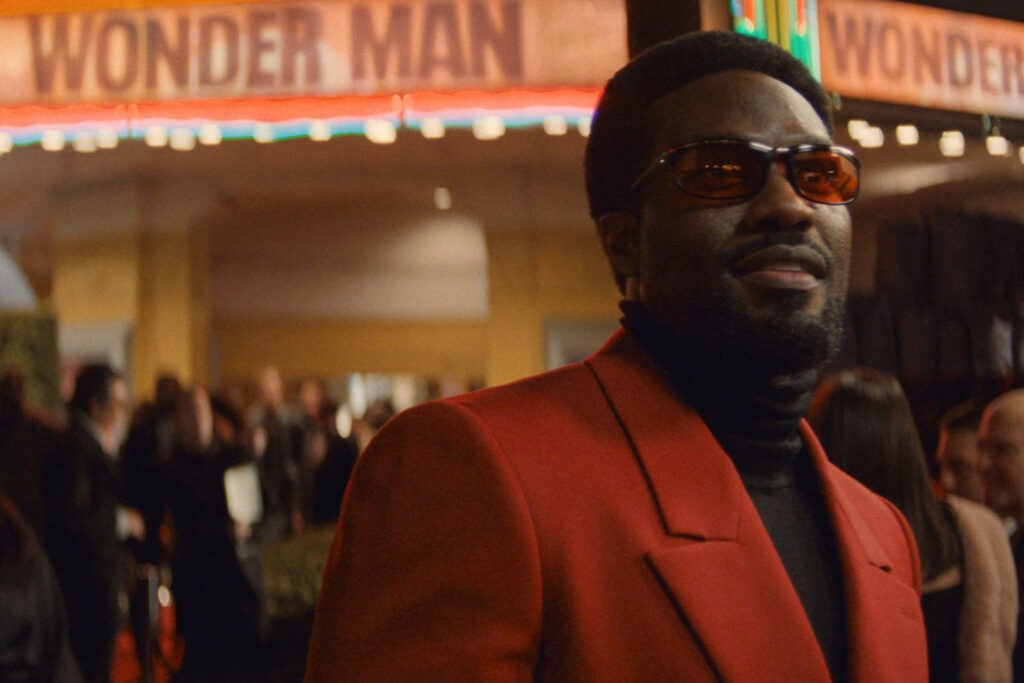
Wonder Man was certainly a show nobody asked for and one most fans had barely heard of, and its release stayed predictably quiet, but for the audience that did give it a shot, Marvel delivered far above expectations. Framed as a scrappy “two guys just trying to make it in Hollywood” story, it ends up being one of their most charming and enjoyable TV outings of the past two years. It’s much less a traditional superhero show and more a story about a man just trying to make it, set in a world where superpowers quietly shape how Hollywood and acting actually work.
That angle makes Wonder Man a fun, unexpectedly thoughtful Marvel series about chasing your dreams, still carrying that distinct MCU feel in both its most hopeful moments and its more cynical, industry‑skewering ones. Unfortunately, given where the MCU is right now, it almost would’ve been expected for a show like this to be phoned in, quietly canceled, or delivered with lukewarm mediocrity, but the clear care and specificity poured into this smaller project may be exactly the spark the franchise needs to reassess what still works, and what doesn’t, in the current climate. Wonder Man is certainly not the best thing Marvel has ever put out, but it is one of the most unique and creative, fully deserving its second‑season renewal and a spot on the higher end of this list, where its rated 83/100 at TwilightRoom.
6. Something Very Bad is going to Happen
82.9/100 - Netflix
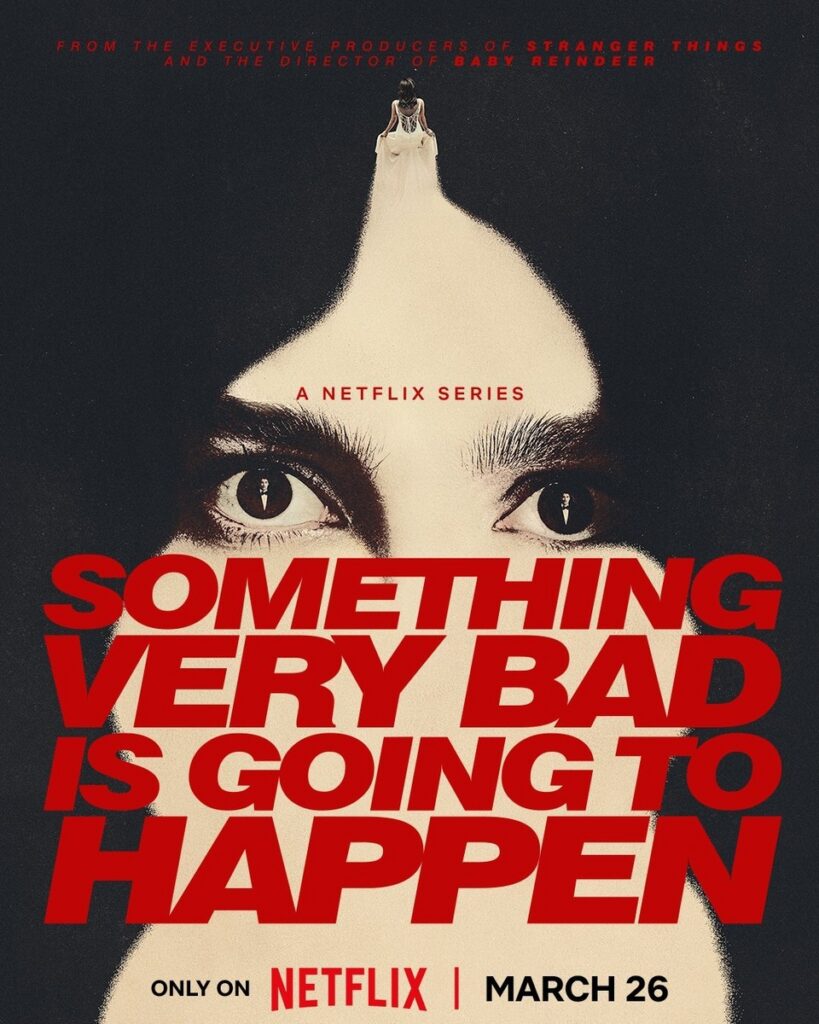

Something Very Bad Is Going to Happen is one of the year’s more pleasant Netflix surprises, a psychological horror limited series that quietly drops on a random Thursday with more identity and creative conviction than most shows get after a full marketing cycle. Anchored almost entirely by a lead performance from Camila Morrone that holds the whole thing together even when the series around her occasionally stumbles, it ends up feeling far more memorable than its low‑key release would suggest. The series follows Rachel in the days before her wedding as she meets her fiancé’s family at their remote mansion-like cabin and becomes progressively more convinced that something is deeply, fundamentally wrong, blending paranormal curse mythology with psychological mind games and a found-footage visual style that keeps the viewer as destabilized as she is.
The first three episodes are genuinely excellent, building atmosphere and dread through subtle environmental hostility and Rachel’s increasingly unraveling perception of reality rather than cheap scares, and Morrone carries every one of those moments with a lived-in, grounded performance even as the story around her grows more deliriously strange. The middle stretch is where the show loses its footing, plateauing in tension when it should be escalating and dragging a plot beat or two longer than the story needs, and the ending will divide viewers who came in expecting a clean conclusion. But the central concept is genuinely original, the visual grammar distinctive enough to linger, and Morrone alone makes it a must‑watch for horror fans looking for something that doesn’t feel recycled, earning an 82/100 from TwilightRoom.
7. Ponies
82.1/100 - Peacock
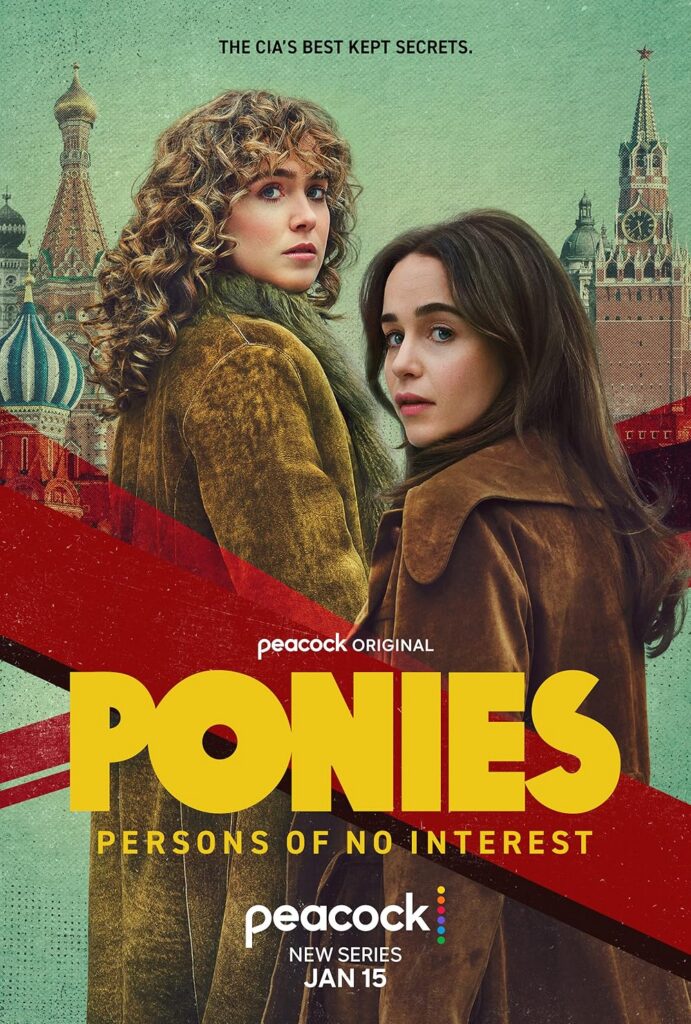
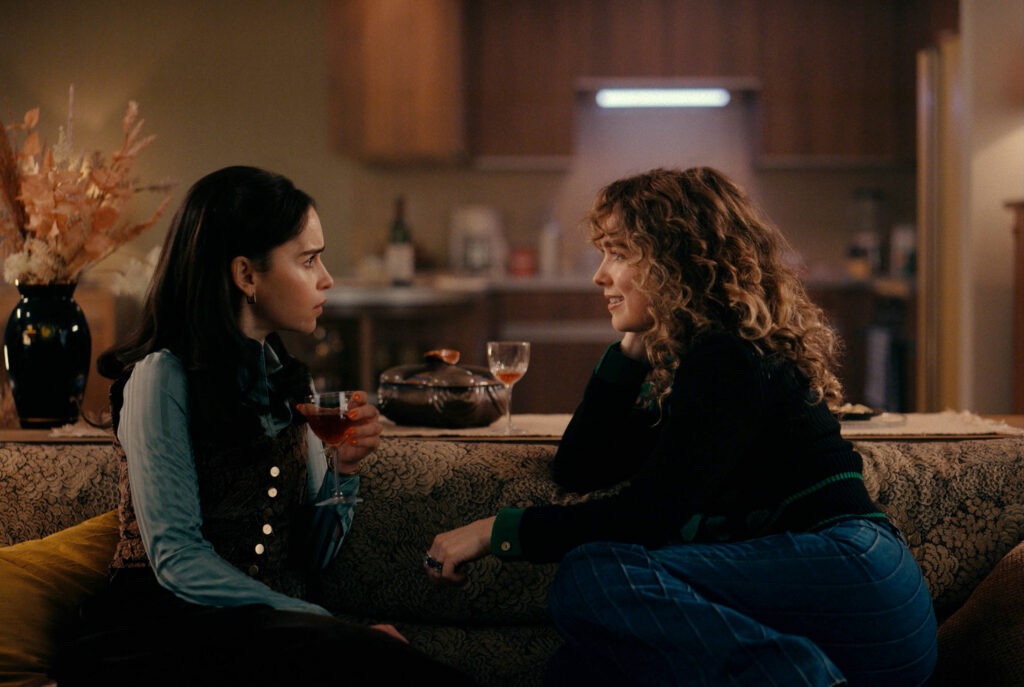
Ponies is perhaps the most disappointing entry to include on this list, having been cancelled after just one season, likely due to lower viewership, despite being one of the best new releases of the year so far and a clear highlight for Peacock in our opinion. A relatively straightforward spy thriller that centers two widowed wives who become spies to uncover what really happened to their dead husbands, it shines through the passion in its two lead performances and a tightly shot, film‑style cinematography that makes its setting look as good as anything television has offered this year. Perhaps the promotion wasn’t strong enough, or maybe audiences simply didn’t connect with it the way we did, but Ponies was certainly entertaining, and the good news is that its single season is strong enough to stand alone as a perfect eight‑episode weekend watch. Sitting at number seven on our list, Ponies may not be the absolute pinnacle of TV in the first half of the year, but it comes very close, which makes its cancellation feel like a real shame—especially given it earned an 82/100 from TwilightRoom.
8. Jury Duty Presents: Company Retreat
81.9/100 - Prime Video

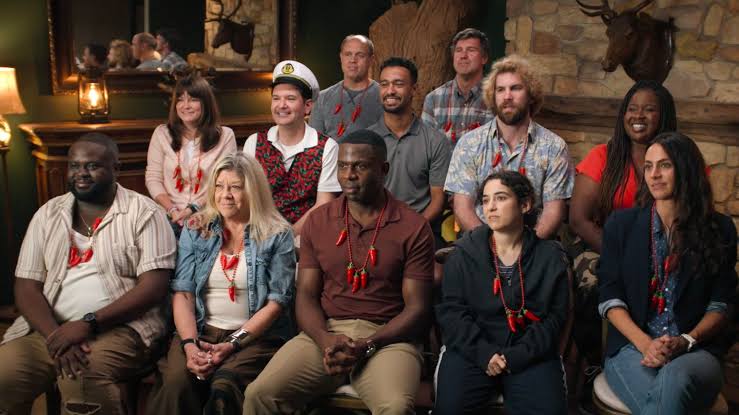
The most unique comedy concept on television returns for a second season and, while it doesn’t quite reach the heights of its predecessor, it delivers another genuinely funny and inventive entry. The Jury Duty setup finds a smart new sandbox in the company‑retreat setting and a worthy new center in Anthony Norman, another light‑hearted, good‑natured man who’s just as willing to take the fall for the chaos thrown his way as last season’s lead was. The first three episodes get the concept moving quickly, but Episodes 4 and 5 are where the season really takes off, as the fallout from Dougie’s disastrous presentation brings in an outside company to oversee the retreat—a setup so perfectly tuned to this format that the cast runs with it, pushing Anthony further than ever and unleashing escalating comedic chaos that proves there’s still nothing quite like this show on television.
The back half levels off: the talent show and staged skits visibly begin to wear on Anthony in ways the camera never misses, and the seams of the format show more than they did in the first season. Even so, the finale earns its emotional payoff with a more heartfelt resolution to the fake deal than expected and sends the season out on a genuinely satisfying note. It isn’t the leap forward the concept needed to fully cement itself alongside the first iteration, but it’s a more‑than‑solid continuation that makes another season feel not just warranted but genuinely exciting, which is why it lands at number eight on this list with an 83/100 from TwilightRoom.
9. DTF St. Louis
80.9/100 - HBO MAX
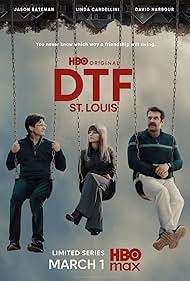
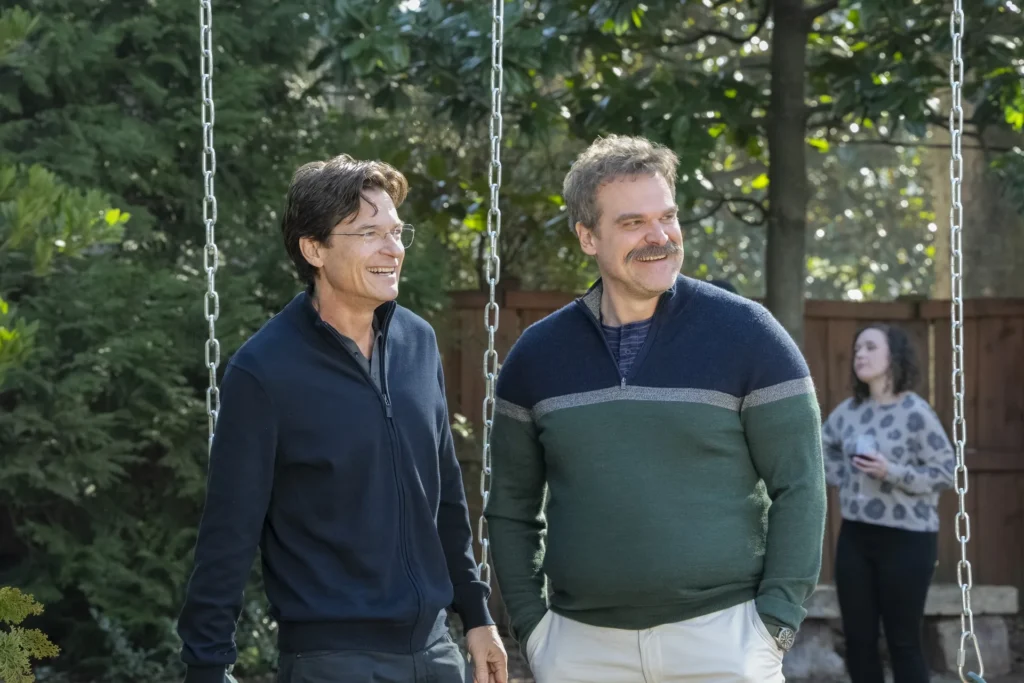
DTF St. Louis is one of the hardest shows to pin down that HBO Max has put in a headline slot in years, a dry‑humor crime mystery that doubles as dark satirical commentary as much as it does a self‑contained story. The fact that it never fully commits to being either is both its greatest strength and its most persistent limitation. The show takes its time finding its footing, but Episode 2 arrives and clarifies exactly what kind of series this is: something deeply uncomfortable and oddly structured that bluntly stages a bizarre love triangle around a dead man with such studied blandness that it somehow holds your attention all the way through.
Episode 4 is where the tightrope snaps, stalling the plot and retreading already‑established ground in a way that makes you briefly doubt the show can stick its landing. It recovers in Episode 5, but the finale, while solid, never quite delivers the payoff the mystery seems to be building toward, leaving Carol’s arc feeling unresolved and the conclusion landing softer than expected. Taken as a whole, though, DTF St. Louis is a genuinely odd, singular television experience that would not work at all without its unique tonal commitment and bizarre performances, and the fact that it does work more often than not makes it one of the year’s more memorable new entries, which is why we have it at number nine on our list with an 80/100 from TwilightRoom.
10. Not Suitable For Work
80.1/100 - Hulu
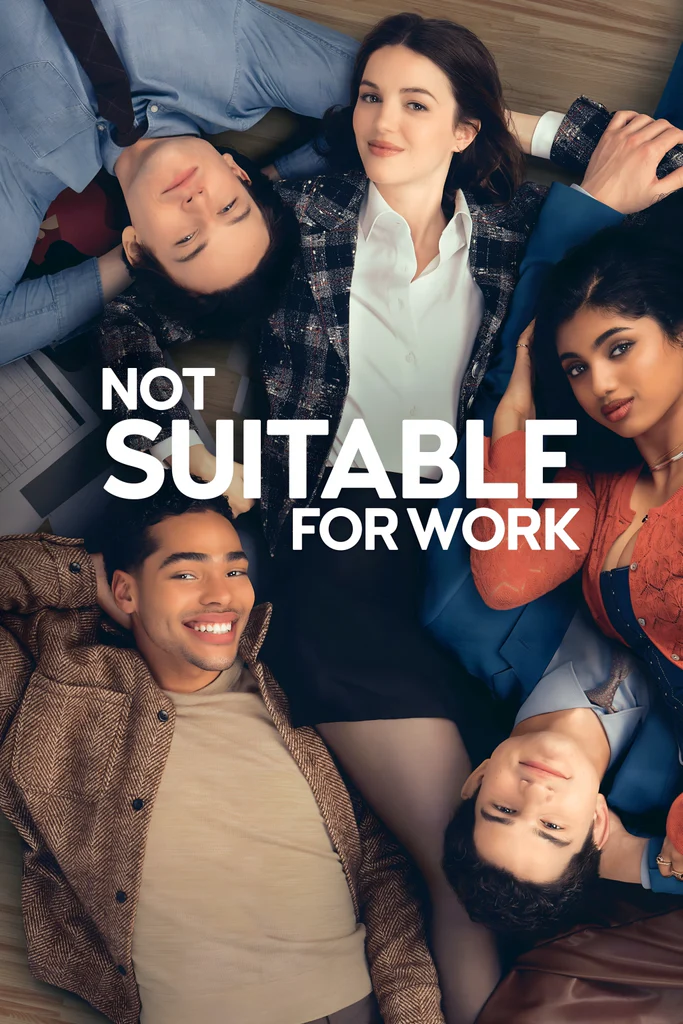
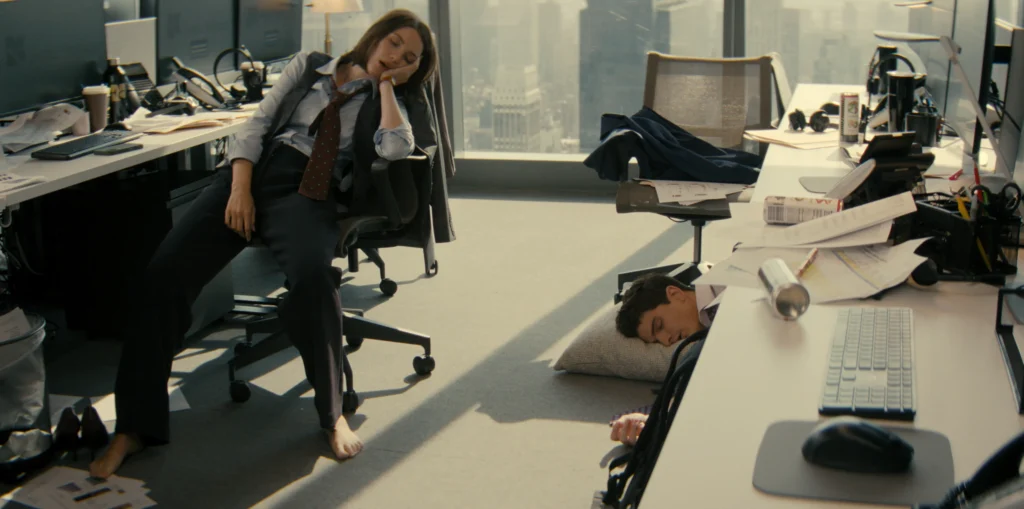
Not Suitable for Work is the kind of show that spends most of its first season making you wonder if it will ever fully commit to what it clearly wants to be, only to deliver a finale stretch so charming and emotionally satisfying that it reframes everything that came before and leaves you immediately wanting more. That late‑breaking confidence is both its greatest achievement and its most frustrating quality, because a show this watchable deserves more episodes than it gets to really find its footing. The Hulu ensemble comedy follows a group of post‑college New Yorkers with clear Friends‑style ambitions, and the central crew is instantly lovable, carrying the show through a first half where the writing doesn’t quite have the complexity or consistency to match the charm of the people delivering it.
Episodes 4 through 7 are where that gap shows most clearly: they’re entertaining enough to keep you watching, but they rarely feel sharp or confident enough to suggest the series is fully tapping into its potential, raising real doubts heading into the finale about whether a real payoff is ever going to arrive. However, it does arrive, and convincingly. The final two episodes crystallize the intrigue, pack in genuine emotion, and make the clearest possible case for a second season that needs to be longer, because this cast and this concept have more than enough to sustain a full run if the writing can keep pace with where it landed at the end. Not Suitable for Work isn’t there yet, but it’s much closer than its middle stretch suggested and remains endlessly lovable, which is why we have it at number ten, earning an 80/100 from TwilightRoom.
11. Every Year After
79.9/100 - Prime Video


Every Year After has already established itself as one of the breakout premieres of this year’s Tribeca Festival and one of the most compelling romantic dramas of the summer, especially after its Prime Video release just a few days later. It arrives with real emotional intelligence and an addictive time‑jumping structure that turns it into the kind of series you finish in a single sitting before you even realize what happened. The world premiere was one of the most packed events at the festival and the reaction was immediate, because Every Year After understands better than most of its peers that the romance formula only works when chemistry and emotional maturity are doing the heavy lifting.
The central relationship feels genuinely lived‑in, and the narrative structure uses its time jumps not as a gimmick but as a way of steadily deepening the emotional stakes with each new reveal. It doesn’t fully reinvent the wheel, and genre clichés surface often enough to remind you of everything that came before it, and some supporting performances are more uneven than the show can comfortably absorb. But none of that derails the experience the way it might in a weaker version of this story, because the central emotional pull is strong enough to carry you through. Positioned alongside series like The Summer I Turned Pretty and We Were Liars, Every Year After more than earns its place in that conversation, already winning over both fans of the bestselling novel and audiences who have never read a single page. It secures its spot on this list with a 79/100 from TwilightRoom.
12. M.I.A.
79.6/100 - Peacock
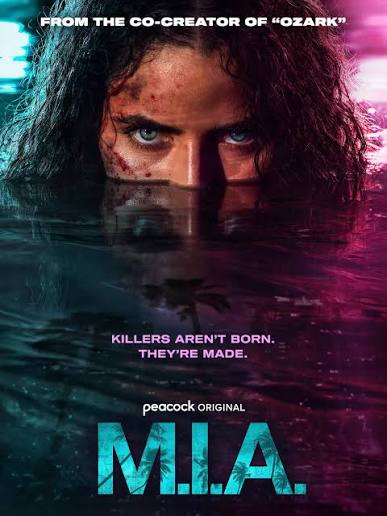
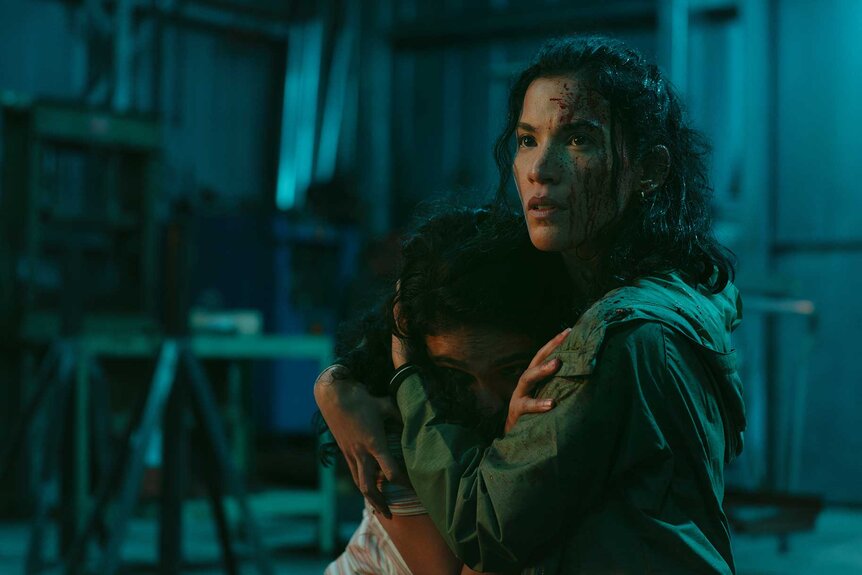
M.I.A. is one of the year’s more purely fun, easy‑to‑root‑for new series, a Peacock crime thriller that does enough right in its first season to earn both an audience and the future seasons it clearly needs. It lands comfortably on the back end of this list as another solid entry from a network that’s been quietly building a respectable slate. The Miami setting is the show’s biggest immediate asset, a backdrop genre television has underused for far too long, and the way M.I.A. embeds its visuals and storytelling in the city’s culture gives it a distinct identity that instantly separates it from the crowded crime‑drama field.
Its central character is charismatic enough to carry the series through rougher patches, keeping it consistently watchable even when the plotting lags behind the atmosphere. Those rougher patches show up almost entirely in the writing: the story itself is genuinely exciting, but the line‑to‑line dialogue and the delivery of key emotional beats land with a staleness the show never fully outruns, and it plays more like a script problem than an acting one. M.I.A. is a lot of fun and absolutely worth your time, but it’s clearly still becoming what it wants to be, earning a 79/100 from TwilightRoom and the number twelve spot on this list.
13. Young Sherlock
79.4/100 - Prime Video
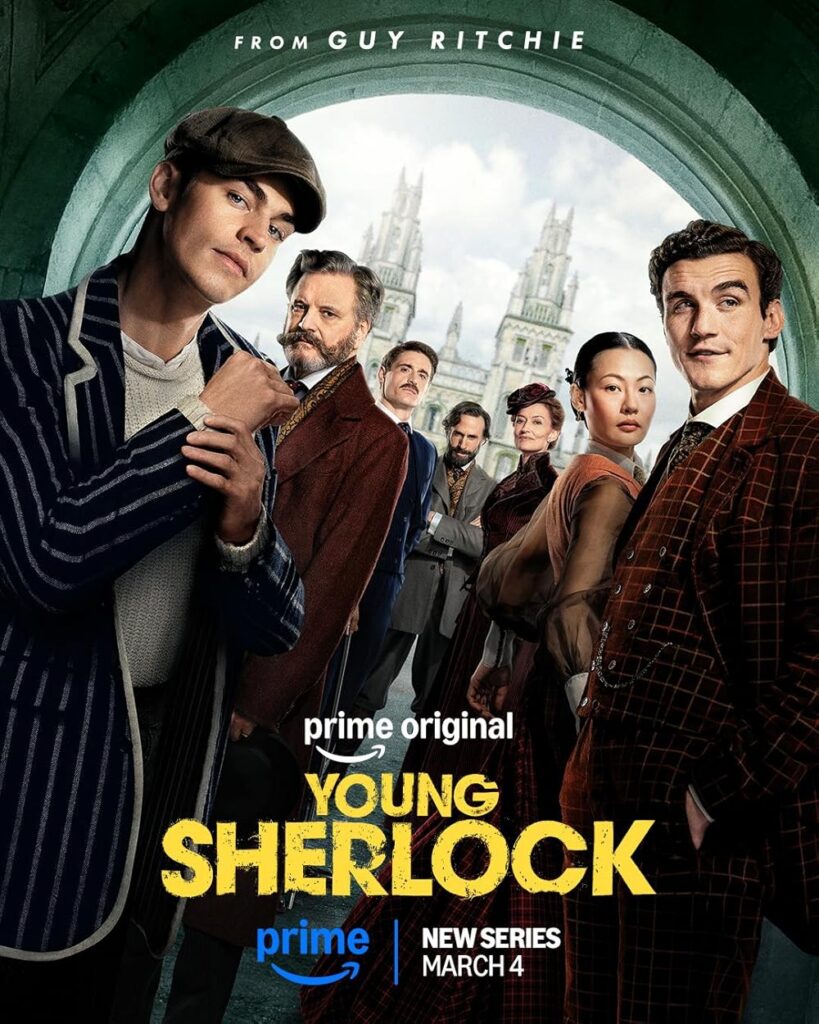
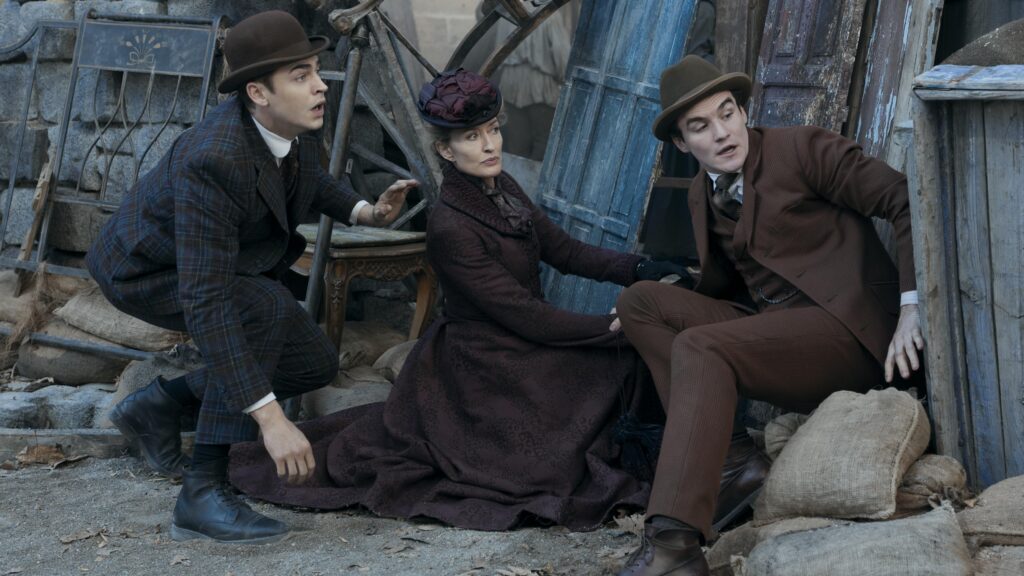
Young Sherlock is one of those shows that is easy enough to enjoy in the moment but hard to fully champion, a Guy Ritchie–led action‑mystery prequel that delivers on entertainment and fast‑paced dialogue between two iconic characters while never quite finding the depth or nuance that would make it something worth getting genuinely excited about. The central dynamic between Holmes and Moriarty is the clear draw, and the show is at its best when it leans into the friendship‑mystery angle that defines its early episodes, but it pivots quickly into action‑war family‑drama territory that feels more like Ritchie imposing his own instincts onto the IP than a natural extension of what the Sherlock Holmes world actually is. The result is a mixed bag: undeniably entertaining and clearly able to find a real audience, but operating almost entirely at surface level, with cheesy delivery and conflict that feels more like table‑setting for future seasons, or just bland writing, than anything fully satisfying on its own terms. It works, but only barely, squeaking onto our list thanks to a relatively weak crop of new shows at the start of the year and earning a 79/100 from TwilightRoom.
14. Lord of the Flies
79.3/100 - Netflix
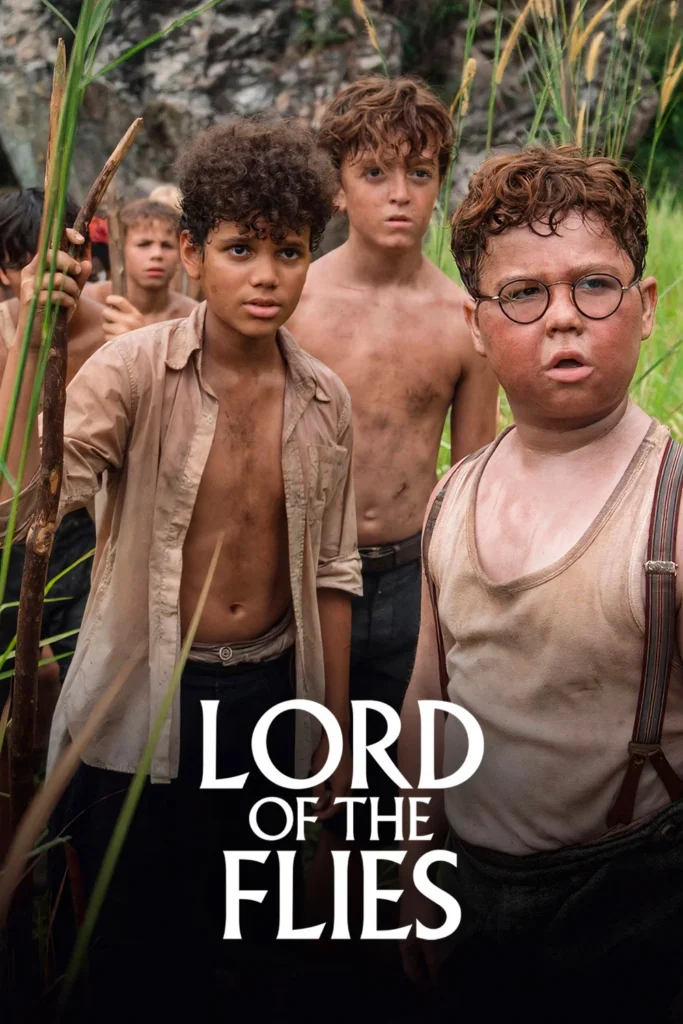

Lord of the Flies arrives on Netflix as one of the more visually ambitious limited series of the year, coming from the same creative team behind Adolescence and bringing with it that same commitment to letting child performances carry the emotional weight of the entire show. On both fronts it largely delivers, with a cast of young actors who are genuinely impressive and a cinematographic approach that uses color grading and visual enhancement to make the island feel as severe and suffocating as the story demands. The visual identity is the show’s most immediately distinctive quality, a bold stylistic choice that at its best makes the terrain and the slow unraveling of civilization feel visceral and oppressive in ways a more conventional adaptation never could.
Where it loses some of its footing is in how relentlessly that same style is applied, as the technique occasionally tips from purposeful into aimless, feeling more like aesthetic decoration than a tool genuinely serving the character‑focused story at the center. The adaptation is about as faithful as fans of the novel could reasonably ask for, but that faithfulness alone isn’t quite enough to make it a must‑watch for viewers without an existing attachment to the source material. There’s real craft here, and the child performances alone make it worth a look, yet the series never fully shakes the sense of indifference that settles in by the back half, earning a 79/100 from TwilightRoom.
15. Stranger Things: Tales from '85
78.9/100 - Netflix
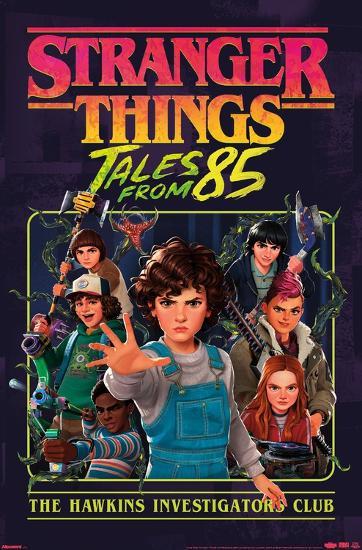
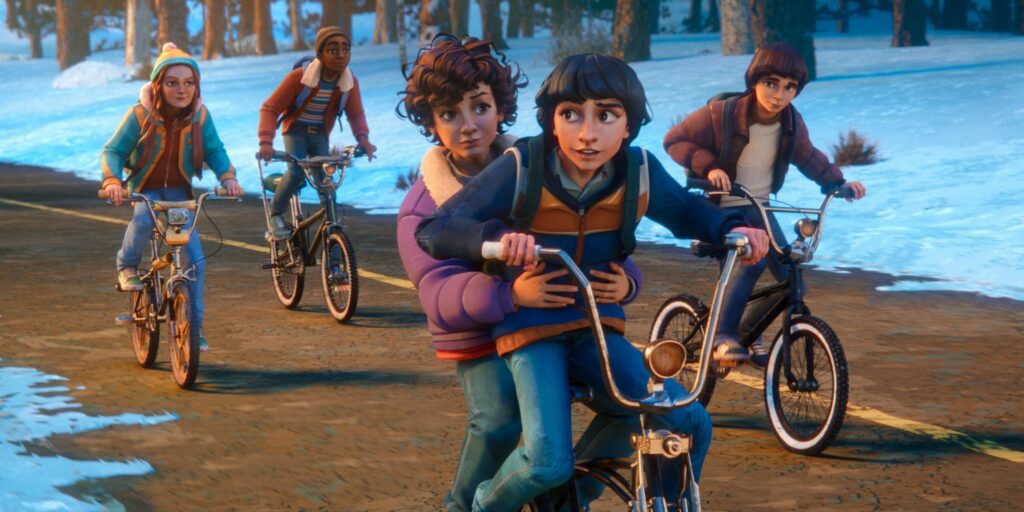
Nobody expected a Stranger Things spinoff this quickly after the main series wrapped, and the animated format of Stranger Things: Tales from ’85 makes its arrival feel even more unexpected. It’s a mixed bag that captures the nostalgic warmth of Hawkins well enough to be genuinely enjoyable, while also reinforcing just how much the franchise relied on its specific live‑action texture and consistent character work to reach its highest points. The animation looks fantastic in the right moments, particularly during the action sequences with the hive‑mind plant creature and the large‑scale chaos of the final act, where the medium gives the show a visual freedom the original never had. Those same strengths, though, expose a weakness in the quieter scenes, where certain characters, Dustin, Hopper, and Mike most noticeably, feel subtly but consistently off from their original portrayals in ways longtime fans will clock immediately.
The brightest spot is the focus on Max and Lucas, who transfer to animation more seamlessly than most of the ensemble and finally get the relationship development outside high‑stakes survival that the original never quite found time for. Episode 5’s Nancy‑led heist is the clearest argument for what this spinoff could be at its best, a sharp, character‑driven caper that shows how well the animated format can serve this world when everything clicks. The new monster concept is on‑brand but never genuinely scary or original enough to stand alongside the franchise’s best threats, and the middle episodes stall the momentum at exactly the wrong time. It works as enjoyable supplementary content for fans who aren’t ready to leave Hawkins behind, but it never quite justifies itself as a necessary chapter, which is why it sits last on our list in a lighter half‑year of new releases, earning a 78/100 from TwilightRoom.