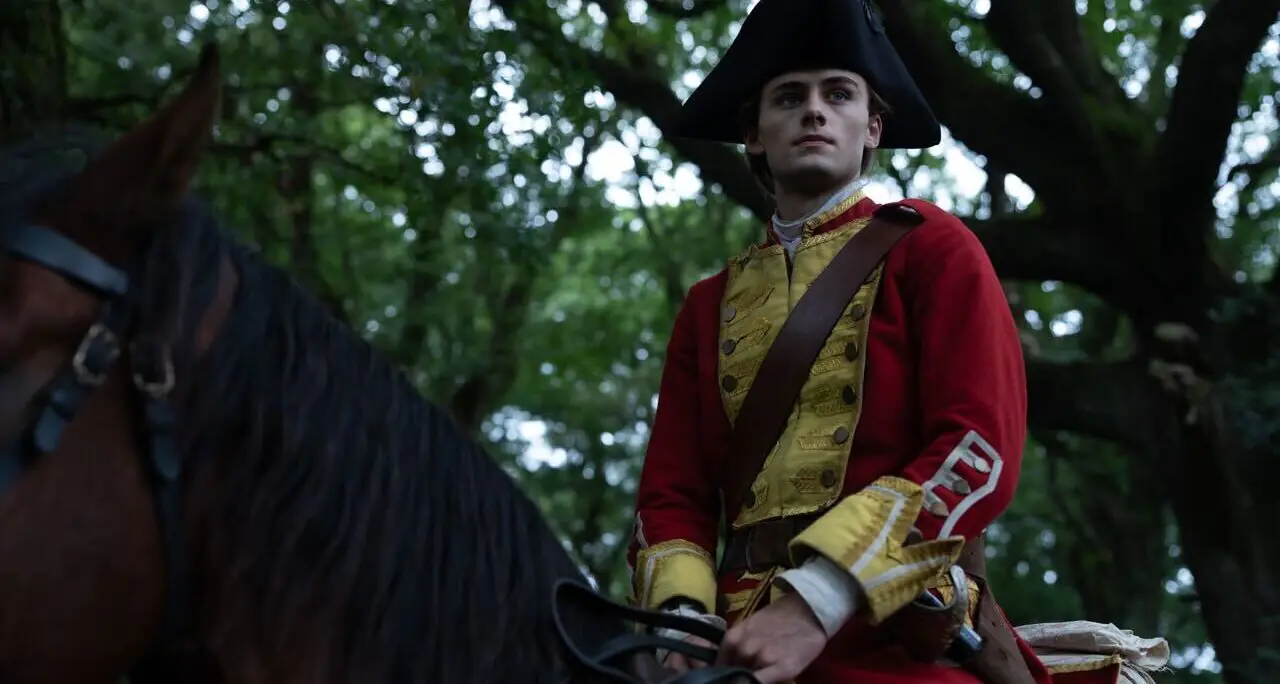
Young Washington is a historical biopic that opens on July 9, 1755 in Pennsylvania, dropping the audiences on the eve of the Fourth of July in theaters, into the story of
a young George Washington ambushed in battle before jumping back twelve years to trace how he got there. We at TwilightRoom had the pleasure of seeing the film early ahead of its very patriotically timed release, and, as its title suggests, it follows a young Washington desperately trying to carve out a place for himself within British noble society in America. He wants nothing
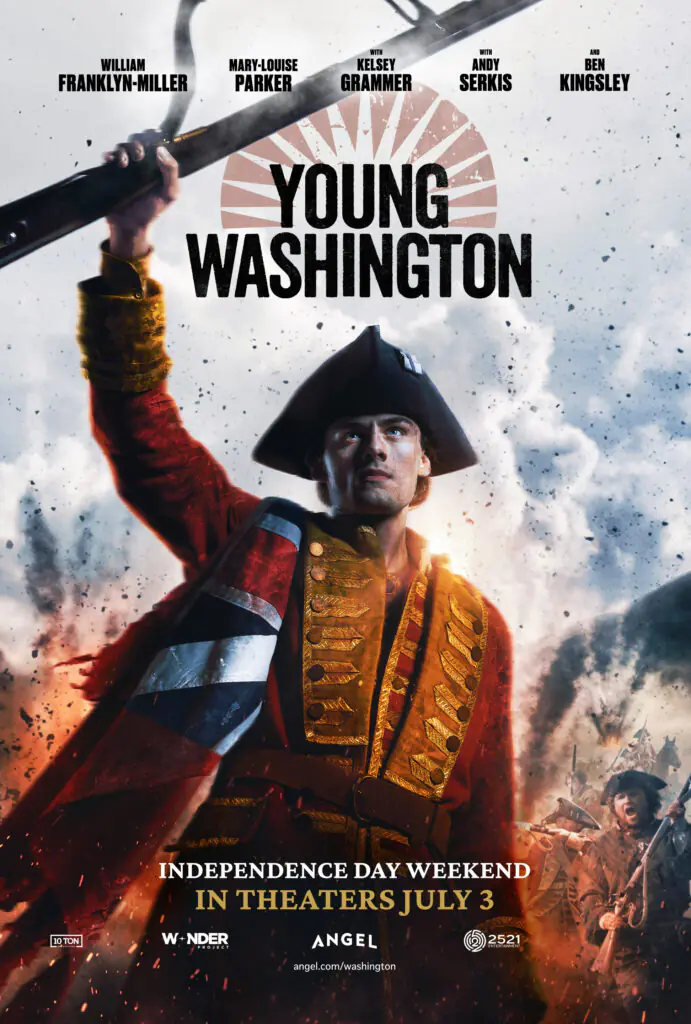
more than to be recognized as a British officer of the Crown, yet he is repeatedly denied that status simply because of his American mannerisms. Young Washington feels less like an important biopic, despite the man at its center, and more like an introductory American‑history epic that entertains more than it educates, a surface‑level crowd‑pleaser designed to make Washington accessible rather than complex or revelatory. The dialogue is perhaps the biggest speed bump, landing on the blander side for much of the runtime, as the storytelling leans heavily into propaganda territory and turns what could have been a morally layered portrait of a flawed young man into something much broader and more divisive than intended. Young Washington is a bit of a frustrating watch, because there are real flashes of a genuinely interesting, well‑made film buried inside basic storytelling and shallow characterization that consistently keep it from ever becoming fully successful.
The film opens mid‑action on July 9, 1755, with Washington ambushed in battle in Pennsylvania, before immediately jumping back twelve years to establish who he was before the war defined him. This younger Washington is driven almost entirely by status anxiety, sneaking into noble events and desperately trying to enter British high society while being repeatedly denied simply because of his American mannerisms and origins. He gains a permit to explore and expand the Ohio Country for a British landowner, a mission that gives him a sense of purpose and begins to establish a love interest in Sally along the way. The setup does a reasonable job of grounding Washington’s ambition in something understandable, even if the writing is too bland to give these early scenes the weight they need to truly land. The Allegheny River sequence in this stretch is among the film’s best work, with the cinematography capturing the natural landscape beautifully and giving the Ohio Country sections a sense of scale that the dialogue never quite matches.
After finding the Native American and French presence firmly established in the territory, Washington is tasked with removing them from the land, a job that becomes his first real test as a military figure. The film treats this stretch in a way that leans heavily toward propaganda, framing Washington’s actions as straightforwardly heroic with little interest in the moral complexity of what was actually happening on the ground. He assumes the rank of colonel during the battles that follow and begins to see the corruption running through the royal side of the conflict, slowly shifting his sense of loyalty and belonging in a way the film hints at but never fully commits to exploring. The storytelling here turns very basic, marching Washington through plot points instead of meaningful character moments, and the bland dialogue keeps undercutting what should be dramatically rich material. By this point, the movie has become a mix of flag‑waving propaganda and boilerplate narrative, which is a shame given how much genuine moral weight the real Ohio Country conflict carried.
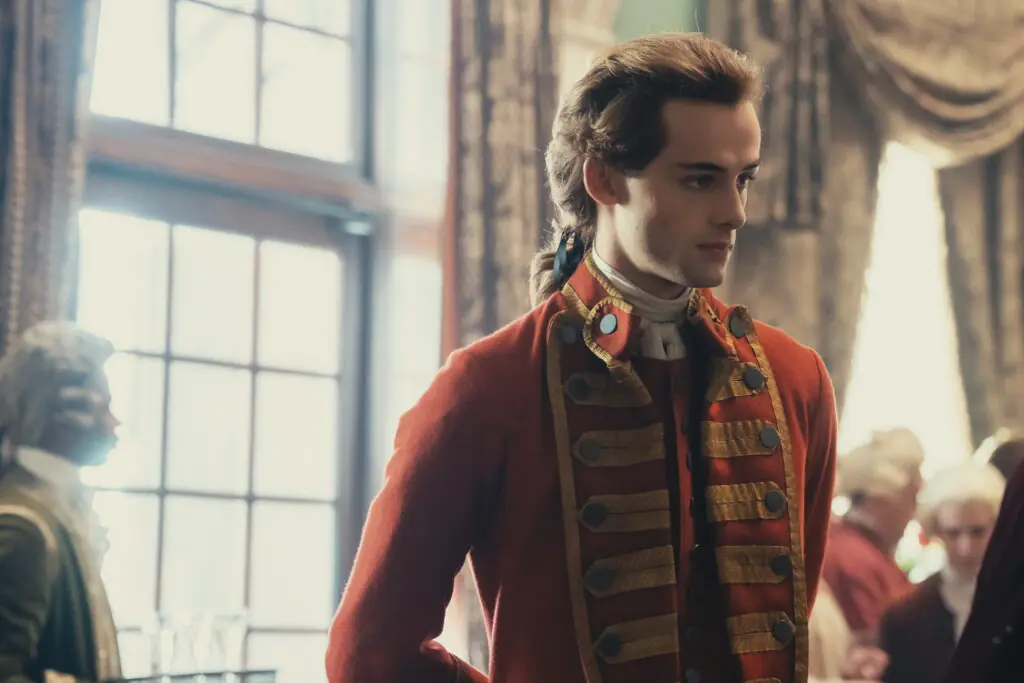
After failing in battle, Washington resigns his position, deeming himself unfit to lead and losing a close family member in the process, two blows that strip the film of its forward momentum and push it into a quieter, more reflective mode. He retreats to spend time with his mother, and this stretch has the potential to become the film’s most emotionally interesting section, but the writing never fully capitalizes on the opportunity. The film clearly wants to humanize Washington through this failure, suggesting the man who would become a founding father was forged as much through defeat as victory, yet it never commits to that idea with enough depth or courage to make the moment land. The pacing slows considerably here, and the dialogue problem is most exposed in these quieter scenes, where the screenplay’s inability to capture genuine human conversation does the most damage to the film’s overall momentum. This section ultimately functions as a necessary pause before the final act, but remains one of the more frustrating stretches of the runtime given how much dramatic potential it repeatedly squanders.
The film’s final act tackles perhaps the most compelling part of Washington’s story, sending him through enemy lines to reach his Virginian soldiers before he is honored and given command of a larger army, delivering the triumphant conclusion it has been building toward since the opening ambush. This action‑driven finale is the film at its most engaging, with battle sequences that may be controversial but undeniably energetic, and Washington’s heroism finally feeling earned after the failure and reflection of the middle sections. It closes on a note clearly designed to feel inspirational and foundational, presenting this moment as the birth of the man who would eventually lead a revolution. The problem is that by the time this finale arrives, the characterization has been so surface‑level that the emotional payoff feels more like a standard blockbuster beat than a genuinely impactful historical or biographical moment. As an introductory, not‑too‑serious American‑history film, it lands well enough, especially in this final act, but as a portrait of one of history’s most complicated figures, it barely scratches the surface.
Young Washington in totality ends up being a frustrating watch because the pieces, and the timely release, are genuinely interesting and even feel important, but they never quite come together. The historical setting, the natural landscapes, Washington’s status anxiety, and his early military failures all have real potential that the screenplay consistently leaves on the table. The dialogue is the film’s single biggest issue; it lacks the nuance this story demands, keeping every scene at arm’s length and preventing the emotion from landing with real force. The storytelling leans too heavily into propaganda territory to work as a serious character study, treating Washington as a hero‑in‑waiting rather than a flawed, complex young soldier. The result feels less like an important biopic and more like a superhero origin story, which only heightens the propagandistic sheen, even as it remains broad, accessible, and ultimately a safe patriotic entry for the year. Young Washington is a missed opportunity, a film that had all the ingredients to be something genuinely worthwhile and settled instead for being merely watchable, earning a 50/100 from TwilightRoom.
Twilight Room Score: 50.1/100