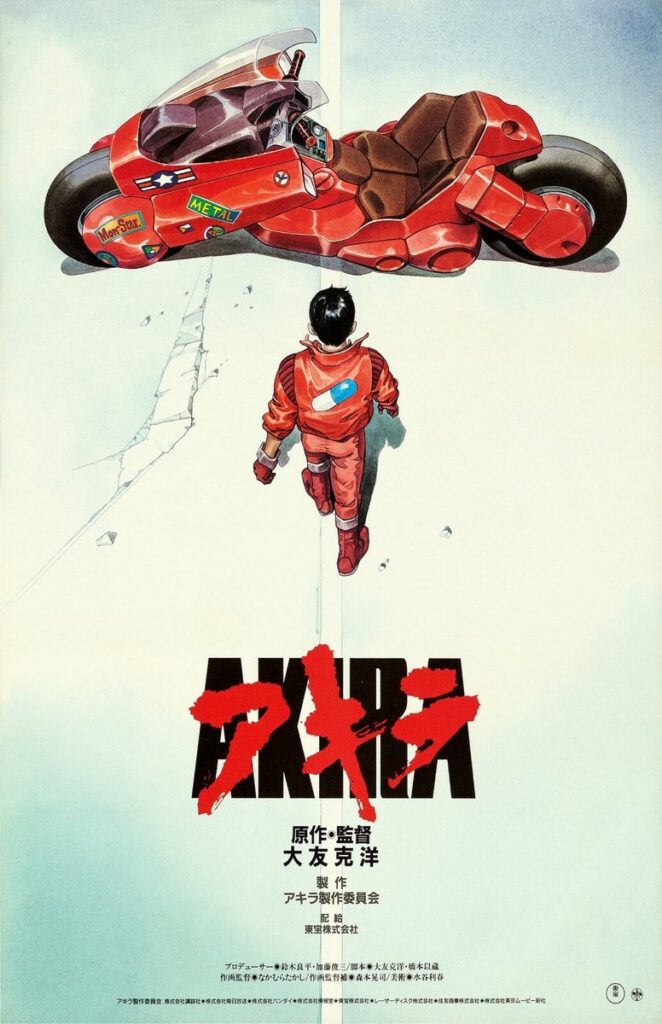
This week’s Throwback Thursday is the legendary Katsuhiro Otomo anime Akira, one of the most groundbreaking and influential anime films ever made,
blending cyberpunk science fiction, political paranoia, biker‑gang culture, body horror, and philosophical apocalypse into a visually iconic animation experience. Set within the futuristic landscape of Neo-Tokyo, the film throws audiences into a chaotic world filled with neon lights, techno music, riots, corruption, military experimentation, and nonstop urban decay that gives the movie one of the most immersive sci-fi settings ever created. While the
narrative itself often becomes dense, dialogue-heavy, and intentionally overwhelming, the film’s animation, atmosphere, visual ambition, and physical intensity elevate the experience into something unforgettable. Akira succeeds because of how ambitious and dark techno it becomes, balancing emotional tragedy, beautiful science fiction horror, political commentary, and explosive spectacle while creating one of the defining early anime films of all time. Akira, even decades later, remains one of the most important achievements in animation history, setting the standard for cyberpunk anime aesthetics and influencing countless films, shows, games, and modern sci-fi stories afterward.
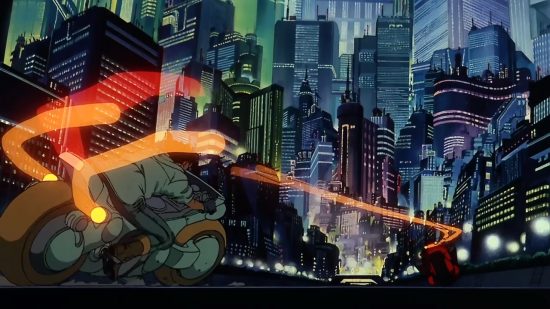
The film’s greatest strength may be the construction of Neo-Tokyo itself, creating an unforgettable futuristic Japan filled with biker gangs, dangerous alleyways, political unrest, collapsing infrastructure, military corruption and overwhelming urban chaos. Akira’s use of lightning, especially the heavy use of reds against the dark city backdrop, creates one of the most visually gorgeous and recognizable color palettes in anime history. The combination of techno‑punk aesthetics, motorcycles, riots, graffiti, underground laboratories, neon signs, and large‑scale destruction gives the film an atmosphere unlike almost any other ever made. Neo-Tokyo constantly feels alive and unstable throughout the film, making the city itself almost feel like a character, as paranoia, violence, and fear slowly consume the world around the protagonists. Even when the narrative becomes complicated, the visual storytelling and environmental detail remain so strong that the audience stays immersed in the world the film creates, cementing Neo-Tokyo as one of the most iconic fictional cities of all time.
The central relationship between Kaneda and Tetsuo drives the emotional and narrative core of Akira, as childhood friendship gradually curdles into fear, jealousy, insecurity, and ultimately destruction. After Tetsuo encounters one of the mysterious psychic children during a biker chase and becomes subjected to military experimentation, the film gradually transforms him from a vulnerable biker-gang member into one of the most dangerous forces in Neo-Tokyo. Kaneda works extremely well as the audience’s perspective character, constantly trying to make sense of the increasingly insane events unfolding around him while attempting to save Tetsuo before he completely loses himself to his new powers. The film slowly reveals that the military scientists and the Colonel are attempting to recreate the destructive psychic abilities connected to Akira himself, adding political conspiracy and science fiction experimentation into the biker-gang storyline. As Tetsuo’s powers continue growing uncontrollably, the movie evolves from a cyberpunk gang-thriller into a full blown psychological science-fiction disaster film with massive consequences for the entire city. Tetsuo’s transformation becomes increasingly tragic throughout the runtime as his powers slowly consume both his body and mind, turning him into one of the most unsettling and memorable antagonists in anime history.

Akira remains one of the most visually impressive animated films ever created because of its unbelievably detailed hand-drawn animation, fluid movement, physical destruction, and ambitious large scale action sequences. The motorcycle chases throughout Neo-Tokyo immediately stand out as some of the most iconic sequences in anime history, combining speed, lighting, sound design, and futuristic city visuals into something completely unforgettable. The film balances quiet atmospheric moments with overwhelming bursts of violence and spectacle extremely well, constantly making the audience feel tension and instability throughout the runtime. Many sequences still feel groundbreaking, even by modern standards, especially the body‑horror transformation scenes and massive destruction moments, which are disturbing, visceral, and visually unforgettable all at once. Akira’s animation style ultimately became one of the defining blueprints for anime and cyberpunk storytelling afterward, influencing everything from Ghost in the Shell and The Matrix to modern science fiction games, films, and animated series. Even decades later, very few animated films still match the ambition, detail, scale, and visual intensity that Akira constantly delivers throughout nearly every scene.
Beneath the action spectacle and cyberpunk aesthetics, Akira constantly explores themes surrounding government corruption, military experimentation, political collapse, fear of technological advancements, and the destruction caused by unchecked power. Tetsuo’s transformation becomes increasingly tragic throughout the film as his growing psychic abilities slowly consume both his body and mind, turning him into a symbol of uncontrollable human destruction. The military officials, scientists, politicians, and revolutionaries throughout Neo-Tokyo all represent different failures of society, constantly making the city feel unstable and doomed from within. The film also heavily explores identity, loneliness, insecurity, and inferiority through Tetsuo’s jealousy toward Kaneda, giving the larger sci-fi spectacle surprisingly emotional psychological depth underneath the chaos. Whole parts of the narrative can become intentionally overwhelming or difficult to fully follow on first viewing, the ambition and thematic complexity of the movie are major reasons why it remains so respected decades later.
Ultimately, Akira stands as one of the most legendary and influential anime films ever created, combining cyberpunk science fiction, political commentary, body horror, psychological tragedy, and groundbreaking animation into an unforgettable cinematic experience. The film’s greatest strengths comes from its unbelievable visual achievement, immersive Neo-Tokyo atmosphere, intense action sequences, and the tragic relationship between Kaneda and Tetsuo at the center of the story. While the narrative itself can occasionally become dense, chaotic, and difficult to fully process during a first viewing, the ambition and creativity behind the storytelling constantly make the experience compelling. Akira’s influence on sci fi, anime, cyberpunk aesthetics, and blockbuster filmmaking remains almost impossible to overstate, helping define the visual identity of futuristic storytelling for decades afterward. Even if it may not be every viewer’s favorite anime film on a narrative level, Akira remains a groundbreaking masterpiece of animation and one of the most important science fiction films ever made, earning a 92/100 from TwilightRoom.
TwilightRoom Score 92.7/100