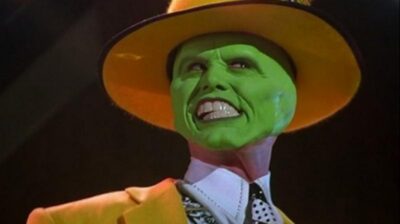
The 1997 Spawn adaptation comes directly out of the ’90s comic book boom that came before it, where characters like this, away from Marvel and DC were exploding in popularity and becoming equally collectible, establishing McFarlane’s Image character as a clear choice for adaptation.
The film leans heavily into the style, design, and atmosphere of a darker ’90s vintage tone that fits well with the character sent back from hell, but doesn’t fully understand how to execute the concept.
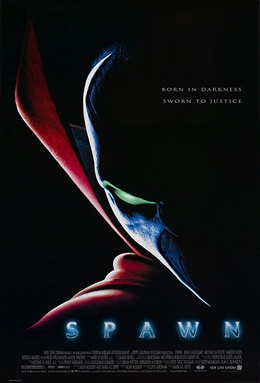
The film, directed by Mark A.Z. Dippé takes a shot at composing around a darker comic book storytelling tone before the genre had figured out its style and how it was going to be built upon like it is today. It’s a balance that had not yet been ironed out and unfortunately for this film, was not solved here when it released. Spawn (1997) captures the look and ambition of the ’90s comic‑book era, but it ultimately fails to translate its darker source material into a compelling or well‑executed film, despite its striking design and a few isolated moments.
The film follows Al Simmons, an assassin betrayed in a mission in North Korea and killed before being resurrected out of hell later as Spawn, the leader of the underworld army now disfigured and caught between his new power and his former life. After returning to earth 5-years after his death, he attempts essentially for the first one-hour and twenty minutes of the film to regain his humanity while being pulled deeper into a larger supernatural conflict. Guided by the mysterious and wacky character Clown, the story revolves around his battle to free himself from the grasps of demons, getting his revenge against his killer Wynn, while also trying to reconnect and find his past love Wanda in any way that he can. The film creates a dark and gritty tone and atmosphere at points that really seems to fit the character well, and building a solid world for the audience to live in. Early scenes and certain grounded moments show flashes of what the tone could have been, however the inconsistency in execution and the awful looking design of hell that gets overused, prevents the atmosphere from ever fully landing.
The dialogue in the film, expectedly so for an old one-off ’90s comic book film, is extremely basic and cheesy, often being downright just poorly written. Its lack of depth really hurts the audiences ability to get on the side of these characters and feel for their emotions. While the film explains its plot at a very surface-level, and lays it all out for you, its melodramatic tone all the way through makes it feel like we are being force fed a story and not presented it. Emotional weight surrounding Spawn’s past and his relationships simply don’t land due to this weak writing. But, seeing this movie now as a throwback, some of these moments feel salvageable and hit more as a pure fun moment, that you really don’t see much anymore. The film aged so poorly that it’s honestly fun to watch through at certain points.
Perhaps its most unredeemable quality is the decision to make the character and film PG-13 clearly reducing the darker and more horror-driven elements of the character that McFarlane worked so hard to create. It removes much of the edge that defines the source material, as Spawn is a demon assassin sent from hell, he is the true balance of the anti-hero, yet fails to reach the heights of a similar film made earlier in the decade in The Crow, a much better adaptation. The film ends up feeling like a toned down version of the character and simply just not what this type of film should have been altogether. Further, the visual effects aged perhaps the most poorly I have ever seen in many years as the CGI and effects through the sequences in hell and with Maelbolgia the Demon are nothing short of awful to watch. The effects feel laughably unfinished and take away from any of the immersion or nostalgia the film creates, making that Throwback Thursday feeling slip though the audience’s grasp. It’s just an attempt at doing far too much for a film that already decided to cut-out all the darker non-PG-13 aspects of Spawn’s character.

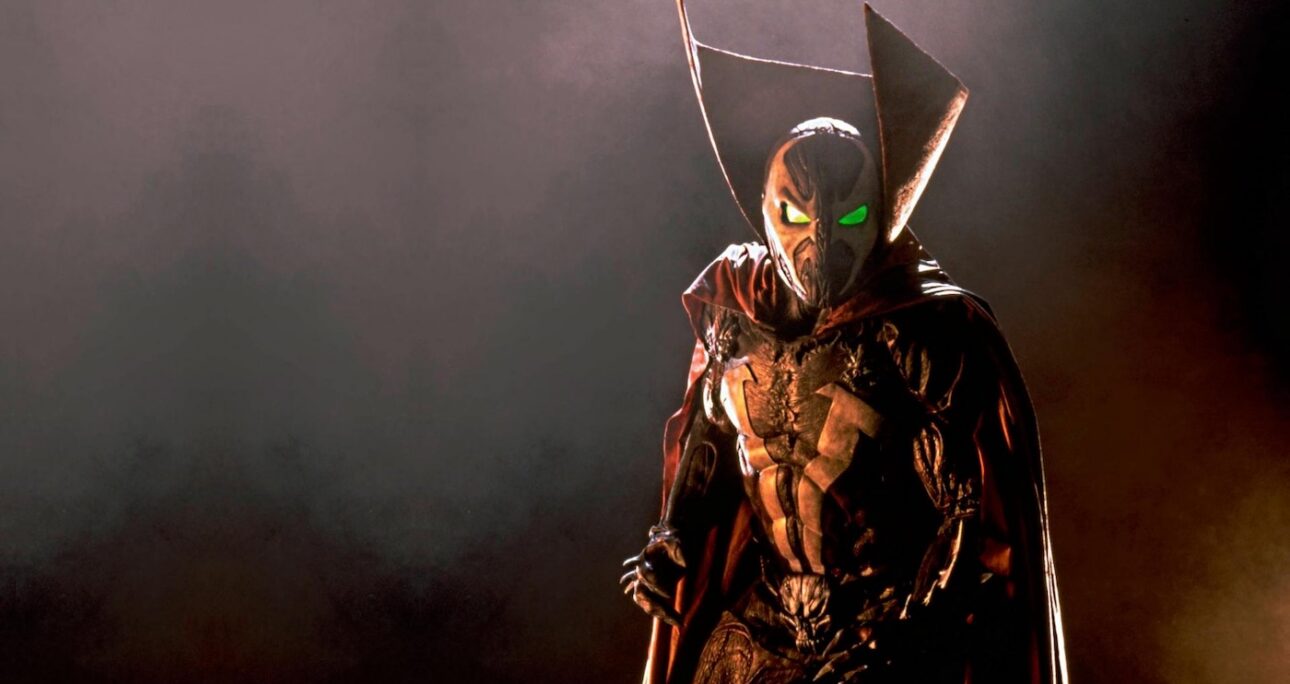
One of the film’s most consistent strengths is in Spawn’s character design and suit, as they are truly for the time so well done visually, and fit toward the actual source material in a way that translates to live action while keeping the character’s identity. The character of Spawn is perhaps the only real string in concept pieces of the film and clearly had potential for a much better film. The design is one of the few elements that works consistently and clearly had full thought put into to develop its mechanics and look to fit what the character needed. Additionally John Leguizamo’s Clown performance is one of the few elements that brings more unique and dark energy to the film, especially in the second half when he opposes Spawn. His presence in scenes like the car chase stands out compared to the rest of the film. And his delivery of lines is perhaps the only delivery that doesn’t fall flat on the dialogue-side of the film. Combining both of these positives, many of the fight scenes that are done practically and on Earth are really fun and entertaining, showing potential that was simply just not tapped into. These three aspects truly highlight what the film could have been, but are so heavily outweighed by the cons of the film and missteps, that they don’t really shine through much at all.
The 1997 rendition of Spawn feels like a product of the ’90s comic boom that had the right idea but lacked the execution and creative decision to match its concept. While it has a strong central character and some interesting aspects, it struggles heavily with writing, effects, and consistency, ultimately making it a film that doesn’t hold up too well over time and delivers far less than the cool cover suggests, earning it a 41/100 from the TwilightRoom.
Twilight Room Score: 41.1/100