Introduction to the World Cinema Project
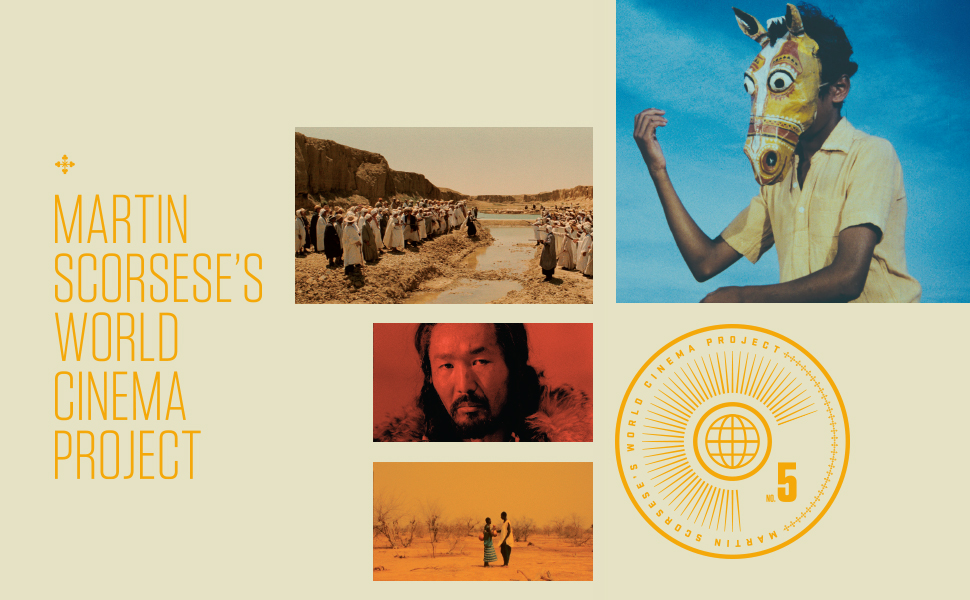
The World Cinema Project by one of the best directors in history isn’t just about the restoration of impactful films, like the Criterion Collection is typically used to, its about reintroducing films that have defined their culture and countries cinematic history, to a large audience, presenting them as new pieces of film history, despite their age. They list out films that don’t typically operate under the traditional Western structure casual film viewers are used to, instead prioritizing rhythm that may be a little off-beat or slow, culture, and a unique international atmosphere. This Part 5 of the Collection especially highlights voices from Africa and Asia, that to Marty himself feel both historically important, stylistically distinct, and uniquely inspirational to how his films are made. Across all four films, whether it’s a shorter folk tale for children or large war epic spanning years of history and runtime, there’s a shared focus on survival, identity, and community told through vastly different cinematic languages. Martin Scorsese’s World Cinema Project #5 is a deeply varied and culturally rich collection within the Criterion brand that showcases four films unified by their commitment to identity and survival, each using distinct cinematic styles to create experiences that feel both historically grounded and artistically timeless, in need of new light.
4. Yam Daabo
68.7/100 – Idrissa Ouedraogo – Burkina Faso - 1987
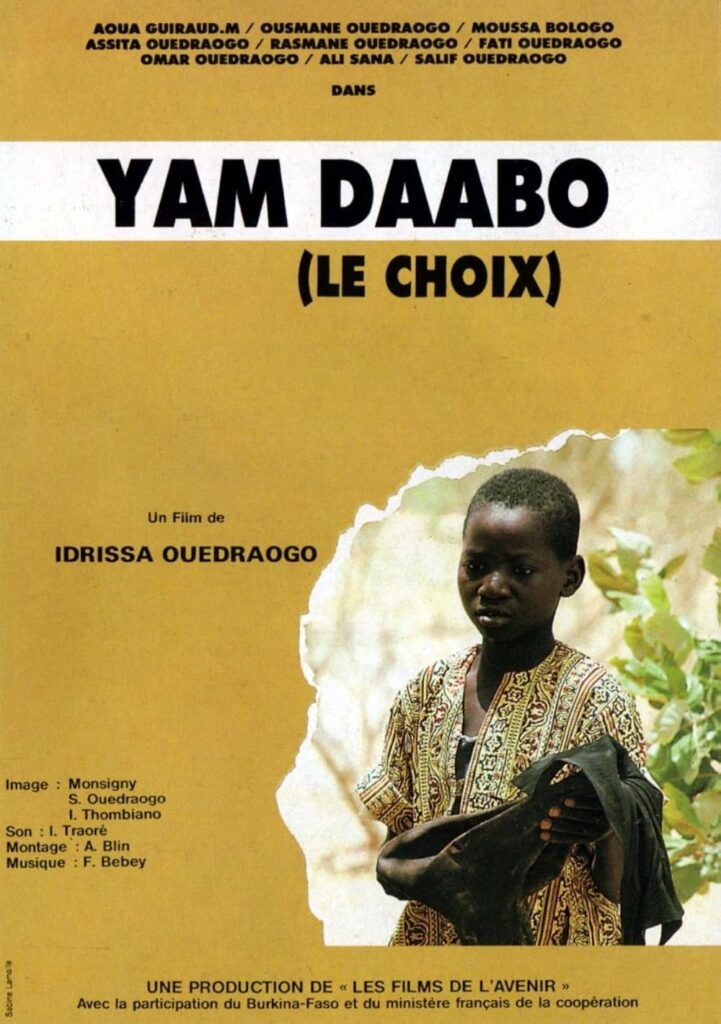
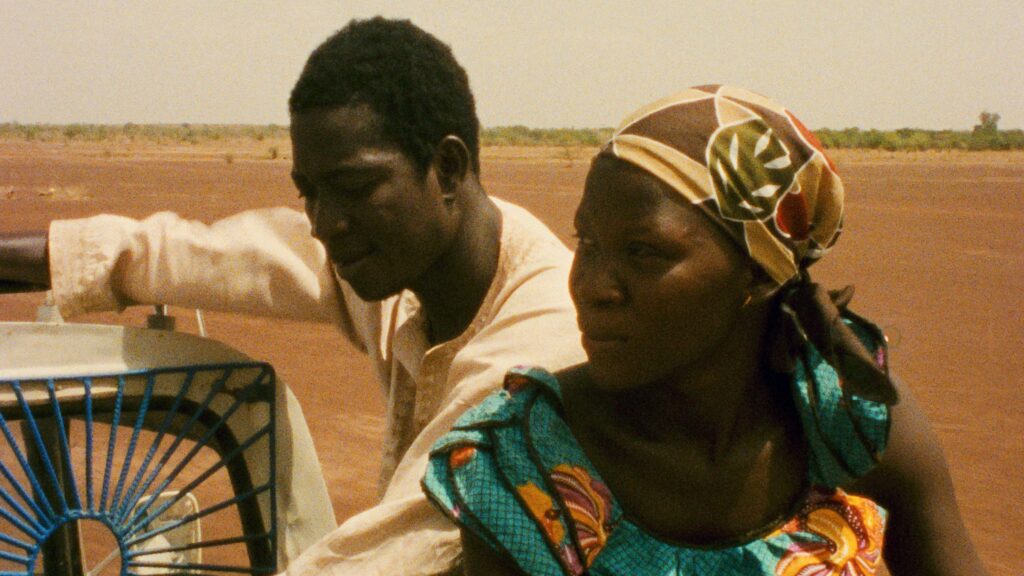
The first film and lowest rated film for the TwilightRoom, featured on part 5 of this world cinema project is the 1987 Burkina Faso drama Yam Daabo, a story that embraces a stripped-down, observational style rooted in everyday life.
The film is designed and feels heavily inspired by the era of Italian Neorealism that delivers on the realistic and day to day aspects of the community the film is made from, but filtered through a distinctly African cinema lens, that prioritizes rhythm and environment over narrative urgency. Yam Daabo is a quiet, culturally grounded film, by director Idrissa Ouedraogo that finds strength in its realism and atmosphere, even if its narrative lacks the same impact as others in the project.
Set within a farming community experiencing a drought, the film centers around a love triangle that is much more of a stalker situation than it is a romance. The relationship highlights the tension between personal desire and loyalty focuses on relationships while settling into the backdrop of a quiet barren landscape. It’s a story that unfolds subtly rather than dramatically, as the film is incredibly quiet in construction, focusing more on the emphasis of realism and environment despite its narrative. Long stretches without dialogue reinforce the harshness of daily life, almost building more tension than the plot itself builds, reflecting the poverty, routine, and emotional restraint of the town the film inserts its audience into.
Yam Daabo captures the village life with a unique authenticity, that establishes the town not so far away and the rural space visually, as its viewer, especially through the lens of Scorsese’s project lacks the understaffing they need to fully immerse themselves in the story. Cultural practices shape every interaction and decision in the narrative, with the cinematography focusing on natural landscapes and lived-in environments that set the tone for the film. It’s a patient pacing that mirrors the rhythms of farming and labor, making it a film that is an observed experience more than a stylized piece of art.
The central relationships created are built on very quiet tension rather than the typical confrontation that a film of this type would present in the western world of cinema. Emotional conflicts certainly exist, but they exist beneath the surface of the film rather than being explicitly stated to the audience, making the love triangle stalker situation that’s laid out more thematic than it is dramatic. Thematically, Ouedraogo focuses on how individuals exist within rigid social structures and explores emotional repression within the environment, suggesting that the cost of loyalty and expectation in Burkina Faso is much different than where the audience may come from.
The film’s subtlety that certainly defines itself sometimes is limiting however, especially when delivering an emotional impact on its audience. For me the story simply feels underdeveloped and unfinished compared to its history and creation, making the film feel like a restrained piece of art that illuminates the drought riddled town in Burkina Faso more than it delivers a great film. However, while it may be the weakest of the projects covered today, Yam Daabo succeeds as a culture and observational film that’s realism is compelling, but storytelling lacks urgency and completion. It’s a valuable entry into the project from a country not too often represented earning it a 68/100 from the Twilight Room.
Twilight Room Score: 68.7/100
3. The Fall of Otrar
80.7/100 – Ardak Amirkulov – Kazakhstan - 1991
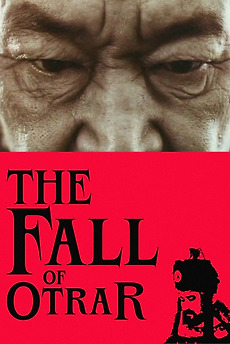
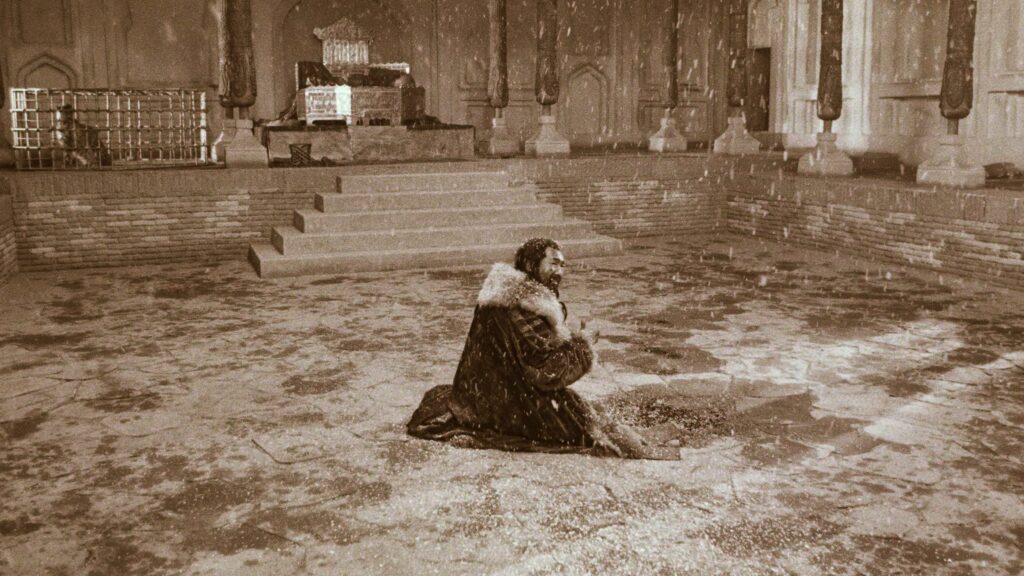
The Fall of Otrar falls in at third on this batch of the world cinema project, presenting a Kazakhstani large scale epic of the city of Otrar dealing with the looming doom brought upon them by Genghis Khan in the 1200s.
The film prioritizes mood, tension, and visual storytelling over full clarity, through perhaps one of the most unique color scheme techniques in a war film ever. It’s a film that is defined much less by a narrative structure and more like a slow unraveling of history, like a visual textbook that dives deeper into a character’s emotions. The Fall of Otrar is a visually striking and thematically rich historical epic that sacrifices narrative clarity for atmosphere and tension, creating a film that is more felt than followed.
Set in the thirteenth century Central Asia during the Mongol expansion, the director Ardak Amirkulov prioritizes the tension , betrayal and paranoia felt by the city of Otrar as they get word that Khan is coming to attack, from a spy that they themselves now condemn as a Mongol. The narrative centers around the collapse of Otrar slowly pushing Genghis Khan towards the city while denial and fear run rampant. The film’s strong use of color contrast between the two cultural groups tells a story that is much more visual for its audience. Using brown-toned sequences within the city walls of Otrar emphasizes the hardness and realism of the historical film, while colorful visuals designed for the Mongolians help to drive the narrative through stark contrast.
The Pacing of the film is deliberately slow and methodical resembling that of an epic historical saga, that provides minimal dialogue and an emphasis on the visuals spoken of earlier. From an outsider film critic’s perspective on the film, it is a hard narrative to track a lot of the times, as events unfold more like historical fragments rather than a linear story. It’s a format that added some intrigue and unique styling to the film making it worth the attention but also is riddled with confusion and tedious moments. Editing choices in the film create the rhythm and unease the story is trying to portray, while stretching the timeline and compressing it at different moments making it quite an unusual historical film. It’s clearly a deliberate and weighted film that has been carefully put together, but perhaps loses its audience by the very same trait that drew the audience to the film.
The film’s themes are where the film begins to turn into a masterpiece of unknown international cinema as the way it explores betrayal within political systems, highlights fragility of civilizations and focus on the inevitability of collapse is both extremely complex and true to the history of the time. It’s a film that takes these three heavy topics and balances its commentary in them from within a history lesson, while adding moments of emotional clarity that strongly stand out as great cinematic moments.
The Fall of Otrar, is visually stunning and thematically compelling, showing its clear ambition through its interwoven concepts. The film falls flat in its ability to maintain a steady pacing and capturing the audience’s attention all the way throughout making it less accessible to a general public audience, earning it this on this list and an 80/100 from the Twilight Room.
Twilight Room Score: 80.7/100
2. Kummatty
82.7/100 – Govindan Aravindan – India - 1979
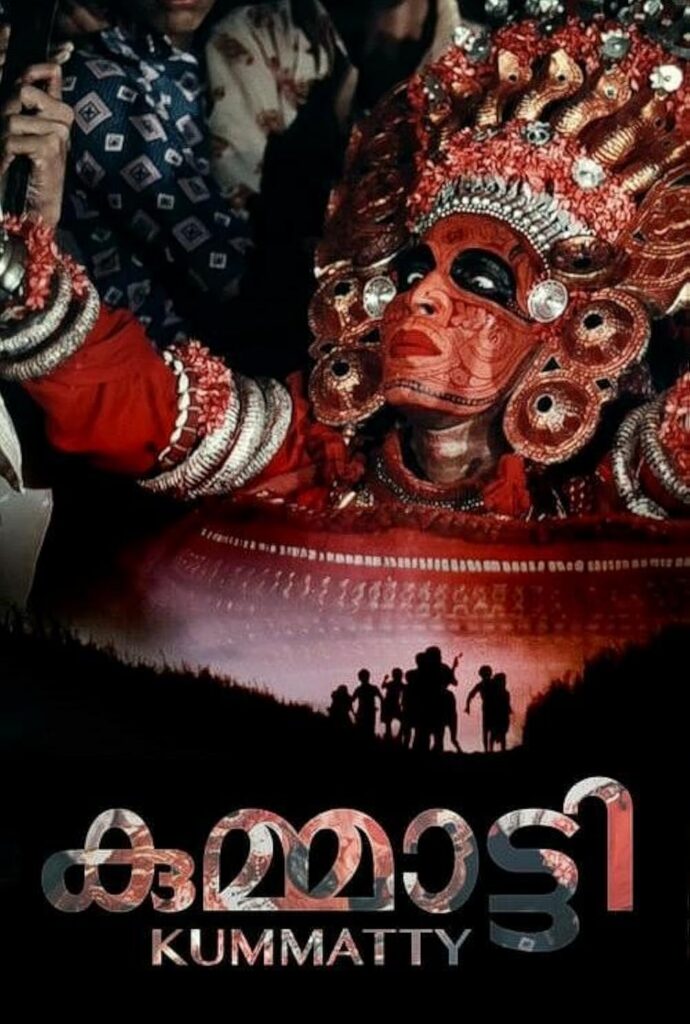
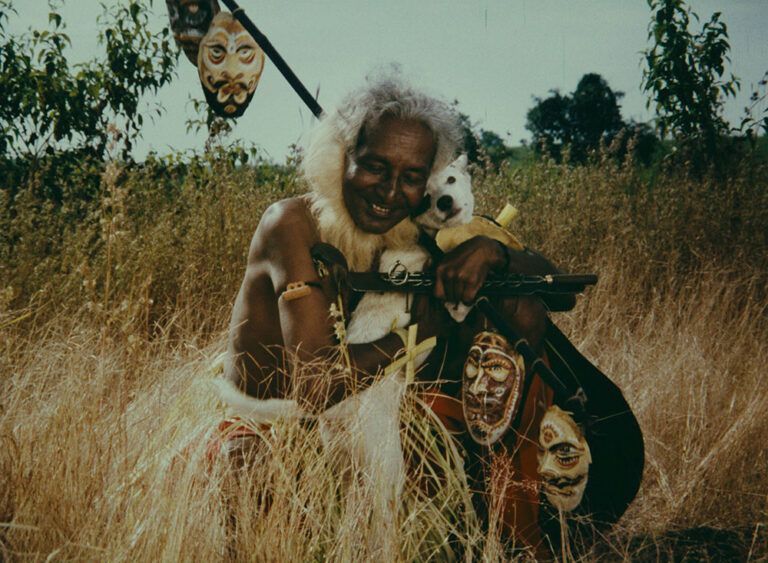
Kummatty comes in at number two on this list, as the Indian film blends folklore with a childlike sense of wonder that combines the idea of childhood films and master filmmaking seamlessly.
It’s a storybook brought to life in narrative as it operates through the imagination of the children as they follow the mystical Kummatty, while the visual film itself focuses more on the realistic lighting of the Indian village it’s shot in. Kumatty is a visually poetic and imaginative film that captures the magic and danger of childhood through folklore, creating one of the most unique and emotionally resonant children’s movies in all of international cinema.
The story follows children in a rural village, as they hear of the legend of Kummatty looming over their lives, and eventually find the mythical being as he rolls into town, singing and dancing with the children. The narrative blends reality with fantasy as the normal childhood story changes when Kummatty turns the children into animals leaving one of them as a dog who must wait for him to return to the village. The film shifts between the joy of a children’s flick and the unease of the child turned dog, with the use of the dark to light lighting to emphasize emotions, when dialogue isn’t prevalent. It captures the unpredictability and curiosity of childhood so well, while also making the audience feel through the score and landscape like there is an underlying sense of slight danger as the film progresses. Nature shots and lighting are incredibly well made in the film, especially on the 4k restoration of the film by criterion, really letting the audience embrace the handcrafted and culturally immersive style of cinema accomplished here. The imagery is both that of realism and imagery/dreamlike at the same time, allowing for a more imaginative world in a traditionally shot space.
The film is not a Hollywood kids movie with effects and crazy moments, instead it flows more like a piece of music that lacks a traditional storyline narrative and bounces around the village like a fleeting dream. Scenes blend together often and organically and the pacing generally reflects that of imagination in a realism camera perspective. The story is told almost entirely from the perspective of the child, creating this emotional authenticity to the events of the story and eventual heartfelt moments surrounding the transformation. By taking this approach the film treats Kummatty like a character that represents mysteriously with wonder and danger, and his fleeting and whimsical presence drives the film tension. It’s a designed embodiment of folklore in the purest form.
Kumatty stands out for its originality and visual storytelling, it’s one of the best films at blending realism in the technical aspects of film with the fantasy and whimsy of a folktale storyline. The Indian village myth is perhaps the most memorable of the four films in part 5 of the project earning itself second on this list and an 82/100 from the Twilight Room.
Twilight Room Score: 82.7/100
1. Chronicle of the Years of Fire
86.1/100 – Mohammed Lekhdar - Hamina – Algeria - 1975
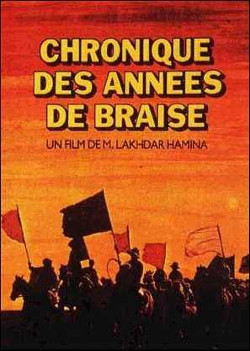
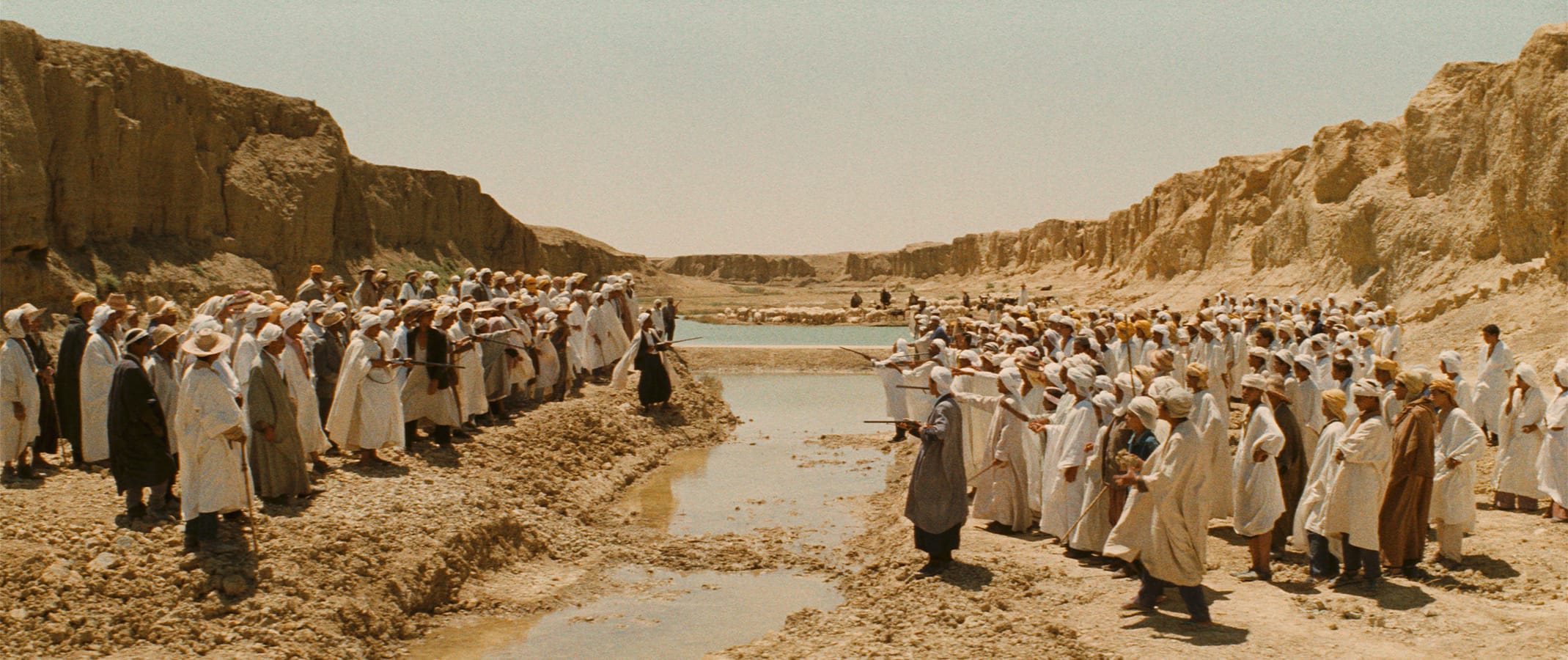
The final film and highest rated entry for the Twilight Room in Martin Scorsese’s World Cinema Project #5 is the Algerian war epic Chronicle of the Years of Fire, a film that operates on a completely different scale than anything else in this collection.
Where the other films focus on small communities or individual perspectives, this film expands outward into a full historical and political uprising, blending personal storytelling with a massive scope that builds steadily toward revolution. It’s a film that feels closest to a traditional “epic,” but still maintains the cultural and stylistic identity that defines this entire project. Chronicle of the Years of Fire is a powerful and visually commanding film that captures the slow build of resistance through both individual struggle and collective suffering, making it the most complete and impactful experience in the collection.
Beginning in a drought-stricken Algerian landscape, the film immediately establishes survival as its core foundation, showing communities struggling for food, water, and stability. What starts as a story rooted in famine and hardship slowly evolves into something much larger, as the film builds toward political awareness, resistance, and eventual revolution. Through the perspective of Ahmad, the film grounds its massive scale in a personal journey, allowing the audience to connect with the emotional weight behind the broader historical events. The father-son dynamic and the idea of generational struggle adds another layer to the narrative, reinforcing the idea that this fight extends beyond a single moment in time.
What separates Chronicle of the Years of Fire from the rest of the collection is its ability to balance scale with clarity. The cinematography plays a massive role in this, using wide crowd shots, movement, and carefully constructed compositions to fully immerse the viewer in both the beauty and brutality of Algeria during this period. The film builds through structured chapters, each one feeling like a step closer to an inevitable breaking point, culminating in the events surrounding May 8, 1945, and the Sétif massacre. This progression gives the film a sense of purpose and direction that some of the other entries lack, making every moment feel like it is contributing to something larger.
Thematically, the film is incredibly rich, tackling colonialism, identity, and the inevitability of uprising in a way that feels both historically accurate and emotionally resonant. It highlights the fragility of control and the power of collective resistance, showing how prolonged suffering eventually leads to action. Unlike some of the more abstract or stylistically driven films in this collection, Chronicle of the Years of Fire delivers its message in a way that is both accessible and impactful, making it easier to engage with while still maintaining depth.
By the time the film reaches its final act, it fully embraces its epic nature, delivering a large-scale battle sequence that feels earned through everything that came before it. The transition from survival to resistance is handled extremely well, and the emotional payoff lands because of how much time is spent building the world and its characters. It’s a film that understands pacing, escalation, and payoff, making it the most well-rounded entry in the entire project.
Chronicle of the Years of Fire stands above the rest of this collection because it successfully combines everything these films aim to achieve into one cohesive experience. It has the cultural depth, the stylistic identity, the emotional core, and the large-scale execution that defines great cinema. It’s not just the best film in this set, but the one that feels the most complete, earning it the top spot and an 86/100 from the Twilight Room.
TwilightRoom Rating: 86.1/100

Conclusion
Martin Scorsese’s World Cinema Project #5 is one of the more fascinating entries in the collection because of how varied each film is, not just in style, but in scope and intention. From the quiet, observational realism of Yam Daabo, to the fragmented historical tension of The Fall of Otrar, to the imaginative and poetic storytelling of Kummatty, and finally to the full-scale epic of Chronicle of the Years of Fire, this set covers an incredible range of cinematic expression.
What ties all four films together, however, is their commitment to identity, survival, and community. Each film, regardless of its scale, is rooted in the people and cultures it represents, offering perspectives that feel distinctly separate from traditional Western storytelling. These aren’t films that prioritize fast pacing or conventional structure, but instead focus on rhythm, environment, and emotional undercurrents, creating experiences that feel immersive rather than purely narrative driven.
This collection also highlights why the World Cinema Project is so important. These are films that, without restoration and reintroduction, would likely remain unseen by most audiences. By placing them within the Criterion framework and presenting them alongside one another, the project allows viewers to not only experience these films individually, but to understand the broader landscape of international cinema they come from.
While not every film in this set reaches the same level of impact, the collection as a whole succeeds in what it sets out to do. It challenges expectations, expands perspective, and reinforces the idea that great cinema exists far beyond the traditional canon most audiences are familiar with. World Cinema Project #5 isn’t just a collection of films, it’s an exploration of voices, styles, and histories that deserve to be seen, discussed, and preserved.