The Mandalorian & Grogu is the twelfth live-action film in the Star Wars franchise and the first theatrical release in the series in several years, bringing the Disney+ era
of Star Wars television fully to the big screen for the first time. The film quickly reconnects the audience with Din Djarin and Grogu, now more seasoned, through a snowy action sequence involving Imperial dealings and the system they use to hunt down Imperial crime bosses, with a far more capable Grogu now participating directly in combat and mission work. What begins as a fairly
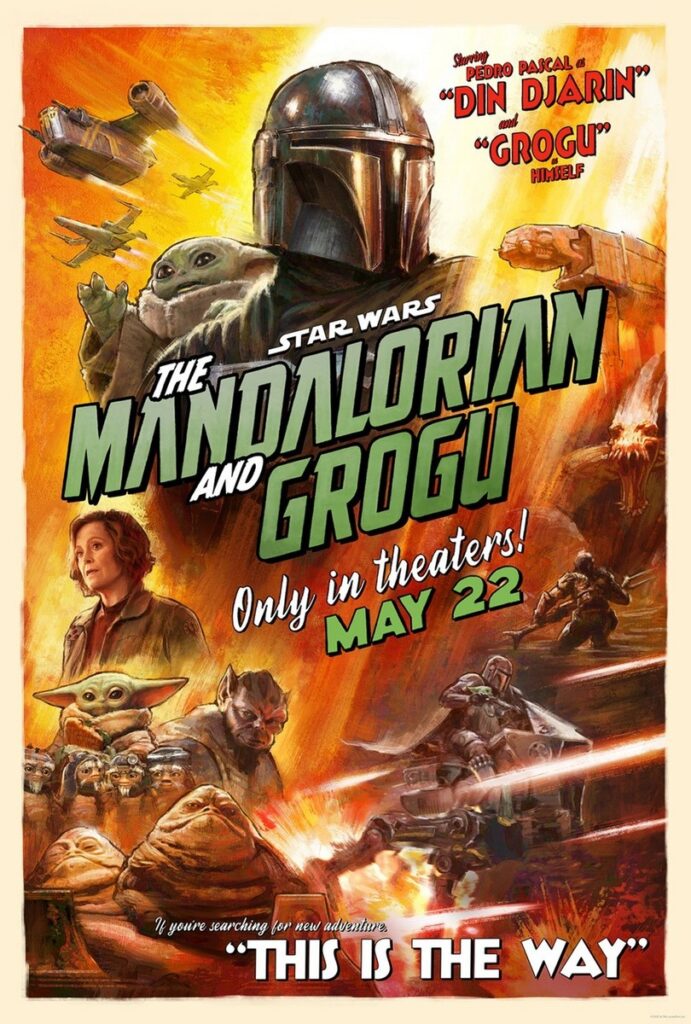
straightforward bounty-driven episodic adventure gradually expands into a larger conflict involving Imperial warlords, the Hutt family, and the lingering instability after the Empire’s collapse, remaining surface-level but undeniably fun. While the movie clearly maintains the episodic structure and adventure tone that makes the Disney+ series successful, it fails to really transfer mediums well at all, really dialing up the charm but dialing down the ability to have any new character development or depth. The Mandalorian & Grogu is at its best when it leans into practical action, textured world-building, creature effects, and the chemistry between Din and Grogu, but much of the story still plays more like an extended television arc than something fully fleshed out or truly cinematic.
The film opens with Din and Grogu back in the thick of it, taking down Imperial bosses and enforcers in a snowy set piece that quickly reestablishes the duo’s rhythm in the post-Empire galaxy. Grogu’s increased abilities create a much more active dynamic this time around, allowing him to contribute directly to action sequences instead of purely functioning as comic relief or emotional motivation. Din receives a new assignment involving tracking down another mystery Imperial crime figure known as Mr. Coin, sending the duo deeper into criminal territory and leftover Imperial operations that get them into quite a bit of trouble. The mission naturally draws the pair into the orbit of the Hutt family and eventually to Rotta the Hutt and the Hutt twins themselves, pulling Star Wars back into more criminal-underworld storytelling. Early sections of the film are entertaining and easy to watch, but they immediately lack nuance and feel structured like episodic television rather than a film trying to build any type of cinematic momentum, it felt phoned in at times.
Visually the film looks solid overall, particularly through its practical creature work, costumes, alien environments, and the lived-in Star Wars aesthetic audiences expect from this era of the franchise. The snowy opening action scenes stand out as one of the stronger sequences because it fully embraces fast-paced practical combat and the Din/Grogu dynamic immediately. While the visuals are consistently good here, the movie rarely reaches the cinematic scale or visual ambition of projects like Rogue One, Andor, or even some of the best scenes from the sequel trilogy. Certain environments and action sequences occasionally feel smaller in scale than hoped and expected for a theatrical Star Wars release, reinforcing the feeling that the project still resembles television structurally. Despite inconsistencies, the movie still succeeds at delivering entertaining creature-heavy Star Wars action and string practical effects work throughout most of the runtime.
Din and Grogu are still the film’s greatest asset, their lived‑in chemistry carrying most of its emotional pull, but this dynamic has been so thoroughly molded on television that, here, it can start to feel a bit repetitive. Pedro Pascal continues making Din compelling, largely through physical acting and restrained emotional delivery, despite remaining behind the helmet for most of the movie where his character belongs. Grogu, however, is far more involved in the action and mission work this time, creating a much more playful, comedic buddy dynamic between the two and often outshining Din in the process. Smaller moments of the pair simply traveling together, reacting to danger, or Grogu nursing an injured Din back to health ground the movie emotionally whenever the larger narrative turns repetitive and shallow. Even when the story itself struggles for depth and risks losing its audience, Din and Grogu remain entertaining enough together to keep the film consistently watchable.
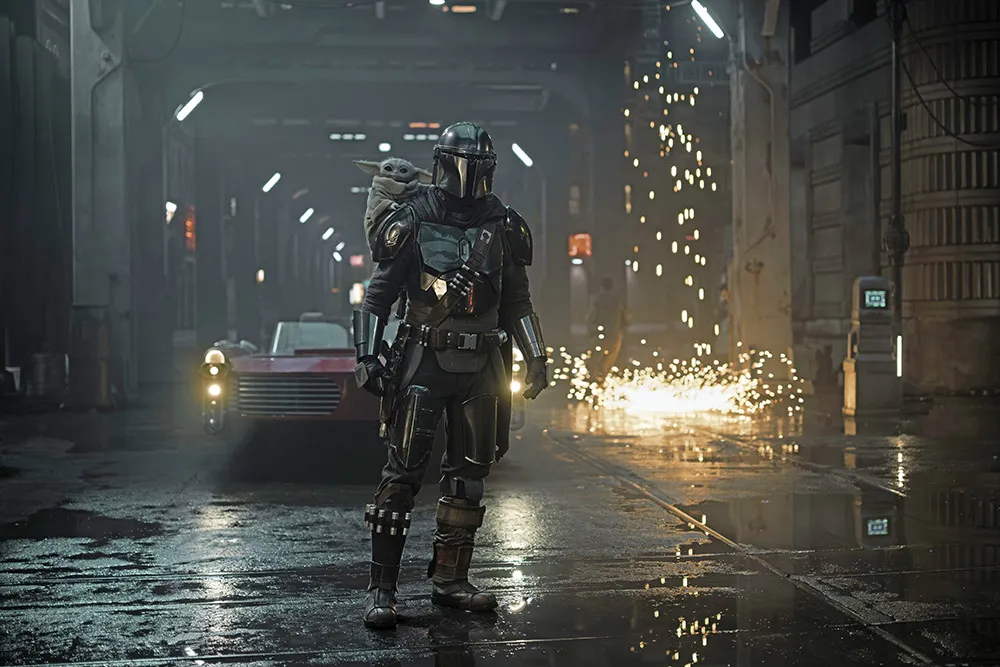
The search for Rotta the Hutt becomes one of the movie’s major storylines, eventually revealing him to be far more redeemable and layered than the rest of the Hutt family that sit as the antagonists for the back half of the film. Din and Grogu’s early interactions with Rotta often feel awkward and even a bit childish, weighed down by dialogue that is, frankly, dull and sometimes outright awful, though the dynamic improves once the film leans harder into comedy and adventure beyond the world of Shakari. The criminal-underworld focus helps the movie expand the post-Empire galaxy in entertaining ways, particularly through bounty hunters, Hutts, smugglers, and Imperial remnants all jockeying for power. Rotta’s comedic back-and-forth with Grogu becomes one of the film’s lighter highlights once the two start working together more directly. Even if much of the dialogue surrounding Rotta is really poorly written and lacking emotional weight, the underwood setting still gives the movie some of its most fun and distinctly Star Wars material.
The story pivots once Rotta reveals that the mysterious Imperial figure known as Mr. Coin has been manipulating events from the shadows—revealing him to be Rano, the crime boss from the world they rescued Rotta from—allowing the trio to bypass the Hutts entirely in a way that creates problems for the film later on. Din, Grogu, and Rotta eventually work together against the Imperial threat instead of remaining trapped solely within the Hutt politics, making these sequences feel much closer to traditional Star Wars storytelling, with hidden Imperial operations and warlords attempting to rebuild influence throughout the galaxy. While the stakes technically rise across these sections, the film keeps its storytelling and sense of threat so low, surface-level, and emotionally lightweight that it never really ascends to a higher standard. The Imperial conflict works largely as an enjoyable backdrop for set pieces, but the more resonant thematic tension comes from the Hutts squaring off against Din, Grogu, and Rotta.
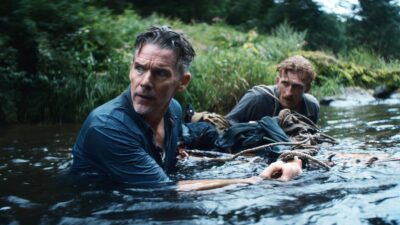
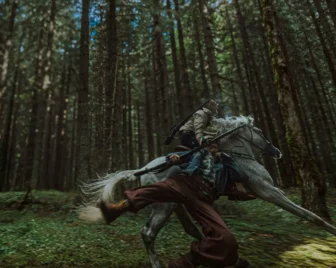
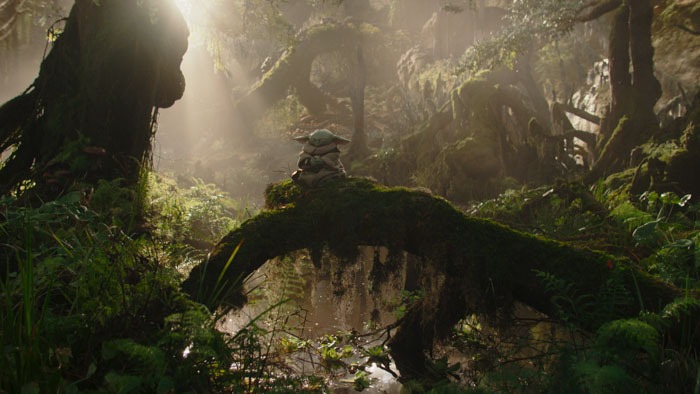
The tone finally shifts once Din becomes captured and thrown into a dangerous pit by the Hutt twins, separating him from Grogu during one of the more entertaining stretches of the film. Grogu’s rescue mission creates a more survival-focused structure as Din attempts escaping the dangerous environments on his own, but remains incapacitated and his little companion must take care of him. The jungle and wilderness sequences become some of the film’s strongest visually, briefly giving the movie a larger cinematic feeling and appeal than many earlier and later scenes, this is a standout. This section moves with much sharper pace, as the survival‑adventure turn adds urgency and centers the action on Grogu, jolting the film’s sagging momentum back to life just in time for the final act. Even though the film never fully escapes its episodic Disney+ structure, the middle stretch captures the buddy‑adventure energy that makes Star Wars feel genuinely fun at its best.
The film continues to explore themes of loyalty, partnership, fatherhood, and found family, primarily through Din’s bond with Grogu and the alliances forged along the way, and much of its appeal lies in a lighter tone, creature‑heavy action, and a willingness to lean into buddy‑adventure fun rather than the darker political mode that has often defined the franchise at its most ambitious. Mandalorian and Grogu struggles immensely at adding new depth or development to Din or Grogu as characters, or to the franchise as a whole, making the overall experience feel emotionally safe and extremely repetitive, almost unnecessary. Dialogue throughout the film is inconsistent to say the least, occasionally landing emotionally but often feeling simplistic or underwritten compared to more recent Star Wars projects that have been better at this. The film feels caught between functioning as a theatrical blockbuster and functioning as another season of Disney+ television, never fully committing strongly enough to either direction.
The Mandalorian & Grogu ultimately lands as a fun but underwhelming Star Wars theatrical return that succeeds far more through charm and familiarity than through cinematic ambition or storytelling depth. Din and Grogu’s chemistry, the practical effects, creature work, and several action sequences consistently keep the movie entertaining even whenever the narrative itself feels thin or episodic, but it never justifies its theatrical format, in a franchise that was made for the big screen, its extremely disappointing that a project has the pacing, structure and storytelling that feels distinctly from streaming television instead. While the movie struggles to add meaningful character development or emotional weight to the larger franchise, it still delivers enough classic Star Wars adventure to satisfy longtime Mandalorian fans, feeling less like a grand cinematic return for the IP and more like an enjoyable, if overly stretched, Disney+ side quest brought to the big screen, earning it a 65/100 from TwilightRoom.
TwilightRoom Score: 65.0/100