Introduction
No figure in all of English folklore has been put to film more often, or reinvented more completely, than Robin Hood. Across more than a century of cinema, he has been a silent-era acrobat, a Technicolor swashbuckler, a cartoon fox, an aging man confronting his own mortality, a Kevin Costner vehicle with an inexplicable American accent, a Mel Brooks punchline, and most recently an A24 meditation on death itself. The legend’s endurance comes down to how little it actually requires: a man in a forest, a corrupt authority, and a redistribution of wealth that audiences have found satisfying in every single decade since the stories were first told. What changes is the tone, and tracking that tone across ten films is essentially tracking a century of what audiences wanted their heroes to be, from the exuberant physicality of the 1920s through the wholesome adventure of the studio era, the melancholy revisionism of the 1970s, the self-serious grit of the ’90s and 2000s, and now a genre reinvention nobody saw coming. Some of these films are genuinely great, several are middling, and a few are outright disasters, but every one of them tells you something about the moment it was made. This is our full ranking and examination of the Robin Hood film, from Douglas Fairbanks to Hugh Jackman.
Robon Hood
80.9/100 - 1922 - Allan Dwan
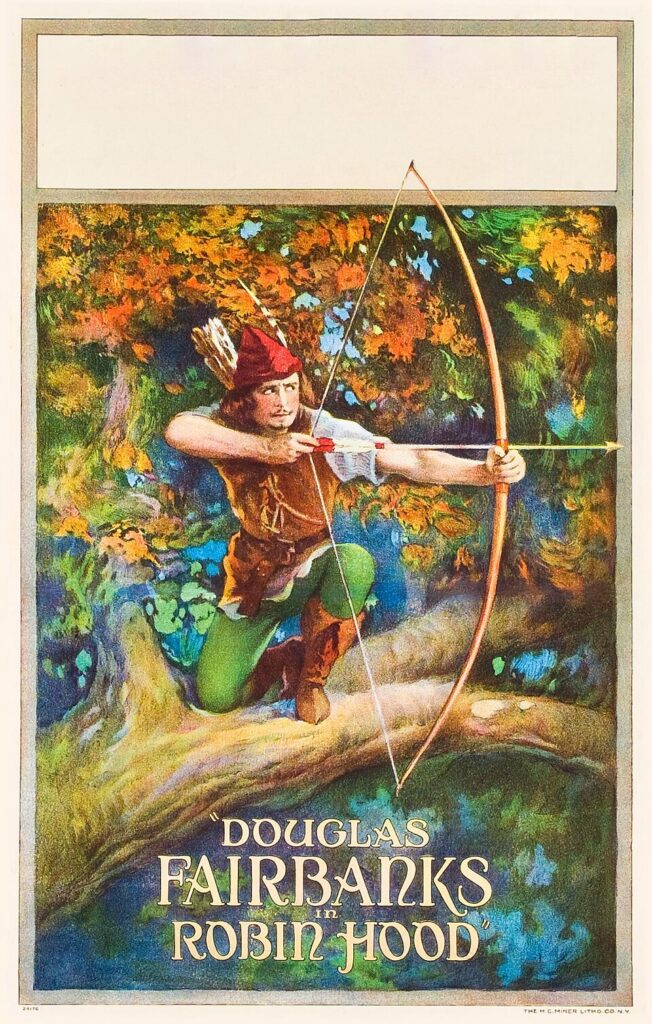
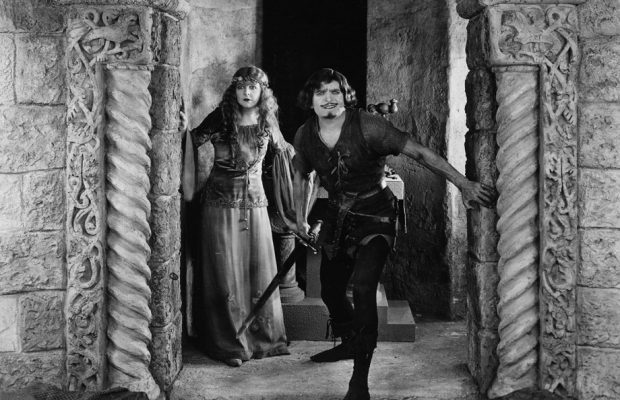
Starting off where it all began in the silent era, the 1922 Robin Hood tells the original story through film with visuals that are admittedly lacking by modern standards, but with a scale and atmosphere that are established remarkably well for the period, defining what the Robin Hood story resembles in film. The film clearly had a giant budget behind it, with the castle being absolutely gargantuan and expanding the scope of what a silent film could physically be in a way nothing before it had attempted. The first hour feels a bit tedious due to how much of it is pure setup, but the action-and-ambush sequence at roughly the halfway point marks a real change in direction toward Robin Hood’s adventure, and the film takes that plot and runs with it brilliantly from there. What emerges is something closer to a comedic action rescue than a straight epic, and the whole thing lands somewhere between a genuine spectacle and a Chaplin or Keaton picture. Some of the stunts are genuinely amazing, particularly Robin jumping onto the vines and climbing the sheer side of the castle, and they remain the clearest reason the film still holds up over a century later.
Robin Hood was a Douglas Fairbanks production through United Artists, directed by Allan Dwan, and it arrived as the most expensive film ever made at the time with a budget reportedly north of $1.4 million. The castle set built for the production was the largest structure ever constructed in Hollywood to that point, so massive that it dominated the skyline and became a genuine local attraction during filming. Fairbanks was the biggest star in the world at that moment, and his own athleticism drove nearly every set piece, cementing the swashbuckling persona that would define his career and shape action filmmaking for decades. The film was an enormous commercial success and established the basic visual vocabulary that essentially every Robin Hood adaptation since has drawn from, particularly the Sherwood Forest iconography and the castle infiltration structure. It stands as the foundational text of Robin Hood on screen, the film every subsequent version is either building on or reacting against.
The Adventures of Robin Hood
86.4/100 - 1938 - Michael Curtiz & William Keighley
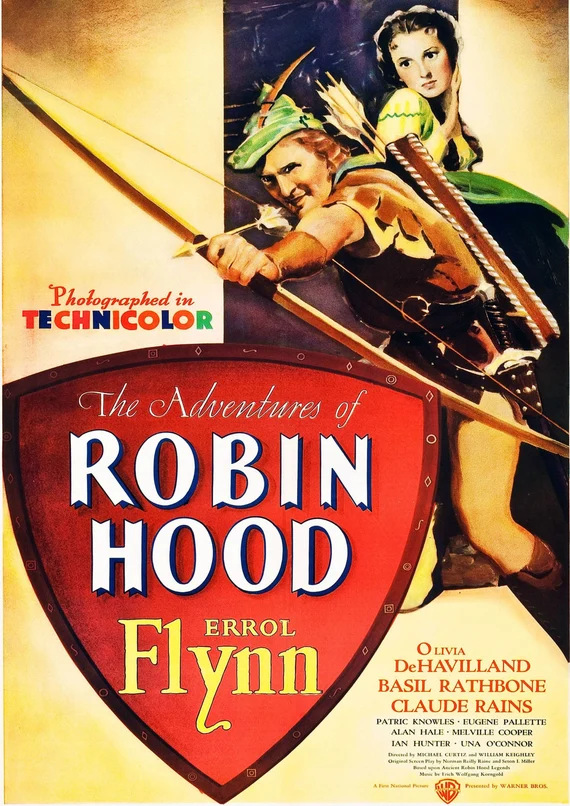
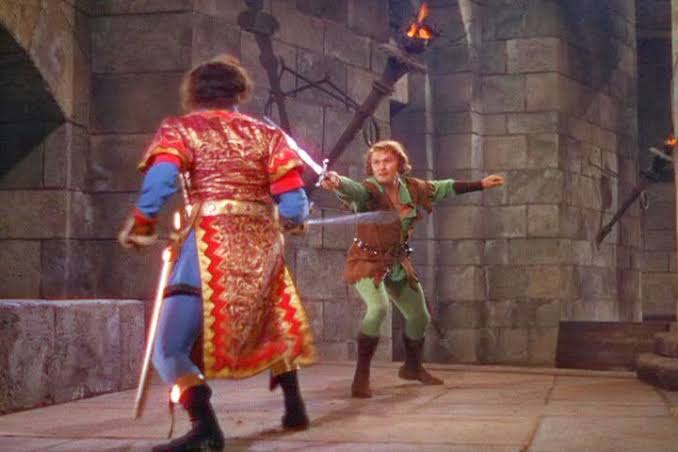
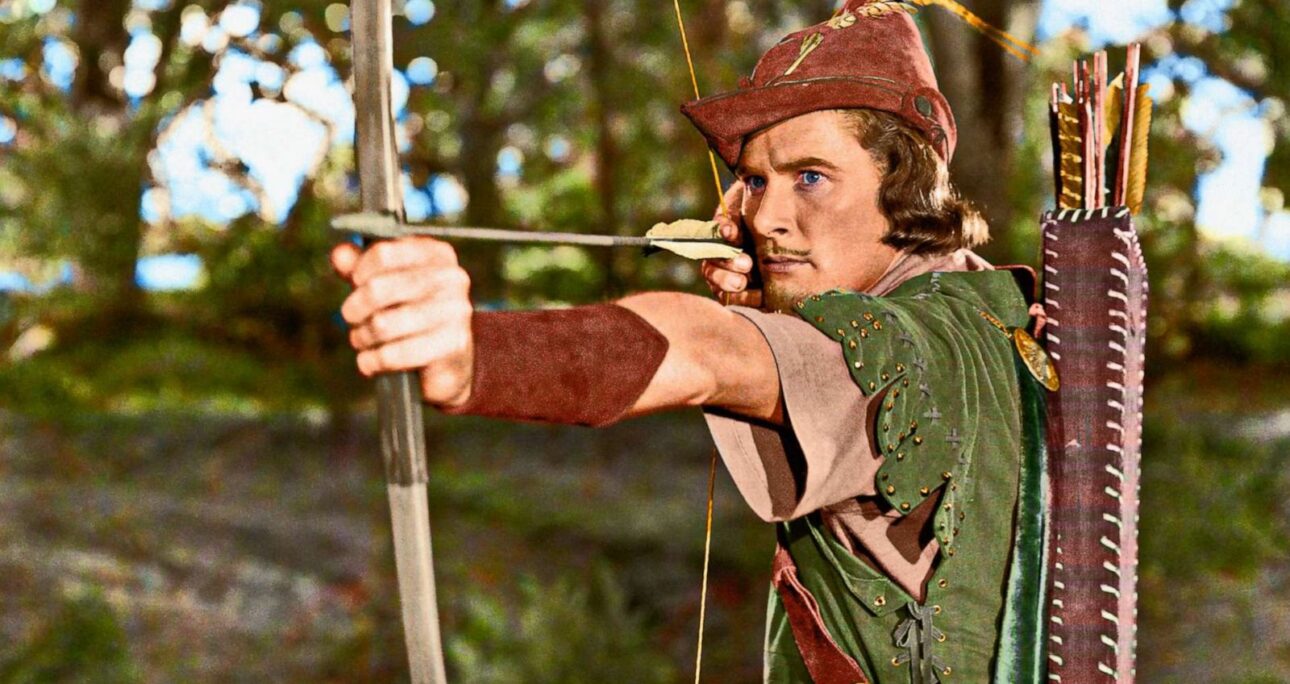
Next we move to likely the best adaptation of Robin Hood we have ever received on the big screen. An old-font summary sets up the beginning of the film as the concept takes hold, with Prince John seizing power as regent and turning his oppression on the Saxons, establishing the corruption that Robin will spend the rest of the runtime fighting. Introducing Robin, played by Errol Flynn, gives us yet another hero representation, this time with a huge and much-needed burst of color and amazing woodsy set design that establishes a great old English adventure look and tone. Flynn, coming off the success of Captain Blood, delivers a genuinely fantastic performance as Robin Hood, bringing a charm and physical confidence that no one has quite matched in the role since. The full introduction of Robin’s love interest and the complete fantasy story established here is what gets carried over into essentially every film adaptation that follows. Flynn’s Robin Hood became the prototypical version of the character for years to come, and it’s still thought of as the definitive version of this classic tale.
The Adventures of Robin Hood was directed by Michael Curtiz and William Keighley for Warner Bros., arriving as the most expensive film the studio had made to that point at roughly $2 million. Its use of three-strip Technicolor was among the most ambitious of the era, and the results are still cited as one of the great early demonstrations of what the process could achieve, with the greens of Sherwood Forest becoming instantly iconic. The film won three Academy Awards for Art Direction, Film Editing, and Erich Wolfgang Korngold’s score, the last of which effectively invented the template for the adventure film score that Hollywood has used ever since. Olivia de Havilland, Basil Rathbone, and Claude Rains round out one of the strongest casts ever assembled for a film of this type, with Rathbone’s Guy of Gisbourne setting the standard for the sword-fighting villain. It was selected for the National Film Registry in 1995 and remains, by consensus, the most influential Robin Hood film ever made.
The Story of Robin Hood and His Merrie Men
84.8/100 - 1952 - Ken Annakin - 64.1/100
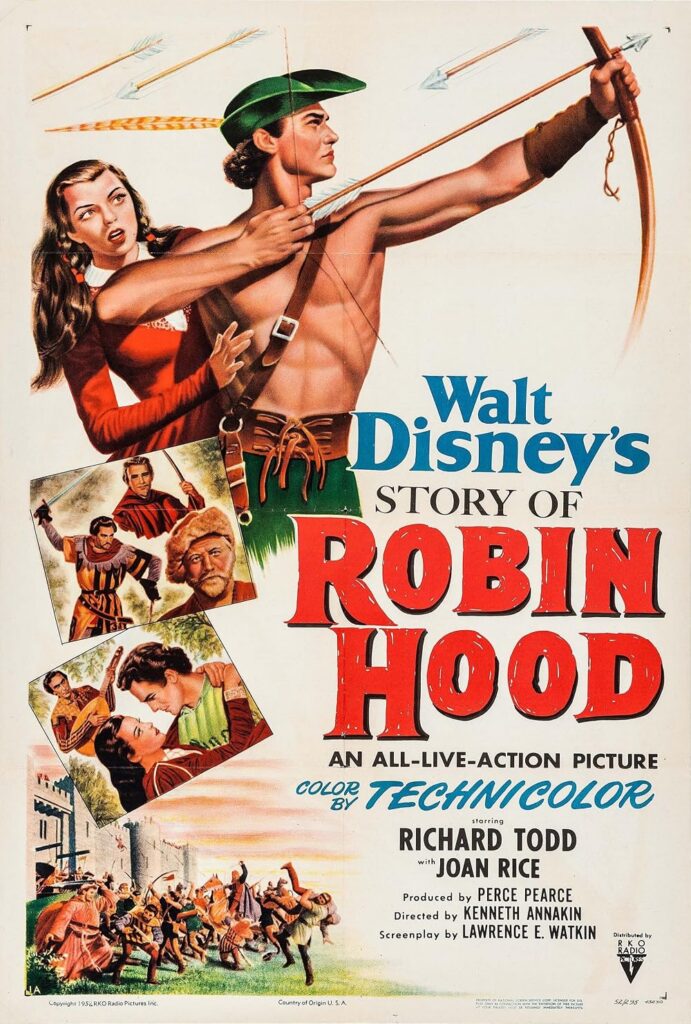
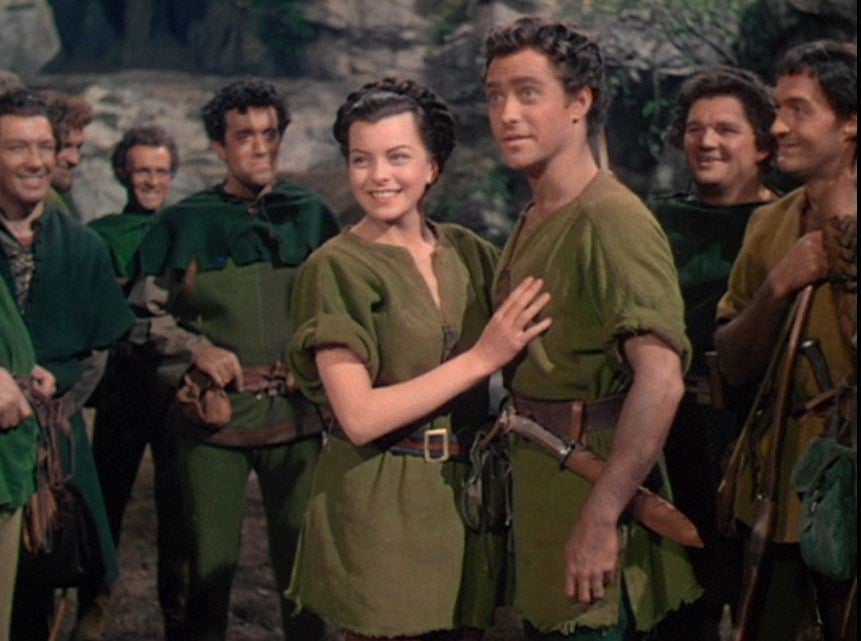
Next we get a more Disney-like telling of the character through a similar but slightly different lens, as the 1952 Robin Hood film begins in song, marking the first real introduction of music being incorporated into the Robin Hood storyline, a thread that would run all the way through to Disney’s own animated version two decades later. The film quality and color are both a bit lacking compared to its predecessor, which was genuinely way ahead of its time, and the drop-off is noticeable almost immediately. The tone and story feel considerably more simplistic and stage-play-like at times, never quite achieving the scope or the atmosphere that the 1938 film established so effortlessly. Little John is played well here as he joins Robin Hood and his men, standing out as a genuine highlight of the film and one of its better-handled character introductions. Robin Hood films have consistently had extremely well-designed title cards, almost a staple of the character on screen, and the ones here feel noticeably weaker than usual.
The Story of Robin Hood and His Merrie Men was only Disney’s second fully live-action feature, directed by Ken Annakin and starring Richard Todd as Robin. The film exists largely because of postwar British currency restrictions, which prevented Disney from taking its earnings out of the United Kingdom, effectively forcing the studio to spend that money making films in Britain with British crews. That circumstance produced a small run of Disney live-action adventure films shot in England during the early 1950s, of which this was among the first and most prominent. It was a modest commercial success and helped establish Disney’s viability outside animation, a transition that would prove enormously consequential for the studio’s future. Its lasting significance is more industrial than artistic, a film that mattered more for what it enabled than for what it actually achieved on screen.
Robin Hood
78.7/100 - 1973 - Wolfgang Reitherman
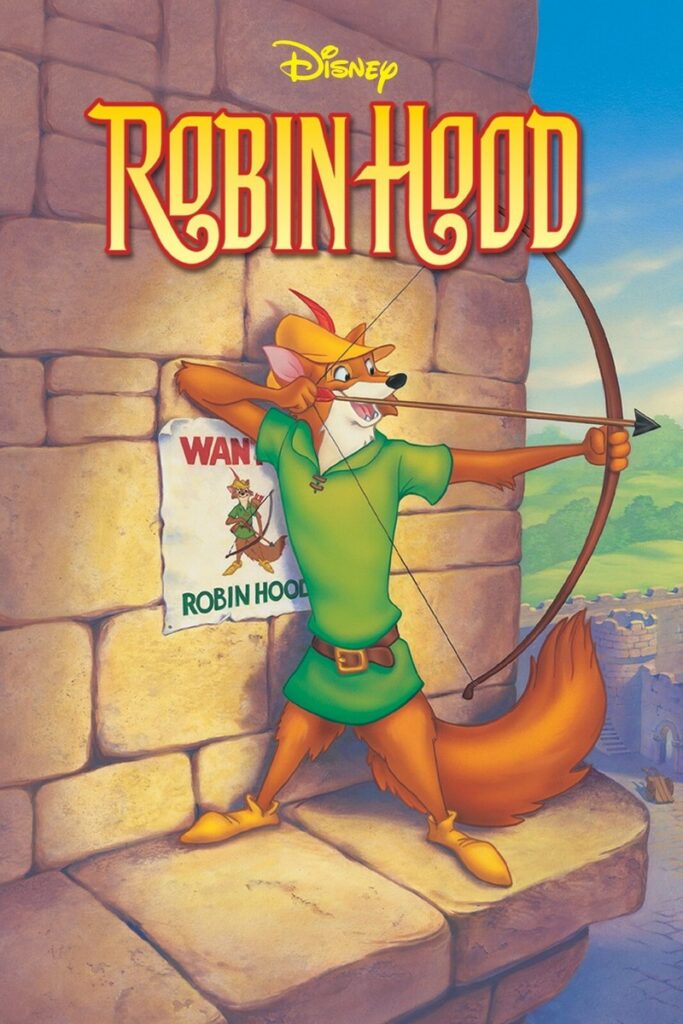
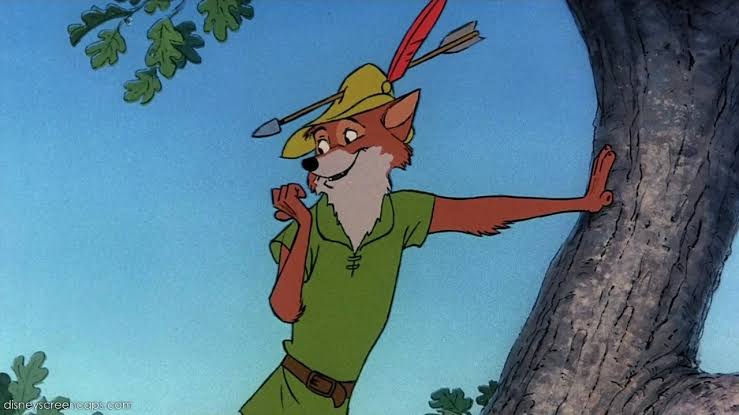
We jump then to 1973, twenty years later, as Disney turns the character into an animated musical with Robin Hood as a fox and Little John as a bear, an anthropomorphic reimagining that has no real precedent in the character’s film history and works far better than it has any right to. The songs feel indie and classic at the same time, simple but genuinely memorable in the way the best Disney music of the era tends to be. This is a bit of a simple Disney film and certainly not the studio’s best, but it’s a fun and wholesome adaptation that knows exactly what it wants to be. Robin Hood’s sneak into the castle and his relationship with Maid Marian are both clear highlights, delivering the romance and the heist energy the legend has always run on. The King’s design and comedy are equally strong, with the lion king’s writing landing as genuinely brilliant and providing some of the film’s sharpest laughs.
Robin Hood was directed by Wolfgang Reitherman and arrived during the studio’s leanest creative period, the stretch immediately following Walt Disney’s death when budgets were severely constrained. Those constraints are visible in the finished film, which famously reuses animation cycles wholesale from earlier Disney features including Snow White, The Jungle Book, and The Aristocats, a cost-saving measure that has become one of the film’s most-discussed quirks. Roger Miller provided several of the film’s songs and the narration as Alan-a-Dale, giving the film a distinctly country-folk sensibility that separates it entirely from the studio’s usual musical register. “Love” earned an Academy Award nomination for Best Original Song, one of the few major honors the film received at the time. Despite a lukewarm initial reception, it has since become one of the most beloved and frequently revisited films in the Disney animated canon, particularly among audiences who grew up with it.
Robin and Marian
80.4/100 - 1976 - Richard Lester
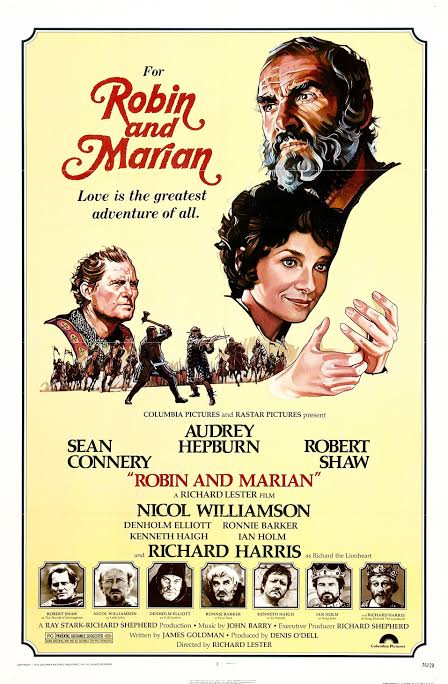
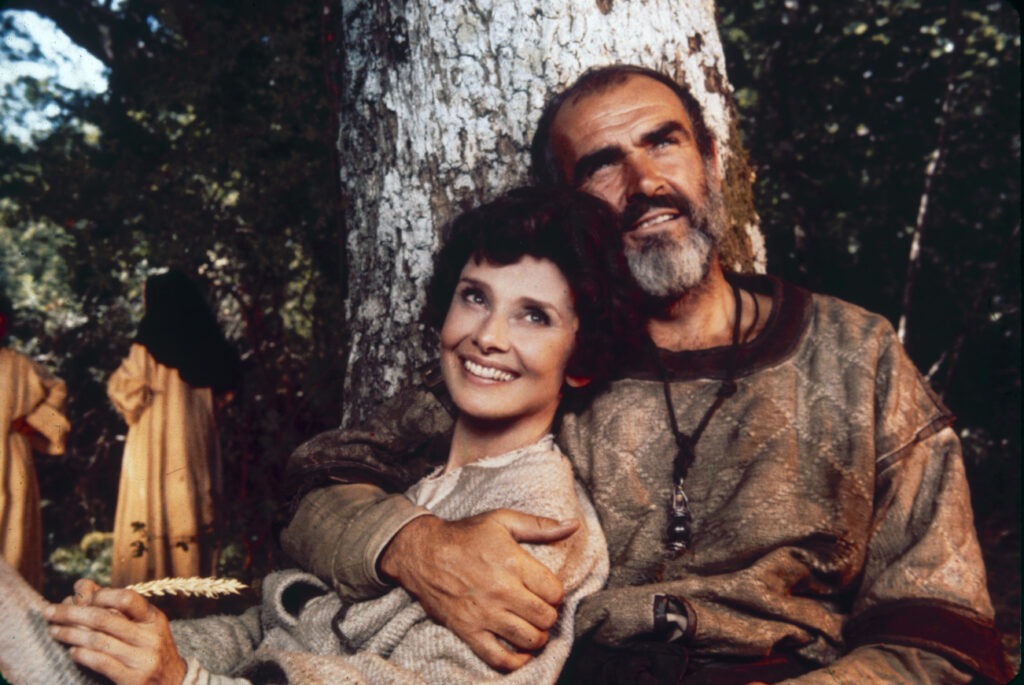
We jump back to the live-action work with yet another one of the best entries in this timeline, film-wise, as Robin and Marian, a Columbia Pictures production featuring Hollywood’s biggest stars and a big Hollywood budget, returns to the magnificent color, vibe, and sets of the first two films after two decades of diminishing visual ambition. Robin refuses to lead an army into a castle with no soldiers inside and is condemned to death by his king, an opening that immediately signals this is a film about consequence rather than adventure. Audrey Hepburn plays Marian and delivers a very solid performance as the most complex and well-written female character in any of the Robin Hood films to that point, and perhaps in any of them at all. This is the first film to take a genuinely separate angle on the story, focusing on Robin’s connection with Marian far more and using it as a lens for his heroic revolt rather than treating it as background romance. That sense of uniqueness truly reinvigorated the Robin Hood story for decades to come, making it a hugely important film within this timeline.
Robin and Marian was directed by Richard Lester and paired Sean Connery’s aging Robin with Audrey Hepburn, marking Hepburn’s return to film after an eight-year absence from the screen. Lester, coming off A Hard Day’s Night and The Three Musketeers, approached the material with a revisionist sensibility that was very much of its moment, treating the legend with affection while refusing to grant it the triumphant ending audiences expected. The film’s central question, what happens to a hero who outlives the era that made him, aligned it with the broader wave of 1970s American revisionism that was reexamining westerns and war films at the same time. Critical reception was strong if not universal, with Hepburn’s performance drawing the most consistent praise across the board. Its influence on later Robin Hood adaptations is enormous, establishing that the legend could support genuine emotional weight and mortality rather than pure adventure.
Robin Hood: Prince of Thieves
57.7/100 - 1991 - Kevin Reynolds
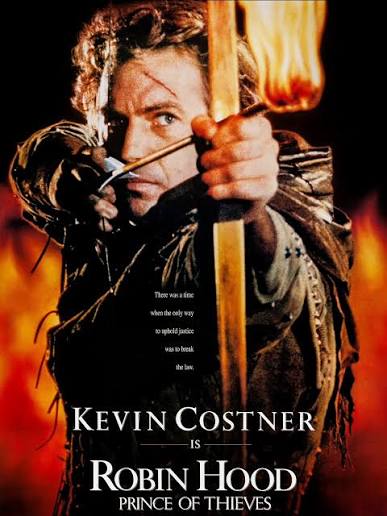
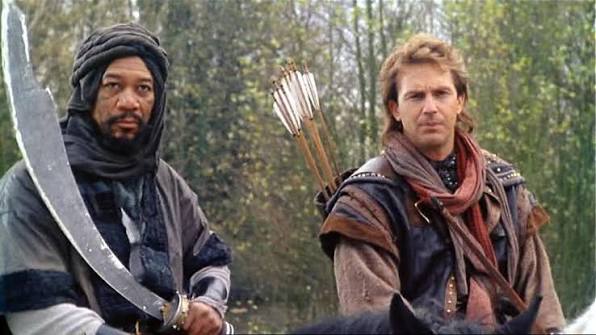
We move to the biggest turning point on this timeline, now jumping to the 1990s for Kevin Reynolds’s take on Robin Hood, which introduces a longer, more serious tone that tells the story in a much different register than its predecessors. Reynolds is popular for his adaptations, though they also carry a reputation for being a bit bloated in design, and this one falls squarely in that category, as the 143-minute runtime and a lack of real intrigue or fast-moving plot keep the film from ever genuinely connecting with its audience. That serious tone would later be used for nearly every adaptation of Robin Hood in the 21st century, leaving the more light-hearted, adventurous version of the character behind entirely. Kevin Costner is good as Robin Hood but not special by any means, and his much-discussed accent problems don’t help. Morgan Freeman’s Azeem feels oddly forced as a character, an addition that’s clearly well-intentioned but never quite integrates into the story the film is actually telling.
Robin Hood: Prince of Thieves was an enormous commercial success despite its critical reception, grossing roughly $390 million worldwide and ranking among the highest-grossing films of 1991. Alan Rickman’s Sheriff of Nottingham has long been regarded as the film’s saving grace, a performance so gleefully unhinged that Rickman reportedly rewrote much of his own dialogue and effectively walks away with the entire picture. Bryan Adams’s “(Everything I Do) I Do It for You” became one of the defining songs of the decade, spending sixteen consecutive weeks at number one in the UK and becoming inseparable from the film’s legacy. The production was famously troubled, with Costner and Reynolds clashing over the final cut and the film’s tone shifting between grim medievalism and broad adventure. Its real significance is tonal, since the darker, more self-serious approach it established became the default mode for every major Robin Hood film that followed, for better and considerably worse.
Robin Hood: Men in Tights
85.9/100 - 1993 - Mel Brooks
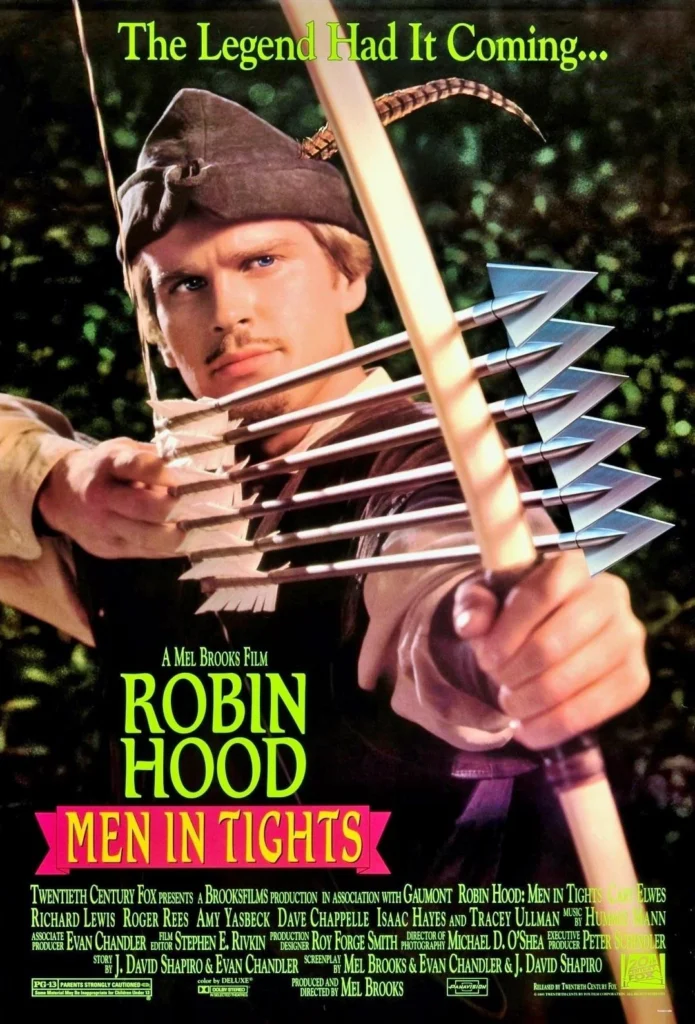
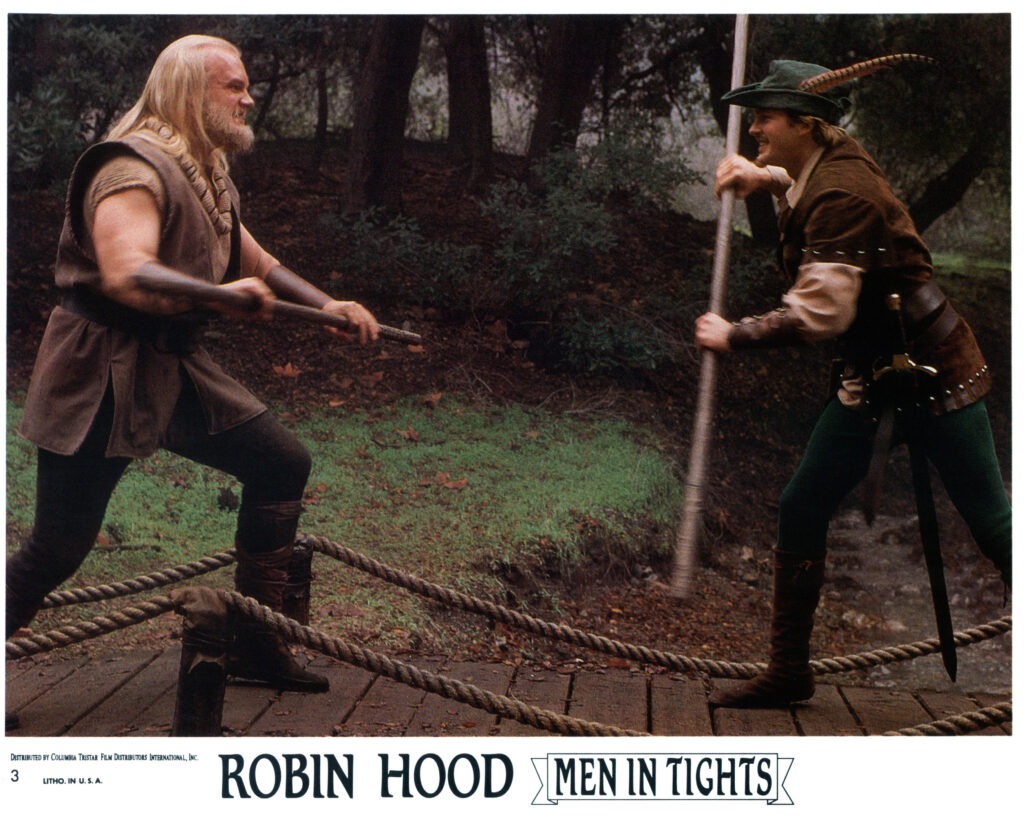
Before we move to the serious tone of the 21st-century Robin, we must take a pit stop in the comedy genre, as Men in Tights resembles a satirical adaptation of the story from Mel Brooks that plays the entire legend as a joke, taking every convention the previous seventy years of Robin Hood films established and gleefully dismantling it. What makes it work is the tone, light-hearted and extremely funny in a way that only Brooks could have managed, never sneering at the source material so much as delighting in how absurd it becomes under any real scrutiny. Arriving just two years after Prince of Thieves, the film has an obvious and very specific target, and it hits it repeatedly with a precision that makes the jokes land harder than most parodies ever manage. The film was highly successful in its goal and remains, to this day, one of the funniest films of the entire 1990s. It’s also, somewhat improbably, one of the best Robin Hood adaptations ever made, because a legend this well-worn genuinely benefits from being punctured every few decades.
Men in Tights came at a point in Mel Brooks’s career when the parody format he had essentially invented was beginning to lose its commercial footing, following the mixed reception of Spaceballs and Life Stinks. The film takes direct aim at Robin Hood: Prince of Thieves throughout, most famously through Cary Elwes’s Robin declaring he can speak with an English accent, a line written specifically as a shot at Kevin Costner. Brooks had actually worked on Robin Hood material before with the short-lived 1975 television series When Things Were Rotten, making this something of a second attempt at the same target with considerably more resources behind it. Critical reception at the time was mixed, with reviewers finding it a step down from Brooks’s peak work in the 1970s, but its reputation has grown enormously in the decades since. It now stands as one of the most quoted and most fondly remembered comedies of its decade, and for many audiences it’s the Robin Hood film they’ve seen the most times.
Robin Hood
73.0/100 - 2010 - Ridley Scott
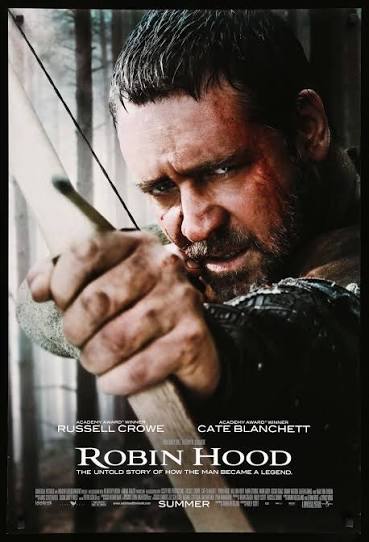
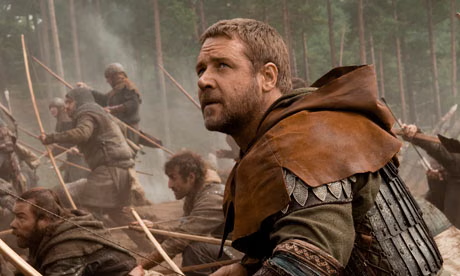
We move to the darker grittier Robin in 2010 with Ridley Scott’s Robin Hood, arriving as the clearest example of the more generic approach to action and storytelling that bled through the director’s work from 2010 onward, a stretch where his films increasingly traded the specificity that defined his best work for a grayer, more anonymous kind of historical spectacle. The film takes the origin-story angle, positioning this as the making of the outlaw rather than the outlaw himself, and that structural choice drains most of the energy the legend usually runs on. Scott’s instincts for scale remain intact, and there are genuinely fun and unique action elements scattered throughout that show what a more focused version of this could have been, but they’re buried in a film that feels considerably duller than the sum of its parts. Russell Crowe is doing his best in the lead, though the pairing of Scott and Crowe here never recaptures whatever made Gladiator work a decade earlier. It’s a competent, expensive, and thoroughly uninspired take on a character who has rarely felt this heavy.
Robin Hood was originally conceived as an entirely different project, a spec script called Nottingham that reframed the Sheriff as the hero and Robin as the villain, a genuinely fresh angle that was progressively rewritten out of existence during development. What eventually reached screens was a conventional origin story, and that gap between the original concept and the finished film became one of the most-discussed aspects of its production history. It opened the Cannes Film Festival in 2010 and grossed roughly $322 million worldwide against a reported $200 million budget, a result that landed as commercially underwhelming rather than an outright failure. Critical reception was tepid across the board, with most reviewers pointing to the same issue, that a film this expensive and this well-resourced had so little personality of its own. It now sits as a fairly clear marker of the point where Scott’s historical epics began blending into one another rather than standing apart.
Robin Hood
41.0/100 - 2018 - Otto Bathurst
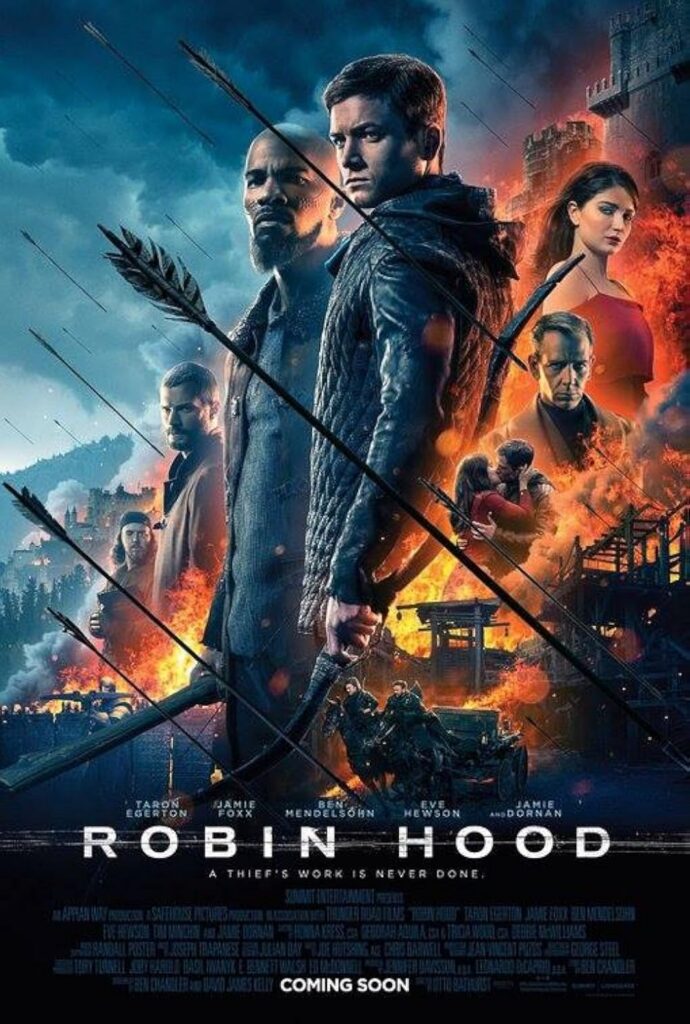
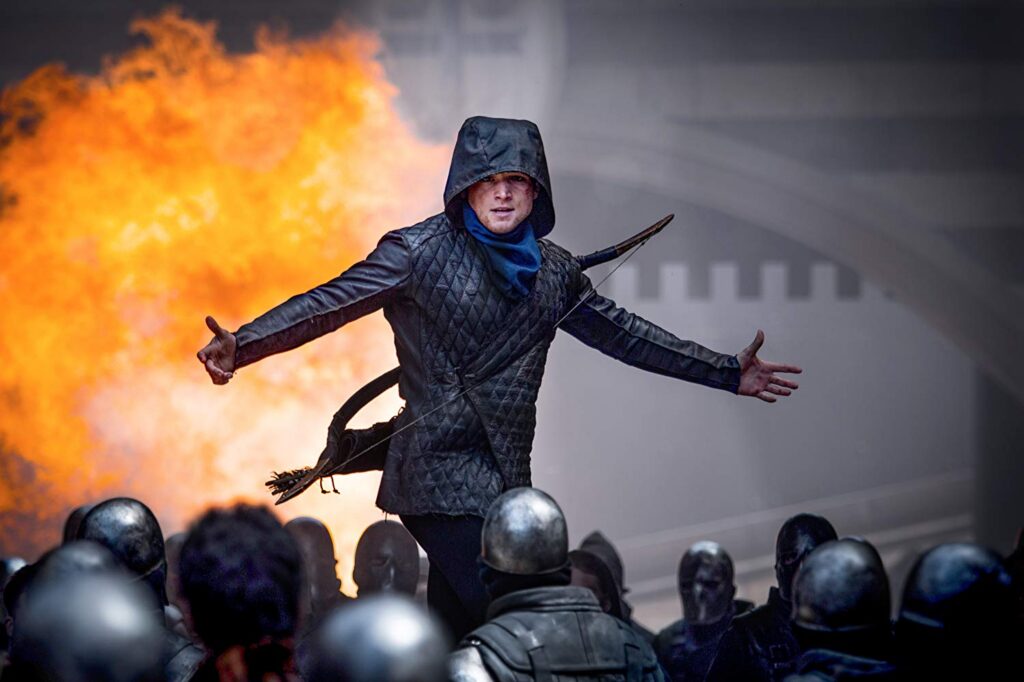
The 2018 Robin Hood is, by essentially any measure of online consensus, the most widely disliked version of the character ever put to film. The general reaction has been close to unanimous, with audiences and critics alike singling out the film’s bizarre, anachronistic approach, its interest in looking like a modern action franchise rather than anything resembling a medieval story, and a general sense that nobody involved could articulate why this film needed to exist. Taron Egerton and Jamie Foxx are both capable performers stranded in something that has no idea what it wants to be, and the film’s attempt to graft superhero-origin structure onto Sherwood Forest has aged about as poorly as anything in the character’s history. It’s become something of a shorthand online for studio filmmaking at its most cynical, a legend reduced to franchise scaffolding. Whatever affection exists for it is almost entirely ironic.
Robin Hood was a genuine commercial disaster, grossing roughly $86 million worldwide against a production budget of nearly $100 million, with losses reported in the range of $80 to $90 million once marketing was factored in. Lionsgate had openly planned it as the launch of a multi-film franchise, and the scale of its failure killed those plans immediately and completely. It sits among the worst-reviewed wide releases of its year, with critical response focused heavily on its tonal confusion and its apparent belief that the Robin Hood legend needed modernizing in the most literal possible way. Its lasting impact has been almost entirely negative for the character, effectively freezing major Robin Hood productions for the better part of a decade. That two very different Robin Hood films finally arrived in 2026 suggests the industry needed exactly that long to recover from it.
The Death of Robin Hood
72.9/100 - 2026 - Micahel Sarnoski
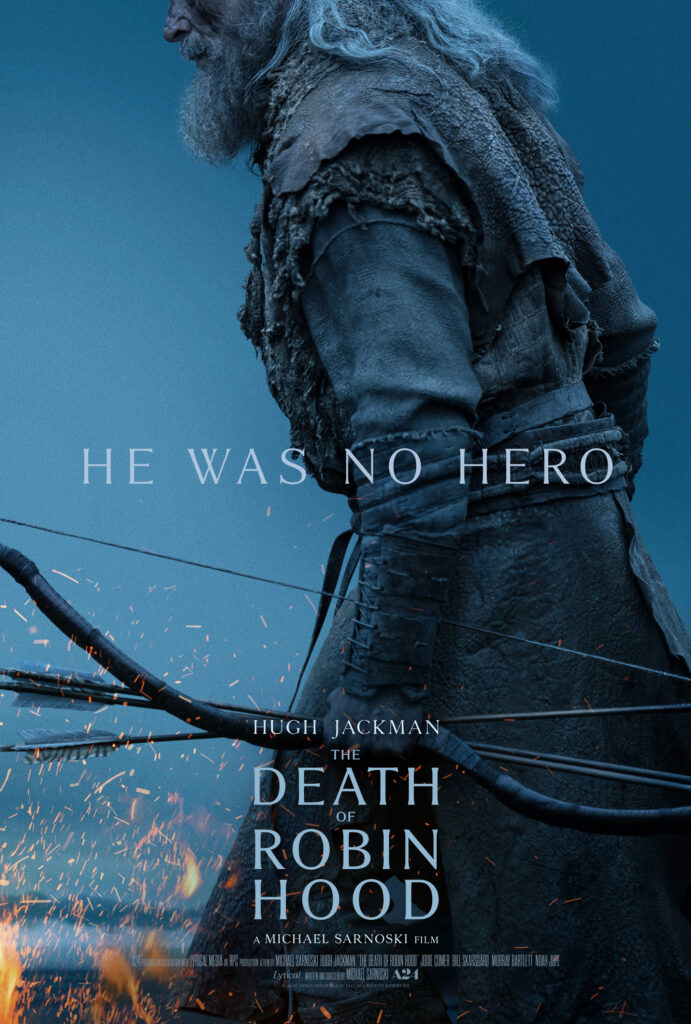
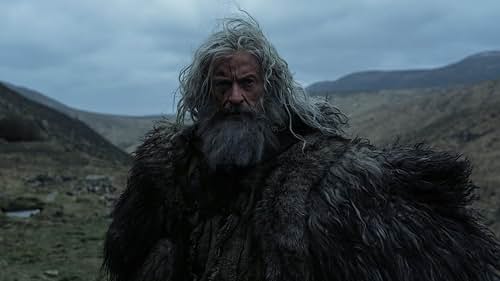
We had no inkling that this would end up being one of the weaker A24 releases of the year as a Robin Hood film finally enters the independent fray, and that’s not because it’s a bad film, but because the cinematography and performances are both genuinely great throughout. The first thirty minutes and the namesake premise itself are legitimately excellent, and we don’t fault anyone at all for loving this, since there’s a version of this experience that plays as a revelation. The problem is the middle hour, which is unbelievably slow and genuinely tough to sit through, and we like to think we’re fairly patient when it comes to films, particularly in a theater. This is one you really need to be in the right mood for in order for it to blow you out of the water, and if you’re not, it lands as a serviceable dark spin on Robin Hood carried almost entirely by a great Hugh Jackman performance. A24 is on an ungodly run of genuinely cool work right now, and even a film that doesn’t fully connect for us still feels like it belongs in that conversation.
The Death of Robin Hood represents the most severe tonal reinvention the legend has ever received on film, taking a character built on adventure and levity and reframing him entirely through mortality and consequence. Hugh Jackman’s casting in the lead marks the second time in as many years that a major superhero-adjacent star has taken on the role, arriving alongside Andrew Garfield’s turn in The Uprising and making 2026 a genuinely unprecedented year for the character. A24’s involvement signals just how far the legend has drifted from its studio-adventure roots, with the company applying the same auteur-forward, mood-driven approach that has defined its recent output. Its release into a marketplace already containing a competing Robin Hood film created an unusual commercial situation, with the two productions effectively splitting attention and press coverage. Where it ultimately lands in the character’s film history will depend on whether the elegiac, death-focused framing proves a genuine new direction or simply the furthest point the pendulum could swing before it comes back.
The Uprising
58.2/100 - 2026 - Paul Greengrass
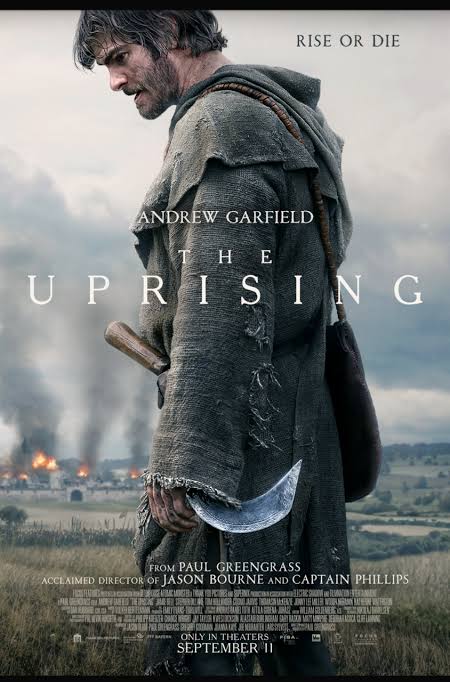
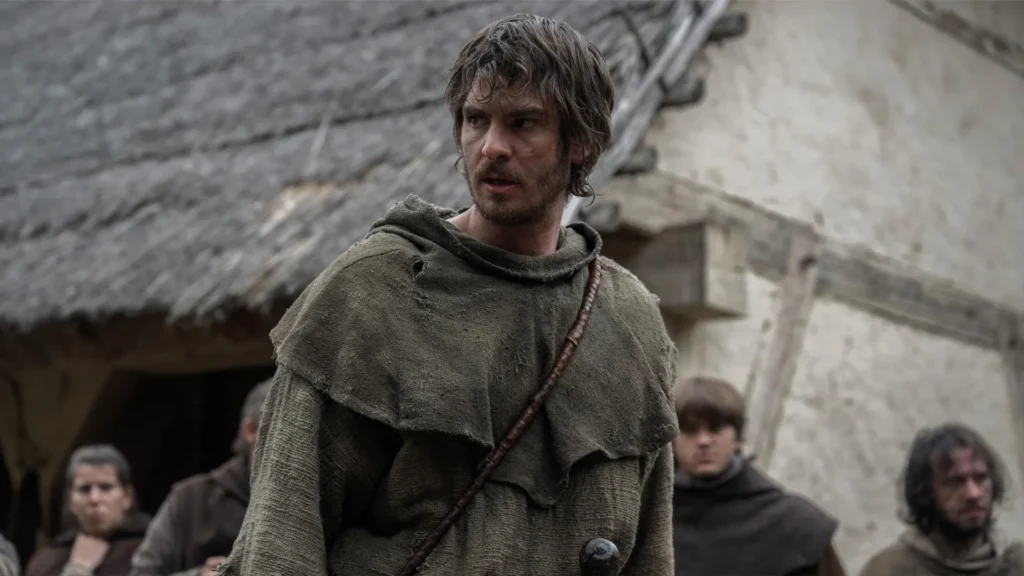
The Uprising arrived under some of the strangest marketing this legend has ever been subjected to, with Focus Features withholding the Robin Hood connection entirely until weeks before release, and the film itself spends a scene answering that confusion in the most literal way imaginable, having Andrew Garfield dramatically pull his hood up for no reason whatsoever except to claim the newest spot on the IP we have studied so closely in this article. That instinct to smack the audience on the nose is emblematic of the film’s broader problem, a refusal to trust viewers to arrive at anything on their own. The film is a very up-and-down experience overall, moving a mile a minute and giving you no time at all to process what’s happening, which leaves you unable to feel the emotion the characters onscreen are so clearly feeling. That said, a revolt storyline set in this era is always going to find an audience here, and the film does genuinely deliver on that front. The biggest gripe is technical, as the editing and cinematography are both remarkably dull for a film with this scale behind it, though the last ten minutes do rock pretty hard.
The Uprising was directed by Paul Greengrass and built around the true events of the 1381 Peasants’ Revolt, the real historical uprising that helped inspire the Robin Hood legend in the first place. The marketing pivot became a story of its own, with Focus Features only revealing the Robin Hood framing in the final weeks before release, a decision that confused audiences and generated more conversation about the campaign than the film. Garfield leads an ensemble including Jamie Bell, Thomasin McKenzie, and Tom Hollander, and Greengrass’s handheld, kinetic style is deployed here in service of medieval revolt rather than modern thriller. It arrived in the same year as A24’s The Death of Robin Hood, making 2026 the first year in decades with two major Robin Hood films competing directly. Its long-term standing will likely depend on whether audiences come around to the historical-revolt framing or continue to view the whole project through the lens of its own confused rollout.
Conclusion
A century of Robin Hood films is essentially a century of Hollywood explaining itself. Douglas Fairbanks built the biggest set in the world to prove silent cinema could be an epic, Errol Flynn gave Technicolor its first true showcase, Disney turned the legend into a currency-restriction workaround and then into a fox, Richard Lester let Robin grow old because the 1970s let everyone grow old, Kevin Costner made him self-serious, Mel Brooks immediately made that self-seriousness the joke, and by 2018 the character had been reduced to franchise scaffolding so thoroughly that the industry needed nearly a decade to touch him again. What’s remarkable is how little the actual story has to change for any of it to work, since a man in a forest stealing from the powerful is flexible enough to become an adventure, a musical, a romance, a parody, a revisionist elegy, or whatever A24 is doing in 2026.
The best of these films, the 1938 Adventures and Robin and Marian above all, understand that the legend works because of what it lets you say about heroism rather than because of the heroism itself, and the worst of them treat it as intellectual property to be exploited rather than a story worth retelling. That two wildly different Robin Hood films arrived within months of each other this year, one a Greengrass historical revolt and the other an A24 meditation on death, suggests the character still has enough room in him to accommodate almost anything a filmmaker wants to bring. Robin Hood has now outlasted the silent era, the studio system, the New Hollywood revisionists, the ’90s blockbuster, and the franchise-building boom, and he will almost certainly outlast whatever comes next. The forest is still there, the sheriff is still corrupt, and someone will always want to tell that story again.