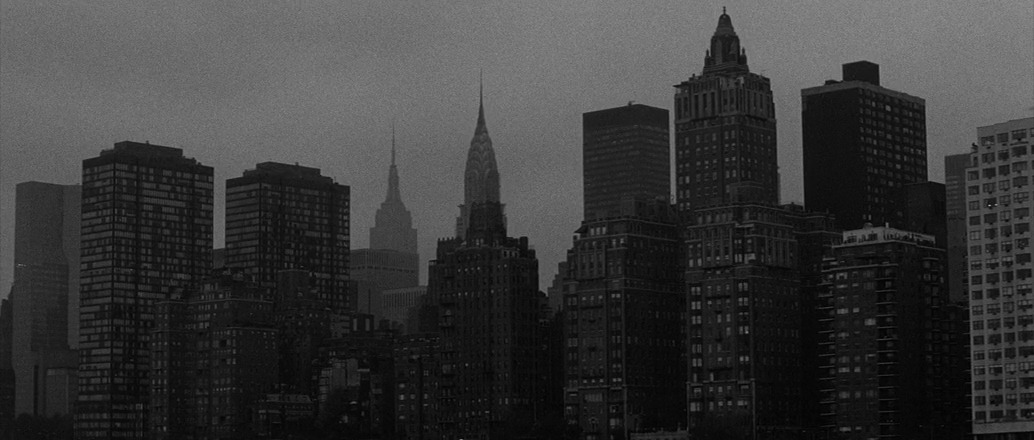
For nearly a century, no city in film history has been captured, romanticized, criticized, mythologized, and emotionally explored more than New York City. From harbor docks and Brooklyn street corners to glamorous penthouses, disco dance floors, chaotic nightlife, mafia families, and superhero skylines, New York has served as the cinematic backbone for some of the greatest films ever made. The city exists differently through every director’s lens, sometimes beautiful and romantic, other times hostile, violent, lonely, or overwhelming, yet always alive. Few locations in world cinema have ever carried the same emotional identity or cultural weight as New York, making films set there feel larger than simple stories and more like time capsules capturing entire eras of American life, politics, music, race relations, crime, romance, class struggle, and artistic ambition.
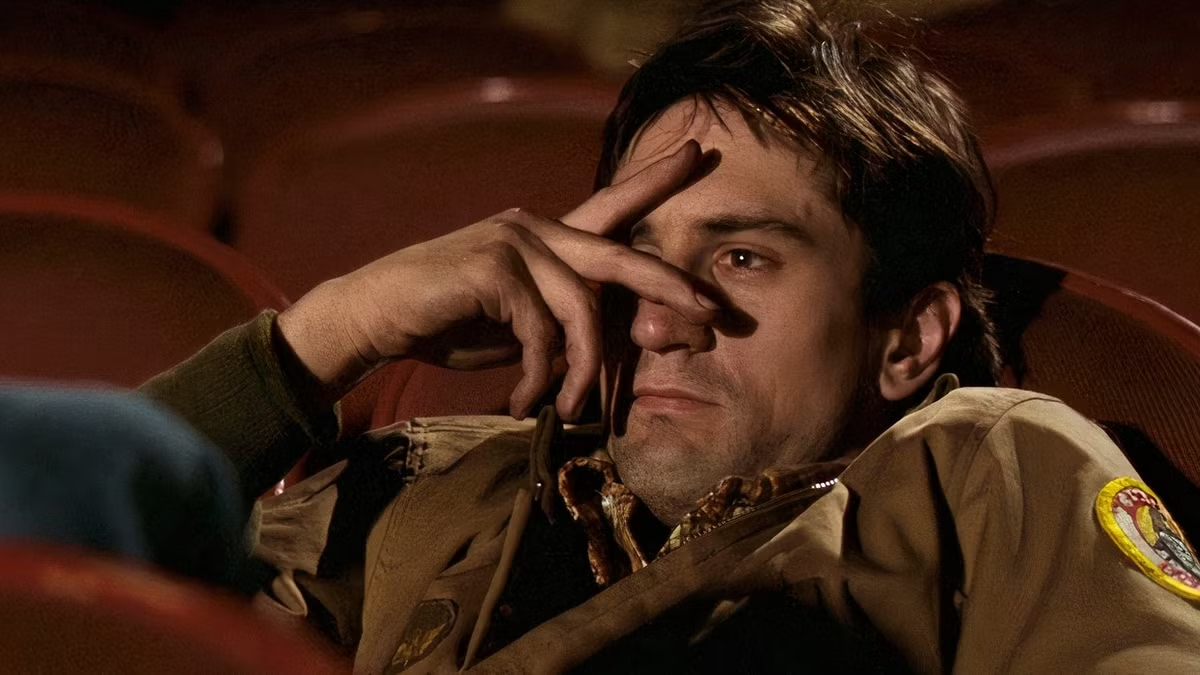
With Twilight Room preparing to cover the Tribeca Film Festival as press in the coming week, it felt fitting to revisit twelve films that helped define New York on screen across multiple generations of filmmaking. This list spans nearly fifty years of cinema history, moving from the moral corruption of On the Waterfront to the modern blockbuster heroism of Spider-Man, while exploring how filmmakers continuously reinvented the city’s cinematic identity decade after decade. One notable omission is Taxi Driver, a film whose influence on New York cinema and American filmmaking overall is simply too immense to ignore. However, with a special screening and conversation involving Martin Scorsese and Robert De Niro taking place during this year’s festival, it felt more appropriate to save discussion of that masterpiece for our upcoming Tribeca coverage rather than include it here. Whether these films portray New York as a dream, a nightmare, a playground, or a prison, each one helped shape the mythology of the city in cinema while standing as an essential piece of film history in its own right.
On the Waterfront
89.9/100 - 1954 - Elia Kazan
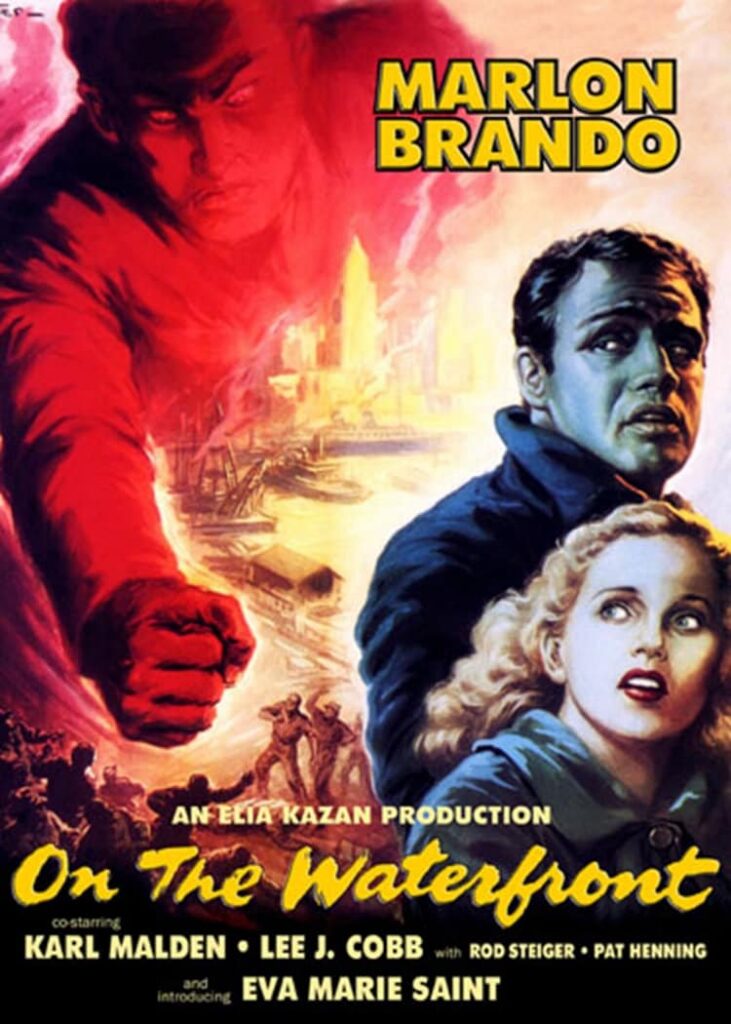
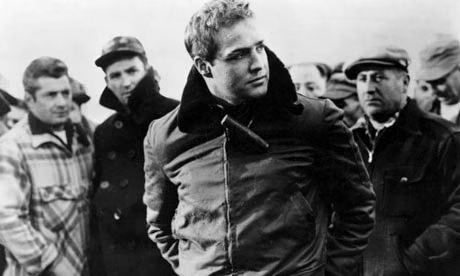
To kick off this list of the best New York films, we begin with one of the most influential New York–set films ever made. Though ranked slightly lower than some of its predecessors, On the Waterfront uses its slower pace and heavier 1950s dramatic structure to deliver a more harbor-focused
perspective on New York, in contrast to the modern urban crime films that typically define the city on screen. Director Elia Kazan creates an incredibly grim and morally conflicted version of the New York/New Jersey waterfront, presenting the docks as a world completely controlled by fear, silence, corruption, and violence from gangsters to union workers. It’s the beginning of method acting as Marlon Brando delivers the defining performance of the film as Terry Malloy, bringing the emotional vulnerability and realism to a character trapped between loyalty to gangsters and his growing conscience and love. The film stands out less for action or spectacle and more for its atmosphere. performances , and emotional tension, especially through conversations between Terry and Edie that slowly expose Terry’s guilt and desire for redemption. Even though later films on this list rank among the greatest ever made, many of them more stylistically ambitious, On the Waterfront remains foundational for how it helped establish the blueprint for morally conflicted urban dramas centered on crime, labor corruption, and personal responsibility, earning it an 88/100 from TwilightRoom.
Breakfast At Tiffany's
98.4/100 - 1961 - Blake Edwards
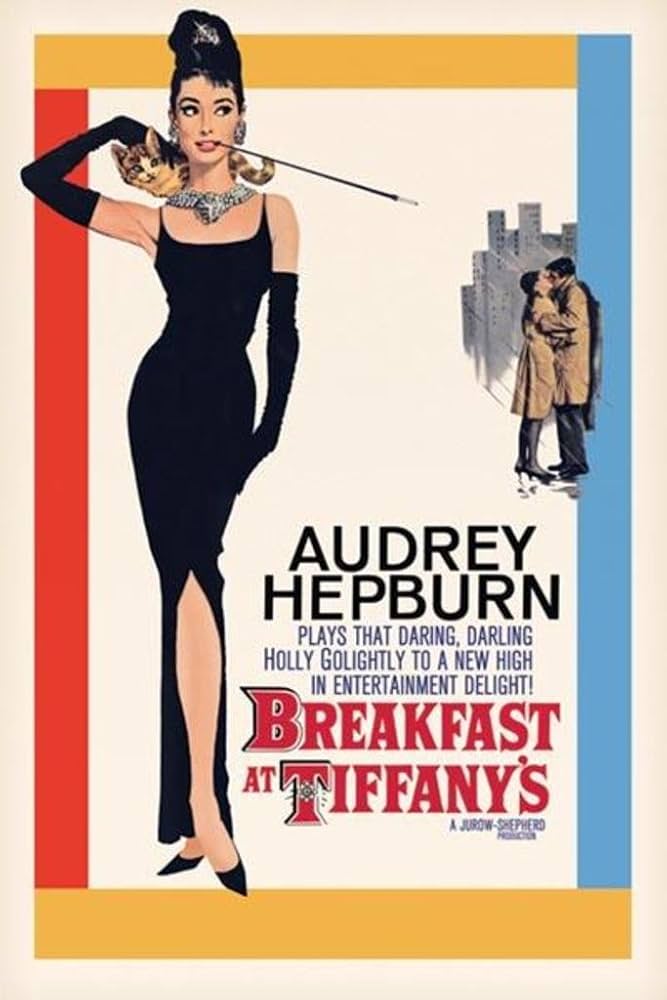
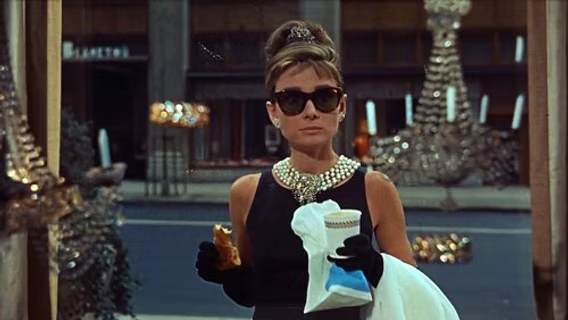
Jumping to the early 1960s, when color filmmaking had become more widespread, we arrive at one of my personal favorite films ever made: the visually stunning and culturally
defining Breakfast at Tiffany’s. The film earns a near-perfect score for how completely it romanticizes Manhattan while quietly exploring loneliness, instability, and emotional isolation beneath its glamour and elegance, solidifying its place as the greatest romantic comedy ever made. Directed by Blake Edwards, the film presents perhaps the most idealized cinematic version of New York city ever put to screen through technicolor, transforming apartments, brownstones, parties, cafes, rainy streets, and the Tiffany storefront windows into dreamlike images of upper class sophistication and urban fantasy. Audrey Hepburn’s performance as Holly Golightly became one of the most iconic performances in film history, with the black dress, sunglasses, cigarette holder, and emotional vulnerability underneath Holly’s confident socialite persona turning the character into a permanent icon of New York fashion and cinematic elegance. The chemistry here between Holly and Paul Varjak is easily one of the film’s greatest strengths, as their relationship slowly evolves from playful curiosity into something far more emotionally complicated, with Pual gradually realizing Holly’s glamorous lifestyle is largely a defense mechanism hiding fear, loneliness, and an inability to emotionally commit to stability.
The film’s use of color, music, skyline photography, and nighttime Manhattan imagery is flawless, creating one of the most romantic and warm atmospheres in classic Hollywood cinema while simultaneously exposing the emotional emptiness hidden beneath upper-class social glamour. Henry Mancini’s “Moon River” became one of the most iconic songs ever attached to a motion picture, winning the Academy Award for Best Original Song and helping define the film’s bittersweet emotional identity alongside its dreamy depiction of Manhattan life. Both a major critical success and a certified Old Hollywood classic with five Oscar nominations, Breakfast at Tiffany’s remains one of the most influential New York films ever made and a personal favorite, helping establish the cinematic blueprint for glamorous Manhattan romance while proving that some of the city’s most beautiful stories are ultimately about loneliness and emotional searching, earning a 98/100 from TwilightRoom.
Midnight Cowboy
82.0/100 - 1969 - John Schlesinger
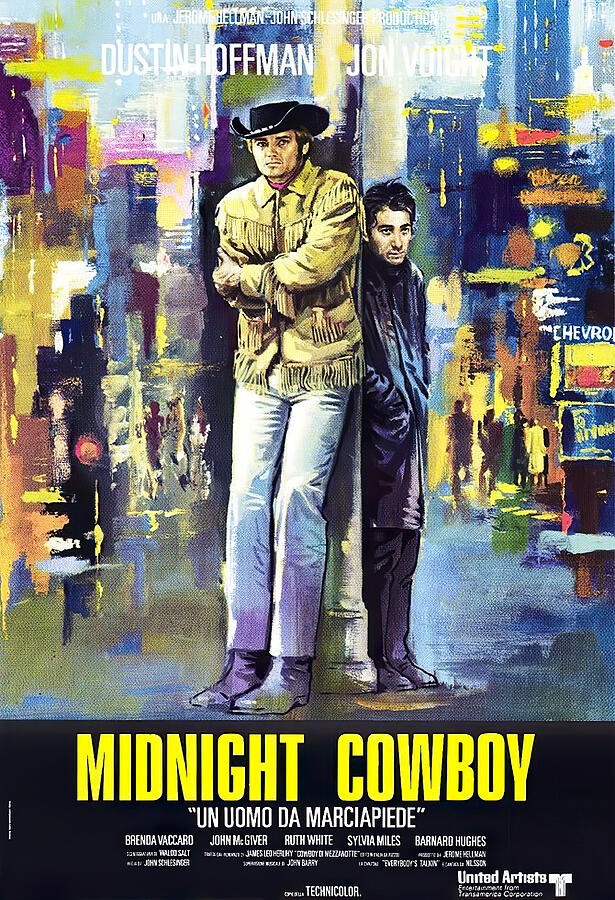
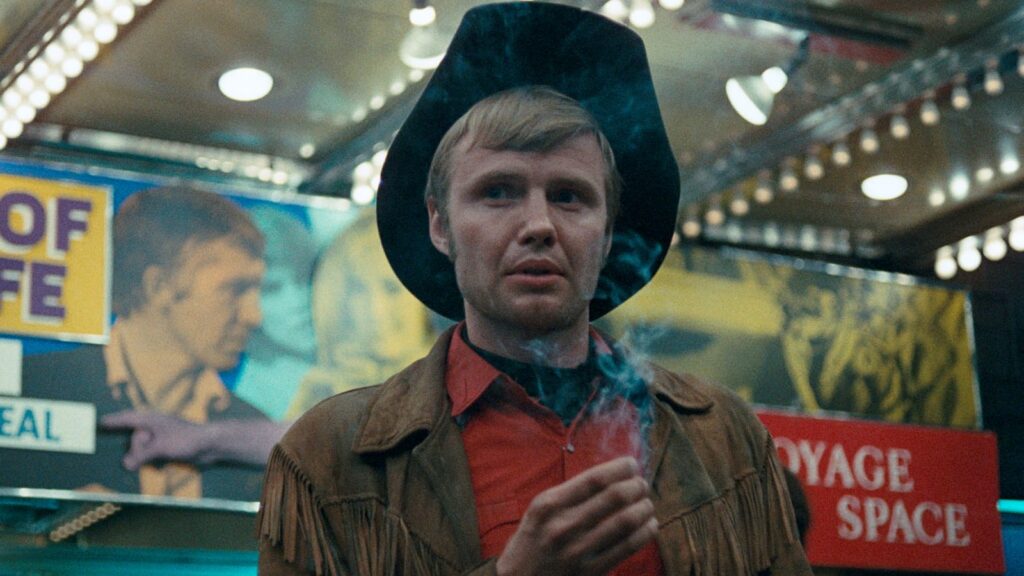
Jumping eight years ahead to the late 1960s, just before the boom of New York–set dramas, Midnight Cowboy emerges as one of the bleakest and most emotionally raw films set in the city. It stands as an essential work of 1960s American cinema,
defined by its New Hollywood–era fragmented pacing and intentionally uncomfortable atmosphere, in contrast to the more immersive portrayals of New York that would follow. Directed by John Schlesinger, the film follows naïve Texas drifter Joe Buck (Jon Voight), who arrives in New York as a cowboy out of water, dreaming of becoming wealthy through relationships with rich women. Accompanied by a distinctly Western-leaning soundtrack, his journey creates a striking fusion of outsider mythmaking and gritty urban realism. The early sections of the film establish a strong clash of genres as Joe wanders through noisy Manhattan streets, penthouses, hotels, and nightlife culture while slowly realizing the glamorous version of New York he imagined barely exists beneath the city’s poverty and emotional emptiness. Joe forms a relationship with conman Ratso Rizzo, played by Dustin Hoffman, which becomes the emotional core of the film. The two survive together through scams, theft, and desperation, gradually forming one of the most tragic and emotionally powerful friendships of the New Hollywood era.
The film’s portrayal of Times Square, abandoned buildings, sexual exploitation, urban decay, and social alienation helped establish the blueprint for later New York films centered on the city’s darker psychological atmosphere. In contrast to the romanticized Manhattan of Breakfast at Tiffany’s or Manhattan, it presents a version of the city that feels intent on destroying people both emotionally and financially. As Joe Buck is the antithesis of New York, the film Midnight Cowboy is the antithesis of the love for New York in film during the 1960s and 1970s, a brutal reality. As one of the defining films of the New Hollywood era, Midnight Cowboy uses gritty street photography, fragmented editing, morally complicated characters and controversial subject matter to reflect the changing realism of late-1960s American filmmaking in what still feels bold and uncomfortable decades later. Despite its controversial X rating, the film became a major critical success as the first of its kind to win Best Picture, launching Jon Voight into stardom and further cementing Dustin Hoffman’s legacy. It also serves as a powerful counterpoint to the romanticism found elsewhere on this list, dismantling that illusion rather than reinforcing it. While perhaps not the best film included here, it remains one of the most important, earning an 82/100 from TwilightRoom.
The Godfather
99.9/100 - 1972 - Francis Ford Coppola
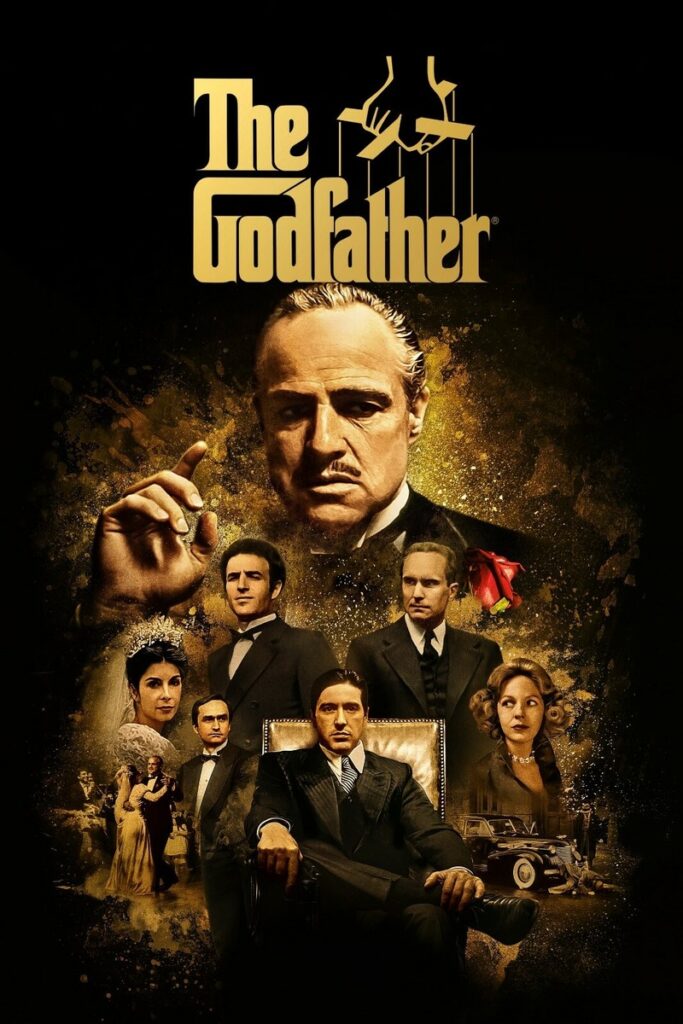
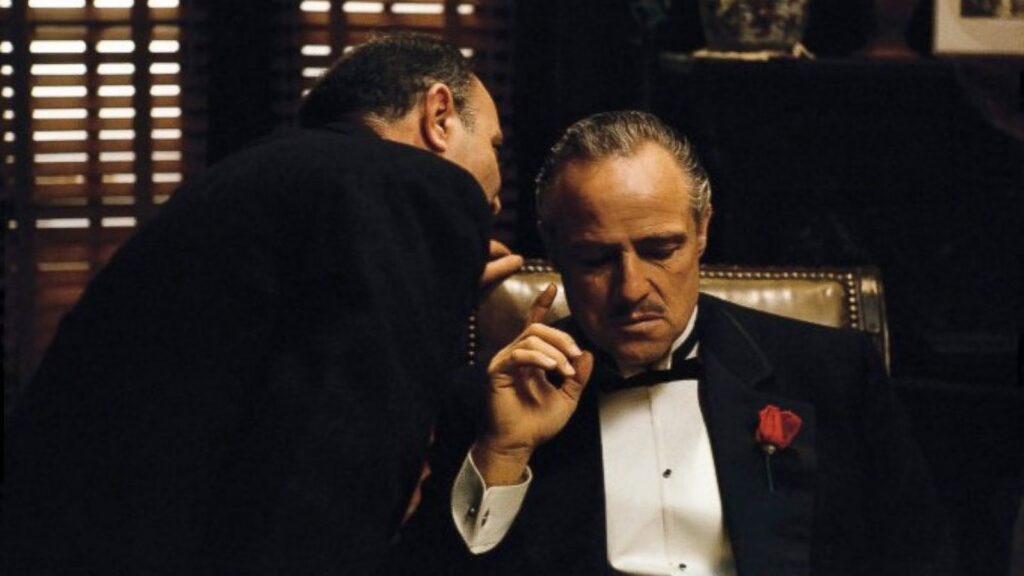
Leaving the innocence of the early 60s and the troubles of the late 60s behind, our next film commonly considered the greatest film ever made and unquestionably one of the defining achievements of American Cinema, The Godfather
earns as close to a perfect rating as possible from Twilight Room for how masterfully it blends family drama with gangster mythology, the American Dream, and political commentary, resulting in one of the most emotionally immersive films ever created. Directed by the great Francis Ford Coppola, the film became the first gangster film in this New York ranking and completely transformed how organized crime stories were portrayed in Hollywood, replacing the simpler shootout-driven gangster ideals of earlier decades, also starring Marlon Brando, with a new operatic storytelling focused on power, legacy, immigration, capitalism, and family loyalty. The film’s portrayal of Italian-American life and mafia culture helped create the modern cinematic image of the New York crime family, using large weddings, restaurants, political meetings, churches, and neighborhood traditions to make the Corleone family feel both deeply authentic and mythological at the same time. Marlon Brando’s performance as Vito Corleone represents one of the most fascinating evolutions in film history when compared to his role in On the Waterfront—transforming from the vulnerable, emotionally broken dockworker Terry Malloy into one of the most intimidating and powerful patriarchs ever put on screen.
The film also marks Al Pacino’s first appearance on this list, with his transformation from the quiet war hero Michael Corleone into a cold, calculating mafia leader standing as one of the greatest character arcs in cinema history and immediately establishing Pacino as one of the defining actors of both this list and the medium itself. Visually, The Godfather redefined the look of gangster cinema through Gordon Willis’s shadow-heavy cinematography and warm, dimly lit interiors, creating an atmosphere that feels simultaneously beautiful, tragic, and dangerous. It captures a version of New York City stripped of vibrant color, replacing it with political corruption, immigrant ambition, and the pursuit of power. As both a massive critical and commercial success, The Godfather won Best Picture and redefined the gangster genre, inspiring countless crime epics that appear on this list and cementing itself not only as one of the greatest New York films ever made, but as one of the top 15 films of all time according to TwilightRoom, earning a 99/100.
Dog Day Afternoon
98.2/100 - 1975 - Sidney Lumet
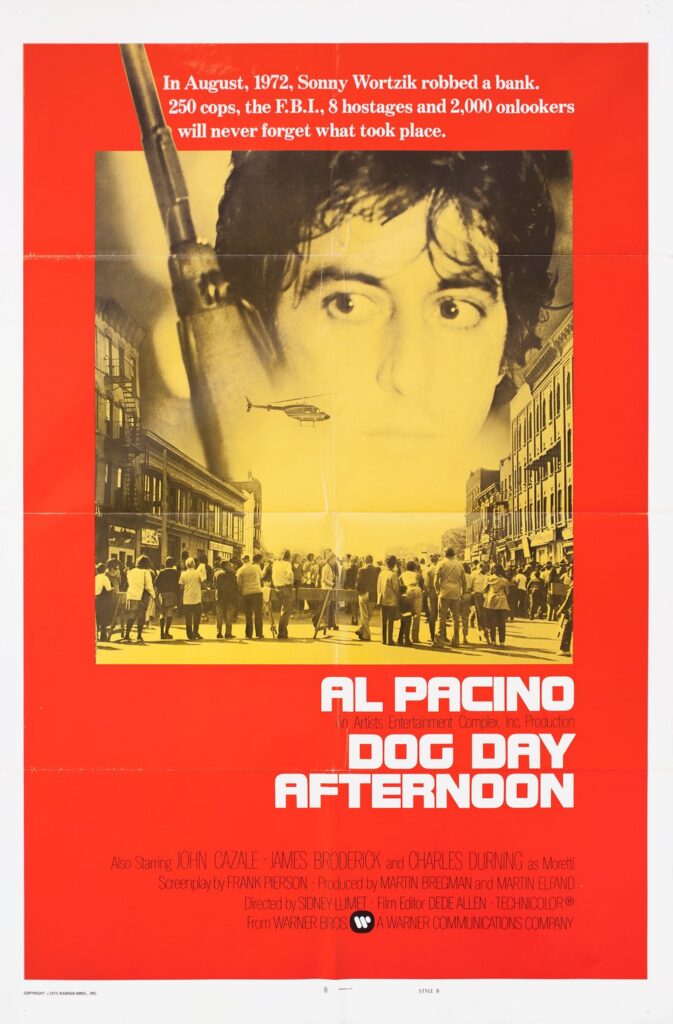
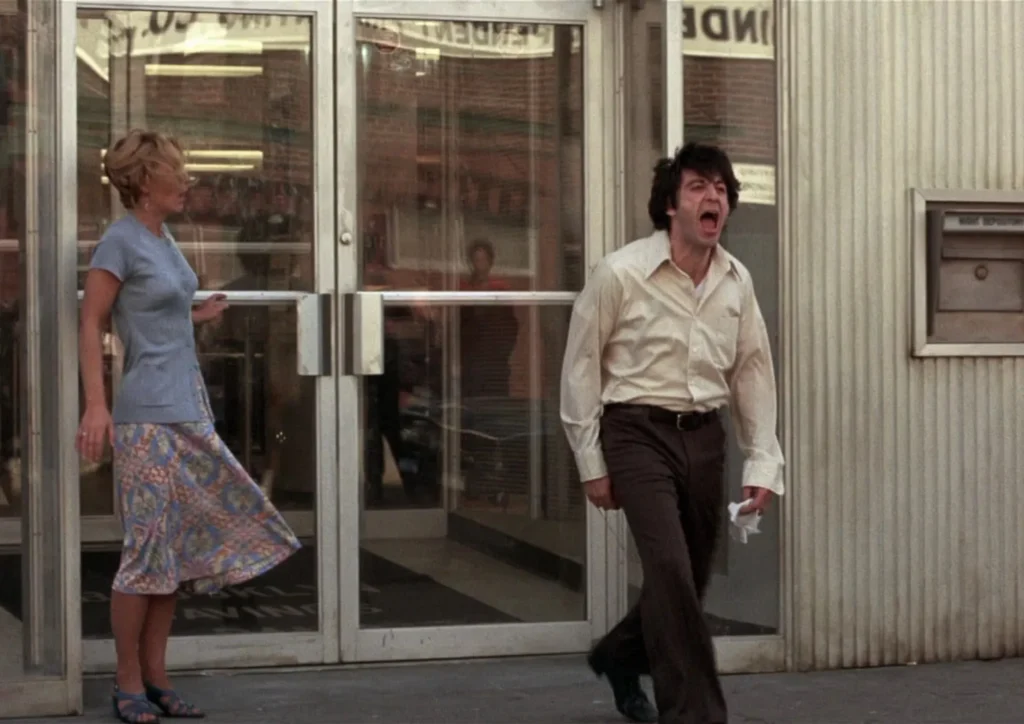
One of the most emotionally exhausting, chaotic, and deeply human New York films ever made, the next entry on this list, Dog Day Afternoon, was released in the mid-1970s and is widely regarded as one of the greatest films ever made.
It brilliantly transforms a simple true-story bank robbery into a layered exploration of desperation, media spectacle, police tension, and the collapse of the American Dream in 1970s New York City. Widely considered Sidney Lumet’s best work alongside Network and 12 Angry Men, the film immediately establishes a sweaty, overheated atmosphere as Sonny (Al Pacino, in arguably his finest performance) and Sal (John Cazale) attempt to rob a local Brooklyn bank, only to quickly find themselves trapped inside, surrounded by hundreds of police officers, media cameras, and screaming crowds. Pacino may be at his absolute best here, with his portrayal of Sonny standing as one of the greatest performances ever put to screen. He presents him less as a traditional criminal and more as a deeply conflicted, emotionally collapsing man pushed into an impossible situation by financial desperation, personal instability, and the need to pay for his partner’s gender-affirming surgery.
What makes Dog Day Afternoon so extraordinary is how the hostage situation slowly evolves into something strangely intimate and human, with Sonny becoming an unlikely negotiator and emotional center while the hostages gradually begin understanding his humanity rather than simply fearing him, even holding and playing with his gun when he needs his hands free. Lumet’s semi-documentary filmmaking style, real New York street locations, crowded camerawork, and constant background noise create one of the most authentic depictions of 1970s New York ever put on film, capturing the city’s oppressive heat like few others until Do the Right Thing. It renders police hostility, working-class frustration, and the media’s obsession with public spectacle in almost suffocating detail. The film becomes increasingly politically complex as it unfolds, exploring many of the era’s most pressing tensions—police brutality, anti-establishment anger, public distrust of authority, queer identity, media sensationalism, and economic desperation. Moments like the legendary “Attica! Attica!” chant instantly tie the film to real New York political history and a broader sense of public resentment toward law enforcement. Both a major critical and commercial success, with six Academy Award nominations and a win for Best Original Screenplay, Dog Day Afternoon remains one of the finest New York films ever made and a career-defining performance for Pacino. It functions simultaneously as a hostage thriller, social commentary, media satire, and queer character study in a way only Lumet could orchestrate, solidifying its place as the greatest urban pressure-cooker film ever made and earning a 98/100 from TwilightRoom.
Saturday Night Fever
85.7/100 - 1977 - John Badham
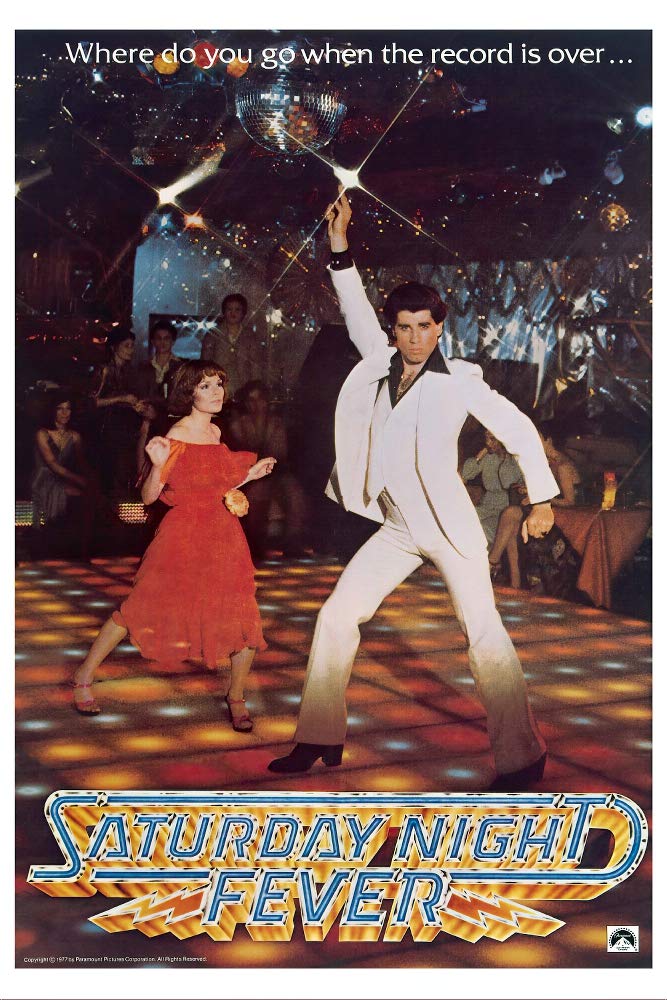
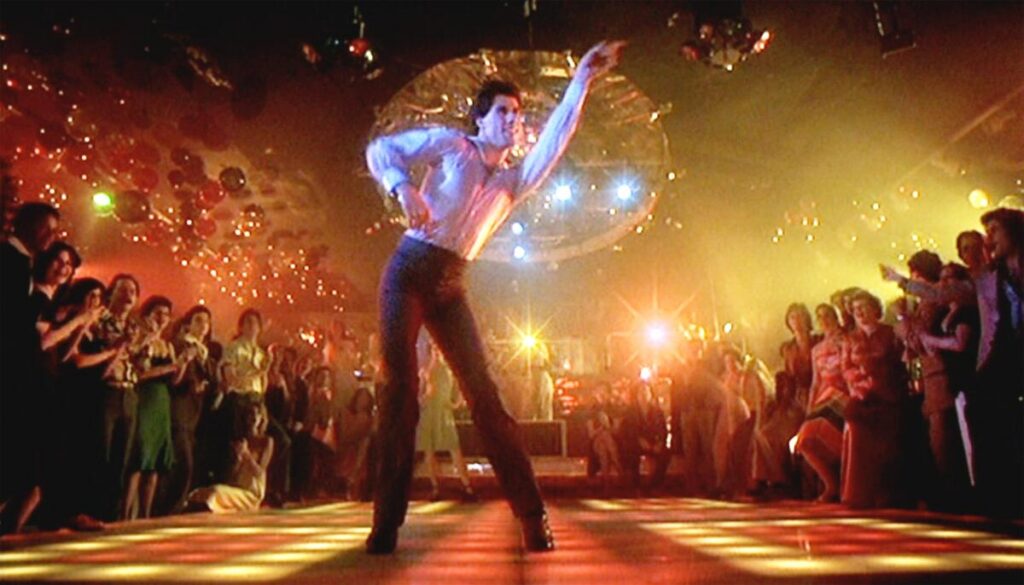
One of the most culturally influential New York films ever made, Saturday Night Fever continues our journey through the 1970s, capturing the energy, nightlife, music, and working-class atmosphere of 1970s Brooklyn’s disco scene while
building toward a darker ending that subverts audience expectations. Directed by John Badham the film follows Toney Manero, played by John Travolta, a normal Brooklyn kid trapped in a repetitive working-class life who becomes a local celebrity every Saturday night through his dancing at the disco, creating a fascinating contrast between the harshness of everyday urban life and temporary fantasy of nightlife culture. The film immerses itself in the style and atmosphere of late 1970s New York through loud discos, vulgar humor, crowded streets, sexual tension, alcohol, drugs, and Brooklyn nightlife culture, while also exploring the pressure Tony faces regarding his future—from family expectations and ideas of masculinity to the fear of remaining trapped in the same cycle. Tony’s evolving romance and friendship with Stephanie becomes the real interest here and the emotional backbone of the film, as her more refined worldview slowly pushes him to see life beyond disco culture and casual partying, creating a surprisingly meaningful connection between two people trying to escape different forms of dissatisfaction within the city.
While the film is widely remembered for its dancing and pop-culture iconography, it reveals a far darker and more emotionally complex core, exploring toxic masculinity, racism, class frustration, emotional immaturity, and the feeling of being trapped in outer-borough Brooklyn life despite constantly dreaming of something bigger. Visually and culturally, the film became one of the defining portrayals of Brooklyn ever put on screen, focusing on neighborhoods, bridges, dance clubs, and working-class communities rather than glamorous Manhattan locations, while the legendary Bee Gees soundtrack helped propel disco into mainstream global popularity. The film was a critical and commercial success that launched John Travolta into stardom, earning him an Academy Award nomination for Best Actor and later being preserved in the National Film Registry. It stands today as one of the essential New York films of the 1970s, holding its place among the era’s most memorable works and earning an 85/100 from TwilightRoom.
Manhattan
96.0/100 - 1979 - Woody Allen
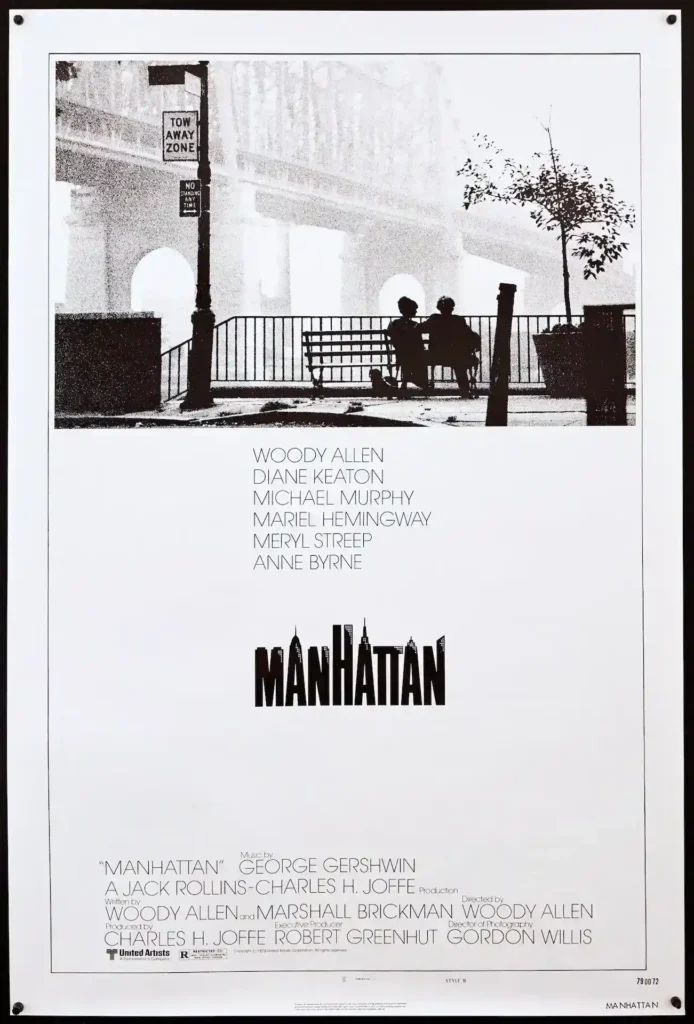
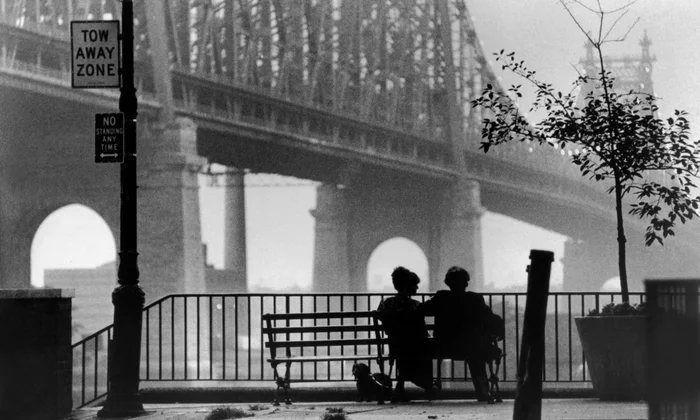
One of the most visually beautiful and emotionally reflective New York films ever made, Manhattan closes out our journey through the 1970s, transforming the city into both a romantic fantasy and an emotionally isolating space defined by
intellectualism, art, and complicated relationships. Directed by Woody Allen, the film established itself as a love letter to Manhattan through its legendary black-and-white opening montage, George Gershwin score, and elegant cinematography, creating one of the most iconic opening sequences in film history while presenting the city almost like a dream. The story follows Isaac as he navigates divorce, artistic dissatisfaction, aging, and increasingly unstable relationships, between the younger Tracy and the far more emotionally complicated Mary, creating a layered portrait of romantic insecurity, emotional selfishness, and neurotic confusion that reflects many of the defining themes in Allen’s work. Much of the film’s emotional strength comes from its dialogue-driven structure and quieter, conversational scenes, allowing apartments, restaurants, museums, parks, and late-night city streets to become emotional extensions of the characters themselves, while its true appeal lies in how deeply New York shapes their identities.
Gordon Willis’ cinematography remains some of the most influential photography ever put to screen, particularly through the widescreen black and white imagery and legendary skyline moments like the Queensboro Bridge bench scene, helping to create one of the most romanticized portrayals of a director in love with New York on this list. Released in 1979 during the most important decade in New York filmmaking, the film stood apart by focusing less on crime and urban decay and more on romance, philosophy, emotional dissatisfaction, and artistic identity within the city. Manhattan remains another personal favorite of Twilight Room and one of the most defining films in New York history, influencing later city-centered romantic dramas and inspiring generations of filmmakers to capture the loneliness, beauty, emotional chaos, and mythology of New York in similarly intimate ways, earning a 96/100 from TwilightRoom.
After Hours
93.4/100 - 1984 - Martin Scorsese
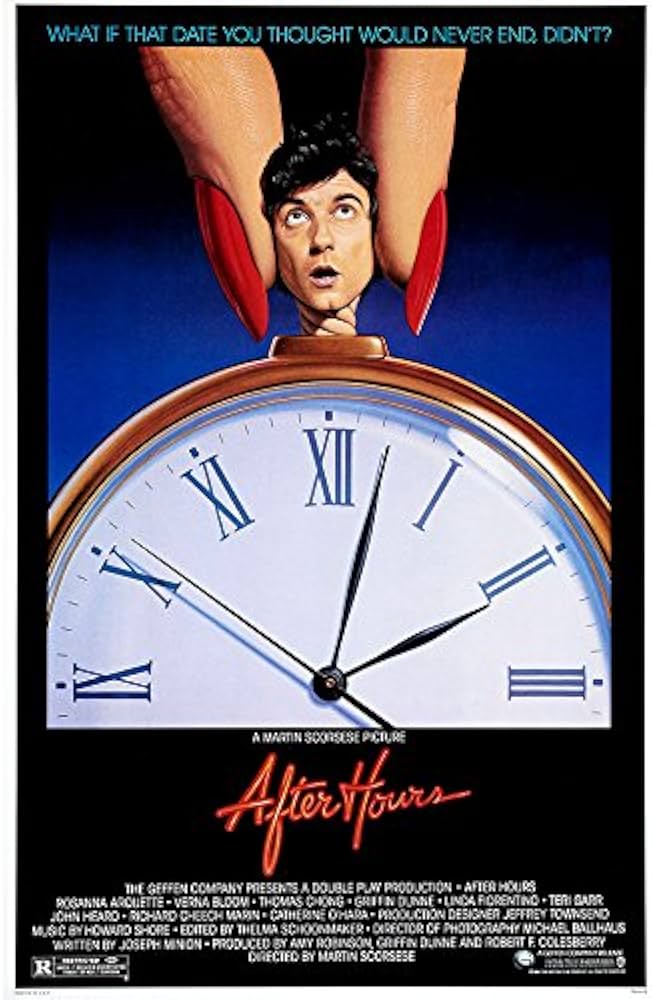
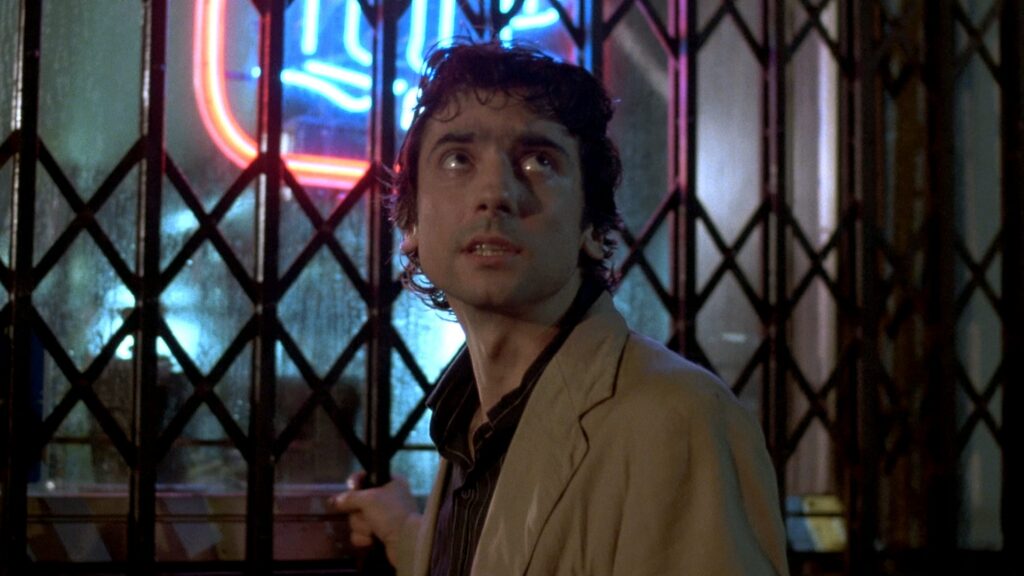
Released in 1985, the first 1980s film on the list comes from a familiar voice: After Hours, one of the strangest and most uniquely entertaining New York films ever made, transforming downtown Manhattan into a surreal late-night
nightmare where one ordinary evening spirals completely out of control. Directed by Martin Scorsese, the film follows quiet office worker Paul Hackett, played by Griffin Dunne, after a random encounter at a diner leads him downtown into a night filled with eccentric artists, strange apartments, suspicious strangers, paranoia, and increasingly absurd coincidences. What begins as a simple attempt at romance quickly mutates into a full psychological collapse as Paul finds himself trapped inside a version of Manhattan that feels alive, hostile, and impossible to escape. The empty rainy streets, neon-lit bars, loft apartments, and chaotic Soho nightlife create one of the most memorable depictions of New York after dark ever put on screen, presenting the city less as a glamorous urban fantasy and more as a fever dream fueled by anxiety and unpredictability. Unlike Scorsese’s more violent and crime-driven New York films like Goodfellas, After Hours approaches the city through dark comedy, paranoia, coincidence, and escalating social discomfort, allowing the entire night to feel simultaneously hilarious and deeply unsettling. The film’s fast pacing, expressionistic lighting, and increasingly bizarre chain of events slowly push Paul into becoming a hunted figure blamed for crimes and deaths he barely understands, creating one of the definitive “one crazy night in New York” stories in cinema history. Initially receiving strong critical acclaim, with Scorsese winning Best Director at the Cannes Film Festival, After Hours has since grown into one of the most beloved cult films about New York nightlife. It stands as one of Scorsese’s most stylistically experimental and underrated works—a film that has only grown in reputation over time—earning a 93/100 from TwilightRoom.
Do The Right Thing
100/100 - 1985 - Spike Lee
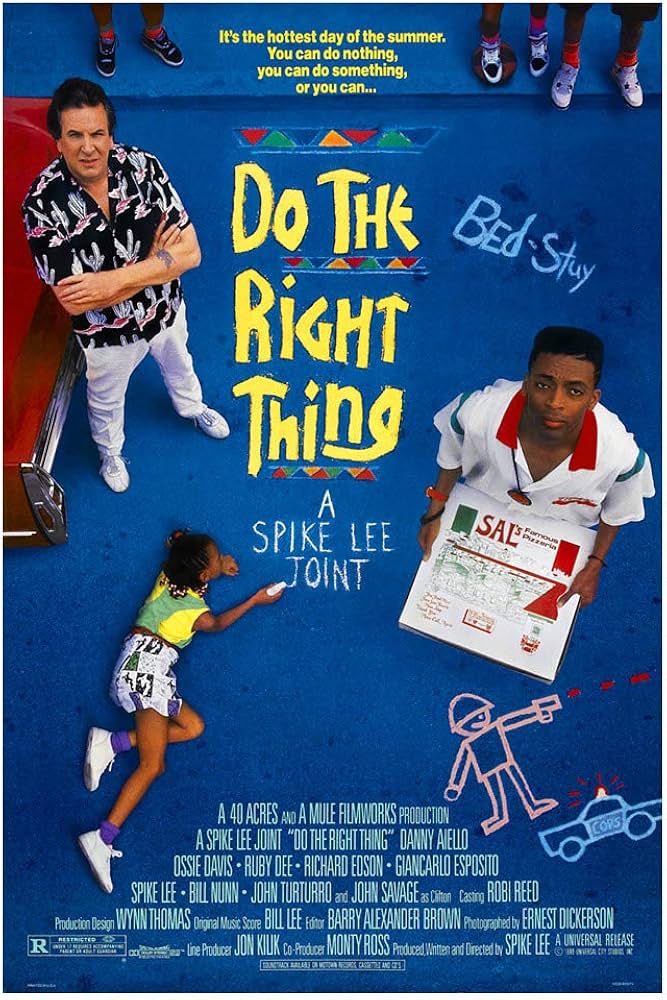
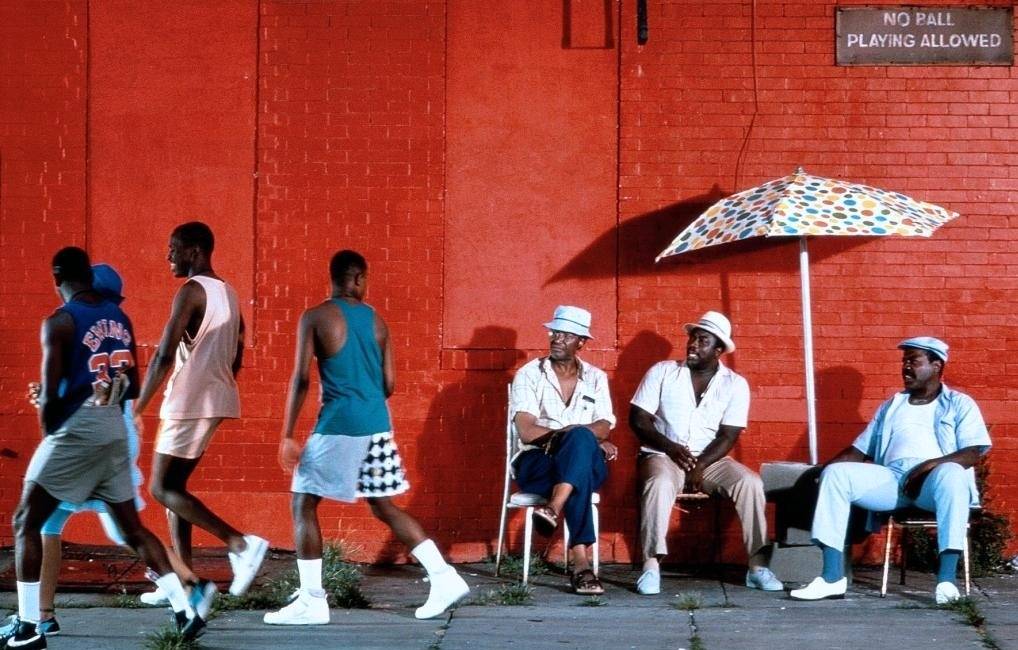
Fast forward twenty years from the moral corruption and gangster chaos that defined earlier entries on this list to the hottest day in Brooklyn during the summer of 1989, where Do the Right Thing explodes onto the screen as not only the
defining film of Spike Lee’s career, but also one of the most important and impactful New York films ever made. Set almost entirely within a single Brooklyn neighborhood simmering under unbearable heat, racial tension, loud music, and community frustration, the film slowly builds toward one of the most unforgettable climaxes in cinema history through what initially feels like a deceptively simple conflict involving a local pizza shop refusing to place Black figures on its wall of fame. What makes the film so extraordinary is how Spike Lee transforms a seemingly small disagreement into a sweeping conversation about race, justice, anger, police violence, Black liberation, and the conflicting philosophies embodied in the film’s repeated comparisons between Malcolm X and Martin Luther King Jr. The film is provocative by design, especially during its legendary finale driven by Public Enemy’s “Fight the Power,” a phrase that becomes both the emotional release and political centerpiece of the story. Yet what elevates Do the Right Thing beyond pure political commentary is how alive and entertaining the neighborhood itself feels throughout the film. Spike fills every corner of Brooklyn with humor, culture, personality, music, and warmth, allowing the audience to genuinely care about the people living there before tensions erupt into tragedy. The snappy dialogue, vibrant cinematography, incredible ensemble performances, and smooth jazz-influenced score make the film endlessly rewatchable while still remaining deeply uncomfortable and conversation-starting decades later. Do the Right Thing stands as one of the defining American films of the twentieth century, proving cinema could simultaneously entertain, educate, challenge, and inspire while forever changing the cultural and political possibilities of New York filmmaking, earning a perfect 100/100 from the TwilightRoom.
Goodfellas
98.5/100 - 1990 - Martin Scorsese
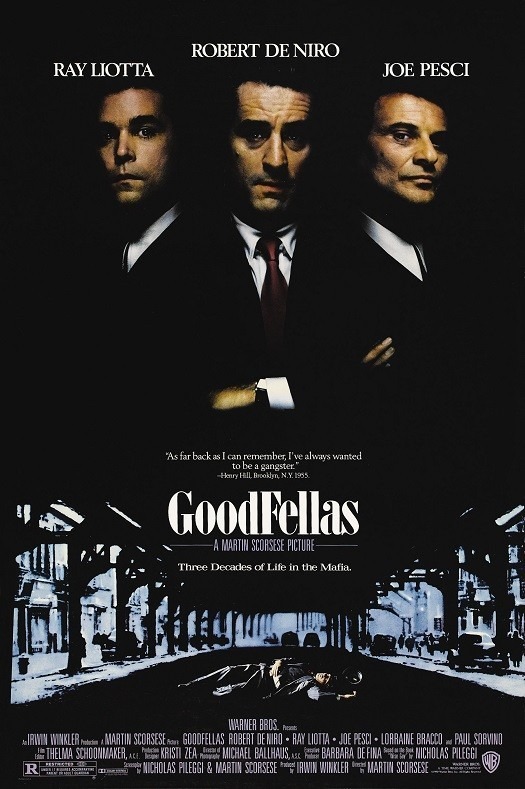
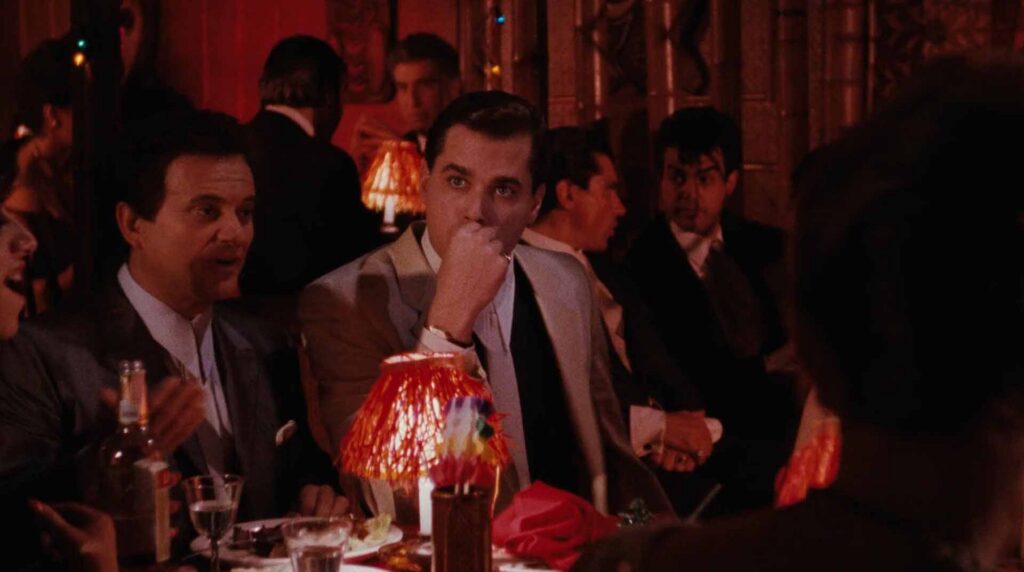
Released in 1990, during the final years of the great New York gangster film era, Goodfellas stands as not only one of the defining crime films ever made, but also the purest expression of Martin Scorsese’s filmmaking identity and his obsession
with organized crime culture in New York City. Told through the perspective of Henry Hill, played by Ray Liotta, the film immediately pulls the audience into a world built on money, loyalty, status, violence, and power, functioning less as a traditional cautionary tale and more as a complete seduction into the gangster lifestyle. Scorsese’s restless camera movement, rapid editing, narration, and legendary soundtrack choices give the film nonstop momentum, transforming crime into energy and making every scene feel alive with danger and excitement. Sequences like the iconic Copacabana tracking shot remain some of the most influential moments in film history, redefining how style, status, and cinematic movement could communicate emotion without dialogue. The performances throughout are extraordinary, particularly Joe Pesci’s terrifying and explosive turn as Tommy DeVito, alongside Robert De Niro’s colder, more restrained presence looming over the criminal world. As the film progresses, however, the glamour and confidence of organized crime slowly collapse into paranoia, addiction, betrayal, and fear, allowing Goodfellas to ultimately dismantle the gangster myth rather than simply celebrate it. Both a massive critical and commercial success, with six Academy Award nominations and a win for Pesci, the film remains one of the most influential American movies ever made, helping redefine modern gangster cinema while cementing itself as one of the greatest and most immersive portrayals of New York crime culture ever put on screen, earning a 98/100 from TwilightRoom.
A Bronx Tale
95.5/100 - 1993 - Robert De Niro
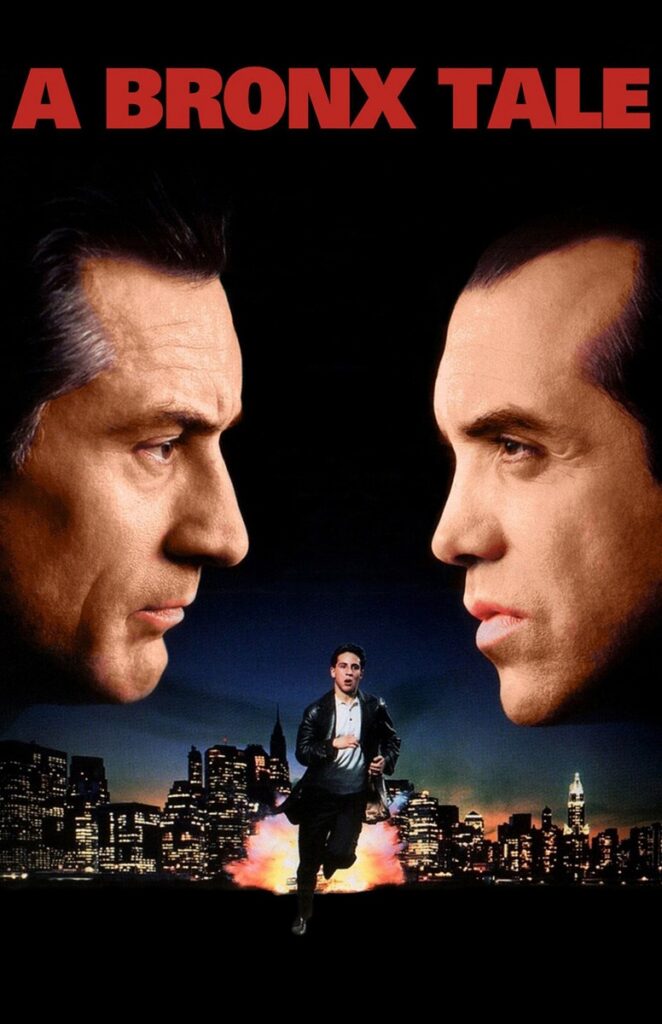
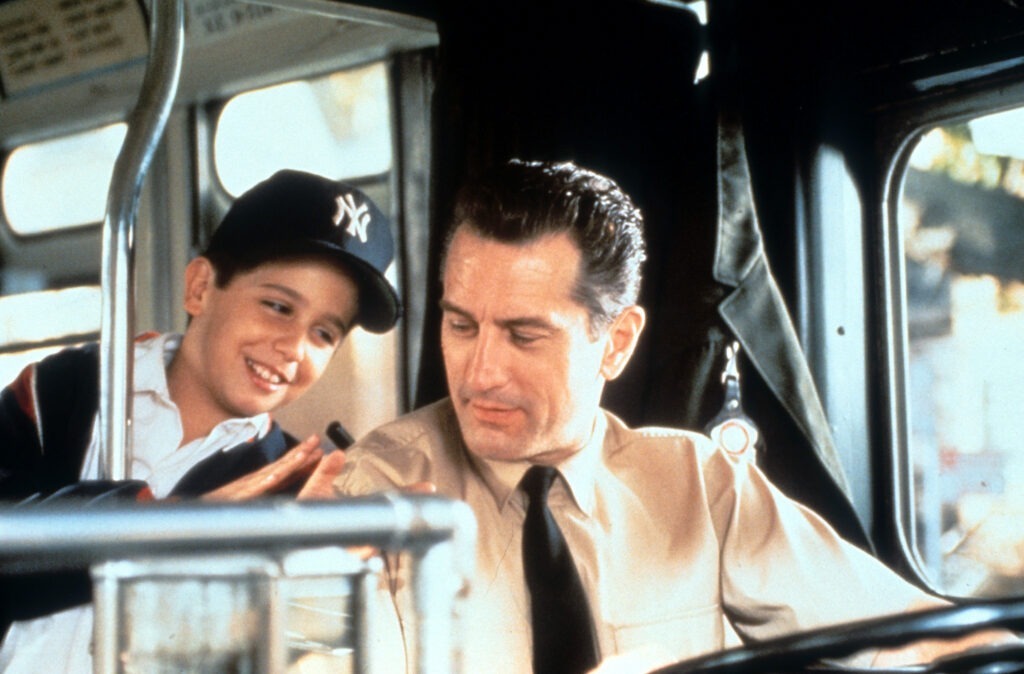
While A Bronx Tale may not carry the same overwhelming critical reputation as films like The Godfather or Goodfellas, it remains one of the most beloved and culturally recognizable New York gangster films helping pave the way for a new wave
of 1990s crime stories, especially among those who grew up around the neighborhoods and street culture it portrays. Directed by Robert De Niro in his directorial debut, the film feels deeply personal, using the Bronx of the 1960s not simply as a backdrop for organized crime, but as a coming-of-age environment where loyalty, masculinity, race, family, and morality constantly collide. De Niro’s presence alone gives the film a fascinating historical connection within New York cinema, as one of the actors who helped define the city’s identity on screen throughout the 1970s and 1980s now steps behind the camera to reflect on the evolution of the gangster genre entering the 1990s. Unlike the operatic power structures of The Godfather or the chaotic criminal excess of Goodfellas, A Bronx Tale feels smaller, warmer, and more nostalgic, focusing less on the mechanics of organized crime and more on how neighborhood influence shapes young men growing up around it. The relationship between honest bus driver Lorenzo and charismatic local gangster Sonny creates the emotional core of the film, presenting two competing visions of masculinity and success within the Italian-American New York experience. At the same time, the film captures the changing evolution of mafia storytelling during the 1990s, where gangster films became more reflective, emotional, and character-focused rather than purely centered around violence and criminal spectacle. Through its street-corner conversations, racial tension, neighborhood pride, and deeply human performances, A Bronx Tale ultimately stands as one of the most heartfelt and authentic portrayals of outer-borough New York life ever put on screen, remaining a lasting favorite within the city’s cinematic legacy decades later, and earning a 95/100 from the TwilightRoom.
Spider-Man
90.5/100 - 2002 - Sam Raimi

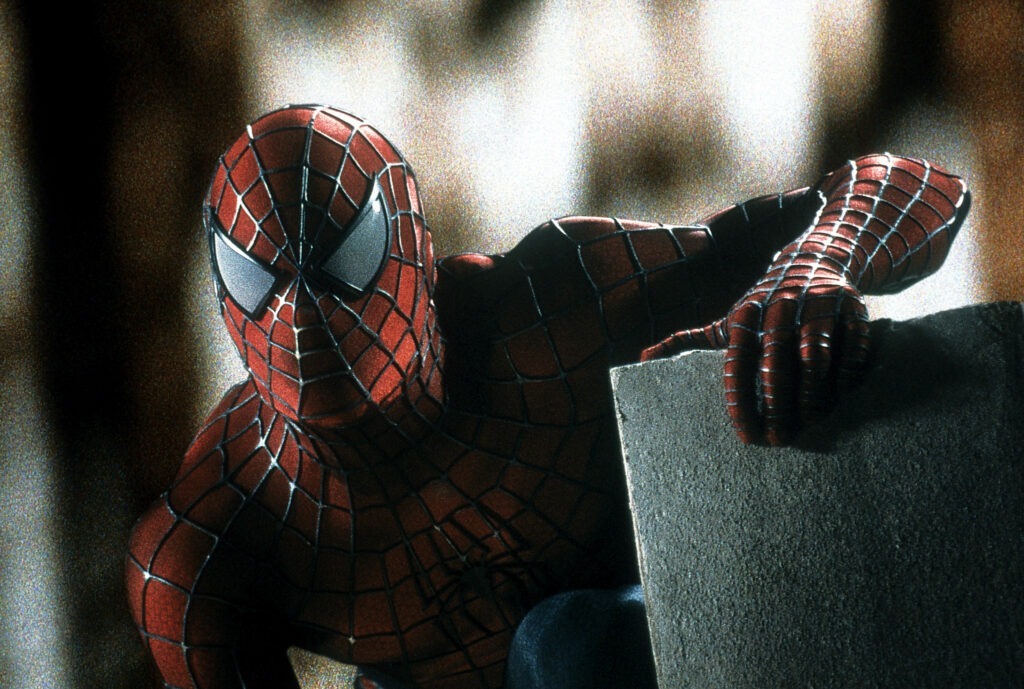
Released in 2002, the final film on this list marks a clear shift in tone, as Spider-Manemerges as both a major turning point for superhero cinema and one of the defining New York blockbusters of the modern era, proving that comic-book
films could balance emotional storytelling, character depth, spectacle, and a strong sense of city identity all at once. Directed by Sam Raimi, the film follows Peter Parker, played by Tobey Maguire, as an awkward Queens teenager whose life completely changes after being bitten by a radioactive spider, eventually forcing him to embrace the responsibilities and sacrifices that come with becoming Spider-Man. What makes the film so effective even decades later is how grounded and human Peter feels, with Maguire delivering a far more emotional and vulnerable performance than many remember, especially as Peter struggles with loneliness, confidence, love, grief, and the pressure of trying to help others while barely understanding himself. At the same time, Willem Dafoe delivers one of the great comic-book villain performances as Norman Osborn slowly descends into madness as the Green Goblin, creating a surprisingly tragic and psychologically unstable antagonist whose relationship to Peter gives the film much of its emotional weight. Raimi frames the story as deeply tied to New York City itself, emphasizing Queens neighborhoods, crowded streets, rooftops, subways, alleyways, newspapers, and ordinary working-class life in a way that makes Spider-Man feel inseparable from the city around him. Arriving shortly after 9/11, the film’s themes of resilience, unity, and collective New York pride resonated enormously with audiences, particularly through moments emphasizing community and ordinary people standing together in defense of one another. Beyond simply being one of the greatest superhero origin stories ever made, Spider-Man helped redefine what comic-book films could emotionally accomplish, grossing over $800 million worldwide while establishing Spider-Man as perhaps the single most iconic cinematic symbol of New York in modern popular culture, earning this film a 90/100 from the TwilightRoom.
Conclusion
What makes New York such a powerful cinematic setting is not simply its appearance, but its ability to constantly evolve while still remaining instantly recognizable. Across every film on this list, the city changes completely depending on the filmmaker behind the camera. In Breakfast at Tiffany’s and Manhattan, New York becomes romantic and elegant, glowing through music, skyline photography, and emotional longing. In films like Midnight Cowboy, Dog Day Afternoon, and Do the Right Thing, it becomes exhausting, overheated, politically unstable, and emotionally volatile. Meanwhile, Goodfellas, The Godfather, and A Bronx Tale transform the city into the center of American gangster mythology, while Spider-Man reframes it for an entirely new generation as a symbol of resilience, community, and heroism in the early 2000s. Despite their differences, every one of these films understands something essential about New York: the city itself is never just a backdrop, but a living force shaping every character, relationship, and story within it.
Preparing to cover the Tribeca Festival in early June only reinforces how deeply New York remains connected to the history and future of cinema. The city has continuously reinvented filmmaking for decades through independent voices, studio epics, street-level realism, political filmmaking, and blockbuster spectacle, influencing generations of directors trying to capture even a fraction of its energy on screen. While countless films could have appeared on this list, these twelve titles stand as some of the clearest examples of how filmmakers used New York not simply as a setting, but as an emotional identity. Together they form a cinematic timeline of the city itself, one that continues evolving with every generation of filmmakers brave enough to point a camera toward it.