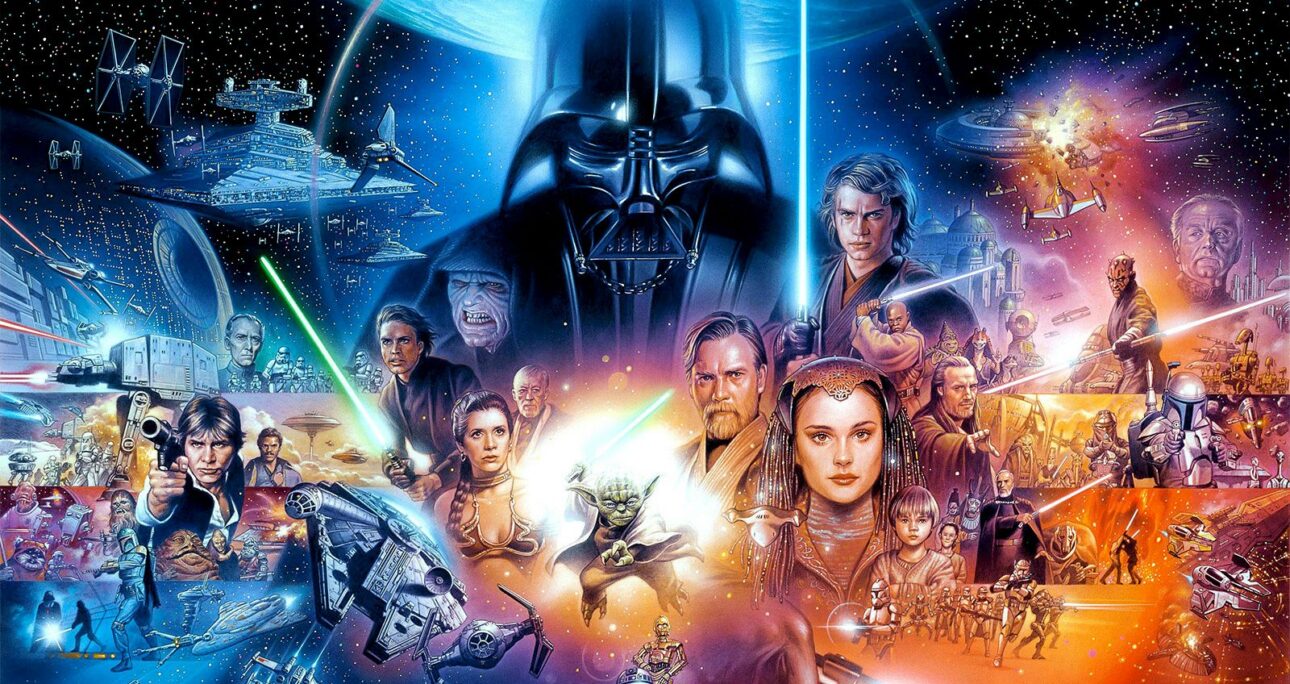
Star Wars remains one of the most influential and culturally dominant franchises in film history, a cinematic universe that completely reshaped blockbuster filmmaking while simultaneously defining multiple generations of moviegoers across nearly fifty years of storytelling. Beginning with Star Wars in 1977, George Lucas introduced audiences to a galaxy that blended mythology, westerns, Kurosawa influences, political tragedy, revolutionary visual effects, and groundbreaking spectacle into something that permanently changed the landscape of modern entertainment forever. Across these films, the franchise continually evolved through entirely different eras, from the mythological simplicity and practical-effect magic of the original trilogy, to the ambitious political worldbuilding and tragic downfall narrative of the prequels, and eventually the nostalgia-driven reinvention and divisive experimentation of the Disney era. Along the way, Star Wars helped pioneer blockbuster franchising itself, launching Industrial Light & Magic into one of the most important visual effects companies in cinema history, grossing billions upon billions worldwide, winning numerous Academy Awards, and creating some of the most iconic characters, music, imagery, and cinematic moments ever put to screen. Whether through the emotional tragedy of Anakin Skywalker, the timeless hero’s journey of Luke Skywalker, the darker war storytelling of Rogue One, or the bold risks taken by films like The Last Jedi, Star Wars stands as one of the defining cinematic mythologies ever created and one of the most important franchises in entertainment history.
11. Star Wars: Rise Of The Skywalker
59.9/100 - 2019 - J.J. Abrams
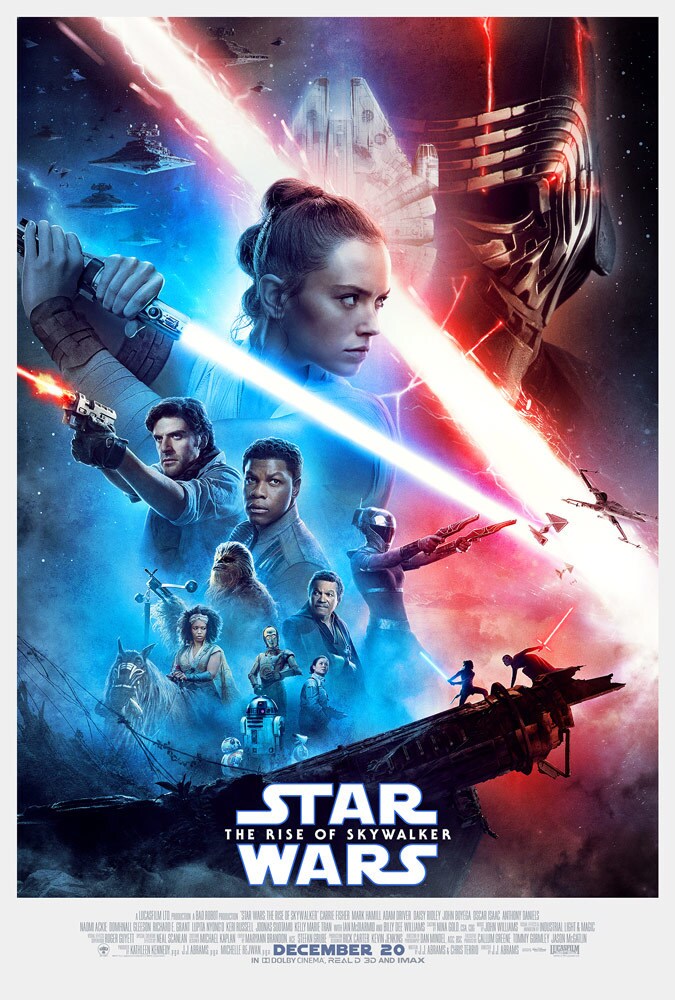
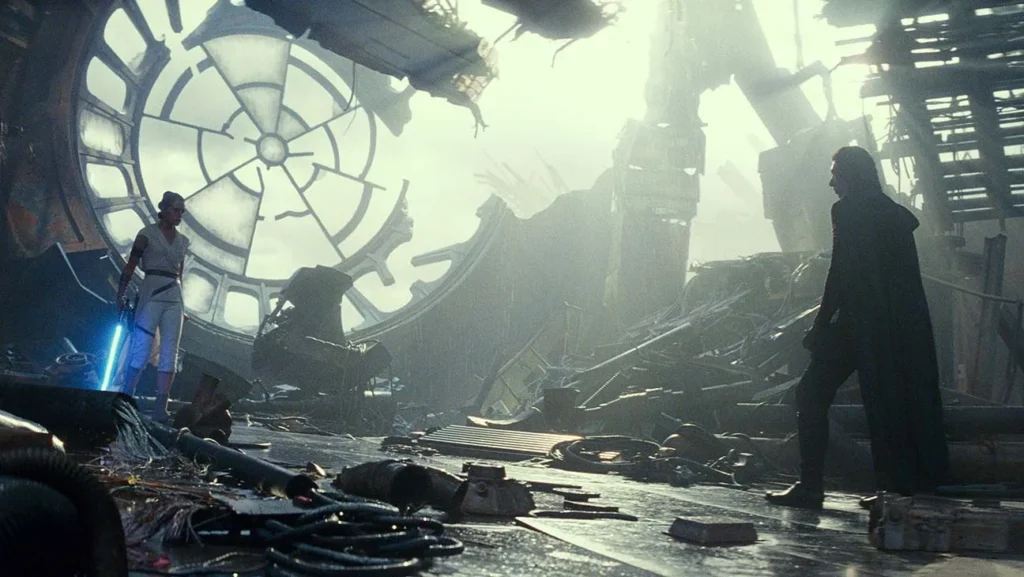
The Rise of Skywalker sits at the very bottom of our ranking as one of the messiest and most reactionary films in the entire franchise despite still containing entertaining blockbuster moments and impressive visual spectacle throughout.
The film struggles heavily under the pressure of concluding the sequel trilogy, resolving the enormous backlash and division caused by The Last Jedi, and somehow satisfying decades of franchise expectations all at the same time. J.J. Abrams returns with a much faster paced and nostalgia driven approach that constantly prioritizes movement, fan service, and spectacle over emotional depth, narrative coherence, and meaningful character development. Despite the film’s many flaws, characters like Rey and Kylo Ren still provide occasional emotional weight throughout the story, particularly through Adam Driver’s performance and Kylo’s continued internal conflict between darkness and redemption. While visually ambitious and backed by another strong John Williams score, The Rise of Skywalker ultimately feels far more like a rushed attempt to repair fan division and course correct the sequel trilogy than a fully satisfying conclusion to the Skywalker Saga.
The narrative of The Rise of Skywalker struggles largely because of its overwhelming pace and constant reliance on major reveals, secret artifacts, and sudden plot developments that rarely allow emotional moments enough time to fully breathe. The film begins with Kylo Ren discovering Emperor Palpatine has somehow returned while the Resistance desperately searches for a way to stop the massive Final Order fleet hidden on the Sith planet Exegol. Rey continues training as a Jedi while struggling with her growing Force connection to Kylo Ren and the eventual revelation that she is Palpatine’s granddaughter, a twist that remains one of the most controversial decisions in the sequel trilogy. The story constantly jumps between planets, hidden maps, ancient Sith artifacts, and exposition heavy reveals at an exhausting speed, making the film feel far more concerned with correcting previous criticism and moving the plot forward than developing its characters naturally. Kylo Ren’s relationship with Rey remains the strongest emotional element of the movie as his internal conflict eventually leads to redemption following Leia’s sacrifice and a memory of Han Solo encouraging him to abandon the dark side. The final battle on Exegol attempts to conclude the entire Skywalker Saga through massive visual spectacle, Palpatine’s defeat, the destruction of the Sith fleet, and Rey ultimately taking the Skywalker name despite the uneven emotional buildup surrounding the conclusion.
J.J. Abrams returned to direct The Rise of Skywalker after Colin Trevorrow departed the project following creative disagreements and major restructuring behind the scenes at Lucasfilm during development. The film became heavily shaped by the backlash and division surrounding The Last Jedi, leading Disney and Lucasfilm toward a much safer, nostalgia-focused, and fan-service heavy creative direction that attempted to reunify audiences. Production faced enormous pressure as the conclusion not only to the sequel trilogy but to the larger “Skywalker Saga” spanning more than forty years of blockbuster filmmaking history and multiple generations of fans. The movie relied heavily on rapid pacing, returning legacy elements, familiar imagery, and massive reveals in an attempt to satisfy divided audiences, though many critics and viewers viewed the final story as overcrowded, emotionally unfocused, and lacking a clear long term plan for the trilogy itself. Upon release in 2019, the film became another major commercial success grossing over 1 billion dollars worldwide, though reception remained heavily mixed and it continues to stand as one of the most divisive endings to a major blockbuster franchise in modern cinema, earning just a 59.9/100 from the TwilightRoom.
10. Solo: A Star Wars Story
72.9/100 - 2018 - Ron Howard
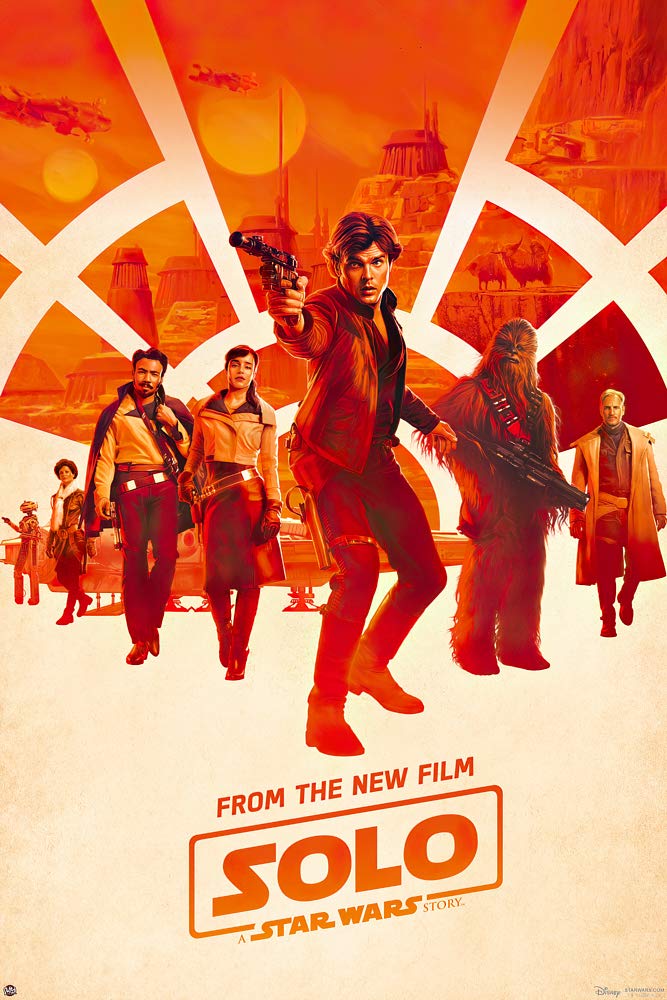
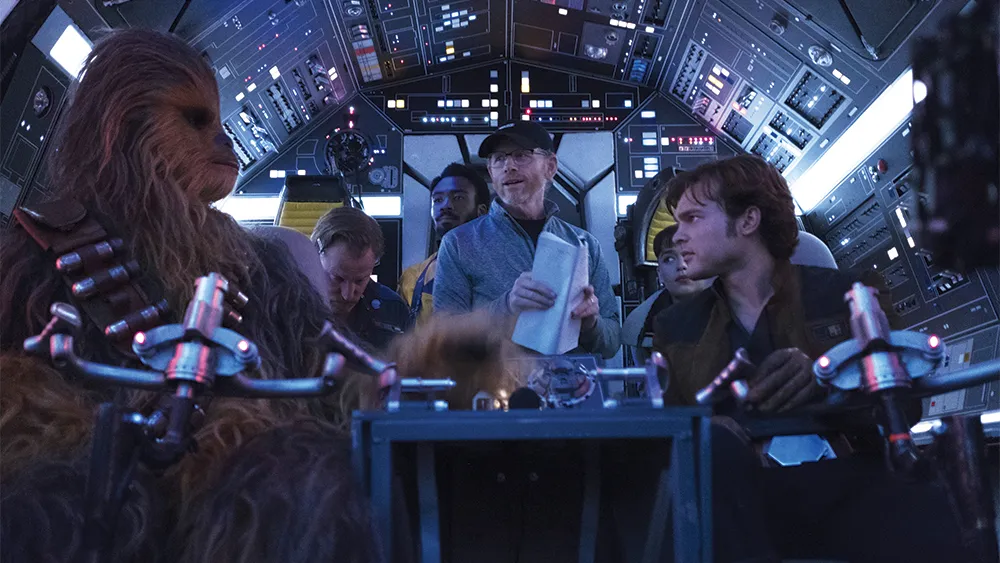
Solo sits at tenth on our ranking and remains one of the most overlooked and underrated entries of the Disney era, despite releasing during one of the most difficult and divisive periods in franchise history, in the immediate aftermath of the
backlash surrounding The Last Jedi. The film succeeds most as a much smaller-scale adventure story focused on smugglers, criminals, heists, and underground life within the Star Wars universe rather than galaxy saving stakes and Jedi mythology, giving the franchise a much more grounded and relaxed feeling than audiences were used to. Alden Ehrenreich faced the nearly impossible task of following Harrison Ford as Han Solo, but gradually grows into the role throughout the film while still offering a younger and slightly different interpretation of the character audiences know from the original trilogy. Donald Glover’s performance as Lando Calrissian and the chemistry between Han, Chewbacca, Qi’ra, and Beckett help carry much of the movie’s charm and entertainment value, especially during its more character-focused moments. While lacking the emotional scale and mythological importance of the larger saga films, Solo remains an entertaining and practical-feeling Star Wars adventure that deserved a far stronger reception than it initially received.
The narrative of Solo succeeds because it fully embraces the criminal underworld side of the galaxy while showing audiences the origins of one of the franchise’s most iconic characters before he became the cynical smuggler seen in A New Hope. The story begins with a young Han escaping the harsh streets of Corellia hoping to build a better life with Qi’ra before the two are separated, beginning Han’s path toward becoming the outlaw audiences eventually meet in the original trilogy. After joining the Imperial military and later Tobias Beckett’s criminal crew alongside Chewbacca, the film explores train robberies, underground syndicates, smuggling operations, betrayals, and dangerous criminal organizations that make the galaxy feel far more grounded and lawless than most Star Wars films. The Kessel Run sequence becomes the movie’s biggest spectacle, and one of its strongest moments, finally visualizing one of the most famous stories surrounding Han Solo’s legacy while also strengthening the connection between Han and the Millennium Falcon. At the center of the film remains Han’s relationship with Qi’ra, whose growing involvement with Crimson Dawn creates emotional conflict as Han slowly realizes she has become tied to far more dangerous forces during their separation. The final act reveals Darth Maul’s larger role within the criminal underworld while Han fully embraces the independent smuggler lifestyle that directly leads into the version of the character audiences first meet in A New Hope.
Solo underwent one of the most chaotic productions in franchise history after original directors Phil Lord and Christopher Miller were removed late into filming before Ron Howard took over the project and heavily reworked large portions of the movie. Designed as the second standalone Star Wars film under Disney following Rogue One, the movie attempted to expand the universe through character origin storytelling and smaller scale adventures outside the episodic Skywalker Saga. Production heavily emphasized practical sets, western influences, criminal underworld storytelling, and fast-paced adventure elements rather than the massive galactic stakes and mythology-driven narratives of the mainline saga films. Unfortunately, the film released only months after the highly divisive reception to The Last Jedi, contributing heavily to audience fatigue and resulting in one of the weakest box office performances in modern Star Wars history despite relatively decent reviews from critics and fans alike. Grossing only around 393 million dollars worldwide and considered a financial disappointment for Disney, Solo has still gained stronger appreciation over time for its entertaining tone, cast chemistry, and willingness to explore a more grounded and criminal side of the Star Wars universe.
9. Star Wars Episode II: Attack of the Clones
77.7/100 - George Lucas - 2002

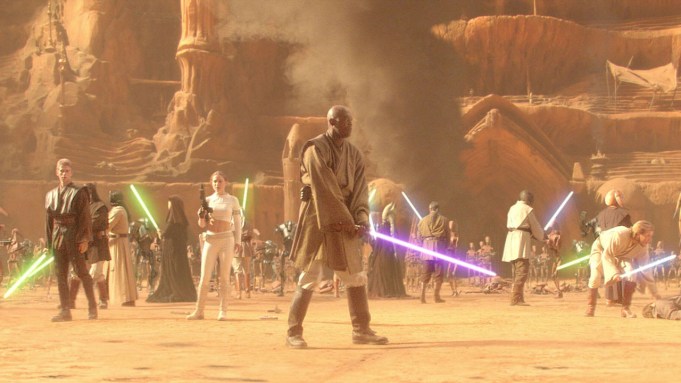
Attack of the Clones sits at ninth on our ranking and remains one of the most ambitious yet flawed films in the entire Star Wars franchise, taking the saga into a much darker and more politically unstable era as Obi-Wan and Anakin are now older, more experienced Jedi operating during the slow collapse of
the Republic. The film heavily focuses on Anakin’s emotional conflict, attachment issues, and gradual transformation toward Darth Vader, while simultaneously attempting to build the romance between Anakin and Padmé as the emotional centerpiece of the story. While the romance and dialogue remain some of the most criticized aspects of the entire franchise, there is still something compelling about seeing Anakin’s fear, jealousy, and emotional instability begin taking shape years before Revenge of the Sith fully pays it off. One of the film’s greatest strengths is how massively it expands the Star Wars universe through galactic politics, clone armies, city planets, corruption, bounty hunters, and the growing Separatist movement, helping the prequels feel entirely distinct from the original trilogy. Despite some rough execution and awkward performances at times, Attack of the Clones succeeds through its ambition, darker tone, action spectacle, and increasingly tragic atmosphere, making it a very important bridge between the innocence of The Phantom Menace and the devastation of Revenge of the Sith. The narrative of Attack of the Clones succeeds most when it leans into mystery, political corruption, and Anakin’s emotional instability as the galaxy slowly moves toward full-scale war.
The story begins with Padmé surviving assassination attempts, leading Obi-Wan and Anakin to reunite as Jedi partners tasked with protecting her while investigating Count Dooku and the growing Separatist threat. The film splits into two major storylines, with Obi-Wan uncovering the clone army on Kamino and Jango Fett’s involvement, while Anakin and Padmé hide together across Naboo, slowly developing their romance as Anakin becomes increasingly possessive and emotionally unstable. Obi-Wan’s detective style investigation greatly expands the scope of the universe through cloning facilities, corruption within the Republic, and the realization that war has already begun forming behind the scenes. Meanwhile, Anakin’s visions of his mother’s suffering leads to one of the darkest moments in the prequels as he discovers her death on Tatooine and massacres the Tusken Raiders in anger, giving audiences the first true glimpse of Darth Vader beginning to emerge. The final Geonosis battle officially launches the Clone Wars in one of the franchise’s first truly massive CGI war spectacles as the Jedi battle Count Dooku’s forces before Yoda confronts Dooku directly and Anakin loses his arm, foreshadowing the tragic future that awaits him.
George Lucas returned to direct Attack of the Clones while focusing heavily on romance, political manipulation, and the gradual corruption of Anakin Skywalker as the franchise moved deeper into darker territory. The film became one of the first major blockbusters shot almost entirely on digital cameras, representing a huge turning point in blockbuster filmmaking technology while Industrial Light & Magic massively expanded CGI environments, clone armies, cityscapes, and large scale battle sequences beyond what had previously been possible. Attack of the Clones intentionally shifted Star Wars away from simple rebellion storytelling into political drama, war buildup, and emotional tragedy, helping establish the larger scale conflict that would define the Clone Wars era across future films, shows, and expanded media. Upon release, the film received heavy criticism for its romance dialogue, performances, and CGI-heavy presentation, though audiences and fans still praised the action, ambition, worldbuilding, and expansion of the Star Wars universe. Grossing over 653 million dollars worldwide and earning an Academy Award nomination for Visual Effects, Attack of the Clones remains one of the franchise’s most divisive films, but also one of its most important in building the tragic foundation of Anakin Skywalker’s fall, earning a 77/100 from the TwilightRoom.
8. Star Wars: The Last Jedi
77.8/100 - 2017 - Rian Johnson
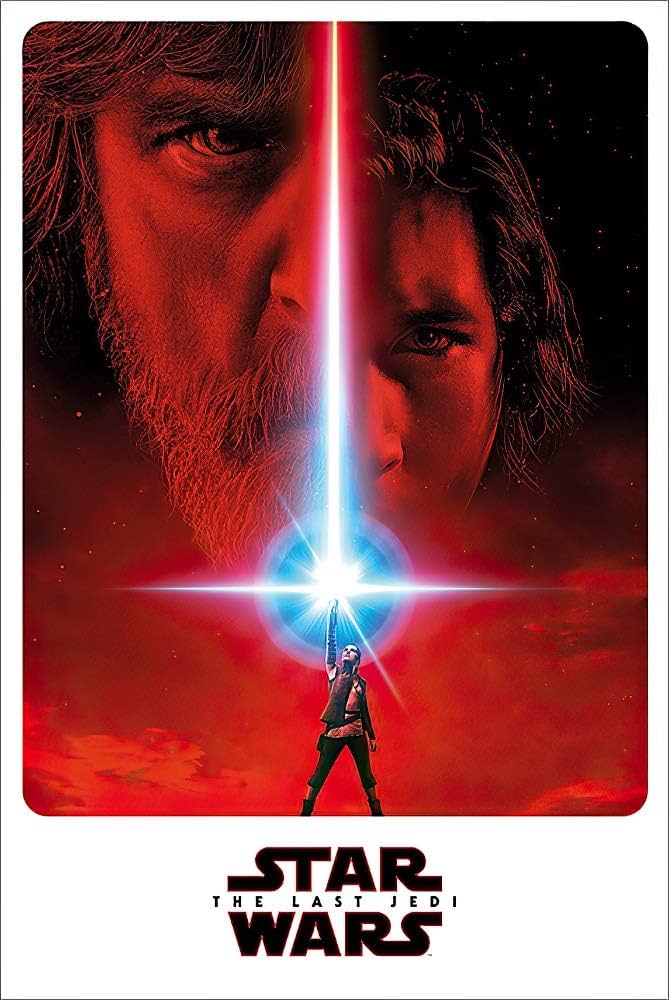
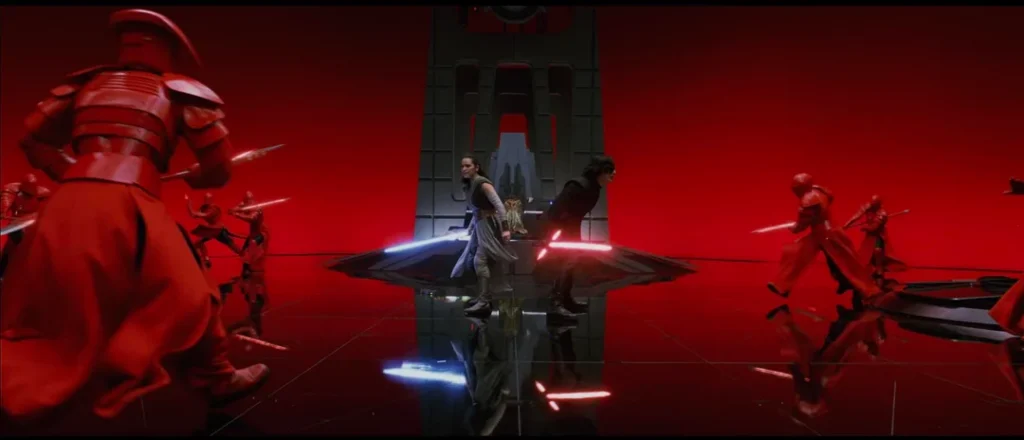
Star Wars: The Last Jedi remains one of the most divisive films in not only Star Wars history, but blockbuster filmmaking history as a whole, and sits at 8th on our list, taking a major creative risk that both elevated and frustrated different sections of the fanbase alike.
The film succeeds most when it fully commits to challenging the mythology and expectations surrounding Star Wars, particularly through its portrayal of Luke as broken, stubborn, and disillusioned legend rather than an untouchable and admirable hero. Rian Johnson brought a new spin to the franchise, a more visually artistic and character-focused direction, delivering some of the most stunning cinematography, color usage, and individual sequences in the entire saga. While many of the film’s narrative choices and side plots remain controversial, the emotional conflict between Rye, Kylo Ren, and Luke forms one of the strongest thematic cores of the sequel trilogy. Despite continuing debate surrounding its treatment of legacy characters and franchise expectations sitting lower in this list, The Last Jedi deserved credit for attempting to evolve Star Wars into something more reflective, unpredictable, and emotionally layered rather than simply relying on nostalgia.
The narrative of The Last Jedi succeeds most when it focuses directly on the emotional and ideological conflict between Rey, Kylo Ren, and Luke Skywalker, pushing the mythology of Star Wars into much more uncertain and reflective territory. The film begins immediately after The Force Awakens as Rey discovers Luke Skywalker isolated on Ahch-To, only to find a reluctant and emotionally damaged Jedi who has completely lost faith in both the Force and the Jedi Order itself. While the Resistance desperately attempts to survive the First Order pursuit led by Kylo Ren and General Hux, the story splinters between Rey’s training with Luke, Finn and Rose’s mission to Canto Bight, and Kylo Ren’s escalating conflict with both Supreme Leader Snoke and himself. Luke’s belief that the Jedi failed the galaxy becomes the emotional and philosophical center of the film, forcing Rey to question the mythology surrounding heroism, destiny, and legacy while also allowing audiences to see a far more human version of Luke than ever before. Kylo Ren emerges as perhaps the trilogy’s strongest and most compelling character here as his connection with Rey deepens through the Force, culminating in the shocking death of Snoke and Kylo’s attempt to rebuild the galaxy alongside Rey rather than destroy it outright. The final act balances large-scale spectacle and emotional closure through Luke’s legendary Force projection on Crait, allowing him to save the Resistance without violence while finally embracing the mythological status he had spent the entire film rejecting before peacefully becoming one with the Force.
Rian Johnson was given significant creative freedom following the success of The Force Awakens, leading to one of the boldest and most auteur-driven entries in the franchise. The film intentionally subverted many traditional Star Wars expectations, particularly regarding Luke Skywalker, Rey’s lineage, Snoke, and the idea of inherited heroism within the saga. Production emphasizes practical creature effects, large-scale sets, and artistic visual composition while still utilizing modern CGI technology for the franchise’s biggest action sequences. Upon its release in 2017, the film became massively divisive among audiences despite strong critical acclaim, with debates surrounding its themes, pacing, humor, and treatment of legacy characters dominating online film discourse. Over time, the movie has developed a stronger appreciation among certain viewers for its ambition, visual storytelling, and willingness to challenge the formula of modern franchise filmmaking, while still remaining one of the most controversial Star Wars films ever made, with a 77/100 from the TwilightRoom.
7. Rogue One: A Star Wars Story
78.0/100 - 2016 - Gareth Edwards

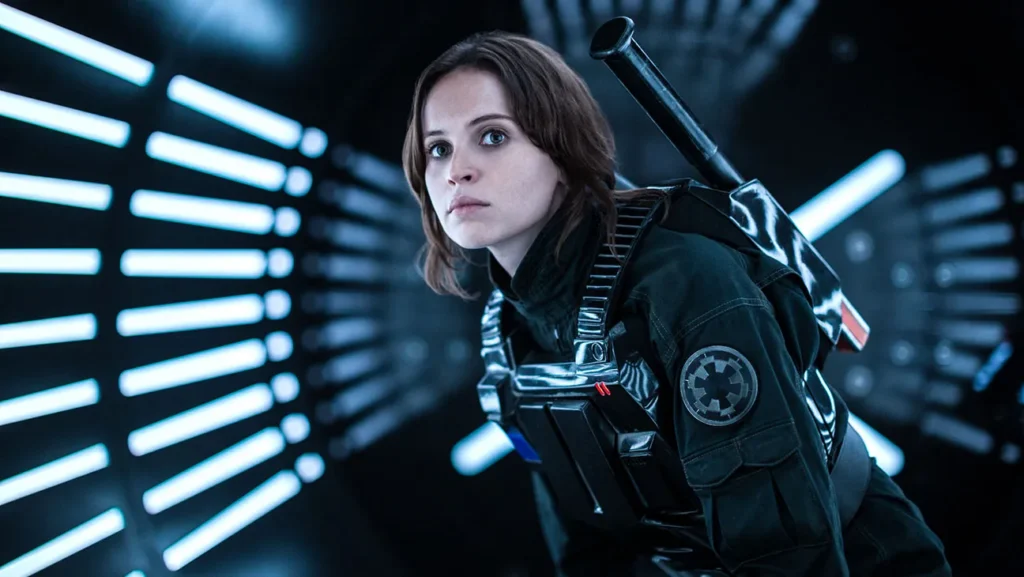
Rogue One falls at seventh on this list as it does a great job telling a completely different kind of Star Wars story, shifting away from Jedi mythology and Skywalker family drama into a darker, more grounded war narrative centered on real
sacrifice and rebellion. The film focuses heavily on the smaller and more human struggles happening within the galaxy, emphasizing spies, soldiers, political extremism, and ordinary people risking their lives against the Empire rather than force-sensitive heroes saving the day. One of the film’s greatest strengths is its grounded visual style and incredible location shooting, helping create a more immersive and realistic feeling version of the Star Wars universe than audiences had seen before, a big risk by Disney. The movie constantly reinforces the idea that rebellions are built through sacrifice, with characters like Jyn Eros, Cassian Andor (owner of his own series), and Chirrut Imwe bringing a level of moral ambiguity and emotional realism rarely explored in the franchise before this point. While slower and more war-focused than traditional Star Wars films, Rogue One ultimately stands out because of its unique and mature tone, devastating final act, and seamless connection into A New Hope, making one of the most unique entries in the saga.
The narrative of Rogue One succeeds because it constantly emphasizes the cost of rebellion and the idea that the galaxy’s greatest victories were built on the sacrifices of ordinary people rather than legendary heroes alone. The story begins with Jyn Erso escaping the cruelty of the Empire as a child before growing up disconnected from the rebellion until Cassian Andor and the Rebel Alliance recruit her for a dangerous mission involving the Death Star’s construction. As the team searches for Galen Erso and the plans tied to the Empire’s superweapon, the film gradually establishes a darker and more grounded perspective of the galaxy where ordinary rebels are forced to make morally difficult decisions in order to survive and fight back against the Empire’s overwhelming power. Chirrut Imwe’s belief that “the Force moves darkly around a creature that’s about to kill” perfectly captures the film’s tone, where hope and faith still exist but are surrounded by constant danger, fear, and sacrifice rather than heroic destiny. Once the mission reaches Scarif, the film transforms into one of the franchise’s most intense large-scale battle sequences as Jyn, Cassian, and the rebel team desperately attempt to transmit the Death Star plans while the Empire closes in around them from every direction. The final act remains one of the strongest and most emotional in the franchise as nearly every major character sacrifices themselves to complete the mission before Darth Vader arrives in a terrifying hallway sequence that directly leads into A New Hope, fully cementing the importance of Rogue One within the larger mythology of Star Wars.
Gareth Edwards comes in to direct the first solo film in the Star Wars Franchise in Rogue One, for Disney it was designed to expand the universe beyond the central Skywalker Saga which is an avenue they have taken since the release into the tv show space. The film intentionally embraces a darker and more grounded war-film tone, focusing on rebellion, sacrifice, espionage, and the brutal realities of fighting the Empire rather than traditional Jedi-centered storytelling. Production, yet again, went through significant reshoots and restructuring during post-production, though the final product ultimately became a more cohesive and emotionally impactful film than many expected. The movie was praised heavily for its large-scale battle sequences, practical production design, mature atmosphere, and ability to make the rebellion feel dangerous and costly rather than purely adventurous. Upon release in 2016, Rogue One became both a critical and commercial success, grossing over 1 billion worldwide and a huge surprise, but helped prove that Star Wars stories outside the episodic saga could still succeed with audiences, earning a 78/100 from the TwilightRoom.
6. Star Wars: The Force Awakens
87.6/100 - 2019 - J.J. Abrams
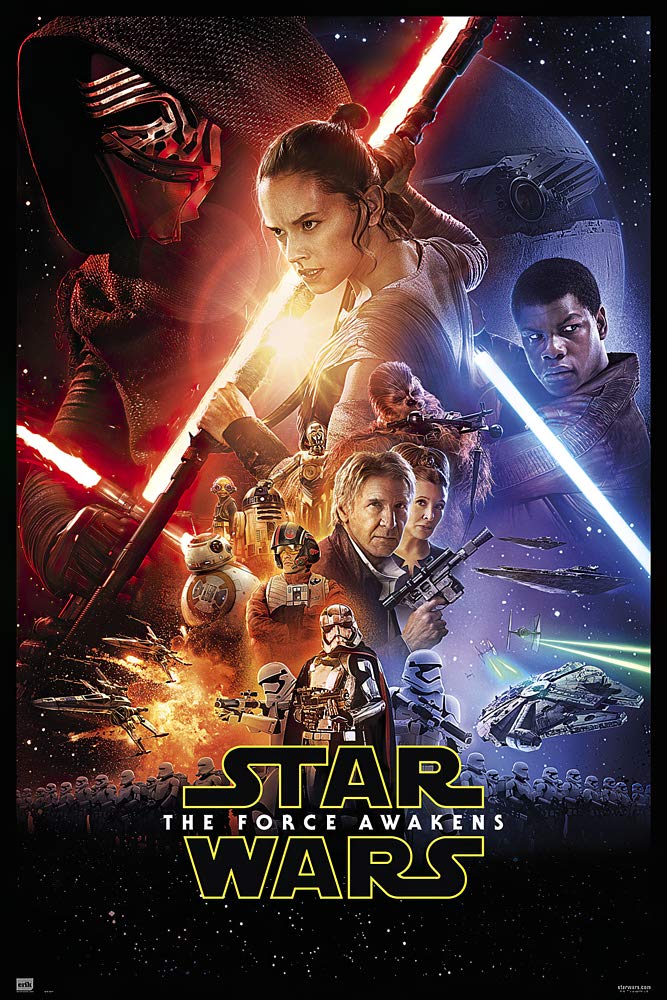
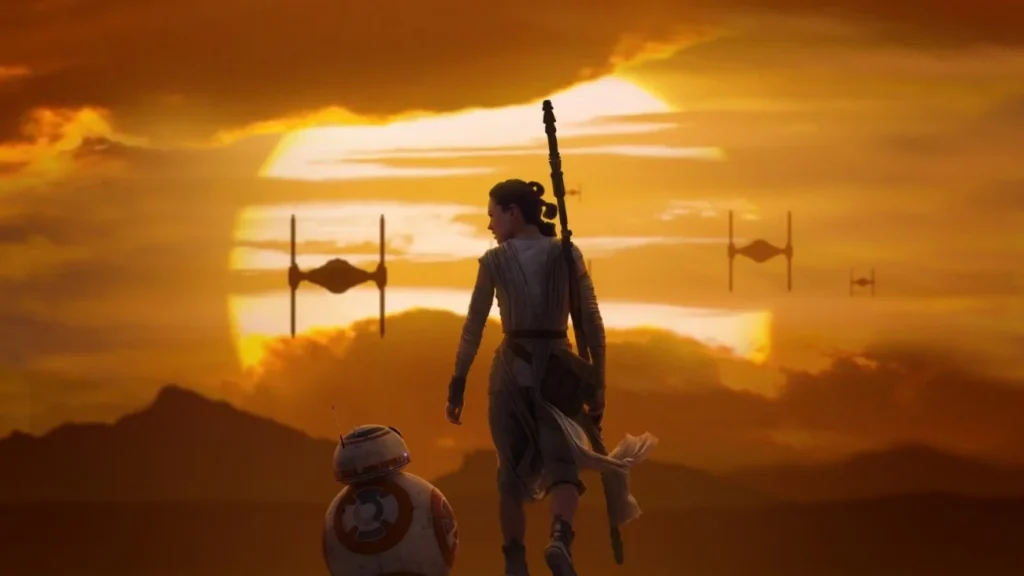
Star Wars: the Force Awakens sits at 6th on our lists and takes a giant step up in quality from the films behind as it succeeds at the near impossible task of reviving Star Wars for a completely new generation while also reintroducing the franchise to longtime fans after years away from the main
saga. The film immediately establishes a new era of characters through Rey, Finn, Poe, and Kylo Ren, while still keeping the emotional presence of the original trilogy alive through Han Solo, Chewbacca, Leia, and the looming presences of Luke, balancing the two quite well here. While the film undeniably mirrors A New Hope structurally to a tee, many of those similarities work because they re‑establish a fresh angle with a shifted tone, updated pacing, and the adventurous spirit audiences most strongly associate with the title Star Wars. It was safe, but it worked. One of the biggest strengths of the movie is its return to grounded practical effects, physical sets, and on-location filmmaking blending with modern CGI, helping the world feel more massive and tangible again after the heavy digital style of the prequels. Despite some criticisms of its familiar structure, The Force Awakens remains an extremely effective return‑to‑form blockbuster that introduces compelling new characters, real emotional stakes, and mysteries strong enough to reignite worldwide excitement for the franchise.
The narrative of The Force Awakens succeeds because it carefully balances nostalgia with the introduction of a completely new generation of heroes and villains, allowing the story to feel both familiar and refreshing at the same time. The film begins with Resistance pilot Poe Dameron hiding part of a map leading to Luke Skywalker inside the droid BB-8 before Kylo Ren attacks in pursuit of the missing Jedi, immediately reintroducing audiences to the conflict between hope and authoritarian control that defines Star Wars. Finn’s introduction as a stormtrooper abandoning the First Order creates one of the franchise’s most unique character arcs, especially as he teams with Rey, a lonely scavenger living on Jakku whose growing connection to the Force slowly positions her as the emotional center of the new trilogy. Once Han Solo and Chewbacca enter the story, the film gains a stronger emotional core as the older generation helps guide the newer heroes while Kylo Ren’s obsession with Darth Vader and internal conflict surrounding his identity continue to deepen throughout the film. The similarities to A New Hope become increasingly obvious as the narrative progresses, but the strength of the pacing, chemistry between the cast, and emotional investment in the new characters help the story remain engaging rather than simply repetitive. The final act balances emotional tragedy and blockbuster spectacle through Han Solo’s death at the hands of Kylo Ren, the destruction of Starkiller Base, and Rey’s surprisingly powerful lightsaber duel against Kylo before the film concludes with the long awaited return of Luke Skywalker.
J.J. Abram was brought in to relaunch Star Wars under Disney now following the company’s acquisition of Lucasfilm, beginning an entirely new trilogy riddled with skepticism and a new generation of characters. The film intentionally mirrors A New Hope at nearly every turn, with its tone, structure, and pacing all focused on re‑establishing audience trust in the franchise after the divisive reception and missteps of parts of the prequel era. Production emphasized practical effects, real sets, creature costuming, and on-location shooting that is absurdly beautiful, creating more of a grounded and nostalgic visual style audiences had been asking for. The introduction of Rey, Finn, Poe, and Kylo Ren was up in the air to say the least, but it did shift the franchise toward a new era effectively while the legacy characters were used more sparsely throughout for emotional beats and an unfortunate death. Upon its 2015 release, the film became a massive cultural event, grossing over 2 billion worldwide and earning strong critical reception along with multiple Oscar nominations. Despite its massive box office success and the criticism surrounding its heavy reliance on nostalgia, the film now sits near the bottom of the upper echelon of Star Wars entries for us — a step above the films discussed so far, and sitting at an 87/100 from TwilightRoom.
5. Star Wars Episode III: Revenge of the Sith
90.7/100 - 2005 - George Lucas

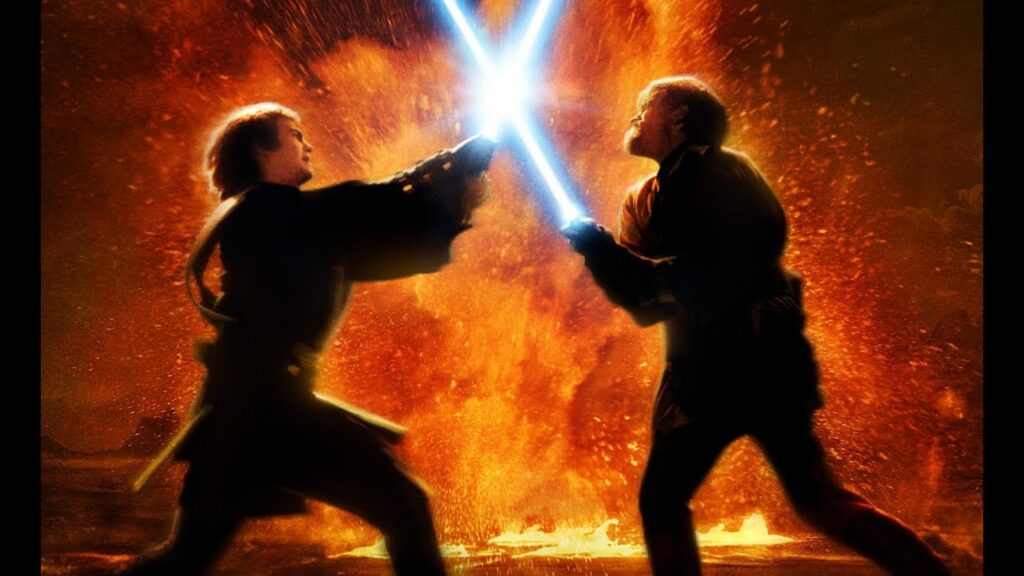
Revenge of the Sith stands as the emotional and thematic backbone of the prequel trilogy and a pivotal climax for the franchise as a whole, finally delivering the tragic downfall of Anakin Skywalker and the rise of Darth Vader that the saga has been building towards for decades.
The film immediately established a darker and more mature tone than the previous prequels through its opening battle and the growing manipulation of Anakin by Chancellor Palpatine, creating an atmosphere of inevitable tragedy throughout nearly the entire runtime. Unlike the earlier prequels that lean more heavily on worldbuilding and narrative setup, Revenge of the Sith is far more emotionally direct and character‑driven, centering almost entirely on Anakin’s fear, anger, and gradual corruption to the dark side. Hayden Christensen’s performance lands far stronger here than in Attack of the Clones, where he often felt shaky at best, while Ewan McGregor delivers arguably his finest turn in the saga as Obi‑Wan, fully realizing he is losing both his apprentice and his closest friend. Despite some pacing issues surrounding Anakin’s turn to the dark side, Revenge of the Sith has the emotional weight, iconic imagery and scenes, ambitious scale, and devastating ending that make the film one of the most memorable and impactful entries in the franchise, and fifth on this list.
Revenge of the Sith works because its narrative constantly balances large‑scale war spectacle with the intimate emotional collapse of Anakin Skywalker, allowing the film to feel both operatically epic and deeply, personal tragedy at the same time. The movie opens with the massive battle above Coruscant as Obi-Wan Kenobi and Anakin Skywalker rescue Chancellor Palpatine and defeat Count Dooku, immediately establishing Anakin as a far more powerful but emotionally unstable Jedi than audiences had seen previously. As Padmé secretly becomes pregnant, Anakin begins suffering terrifying visions of her death, allowing Palpatine to slowly manipulate his fears and push him further away from Obi-Wan and the increasingly distrustful Jedi Council. The ongoing Clone Wars create constant tension throughout the film as Anakin becomes emotionally trapped between both sides, functioning almost like a conflicted double agent consumed by attachment, fear, anger, and his desire for control over death itself. Once Palpatine reveals himself as Darth Sidious, the film rapidly descends into complete tragedy as Order 66 is enacted, the Jedi are slaughtered across the galaxy, and Anakin fully embraces the dark side by massacring the Jedi Temple and helping destroy the Republic from within. The final act remains one of the most iconic conclusions in blockbuster history as Yoda confronts Palpatine while Obi-Wan battles Anakin on Mustafar, culminating in Anakin’s physical destruction, transformation into Darth Vader, and the devastating completion of the Skywalker fall that permanently reshapes the galaxy.
George Lucas again returns to conclude his prequel trilogy with Revenge of the Sith, finally bridging the gap in his saga between Anakin and Darth Vader while directly connecting the story to A New Hope, while leaving space for new projects in the future. The film was intentionally designed as the darkest entry in the saga, both visually and tonally, focusing heavily on betrayal, manipulation, political collapse, and tragedy as the Sith finally achieve total control over the galaxy. Production on Revenge of the Sith represented one of Industrial Light & Magic’s peak digital achievements, now backed by a virtually unlimited budget that enabled vast CGI environments, large‑scale battle sequences, and some of the most technically advanced visual effects of its time. The movie heavily centers on Anakin’s internal conflict and downfall, delivering major franchise-defining moments including Order 66, the destruction of the Jedi, and the Mustafa duel that forms the most wide-scale quotable scene in franchise history as the emotional core of the saga. Upon release in 2005, the film was widely viewed as a major return to form for the franchise, praised for its darker tone and changes from Attack of the Clones, its emotional weight, and full connection to the beloved original trilogy becoming the highest grossing film of the year, and earning a 90/100 from the TwilightRoom.
4. Star Wars Episode I: The Phantom Menace
96.0/100 - 1999 - George Lucas

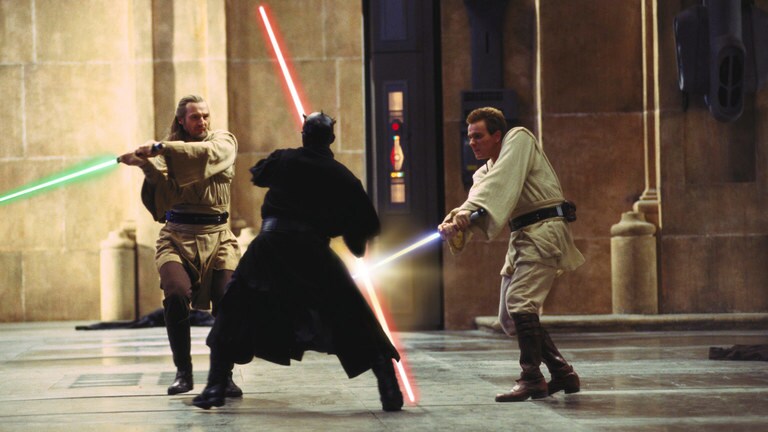
Perhaps the most contentious and admittedly most biased ranking on this list is our number four spot, as The Phantom Menace remains one of the most over‑hated and underrated films in the entire franchise, landing this high largely because of how personally impactful and nostalgic it is as a childhood and generational favorite.
The film succeeds by taking the Star Wars universe in a completely different direction years later, shifting away from rebellion storytelling into galactic politics, the fall of the Jedi Order, and the early tragedy surrounding the franchise’s most famous character, Anakin Skywalker. Despite deep criticism for years, surrounding the dialogue and certain tonal choices, the movie’s sense of adventure, imagination, and worldbuilding remains some of the strongest, introducing some of the most memorable sequences and moments of the franchise. Young Anakin’s storyline works emotionally far better than many give it credit for, adding innocence and optimism to a saga audiences already know is heading toward tragedy and darkness. The Phantom Menace’s visuals, John Williams’ score, creature design, and large‑scale podracing ambition make it one of the most distinct Star Wars experiences, especially for the generation that grew up with it. At the same time, it remains one of the saga’s most divisive entries, continuing to inspire both passionate defense and sharp criticism decades later.
The narrative of The Phantom Menace succeeds because it constantly expands the scale and mythology of the Star Wars universe while still grounding itself through the hopeful and emotional storyline surrounding young Anakin Skywalker. The film begins with Qui-Gon Jinn and Obi-Wan Kenobi being sent to negotiate the growing Trade Federation conflict before quickly being attacked and forced to escape alongside Queen Padmé Amidala from Naboo, immediately shifting the franchise into a much more political and large-scale direction. Their journey introduces audiences to entirely new environments and ideas within the galaxy, from the underwater Gungan city to the increasingly complicated structure of the Galactic Republic and Jedi Order, helping the prequels feel visually and narratively distinct from the original trilogy. After arriving on Tatooine, the emotional core of the film emerges through the introduction of Anakin Skywalker, whose innocence, natural connection to the Force, and life as a slave create an emotional attachment that becomes far more tragic knowing the future audiences already associate with Darth Vader. The podracing sequence remains one of the most exciting and ambitious action scenes in the entire franchise while also serving an important narrative purpose, allowing Qui-Gon to free Anakin and begin setting the galaxy’s eventual downfall into motion. The climax brilliantly balances multiple conflicts at once, including the battle on Naboo, the space assault, and the legendary Duel of the Fates between Qui-Gon, Obi-Wan, and Darth Maul, ending with Qui-Gon’s death, Maul’s apparent defeat, and Obi-Wan agreeing to train Anakin despite the clear warnings surrounding his future.
After more than 15 years away from directing Star Wars, George Lucas returned with this prequel as the beginning of a new saga and the origin story of his most iconic and intimidating character, Darth Vader. The film deliberately shifts the franchise away from straightforward rebellion‑versus‑Empire heroics toward murkier territory: political conflict, trade disputes, Jedi complacency and corruption, and the gradual collapse of the Republic audiences had only ever heard about in the original trilogy. Production heavily embraced emerging digital technology, pioneering large‑scale CGI environments and fully digital characters like Jar Jar Binks, whose widely hated comedic‑relief role has since gained something of a cult following, while still blending in practical sets, costumes, and traditional effects work. The 1999 release became one of the most anticipated movie events in entertainment history, shattering box office records even as it drew a mixed critical response, with particular criticism aimed at its stilted dialogue, dense political plotting, and heavy reliance on CGI. Over time, the film has quietly climbed in esteem, especially among the generation that grew up with it, gaining recognition for its rich worldbuilding, memorable character introductions, and its role in expanding the saga’s scope. Darth Maul in particular has become a franchise mainstay and cult favorite, emblematic of how much The Phantom Menace contributed to the larger mythos, and today we consider it a foundational entry in the series, awarding it a 96/100 from TwilightRoom.
3. Return of the Jedi
97.2/100 - 1983 - Richard Marquand
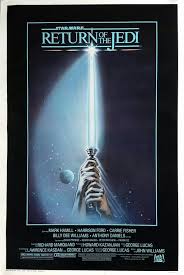
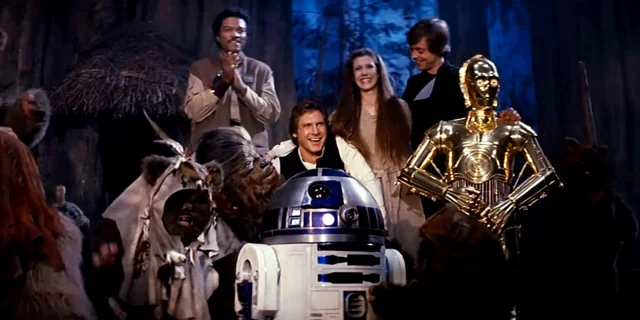
Return of the Jedi works as one of the most satisfying conclusions to any blockbuster trilogy in film history, bringing together the emotional, mythological, and action-driven elements of the original films into a massive finale of the
original saga. The film immediately establishes the same darker tone from Empire Strikes Back with much larger stakes through Vader’s opening presence and the dangerous mission to rescue Han Solo from Jabba the Hutt before attempting to destroy the second Death Star. One of the film’s greatest strengths, and a key reason it is so often heralded as one of the all‑time great conclusions, is how creative and tactile the original trilogy still feels, especially through its practical creature work, puppetry, costumes, and set design. Those elements grow more refined across the films even as they become more distinctly “of their time,” standing in sharp contrast to the CGI‑heavy aesthetic that would later define much of the prequel era. Luke Skywalker’s evolution into a calmer, more determined, and fully realized Jedi gives the character a completely different energy from his earlier, more wide‑eyed and curious portrayal, while Darth Vader grows increasingly layered and conflicted yet remains utterly intimidating. Despite some of the tonal shifts and more overtly commercial elements, Return of the Jedi ultimately succeeds because of the sheer emotion it channels, rewarding long‑time viewers with an ending that feels both conclusive and cathartic. It closes the original trilogy on a triumphantly heartfelt note, offering genuine closure to the arcs of Luke, Vader, and the Rebellion.
The narrative of Return of the Jedi succeeds because it continually balances large‑scale spectacle with the emotional payoffs and character conclusions audiences had been building toward across the entire trilogy, letting the action serve the finale rather than overwhelm it. The film opens with the crew reuniting for the dangerous mission to rescue Han Solo from Jabba the Hutt, immediately delivering some of the franchise’s most memorable creature effects, practical designs, and action sequences while fully restoring the chemistry between the main cast after the darker separation seen in Empire Strikes Back. Luke’s return to Yoda and Obi-Wan deepens the mythology even further as he learns more about Darth Vader’s past, Leia being his sister, and the true emotional stakes surrounding his final confrontation with the Emperor and the Dark side. While Han, Leia, Chewbacca, and the Rebels prepare the attack on Endor alongside the Ewoks, Luke willingly surrenders himself to Vader in hopes of redeeming his father, rather than simply destroying him, creating a much more emotionally driven climax than audiences were expecting from a blockbuster of the era. The emotional core of the film comes through the conversations between Luke, Vader, and Emperor Palpatine, where the first true cracks in Vader’s loyalty begin to emerge as Luke refuses to give into anger and hatred despite the Emperor’s manipulation. The final act perfectly balances the ground battle on Endor, the space battle surrounding the Death Star, and Luke’s duel with Vader before Vader ultimately sacrifices himself to save Luke and destroy the Emperor, allowing the original trilogy to conclude with redemption, victory, and one of the most satisfying endings in blockbuster history.
George Lucas brought Richared Marquand in to direct the conclusion of the trilogy while he himself maintained, yet again, in strong creative control over the production and larger story direction, a trend that was common until the sale to Disney. The film was designed specifically to conclude the Skywalker saga by centering heavily on Luke’s confrontation with Vader and Palpatine, bringing the themes of family, temptation, and redemption to their conclusion while aiming for more mainstream appeal. Production heavily emphasizes spectacle and scale for the film, particularly through the massive Endor battle sequences, expanded creature effects work, and some of the most ambitious and beautiful practical filmmaking in all of Sci Fi. The introduction of the Ewoks was a cash grab for the franchise, shifting the tone toward a much more commercial and family-oriented direction compared to the darker antagonist winning atmosphere of Empire Strikes Back, creating one of the few divisive moments of the final film. Upon release in 1983, Return of the Jedi became a massive commercial success, grossing nearly $500 million worldwide, winning the Academy Award for visual effects, yet again, and cementing the original trilogy as one of the most important and beloved trilogies in film history; earning a 97/100 from the TwilightRoom and landing third on this list.
2. Star Wars
97.8/100 - 1977 - George Lucas

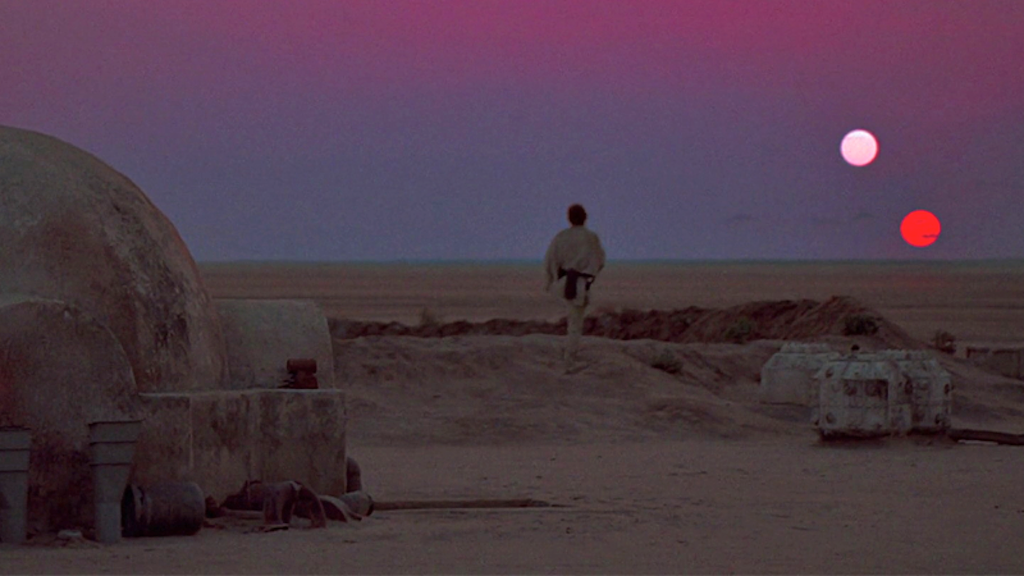
Star Wars: A New Hope, remains one of the most influential and important films ever made and sits at number two on our ranking because of its ability to completely change what blockbuster filmmaking could look and feel like in 1977.
The opening sequence alone instantly establishes the scale and imagination of George Lucas’s universe, which has only grown in cultural impact since. From the booming John Williams score to Darth Vader’s iconic entrance and the escape of C‑3PO and R2‑D2 carrying Leia’s desperate message for Obi‑Wan Kenobi, the film announces itself as a fully formed galaxy of adventure in just a few minutes. The film succeeds on all fronts and especially because it balances groundbreaking spectacle and effects with a simple but emotionally impactful adventure story, creating a galaxy that feels massive enough to be around for almost 50 years, yet following one specific fantastic hero’s journey. George Lucas introduces nearly every core element of the franchise in this first film, the Force, lightsabers, Darth Vader, the Death Star, smugglers, Rebels, and Jedi—and does so with remarkable clarity and ease. All of these concepts feel instantly natural and accessible to viewers of any age, while remaining endlessly entertaining and inviting rather than overwhelming or confusing. Nearly every introduction is iconic, from Luke staring toward the binary sunset to Han Solo in the cantina, making Star Wars: A New Hope not just the beginning of the franchise, but one of the greatest introductions to a cinematic universe ever—its monumental.
The narrative of A New Hope succeeds because it takes a relatively straightforward adventure structure and elevates it through worldbuilding, pacing, and unforgettable character introductions that remain iconic nearly fifty years later. The story begins with Leia hiding the Death Star plans inside R2-D2 before the two droids crash land on Tatooine, naturally pulling Luke Skywalker into the conflict while introducing audiences to the dusty, lived-in atmosphere of the galaxy. Luke’s discovery of Leia’s message for Obi-Wan Kenobi expands the mythology through the introduction of the Jedi, the Force, and Obi-Wan’s mysterious connection to Darth Vader, while also establishing Luke’s need to leave behind his isolated life and take on greater responsibility after the death of his aunt and uncle. The film continues to brilliantly build its ensemble cast through Han Solo’s introduction in the Mos Eisley cantina, immediately presenting him as a selfish smuggler, only motivated by money, before slowly transforming him into one of the rebellion’s most important heroes. Once aboard the Death Star, the film becomes a fast paced rescue mission packed with legendary moments including the trash compactor sequence, Obi-Wan and Vader’s duel, and the crew’s narrow escape from the Empire, before culminating in the iconic trench run finale as Luke trusts the Force to destroy the Death Star. The ending leaves audiences satisfied with a triumphant victory while still establishing the larger galactic conflict and Vader’s looming presence, creating one of the greatest and most complete blockbuster adventures ever made.
George Lucas entered production of this ambitious blockbuster coming off the success of the nostalgia dream that was American Graffiti, while attempting to create something completely different from the grounded, new Hollywood films that dominated the 1970s. The film was heavily inspired by Akira Kurosawa’s The Hidden Fortress with a mix of the Flash Gordan serials, many of the westerns released in the past, and combined with ideals of mythology and the cinematography of 2001: A Space Odyssey, masterfully blending old storytelling traditions into a new “space opera” format. Production was enormous and famously difficult, setting a precedent for the chaos that would follow many future Star Wars projects. Skepticism from 20th Century Fox, tight budget limitations, grueling location shoots, and unfinished visual effects that proved far more ambitious than the team could comfortably handle all combined to make the shoot feel like it had bitten off more than it could chew. Early acts of the film were reportedly very messy before Marcia Lucas and the editing team were able to reshape the film into a much more tightly paced adventure tale that audiences eventually loved when released in theaters. Upon its release in 1977, Star Wars became a global phenomenon, revolutionizing blockbuster filmmaking, leading to the creation of the Industrial Light & Magic company, and grossing over 775 million worldwide. It went on to win seven Academy Awards and launch one of the most successful franchises in entertainment history, and it sits at number two on this list with a 97/100 from TwilightRoom, standing as one of the greatest films ever made.
1. The Empire Strikes Back
98.0/100 - 1980 - Irvin Kershner
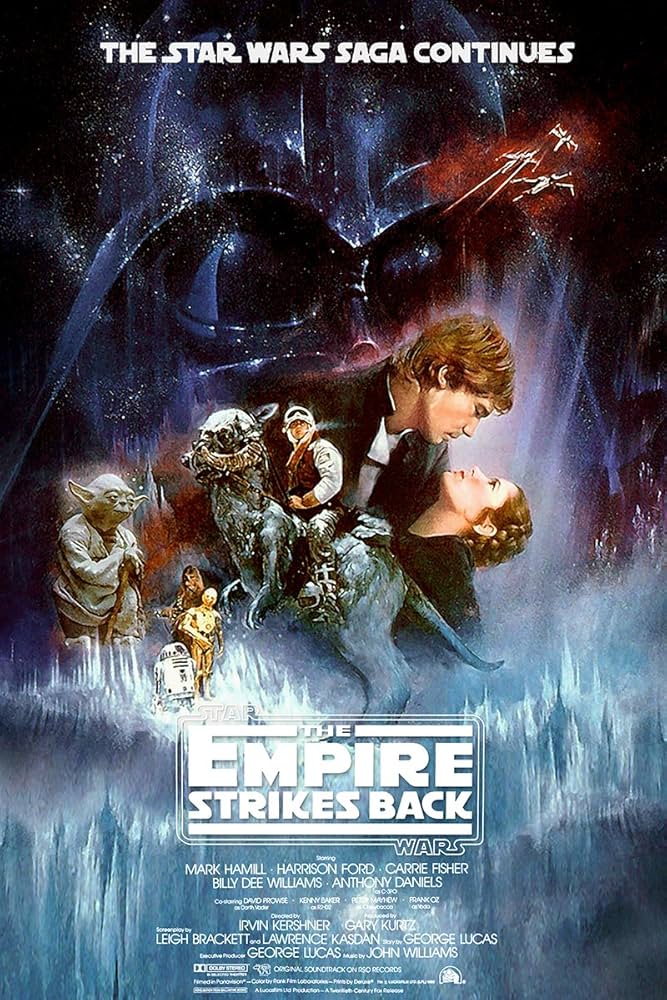

The Empire Strikes Back sits at the very top of our ranking because it takes everything that made the original film revolutionary and expands it into something darker, more emotional, and more mature, without ever losing the adventurous sci-fi spirit that defined A New Hope.
The film immediately establishes higher stakes from the start, opening with the Rebels hiding on Hoth while Han prepares to leave and settle his debt with Jabba away from Leia and Luke, creating a feeling that the galaxy is becoming more dangerous and unstable. Unlike the original film’s hero‑rising focus on discovery and introduction, The Empire Strikes Back plays like a response to the very success of Star Wars, pushing the story into harsher, more uncertain territory. The Empire grows more brutal, Vader feels more personal and overpowering, and the Rebellion seems closer to collapse than victory, giving the film a tense, near‑hopeless momentum. The film does an almost unparalleled job of balancing spectacle with rich character work, slowly and organically building the Han and Leia relationship on the strength of Harrison Ford’s magnetic performance. At the same time, it deepens Luke’s spiritual and emotional journey and cements Darth Vader not only as one of the most intimidating villains in cinema, but also as one of its most complex figures. Nearly every sequence feels iconic, from the snowy Hoth Battle to Yoda’s introduction, a groundbreaking moment in practical effects, and the Cloud City climax, making the film not just the best Star Wars movie, but one of the greatest sequels and blockbusters ever made, changing the landscape of film and franchise forever.
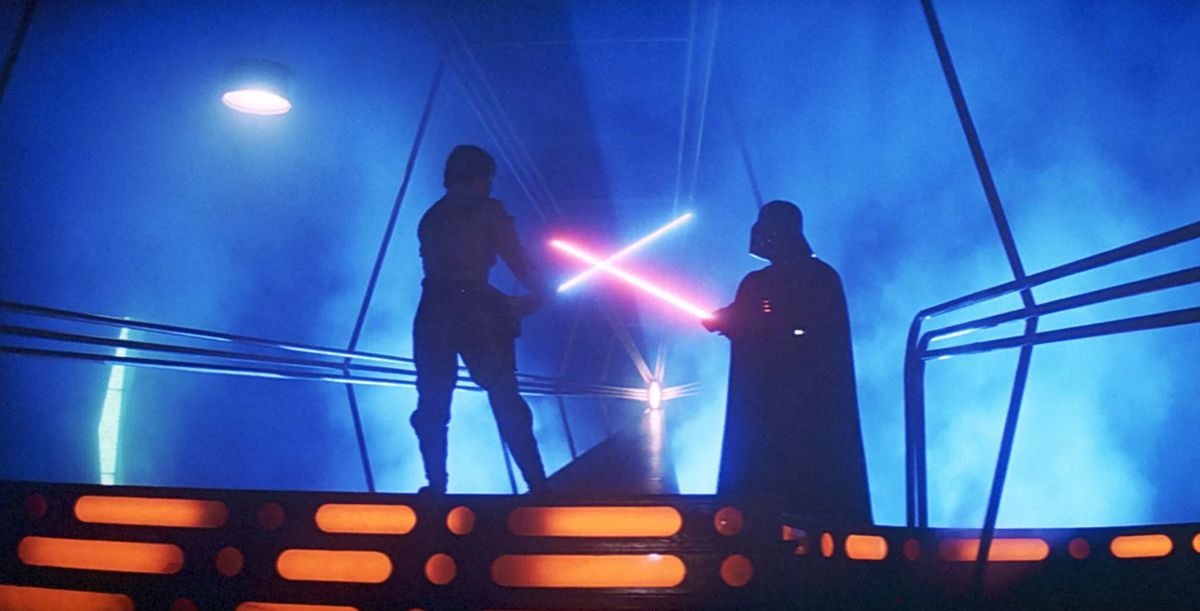
The narrative of Empire Strikes Back excels because it splits its characters into separate journeys that all emotionally and thematically build toward the same devastating conclusion. Luke’s path toward becoming a Jedi shifts the film into a much more spiritual and introspective direction as he crash lands on the fog-covered Dagobah system and begins training under Master Yoda, whose introduction remains one of the most important and innovative character reveals in blockbuster history. At the same time, Han, Leia, Chewbacca, and C-3PO flee from the Empire aboard the Millennium Falcon, allowing the film to naturally develop the romance and tension between Han and Leia while showing the increasing desperation of the Rebellion. The introduction of Lando Calrissian and Cloud City further expands the scale and imagination of the franchise, adding another memorable character and one of the saga’s most visually unique locations before the film descends into betrayal and tragedy. Vader’s pursuit of Luke drives the entire second half of the film forward, culminating in the famous duel between the two that completely redefined blockbuster storytelling as Vader reveals himself to be Luke’s father, emotionally destroying both Luke and the audience in one of the greatest twists in cinema history. Rather than ending with triumph, the film concludes with the heroes fractured, Han captured, Luke permanently changed, and the future uncertain, transforming Star Wars from a simple adventure saga into a true cinematic mythology.
Following the massive success of Star Wars in 1977, George Lucas again self-financed Empire Strikes Back this time not out of necessity but to maintain creative control, putting Lucasfilm under enormous financial pressure during production to succeed. The film intentionally is designed to be darker and more mature by Lucas, more than the original a film where the dark side wins, doing a wonder by expanding the emotional depth of the franchise and focusing heavily on the failure, fear, destiny, and huge plot twist (perhaps the biggest ever). Production became notoriously difficult, particularly during the Norway Hoth shoots and through the massive budget overruns leaving Lucas financially vulnerable and fully dependent on another box office hit to survive. However, all of that painstaking work paid off, as the film’s technical achievements helped push blockbuster filmmaking forward, showcasing some of the most groundbreaking miniature work, compositing, sound design, and creature effects in cinema history. Nowhere is this more evident than in the revolutionary practical realization of Yoda, Luke’s small, older, backward‑talking Jedi master, who remains one of the medium’s most impressive and expressive puppetry accomplishments. Initially surprising audiences with its darker tone and unresolved twist ending, the film has since come to be regarded not only as one of the greatest Star Wars entries but also as one of the finest sequels ever made. It went on to win two Academy Awards, gross over 500 million worldwide, and was preserved in the National Film Registry in 2010, and it earns a 98/100 from TwilightRoom.
Conclusion
Looking back across the entire Star Wars franchise, what becomes most remarkable is not simply the scale of its popularity, but how each era of filmmaking managed to redefine what Star Wars could emotionally, visually, and thematically represent for different generations of audiences. Beginning as a revolutionary space opera inspired by mythology and classic adventure serials, the franchise eventually expanded into political tragedy, philosophical conflict, grounded war stories, and modern blockbuster nostalgia while still maintaining the same adventurous spirit that made audiences fall in love with the galaxy in the first place. The original trilogy remains one of the greatest achievements in blockbuster history, the prequels have grown into some of the most culturally reassessed and generation-defining films of modern cinema, and even the highly divisive sequel era continues to spark endless discussion surrounding legacy, fandom, and franchise storytelling itself. Few franchises have created as many iconic characters, unforgettable scenes, technological breakthroughs, or emotional cinematic moments as Star Wars, from the binary sunset and Vader reveal to Order 66 and the Battle of Hoth. Even through its flaws, controversies, and constant evolution, Star Wars continues to stand as one of the defining achievements in blockbuster filmmaking history, a franchise that forever changed cinema, visual effects, merchandising, fandom culture, and the way audiences experience large-scale storytelling itself.