Introduction
Laika Studios has spent close to two decades proving that stop-motion is not a nostalgia exercise or a boutique curiosity, and it has done so while operating in two fairly distinct modes. There is the Henry Selick and Chris Butler era, running from Coraline through ParaNorman and The Boxtrolls into Missing Link, a stretch defined by handmade craft colliding with genuinely difficult subject matter, where films aimed at children sat comfortably inside conversations about death, grief, mob cruelty and the people a community decides it can discard. Then there is the Travis Knight era, beginning with Kubo and the Two Strings and arriving fully with this year’s Wildwood, films that trade intimacy for scale and ambition while somehow retaining the same obsessive attention to every physical object inside the frame. What connects both modes is a technological restlessness almost nobody else in the industry has matched, from the 3D-printed replacement faces that debuted on Coraline and were perfected on ParaNorman, to the largest stop-motion puppet ever built on Kubo, to the 136 sets and 231 puppets that made Wildwood the longest stop-motion feature in history. The studio has also never been a reliable commercial force, with Missing Link standing as one of the largest animated losses on record and even its best-received films underperforming against their budgets, which makes the fact that Laika kept going at all the most impressive thing about it. Here is our full ranking of Laika Studios’ filmography, from the one that still defines the studio to the one that never quite found what it was reaching for.
6. The Boxtrolls
69.7/100 - 2014 - Graham Annable, Anthony Stacchi
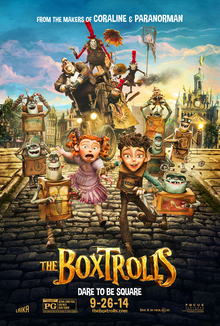
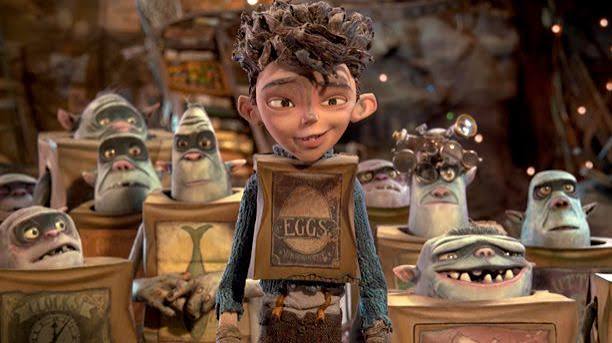
The Boxtrolls feels like a bit of a swing and a miss for Laika after the instant success of the company’s first two films, an adventure that is certainly not the worst out there but leans a bit too simple for its own nuanced premise. There is a really great film within The Boxtrolls that is on par with the others on this list, but it is one that explores social division and found family in a much more complex and less in-your-face way. The film ultimately chooses the opposite approach, leaving a more surface-level story that works for younger audiences and certainly provides a great adventure, just not one as rewatchable as Laika might have hoped. The Boxtrolls is by no means a bad stop-motion film, but it does stand out for having less emotional impact and weaker storytelling than many expected, delivering a fun throwback that may be best left in the past.
The Boxtrolls arrived as Laika’s third feature, with Graham Annable and Anthony Stacchi directing an adaptation of Alan Snow’s novel Here Be Monsters!, and carried the heaviest technical load of anything the studio had attempted to that point, with roughly 20,000 3D-printed replacement faces produced across the production and some of the most elaborate puppet fabrication in the company’s history. The design work remains genuinely extraordinary, particularly in the grimy, vertical Victorian sprawl of Cheesebridge and in the boxes themselves, which had to read as both costume and shelter for creatures whose entire social identity is built around what they happen to be wearing. It earned Academy Award and Golden Globe nominations for Best Animated Feature, making Laika the first studio to receive an Oscar nomination for each of its first three films, a record no animation house had previously managed out of the gate. The marketing drew real criticism at the time for leaning on the grotesque and the ghoulish in a way that undersold the sweetness underneath, and the film’s commercial performance landed in the same middling territory most Laika releases occupy: profitable enough to continue, but never the breakout the studio needed. It is also the film where the studio’s recurring interest in found family and social division first surfaces explicitly, themes Laika would handle with considerably more nuance in everything that followed. It earns 69/100 from TwilightRoom and the sixth spot on our list.
5. Missing Link
74.7/100 - 2019 - Chris Butler
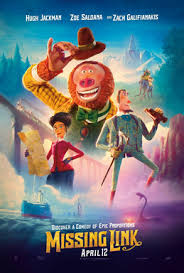
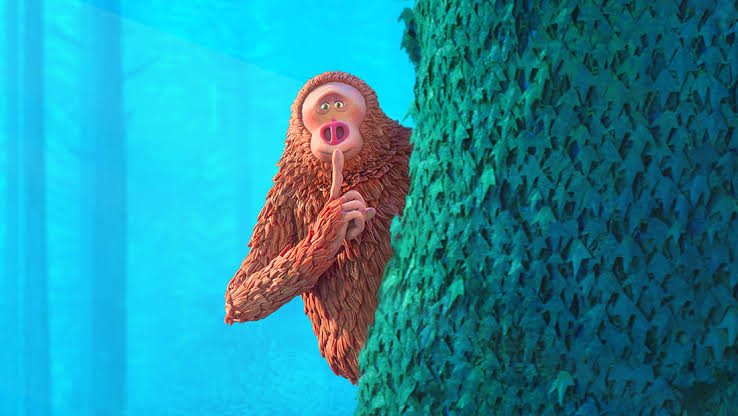
Missing Link is the least talked-about of Laika Studios’ releases, perhaps because of its simplicity in design and release at the end of the 2010s, but it remains a heartfelt story that catches your attention from the start and never loses you. The film is far more imaginative than it is portrayed to be, with visuals that will win you over and a plotline and message that, while basic, ring true enough to keep it from being as bland as many sources claim. The story is best when it leans into the comedy and awkwardness of not only its Bigfoot character but also the man he chooses as his companion, whose equally bizarre mannerisms make certain scenes play like something out of a Wes Anderson film. That may not work for every audience, but it really worked for me. Missing Link feels like its namesake when compared to the rest of the films Laika Studios has produced, and while a bit more basic and simple in design than the others, it is much more heartfelt and beautiful than it is made out to be.
Missing Link gave Chris Butler his first solo directing credit and arrived as the most expensive film Laika had ever produced, making its commercial failure the single most consequential event in the studio’s history and the reason the gap before Wildwood stretched as long as it did. It grossed a fraction of its budget and stands as one of the largest animated losses on record, a result almost impossible to square with its subsequent Golden Globe win for Best Animated Feature. It beat Toy Story 4 and Frozen II in one of the genuine upsets of that awards season before picking up an Academy Award nomination as well. The production continued Laika’s escalation of facial animation technology, pushing the number of possible expressions into the tens of millions and featuring some of the most intricate puppet work the studio had attempted to that point, particularly in the fabric and fur on Mr. Link himself. Hugh Jackman and Zach Galifianakis anchor it as a pair of profoundly awkward men stumbling across the world together, and the comic register Butler lands on, all stiff formality and deadpan timing, is where the Wes Anderson comparisons come from and where the film is most distinctly itself. It is the Laika film the fewest people have seen and the one most unfairly dismissed, a genuinely imaginative adventure that deserved far better than the reception it received, earning 73/100 from TwilightRoom and the fifth spot on our list.
4. Paranorman
81.4/100 - 2012 - Sam Fell, Chris Butler
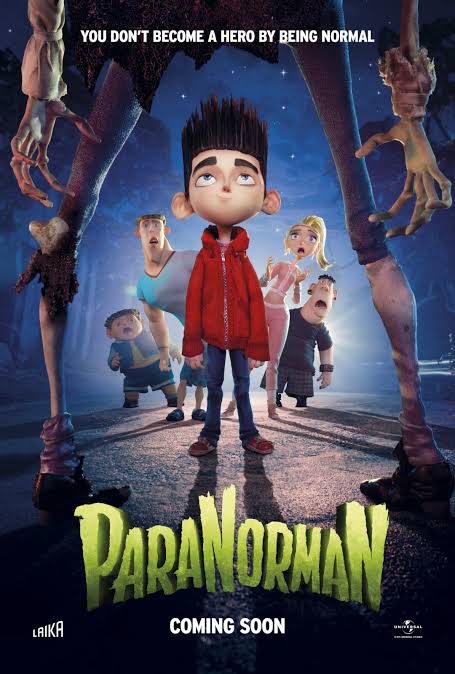
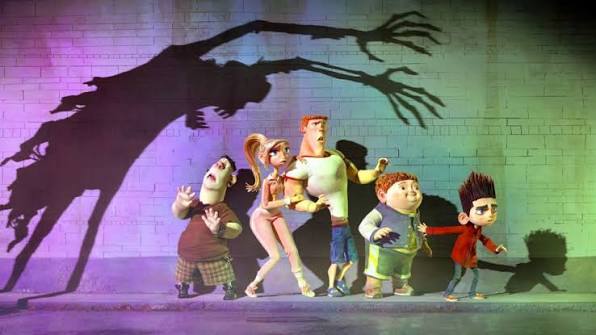
ParaNorman blends the creative stop motion design of Laika studios, and the constant conversation they have with grief and death with a simple spooky Halloween-esque storyline that really works as a 90-minute flick. When it comes to speaking about nuance in these animated films it’s always a balance between simplistic storyline, and tough conversations framed in a way that can hit hard for all ages. And while ParaNorman finds the right amount of simplicity, the depth here is a bit more surface level when compared to the other films we are talking about on this list. What this film does excel at and why it stands out from the rest is in its charm built through the rag tag group of main characters that help fight against the evils the film produces, a lighthearted bickering that feels well designed really carries ParaNorman to a height it otherwise would not have achieved. ParaNorman may be one of the more simplistic Laika studios films, but it captures the Halloween spirit wickedly well and produces a unique angle of the stop-motion atmosphere that stands apart from any other film in the medium.
ParaNorman arrived as Laika’s second feature with Chris Butler writing and co-directing alongside Sam Fell, and it functioned as the studio’s statement that Coraline had not been a fluke and that a specific house style was being built rather than stumbled into. The film made real technical history as the first production to use full-color 3D printing for its replacement faces, a process that gave Norman and the rest of the cast a range of expression stop-motion had never previously been able to produce and that became standard practice at the studio from that point forward. It also broke ground in a way that had nothing to do with animation, featuring what is widely recognized as the first openly gay character in a mainstream animated film, a reveal handled in a single casual line during the closing minutes that generated a genuine cultural conversation in 2012 and that holds up considerably better than most of what surrounded it. Butler built the whole thing out of an obvious and deeply felt love for 1980s horror, which is why the film’s references land as affection rather than as pastiche and why its Halloween atmosphere remains the most convincing in the studio’s catalogue. It earned an Academy Award nomination for Best Animated Feature and became one of Laika’s few genuine commercial successes, earning 80/100 from TwilightRoom and the fourth spot on our list.
3. Kubo and the Two Strings
86.5/100 - 2016 - Travis Knight
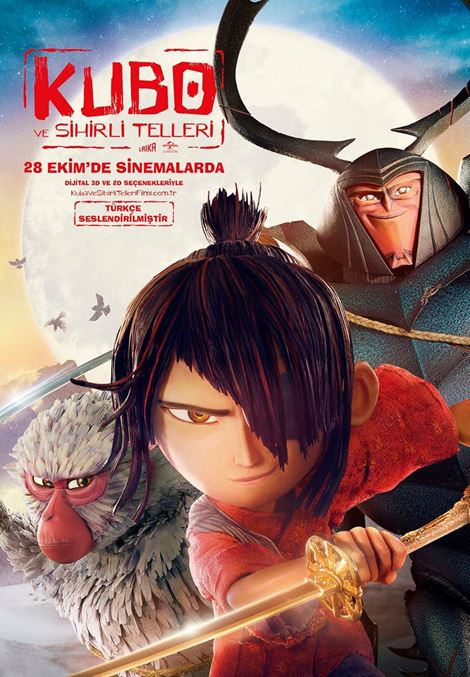
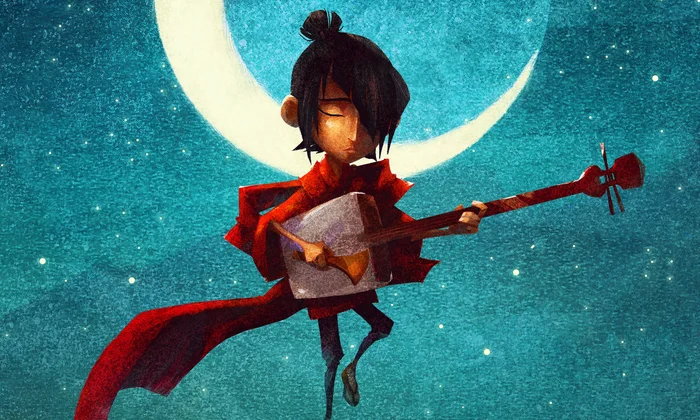
Travis Knight made his stop-motion directorial debut in 2016 with Kubo and the Two Strings, and it stands as proof that an epic adventure can be told in these miniature universes while looking beautiful from start to finish. In hindsight, after Wildwood’s release, the film is a clear step toward something greater, yet remains great itself, building a team of four, a boy, an origami figure, a monkey, and a beetle, who fit so well and uniquely together that the audience is won over the moment Kubo finds the monkey his mother’s magic left him. The film itself is the saddest and most reflective of the studio’s releases, diving deeper into loss than we have seen before and exploring it through the eyes of its main character, Kubo. The film is a minor masterpiece for Laika that proves there is something more to be done in stop-motion, with gorgeous color schemes, intense battle sequences never thought possible, and a storyline that pulls at the heartstrings from start to finish, standing as the third-best film the studio has ever produced.
Kubo and the Two Strings marked Travis Knight’s directorial debut after years as Laika’s CEO and lead animator, and it remains the clearest demonstration of what happens when someone who has spent a career inside the puppets finally gets to decide where the camera goes. The film pushed the studio’s rapid-prototyping work further than anyone had taken it, with 3D-printed replacement faces allowing for millions of possible expressions on a single character, and it produced what was, at the time, the largest stop-motion puppet ever built: the sixteen-foot skeleton that dominates the film’s most audacious sequence. It earned Academy Award nominations for Best Animated Feature and Best Visual Effects, making it the first stop-motion film ever nominated in the visual effects category, where it stood alongside live-action blockbusters built on budgets many times its size. It took the BAFTA for Best Animated Film as well. The voice cast of Art Parkinson, Charlize Theron, Matthew McConaughey, Rooney Mara, and Ralph Fiennes drew some criticism for how little it reflected the film’s Japanese setting, a conversation that has followed the picture in the years since and is worth acknowledging alongside the praise. Commercially, it underperformed against its budget the way most Laika films have, but its reputation has only grown. In hindsight, it reads as the film where Knight proved the studio could stage something genuinely epic within this medium, earning 86/100 from TwilightRoom and the third spot on our list.
2. Wildwood
93.5/100 - 2026 - Travis Knight
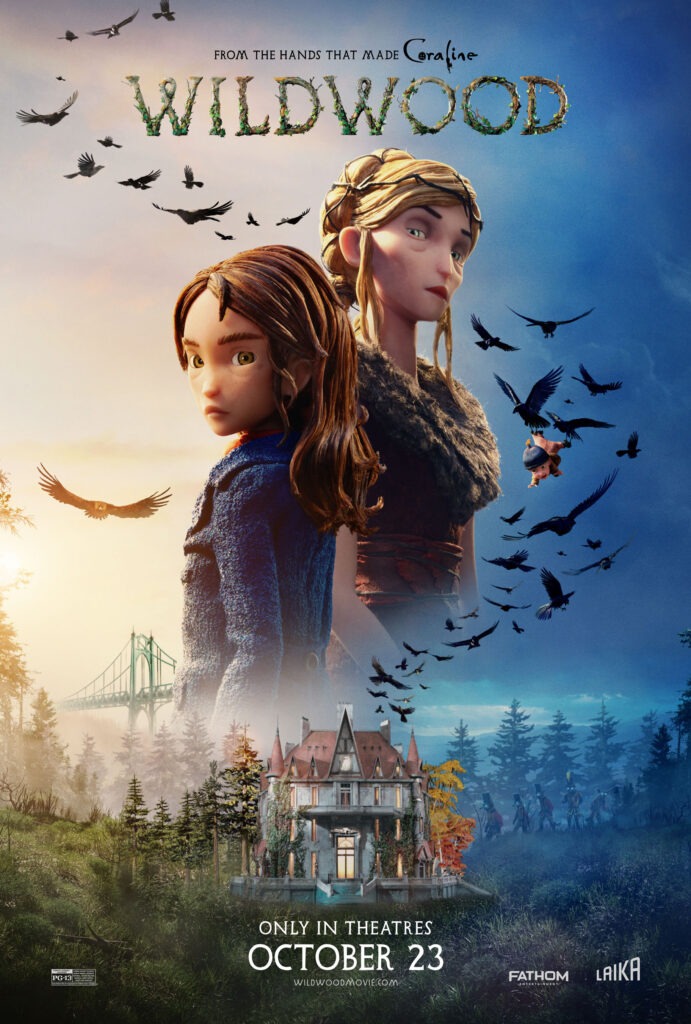
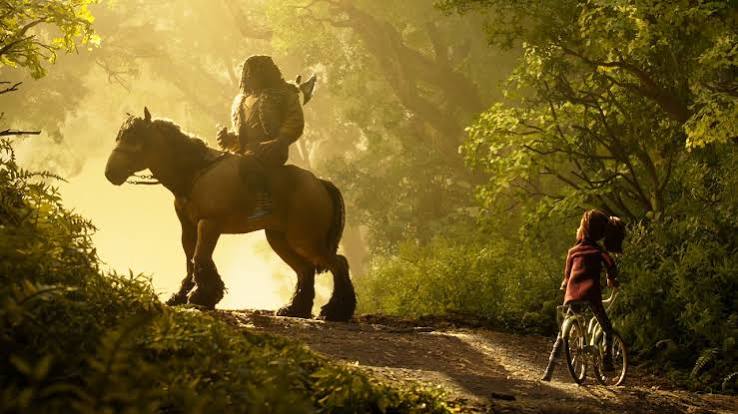
Wildwood is a magnificent piece of stop-motion that delivers a classic animated fantasy adventure from its very first frames, proving Laika can both create something never seen before and capture an audience with a tantalizing narrative. The film is an epic adventure with real beauty and a unique tone baked directly into the heart of the plot, a rare fantasy that is not a copy-and-paste but instead borrows from a general template and transforms it into a style and tone that nobody else has ever even dreamed of. The film achieves the absolute peak of Laika’s animation, which is remarkable, as the studio has been operating at the top of the medium since Coraline and has never once put out something that was not worth your time. But Wildwood is on another level of magnificent. Travis Knight’s introduction at the AFI premiere offered a whole new perspective on the film, framing the narrative around grief and the ones we wish we were sitting next to in the theater, a powerful message that the film itself stands by gorgeously rather than merely gesturing toward. Wildwood is a magnificent achievement in stop-motion filmmaking, but even more than that, it is the clearest example that an art form can only go as far as the heart and soul placed within it allow. In this case, Knight brings pure genius to this fantasy adventure epic, creating a film that is truly special.
Laika optioned Colin Meloy and Carson Ellis’s novel in September 2011, only weeks after the book was published, and the finished film did not reach theaters until October 2026, making Wildwood a fifteen-year project from acquisition to release and the longest gestation of anything the studio has attempted. Travis Knight has been entirely open about the fact that the delay was deliberate, believing Laika simply was not capable of making this film in the years following Coraline and needed five more features to build the tools, techniques, and production expertise a project of this scale would demand. What that time bought is staggering on paper and more staggering on screen, with 136 unique locations, more than 230 handmade puppets, a half-scale Pittock Mansion standing nearly thirteen feet tall that took roughly fifty artists over eleven weeks to construct, and a golden eagle carrying close to four thousand individually placed feathers that a single animator shepherded through nearly its entire sequence. Chris Butler adapted a five-hundred-page novel into a script of about a hundred and twenty pages, Dario Marianelli returned for his third Laika score, and Caleb Deschanel came in having never shot stop-motion in his life, bringing a live-action cinematographer’s instincts to a medium that almost never receives them. At 140 minutes, this is the longest stop-motion feature ever made, Laika’s first PG-13 film, and its first set in the studio’s hometown of Portland. Its trailers drew 178 million combined views, the biggest launch any fully stop-motion film has ever had. Knight has consistently framed the project as a celebration of artistry over algorithms, and the finished film earns a 93/100 from TwilightRoom and the second spot on our list.
1. Coraline
95.6/100 - 2009 - Henry Selick
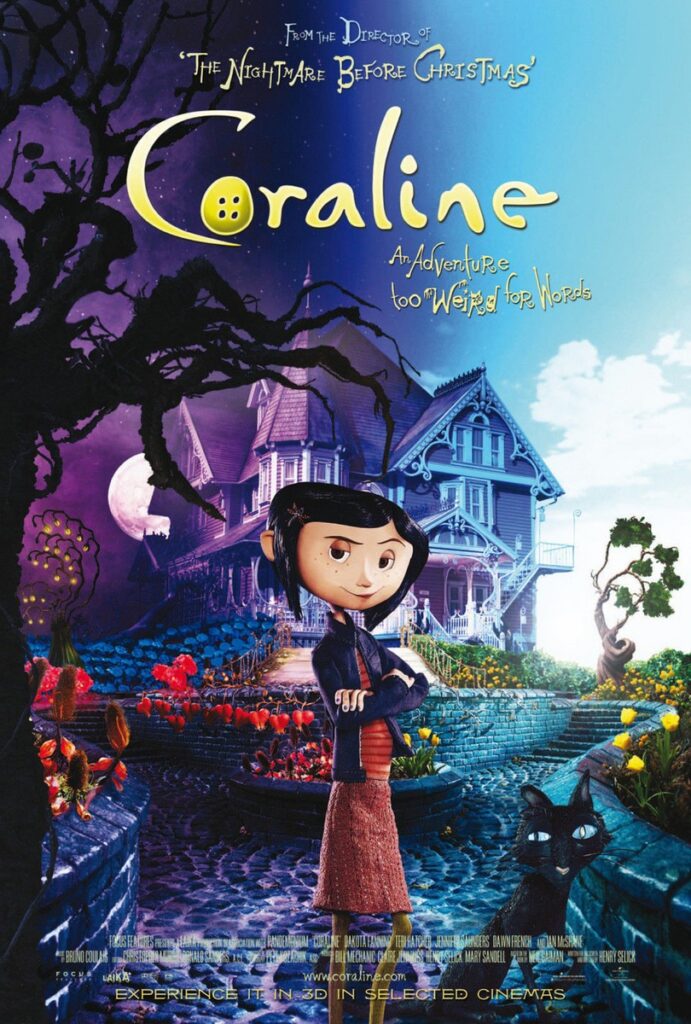
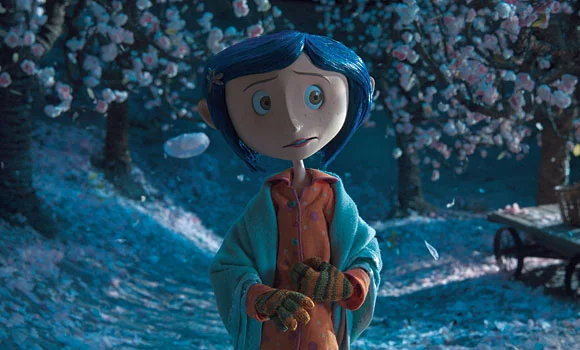
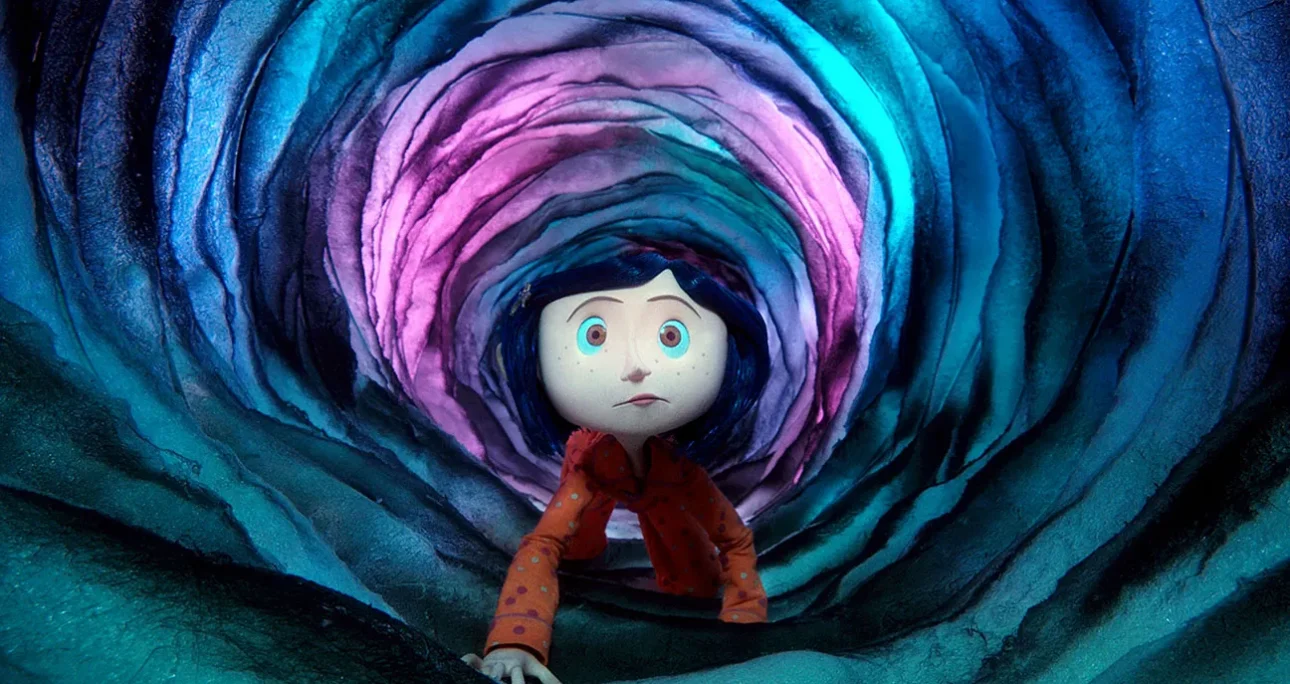
Coraline still stands as the first and best film Laika Studios has ever produced, a masterpiece of metaphorical, semi-horror storytelling that provides a great film for younger audiences and a beautifully reflective and horrific one for older, returning audiences. The film is one of the first stop-motion animated features to blend the colors of its setting perfectly with the emotions and looks of its characters, and it shines because of that, creating a world that feels lived-in, eerie, and aesthetically pleasing in just the right spooky way. Laika has always been great at exploring family, but it has never framed the subject quite this way since, as an open-ended question that remains unanswered, continuing to inspire conversation and art long after the film’s release. Coraline truly is the masterpiece many audiences claim it to be, not only launching one of the most critically successful animation studios ever but also serving, alongside Fantastic Mr. Fox, as a driving force behind a modern era of stop-motion media that has never seemed to let up in its endless pursuit of creativity. Coraline will always stand as the best Laika film, not simply because it is the first of the bunch, but because it has the most distinct vibe, the philosophical questions, and the greatest reach of any film in the 21st century to date.
Coraline exists because Henry Selick had been trying to adapt Neil Gaiman’s novella since the manuscript stage, having received an early copy years before publication, and because a newly formed Laika, built out of the remains of Will Vinton Studios after Phil Knight acquired it, was looking for a film audacious enough to announce that a serious stop-motion house now existed in Oregon. The production involved roughly two years of shooting with around 450 people on staff, generated some 6,333 handmade costume pieces and a knitted sweater so small it required needles the size of sewing pins, and pioneered the 3D-printed replacement-face system that every Laika film since has been built on, with Coraline alone receiving around 207,000 possible facial expressions across roughly 28 printed faces. It was also the first stop-motion feature conceived and shot in stereoscopic 3D rather than converted afterward, which Selick used not for spectacle but to make the Other World feel physically deeper and more inviting than the real one, a formal idea almost nobody else attempting 3D in 2009 was interested in. The film earned an Academy Award nomination for Best Animated Feature, grossed over $120 million against a $60 million budget, and then did the genuinely rare thing of growing larger every year afterward, sustained by a fandom that has kept its imagery, its questions, and its button-eyed horror in constant circulation for well over a decade. Its 2024 theatrical re-release pulled in substantial money on its own and introduced the picture to a generation that was not alive when it opened, confirming what has been obvious for years: this is the most durable and widely reaching animated film of its century, earning a 95/100 from the TwilightRoom and the top spot on our list.