Legacy sequels to films as iconic and culturally impactful as The Devil Wears Prada, especially those with a massive cult following, rarely feel necessary and often play like pure cash grabs particularly when they arrive nearly two decades removed
from the original, but this follow-up sequel surprisingly finds a reason to exist in a new fashion climate modernized to the social media landscape and honoring its main characters. Returning to a world that helped define workplace comedy-drama in the 2000s
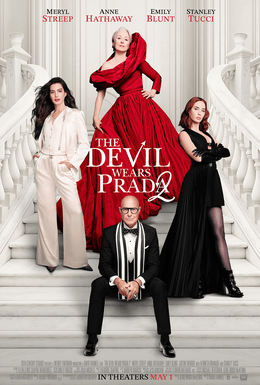
creating iconic vibes and moments, the film leans into a familiar set up to its organization and cast while updating its tone, themes, and industry pressures for a much different era. The reintroduction of Runway under fire and its high-pressure environment feels natural, with Andy Sachs’ return grounding the audience back into a world that’s both nostalgically familiar and still sharply relevant. From the opening stretch the film does a great job re-establishing its identity through snappy pacing, stylistic callbacks, and a clear sense of who and what made the original resonate. The Devil Wears Prada 2 is a stylish and surprisingly necessary sequel that doesn’t reinvent the wheel but successfully recaptures the energy and character dynamics of the original, even if it struggles to maintain that consistency through its slower middle acts.
The story follows Andy being pulled back into Runway during a time of crisis after she’s laid off from her last publicist job, creating a natural reentry point that mirrors the original while giving her a more experienced, confident role that fits her seamlessly into the company. A central narrative thread revolves around saving the brand’s image and stability, with Andy positioned as a key figure in helping reshape its direction. The film introduces corporate pressure and modern industry shifts, giving the sequel a more contemporary conflict compared to the first film’s personal growth focus. While the setup for the film is strong and a nice nostalgic moment the structure leans heavily on familiarity and love for the first, at times feeling like a reworking of the original rather than a fully evolved sequel before diving into a much different path later in the film.
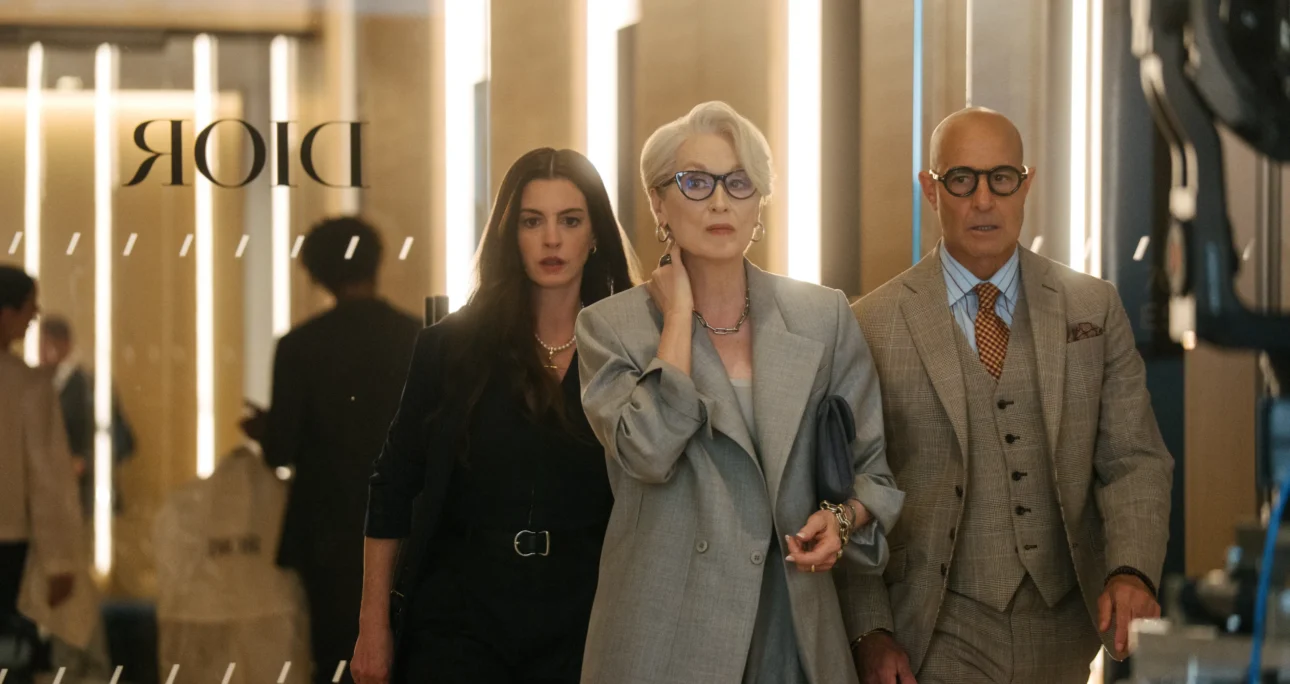
Meryl Streep returns to her Oscar-nominated role and once again dominates the screen like the icon she is, slipping back into Miranda Priestly with the same commanding presence and finely tuned restraint that defined the original’s cult status. Anne Hathaway’s Andy feels like a true progression as she is having a blast re-acting her character, returning more confident and capable while still navigating the same moral tensions. Emily Blunt returns as Emily and often steals the show, channeling the same sharp comedic timing and iconic logo–obsessed, retail-diva energy while evolving into an even more confident, competitive presence this time around. Stanley Tucci also returns as Nigel, given more room to shine after his bittersweet ending in the first film, delivering some of the sequel’s most emotionally memorable and well-earned moments. The core cast of four is brought back to the forefront, with a handful of new faces woven in around them, a smart creative choice that likely plays a big part in why this sequel works as well as it does.
The film updates its themes to reflect a more modern workplace culture, by tossing in subtle commentary on cancel culture, evolving expectations, the presence of AI in fashion and the phasing out of physical media in the space. Miranda’s leadership style is re-examined in a world that may no longer fully be down for the tyrannical reign, adding a layer of tension to a severely misunderstood character by much of the public in the film, but loved by audiences. Andy’s internal conflict surrounds this commentary as she must debate writing a biography on Miranda introducing a split point that is morally complex, and becomes a key factor in Andy’s decisions throughout the film. The film balances its commentary with light comedy, keeping it accessible while still engaging with the modern industry shifts.
The visual style effectively mirrors the original, using fashion montages, handheld movement, and fast-paced editing to recreate the energy of the runway environment that did the first, so well. Fashion sequences and office scenes are well executed, maintaining the sleek, stylish identity that defines the franchise. Camera work during character-focused moments helps reinforce Andy’s perspective and emotional positioning within the story. While nothing is groundbreaking, and the overall technical analysis of the film serves quite ordinary, the direction is confident, consistent and aware, prioritizing tone and familiarity over experimentation, working for the most part here.
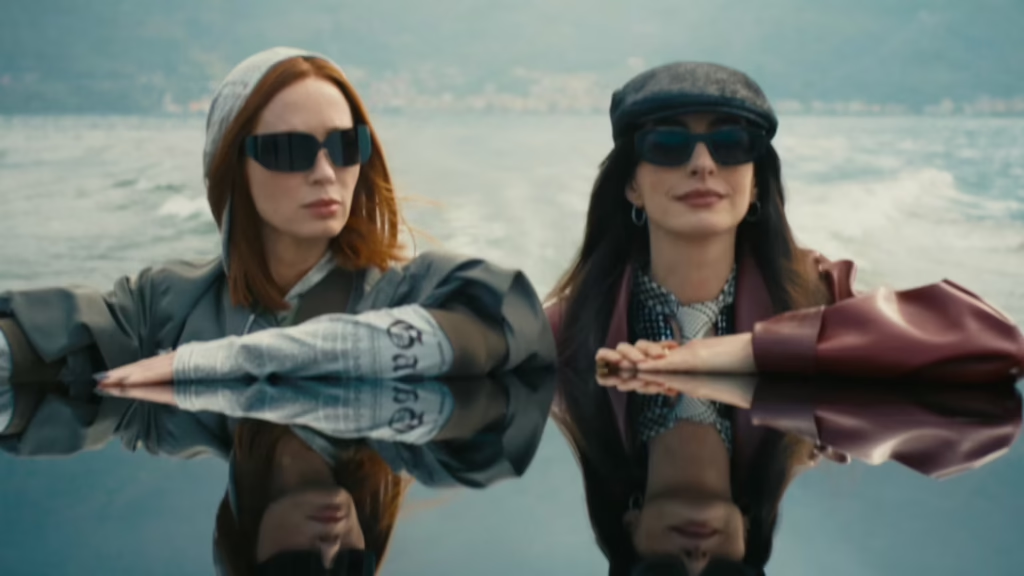
The first 40 minutes are so snappy, fun, engaging, and feel like a true return to form, quickly establishing the film’s tone and rhythm. The opening hour builds effectively, layering in stakes and character dynamics while maintaining string momentum. The middle section slows noticeably, losing some of the sharpness and pacing that defined the beginning. This slowdown does pull back and feel less focused, but the final act is able to return to the form, something we have come to expect from a really smart sequel.
The dynamic between Miranda and Andy remains the emotional and narrative core of the film, continuing to evolve in subtle but meaningful ways, this time feeling more like a collaboration than a one-sided comedic stumble. Emily’s role introduced a competitive and strategic layer, especially with her new position, adding tension within the professional space, as he she tries to take over Runaway with her rich boyfriend. Supporting relationships with Nigel bring the same warmth they always have, grounding the story as one of the franchise’s emotional anchors while Andy’s shifting alliances, choices, and evolving priorities are thoughtfully reflected through him and the new characters now doing the job she once held.
The narrative shifts when Runway faces serious internal and external threats, raising the stakes beyond personal drama into company-wide consequences, as Irv passes away and his son takes over. Andy is placed in a position of real responsibility, forcing her to navigate high‑pressure decisions that directly shape the company’s future. She teams up with Emily to try to buy Runway back from the new owner, but Emily double‑crosses her, angling to take over as the new head of the magazine and effectively push Miranda aside. The film builds towards this moment where Andy decides to throw away her book deal, and do whatever she can to work with Miranda to get the company back from buyers aiming to ruin what Runway stands for. The final act really regains the film’s early energy, bringing back that fast paced stylish sequencing, and emotional beat payoffs fans really love. Miranda and Andy work together more than they ever have, ultimately aligned, working together to save the company in a resolution that feels both satisfying and earned within the story. The conclusion leans into a more positive and complete ending for its core characters, providing closure without undermining growth. The final moments reinforce the film’s ambition, its love for New York, and its clear understanding of what the 2006 original stood for, leaving audiences genuinely glad this sequel exists.
The Devil Wears Prada 2 succeeds in doing what most late sequels fail to do, find the charm of the first while justifying its existence, expanding on the characters already loved and not bringing in too much new to mess it all up. While it leans heavily on this familiarity and does have some stumbles in pacing in the middle acts, the cast had a blast making this and you can tell through their performances and dynamics throughout the film. It may not fully reach the cultural heights of the first film, but it comes damn close, delivering a fun, stylish, and emotionally satisfying continuation that earns an 80/100 from TwilightRoom.
TwilightRoom Score: 80.5/100