After a promising first season, Batman: Caped Crusader returns for season two as a genuinely cool homage to Batman: The Animated Series, revitalizing that classic
spirit and pulling it off well across the season. The show shifts its focus from a season one that was good, not great, more heavily into a slow building overarching story story this time around while still preserving that episode-by-episode feel the format has always thrived on, and you guessed it the season’s climax is yet another
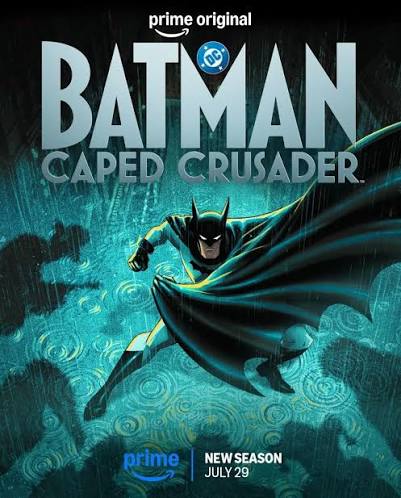
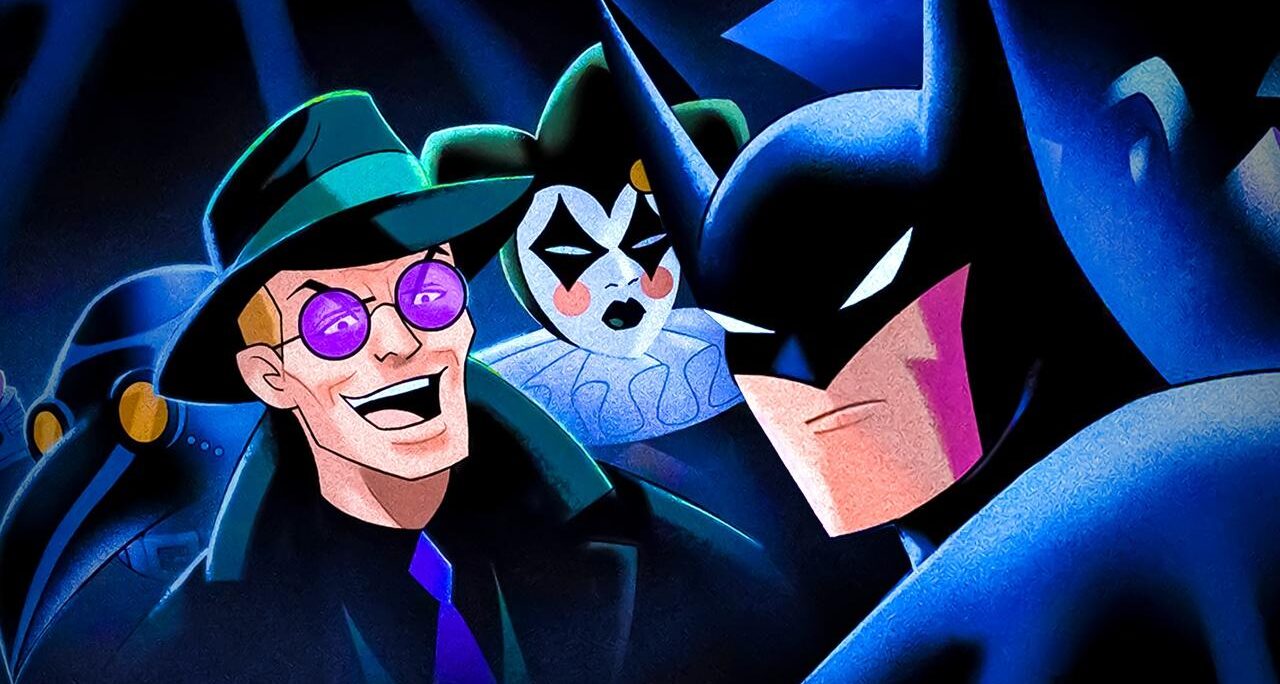
clash of the best hero-villain duo in the history of comics in Batman and The Joker. This is a series that balances its villains and story with real confidence, no fear of killing off its characters and setting up a crueler Gotham City, while staying true to Batman’s own moral code and design, a willingness to raise the stakes that most Batman shows shy away from. The new rogues gallery gets noticeably darker, with striking new designs across the board. Nearly every major villain is reinterpreted in a way that pushes the show away from kid-friendly territory and toward the emotional, noir-detective style the original animated series thrived on. Season 1 of Batman: Caped Crusader was good, but Season 2 was outstanding and a major step forward, cementing it as one of the best animated superhero shows of the last decade and a strong tonal counterpoint to the current Superman run. It also stands out as one of the top 10 shows of the year.
The season wastes no time putting its central hook into motion, sending Bruce Wayne to prison to find answers in a genuinely cool version of Batman as a detective, stripped of the suit and forced to work an angle from the inside. There’s clearly a great deal of thought behind that choice as a season-opening gambit. The prison break that caps off episode three is a blast, the first real payoff of that setup and a jolt of momentum right when the season needs it. Two-Face is an early highlight, cool enough to carry some of the season’s shakier stretches on his own, and the new character designs throughout are genuinely admirable, giving even the smaller players a fresh look worth noticing. The early arcs aren’t always especially special, occasionally leaning on jokes and beats that feel recycled from earlier in the show’s run, but the character work more than compensates for the softer plotting in these opening stretches. The Riddler takes on the role of main villain early in the season, and the show handles that transition well, giving him real weight and screen presence as a mob-boss leader before the story pivots toward its bigger threat.
An early shooting carries real weight and genuine emotion, a level of violence other Batman series are typically too cautious to attempt, and it lands as brutally effective television because the show earns it rather than chasing shock value. The following episode pivots to framing Batman himself, with a new ritualistic antagonist posing as an impersonator before being revealed as Barbatos, a genuinely unique villain and a welcome deep cut for anyone who knows the comics beyond the usual suspects. Harley Quinn’s new design continues to be very cool here after its reveal in season one, and it pays off especially well once she works alongside Batman directly in episode six, one of the season’s more surprising and rewarding pairings. Jonathan Crane gets a redesign of his own too, reimagined as a serial killer version of Scarecrow that leans heavily into crow imagery, though the show’s growing obsession with murder does start to feel like a bit much after several back-to-back episodes leaning in that direction. Episodes five and six continue the season’s trend of spotlighting underutilized Batman villains while keeping bigger names like Joker and Riddler simmering underneath. Poison Ivy’s genuinely interesting new origin adds another strong entry to the season’s run of fresh takes on Batman’s rogues.
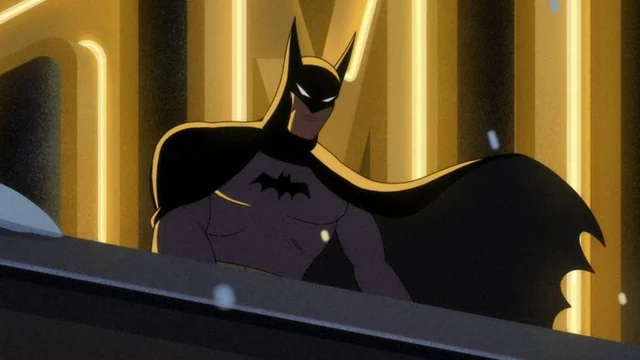
Laraine Newman’s narration throughout the season plays like a J. Jonah Jameson-style role, and it’s a genuinely fun device that adds texture to how the season frames itself episode to episode. The Joker, fittingly, spends most of the season lingering in the shadows, and the show embraces a horror-inflected version of the character rather than rushing him to center stage before his moment is earned. The Riddler and Ivy pairing plays out like a smooth Bonnie and Clyde noir story, and while the season’s focus on villains over Batman is another clear homage to the spirit of the original animated series, an episode or two centered more directly on Bruce would have been a welcome addition to the back half. Ivy killing the Riddler stands as the best episode of the series so far, a genuinely fantastic 20 minutes that reframes the entire dynamic heading into the final stretch. Episode eight adds another fun wrinkle, as a new Mr. Freeze forces a confrontation with Carrie Kelley, Frank Miller’s Robin variant, giving the season one more surprising swing right before its climax and ending with the Joker’s involvement being revealed.
After eight episodes of great slow buildup, the Joker finally makes his move in a much more intelligent version of the villain, revealed to have manipulated nearly every major power player in Gotham as he steps into center stage and infects the entire city with his laughing gas, emerging as the season’s true villain. This rendition is so evil and so unbelievably cool across the season that, by the time his plan comes together, the effect on the audience feels chilling and horrific. The final two episodes deliver a spectacular Batman-Joker battle, borrowing thoughtfully from many different versions of their story across decades of adaptations. The whole arc caps off as one of the biggest season-two step-ups the format has ever produced, elevating the show considerably from its freshman year. The final fight and monologue between the two are so strong and so reminiscent of the best parts of The Dark Knight’s final act that they close the season on a note that defines what a five-star season of animated TV should look like today.
Caped Crusader Season 2 succeeds on all fronts both as a living homage to Batman: The Animated Series and a genuine evolution of it, one confident enough to darken its rogues gallery and raise its stakes without losing sight of what made the original special. The shift toward a stronger overarching arc and more recurring villains throughout the season, while still making room for unique new villains, gives the season a shape and momentum that season one didn’t quite have. Nearly every major villain gets a meaningful redesign or reinterpretation, from Scarecrow and the Riddler to Poison Ivy, Barbatos, and Mr. Freeze, keeping the rogues gallery feeling fresh rather than recycled. The Joker’s slow-burn manipulation arc and the resulting Batman-Joker finale stand among the best material the character has ever received in animation. Season 2 overall marks a giant leap forward for the series and lands as one of the strongest animated superhero seasons in recent memory. It is at its weakest in the earlier episodes as it gets going, but becomes transcendent by the time it reaches the finale, earning an 86/100 from TwilightRoom.
TwilightRoom Score: 86.6/100