Introducing Ernst Lubitsch
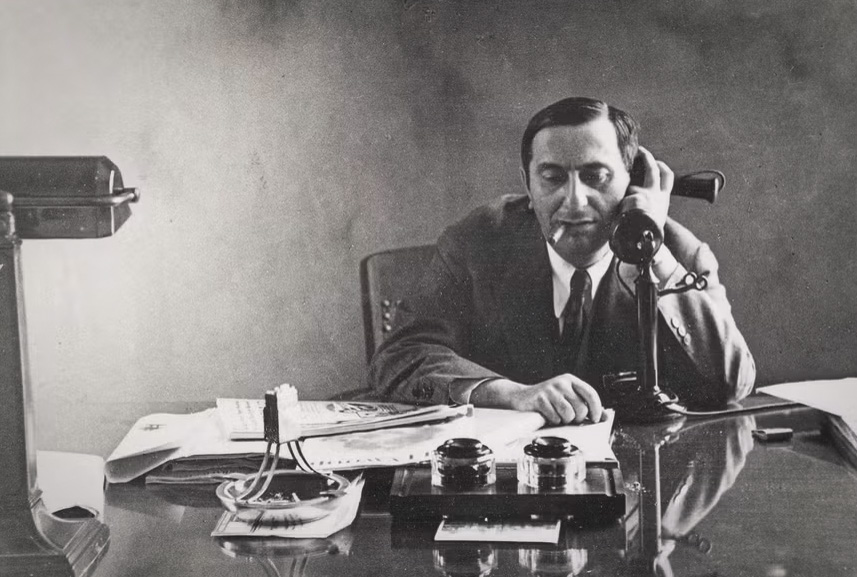
Ernst Lubitsch remains one of the most influential filmmakers in Hollywood history, a director whose fingerprints can still be felt across the romantic comedy genre nearly a century later. Before redefining Hollywood, Lubitsch first rose to prominence during the silent era in Germany, crafting massive historical epics and sophisticated comedies that quickly established him as one of Europe’s premier filmmakers before his eventual transition to Paramount and the American studio system in the 1920s. Across these eleven films, Lubitsch not only perfected what would become known as “the Lubitsch Touch,” a style defined by implication, wit, sophistication, and emotional intelligence, but also continually evolved it across shifting Hollywood eras, from pre-Code sexual freedom to wartime political satire and, ultimately, deeply reflective human dramas. A three-time Academy Award nominee for Best Director and recipient of an Honorary Academy Award in 1947 for his contributions to cinema, Lubitsch transformed the romantic comedy into something smarter, riskier, and more emotionally layered than it had ever been before. Whether through the playful musicals of his early Hollywood years, the elegant romantic perfection of Trouble in Paradise, or the politically daring satire of To Be or Not to Be, Lubitsch’s career stands as one of the defining evolutions of both classic Hollywood storytelling and sophisticated cinematic comedy itself.
The Love Parade
80.4/100 - 1929
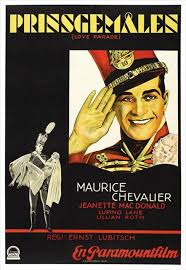
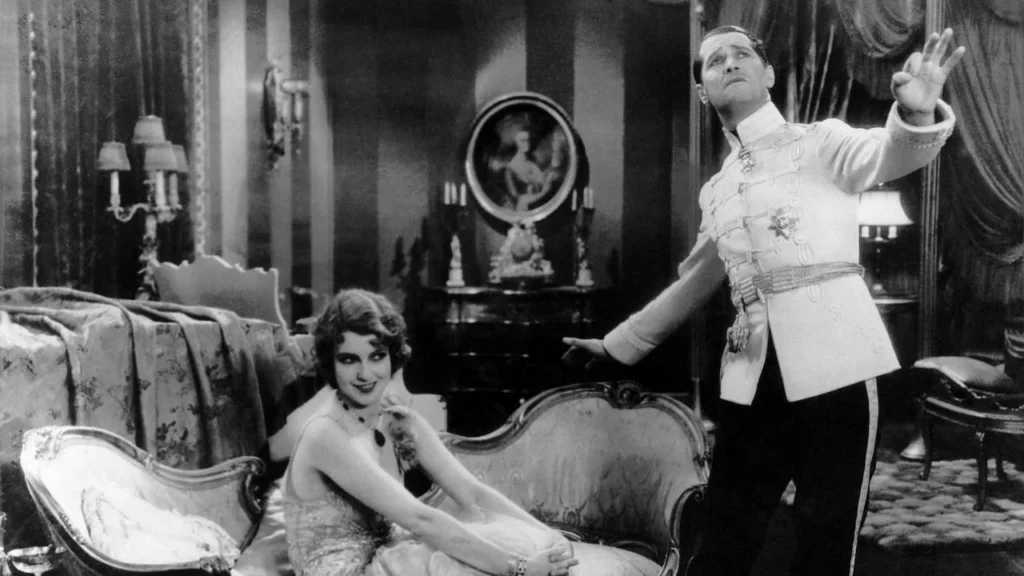
Ernst Lubitsch’s transition into talkies marked not only his arrival in Hollywood, but the beginning of his influence on the American romantic comedy as we know it today. In 1929, he released The Love Parade, the first of four musicals that would define the start of his Hollywood era.
The film quickly establishes the elegant, flirtatious tone that would come to define both his musical era and what would later be coined “the Lubitsch Touch,” opening with Count Renard, played by a soon-to-be familiar face on this list, leaving Paris for the fictional kingdom of Sylvania in the first musical sequence of Lubitsch’s career. And although a clear first time for the director trying to establish his prowess in America, the choreography and musical staging still limited heavily by early sound filmmaking tech, the opening number does a great job showcasing Lubitsch’s interest in using music as an extension of romance and charm, rather than pure spectacle, an affinity for flirtatious dialogue through song. Queen Louise is introduced as a ruler stuggling to find both political balance and a suitable husband that meets her and the kingdom’s needs, setting up the two for a romantic and power dynamic that drives the film’s comedy. Much of the humor throughout the film is heavily dialogue-based through flirting, and couple conversation, another tool used so frequently in these 11 films, you as an audience may even know what comes out of the character’s mouth next, but early on that dialogue was sexual, flirtatious and one of the best example of a man taking advantage of the pre-Hays code era. Lubitsch’s first musical is certainly not his musical peak, operating less like a traditional musical and more as an early blueprint for the sophisticated Hollywood romantic comedy, using the music to dial up the implication, flirtation, and conversational wit that built the director’s identity and launched him to stardom. The Love Parade succeeds as a foundational Hollywood musical because Lubitsch transforms the early sound film format into a sophisticated adult romantic comedy built on implication, charm, and playful power dynamics rather than spectacle alone.
The film’s narrative follows Queen Louise and Count Renard as their flirtatious relationship slowly transforms into a marriage built on manipulation, status tension, and romantic implication rather than traditional sincerity. Lubitsch structures much of the romance through sneaking around the palace, suggestive conversations, and witty dialogue, establishing one of the earliest examples of “The Lubitsch Touch,” where the audience is often told what happened rather than explicitly shown it. Maurice Chevalier and Jeanette MacDonald work well together despite MacDonald’s much stronger singing ability, while Jacques and Lulu almost function as comedic commentators mirroring the main romance throughout the film. The “Love Parade” musical sequence represents the film at its most stylistically appealing, using music more as an extension of flirtation and charm than spectacle. Once the marriage begins, however, the film becomes more focused on power and insecurity, as Renard realizes he is not respected politically beneath Louise, creating a surprisingly modern marital conflict beneath the comedy. As the manipulation and emotional tension between the two escalate, the back half becomes significantly more engaging than the lighter opening material, eventually leading Louise to recognize her genuine love for Renard before Lubitsch closes the film with the same playful charm and self-awareness that defines its entire tone.
The first sound film of Ernst Lubitsch’s career after transitioning from his German silent era into Hollywood filmmaking through Paramount in 1929, was a huge success in an era defined as “early Depression-era.” These musicals were becoming major escapist entertainment pieces, but Lubitsch was still able to separate himself by focusing more on the romance and dialogue than spectacle-heavy production numbers. The pre-Hays Code environment, before the 1934 enforcement of censorship restrictions designed to make films more palatable to wider audiences, allowed Lubitsch’s films to embrace flirtation, sexual innuendo, and morally playful relationships. This freedom was both unprecedented and monumental, exploring territory Hollywood had barely examined and would soon restrict for decades. Along with perhaps his favorite early Hollywood actor, Maurice Chevalier’s charming foreign playboy persona and one of his early combative and loveable female actors Jeanette MacDonald’s elegant operatic presence quickly became defining pieces of his Hollywood journey. Although it’s not his most refined work, The Love Parade established many of the stylistic trademarks Lubistch would later perfect in his next 4 films before the Hays Code was enacted, earning it an 80/100 from the TwilightRoom.
Monte Carlo
79.4/100 - 1930
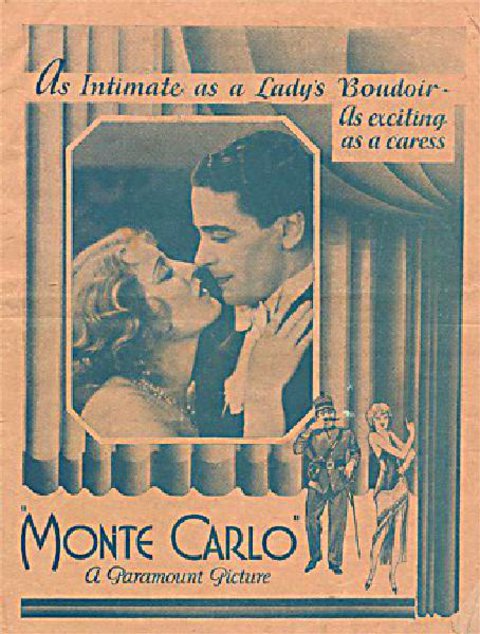
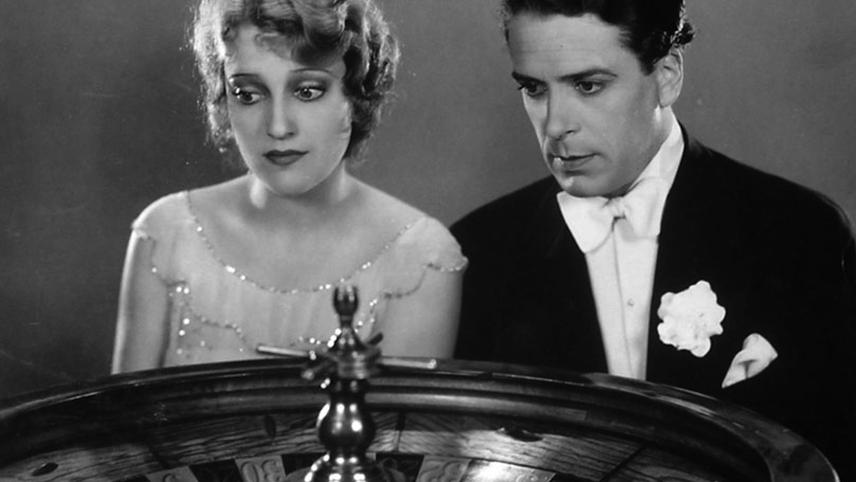
Moving into the 1930s, and following the early success of The Love Parade, Ernst Lubitsch returned with a much more musical film in Monte Carlo, a lighter and sweeter romantic comedy that continues his early Hollywood experimentation, with how he can blend storylines that enthrall an audience
through sophisticated written comedy, and flirtation smashed into one. The film opens with Princess Helene fleeing an arranged marriage and impulsive escaping by train to Monte Carlo, immediately establishing the whimsical and romantic tone that defines much of the film’s atmosphere. Compared to The Love Parade, Lubitsch’s second musical feels more traditionally romantic and emotionally tender, less focused on class dynamics and more invested in the sexual tension that propelled his popularity. Much of the comedy (whether it holds up today or not) and the musical structure are built around clever wordplay and songs that actively move the plot forward. This allowed Lubitsch to continue experimenting with how dialogue and music function together in romantic storytelling, a balance he seemed to master ahead of the rest of the industry. Monte Carlo is one of Lubitsch’s weaker works, yet still succeeds as a charming continuation of his early Hollywood musical period, for its refined use of sound, wit, and romantic fantasy while pushing the “Lubitsch Touch” toward a sweeter and more emotionally driven direction.
The film follows Princess Helene after she escapes to Monte Carlo, where Count Rudolph quickly becomes infatuated with her and disguises himself as her hairdresser in order to get closer to her without revealing his true identity. Unlike the stronger romantic chemistry and status conflict found in The Love Parade, the romance here feels much more cartoonish and exaggerated at times, especially through Rudolph’s constant pursuit of Helene, that occasionally comes across as dated, and even somewhat creepy by modern standards. Still, Lubitsch continues using music and dialogue as extensions of flirtation and emotional storytelling rather than interruptions to the narrative, with the songs actively helping progress both character and romance. Despite its simpler and more fairy-tale-like premise, the film still charms through its softer emotional core, particularly during the final act when Rudolph takes Helene to a play that mirrors their own relationship and pushes the two toward realizing their love for each other. By the time the two reunite and ride off together at the film’s conclusion, Monte Carlo fully embraces the sweet romantic fantasy atmosphere that separates it tonally from some of Lubitsch’s sharper and more layered romantic comedies.
Monte Carlo further established Ernst as one of the defining directors of early Hollywood, continuing his takeover transition from silent filmmaking into sophisticated but fun and entertaining sound era romance. Jeanette MacDonal again becomes a much stronger centerpiece here, particularly after Jack Buchanan steps in instead of Maurice Chevalier, who seems to steal the show in every Lubitsch film he stars in, allowing her screen presence and vocal ability to shine much more prominently. Lubitch continued experimenting with his musical number to progress narrative and character relationships, clearly showing his progression to the peak of his musical career and then eventually moved away from the musical into a much more focused style of writing. It’s another really strong film that defined what the early “Lubitsch Touch” was, using economy of dialogue, implication, and cheerful sophistication to approach romance with elegance but unique narratives rather than emotional excess. Although less nuanced and emotionally layered than many of his other works, Monte Carlo helped solidify the romantic musical style that would define much of his early Hollywood success.
The Smiling Lieutenant
81.9/100 - 1931
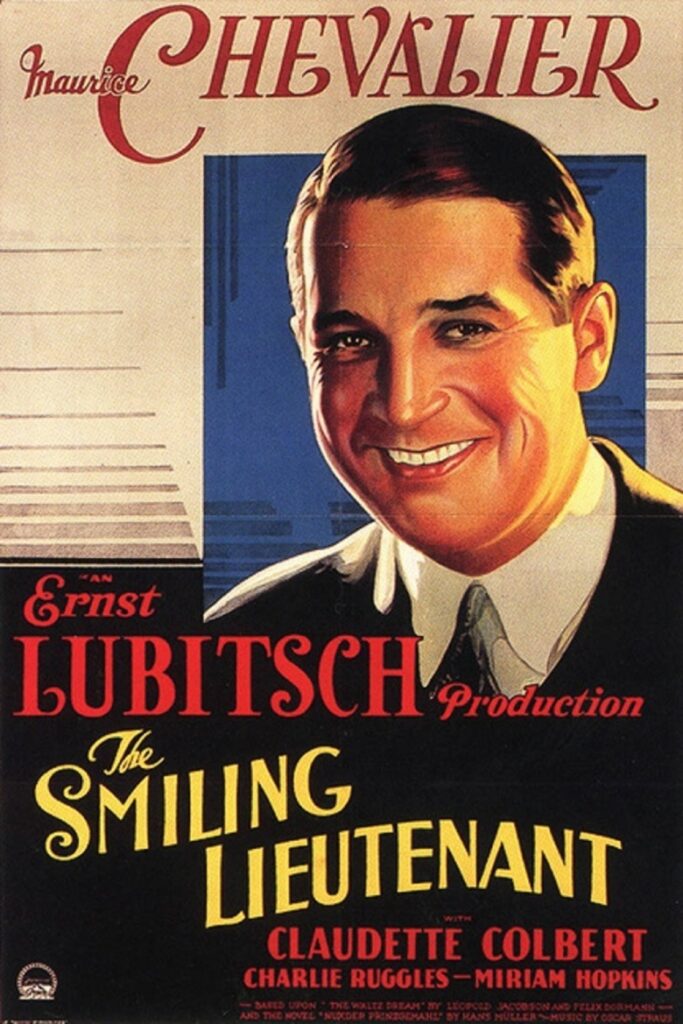
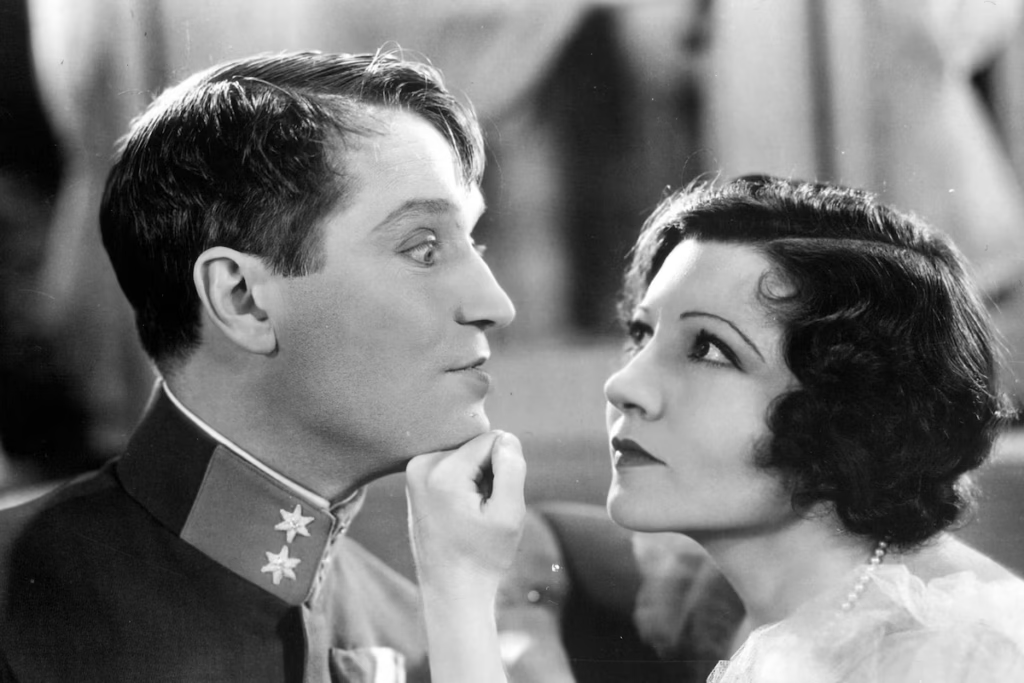
Returning for his third musical in a legendary four-film run to start his Hollywood career, Lubitsch reunited yet again with now-A-list star Maurice Chevalier in The Smiling Lieutenant, a film that does the best job yet at refining the sophisticated
romantic comedy formula, that clearly impacted decades of films to come. The film immediately established romantic tension between Lieutenant Niki who accidentally catches the attention of Princess Anna while actually flirting with Franzi, a violinist played by Claudette Colbert, creating a love triangle that drives much of the film’s comedy and emotional conflict, while also introducing another long time collaboration between Lubitsch, and Miriam Hopkins. Compared to Monte Carlo, the film leans less into whimsical fantasy and more into strong comedic dialogue and romantic misunderstandings, becoming the sharpest and most narratively engaging of Lubitsch’s first three musicals. Much of the humor comes from social awkwardness, flirtation, and sexual implications, especially from the Chevalier-played Niki, becoming trapped between genuine love and royal obligation that may turn into genuine love in a premise that has since become heavily modernized throughout rom com history, and starts a long-standing wild final 10 minutes to all of Lubitsch’s films. The Smiling Lieutenant succeeds because Lubitsch balances sophisticated dialogue, romantic tension, and emotional sweetness more effectively than his previous two films, creating one of the strongest early examples of the director’s prowess and touch.
The film follows Lieutenant Niki, after a smile meant for Franzi is accidentally interpreted as affection toward Princess Anna, forcing him into a royal engagement while still deeply in love with Franzi, and establishing the central love triangle that drives the film’s emotional conflict. Lubitsch builds much of the narrative around witty misunderstandings, flirtation, and emotional awkwardness, creating what is likely the strongest dialogue and most consistently engaging story structure of his first three musicals. Claudette Colbert’s Franzi quickly becomes the emotional centerpiece of the film, especially once she realizes Niki is slowly being pulled away from her by royal obligation, leading to some surprisingly emotional moments beneath the comedy. Rather than taking the predictable route of forcing Niki to completely abandon the Princess, Lubitsch instead allows Franzi to help Anna become more emotionally and romantically suited for Niki, creating a much more mature and bittersweet romantic dynamic than most films of the era. By the time the film reaches its chaotic and playful ending, complete with another fourth-wall-breaking flourish, The Smiling Lieutenant fully embraces the balance between emotional sincerity, sophisticated comedy, and romantic tension that would soon define Lubitsch at the peak of his Hollywood powers.
The Smiling Lieutenant arrived during the peak of the pre-Hays Code-Lubitsch takeover and represented one of the clearest signs, and in our opinion the best of his musicals, that he was beginning to perfect this style of film that would define the rest of his career. The film marked the beginning of Maurice Chevalier’s gradual decline in stardom and his work with Ernst, despite still delivering one of his strongest performances, he was believed to be awful on set and unbearable to work with. Additionally, Claudette Colbert and Miriam Hopkins reportedly had difficult-to-deal-with personalities on set, but both performances became major highlights. The conflict truly only forced Lubitsch to pick which of the two he would bring back for future films, he chose Hopkins. Produced during the pre-Hays Code period, the film openly embraces flirtation with two separate women, sexual implication, and morally complicated romance and decision-making that Hollywood would soon lose to censorship in the coming years. Lubitsch also came with his fair share of problems post divorce, as he started to write much more about leaving one woman for another and exploring more than one person at a time, deception, and what it means to be a good person. Although still structured as a musical, The Smiling Lieutenant feels much closer to a sophisticated Rom Com, a style Lubitsch would later perfect and be known for, making it both a major hit at the time and an important turning point in the director’s evolving Hollywood takeover formula, earning an 81/100 from the TwilightRoom.
One Hour With You
73.8/100 - 1932
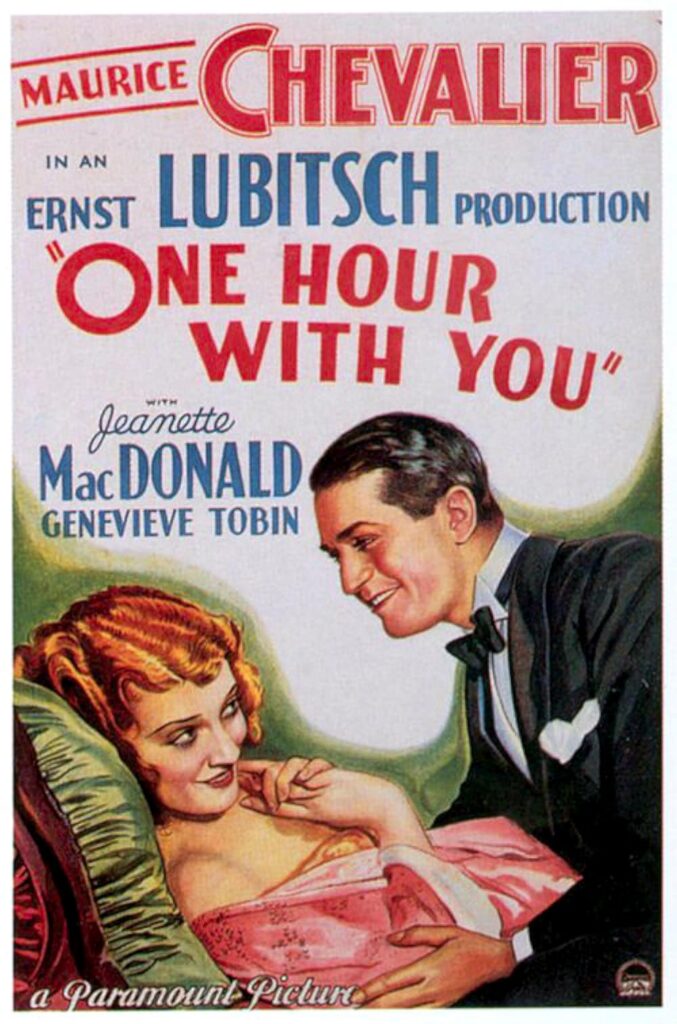
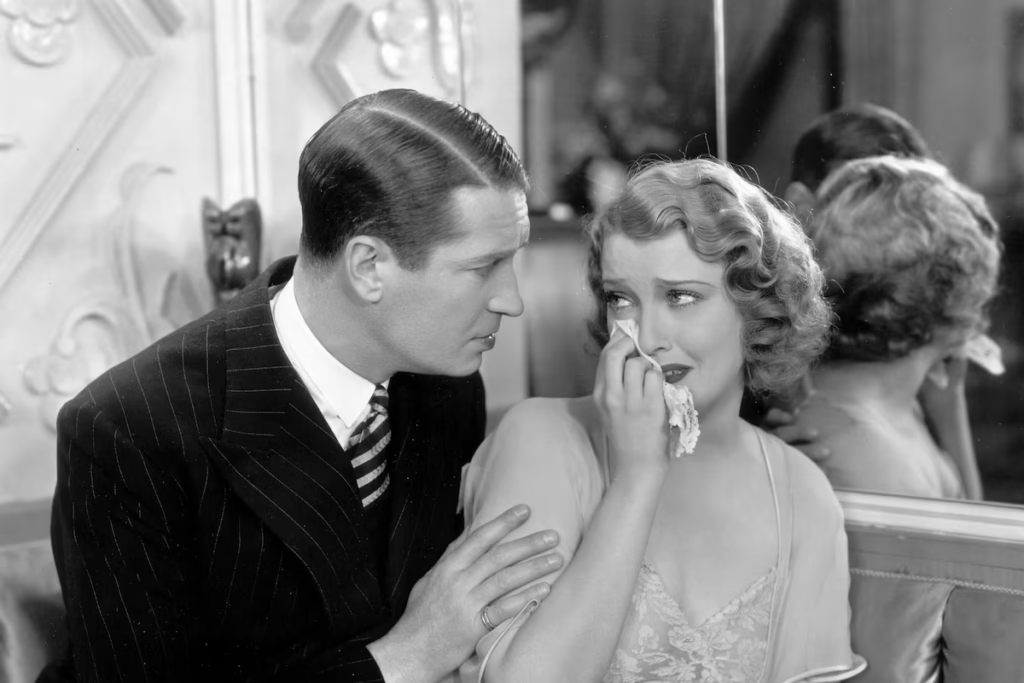
Closing out his legendary four-film musical run at Paramount before moving to the next level of his career, Ernst Lubitsch reunited once again with Maurice Chevalier and Jeanette MacDonald in One Hour With You, a lighter marital comedy
that shifts away from royal romance and instead breaks the fourth wall, focuses on temptation, marriage, and plays off the idea of what a Maurice Chevalier character is. Unlike Lubitsch’s previous musicals, the film immediately establishes Andre and Colette as an already married couple, allowing the story to explore how flirtation and romantic temptation function within a stable relationship rather than during courtship. It’s almost a satire of his own films, Maurice Chevalier’s direct audience narration and constant forth-wall breaking becomes even more prominent here, turning Andre into both the protagonist and comedic guide through the increasingly awkward romantic situation, almost as if the actor is playing himself. The film mixes dialogue and music together more fluidly than Lubitsch’s earlier musicals, often blending songs directly into normal conversation and further refining the director’s sophisticated rhythm between romance, comedy, and performance. One Hour with You is his weakest film on this list by far, but it succeeds as a playful and self-aware marital comedy because Lubitsch uses direct audience interaction, flirtatious dialogue, and pre-Code sexual tension to explore romance in a more mature and conversational way than his earlier musicals.
The film follows Dr. Andre Bertier after Colette’s friend Mitzi begins aggressively flirting with him, creating romantic tension that tests Andre’s loyalty while simultaneously forcing him to confront the flirtatious playboy image attached to both himself and Maurice Chevalier’s screen persona. Much of the comedy comes from Andre directly speaking to the audience about how to navigate the increasingly awkward situation, allowing Lubitsch to continue experimenting with fourth-wall breaking and narration in a way that feels surprisingly modern for the early 1930s. Compared to The Smiling Lieutenant, the musical structure here feels much more conversational, with songs and spoken dialogue constantly blending together instead of functioning as separate musical set pieces. As Andre struggles with the consequences of kissing Mitzi and attempts to hide the situation from Colette, the film leans heavily into pre-Hays Code sexual implication and marital humor while still maintaining an intentionally light and cheerful tone throughout. By the time Andre and Colette both admit their romantic mistakes and reunite through another playful fourth-wall-breaking conclusion, One Hour With You fully embraces the self-aware marital comedy-style Lubitsch was clearly becoming more interested in before pivoting away from musicals entirely.
One Hour With You marked the final musical of Ernst Lubitsch’s Paramount era and represented the end of the director’s most sexually playful pre-Hays code period of his career. Despite receiving strong audience reactions and award recognition, the film production became surrounded by controversy after Lubitsch took over directing duties unprompted from another director, leading to a dispute over directorial credit that were ultimately ruled in Lubitsch’s favor, perhaps due to stardom and not fairness. Maurice Chevalier’s direct audience addresses and the film’s fluid dialogue-to-song transitions introduced new stylistic techniques that further separated Lubitsch from more traditional musicals of the era, not quite sure it worked, but it was certainly unique. The film also represents one of the clearest explorations of marriage and temptation, using cynical but lighthearted humor to approach romantic conflict in a way Hollywood would soon become unable to openly depict. It’s a plot likely connected to Ernst’s divorce, which would eventually cause him to pivot away from the musicals entirely, changing Hollywood trends that tried to push him out, but instead pushed him toward the sophisticated non-musical romantic comedies that would define the next stage of his career. One Hour With You earns a 73/100 from the TwilightRoom.
Trouble in Paradise
89.1/100 - 1932
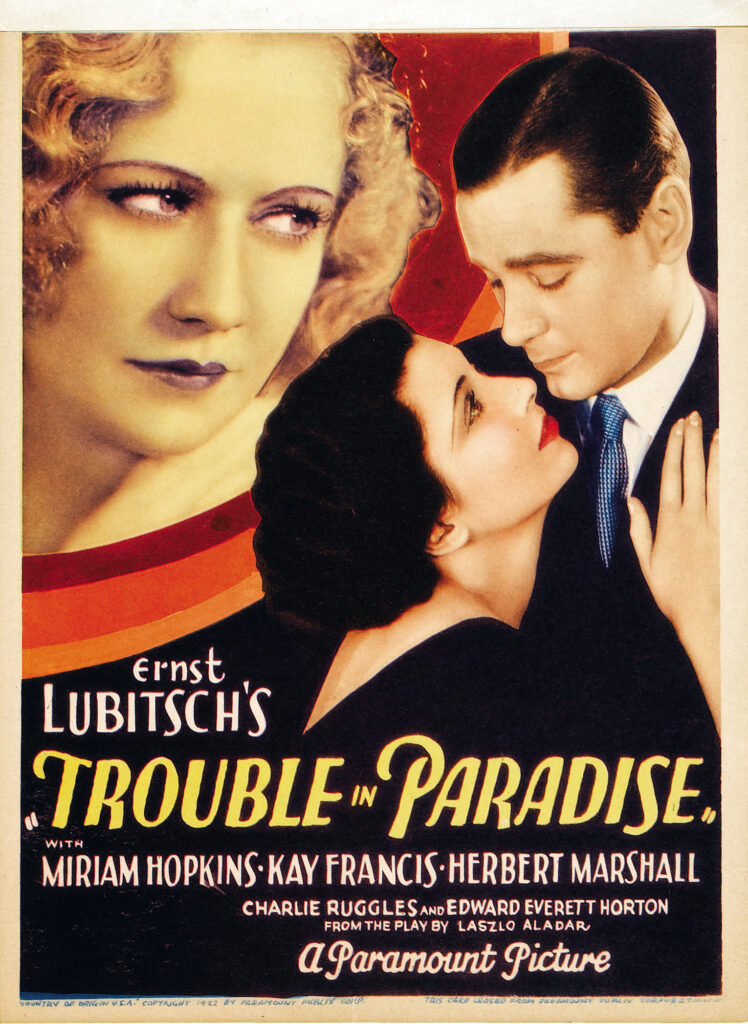
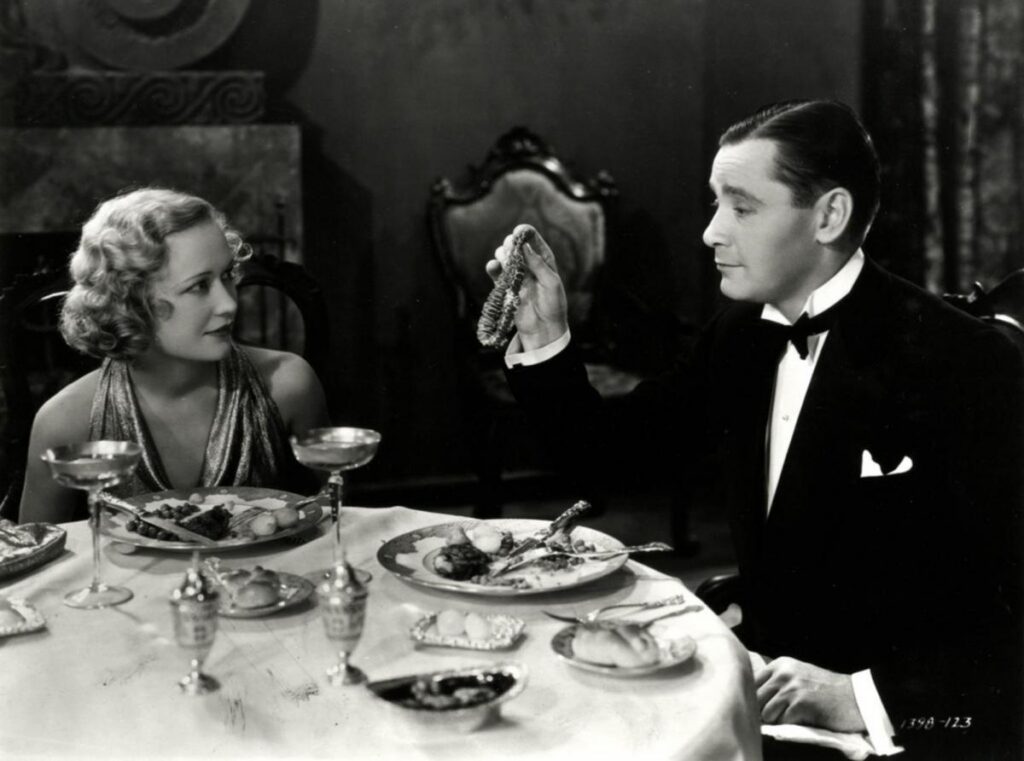
Moving away from the musical format into what many consider, and what we at the TwilightRoom confirm, is the purest and best form of the “Lubitsch Touch” Ernst Lubitsch released Trouble in Paradise, a sophisticated romantic
comedy that feels like the full realization of everything the director had been building toward throughout his early Hollywood years. The film immediately established its elegant and seductive tone through gorgeous music and the introduction of Gaston Monescu and Lily, two thieves who quickly realize they are both master manipulators operating within the same world of deception and charm. Unlike Lubitsch’s earlier work that leaned heavily on musical spectacle or playful fantasy, Trouble In Paradise marked the entrance into the real world, stripping everything down to pure white, chemistry, implication, and subtle visual storytelling, creating one of the smoothest and most refined Rom Coms of all time. Much of the film’s brilliance comes from its simplicity, using glances, pauses, flirtation, and clever dialogue that Lubitsch has clearly peaked at, to make the most emotional and layered love triangle between Gaston, Lily, and the rich and beautiful Mariette Colet. Trouble in Paradise succeeds because Lubitsch fully perfects the sophisticated romantic comedy formula here, balancing elegance, deception, romance, and emotional conflict with a level of precision and subtly few films in Hollywood history have ever matched, marking the best work of his career.
The film follows Gaston and Lily after they discover they are both master thieves, immediately forming a romantic and criminal partnership before targeting wealthy perfume owner Mariette Colet in a robbery that slowly transforms into something far more emotionally complicated. Lubitsch builds the film’s central love triangle through subtle looks, flirtation, pauses, and implication rather than dramatic confrontation, allowing Gaston’s growing feelings for Mariette to naturally create tension between himself and Lily in what becomes the strongest romantic conflict of Lubitsch’s career. Much of the narrative revolves around deception and identity, as Gaston works his way into Mariette’s life under a false persona while slowly beginning to question whether genuine love can exist within a relationship built entirely around manipulation and theft. The emotional tension escalates once Gaston plans to run away with Lily but postpones it after realizing he has truly fallen for Mariette, eventually leading to one of Lubitsch’s best lines when Gaston admits he came to rob her but unfortunately fell in love with her instead. By the ending, with Lily stealing back the money Gaston intended to sacrifice and the two thieves ultimately escaping together while Mariette is left embarrassed and heartbroken, Trouble in Paradise closes with the bittersweet elegance, emotional complexity, and moral ambiguity that fully define Lubitsch at the absolute peak of his powers.
Trouble in Paradise represented a completely new phase for Lubitsch, a bold change that was monumental for his ascension to the Mt. Rushmore of vintage Hollywood, marking his full transition away from musicals and into the sophisticated non-musical romantic comedies that would define the strongest period of his Hollywood career. Produced during the final years before strict Hays code enforcement, the film embraces both sides of the director’s Hollywood career, the sexual implication, morally complicated protagonists, and romantic manipulation, mixed with a new commitment to make commentaries through his satire and comedy. Miriam Hopkins, Kay Francis, and Herbert Marshall were all heavily praised for their performances here, with Kay Francis in particular receiving standout recognition despite never working with Lubitsch again due to billing disputes surrounding Hopkins. Francis’s career was nonetheless wonderful, and she shines in this film. The film’s elegance comes not only from Francis but produces this elegant economy of dialogue and visual storytelling that become one of the clearest examples of what the term “Lubitsch Touch” stands for, with the director himself later claiming he never made anything better than Trouble in Paradise. Although initially very successful and considered one of the great American classics, the film was kept out of wide circulation for decades because of its release so soon before the Hays code crackdown, further cementing its legacy as one of the defining films and most dating of the era, perhaps one of the most influential romantic comedies of all time, earning it an 89/100.
Design For Living
80.1/100 - 1933
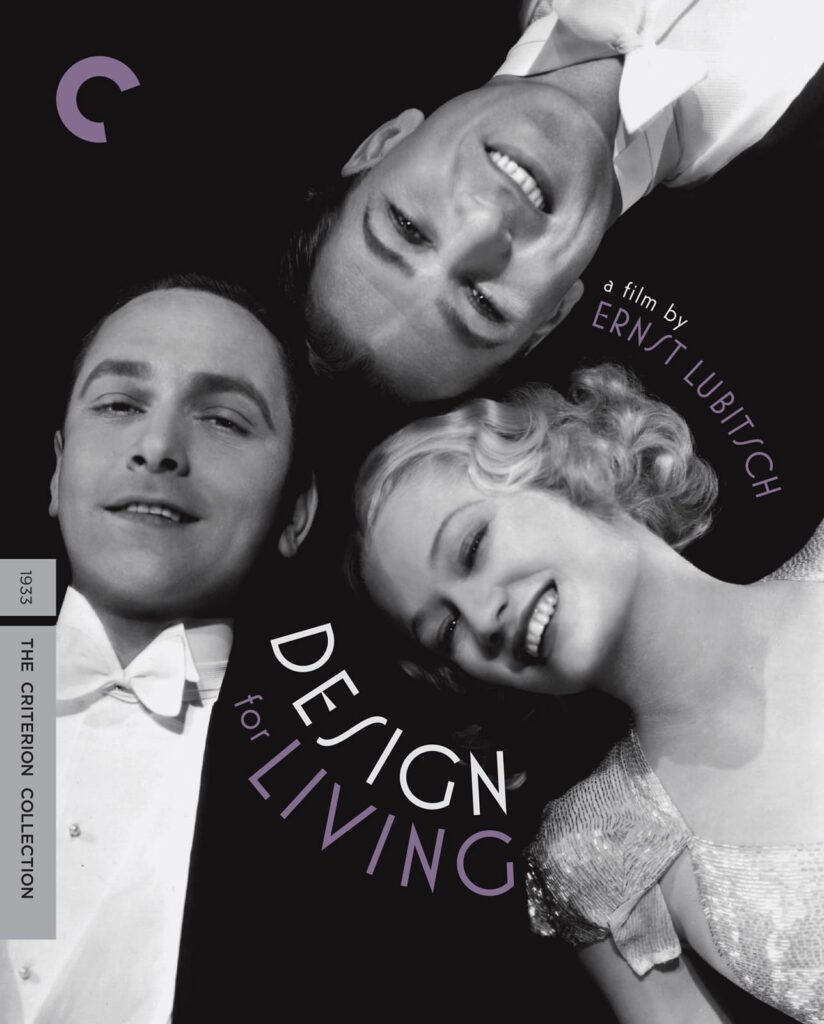

Returning in 1933 for his second non-musical rom-com after the massive and controversial success of Trouble in Paradise, Ernst Lubitsch released Design for Living, a much more reflective and daring exploration of romance that pushes
pre-Code filmmaking freedoms to the absolute limit, more than almost any Hollywood film of the era. The film follows best friends Tom and George after they meet Gilda on a train, immediately establishing the romantic and emotional triangle that drives the entire narrative and slowly begins tearing apart their friendship leading to a final act that’s as risky as it is monumental. Compared to Lubitsch’s earlier Maurice Chevalier-led films, Design for Living feels far more mature and emotionally layered, again marking this maturity in his work post-musical, leaning less into flirtation and charm alone, and more into jealousy, insecurity and unconventional complicated relationships and love. Much of the film’s tension comes from the idea that none of the three characters are capable of fully giving each other up, creating a romantic competition built around subtle looks, emotional hesitation, and increasingly complicated feelings. Design for Living succeeds because Lubitsch fully embraces the freedoms of the pre-Code era one last time to challenge societal norms, creating a less favorable film to some, including us, but certainly one of the more bold and emotionally complex rom-coms of his career.
The film follows Tom and George after both men fall in love with Gilda, creating a romantic rivalry that slowly destroys their friendship as each attempts to step aside while secretly remaining emotionally attached to her. As Tom leaves for work, George takes the opportunity to grow closer to Gilda, but the jealousy and tension between the two friends never fully disappears, creating one of the most emotionally unstable and unconventional love triangles of Lubitsch’s career. Much of the narrative revolves around the inability of the three characters to completely separate from one another, with Gilda repeatedly drifting back toward both men even while attempting to pursue a more stable and socially acceptable relationship with Max Plunkett. The emotional conflict peaks once George returns to find Tom and Gilda together again, leading to heartbreak, confrontation, and Gilda ultimately rejecting the idea of choosing only one man entirely. By the film’s ending, with Gilda choosing both Tom and George rather than conforming to traditional romantic expectations, Design for Living fully embraces the provocative pre-Code freedom and rejection of societal norms that make it one of Lubitsch’s boldest and most controversial romantic comedies.
Design for Living was released during the peak of the pre-Hays code era change and represents, alongside Trouble in Paradise, as one of the freest and most openly provocative films of Ernst Lubitsch’s entire career, until he starts to tap into the World War 2 satire later in his career. Unlike many Hollywood romances of the time including his own, the film refuses to punish its characters for their unconventional romantic decision, using comedy and sophistication to challenge societal expectations surrounding having one love and relationship, not this love triangle. The film represents Lubitsch moving even further away from the musical erastyle, the last of this group before a considerable time jump on this list from 1933 to 1939. After the enforcement of the Code it took awhile for the famous director to break out with a giant hit once again, thus ending his massive run of “Lubitsch Touch,” sexual openness and switching it to a more coded implication and suggestion that defines the later part of his career. Design for Living is one of the final major examples of his unrestricted pre-Code style ending in a decision that sees the three characters together, not split, earning it an 80/100 from the TwilightRoom.
Ninotchka
88.2/100 - 1939
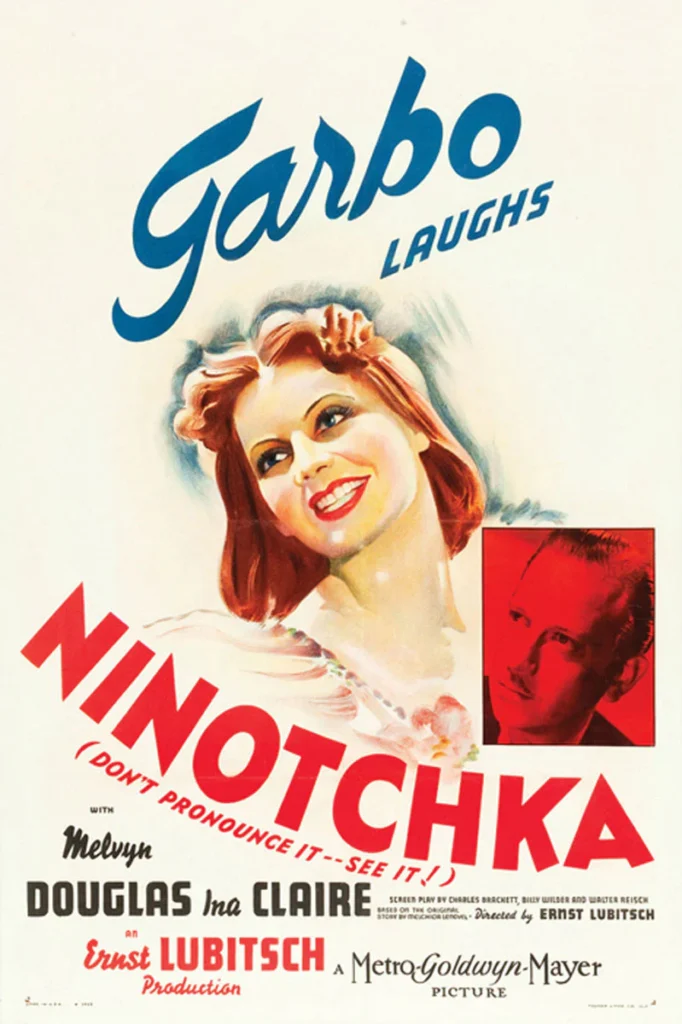

After a six-year gap from Design for Living and a major shift both in Hollywood and the world itself, Ernst Lubitsch returned to form in 1939 with Ninotchka, his sharpest political romantic comedy and one of the sweetest stories he ever
made, one of our personal favorites. Taking place primarily in Paris, the film immediately establishes the contrast between the cold, emotionless Soviet lifestyle and the glamorous, flirtatious freedom of western Europe through the introduction of the serious Russian envoy Nina (Ninotchka) and the charming Count Leon d’Algout. Unlike Lubitsch’s earlier pre-Code films that relied heavily on sexual openness and relationship scandal, Ninotchka feels much more refined and mature, blending the romance that is more ordinary and natural with a powerful political commentary as Europe stood on the brink of World War 2, replacing the sexual controversy, with wartime commentary. Much of the film’s brilliance comes from watching Ninotchka slowly evolve from a robotic and humorless figure into one of the sweetest and most emotionally expressive characters Lubitsch has ever created, largely through Leon’s persistence and the warmth of Parisian life, so much so that the female lead is the title and defining moment of the film in its entirety. Ninotchka succeeds because Lubitsch masterfully combines sophisticated romance, political satire, and emotional transformation into one of the smartest and most charming romantic comedies of the Hollywood studio era.
The film follows Ninotchka after she is sent from Moscow to Paris on government business, where she quickly clashes with the flirtatious Count Leon d’Algout, whose charm and persistence slowly begin breaking through her cold and emotionally reserved exterior. Lubitsch builds much of the romance around contrast, with Ninotchka’s blunt, robotic seriousness bouncing perfectly off Leon’s effortless charisma and playful confidence as the two unexpectedly begin falling for each other despite representing completely opposite worlds politically and emotionally. After spending more time together, Ninotchka slowly opens herself emotionally and romantically, leading to some of the sweetest and most sincere scenes Lubitsch ever directed as she begins realizing how emotionally restrictive and joyless her life in Moscow truly is. Once Ninotchka is forced to return home, the film takes on a far more melancholic tone, with both characters struggling emotionally while Leon desperately attempts to reconnect with her through letters, memories, and eventually a carefully orchestrated reunion. By the ending, when Leon’s plan successfully brings Ninotchka back into his life and she ultimately chooses emotional freedom and love over returning permanently to Moscow, Ninotchka closes with one of the warmest and most emotionally satisfying conclusions of Lubitsch’s entire career.
Ninotchla marked a major turning point in Ernst’s career, arriving six years after Design for Living, during a completely different political and cultural moment as Europe moved toward World War 2, his work became more pertinent. Unlike the sexually provocative films that defined Lubitsch’s early Hollywood takeover in the early 1930s, Ninotchka reflects the realities of a more restricted Hays Code Hollywood while shifting focus toward political satire, ideological commentary, and emotional sophistication while maintaining the romantic storytelling The film also introduced a new era or romantic Lubitsch film built around national identity, war tensions, and political systems, themes that would continue heavily and harder throughout his next group of films The Shop Around The Corner, To Be Or Not To Be, and Heaven Can Wait. Great Garbo’s casting became one of the film’s defining achievements, famously marketed around the idea of Garbo Laughs, with Lubitsch successfully transforming her dramatic screen image into one of the most memorable romantic comedy performances of all time. Widely considered one of the director’s greatest masterpieces, Ninotchka proved he could evolve beyond the sexually provocative style that first made him famous and the head of Paramount and Hollywood as a whole, earning it an 88/100 from TwilightRoom.
The Shop Around The Corner
86.9/100 - 1940
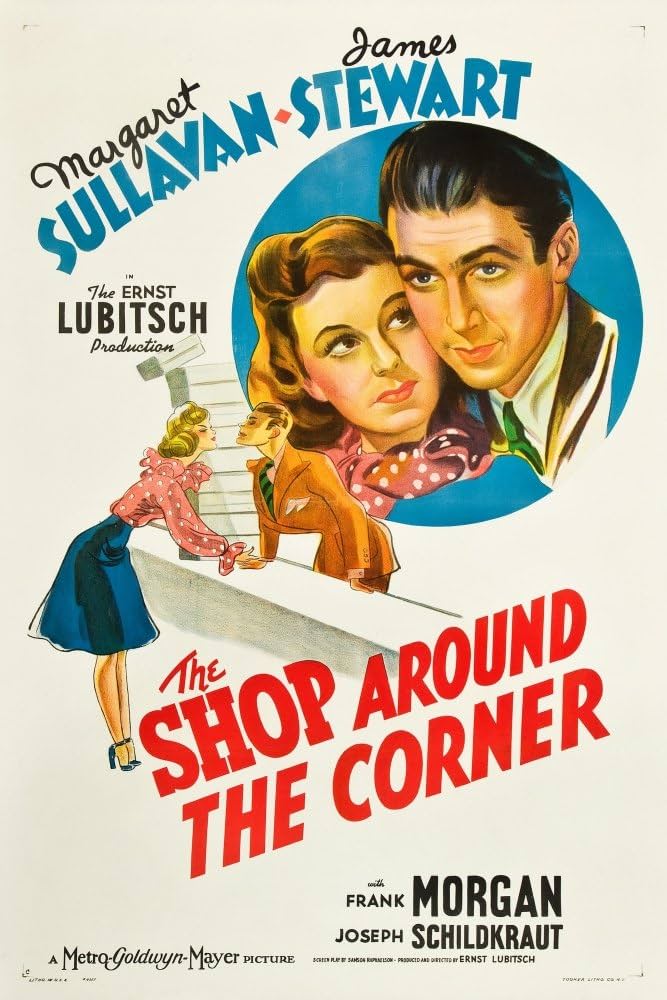
Entering what many consider the absolute peak of his Hollywood career, Ernst Lubitsch teamed up with one of the greatest actors of all time, James Stewart for the first time in The Shop Around The Corner, a yet again sweeter, more
emotional romantic comedy that perfectly defines the fully matured “Lubitsch Touch.” The film follows Alfred Kralik, played by Stewart, after he unexpectedly clashes with Klara Novak, before the two eventually begin working together inside the same small Budapest gift shop, immediately establishing the sarcastic banter and emotional tension that starts off rather combative but as we all know drives the romance. Unlike his earlier romances, The Shop Around the Corner feels far more restrained and intellectual, more fitting for a Stewart film, replacing sexual tension with emotional sincerity, loneliness, and romantic misunderstanding stemming from a pen-pal-to-in-person-lovers plot. Much of the film’s brilliance comes from the contrast between Kralik and Klara’s constant arguments in person while unknowingly falling deeply in love with each other through anonymous letters, creating one of the most emotionally satisfying romantic setups of their career. The Shop Around The Corner succeeds because Lubistch combines understated comedy, a simple gift shop lifestyle, and sincere romance into one of the warmest and most timeless romantic comedies ever made.
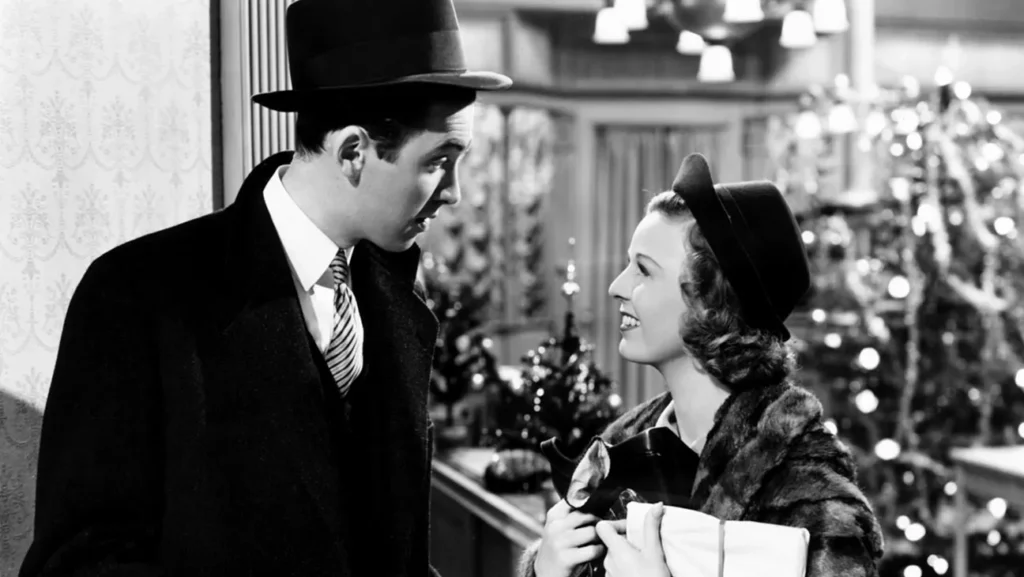
The film follows Alfred Kralik as he unknowingly develops a romantic relationship through anonymous letters with Klara Novak, the very woman he constantly argues with while working beside her every day inside the small Budapest gift shop. Lubitsch builds much of the romance around emotional contrast, with Kralik and Klara appearing completely incompatible in person despite being perfectly matched intellectually and emotionally through their private correspondence. As the shop owner Mr. Matuschek begins acting increasingly paranoid and hostile toward Kralik, the film quietly introduces loneliness, insecurity, and melancholy beneath its warm romantic surface, giving the story far more emotional weight than most romantic comedies of the era. Once Kralik realizes Klara is the woman from the letters, he begins slowly revealing the truth to her rather than immediately exposing himself, leading to some of the sweetest and most emotionally satisfying scenes Lubitsch ever directed, helped heavily by James Stewart’s sincerity and charm. By the Christmas Eve finale, when Kralik finally reveals himself as Klara’s mystery pen pal and the two embrace, The Shop Around the Corner closes with a level of warmth, simplicity, and emotional sincerity that perfectly captures the fully matured elegance of Lubitsch’s later Hollywood period.
The Shop Around The Corner arrived during the peak of Ernst Lubitsch’s Hollywood career and stands as one of the clearest examples of a fully developed “Lubitsch Touch.” By 1940, Lubitsch’s style had evolved away from the open sexuality clearly, and toward the emotional, intelligent and understated form of romantic storytelling evident in Ninotchka and now here. The collaboration between Ernst and James Stewart was the perfect addition to his filmography, and it became instantly one of the strongest actor-director pairings of the era, two men at the very top of Hollywood, with Stewart’s natural warmth fitting perfectly within the more sophisticated romantic style. The film also arrived just before the director’s work became even more politically aware and personal, tonally daring during the wartime period as a Jewish German-born refugee who would soon make To Be or Not to Be. Widely regarded as one of the greatest romantic comedies ever made, The Shop Around the Corner demonstrated how Lubitsch could preserve the sophistication of his earlier films while adapting fully to the restrictions and emotional priorities of post-Hays Code Hollywood.
To Be Or Not To Be
86.4/100 - 1942
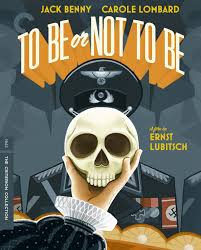
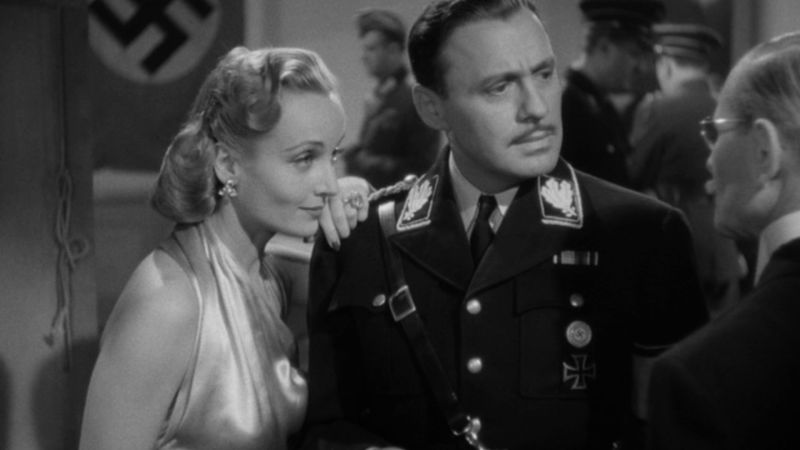
Returning directly after the Shop Around the Corner, Ernst Lubitsch completely shifts gears into political satire with To Be Or Not To Be, the boldest and most tonally dangerous film of his Hollywood career. Unlike his earlier rom-coms and
musicals, the film blends real-life wartime commentary, espionage thriller structure, theater performance, romance, and slapstick comedy into one incredibly layered narrative centered around Nazi-occupied Poland. The film immediately established actor Joseph Tura’s obsession with performance and ego through the recurring ‘To Be Or Not To Be” Hamlet monologue while simultaneously introducing the growing Nazi threat surrounding Warsaw. Much of the film’s brilliance comes from Lubitsch balancing genuinely funny satire with the horrifying reality of the World War, creating perhaps the sharpest example of the new matured “Lubitsch Touch” being applied to political commentary rather than a simple romance. To Be Or Not To Be succeeds because Ernst Lubitsch transforms comedy into a weapon against fascism, using performance, satire, and sophisticated dialogue to create one of the smartest and riskiest films of the studio era.
The film follows Joseph and Maria Tura, two famous Polish stage actors whose marriage and theater troupe become unexpectedly entangled in a dangerous Nazi espionage plot during the German occupation of Warsaw. Much of the film’s tension comes from Lieutenant Sobinski repeatedly leaving Joseph’s performances of Hamlet during the famous “To be or not to be” monologue in order to secretly meet Maria, turning one of Shakespeare’s most famous lines into both a comedic running gag and a symbol of Joseph’s growing insecurity and obsession with performance. As the Nazi occupation intensifies, the actors begin disguising themselves as German officials and using their theatrical abilities to outsmart the regime, slowly transforming the film from romantic comedy into a suspenseful resistance story where performance itself becomes a weapon against fascism. Lubitsch somehow balances slapstick humor, dark satire, romance, and genuine wartime danger all at once, creating one of the most complicated tonal balancing acts in Hollywood history while never losing the emotional stakes of the situation. To Be Or Not To Be becomes increasingly thrilling and emotionally powerful as the theater troupe repeatedly risks their lives through deception and performance, proving comedy itself can function as resistance against tyranny.
Released in 1942 during the middle of World War II, To Be Or Not To Be marked the most politically outspoken and controversial film of Ernst Lubitsch’s career, arriving after years of defining the sophisticated romantic comedy. As a Jewish-born German filmmaker in Hollywood who had fled Europe years earlier, Lubitsch used the film to directly mock Adolf Hitler and the Nazi regime at a time when many audiences believed the subject to be far too serious and recent for satire. The film was considered incredibly risky upon release, with many critics and viewers feeling it was “too soon” to joke about the war while Europe was actively suffering through Nazi occupation and violence, but it is certainly not too soon and the film has grown in popularity massively. The death of Carole Lombard shortly before the film’s release gave the movie an unexpectedly emotional legacy, turning one of Hollywood’s sharpest wartime comedies into a tribute to one of the industry’s biggest stars and most tragic deaths. Today the film is widely viewed as one of Lubitsch’s defining achievements because it showed political satire could directly confront fascism through intelligence, performance, and humor rather than fear alone, earning it an 86/100 from the TwilightRoom.
Heaven Can Wait
80.0/100 - 1943
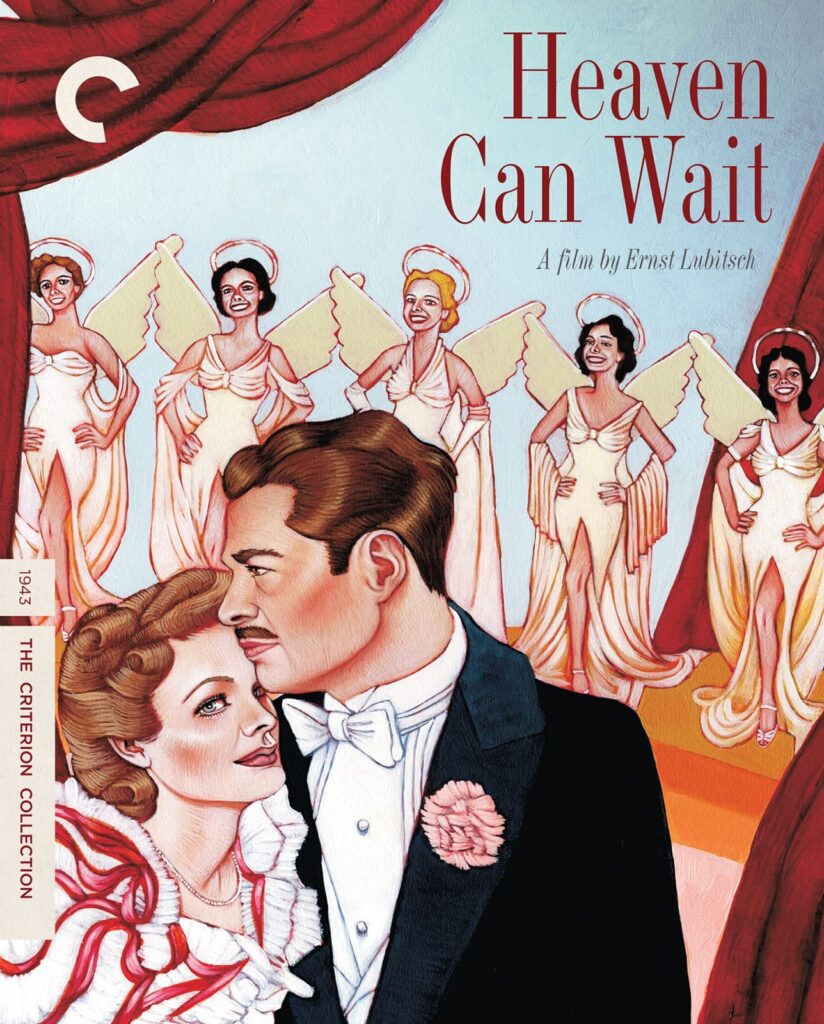
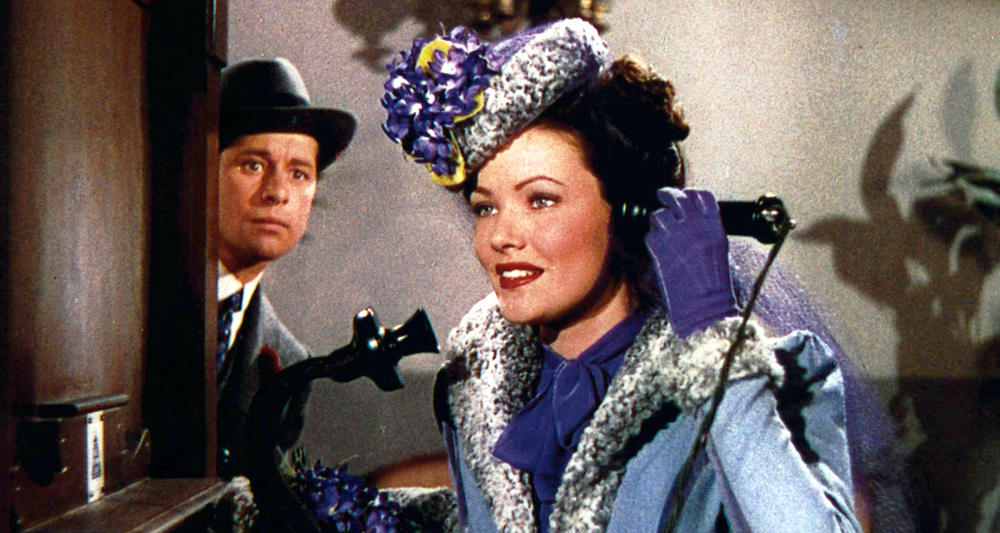
Following the political risks and wartime satire, Ernst Lubitsch shifted toward a much quieter and more reflective romantic drama with Heaven Can Wait, one of the most mature and introspective films of his entire Hollywood career,
and his first in Technicolor. Unlike the fast paced romantic chase and sharp satire days of the early classics, the film instead focuses on memory, aging, marriage, regret, and the idea of whether a man who spent his life chasing pleasure is truly worthy of damnation at the gates of Hell. The film established this reflective tone by opening with Henry Van Cleave arriving in Hell after his death, where he begins recounting the story of his life in order to determine whether he truly belongs there. Much of the film’s emotional weight comes from Henry’s gradual realization that pleasure, romance, and charm eventually give way to emotional distance, aging , and the consequences of the life he has lived. Heaven Can Wait succeeds because Ernst transforms his lifelong fascination with romance and pleasure into a surprisingly emotional reflection on morality, humanity, and growing older, creating one of the quietest yet most personal films of his career, almost like a reflection of his own works, similar to One Hour With You, but more refined.
The film follows Henry Van Cleve from childhood through old age as he grows up inside a wealthy old New York family while constantly chasing adventure, romance, and pleasure, despite the expectations placed on him from his upper class upbringing. After meeting Martha at a bookstore and pursuing her despite her prior engagement to his cousin Albert, Henry eventually marries her, though their relationship slowly becomes strained by Henry’s inability to fully mature beyond his flirtatious lifestyle and desire for pleasure. Unlike many earlier Lubitsch romances centered around rapid flirtation and comedic misunderstandings, Heaven Can Wait focuses much more on time itself, showing how marriage, aging, and emotional distance slowly reshape both Henry and Martha over decades of life together. Much of the film’s emotional power comes from Henry realizing too late how much Martha grounded his life morally and emotionally, creating one of the most bittersweet and reflective romantic narratives Lubitsch ever made. The film’s final act becomes surprisingly moving as Henry calmly accepts judgment in Hell only to realize he was never truly evil, reinforcing Lubitsch’s belief that human imperfection and desire do not automatically equal moral failure.
Released in 1943 during World War II yet again, Heaven Can Wait arrived after the director had already fully established himself as one of Hollywood’s defining filmmakers pre- and post-Code with the work we have discussed so far. This film marked something familiar yet so different, one of the rare uses of Technicolor, for the director, visually separating it from much of his earlier work while also signaling a more elegant and reflective phase late in his Hollywood career. Unlike the sexual freedom and provocative edge, Heaven Can Wait feels much more restrained and mature, reflecting both realities of the Hays Code era and Lubitsch’s own evolution in opinion as an aging filmmaker that is of the belief there should be pleasure in life. Many of his earlier films focussed on romance and pleasure as this exciting rebellion, but Heaven Can Wait reflects on how those pleasures accumulate over a lifetime and what emotional cost they may leave behind. Today the film is often viewed as one of Lubitsch’s most personal later career works because it quietly reexamines many of the themes that defined his Hollywood filmography, charm infidelity, class, romance, and desire earning this film an 80/100 from the TwilightRoom.
Cluny Brown
84.2/100 - 1946
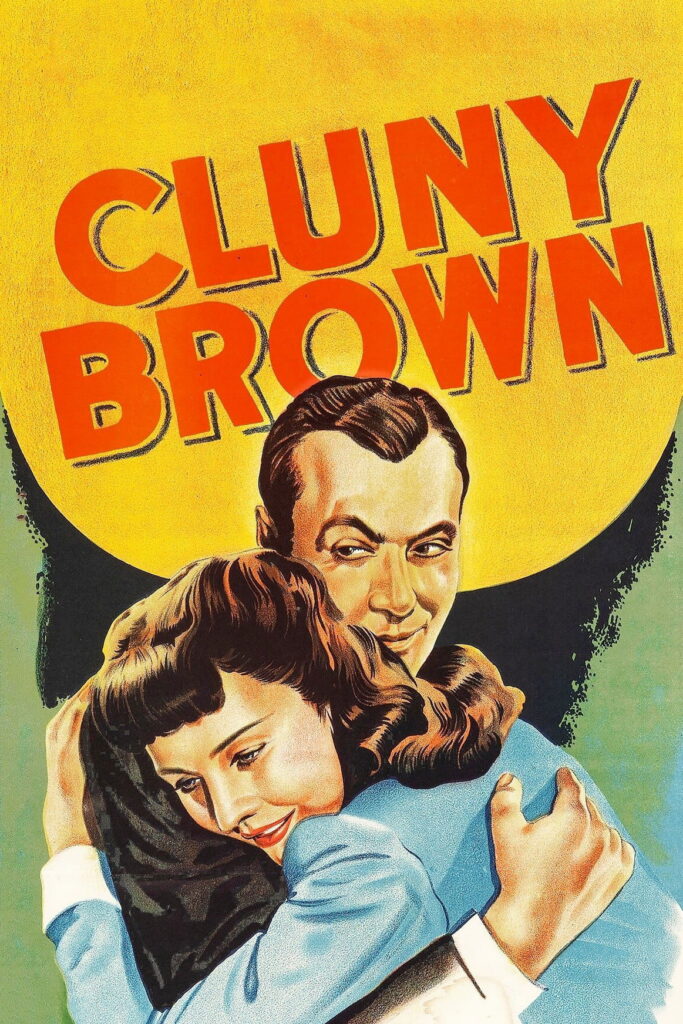

Following the reflective emotional maturity, Ernst Lubitsch returned for one of the final films of his illustrious career with Cluny Brown, a grounded and humanistic romantic comedy that abandons the fantasy and glamour of his earlier classics
in favor of another social commentary, individuality, and a class satire set during the beginning of WWII. Unlike the highly stylized romances and musicals that defined much of his earlier Hollywood reputation, Cluny Brown feels quieter and more realistic, centering itself around ordinary human behavior and the conflict between personal freedom and rigid societal expectations. The film immediately introduces Cluny Brown as an unconventional young woman working under her uncle as a plumber, establishing her curiosity and independence in direct contrast to the strict rigid social structures surrounding her. Much more of the film’s charm comes from Cluny constantly disrupting upper class expectations simply being herself, turning ordinary social interactions into subtle comedic rebellion against conformity and class systems. Cluny Brown succeeds because Lubitsch uses romantic comedy less as a fantasy escapism and more as a humanistic critique of class structure and conformity, creating one of the warmest and most mature films of his late Hollywood career.
The film follows Cluny Brown after she is pushed away from her plumbing interests and placed into servant life inside an upper class British household, where she quickly begins clashing with the rigid expectations surrounding her behavior and personality. Adam Belinski, a refugee intellectual and outsider figure, immediately recognizes Cluny’s individuality and becomes fascinated by her inability to conform to the absurd social rules of British aristocratic culture, slowly becoming both her romantic interest and the audience’s perspective on the upper class world surrounding them. Much of the narrative revolves around Cluny unintentionally disrupting upper class order through her honesty, curiosity, and fascination with plumbing, using ordinary situations to create subtle but effective class satire that feels much quieter than Lubitsch’s earlier romantic chaos. Unlike the flirtation-heavy romances that defined much of his early Hollywood work, the relationship between Cluny and Belinski develops much more naturally through mutual understanding and shared feelings of disconnection from the world around them. By the ending, when Cluny ultimately rejects societal expectations in favor of personal happiness and freedom alongside Belinski, Cluny Brown fully embraces the anti-conformity and humanistic themes that define the final stage of Lubitsch’s Hollywood career.
Released in 1946 directly after World War II, Cluny Brown arrived during a period where both Hollywood and Ernst Lubitsch himself had become far more reflective, politically aware, and emotionally mature than during the escapist pre-war era. By this point, Lubitsch had already cemented himself as one of Hollywood’s defining filmmakers through classics like Ninochka, The Shop Around the Corner, To Be Or Not To Be, and Heaven Can Wait, allowing his later work to become more understated and socially focused. Unlike the sexually playful romances and musicals that originally defined the “Lubitsch Touch,” his late career films increasingly centered around social systems, individuality, and emotional realism rather than flirtation and fantasy alone. Lubitsch’s perspective as a German-Jewish émigré who escaped Europe before the rise of fascism heavily influences the film’s outsider themes and subtle critique of restrictive class structures and conformity. As one of the final completed films before his death in 1947, Cluny Brown stands as the final evolution of Lubitsch’s Hollywood style, replacing glamour and sexual implication with warmth, humanity, and understated social commentary, earning it an 84/100 from the TwilightRoom.

Conclusion
Looking back across Ernst Lubitsch’s Hollywood career, what becomes most remarkable is not simply how influential the films were, but how consistently the director evolved while maintaining the unmistakable identity of his work. Beginning with glamorous and flirtatious musicals during the rise of sound cinema, shifting into the sophisticated and sexually daring romantic comedies of the pre-Code era, and eventually transforming into a filmmaker deeply interested in politics, humanity, aging, and conformity during and after World War II, Lubitsch never allowed himself to become creatively stagnant. His work directly influenced generations of filmmakers, from Billy Wilder and Preston Sturges to modern romantic comedy directors still attempting to recreate the elegance and emotional subtlety of the “Lubitsch Touch.” Even today, films like Ninotchka, The Shop Around the Corner, Trouble in Paradise, and To Be or Not to Be remain some of the sharpest, warmest, and most sophisticated romantic comedies ever made, proving how timeless his storytelling truly was. Ernst Lubitsch did not simply help shape Hollywood romantic comedy — he helped define the language of sophistication, implication, and emotional intelligence that the genre still chases today.