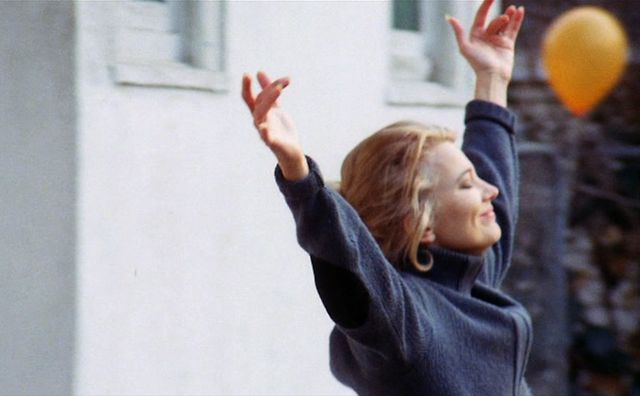
John Cassavetes’ A Woman Under the Influence remains one of the most emotionally devastating and psychologically intimate domestic dramas
ever put to screen, a film that strips away traditional cinematic comforts in favor of raw emotional realism and painful human honesty. From the opening moments the film immediately establishes the unstable but deeply human relationship between Nick and Mabel, throwing the audience directly into the chaos of
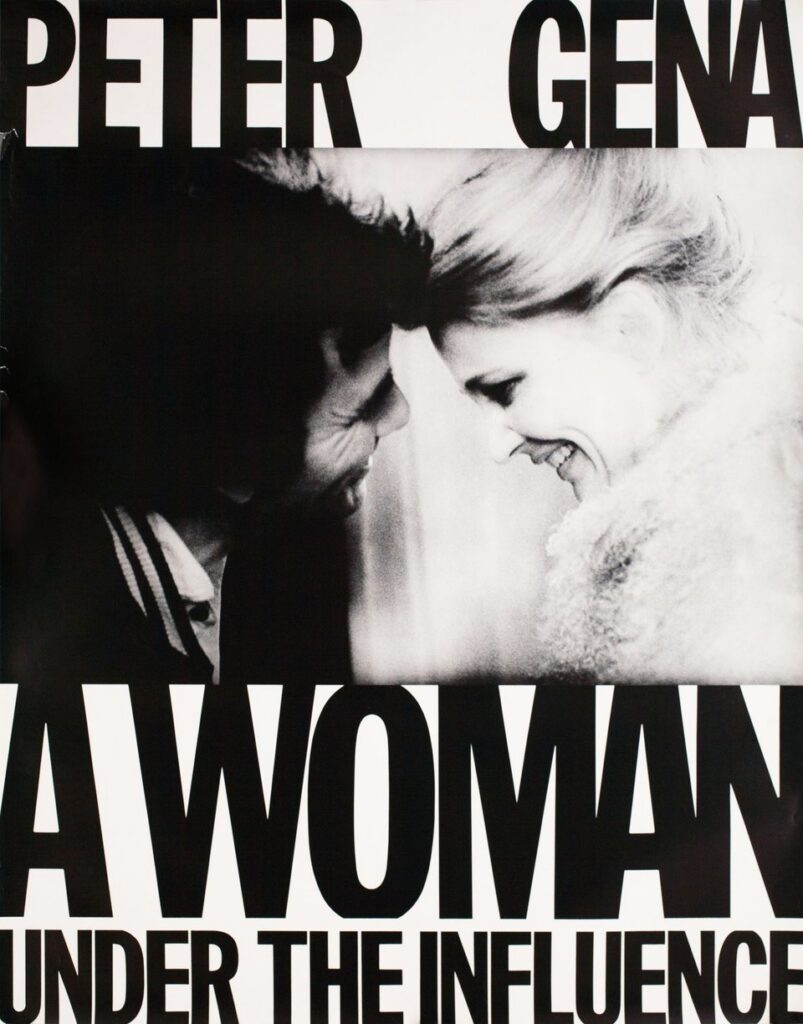
their home life through handheld camerawork, overlapping dialogue, awkward interactions, and emotionally exhausting conversations that feel less like scripted scenes and more like real life unfolding in front of the camera. Cassavetes builds the film entirely around performance and emotional energy rather than plot, creating an experience that becomes invasive at times, forcing the audience to sit inside the tension, discomfort, love, frustration, and emotional instability consuming this family. Gena Rowlands delivers one of the greatest performances in film history as Mabel, a woman desperately trying to function as a loving wife and mother while mentally unraveling underneath the impossible expectations constantly placed upon her by family, society, and even herself. A Woman Under the Influence succeeds because it fully commits to emotional realism, using masterful performances, psychologically complex character writing, domestic tension, and Cassavetes’ actor-focused direction to create one of the greatest and most emotionally overwhelming dramas ever made.
The film’s opening sequences carefully establish Mabel and Nick’s unstable marriage while showing how much love genuinely exists underneath the chaos constantly consuming their home. Nick is loud, emotionally aggressive, insecure and deeply flawed, but there is still a sincerity in the way he wants to hold his family together, even if he consistently lacks the emotional tools to actually help Mabel in the ways she truly needs. Mabel meanwhile is immediately presented as socially awkward, emotionally fragile, desperate for approval, and increasingly difficult for the people around her to understand. Cassavetes avoids simplifying her into a stereotypical “crazy” character, instead portraying someone who is painfully human, struggling to maintain normalcy while her mental state slowly deteriorates underneath the pressure of domestic life. The handheld cinematography and long uninterrupted scenes create an exhausting intimacy that makes every awkward silence, every emotional outburst, and every uncomfortable interaction hit with incredible realism. There are no easy emotional breaks in the film because Cassavetes wants the audience trapped in the same emotional environment as the characters themselves.
Mabel functions as the emotional centerpiece of the film and Rowlands’ performance is genuinely staggering in how raw and vulnerable it becomes. Every scene feels emotionally unpredictable because she constantly shifts between warmth, instability, affection, insecurity, confusion, and desperation, often within the same conversation. What makes the performance so devastating is that Mabel clearly wants to be a good mother and wife despite her inability to emotionally function within the expectations surrounding her. The film repeatedly shows her trying desperately to connect with people socially while unknowingly pushing them further away through behavior they simply cannot comfortably respond to. Cassavetes frames these moments with painful realism rather than melodrama, making the audience feel sympathy, discomfort, sadness, and frustration simultaneously. Rowlands completely disappears into the role and gives a performance so emotionally committed that it often feels dangerous, especially during the film’s larger emotional breakdowns where scenes stop feeling like acting entirely.
Nick meanwhile becomes one of the film’s most morally complex characters because he genuinely loves Mabel while simultaneously contributing to the emotional destruction consuming her life. His inability to emotionally communicate calmly often transforms into controlling behavior, defensiveness, aggression, and emotional cruelty, despite his obvious desire to keep his family together. One of the film’s most uncomfortable ideas is that Nick constantly prioritizes the appearance of a functioning family over genuinely understanding Mabel’s emotional condition. Cassavetes refuses to portray him as either villainous or heroic, instead presenting him as another emotionally overwhelmed human being trapped inside a marriage he does not know how to maintain. This complexity is what makes the film so emotionally difficult because every character feels understandable, even while hurting one another constantly. The emotional abuse within the relationship rarely comes from outright malice but instead from emotional exhaustion, fear, misunderstanding, and societal expectations surrounding family and normalcy.
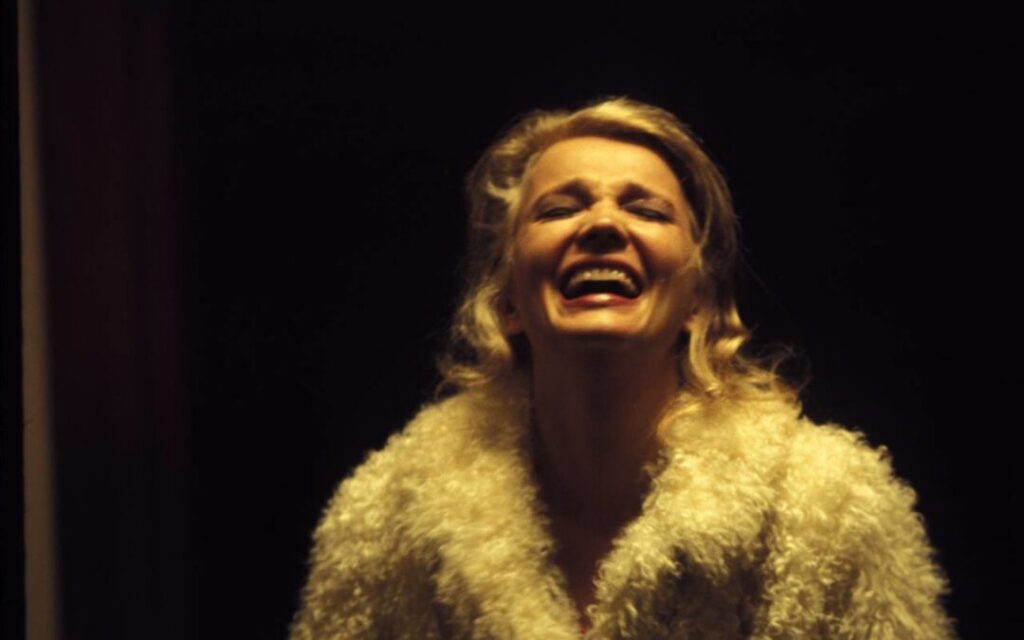
As Mabel’s instability worsens, the film slowly transforms into one of the most emotionally painful depictions of mental illness and family collapse ever filmed. Her institutionalization sequence is genuinely devastating, especially the scene where she is taken away from her children, which stands as one of the most emotionally overwhelming sequences I have ever seen. Cassavetes refuses manipulative scoring or dramatic spectacle here, relying almost entirely on raw performance and emotional realism, allowing Rowlands’ acting to completely dominate the scene with desperation, confusion, fear, and maternal heartbreak. The sequence becomes almost unbearable because everyone involved believes they are helping while simultaneously emotionally destroying Mabel in the process. Nick’s role in the intervention creates enormous emotional conflict because while his actions technically come from concern and desperation, they also feel deeply controlling and emotionally violent toward someone already emotionally collapsing. It is one of the clearest examples of the film’s refusal to provide simple emotional answers or easy moral clarity.
When Mabel finally returns home later in the film, Cassavetes creates an atmosphere that somehow feels even more uncomfortable than the earlier breakdowns because everyone attempts to force normalcy back into a household that was already emotionally broken long before she left. The family members and coworkers surrounding her treat her cautiously and awkwardly, creating scenes filled with passive judgment, tension, and emotional unease. Mabel herself still appears emotionally overstimulated and unstable, reinforcing the idea that institutionalization never actually addressed the deeper emotional problems destroying this family dynamic. Some of the film’s most quietly devastating scenes occur during this section, particularly moments involving the children, whose love for their mother feels completely sincere and emotionally grounding amidst the chaos. The “I love you, Mom” moments hit unbelievably hard because they briefly cut through the emotional noise consuming the household and remind the audience of the humanity underneath all the dysfunction.
Cassavetes’ direction throughout the film is masterful because he fully rejects polished Hollywood storytelling in favor of emotional authenticity and actor-driven realism. The overlapping dialogue, long takes, handheld camerawork, and emotionally chaotic performances create a film that often feels less like cinema and more like witnessing real emotional collapse happen in real time. Cassavetes’ greatest strength lies in his understanding of human conversation and emotional rhythm, allowing scenes to spiral naturally into discomfort, tension, sadness, and emotional exhaustion without ever feeling overly scripted. His approach to “actor’s cinema” arguably reaches its peak here because nearly every major scene is driven entirely through performance and emotional truth rather than narrative spectacle. The film’s domestic focus elevates ordinary conversations, family arguments, awkward dinners, and emotional misunderstandings into some of the most psychologically intense scenes in American cinema.
A Woman Under the Influence ultimately stands as one of the greatest examples of emotionally raw American filmmaking ever created because it transforms ordinary domestic life into something psychologically devastating, intimate, exhausting, and painfully honest. Gena Rowlands gives not only the greatest performance of her career but arguably one of the greatest performances ever captured on film, while Cassavetes directs with complete emotional fearlessness throughout. The film’s exploration of marriage, mental illness, emotional misunderstanding, and societal pressure remains deeply uncomfortable because none of the characters are framed as fully right or wrong, only emotionally overwhelmed and flawed. Its emotional realism can honestly feel suffocating at times, but that discomfort is exactly what gives the film its power and lasting impact decades later. A Woman Under the Influence is not simply one of the greatest Criterion films, but one of the most emotionally honest and psychologically devastating films ever made, earning it a 90/100 from the TwilightRoom.
TwilightRoom Score: 90.7/100