Godzilla Minus Zero is an outstanding sequel in exactly the two areas that matter most to this franchise, its action and its reckoning
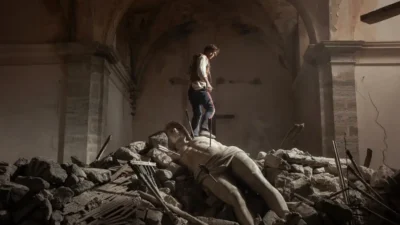
with the post-war Japanese mindset that should always have defined the Godzilla character, and it delivers both in a way that feels definitive rather than repetitive. Takashi Yamazaki understands that his massively successful new franchise only works because the monsters land on people who have already survived something unsurvivable, and he brings back the same tone that made the first film so effective without using it as a crutch. The film is a post-war trauma story as much as it is a creature feature, and the opening makes that argument
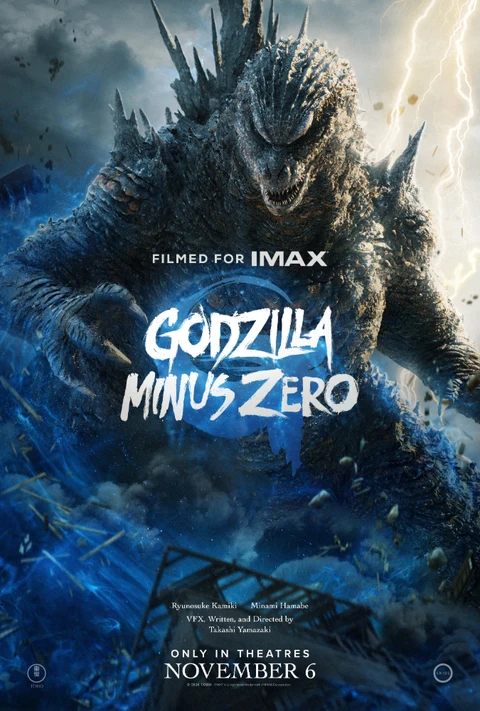
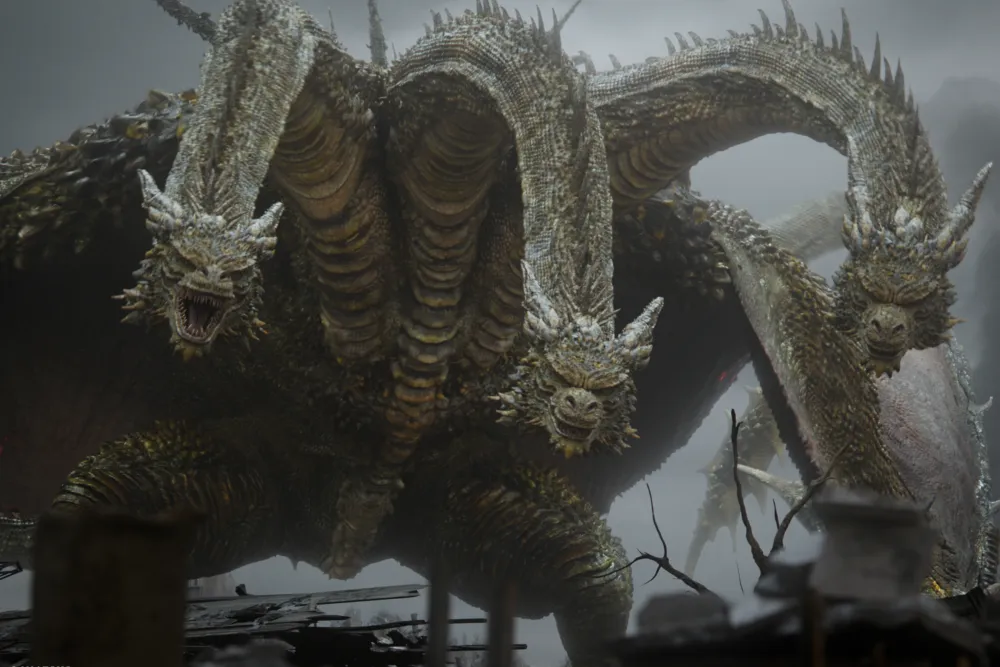
immediately, putting King Ghidorah, Godzilla and a man already carrying Hiroshima on screen within minutes of each other, while the new dragon’s design and effects reinforce why the first film won its visual effects Oscar. What holds this film back immensely, though, are the apparent writing issues and persistent bluntness in the dialogue between human characters, combined with some extremely questionable parenting decisions that really leave you wondering how much time was spent away from the trauma concepts and the big monster scenes, and unfortunately the answer is not much. Godzilla Minus Zero is a fantastic action film in a ridiculously strong year for films, but it is kept from standing as the better film by problems that have nothing to do with what draws audiences to theaters, sitting one step below Minus One.
The film’s central insight is that the survivors of the first attack are still living inside it, and Yamazaki builds everything outward from the fact that these people were handed two years of peace and never once believed in any of it. Shikishima’s survivor’s guilt remains the engine of the whole thing, and putting him back in a cockpit to fight for a cause rather than to sacrifice himself is a considerably smarter continuation than simply restaging the arc he completed in Minus One. Akiko’s fear that the monsters are coming back functions as the emotional thermometer of the entire movie, and the film is consistently at its best when it stays in the house with this family rather than in briefing rooms explaining itself. Murakami carrying both Hiroshima and Ginza gives the film a figure who embodies the national wound directly, and the flashbacks to both events are handled with real restraint for a picture this loud everywhere else. The commentary on Japan’s post-war mindset is a huge success and the single clearest reason this franchise has once again become something far more than a monster series.
The aerial chase against Ghidorah is awesome action and awesome horror simultaneously, with the squadron’s dogfighting staged so legibly that you always know precisely how badly outmatched they are. The transformation sequence raises the stakes even higher, and between Naoki Satō’s booming score and the effects work, Ghidorah comes across as insanely cool in a way very few modern monsters manage to pull off. Godzilla’s reappearance out of the ocean is as horror-filled as this franchise has ever been, an absolutely crazy spectacle made even larger by Akira Ifukube’s original theme cutting underneath it. The final battle between Godzilla and Ghidorah is everything the film spends two hours building toward, a genuine achievement in visual filmmaking that combines a remarkable number of different techniques and makes every one of them work together. Doing all of this on a budget this size, and as the first Japanese production shot for IMAX, is frankly absurd, and Shirogumi’s work deserves every bit of the attention it is about to receive.
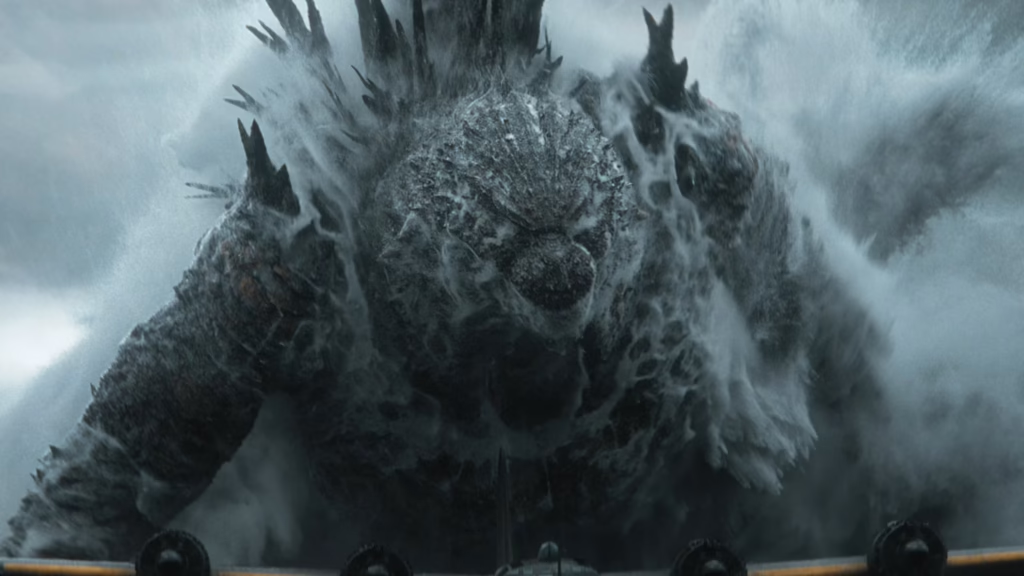
The revelation that victims of the first attack were infected by Godzilla’s cells adds an entirely new layer of danger to the film, because it means the threat is no longer only above these people but already inside the ones they love. Noriko’s physical changes push the movie into body-horror territory it handles far better than expected, and they place both of Akiko’s parents in mortal danger from two completely different directions at once. Using Noriko as a beacon to draw Godzilla out is a strong idea, and the moment that plan becomes viable, the film locates its most interesting conflict by a wide margin. Murakami’s push to use her as a weapon of war to avenge what was done to the country turns the whole thing into a genuine moral crisis, and the kamikaze questions from the first film come roaring straight back into the center of the story. This thread is where the film’s ambitions run highest and where its reach slightly exceeds its grasp, because the kamikaze metaphor never lands quite as cleanly or as devastatingly as the one Minus One built its entire ending around.
The character moments away from the action are overdone and overwritten throughout, with the film repeatedly stating emotions out loud that the performances had already communicated perfectly well. The effects work is noticeably less assured whenever it is not focused on the monsters, and those lapses pull you out at exactly the moments the film most needs you grounded in its human world. The writing turns blunt at several key junctures, and for a movie this emotionally confident, it is strange how often it refuses to trust its audience to arrive anywhere on its own. The handling of the final sequence, with the family making a decision and then reversing it almost immediately, feels manipulative and undercuts a great deal of what the brutal, heartfelt climax had built. None of this is fatal on its own, but collectively it is the entire difference between a very good sequel and the complete masterpiece this was so clearly capable of being. The handling of the final sequence, with the family making a decision and then reversing it almost immediately, feels manipulative and undercuts a great deal of what the brutal, heartfelt climax had built. None of this is fatal on its own, but collectively it is the entire difference between a very good sequel and the complete masterpiece this was so clearly capable of being.
The monster fights, the build toward them and the commentary on Japan’s post-war mindset are a huge success here, and in those respects this is a film operating at a higher level than an already excellent predecessor. The emotional build across the runtime works beautifully even when the dialogue is clumsy, which says a great deal about how well Yamazaki stages the quiet material when he is not busy explaining it. A handful of writing issues away from the monsters are all that stand between this and greatness, which is a genuinely frustrating thing to say about a film that gets the hardest parts exactly right. Taken on its own terms, it is a tremendous action spectacle and one more entry in what has become a ridiculously strong year for movies. It is outstanding in its action and its post-war reckoning but undercut by bluntness in its dialogue and a manipulative final turn, earning a 79/100 from TwilightRoom.
TwilightRoom Score: 79.8/100