Resurrection opens with immediate, insanely gorgeous visuals, with set designs and cinematography announcing themselves as extraordinary from the very
first frame, as it represents one of the best Criterion Tuesday reviews we have covered in quite a while. The film begins as a silent, with clear odes to that era of early filmmaking, rendered in color unlike anything we’ve seen before, one of the most beautiful films made not just in the last decade but ever, it’s a clinic of Bi Gan’s brilliance. The film splits the life of its central figure, known
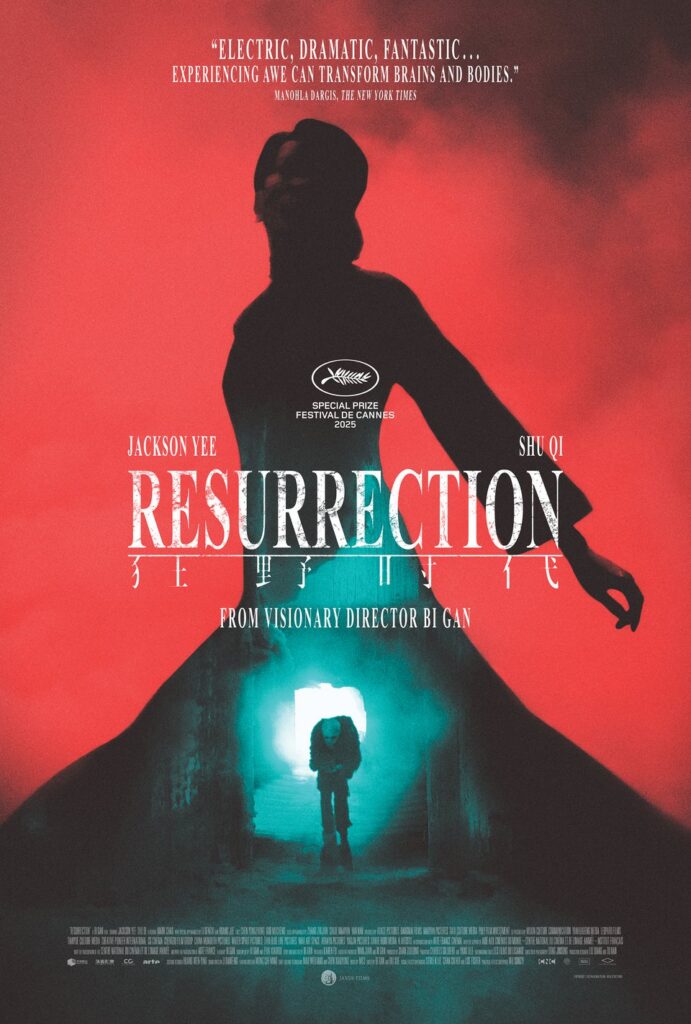
as the Delirant, into four vignettes spanning a century of time, a structure that lets the film hop across genres and eras of cinema while tracking one man’s strange, immortal existence in a world that cannot dream. Across those four vignettes, the film moves through German Expressionism, noir mystery giving way to wuxia-inflected cultural revolution, social sentimental drama, and finally crime romance, essentially functioning as a loving analysis and memory of cinema itself through the 1900s along the entirety of the century. Resurrection is one of the newest additions to the Criterion Collection, added as a Criterion premiere to increase viewership, and is a perfect example of a director sculpting his own art, a genuine love letter to cinema and a wonder to behold from start to finish.
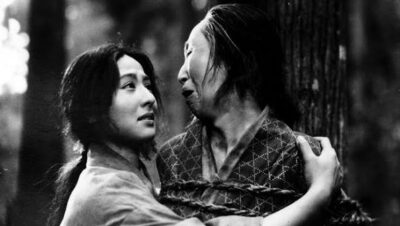
The film’s first vignette finds a lady discovering a decrepit hunchback and inviting him in with genuine kindness, a small, quiet gesture that immediately sets the tone for everything Bi Gan builds across the rest of the runtime. That hunchback, the Delirant, dies in a field shortly after, but instead of passing into dreams as expected, he instead lives on into a strange new immortal existence, his capacity to dream effectively replaced by an eternity he never asked for. That trade, dreaming for immortality, becomes the film’s central thematic engine, and the vignette structure lets the consequences of that trade play out differently across each new era and genre the film moves through. Once his immortality is established, the film shifts into a dark, blue-tinted world that feels entirely of the Delirant’s own making, one steeped in mystery and genuinely nightmarish visuals that mark a sharp tonal departure from the opening’s tenderness. That dark, blue stretch is striking in its own right, though the film’s opening imagery remains the stronger of the two, playing far more confidently with sound and silence than this heavier, more oppressive segment manages to.
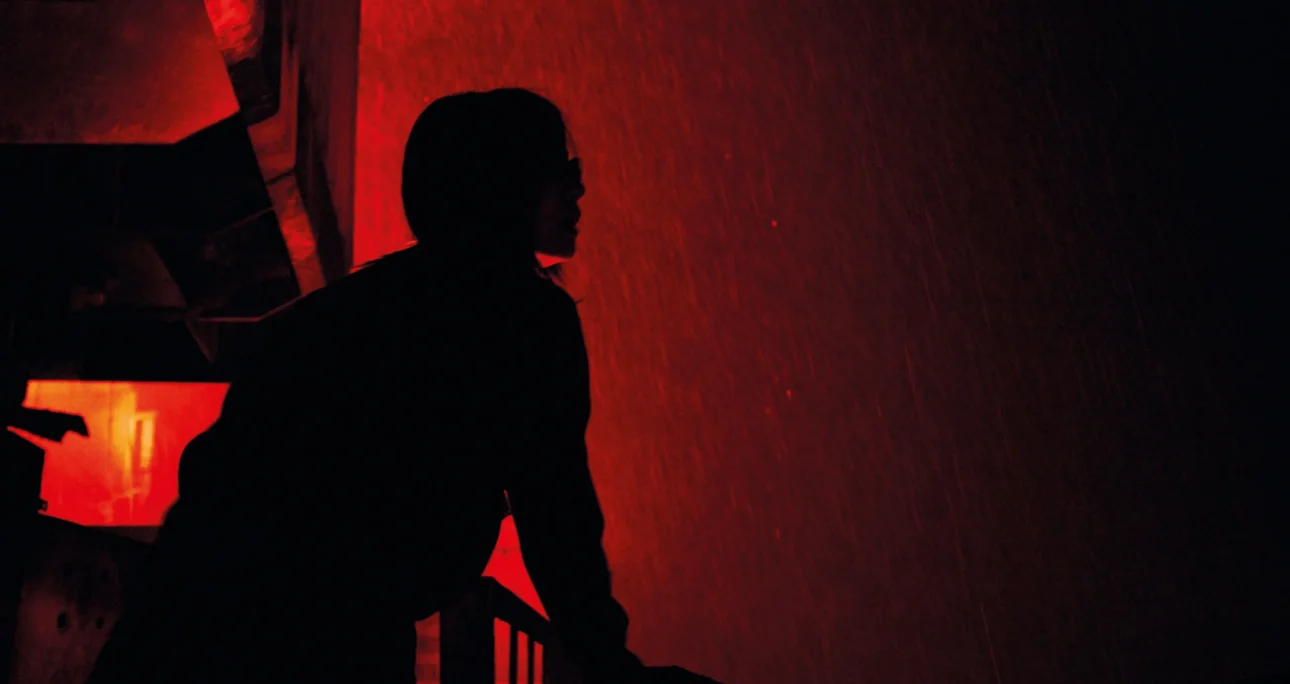
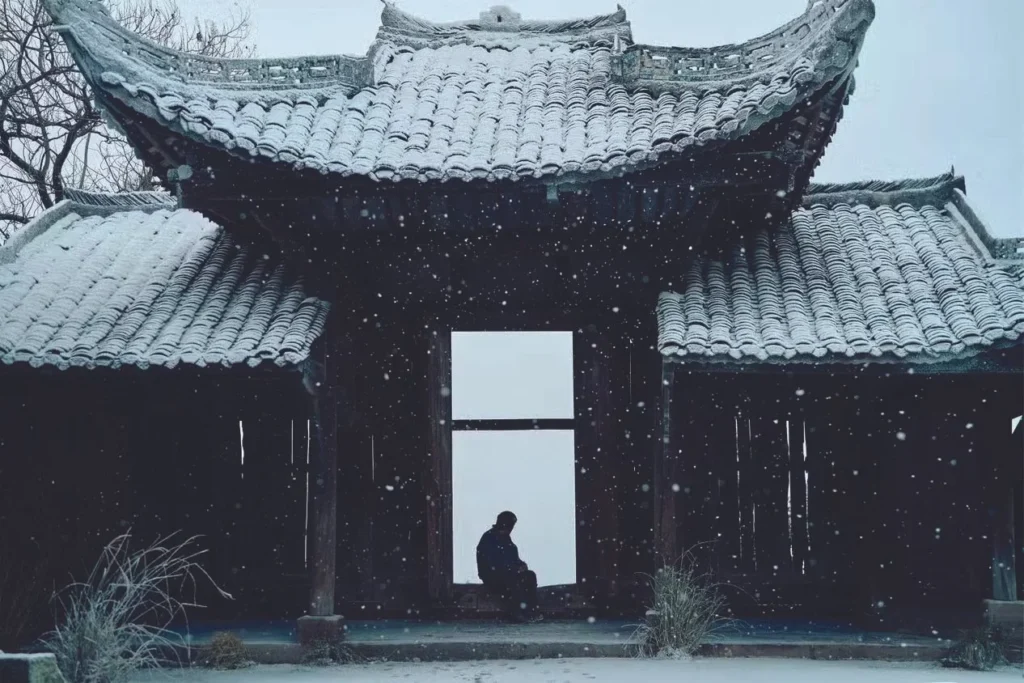
From there the film transitions into a snowy world that feels pulled directly from the samurai films of the 1940s and ’50s, still gorgeously shot and playing extensively with sound and setting as an old man wanders through it on some kind of quiet errand. The snowy temple sequence within this stretch is wonderfully strange, a snoring man mixed with gently falling snow, and the segment closes on the haunting image of a dog wandering the now-empty temple grounds. The film then shifts into a much more peaceful, grounded sense of time and city life, and while the narrative feels noticeably looser here than in earlier stretches, that looseness works entirely in the film’s favor rather than against it. A backwards-melting candle becomes a genuinely clever transitional device here, letting the film wander through different moments in time without ever losing its thread or its emotional throughline. The next vignette locks onto the bleeding red tint of the last day of 1999, following the Delirant through some of his most errant, painful moments yet as our conscious dreamer finds himself beaten in front of a gang, a jarring tonal shift that the film still manages to pull off with total seamlessness.
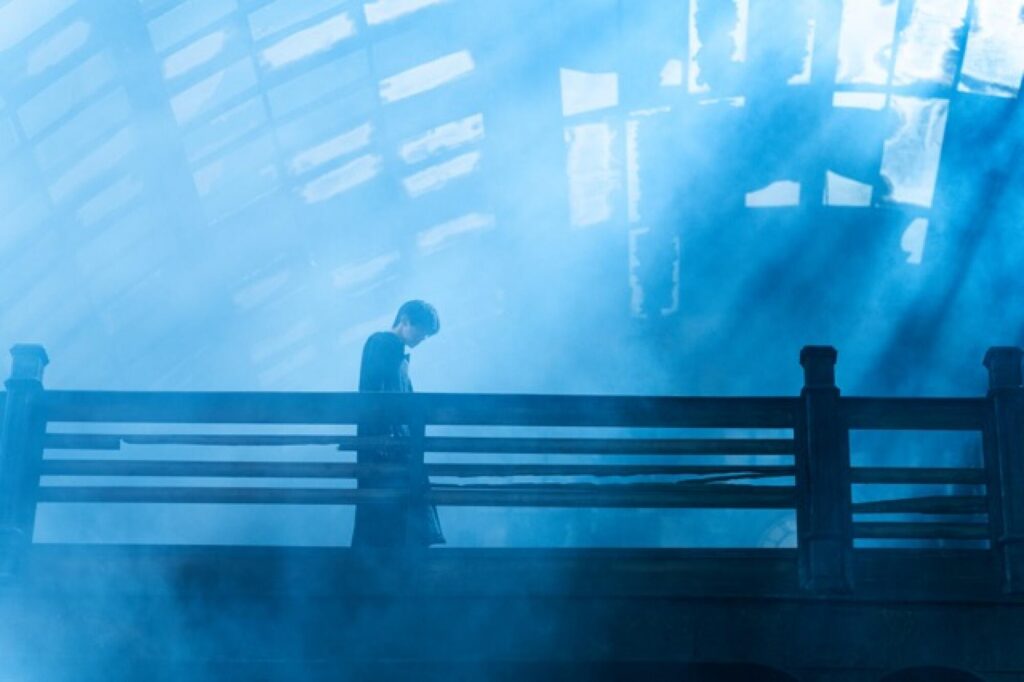
The film consistently picks a defining color for each vignette and balances its story, visuals, imagery, and music around that single choice with remarkable seamlessness, never once letting the device feel gimmicky despite how heavily it leans on it. That color-first approach gives each segment its own distinct identity while still tying everything back to the same central figure and theme, a structural trick few filmmakers could pull off with this much confidence. The blend of Japanese visual storytelling and reflection with a David Lynch-like dreaminess produces fleeting, elliptical narrative storytelling that is genuinely outstanding to watch unfold in real time. Whether in the silent-era opening, the noir-tinged middle stretch, or the red-drenched 1999 segment, the film never once loses its command of tone even as it hops between wildly different genres and visual languages from decade to decade. The music throughout matches the visual ambition step for step, never feeling like an afterthought layered on top of the imagery but instead woven directly into the fabric of each vignette.
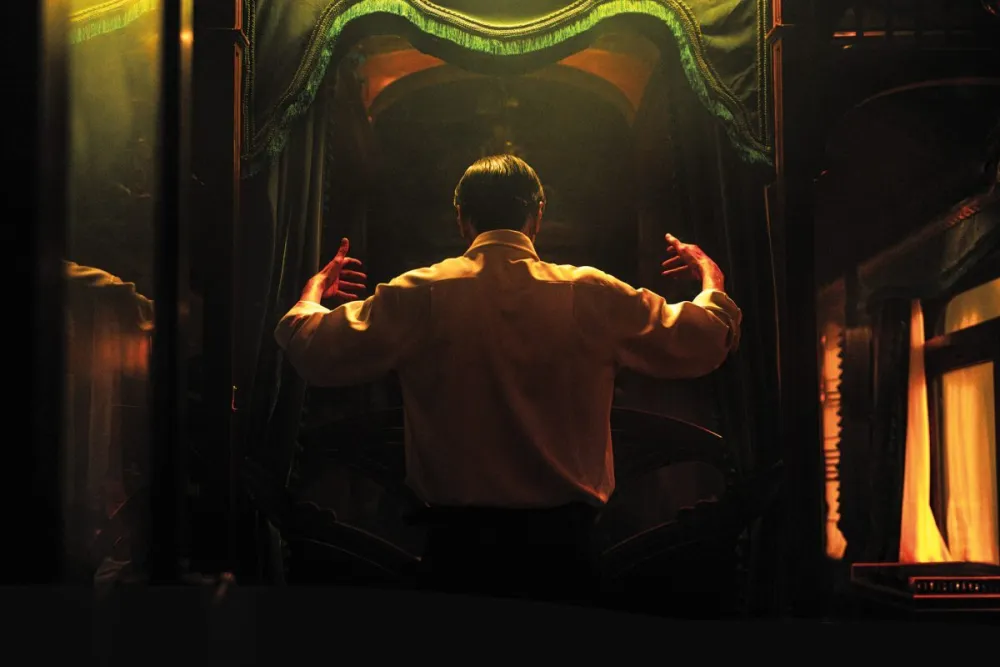
The four-vignette structure, moving from German Expressionism and its use of forced perspective as a direct ode to the silent era, into noir mystery giving way to a wuxia-inflected Cultural Revolution segment, into social sentimental drama, and finally into crime romance, gives the film an ambitious scope that few movies ever attempt, let alone pull off. Each vignette functions almost as its own miniature film, complete with its own visual grammar and genre conventions, while still tracking the same throughline of a man who traded dreaming for eternal life. That structure effectively turns the film into a moving analysis and memory of cinema history itself, tracing stylistic evolution from the 1900s all the way through the entirety of the century through the lens of one immortal character’s journey. The transitions between vignettes, particularly the backwards-melting candle, are handled with real elegance, never feeling like abrupt genre swaps but more like a continuous wandering through time itself. The ambition of the structure never once overwhelms the emotional core of the story, the quiet tragedy of a man who gained forever but lost the ability to dream.
Resurrection stands as one of the best Criterion Tuesday reviews we have covered in quite some time, a perfect example of a director sculpting his own art through the Delirant’s century-spanning immortality. The film’s visual command, from its silent-era gorgeous opening to its distinct color work in every vignette, makes it one of the most beautiful films made not just in the last decade but ever, a genuine clinic of Bi Gan’s mind. This blend of Japanese visual storytelling, Lynchian dream logic, and genre-hopping structure produces something singular, ambitious in a way that rarely feels overstuffed despite the sheer scope of what it’s attempting. The film’s looser narrative stretches, particularly in its more grounded, city-set segments, work in its favor rather than against it, letting the film breathe between its more stylistically dense sequences. Newly added to the Criterion Collection, Resurrection is nothing short of a love letter to cinema itself, a genuine wonder that rewards close attention to its craft at every single turn, earning an 87/100 from TwilightRoom.
TwilightRoom Score: 87.9/100