Introducing Our Best Pictures Ranking
In the spirit of ranking and re-evaluating the most important films of modern cinema, the TwilightRoom thought it fitting to provide our personal ranking of every 21st century Best Picture winner, examining not just their place in Oscar history, but their lasting impact on the film world and on us. as critics. Whether it is a fantasy epic pushing the ceiling of worldbuilding, a modern biopic that reshaped theatrical demand, a crime thriller built on tension and duality, or a quiet character study that seems to redefine storytelling itself, this list captures the full spectrum of what the Academy has chosen to reward over the past two decades. From undeniable masterpieces to controversial winners that still spark debate today, each film here represents a moment in time that has helped shape the current landscape of cinema.
1. The Lord of the Rings: Return of the King
100/100 – Peter Jackson – 2003

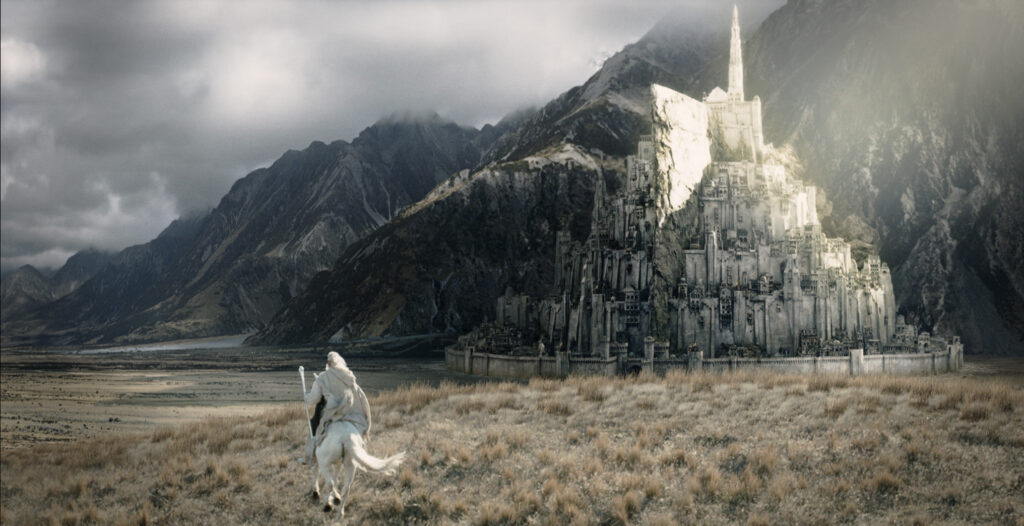
Coming in at first place on this list of 21st‑century Best Picture winners is the 2003 culmination to what is arguably the greatest trilogy ever made: The Lord of the Rings: The Return of the King.
This epic journey of unlikely companions comes to an end here, with the destruction of the Ring and Aragorn-crowned king, defining the level of fantasy worldbuilding the film world defines as the ceiling of the genre. It is rare a third film in a trilogy wins best picture and equally as rare for a franchise film to win, but a story so perfect in design is delivered in the most perfect setting, its win is undeniable. Acting performances from this huge ensemble defined careers, so much so that they defined lives of the audience, fans of the franchise, and provided one of the most unforgettable events in film history. It is a rare sight for the TwilightRoom to give a film a 100/100 but in our informed opinion there is simply nothing to change in this epic, it’s a masterpiece that is perfect in every sense of the word, and thus sits at the top of our list.
2. Oppenheimer
99.0/100 – Christopher Nolan – 2003


2023 brought the return of one of, if not the most popular directors of the 21st century in Christopher Nolan, and a familiar acting face in Cillian Murphy for his monumental magnum opus, Oppenheimer.
An epic three-hour biopic about the creation of the bomb that could destroy worlds and redefine modern warfare, this is an eerie, jaw-dropping film packed with Oscar-winning and Oscar-worthy elements, from the commanding performances of Cillian Murphy and Robert Downey Jr. to its unforgettable score and cinematography. The film created a new wave of audiences flocking to the theater, not for a franchise or comic book character, or even a large Blockbuster, but for the incredible complexity that Nolan has come to be known for in his films. The use of time, black and white, song, and visual practical effects are all instrumental to the film’s scale, and mass popularity, as one of the most unanimous Oscar sweeps in recent history, a rare sight for the Academy, but such a clear outcome here. Oppenheimer is not just second on this list for its scale, it’s second for its lasting impact on everyone who watched and will watch, and its importance on new original releases, and what it means to be successful in today’s film climate, a film so impactful that Nolan’s next release sold tickets a year in advance, and sold out in seconds, securing its place on this list for its massive cultural footprint and a 99/100 from TwilightRoom.
3. The Departed
97.4/100 – Martin Scorsese – 2006
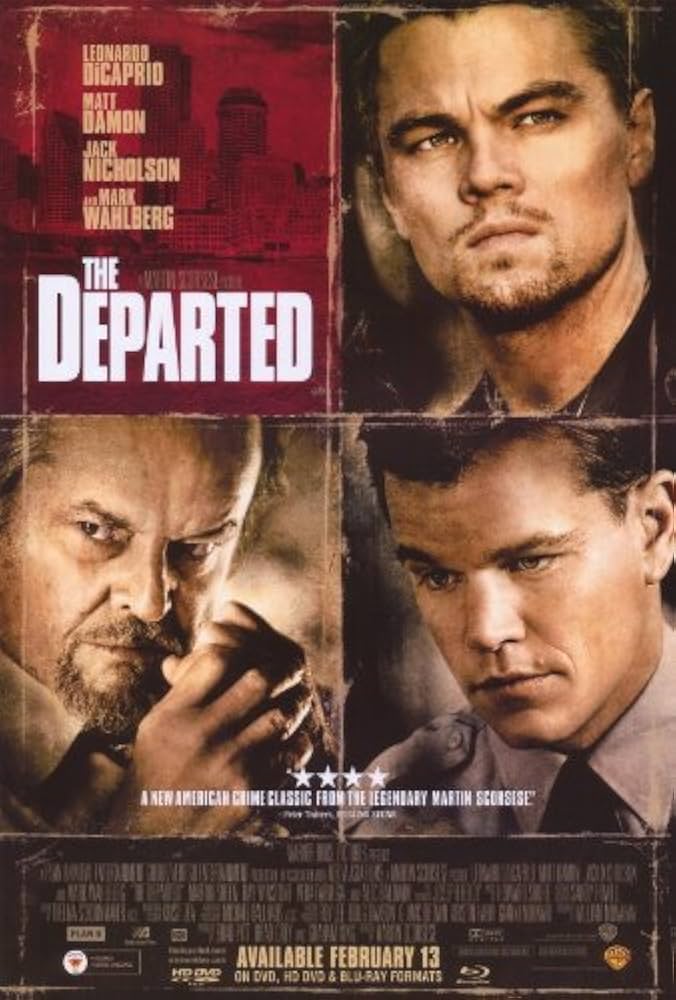
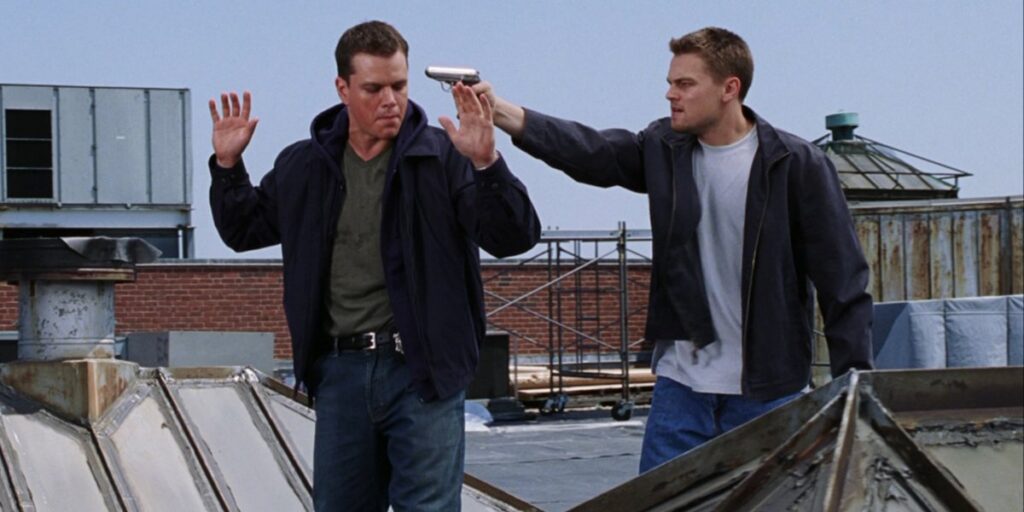
Martin Scorsese’s most accessible work, this Boston crime thriller pitting the Irish mob against the police, The Departed lands at third on our list for its monumental, tension-driven screenplay.
The film does what is only rivaled by Michale Mann’s Heat, pitting two of the biggest names in Hollywood against each other in Matt Damon and Leonarda DiCaprio in the rat chase to discover each other’s true identity first, as one is forced deep undercover in the mob committing violent acts to stay hidden, while the other rises comfortably within the police as a hidden informant for the Jack Nicholson-played boss Costello. It’s a monumental Scorsese work that defines the legendary director’s ability to create a masterful screenplay and complexity in his film that stands out as the best of the best in the Crime-thriller genre. The film does a fantastic job at immersing you into the story with subtle tension and paranoia slowly building and building until this masterful final 10-minutes where everything comes undone and the story resolves itself in a bloody mess that couldn’t have been done any better. Scorsese is not scared to kill a character, or make a unique and creative lens in which to watch his films, and The Departed is him at the top of his game, opening his masterful filmography up to a larger audience and earning him his Oscar, and his film a 97/100 from TwilightRoom.
4. Moonlight
97.3/100 – Barry Jenkins – 2016
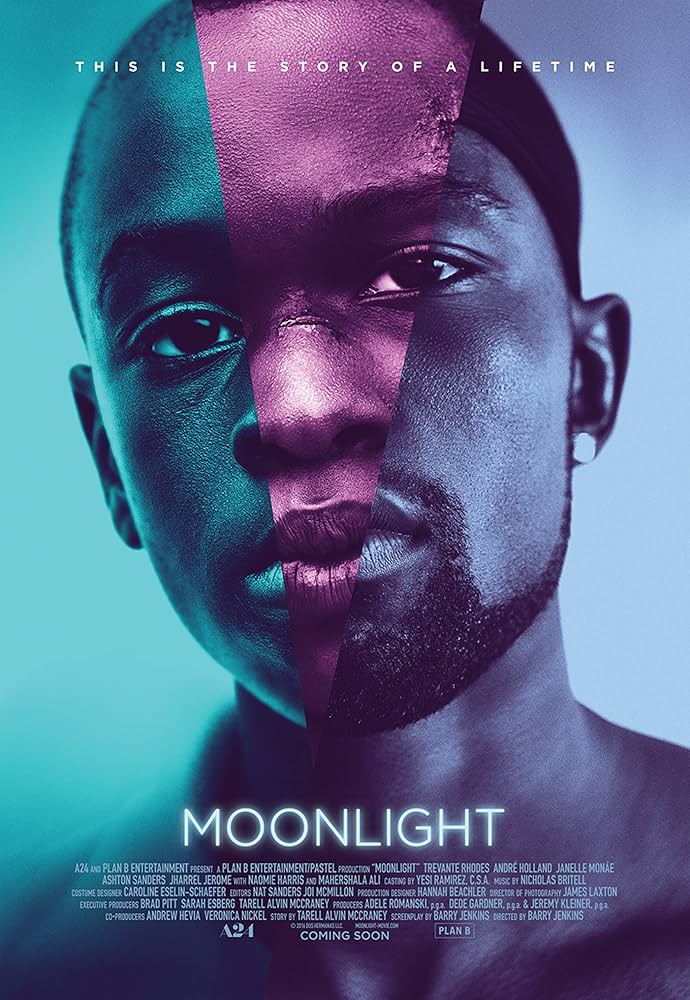

The top of this list reads like a monument to this century’s defining cinematic moments, and Moonlight may well sit near the very top of the most memorable wins in Oscar history.
Memorable not just for its controversy at the ceremony, but for its brilliant three-part story that uses the camera as its plot to show its audiences the life of a constantly tested and curious man in Chiron. It’s one of, if not the most intense and emotional stories of the last 10 years feeling so brutally real, with a wonderfully written screenplay and paced lifetime. Our main character is shot from the back side during many of the inflection points of his life, outlining this beautiful visual with deep thoughts of sexuality, purpose, and struggle that comes full-circle with a final scene that is one of the most memorable of all time with young Chiron turning around towards the camera finding some sense of identity in himself. Moonlight is a gorgeously brutal and emotional saga of one man in Miami, and is the definition of an absolute masterpiece in filmmaking and composition from director Barry Jenkins earning it a 97/100 from TwilightRoom.
5. No Country For Old Men
97.2/100 – Coen Brothers – 2007
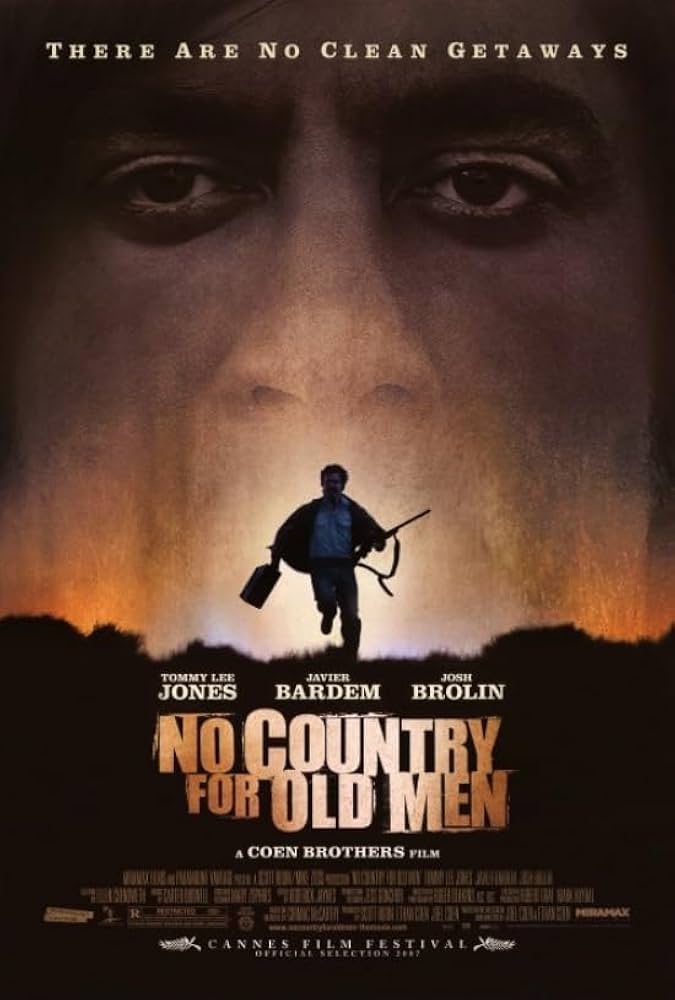
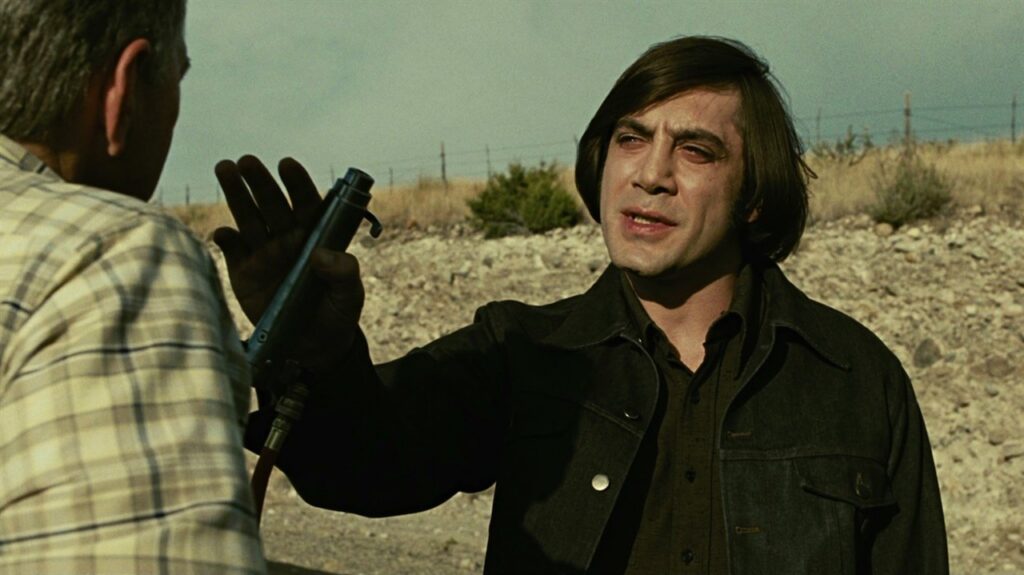
The intensity packed into the number five film on this list, No Country for Old Men from the Coen Brothers, and Javier Bardem’s unrepeatable performance is something that will never be replicated in this modern western masterpiece.
No Country For Old Men has risen to the top of so many cinephile’s favorites of all time not just for its drug trade, 1980 western setting that pits a man in Llewyn that may be as lucky as he is unlucky when he finds 2 million dollars, dead bodies, and drugs, on the run from the evil Anton after him, in a chase of his own from law, but for its creative use of sound and setting to change its genre towards a more modern eye. The western has always had run-ins with the law, outlaws, and extremely evil antagonists, an ’80s-style, makeshift-gun, tension‑filled slow walkdown is something audiences had never seen before, and it’s exactly what the Coen Brothers deliver in what may be their magnum opus. There is nothing here that is definitive of the western genre, yet it may be the best of the genre all at the same time, and its Best Picture wins and lasting impact reflect that, earning it a 97/100 from TwilightRoom.
6. Parasite
96.9/100 – Bong Joon Ho – 2019


The story of hopelessness in poverty and the feeling of forever sinking back to where you started in a world that is painfully finite was never supposed to be perfectly comedic at the same time, and yet Parasite, from Bong Joon-ho, somehow is.
Released in 2019, and it instantly became a historical moment in the Academy’s history. The first non-english language film to win Best Picture is remembered for that title, but also for so much more, one of the best films ever put to screen, a mix of genres that hits on all fronts, that presents metaphors and commentary not outright but perfectly through its imagery so that everyone gets it, and is overwhelmed in a way that film is supposed to speak with its audience. Perhaps Parasite should be higher on this list and for many it is heralded as the best film of the 21est century, and we at TwilightRoom have little to say to dispute that, but at times criticism and ratings come down to personal preference and the 5 films above have nothing over this one except for personal interest and appeal. Parasite is nonetheless fantastic for its monumental moment in film history, its acting performances, and the best blend of comedy, metaphor, and brutal realism in perhaps the history of film, earning it a 96/100 from TwilightRoom.
7. Everything Everywhere All At Once
96.8/100 – Daniel Scheinert & Daniel Kwan – 2022
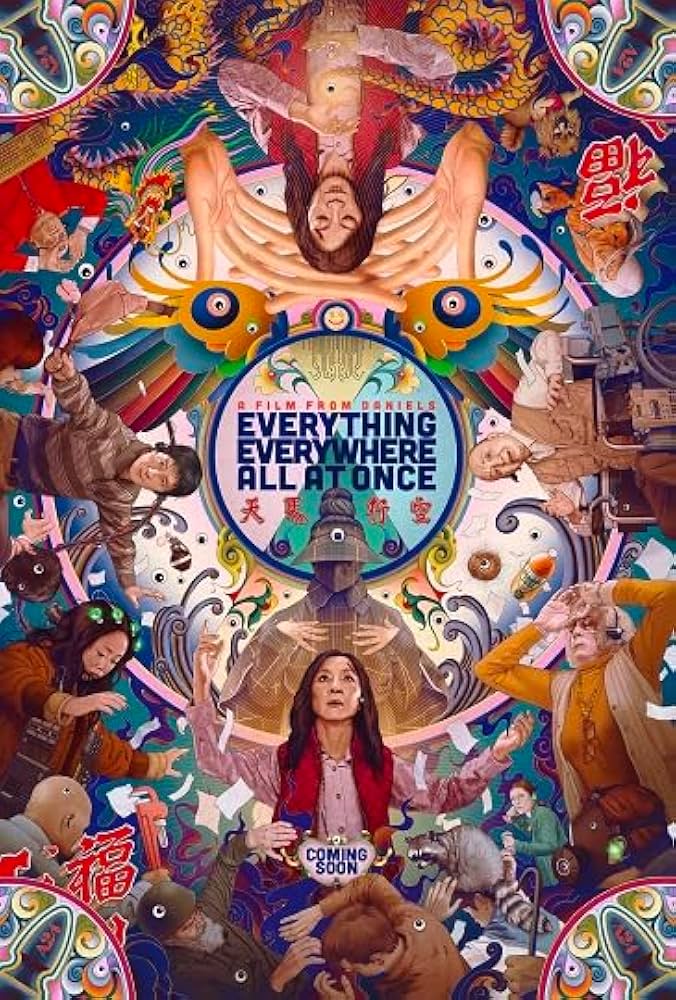

Everything Everywhere All at Once was a 2022 phenomenon, a once-quiet release that exploded as critics, fans, and general audiences alike found solace and love in its chaotic, heartfelt premise, that as the title suggests is all over the place in a way
that etched the brain in just the right way. Wins from Michell Yeoh and Ke Huy Quan were so some of the most heartfelt and unanimously passionate wins of the 2020’s, this idea the film keeps circling, that a kind of positive, “nothing matters” feeling can be freeing, fits perfectly with its overall attitude, in all universes and all different outcomes, I could be anywhere, but nothing matters because “I just want to be here with you.” It’s a magical take on multiverses, that is one of the film world’s most clear example of how something that starts so small can pick up traction and backing so quickly and run its way to the top of the top, sometimes when an independent film has that extra bit of magic sewn into its filmmaking and composition the Academy recognizes it. Everything Everywhere All at Once sits as number seven on this list for its chaotic and endearing premise earning it a 96/100 from TwilightRoom.
8. Anora
96.4/100 – Sean Baker – 2024


Anora sits at number eight on our list of Best Picture winners, and it arrives with plenty of discourse over its status here as both a masterpiece and a winner, as Sean Baker’s unorthodox storytelling style is far less traditional than most but to us at
TwilightRoom is brilliant here. Mikey Madison delivers this wild change in emotion performance as a sex worker that sees her chance at a better life with a young kid in Ivan who marries her in Vegas, but gets thrown into a spiral of anger, regret, and pure emotion as she learns her dream of escaping into a life of luxury is part of a meaningless act of defiance against Ivan’s parents. The dramatic switch from this erotic strip club and partying love story, to a straight buddy-search comedy with wild, angry attacks, into the sad and reflective mental torment of Ani’s future is staggering creative, and together with its fantastic acting performances, likely the reason for this win and high praise. Sean Baker has never made films that appeal to all audiences but always made them with intention and meaning, and here the combination of a more promoted and praised story to critics, and intriguing premise to general audiences was the exact combination needed for award acclaim and a high spot on our list, earning it this eighth spot and a 96/100 from TwilightRoom.
9. 12 Years a Slave
96.2/100 – Steve McQueen – 2013


The 2013 Steve McQueen adaptation of the 19th‑century memoir, 12 Years a Slave, is as harrowing in its imagery and eloquent in its storytelling as it is beautiful in its faithful adaptation and thoughtful writing, all in service of conveying the weight of its difficult subject matter.
Chiwetel Ejiofor plays Solomon Northup, a free black man in New York who is abducted and sold into slavery where he spends 12 years struggling to retain his dignity, not lose sight of his family, and fight for morality at the hands of plantation owners that lack any sense of humanity. It’s perhaps the most harrowing film and dark film on this list for its brutal scenes, including whippings and punishment that is as necessary to cinema as it is difficult to watch, and McQueen does an excellent job constructing the film in such a way that performs the exact task Northup attempts to achieve with the writing of his book, the source material. An absolutely jaw-dropping set and design that is so real, scary and so memorable making it so deserving of both its spot in history as a permanent mark on a dark part of the American past, and its win for best picture in 2013 earning it a 96/100 from TwilightRoom and ninth on this ranking.
10. One Battle After Another
92.3/100 – Paul Thomas Anderson – 2025
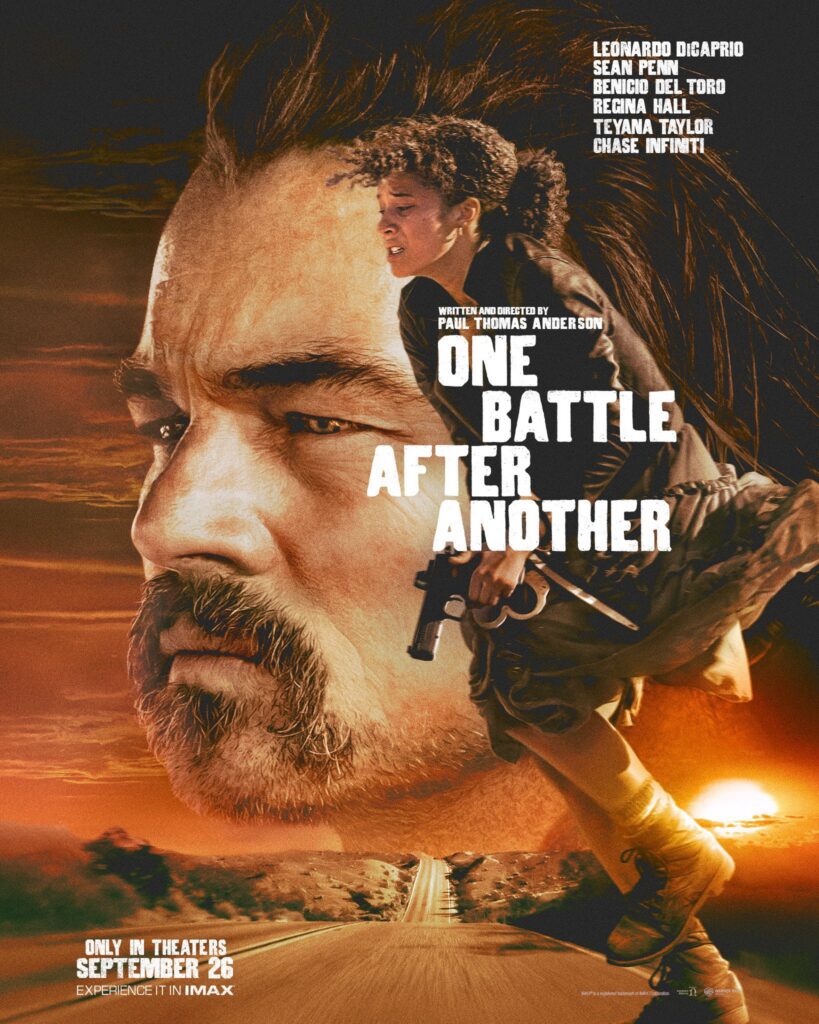
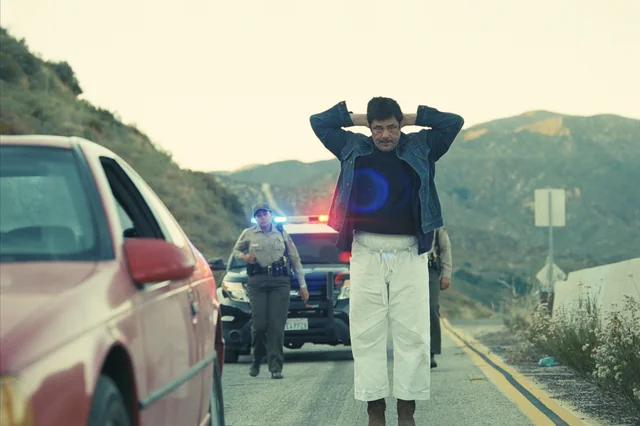
One Battle After Another kicks off the top 10 on Twilight Room’s ranking of 21st‑century Best Picture winners, and despite that placement, it stands as one of the most complete and commanding films of both its year and its era.
The latest from Paul Thomas Anderson, once again collaborating with Leonardo DiCaprio, delivers a timely and explosive story of a group of revolutionaries fighting to protect their own years after their initial uprising. The conflict is driven by Sean Penn’s terrifying white-supremacist colonel, whose performance brings a relentless and infuriating presence that elevates the film’s stakes. The film balances its 3-hour runtime with a mix of thrilling sequences and emotional weight, fully embodying the traits that have come to define PTA’s filmmaking. The performances across the board are exceptional, with one notable standout being a glaring miss from the Oscars despite delivering one of the strongest turns of the year in Chase Infiniti, and while it may not rely on constant standout moments outside of an unforgettable car chase, the film achieves a level of consistency and precision that cements it as one of the most impressive and deserving entries on this list. One Battle After Another is the most recent Best Picture winner and deserving of a top-10 spot on this list as well as a 92/100 from TwilightRoom.
11. Gladiator
91.3/100 – Ridley Scott – 2000

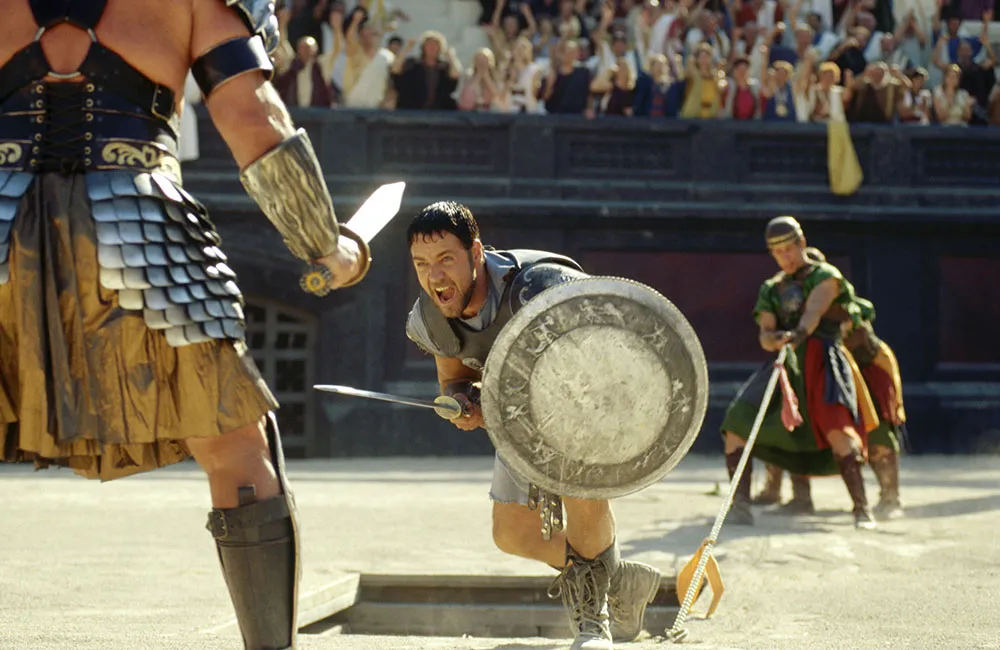
Russell Crowe is no stranger to this list, having dominated the early 2000s as one of Hollywood’s most talented and versatile actors, and he delivers a monumental performance in Ridley Scott’s Roman Colosseum epic, Gladiator.
This battle between Maximus who has been demoted from Roman general to Gladiator after Commodus takes over, after the death of his father Marcus Aurelieus, shot through practical effects, epic fight scenes, and moments that can’t help but entertain and amaze general audiences and critics alike. One thing we at TwilightRoom have learned through this list is, there isn’t something you can pinpoint in common between all these winners, but a unique attack at a genre, something that makes the film stand out is the best way to differentiate from the deserving winners and the not-so-deserving. Scott’s Gladiator is a monumental change in the Roman battle concept and one of the most carefully constructed entertainment-focused films of all time, its character development, antagonistic dialogue and pure action earns its win and a 91/100 from TwilightRoom.
12. A Beautiful Mind
90.9/100 – Ron Howard – 2001
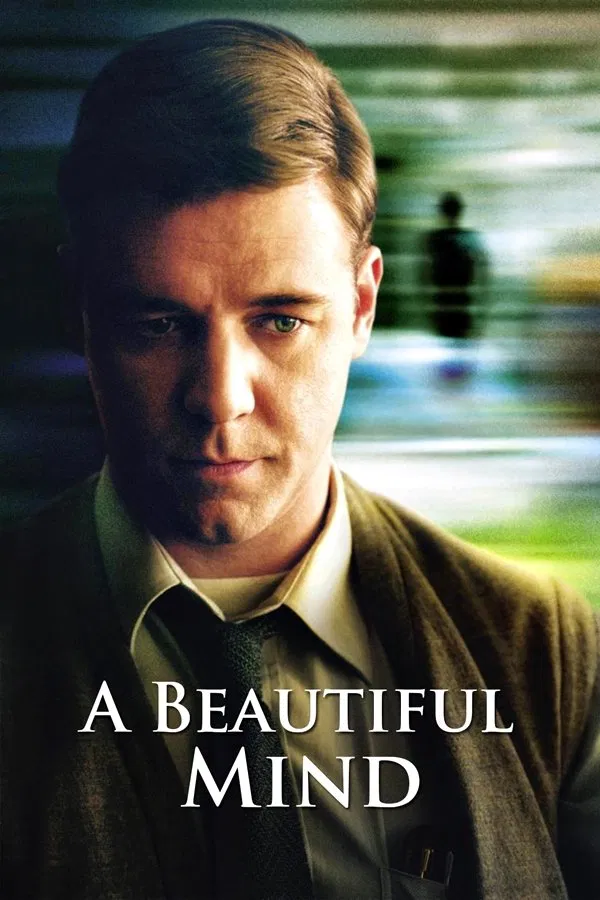
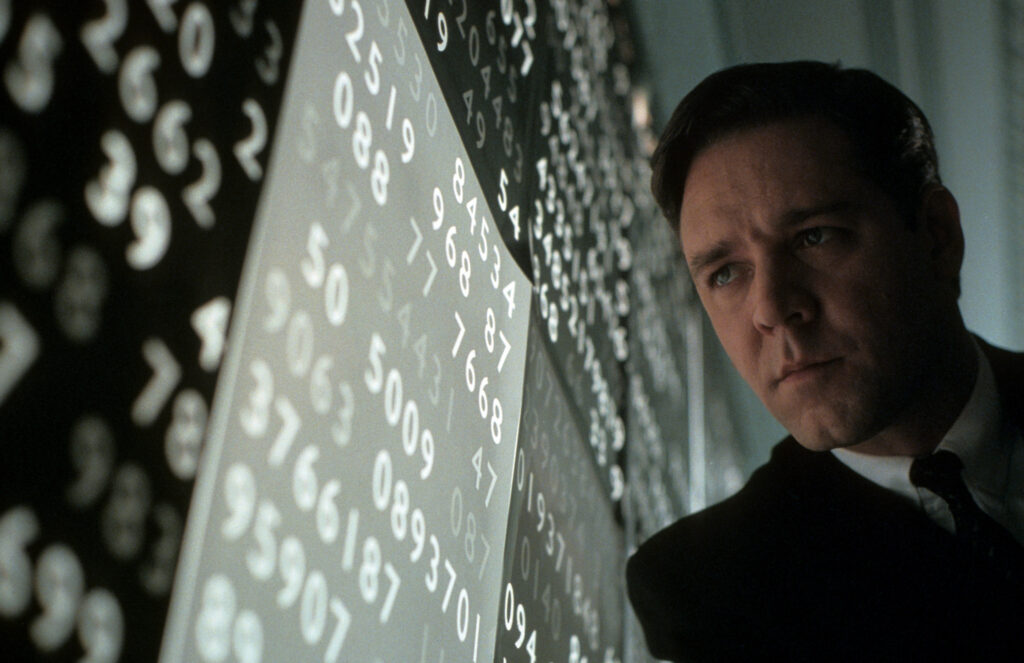
One of the strongest biopics, and easily one of the most emotional of the past two decades, A Beautiful Mind, starring the brilliant Russell Crowe as mathematician John Nash, comes in at number 12 on our list of Best Picture winners.
The film takes its audience through the life of Nash as he grows up through college both expanding his knowledge and logistical theories but also how he learns to become a more social individual, and through his struggle with schizophrenia throughout his life and how it affects him and the ones he loves most. Perhaps not the biggest technical marvel on the list, the Ron Howard-directed film is led and heralded for its intensely real and loving performances by Crow and Jennifer Connaly who plays Nash’s wife in the film, a true tear-jerking character study that delivers on a brilliant screenplay. There are certainly things that hold this film back from truly being a masterpiece, like its struggle with slow pacing in some of the hospital correction scenes that transition Nash into his later life, and some typical lighting and use of the camera that does not detract at all, but also doesn’t add too much to the quality of the film. Nonetheless, its ability to play with an audience’s emotions and tell such an endearing and brilliant story is what earns it its Oscar and a 90/100 from TwilightRoom.
13. Million Dollar Baby
90.0/100 – Clint Eastwood – 2004

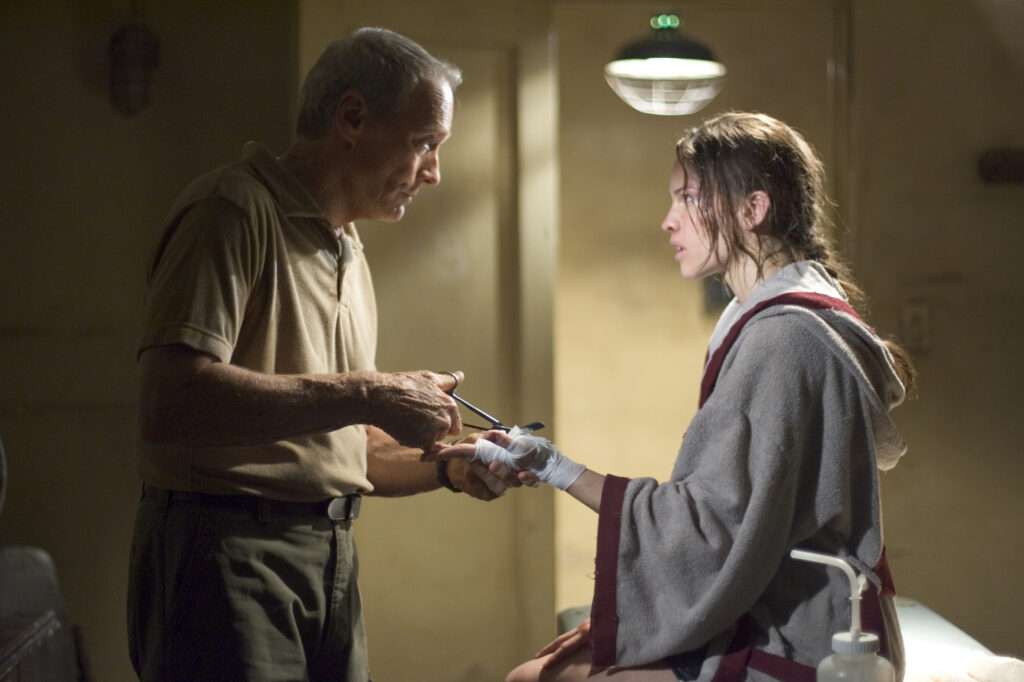
Clint Eastwood may be the king of the spaghetti western, and his ability to direct the genre he helped define is just as striking, but it was his departure from the frontier, both directing and starring in one of the most raw and tragic sports dramas ever made, Million Dollar Baby, that earned him his 2004 Oscar.
One of the darkest colored movies of all time, this boxing life story, takes us through the rise of the female fighter Maggie Fitzgerald and her at first reluctant trainer, Frankie Dunn, as she rises the ranks, and her tragic accident that destroys every sense of humanity and heart the two have for the world that has been so hard to navigate. Its colors are dark and gritty and the tone of the film strikingly resembles the same vibe in a stylistic approach that certainly makes the film stand out from much of Eastwood’s other works. The film never lies to you, it never tells you something else will happen aside from the tragic end that comes of the story, it’s simple in that way but extremely complex in how it gets there, rooted in hard work, hope, and brutal realism. There are certainly some pacing issues and coloring that could have been fixed here but nonetheless, Million Dollar Baby wins the Oscar for its dark and gritty, straightforward and tragic tone, with amazing performances, thus earning it the 13th spot on this list and a 90/100 from TwilightRoom.
14. Shape of Water
89.3/100 – Guillermo Del Toro – 2017
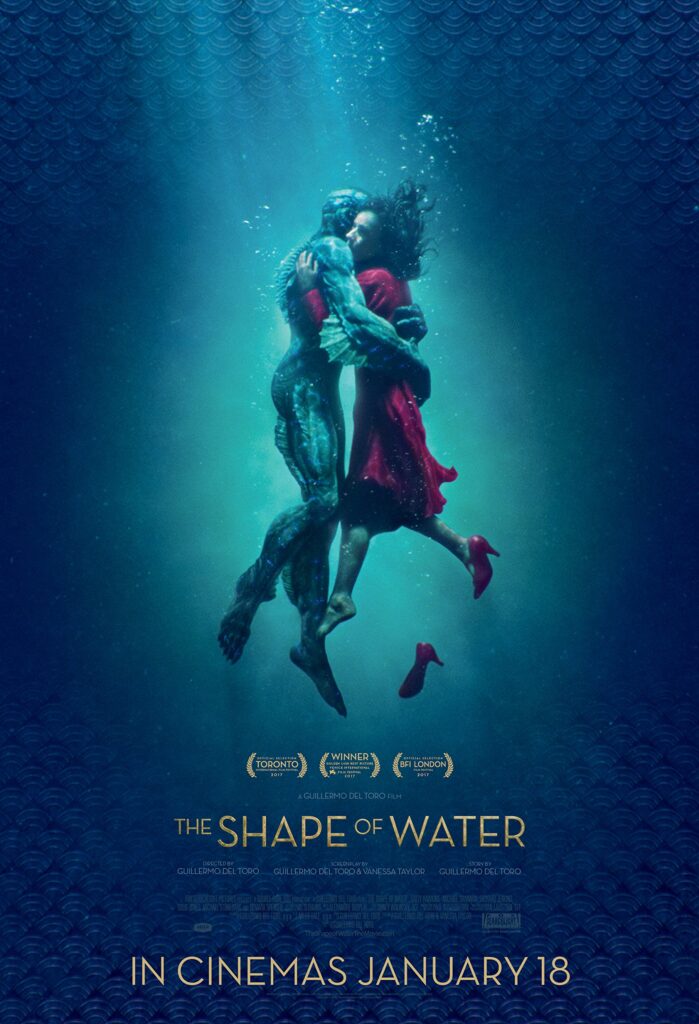

TwilightRoom has always been enamored with Guillermo del Toro’s dark whimsy, from his debut with Cronos to his magnum opus Pan’s Labyrinth, and here, in his odd yet beautiful dark romance The Shape of Water.
The film tells the unorthodox story of a mute maid working in a laboratory that falls in love with an amphibian sea creature test-subject being tested on in the lab. A premise off-the-bat that is as much definitive of a concept Del Torro excels at, as it is an odd sell to audiences looking for something beautiful in a romance. Luckily for all audiences, the 2019 whimsical storyline delivers a delicate and endearing love story that shows Elisa break the creature out of the lab and spend time with him in her home before falling into a tragic end into the ocean where she set to return the creature. The Shape of Water boasts the most beautiful set and costume design on this list, and it’s not even close, serving as a definitive showcase of del Toro’s signature style, and its seamless blend of practical creature work and visual effects turns a wild concept into a full‑fledged movement of strange romance rather than a mere curiosity of high‑concept fantasy. Its win for Best Picture is that of a defining moment that really opened the door for any genre and creative choices to be considered for the award, and an example of a director that is defined for his artistic niche to rise to the top of the film award world, it lands at 14th on our list and a well deserved 89/100 rating.
15. Birdman or (The Unexpected Virtue of Ignorance)
89.1/100 – Alejandro G. Iñárritu– 2014
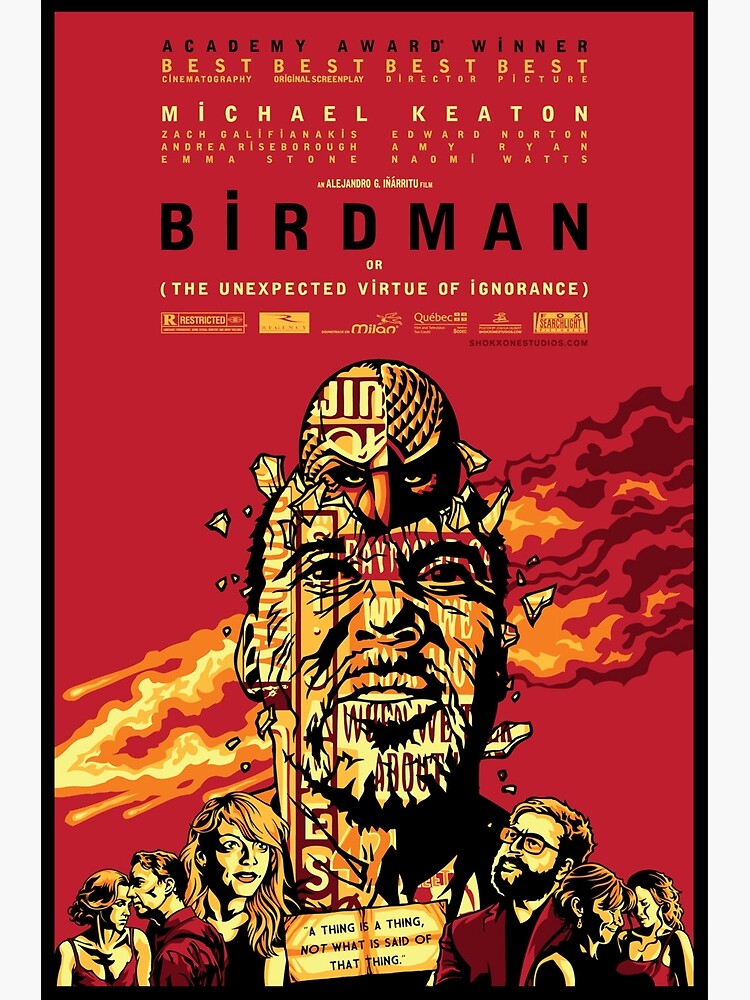

Alejandro G. Iñárritu is known for drawing career‑defining work out of major stars, Leonardo DiCaprio finally earned his first Oscar for The Revenant, for example, and he channels that same intensity into a truly crazed lead performance he is able
to get out of the great Michael Keaton in Birdman. This film is a dark character study, something not unfamiliar to a premise of a Best Picture winner, in this case its Riggan, a washed up actor desperate for fame as he drives himself insane while acting in a play designed to revitalize his career. The character is haunted by a past alter ego super hero he played back in his prime that turns him into this incredibly deranged man that is surrounded by a group of family, friends, and actors highlighted by Edward Norton and Emma Stone’s characters, who are equally deranged in their own way. Its a film set up as an industry story that’s second wave is this dark and metaphorical brutal chase for fame at any cost and at the cost of Riggan’s own life. The film doesn’t come without its flaws in an oddly paced first half, and character arcs that aren’t quite resolved, but overall is a fantastic entry into this list. With films such as Interstellar and Whiplash releasing in the same year I am not quite sure it deserved its win, but since it did it sits at 15th on this list and gets an 89/100 from TwilightRoom.
16. Chicago
88.9/100 – Rob Marshall– 2002

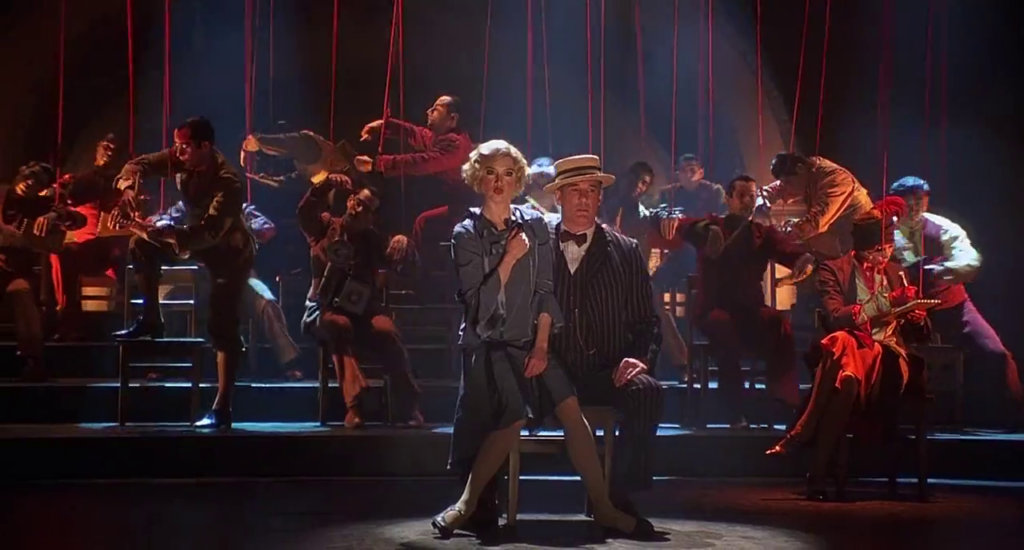
The Academy has never been shy about giving Best Picture wins to musicals, but after the 2016 La La Land debacle, a 24‑year drought for the genre has left fans like me reaching back to 2002’s steamy, stylized Chicago to find the last winner.
I personally have always been one for a musical, and historically the best are the films that take a main character that is extremely flawed and pits them against themselves and the troubles of the world, using music to tell a complex story. Style and color have also always been a big part of the genre and perhaps the most unique use of unorthodox color is here in Chicago as Velma Kelly and Roxie Hart find themselves together but opposite at death row battling for the fame of the press to avoid death. Its an incredibly unique premise that I cannot say is perfect and certainly is lacking in many areas that other films on this list certainly don’t, but gorgeous visuals and a flawed main character propelled Chicago to a best picture win and 88/100 from TwilightRoom.
17. Spotlight
87.3/100 – Tom McCarthy– 2015

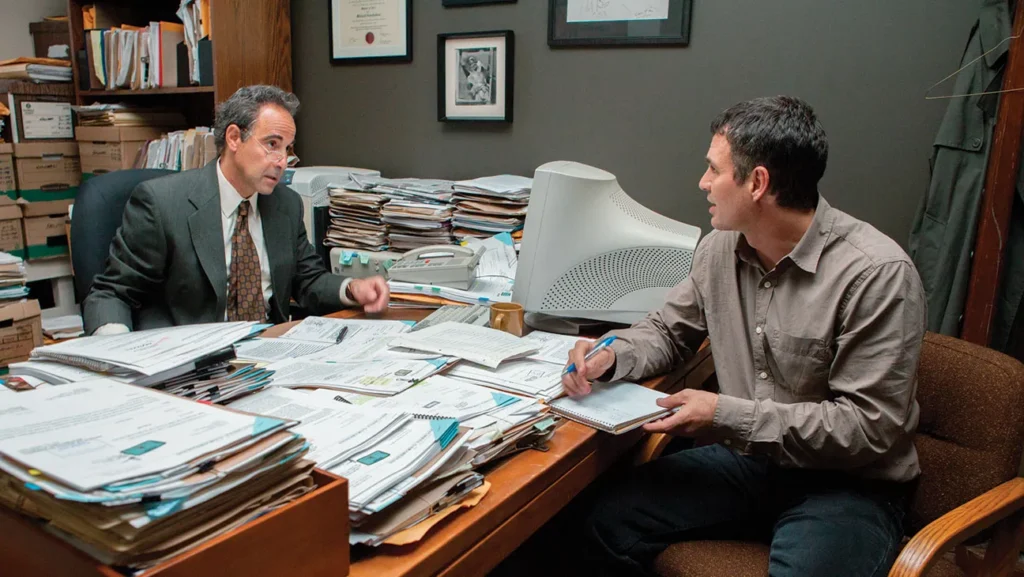
Perhaps one of the quietest thrillers ever put to screen, Spotlight is an ensemble‑driven film that ignites through the performances of Rachel McAdams and Mark Ruffalo, telling the story of exposing one of the most serious scandals in the history of the Catholic Church.
It’s a film that puts the Boston Globe as a whole as its main protagonist, focusing on the journalistic approach to the discovery of the child molestation scandal by over 70 priests in the Boston area, navigating pending legal battles, large cover-ups, and eventually the events and fall-out of 9/11. The story is inherently a dark storyline that really doesn’t rely on the thrill and twists of a normal film style to win its audience, its so much more character- and interview-focused, paying attention to the work and the monumental effort it took. The film does not wow its audiences with visuals, its ability to pace a film, or really much of a creative presentation of the story, leaving it lower on this list, but is an excellently-acted screenplay come to life. Further, the positives simply outweigh the negatives and even on a list with so many great films as this one, it is so deserving of its award, and equally deserving of the acting performances awarded, as well. Spotlight is much more real and quiet, that what many may expect and what the genre is defined by, but its so intriguing and so well made that it certainly deserves its award, and an 87/100 from TwilightRoom.
18. Coda
86.8/100 – Sian Heder– 2021


One of the most polarizing films on this list, and perhaps in the awards’ history as a whole, it is a sweet, family‑focused story about a girl who is the only hearing member of her deaf family, learning to balance adolescence and a life of her own with the weight of heightened familial responsibilities.
To us here at TwilightRoom, and to the surprise of many who have really given this film a chance, a film with such an endearing story and premise as this one receiving an odd amount of hate for its success, seems misplaced, because not only is this the most harmless film on the list, its outstanding. Now, that isn’t to say it doesn’t come without its flaws, technically the film is ordinary in design and the overall delivery and placing on this list are on the lower portion, but the story here, the acting, and the love this family has for one another brings a tear to my eye and so many others. There are certainly some good films that released in 2021, but it was right in the middle of Covid and there was a limited sample size here, so a film with this much heart and a fantastically warm ending to me, and clearly the Academy, was enough. Many films on this list will be accompanied by an analysis of why they are so monumental, but our comments on CODA are best served as a recommendation, to check it out, and see for yourself if this is the worst Best Picture winner ever, or if it’s a heart-warming family story that should be looked at from a different angle, as an 86/100 from TwilightRoom.
19. The Hurt Locker
85.9/100 – Kathryn Bigelow– 2008


The Hurt Locker is a true tension‑junkie war film, tackling this deeply explored genre from a new angle that speaks to both the realities of modern warfare and the way some soldiers become addicted to war itself, stripped of their own humanity
once they return home. Jeremy Renner and Anthony Mackie deliver fantastic contrasting performances, pitting Renner as William James, a wildly bold bomb specialist that enters the war in Iraq with no fear or ability to do anything but his work, and Mackie, as a much more reserved and cautious man. It’s a well made war film with great sound design and personal connection, something quite common in good war films, but certainly present here as well. While there is plenty about this film that feels fresh and distinctive, there is also a lot that echoes projects that came before it, making for a quality, well‑loved movie that we at TwilightRoom speak highly of, just not quite as highly as some of the more singular and impactful entries on this list. The Hurt Locker represents one of the best modern war films released this century and focuses on a man who is much more immoral than many main characters in war films, raising it to the top of the 2008 Academy Awards, although at 19th on this list, earning a rating of 85/100.
20. Argo
85.0/100 – Ben Affleck– 2012

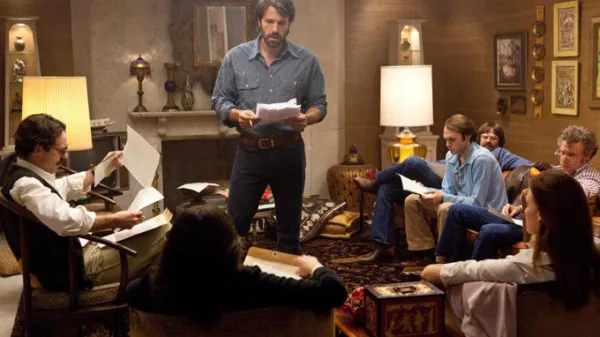
Ben Affleck’s self‑directed tension thriller Argo lands at 20th on this list of Best Picture winners, but don’t let the ranking fool you; there is plenty to love in the film as a whole and in Affleck’s clear skill for crafting something with real substance behind the suspense.
When six Americans are stuck in-hiding at the house of the Canadian Ambassador in Iran, hired extractionist Tony Mendez decides to create a fake Hollywood movie as an alibi to sneak the six out, and avoid capture. From the beginning of the film there is never much push-back on Tony’s idea despite it being quite lucrative, making the film really rely on its constant tension and constricting visuals to produce paranoia and intrigue in the plot. There are certainly aspects of the film that portray Iran in a light that is consistently negative as a whole, as the film received quite a bit of backlash for that, and while the true story narrative is incredibly engaging and the quality of the film is undeniable, it’s hard not to agree with the lack-of-depth included into the Iranian character in the film. Although there are some flaws with Argo, it does a fantastic job capitalizing strictly as a tension-building thriller that keeps the audience on the edge of their seats as the group of seven try and find their way out of Iran, earning it an 85/100 from TwilightRoom.
21. Slumdog Millionaire
83.3/100 – Danny Boyle– 2009


The Dev Patel–starring Danny Boyle film Slumdog Millionaire, the 2009 Best Picture winner, earns its spot here by weaving a story of a poor young man fighting against impossible odds to escape the slums with a sweeping, decades‑long love story
that provides a massively entertaining-thriller experience. This type of organic filming, making the audience feel like they are actively running along with the characters is truly what Boyle does best, and in scenes between his two main lovers, Jamal & Latika, his talent is at full display and likely why his film was able to grab six different awards from the Academy its year. Balancing the progression of the “Who Wants to Be a Millionaire” questions with the major events of Jamal’s life proves to be Boyle’s toughest task; midway through, when the film is jumping in time and constantly bouncing between the two, some stretches drag and lack the coherence found in other passages built on the same core premise, leaving the overall storytelling quality a bit inconsistent. Nonetheless, moments placed together like the two young lovers finally finding each other or tense moments during the game, placing Jamal at the crux of the phrase “It is written”, elevate the film to a much-deserved win and a highly entertaining watch. Although this does not sit at the level of quality as many of the films above it, Slumdog Millionaire sits comfortably at number 21 on this list, and earns a good rating of 83/100 from TwilightRoom.
22. The Artist
82.4/100 – Michel Hazanavicius– 2011
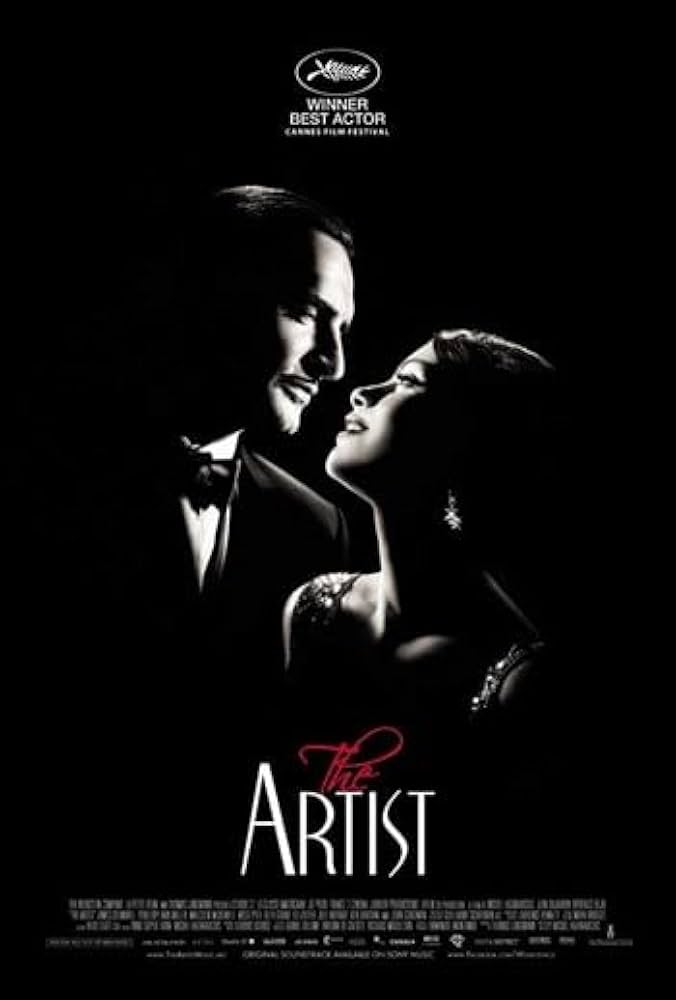
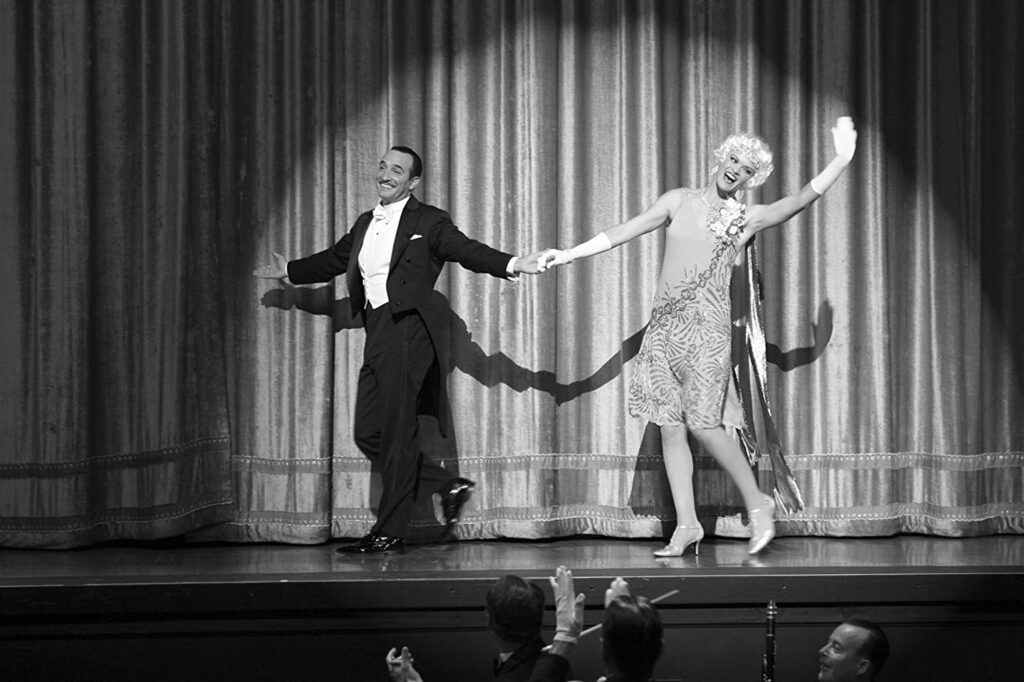
In one of the weakest years in recent cinema history, the 2011 silent film The Artist was awarded Best Picture, resulting in one of the most polarizing wins on this list, not because any other film desperately needed to win. but because a black and white
silent film on the 21st century was still able to win the biggest award in Hollywood. James Dujardin plays George Valentin, an actor at the top of Hollywood struggling to transfer his talents over into the talkie wave of cinema, and losing his sanity until he meets the women he soon falls in love with in Peppy Miller. As one of the shorter films on this list and clearly the most stylized as words flash on the screen instead of dialogue, the film is a clear black sheep on this list, and heavily reliant on old school facial impressions and a different style of acting to perform well for audiences, a concept a silent film may not even be able to do in the current film climate. Here at TwilightRoom, we spend time with some very old films, including a solid amount of silent ones here and there, and this type of film really did resonate with me at times and that is why our ranking for the film is at the higher end of many critics, despite it sitting so low on this list. For its creative use of film’s first big boom, and use of black and white in a modern world, the film earns an 82/100 from TwilightRoom, but is the 22nd best Academy Award winner of the century.
23. The King's Speech
75.3/100 – Tom Hooper– 2010
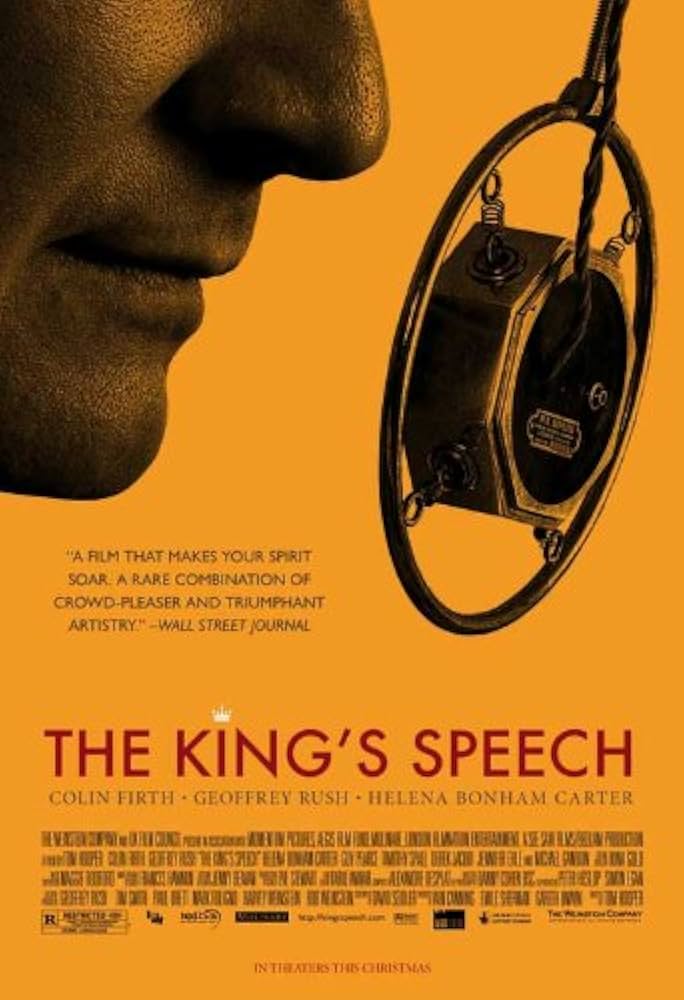
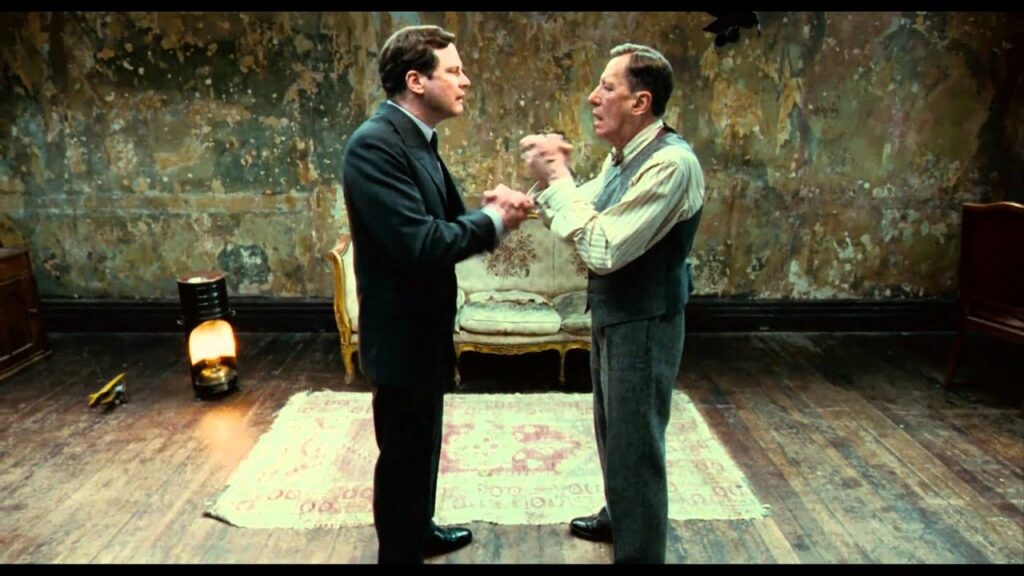
Sitting at number 23, and marking a sizable drop in rating from the film just above it, is Tom Hooper’s endearing friendship drama The King’s Speech.
There has definitely been a much different perspective about Tom Hooper after his film Cats flopped about as hard as a film can, but at the time in 2010 he was at the top of the film world winning Best Picture for his speech therapy friendship film between an Australian speech coach Lionel, and his most royal student King George VI during the world war. The film’s historical narrative and dialogue work are most definitely its strongest attributes and as a whole is a serviceable historical film surrounding a crucial moment in British history, but lacks so much of the style, impact, and technical work that many of the other films that have won the award excel at. When looking for a film that is definitely a great winner of Best Picture, we look for a unique concept, or outstanding contribution and while the King’s Speech is a good film by many aspects, nothing that the film possesses is outwardly excellent or different. With an Oscar sweep looming over its title it may be one of the few examples on this list of films that had their perception hurt by the win, due to the standard the audience now holds for it, which likely affects our ranking as well placing it 23rd on this list and rating it at a 75/100.
24. Green Book
70.3/100 – Peter Farrelly– 2018


In recent years, there has been growing recognition of the “white savior” trope in cinema and a push to reframe Black stories around independence and genuine courage; sitting uneasily in that conversation is 2018’s Best Picture winner Green Book, directed by Peter Farrelly tows right on the line
here in a way that has split viewers between enjoying a wholesome and heartfelt story and feeling like it falls back into the trope. At TwilightRoom, we tend to agree with the general consensus that there is no real malintent behind the film; it plays as a sweet story of unlikely, accepting friendship, acted well by its two leads, and while it may not feel deserving of the award itself, it still stands as a solid, warmly made film. As Tony Lip is hired to drive a pianist Don Shirley on a tour through the deep south where segregation was still present, the two bond over their journey as polar opposites in personality, it’s a premise that’s simple and never really meant to be this monumental screenplay, but with the Award under its name certainly is judged that way. Green Book simply in my eyes is a solid drama period piece with some endearing moments and harsh realities of the past, that at moments brings an outdated trope back to the forefront of discussion landing it at 24th out of 26 on this list and a rating of 70/100 from TwilightRoom.
25. Nomadland
67.6/100 – Chloé Zhao– 2020

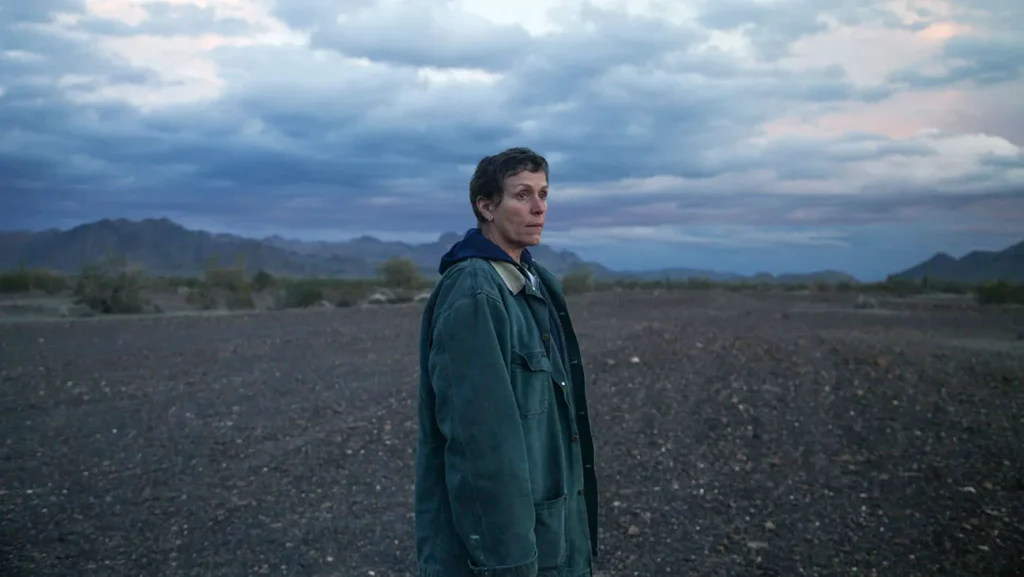
This half‑documentary, half‑narrative defining win for one of the best female directors of the past decade, Chloé Zhao, struggles to fully settle in beyond its visually striking, unglamorized portrait of life on the fringes of the American West.
Nomadland is just that, a story of a nomad named Fern who lost her job and money during the recession and decides to go on a journey both spiritual and physical to reinvent the way she looks at life, living in nature rather than monetary value. The concept and creative filmmaking and visuals are what propelled the film to its win, but I can’t help but really praise Zhao’s other work Hamnet for those same types of visuals while also providing a much more engaging and heartfelt story. Nomadland simply offers too little, both in dialogue and in dramatic presence, to feel definitive in such a complex conversation, and without a more fully tuned story that could have pushed it higher on this list, much of its initial charm slips away. Zhao particularly excels at what she wants to here, but to us provides a film that is not much of a standout or memorable experience and a fairly interesting choice for Best Picture, however it does add Zhao to the list of three films, also including CODA and The Hurt Locker to win Best Picture with a female director and thus makes its mark on history. The film lands at second to last on this list with quite a bit of margin between this and the last place entry as it is rated as a 67/100 from TwilightRoom.
26. Crash
41.9/100 – Paul Haggis– 2004
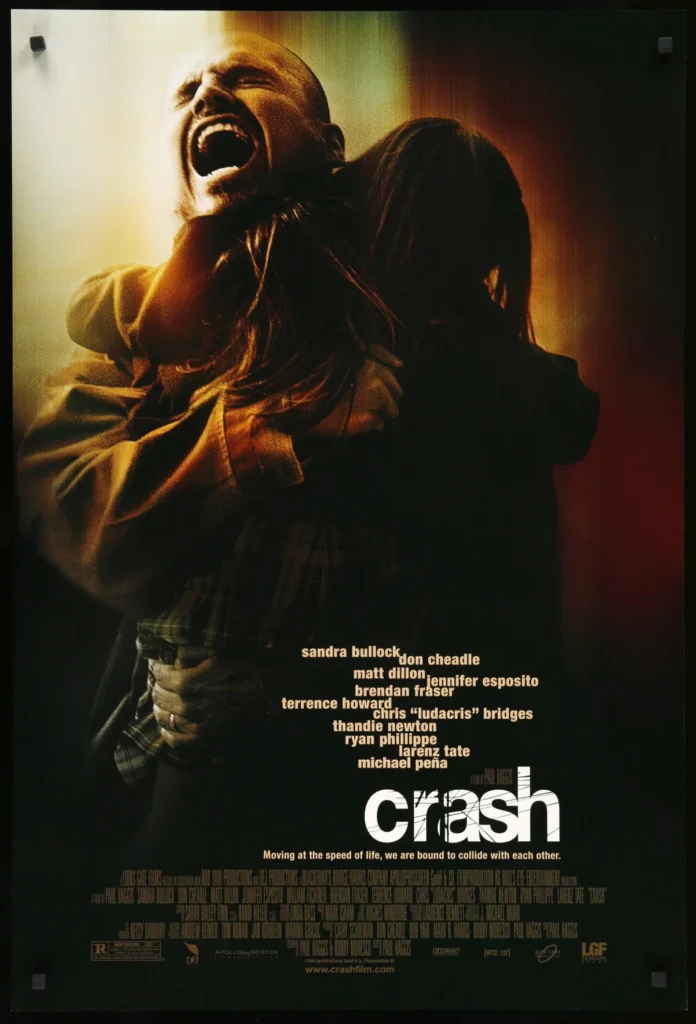
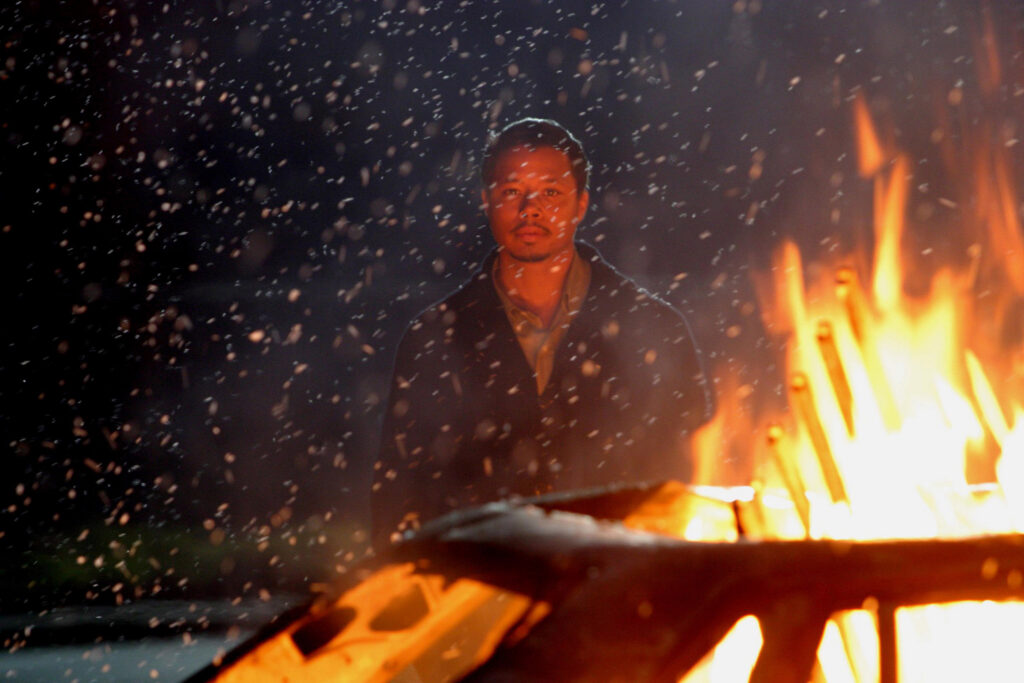
Crash is notorious for being the worst Best Picture winner not just of this century, but possibly of all time—and at TwilightRoom, we unfortunately tend to agree with that sentiment, as the film takes on the immense task to tackling
almost a dozen different forms of racism and oppression through an ensemble that floods the dialogue and detracts from any real commentary being laid out or delivered. The film provides so much seemingly intentional morality commentary set-up, and feels like it delivers on redemptions, failures, and tragedy, but never achieves any of them, with characters that have zero real importance aside for being vessels of racist comments that are redeemable in the few scenes each character gets. This win is remembered for its reaction not just from the public, but for its competitor and peer reactions, I can’t help but believe this film was ever meant to win and that history behind it winning truly leaves a stain on the Academy’s ability to determine what is a complex narrative with crucial commentary and a film that wants to do so much but does much more harm than it does good. Crash lands significantly lower on this list than every other film in the last place, and rated at 41/100 from Twilight Room.
Conclusion
Looking back across every 21st century Best Picture winner, what becomes most clear is there is not a single defining trait, but a wide spectrum of storytelling, risk, and recognition that reflects both the strengths and inconsistencies of the Academy. Some films here have gone on to define entire genres and eras of filmmaking, standing as undeniable masterpieces that continue to influence audiences and creators alike, while others remain controversial selections that still spark debate years later. What matters most, however, is that each of these films represents a moment in time where cinema, whether through innovation, emotion, or cultural impact, reached a level that demanded recognition on the biggest stage. At the TwilightRoom, this list is not just a ranking, but a reflection of how we view film as an evolving art form, shaped by both its greatest achievements and its most questioned decisions.