Introducing David Lynch
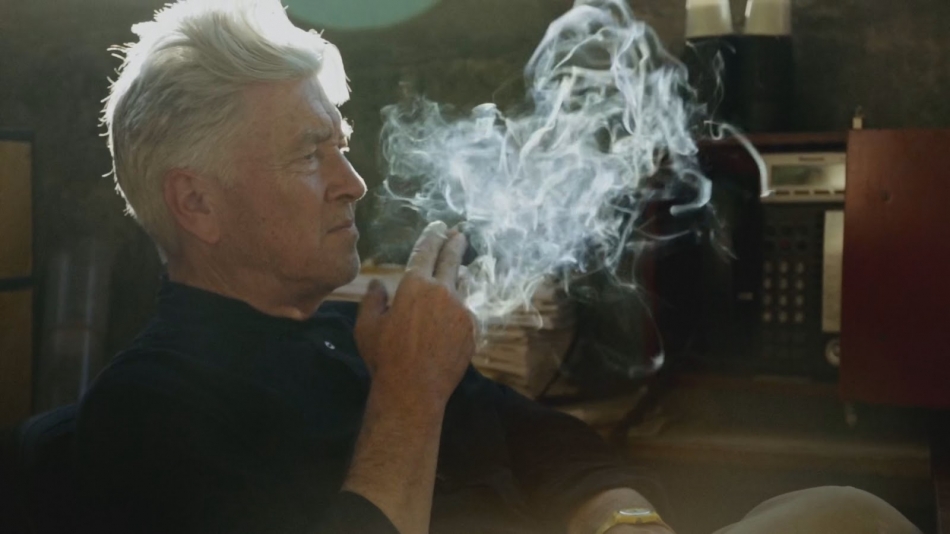
In the spirit of diving into the most unique and influential voices in cinema history, the TwilightRoom thought it fitting to take on the full filmography of one of the most imaginative and creative directors to ever touch the medium, David Lynch. From black-and-white industrial nightmares to emotionally grounded true stories, from mainstream television successes to some of the most confusing and surreal films ever created, Lynch’s career is anything but ordinary. His work does not follow a traditional path, and more often than not, it challenges the audience rather than comforts them, asking questions without ever providing clear answers. Whether it’s a cult classic that redefined experimental film, a television series that changed the landscape forever, or a psychological puzzle that still sparks debate decades later, every project in this list represents a different piece of Lynch’s singular vision. This review is not just about which films we enjoyed the most, but about how each entry fits into the evolution of his career, his impact on the film world, and how his work has shaped the way we, at the TwilightRoom, view cinema itself.
Eraserhead
81.3/100 - 1977
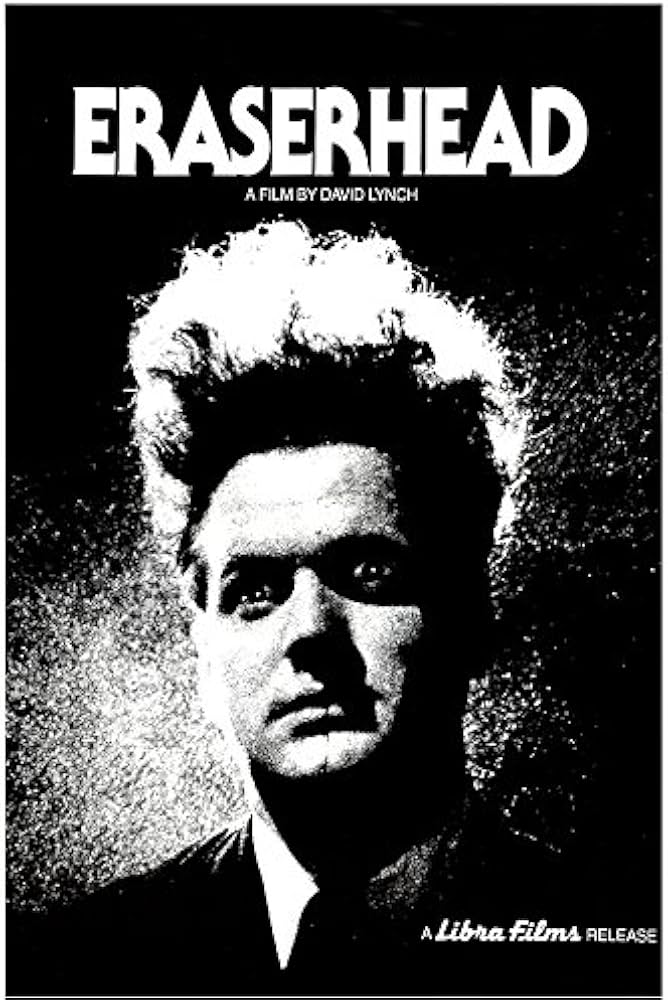
Starting from the beginning of one of the wackiest and most imaginative careers and lives in all of cinema, David Lynch’s Eraserhead began his career exactly where he wanted to be, with an odd premise that seeps deeper and deeper into
absurdity and dream. Simplicity is not a term we will use often in our journey through Lynch’s career but it is barely fitting here as Eraserhead presents a seemingly simple premise: a man and a woman have a child and must take care of it, but that proves to be a much harder task when the baby turns out to be deformed, introducing the film in its first 30 minutes as a problem that might still be solvable, almost like a domestic drama. Soon there after it is clear Eraserhead is just the beginning of a dive into the surreal for the director, as Henry the father is left alone in solitude with the child falling into a world that has no line between dreams, realism, and a surreal euphoric experience with characters that feel more like a drug trip than actors themselves. Its not the most refined Lynch, and certainly not his best, but has a cult following like none other and creativity for a debut film we may never see again, making its impact much more monumental than its solid rating.
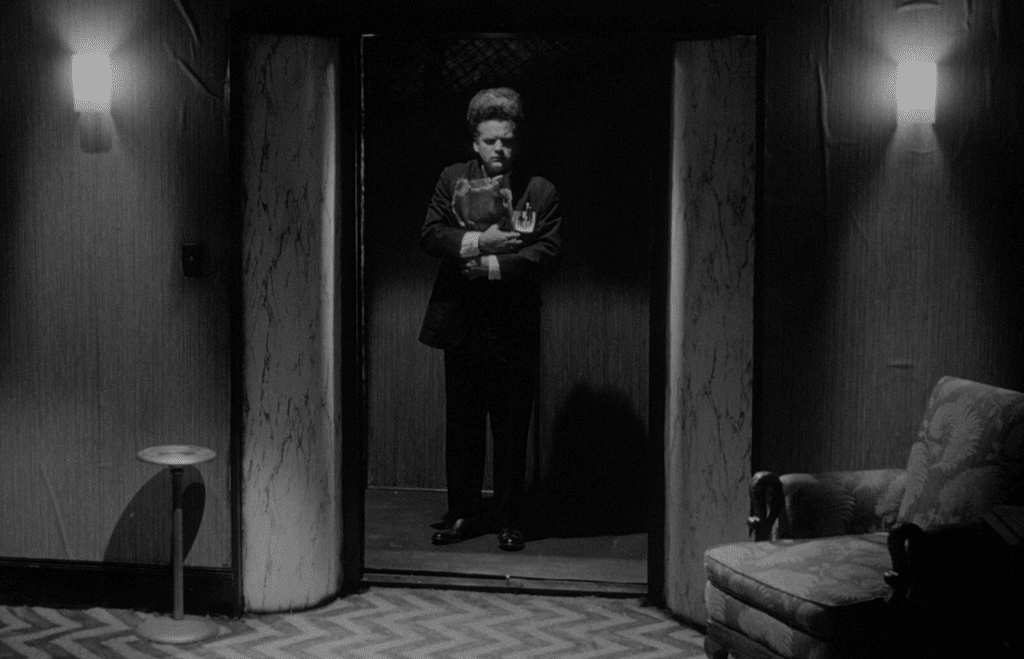
The film’s narrative unfolds less as a traditional story and more as a descent into Henry Spencer’s fractured state of mind, using the situation of his unwanted fatherhood as a launching point rather than a destination. After Mary leaves him alone with the child, what remains is not a progression of events but a sustained psychological pressure, where time feels stretched and the boundaries of reality begin to collapse in on themselves. Moments like Henry’s interactions with his neighbor or the surreal performances of the Lady in the Radiator don’t function as plot in the conventional sense, but as extensions of his desire to escape, offering brief illusions of comfort in an otherwise suffocating existence. Lynch structures the film in a way that prioritizes mood over clarity, allowing the industrial setting, constant mechanical noise, and stark black-and-white imagery to carry just as much weight as any narrative development. The performances lean into this unnatural rhythm, never grounding the film but instead pushing it further into its own strange, detached world. What makes Eraserhead so impactful, especially as a debut, is how confidently it commits to this approach, creating a film that feels entirely self-contained in its vision, influencing decades of experimental and surreal filmmaking that followed, even if it remains one of Lynch’s most inaccessible works.
Before David Lynch played with color and the concept of mystery, he took the booming domestic drama and turned it into a dreamlike wild ride that makes the audience question, for the first but certainly not the last time on this list, whether they are dreaming or not. Eraserhead, again, is more monumental for its impact than it is for its standalone delivery, sitting towards the back of the ratings for his filmography for us, yet still highly thought of, as it sits at an 81/100 from the TwilightRoom.
The Elephant Man
84.9/100 – 1980
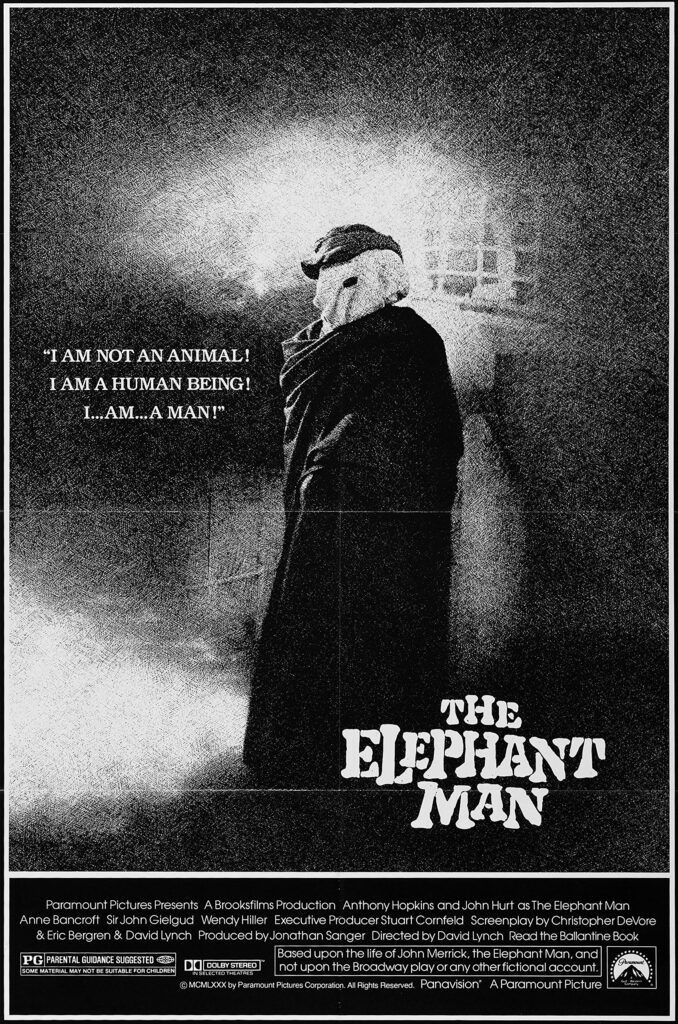
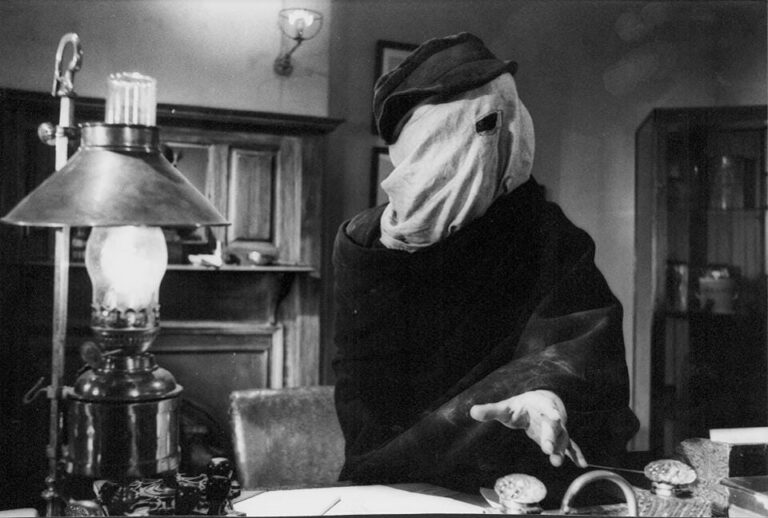
Entering the 80s for David Lynch’s second film we jump to Victorian London in the same black-and-white landscape, and a similar deformed human premise, but this time we are not dreaming, this film is real and melancholic in a way we never get to see again from the director making it perhaps his most
emotional and unique work. The Elephant Man creates a full plot, it shows its main character, John Merrick living through an oppressive life not for his heart, his words, or his intelligence but simply for his deformed look. It’s tear jerking and emotional, almost impossible to find unless you have the physical DVD, despite being as relevant today as it was in 1980. Lynch had appeal at this point, but he was certainly not mainstream and The Elephant Man changed perspectives, it made producers aware of his prowess and skill, though different, they knew he could make people feel and tell a story because that is exactly what this film’s strength is. The Elephant Man is Lynch’s most meditative in the sense that it feels so real and true, and its black-and-white visuals have become timeless and coveted for more than 45 years after its release.
The film’s narrative unfolds in a far more traditional and linear fashion than anything surrounding it in Lynch’s filmography, following Dr. Frederick Treves as he discovers, and gradually builds a relationship with John Merrick, a man initially presented to the world as nothing more than a spectacle. What begins as a clinical interest quickly evolves into something more compassionate, as Merrick is brought into the hospital and slowly given the dignity that had been stripped from him his entire life. The progression of the film is rooted in this shift, not just in how Treves sees Merrick, but in how society reacts to him once he is removed from the circus and placed into a more “civilized” environment, revealing that cruelty exists in more subtle but equally damaging forms. Merrick’s ability to speak, think, and express himself becomes the emotional core of the film, reframing him from an object of horror into one of deep humanity, while those around him are forced to confront their own perceptions. Lynch’s direction remains controlled and restrained, allowing the performances, particularly from John Hurt, to carry the weight of the story without ever feeling manipulative. The Elephant Man ultimately stands out not just for its emotional impact, but for how clearly it demonstrates Lynch’s ability to operate within a conventional narrative while still maintaining a distinct visual and tonal identity, expanding his influence far beyond the experimental space he began in.
What seems like it could be the deep dive into visual horror for Lynch after his shorts work and debut film turned into one of the saddest films you can find in film history, making his career more layered from the jump than anyone could handle at the time. His talents are known at this point, and his career moving forward is an interesting drive, but his most tragic and dialogue-driven film of his career in The Elephant Man will always be memorable and accomplished as it earns an 84/100 from the TwilightRoom.
Dune
79.0/100 – 1984
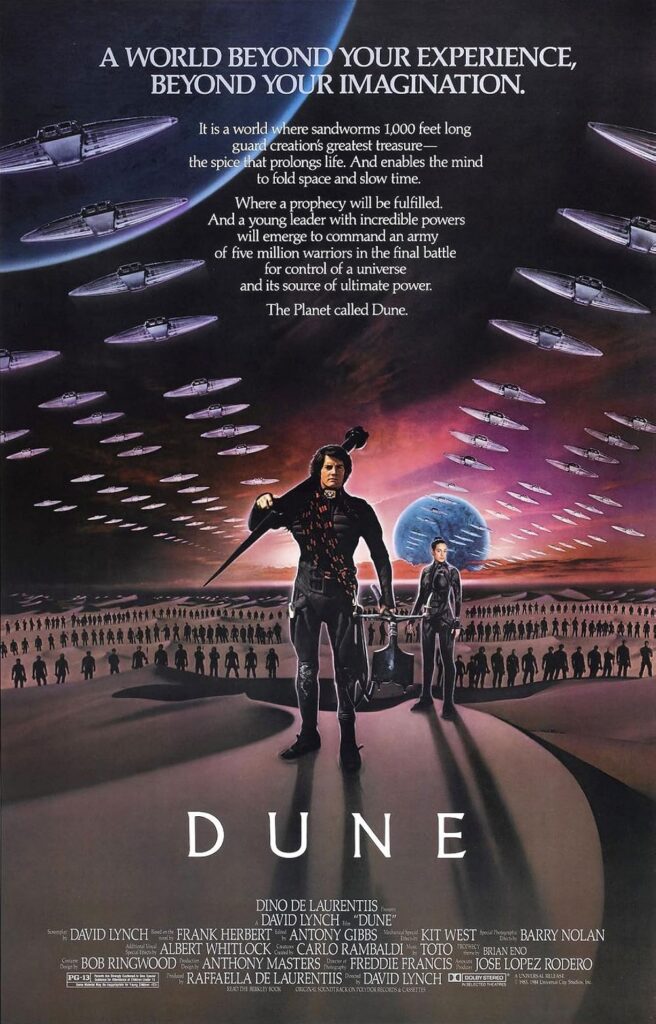

The 1984 Dune is a tough film to speak on in 2026, as it feels like we have finally gotten what Dune should be from Villeneuve this decade, a defining moment in modern film, pushing Lynch’s version from studio flop to an almost fever dream-like version of the IP that feels like more of a
collector’s item than a film. Visuals simply just did not exist in ’84 like they do today, and having to rival Star Wars at the time, was next to impossible, so Lynch and Kyle MacLachlan’s first of an illustrious and famous link-up here was doomed from the start. However, there is so much fun to be had in a 2026 viewing of this film; it is not the Dune-like misfire audiences once knew it to be, but rather an example of just how creative a person and director David Lynch was, a film that many have now coined “Lynchian.” Dune (1984) is cheesy and dated but lovable and culty, finding its own place in his career and in the depths of the sci-fi world.
The film’s narrative attempts to condense Frank Herbert’s dense and expansive world into a single, sweeping epic, following Paul Atreides as he is thrust from noble heir into a messianic figure destined to lead the desert planet of Arrakis. From the political betrayal of House Atreides to Paul’s integration with the Fremen and his rise against the Harkonnens, the story hits all of the major beats, but often at a pace that feels both rushed and overloaded with exposition. Lynch leans heavily into internal monologues and stylized world-building to communicate the complexity of the universe, creating a version of Dune that feels more like a series of vivid fragments than a fully cohesive narrative. At the same time, that fragmentation becomes part of its identity, with bizarre character designs, exaggerated performances, and surreal visual choices giving the film an almost dreamlike quality, aka “Lynchian” that separates it from more straightforward sci-fi adaptations. Kyle MacLachlan’s Paul serves as a steady anchor within the chaos, but much of the surrounding cast operates in a heightened, almost operatic register that adds to the film’s strange tone. While it struggles to fully capture the scale and clarity the story demands, Dune ultimately stands as a fascinating piece of Lynch’s filmography, a compromised but undeniably unique vision that has grown into a cult artifact, appreciated as much for its ambition and oddities as for the story it set out to tell, earning it a rating that is low for Lynch, but still respectable at a 79/100 from the TwilightRoom.
Blue Velvet
96.1/100 – 1986
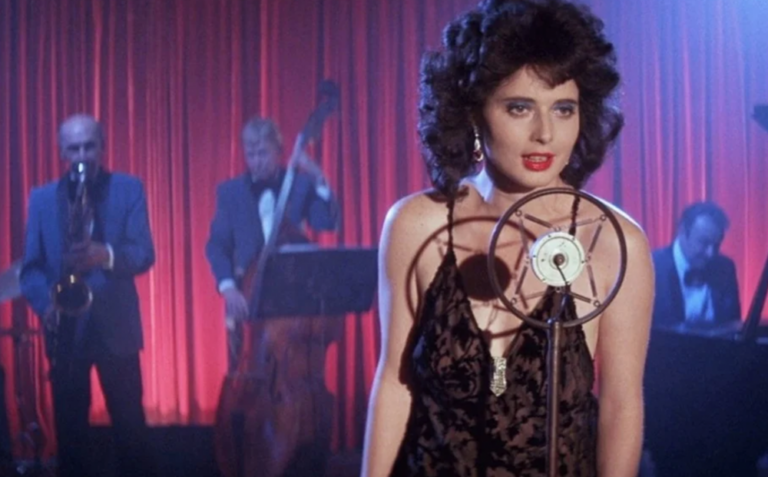
Perhaps the biggest opinion on this journey through Lynch’s filmography is the director’s first thriller-drama dream-like experience of a slew of one of the best runs in cinematic history, Blue Velvet, is his best work to-date. Kyle MacLachlan
is absolutely brilliant in this film as his arc from a curious college kid returning home to see his Dad, to a detective trying to uncover the darkness he discovers, then to finally seeping into the darkness himself, blurring the lines between light and dark, dream and eroticism, is one that can simply be described as fantastically “Lynchian.” There are works in this illustrious career that are more connected to the world of many of the viewers, more all over the place in the best way, and more significant to the man himself, but to us this one takes the cake as the enthralling mystery and style of film mix in just the correct way. It’s a monumental use of color, a concept seemingly newly unlocked for Lynch as he transitions into the prime of his career and his television work, and it’s almost a segue into Twin Peaks and Lost Highway that speaks a different audiovisual language never replicated; it’s a blueprint, pun intended. Blue Velvet is a mix of the detective mystery premise Lynch loves and the wacky dreamlike this-doesn’t-make-sense style viewers describe as his bread and butter, and it delivers a dark story with blurry lines and questionable morals that is a true masterpiece through and through.
The film’s narrative begins with a deceptively simple discovery, Jeffrey Beaumont finding a severed ear in a quiet suburban field, but what follows is a steady descent into a hidden world that exists beneath the surface of that picture-perfect town. As Jeffrey aligns himself with Detective Williams’ daughter Sandy, the investigation takes on a classic noir structure, gradually leading him to Dorothy Vallens and, more dangerously, to Frank Booth, a figure who embodies the purest form of chaos and control within Lynch’s world. What starts as curiosity quickly turns into obsession, as Jeffrey inserts himself deeper into Dorothy’s life, blurring the line between observer and participant, ultimately becoming entangled in the very darkness he set out to understand. Lynch structures the film around this duality, constantly contrasting the bright, almost artificial suburban imagery with the violent, erotic underworld that exists just beneath it, using color and composition to reinforce that divide.
The truest attribute of the film is the performances, as they elevate this tension from the plot even further, with MacLachlan grounding the film through his shifting perspective, while Dennis Hopper’s Frank becomes one of the most unforgettable and disturbing antagonists in film history. Blue Velvet ultimately works not just as a mystery, but as a statement on the illusion of normalcy, using its narrative to expose how easily innocence can be corrupted, solidifying it as a defining piece of Lynch’s voice and influence on modern psychological thrillers. Its not the top pick for everyone, but certainly one of the 3 films that defined the middle stage and prime of David Lynch’s career, and a personal favorite of the TwilightRoom, as it sits at a 96/100 on our rating scale.
Twin Peaks Season 1 & 2
90.5/100 – 1990
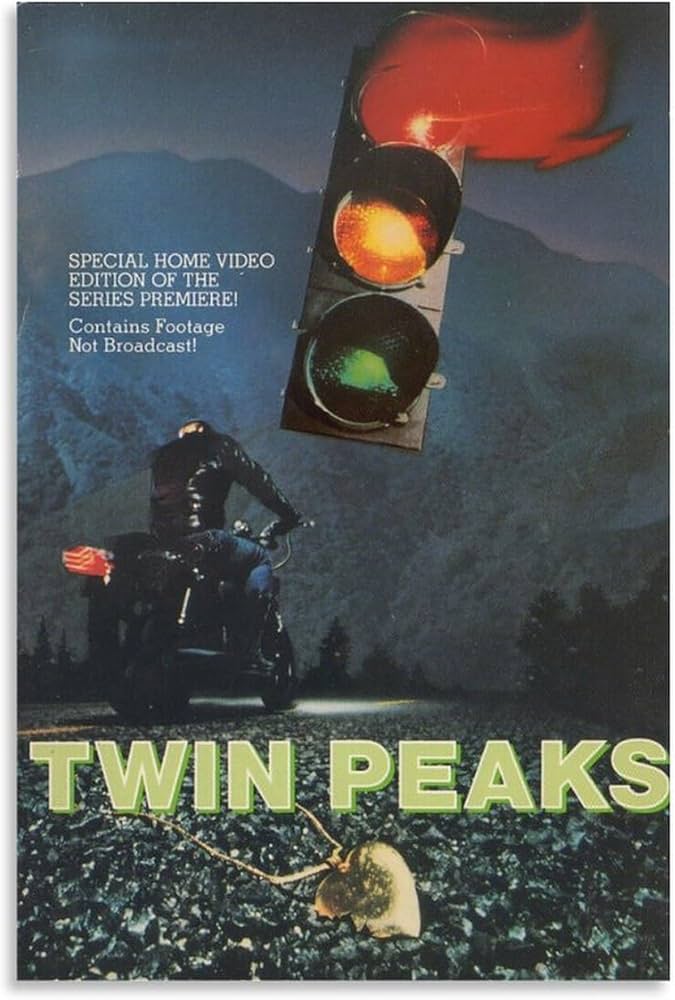
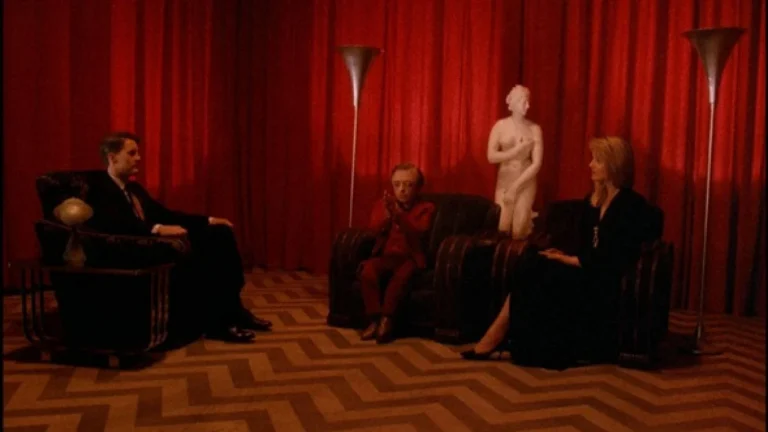
Off the heels of what we believe to be David Lynch’s best work, a new format from ABC Television for the director changed his career, for the more accessible and the memorable in a 25-episode span. Twin Peaks and the mystery of Laura Palmer
was a shift, into the mainstream audience, an audience that was in desperate need of a city with a mystery and a weekly release that kept you on your toes. Nowadays, there is a new mystery thriller show you can try to piece together on a streaming service more than once a week, but in 1990 this was it, finding out what happened to Laura Palmer was THE mystery. It is certainly the work Lynch is most known for, and, on an hour basis, it comprises more of his output than any of his other projects combined: hour-long episodes that constantly play with dreamlike concepts, subtly tossing in the absurdity he does so well but keeping it at a distance so as not to scare away the massive number of new viewers the show was pulling in. Twin Peaks was monumental in the career success and notoriety of David Lynch as soon as episodes started dropping in the 1990s, and although it may not be his most experimental or wackiest treatment, it certainly is one of his best.
The series’ narrative is built around the investigation into the murder of Laura Palmer, but what makes Twin Peaks so compelling is how quickly that central mystery expands into something far more layered and unpredictable. Through the arrival of Agent Dale Cooper, the show establishes a procedural framework, following clues, suspects, and small-town secrets, but it never stays confined to that structure for long, instead branching into the lives of the town’s residents, each storyline adding texture to what initially feels like a single case. As the investigation deepens, the tone begins to shift, blending soap opera melodrama, dark humor, and increasingly surreal elements, most notably through Cooper’s dreams and the introduction of the Black Lodge, pushing the series beyond a traditional crime narrative. The pacing allows these threads to breathe in a way film cannot, letting characters evolve gradually while the mystery itself becomes more about the town and its hidden darkness than just Laura’s death. Performances across the ensemble help ground the show, with Kyle MacLachlan’s Cooper acting as both a guide for the audience and a bridge between the grounded and the surreal. Twin Peaks ultimately works not just as a mystery series, but as a redefinition of what television storytelling could be, merging Lynch’s distinct style with an episodic format that influenced decades of serialized television to come.
MacLachlan had worked with Lynch at this point quite a bit, but had yet to recieve any award recognition despite being deserving, Twin Peaks earned him his first and only Emmy for his performance as Dale Cooper, finally solidifying to the film world just how great of a duo these two were becoming in the 80’s and 90’s. TV was never the same after Twin Peaks, it changed the landscape, opened up the idea of giving directors creative control to push out something unique and new weekly, not just the same short episodes every week, it was a monumental achievement. The show as a whole is one of the best of all time and earns a 90/100 from the TwilightRoom, a rating that shouldn’t be compared to films, but should be accepted as the highest of praise.
Wild At Heart
79.0/100 – 1990
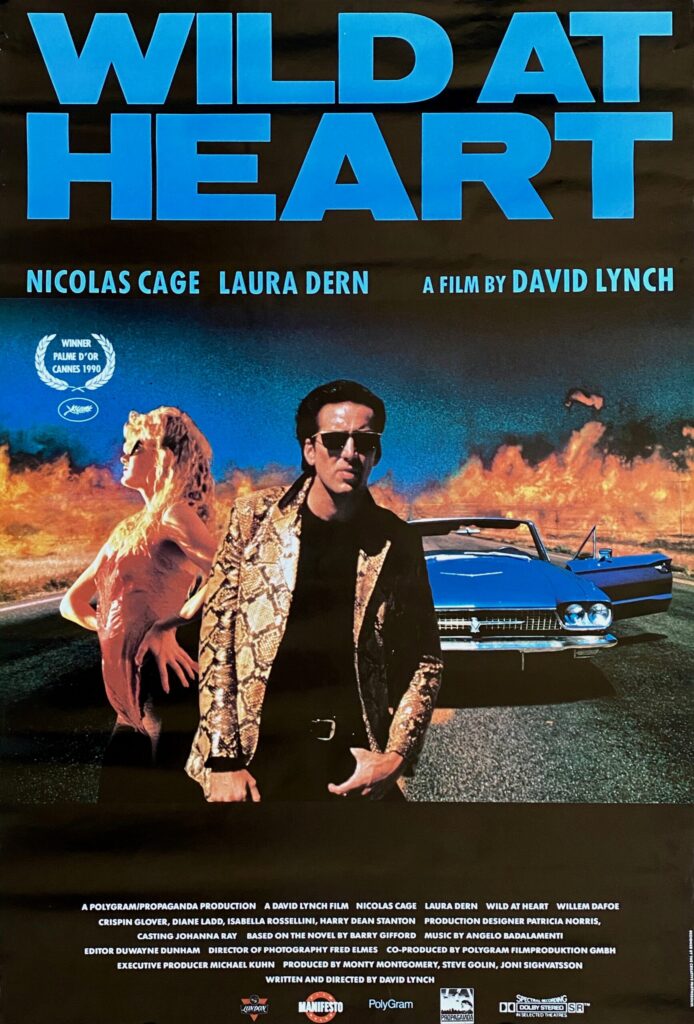
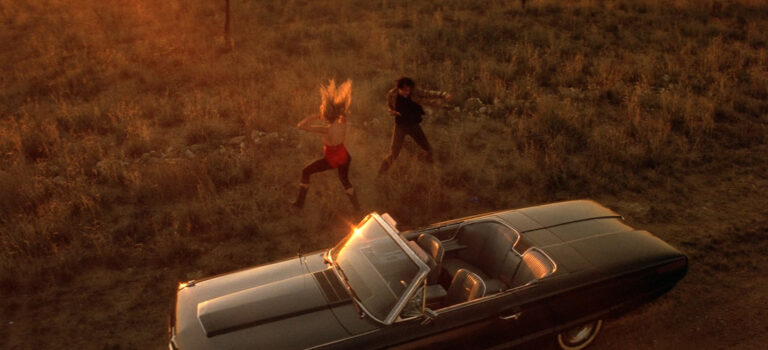
We have covered the Illustrious duo of MacLachlan and Lynch but have yet to really dive into what is an equally spectacular collaboration with Laura Dern, who although made a name for herself in Blue Velvet, truly expanded her talent in the Lynchian space with Nic Cage in Wild at Heart.
A story of Lula and Sailor, at times a complete satire of The Wizard of Oz but set in the American South and chased by the most grotesque version of Willem Dafoe the screen has ever seen, it’s a wild ride as the name suggests and is certainly one of Lynch’s most underrated and underappreciated works. The film is less of the wacky, surrealist energy and more of an elevation of the two main actors as Nic Cage was in his prime as this film was made, and he still gets outclassed by Laura Dern, who clearly had an affinity for a Lynch script and really flaunted it here. Wild at Heart may not sit at the top of our ranking or many other outlets’ rankings, but it certainly has its niche cult following and some incredibly entertaining themes and inspirations that give it a sense of identity that can’t be overlooked.
The film’s narrative follows Sailor Ripley and Lula Pace as they flee across the American South, attempting to escape the control and manipulation of Lula’s mother, who sets a series of increasingly dangerous figures on their trail. What begins as a lovers-on-the-run road story quickly escalates into something far more chaotic, with each stop along their journey introducing new characters that feel exaggerated, grotesque, and almost mythic in their presence. Lynch structures the film less around a tight plot and more around these encounters, allowing the relationship between Sailor and Lula to remain the emotional core while the world around them spirals into violence, sexuality, and unpredictability. Nicolas Cage leans fully into Sailor’s erratic, almost Elvis-like persona, but it’s Laura Dern who grounds the film, giving Lula a sense of vulnerability and intensity that keeps the story from drifting too far into pure absurdity. The Wizard of Oz parallels run throughout the narrative, not as direct retellings but as tonal and thematic echoes, reinforcing the idea of a twisted journey through a hostile and surreal version of America. Wild at Heart ultimately stands as one of Lynch’s most chaotic but character-driven works, blending romance and brutality in a way that highlights his ability to reshape familiar genres into something distinctly his own, further cementing the unique identity of his collaborations with Dern. Its not Lynch’s best, settling at the bottom of his filmography but it certainly is a good film with some tantalizing performances, and settles in at a 79/100 from the TwilightRoom.
Twin Peaks: Fire Walk With Me
90.4/100 – 1992
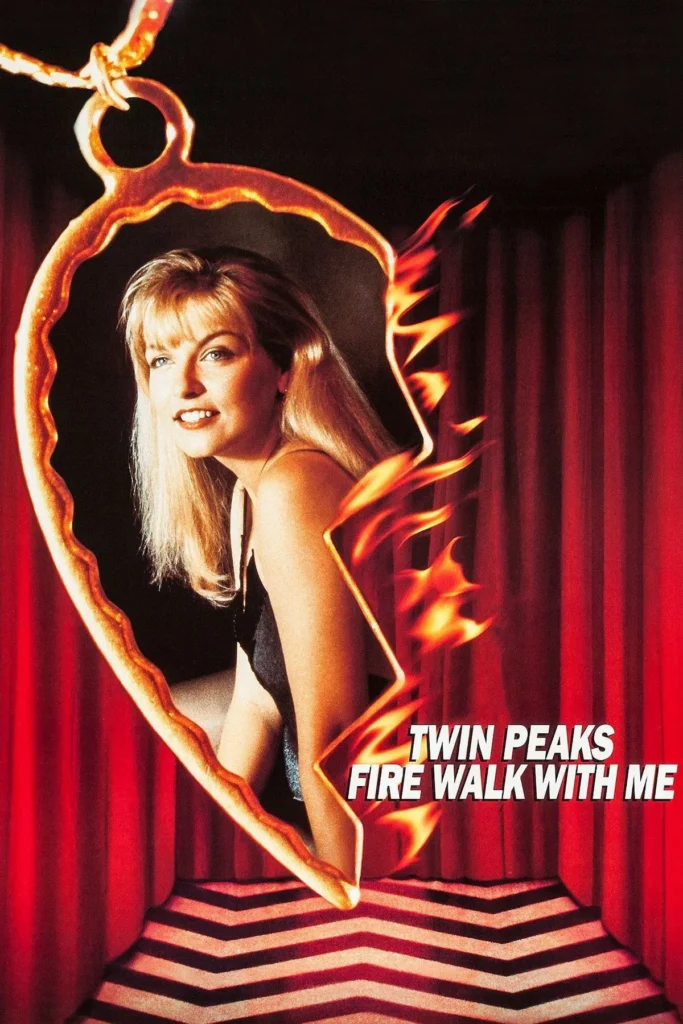
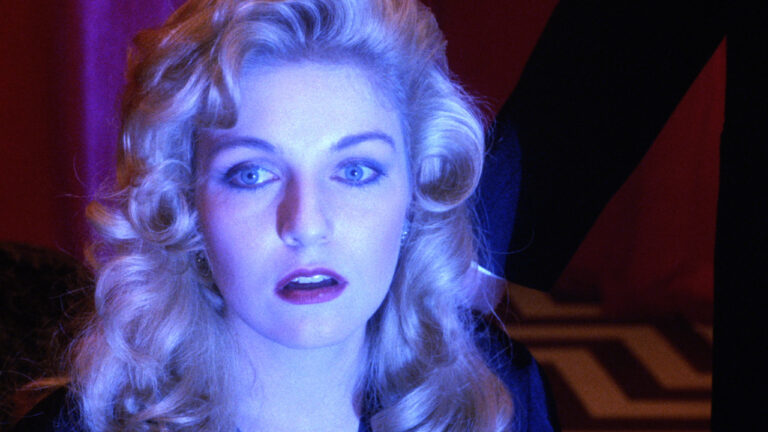
Twin Peaks Seasons 1 & 2 were accesible for David Lynch’s standards and a huge hit, seeping deeper into the dreamlike Lynchian format he loved to embrace in his films, and that success likely lead to one of the best prequel’s ever made, Twin Peaks Fire Walk With Me. Ever wonder what really happened
to Laura Palmer? Well now we know, with full creative control, entrances into the red room of Black Lodge much more frequent, the sequel is horrific, the most scary work Lynch will make until his final film 14 years later. Its a smack in the face after Seasons 1 & 2, Lynch telling the audience this isn’t a mystery anymore its a full on horror story, a tragedy that is so hard to put together that you aren’t supposed to, its the start of this wave of films that achieves this same feeling of elated confusion. Twin Peaks Fire Walk With Me, was the end for the time of one of the greatest shows in history by telling the story of how it it all began, but it was the start of the prime of his career, the wacky weird narratives that forever changes how film was perceived.
The film’s narrative shifts the perspective entirely, placing Laura Palmer at the center and tracing the final days of her life as the pieces that once functioned as a mystery are now experienced as an inevitable and deeply unsettling reality. Rather than building toward a reveal, the structure works in reverse, showing how Laura navigates a world that is already closing in on her, from her fractured home life to the increasingly disturbing presence that haunts her both physically and psychologically. Lynch leans far more heavily into the supernatural elements here, with the Black Lodge and its figures no longer distant abstractions but active forces shaping Laura’s fate, blending her reality with visions that feel inescapable. Sheryl Lee’s performance becomes the driving force of the film, carrying an emotional and physical intensity that transforms Laura from a symbol into a fully-realized and tragic figure. The pacing is intentionally overwhelming at times, mirroring Laura’s own descent, as moments of terror, confusion, and brief clarity collide without offering the audience any sense of comfort.
Fire Walk With Me ultimately reframes the entire Twin Peaks story, not as a puzzle to be solved, but as a devastating character study, pushing Lynch’s work further into horror and cementing this period as the beginning of his most uncompromising and defining run. Its an IP that was meant for the mainstream, but was now expanded to be exactly the type of story David Lynch wanted and elevates the series to an even higher height than it was in 1990, earning this prequel a 90/100 from the TwilightRoom.
Lost Highway
85.9/100 – 1997
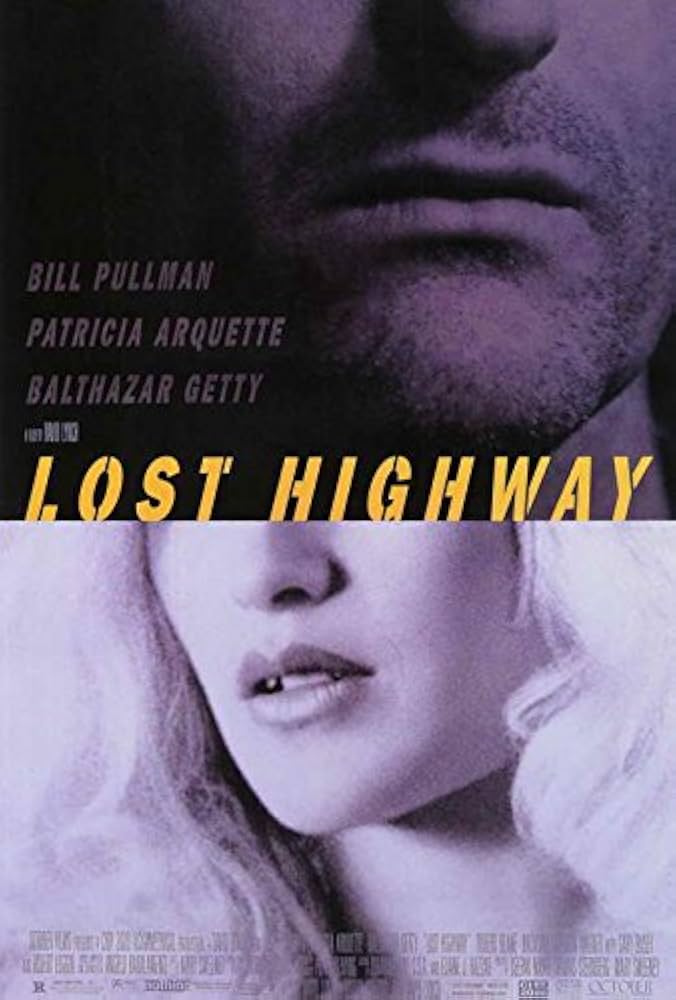
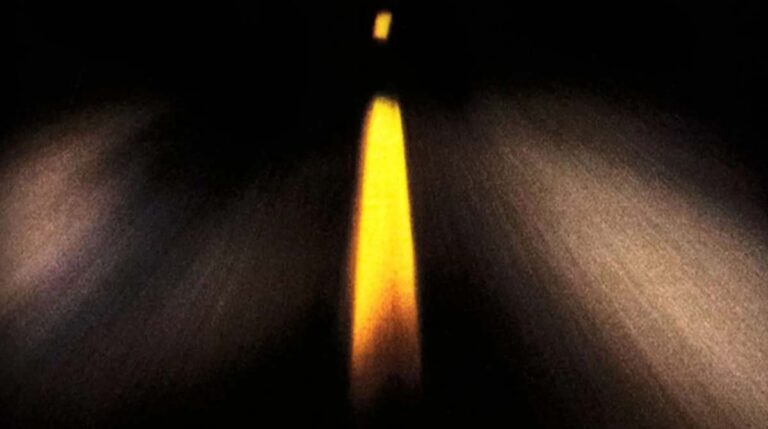
Lost Highway is one of the most confusing film’s I have ever seen and its is exactly designed to be that way, the switch in jail halfway through this film is what makes it one of the film’s from David Lynch with the biggest cult following.
Fred Mason becomes tormented by a Mystery Man who seems to exist in two places at once and then undergoes what is quite possibly one of the oddest and most perplexing transformations in film history, sending the back half of the film into that same Lynchian confusion we’ve referenced so often in his work, a mix of dream, surrealism, and mystery, all woven into lines of dialogue and visuals that remain unmatched. Lost Highway is complex and impossible to understand but that is exactly why it works and is one of Lynch’s best works.
The film’s narrative begins as a psychological breakdown rooted in Fred Madison’s unraveling marriage, as the arrival of mysterious videotapes showing the interior of his home, and eventually himself and his wife, pushes the story into a space of paranoia and dread. After Fred’s encounter with the unsettling Mystery Man and his subsequent imprisonment, the film fractures completely, transforming into an entirely new identity as Fred seemingly becomes Pete Dayton, a young mechanic caught in a dangerous relationship with a woman who mirrors his wife. Rather than offering a clear explanation for this shift, Lynch structures the film as a loop, where identities blur and events echo across both halves, creating a sense that the narrative is folding in on itself. The second half introduces a more noir-driven framework with crime, seduction, and violence, but it never abandons the instability established earlier, instead reinforcing the idea that reality itself is unreliable. Performances shift with this structure, with Bill Pullman’s restrained descent giving way to a more outward, kinetic energy through Pete, while Patricia Arquette anchors both sides of the story with a duality that ties the narrative together. Lost Highway ultimately functions less as a story to decode and more as an experience to sit with, using its fractured structure and identity shifts to push Lynch’s exploration of perception, guilt, and self into one of the most defining and influential works of his career.
The Straight Story
87.9/100 – 1999
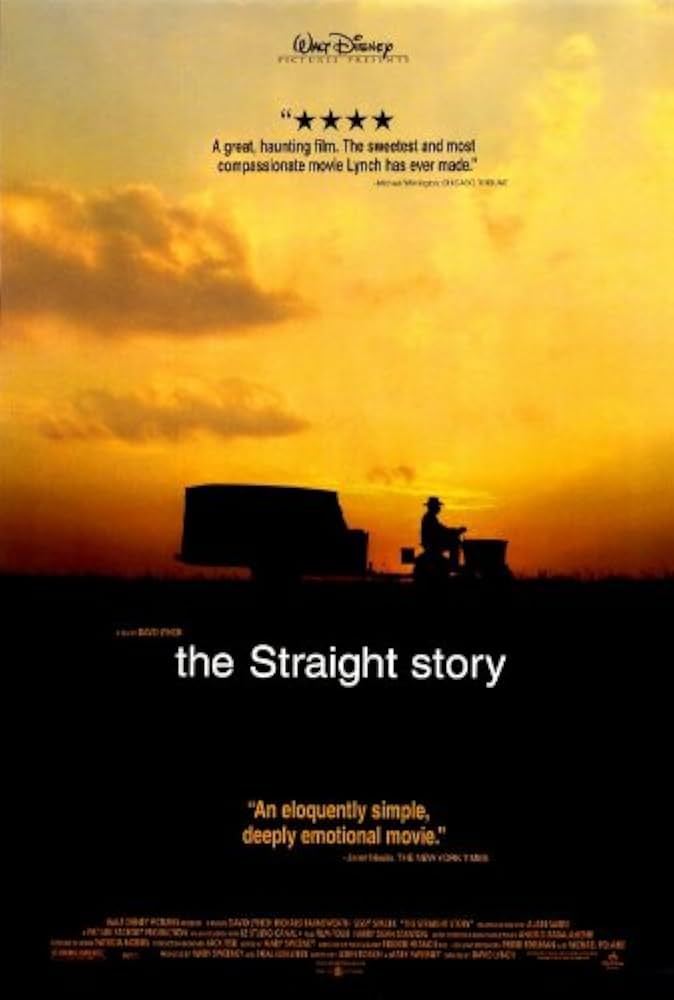

After everything David Lynch has made, every crazy, erotic and wildly horrifying image he has produced, someone at Disney Studios decided he was the man for a wholesome road trip-on-a-lawnmower film that will be nothing but straight forward.
The creation of The Straight Story is perplexing and logging on to Disney + to watch a Lynch film is even more so, what’s crazier is I love how sweet and endearing this film is. The Straight Story is not monumental, it doesn’t change anything, Lynch never reinveneted the wheel becuase he never had a wheel in the first place, however, this time he just follows the status quo and its hard to even rank it against his other films. But, its great, its a simple story of a man who has no way of traveling aside from his lawnmower so that is exactly what he decides to do for his cross-state trip an emotional, peaceful and just an overall well-made film.
The film’s narrative unfolds with a simplicity that feels almost foreign within Lynch’s body of work, following Alvin Straight as he sets out on a slow, determined journey across state lines on a lawnmower to reconnect with his estranged brother. Rather than relying on twists or surreal detours, the structure is built around the people Alvin meets along the way, each interaction adding small emotional weight to the journey without ever disrupting its calm, steady pace. These encounters, from strangers offering help to quiet conversations about aging, regret, and family, gradually shape the film into something reflective rather than plot-driven, allowing the road itself to become the story. Richard Farnsworth’s performance carries the film with a grounded sincerity, never overstating emotion but letting it settle naturally through his presence and dialogue. Lynch’s direction remains restrained throughout, focusing on wide landscapes and still moments that emphasize distance, time, and the effort behind Alvin’s decision.
The Straight Story ultimately stands out not for its ambition or experimentation, but for how confidently it commits to being exactly what it is, a sincere, quietly emotional journey that proves Lynch’s ability to create impact without relying on the surreal elements that define the rest of his career. When stacked up against his other work this film sits lower, but to me its rating changes as a standalone film, and thats where it sits here at an 87/100 from the TwilightRoom, one of the most surprising watches in film history.
Mulholland Drive
95.7/100 – 2001
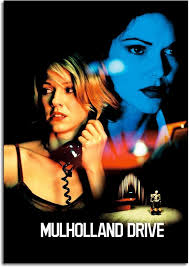
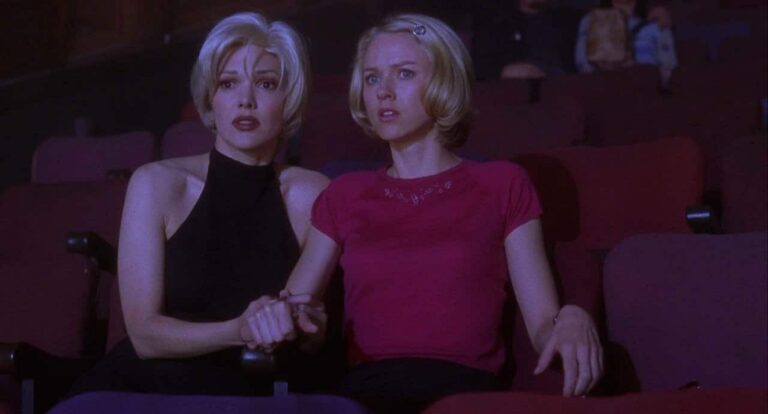
If Hollywood is built on dreams, then David Lynch’s Mulholland Drive is the film that fully exposes the nightmare that exists beneath them, marking what we view as the definitive culmination of everything he had been building
toward throughout his career. Released in 2001, the film operates as a surreal neo-noir that begins with a familiar framework, an aspiring actress arriving in Los Angeles and a mysterious woman suffering from amnesia, before slowly unraveling into something far more unsettling and emotionally devastating. Lynch leans entirely into emotion, atmosphere, and subconscious logic here, abandoning any need for traditional narrative clarity in favor of a structure that demands the audience feel rather than understand. Through haunting sound design, precise lighting, and long stretches of silence, Hollywood itself becomes a psychological space, one that reflects both the hope and illusion that define it. Naomi Watts delivers what is not only a career-defining performance but one of the most impressive of the era, capturing both the optimism of arrival and the crushing despair that follows. Mulholland Drive is Lynch at his most complete, a film that blends mystery, identity, and illusion into a haunting experience that defines not just his career, but an entire era of filmmaking.
The film’s narrative unfolds in two distinct but deeply connected halves, initially following Betty as she arrives in Los Angeles and becomes entangled with Rita, the amnesiac survivor of a mysterious car crash on Mulholland Drive. What begins as a noir-inspired investigation into Rita’s identity gradually shifts into something far more abstract, with dreamlike sequences, cryptic encounters, and unsettling tonal changes disrupting any sense of narrative stability. Lynch structures the film in a way that allows the first half to function as a kind of constructed fantasy, where success feels possible and control still exists, before the second half reframes everything through Diane, revealing a fractured reality shaped by jealousy, failure, and emotional collapse. Moments like Club Silencio act as a turning point, reinforcing the illusion at the center of the story while simultaneously dismantling it, pushing the audience into the same disorientation as the characters. Naomi Watts’ dual performance anchors this shift, transforming from bright-eyed optimism to devastating vulnerability in a way that ties the entire structure together.
Mulholland Drive ultimately works not as a mystery to be solved, but as an emotional and psychological experience, like so many of his other works, capturing the collapse of identity and the cost of chasing dreams in a system built on illusion, solidifying it as one of the most important and influential films of the 21st century. Where it truly stands out is its ability to insert that outstandingly unique idea and fit it perfectly into the dark understory of the LA lifestyle, and likely why its heralded as one of the most influential works of all time, and earning it a 95/100 from the TwilightRoom.
Inland Empire
69.8/100 – 2006

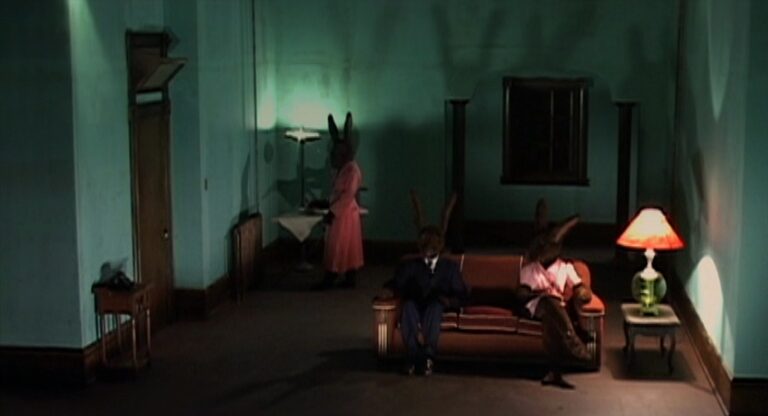
There are people out there that can’t get enough of what some audiences call the scariest film of all time in Inland Empire, David Lynch’s final feature film, but aside from a fantastic three-hour Laura Dern performance, TwilightRoom was just unable to connect with the most absurd and puzzle piece
chaos that this film is. It starts like a conventional horror movie: a woman is cast to play the lead in a film that was once halted for sinister reasons, but it quickly begins to blur every line between reality and the separation of our main character and the role she is playing, the actor she is and the entire consciousness around her dissolving into one big, euphoric experience. It feels like we have been picked up and thrown into the subconscious thoughts behind the creation of the film with no order, no logic, and no sense of direction, an incredibly disorienting experience that few love and many were unable to get behind. Inland Empire, is an extremely confusing and odd experience of an epic three-hour film that we are not sure hit the right notes to be heralded with Lynch’s other work, but certainly provides an incredibly scary experience.
This may be the hardest narrative summary of my life, but here we go: The film’s narrative begins with what feels like a familiar Lynch setup, Nikki Grace, an actress cast in a new film rumored to be cursed after a previous production was mysteriously shut down, but that structure dissolves almost immediately into something far more fragmented and disorienting. As Nikki begins rehearsals and production, the boundaries between her character, her real life, and the world of the film collapse entirely, creating a layered experience where scenes repeat, shift, and bleed into one another without warning. Lynch constructs the film in a way that abandons any clear timeline or perspective, instead moving through what feels like different states of consciousness, where moments of horror, domestic drama, and surreal imagery exist all at once. Laura Dern carries this chaos with a performance that constantly evolves, shifting between identities and emotional states in a way that becomes the only consistent thread through the film. The digital aesthetic and raw, almost unpolished visual style are the plot itself and add to the feeling that we are watching something unfinished or pulled directly from the subconscious, reinforcing the lack of structure and clarity, wow this is a dense and complex finish to a career.
Inland Empire ultimately functions less as a narrative to follow and more as an experience to endure, pushing Lynch’s exploration of identity, performance, and reality to its most extreme and divisive point. It is what represents the very bottom of a ranking of Lynch’s illustrious career, beacause of our inability to truly ever establish any footing, but for those that feel like they get it or at least are entranced by it, Inland Empire has the potential to stand as something special, but for the TwilightRoom, sits at a 68/100.
Twin Peaks: The Return
81.2/100 – 2017
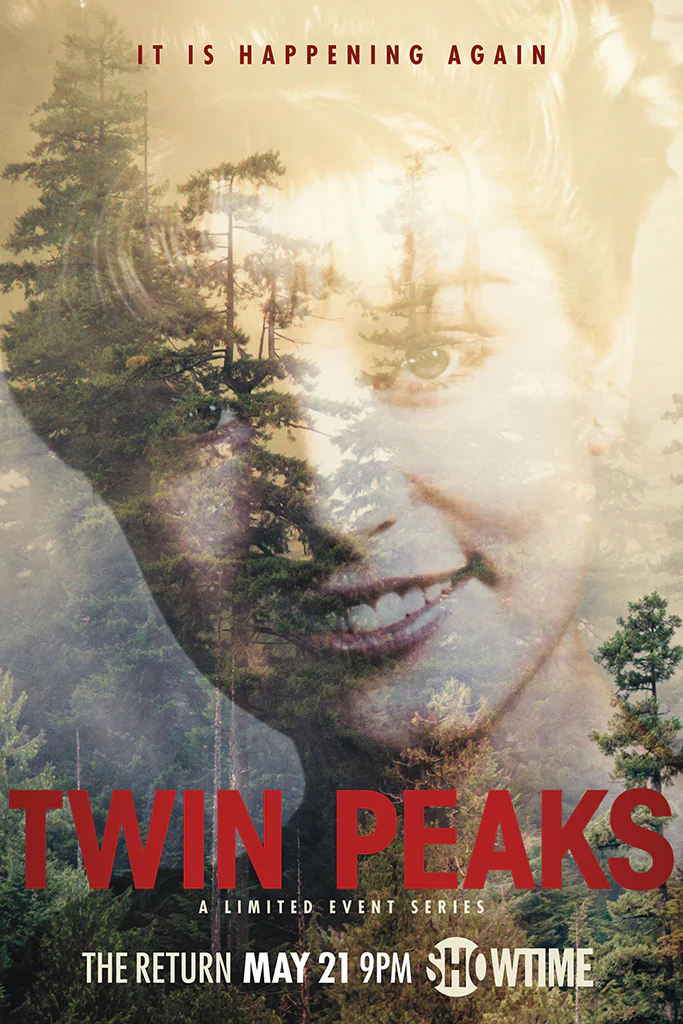
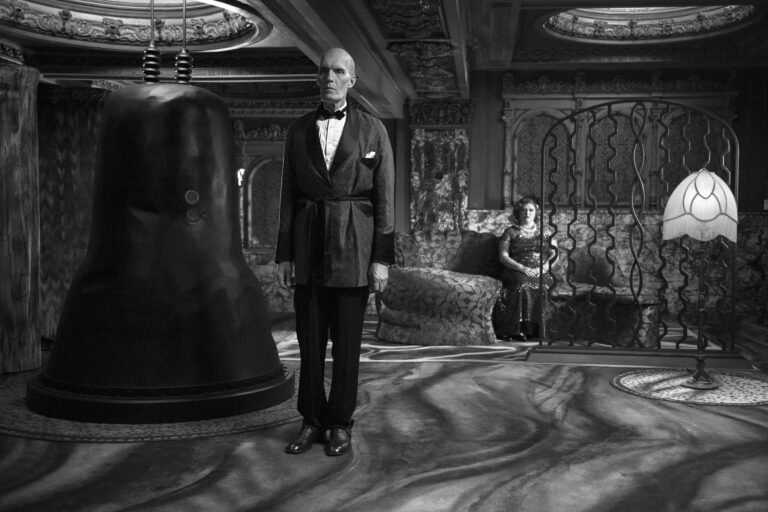
As Fire Walk with Me represented the prequel to Twin Peaks, in 2017 David Lynch finished his very last piece of full media in television with the long-awaited 25-year return of Dale Cooper and the Twin Peaks saga with Twin Peaks: The Return. Establishing from the start things that make no sense, characters that nobody knows, and the style that everyone
has missed for over a decade at this point. It’s not monumental; it’s a long season with ups and downs that certainly affect its perception, but when Lynch writes for Dale Cooper and his alter-ego persona, the season is brilliant and an absolute pleasure, a return from one of the greatest and most unique directors to the television space where his favorite actor, Kyle MacLachlan, finally found awards success.
The season’s narrative resumes the world of Twin Peaks not by offering a straightforward continuation, but by expanding it into something far more fragmented and wide-reaching, following multiple storylines that stretch far beyond the town itself. At its center is Dale Cooper, though not in the way audiences might expect, as his presence is split across different identities, including the dark and violent Mr. C and the disoriented Dougie Jones, creating a prolonged sense of absence and anticipation around his true return. Lynch structures the season as a series of interconnected fragments, moving between locations, timelines, and characters with little urgency to tie them together, allowing the mystery to evolve into something more abstract than the original Laura Palmer case. Certain episodes and moments, particularly those involving Cooper’s gradual reemergence, capture the magic of the original series while pushing it into a more experimental space that only Lynch would fully commit to. The performances, especially from Kyle MacLachlan, anchor the season through these shifting identities, giving emotional weight to what could otherwise feel completely detached. The Return ultimately functions less as a continuation and more as a reimagining of what Twin Peaks can be, blending nostalgia with abstraction to create a final piece of work that is as challenging as it is rewarding, closing out Lynch’s career on his own uncompromising terms.
It’s Lynch making a show the way he wants to make it, with no interventions, and that is exactly how his last work should have been, ultimately finishing where he started off with something wholly and truly his own. Twin Peaks: The Return is the end of one of the greatest careers in media history and, though it has its faults, it excels in so many areas, earning an 81/100 from the TwilightRoom.
Conclusion
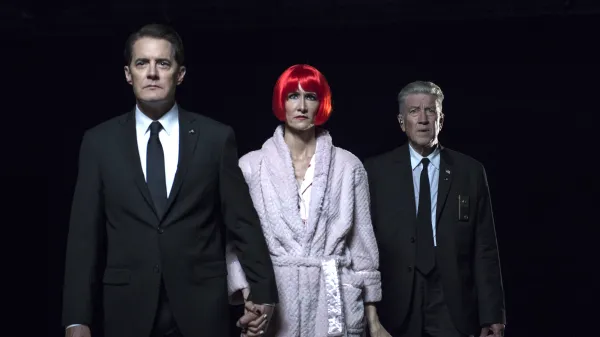
Looking back across David Lynch’s entire filmography, what becomes most clear is that there is no single way to define his work or even attempt to understand it, only a spectrum of ideas, emotions, and experiences that have pushed the boundaries of what film and television can be. Some of his projects stand as masterpieces that have influenced generations of filmmakers and audiences, while others remain deeply divisive, existing more as experiences than traditional narratives. What connects them all, however, is a commitment to vision, a refusal to conform, and an understanding that cinema does not always need to be understood to be felt. From Eraserhead to The Return, Lynch’s career has consistently challenged expectations, blending reality and dreams into something entirely his own. At TwilightRoom, this ranking serves not just as an evaluation but as a reflection of how impactful, confusing, emotional, and unforgettable his work has been, solidifying his place as one of the most important and unique storytellers in the history of film, may he rest in peace, the wacky king of the moon.