The Premieres We Saw in Hollywood
AFI FEST 2026 has come and gone, and after a week inside the TCL Chinese Theatre, the slate sorted itself out in ways we did not entirely expect walking in. The festival’s great strength this year was pedigree, with Werner Herzog, Brad Bird, Travis Knight, Radu Jude, Céline Sciamma, Tony Gilroy and Peter Berg all arriving with new work and several of them introducing it in person, which turned multiple screenings into something closer to an event than a sit-down. What came out of it is a ranking with genuine distance between the top and the bottom. It’s headlined by a stop-motion achievement that may stand as the high-water mark of its entire medium, along with a divisive Oscar contender we suspect will be reassessed upward considerably in the years ahead, and closed out by a pair of films from directors we deeply admire that simply did not land the way we hoped. A few of these are already in wide release, a few are headed there shortly, and at least one is going to spend the next several months being argued about. Here are our AFI FEST 2026 reviews, ranking everything we saw from the best film of the festival to the ones that lost us along the way.
1. Wildwood
October 23 - Travis Knight - 93.5/100
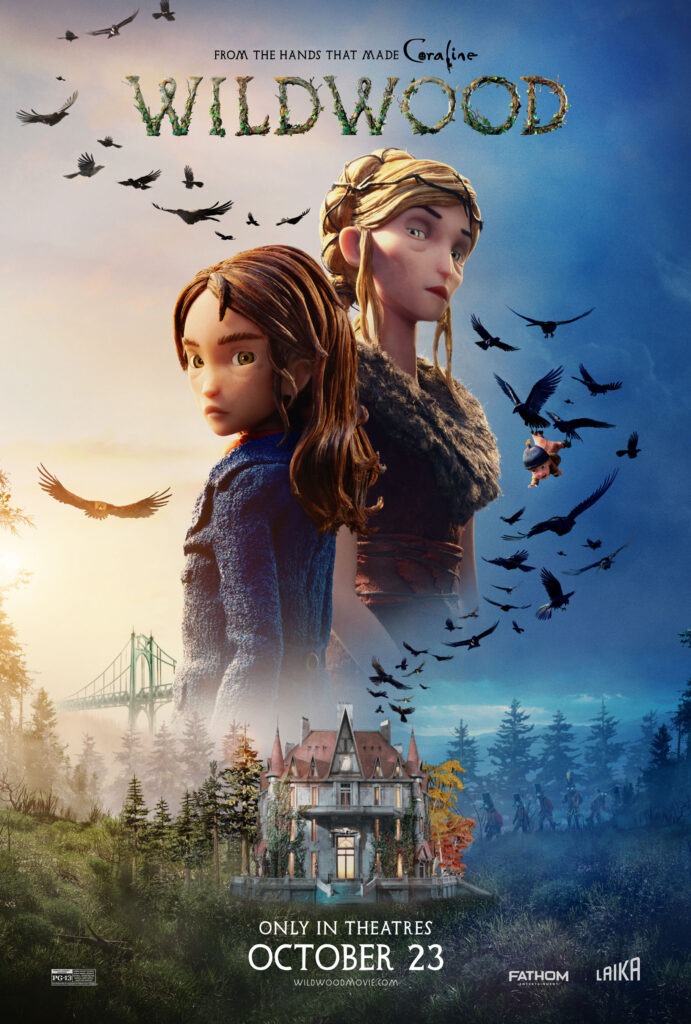

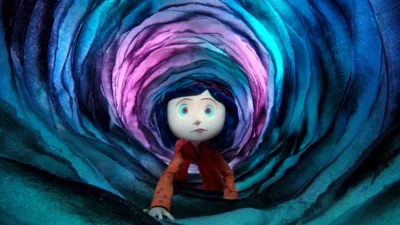
Wildwood is a stunning piece of stop-motion that delivers an animated fantasy-adventure classic from its very first frames, proving Laika can both create something never seen before and capture an audience with a tantalizing narrative. The film is a prototypical quest with real beauty and a unique tone baked directly into the heart of the plot, a rare fantasy that is not a copy-and-paste but instead borrows from a general template and transforms it with a medium and tone that nobody else has ever even dreamed of. It achieves the absolute peak for Laika animation, which is remarkable given that the studio has been operating at the top of the medium since Coraline and has never once put out something that was not worth your time. Still, Wildwood is on another level of magnificent. Travis Knight’s introduction at the AFI FEST premiere put a whole new perspective on the film, framing the narrative around grief and the ones we wish we were sitting next to in the theater, a powerful message that the film itself embodies gorgeously rather than merely gesturing toward. Wildwood is a landmark achievement in stop-motion filmmaking, but, even further, it is the clearest example that a form can only go as far as the heart and soul placed within it allow, and in this case Knight brings pure genius to this epic, turning it into something truly special.
2. Behemoth!
December 4 - Tony Gilroy - 86.7/100
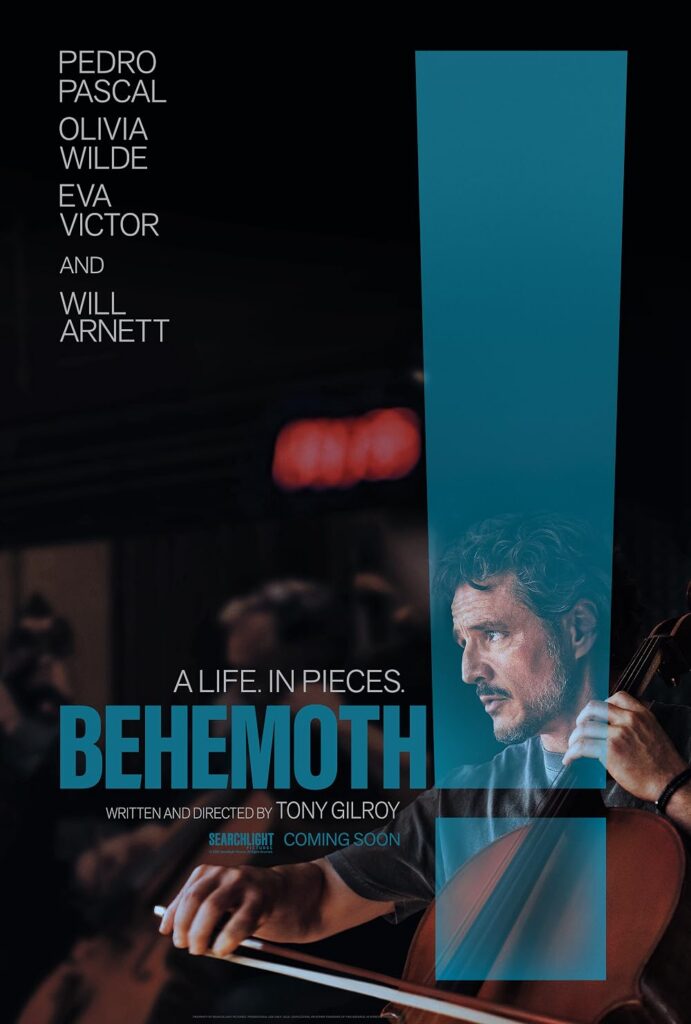
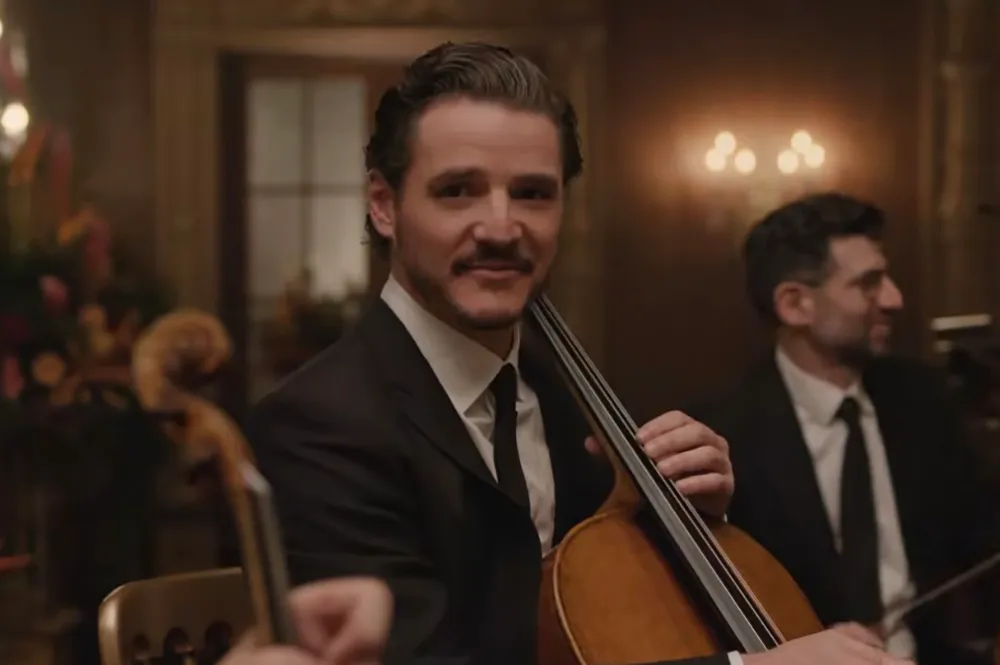
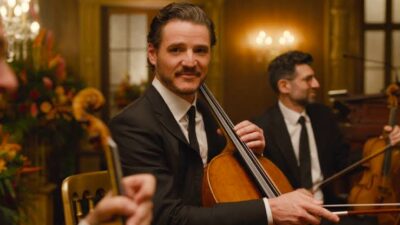
Behemoth! is a really fantastic film built around a great Pedro Pascal performance, one that is far more reflective and internal than anything the marketing around this picture suggested, and it may be the most misunderstood gem of the year. Tony Gilroy tells a non-linear story, one that never holds your hand, about a cellist moving through his life by way of his music, his flings and his dysfunctional family, carried by a monotone attitude that feels directly connected to the art he is so good at. The opening is not exactly the most cohesive start to a film and is likely why the mixed reactions are pouring in. Still, the film is surrounded by nine classical composers baking music into its score, its plot and its soul, and any orchestral-music lover will be pulled in immediately and repeatedly by the music’s changing tones. The film’s final act takes what had been a good movie with some illuminating moments and turns it into a minor masterpiece of the 2020s, with laugh-out-loud beats that fit just outside the general plot and an ending that, at least to me, carries real emotional weight that far surpasses a simple reveal or musical session. Behemoth! is Gilroy writing and directing at his most polarizing, but also his most creative, crafting a character that fits well with the strengths of Pascal as an actor. It also confirms that the slow build of Andor was not a one-off but a sign of sharpened instincts and complex storytelling that really pays off in this quiet and divisive Oscar contender.
3. The Diary of a Chambermaid
TBD - Radu Jude - 79.8/100

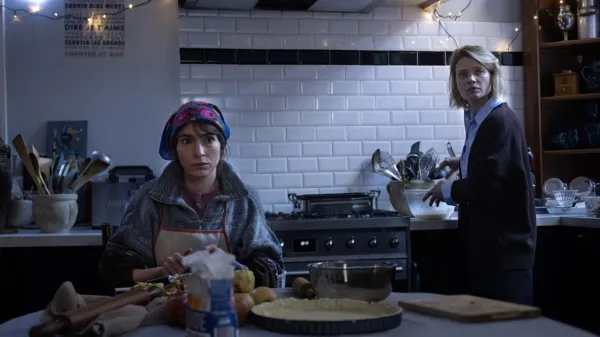
In The Diary of a Chambermaid, Radu Jude creates a satire and commentary on the novel of the same name, the film from Luis Buñuel and the out-of-touch conversations surrounding the war in the Middle East, in a way that guts you with a quiet but devastating story. The camera bounces between POV shots on a phone that warm up to the audience as the film progresses and these wonderful Ozu-like still shots that surround Ana Dumitrașcu with the landscape of France. Where the film really excels is in Dumitrașcu’s performance, especially when it cuts to the black, spotlight-lit stage as she plays Marie, moments that beautifully capture Jude’s outlook on women. The Diary of a Chambermaid is a uniquely independent film and one that remarkably reframes the original novel, already adapted by Buñuel, into something entirely new and heartbreaking.
4. Ray Gunn
December 18 - Brad Bird - 78.7/100
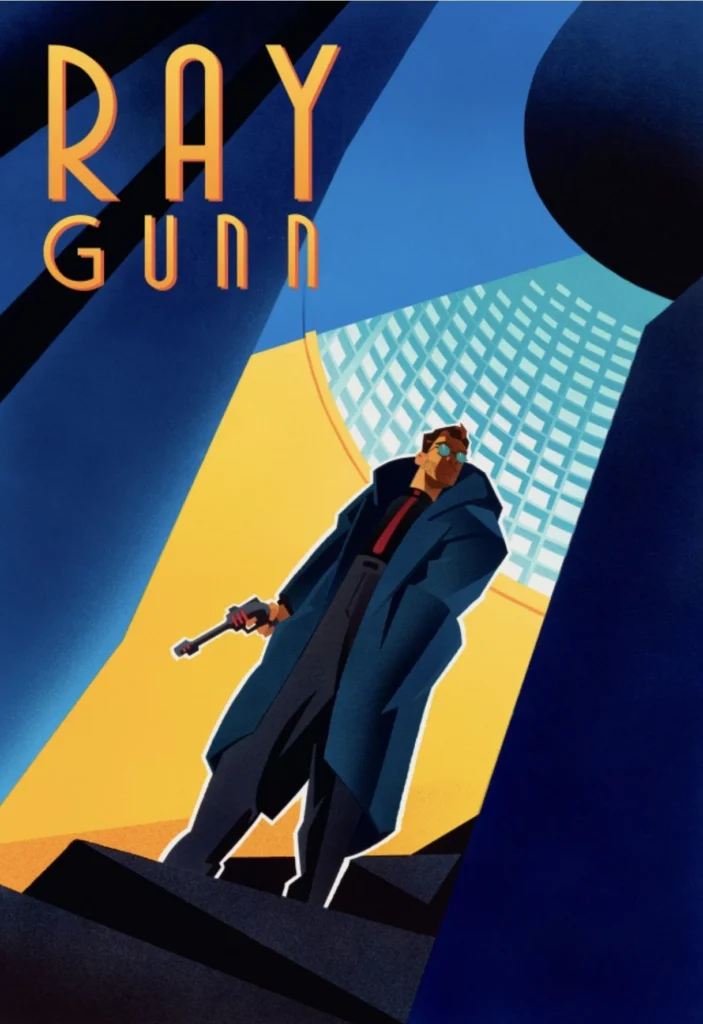
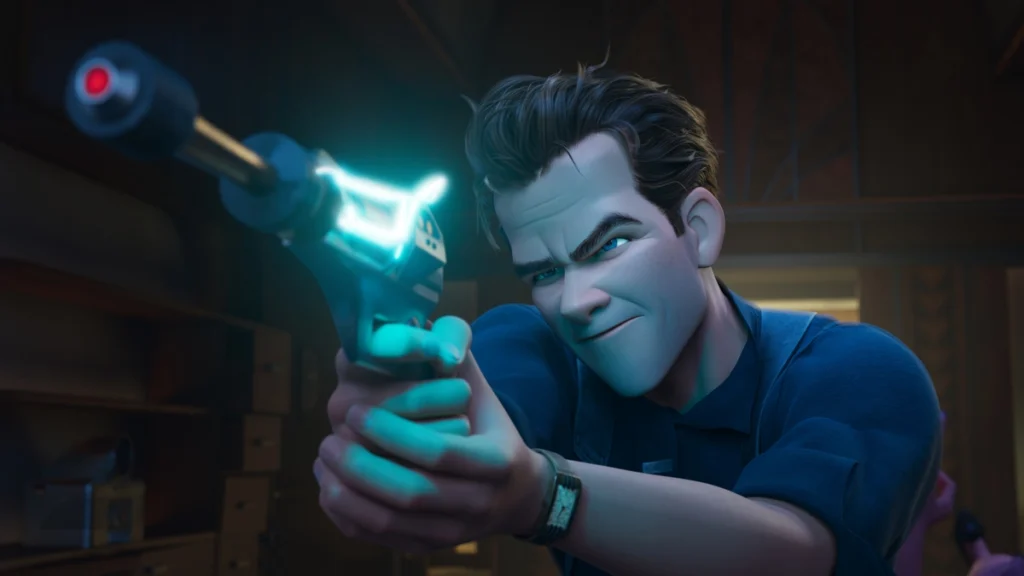
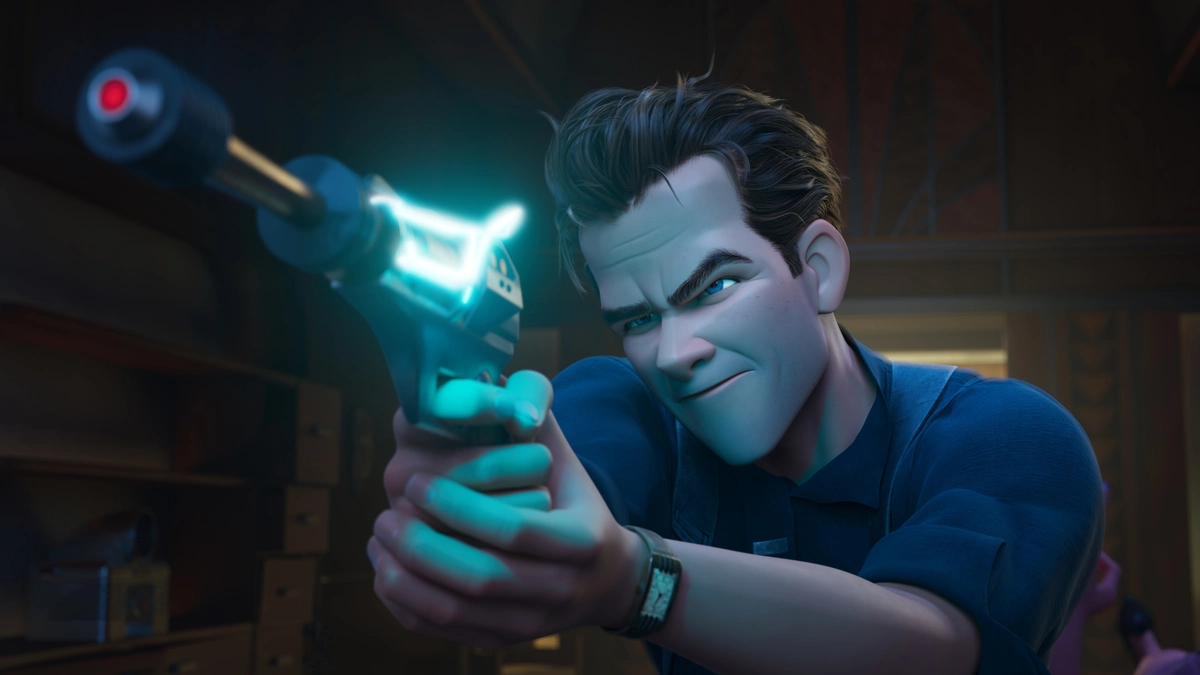
Ray Gunn is an incredibly fun ride from Brad Bird and Netflix, setting us up in a shared futuristic world where humans and aliens live together, with a noir sensibility baked into the plot that immediately wins its audience over on vibes alone. The story runs well and entertains the whole time, building commentary on inequality onto the humans-versus-aliens world in a way that fits into the plotline seamlessly. But the reason it doesn’t reach the masterpiece level of Bird’s earlier films is just that it feels oddly unoriginal for a world that is marketed as something new. For me, the film fit the exact vibe it needed to, with a really great relationship and reveal at the center that were a bit predictable but endlessly entertaining. Tom Waits as Eye-Ra, a tripod-like alien working as Ray’s partner, is a highlight the film should be proud of and an amazing animated character. Ray Gunn is a great film and a blast from start to finish, but it does not quite excel as expected due to its inability to break from the familiar territory Bird has been trying to move beyond.
5. Bucking Fastard
TBD - Werner Herzog - 78.1/100


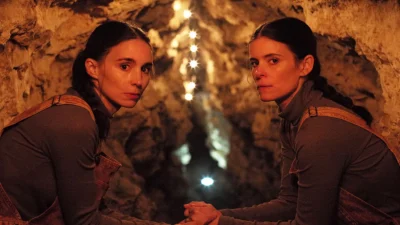
Bucking Fastard is dedicated to David Lynch by Werner Herzog from its very first frames, and the entire film feels as though it is attempting to fit somewhere between Lynch’s sensibility and Wes Anderson’s, ultimately winning me over as an avid fan of both but falling into the crack between the two. The comedy throughout is written to be blunt and is consistently well timed, anchored by a really cool dual-sister performance from Kate Mara and Rooney Mara that drives most of the film’s intrigue and keeps you engaged even when the story itself is not going anywhere in particular. The film is composed beautifully, something Herzog highlighted himself in his in-person introduction. The composition is easily the best part of the picture, establishing both an environment and a striking mindset underneath an otherwise quirky story. It is possibly Lynchian, a bit like Wes and very good at the things Herzog has always been legendary for as a director, but it never quite finds its way to being a great film, settling for just being a good one. Still, Bucking Fastard is a film that appeals directly to my biases: a symmetrical, quirky nature that never really has a clear destination. Perhaps watching it with Herzog in the room enhanced the experience, but I couldn’t help loving its charm.
6. This Is How A Child Becomes A Poet
TBD - Celine Sciamma - 75.5/100


This Is How a Child Becomes a Poet is a 16-minute short from Céline Sciamma that came out a few years ago and leads into her new film, Tutti Frutti, which screened at AFI FEST. It’s quite well done, a really reflective piece that shows amateur camera work mixed with beautiful shots, combining an authentic and thought-through process. Nothing crazy to say here, but the use of home movies to reflect on photos around the house is nicely handled.
7. Tutti Frutti
TBD - Celine Sciamma - 69.8/100


Tutti Frutti is a mix of documentary, commentary and an outlook on the future, landing somewhere between a realist piece and a narrative film grounded in real life. It doesn’t quite work at points but is really effective at others. I’ve enjoyed Céline Sciamma’s work, and I think she has proven she is a visionary who is powerful with her use of the camera. Still, certain things simply did not land technically for me.
8. The Mosquito Bowl
November 25 - Peter Berg - 67.4/100

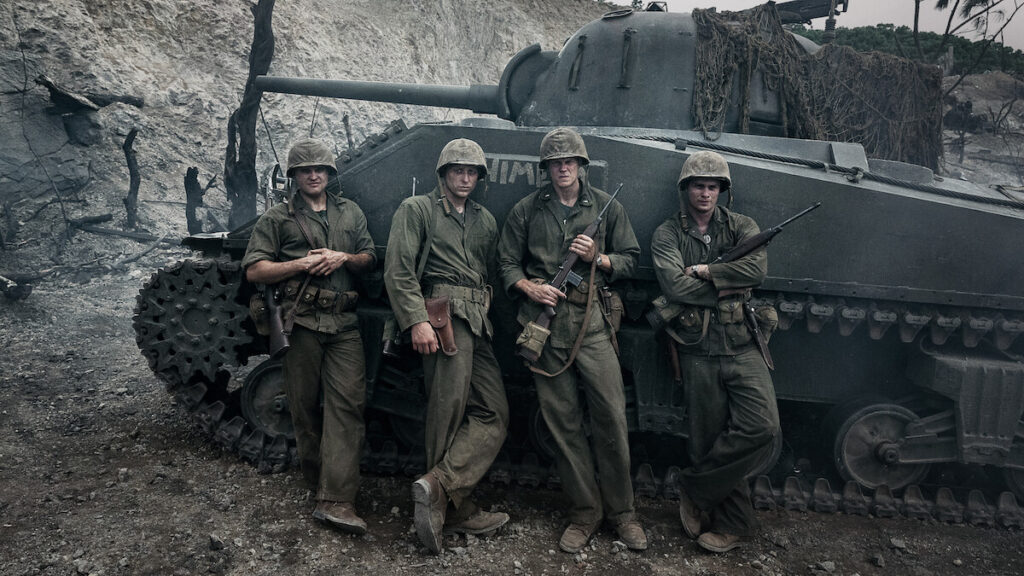
The Mosquito Bowl is an aggressive war film from Peter Berg that leans heavily on its main performances, which deliver an emotionally dense story. It doesn’t necessarily stand out, but it certainly doesn’t deserve as negative a reaction as it’s beginning to get since its world premiere. Berg makes a clear effort here to project the unflinching horrors of World War II with an approach that can only be described as trying to do once again in 2026 what Saving Private Ryan did for the genre. This approach feels a tad clouded at times, such as in its constant framing of the Japanese soldiers as antagonists, but Berg pays more attention to the Japanese perspective than early reviews let on, pausing at moments to acknowledge the inhumanity of what happened on Okinawa and bring to light just how dark this chapter really was. That being said, I am not convinced that also means the film needed to be this gray. The color palette in The Mosquito Bowl is extremely muted for the entire runtime, dampening the experience of the emotional story the narrative is telling. The Mosquito Bowl wins you over in its scenes combining football with hope in the face of the brutality of war, and its performances, led by Nicholas Galitzine, Bill Skarsgård and Ray Nicholson, do most of that heavy lifting. But it loses you in its blunt transitions and overambitious combat scenes that feel more forced and in-your-face than need be, leading to an overall middling film.