TwilightRoom’s best experience at the Tribeca Festival came in a packed theater with comedy legends Bob Odenkirk and David Cross, who discuss their four-day
hike to Machu Picchu together, blending genuine friendship, ’90s comedy history, and a surprisingly grueling physical journey into one of the more entertaining and beautiful entries of the festival. The 80-minute doc functions much less as a typical travel film and more as an orchestrated hangout, leaning entirely on the decades-
long chemistry between the two comedians rather than trying to manufacture scripted bits or artificial stakes and drama along the trail. It succeeds because it never overreaches, the film knows exactly what it is, a laid-back comedic experience set against a beautiful, demanding backdrop, and commits fully to that identity rather than chasing prestige, education, or sentimentality. The simplicity of the premise becomes its greatest strength, proving that a great backdrop and two people who can genuinely make any audience laugh and smile is sometimes all you need to make something independent, unique, and memorable. Bob and David Climb Machu Picchu lands as the best film of the Tribeca Film Festival in our eyes, succeeding through its pure comedic chemistry, gorgeous natural cinematography, and breath-of-fresh-air spirit — a refusal to be anything other than exactly what it sets out to be.
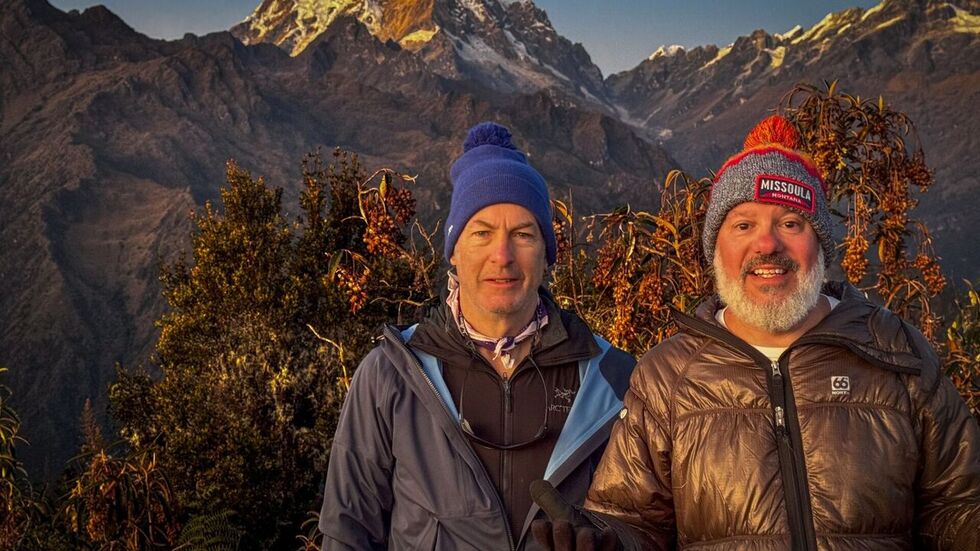
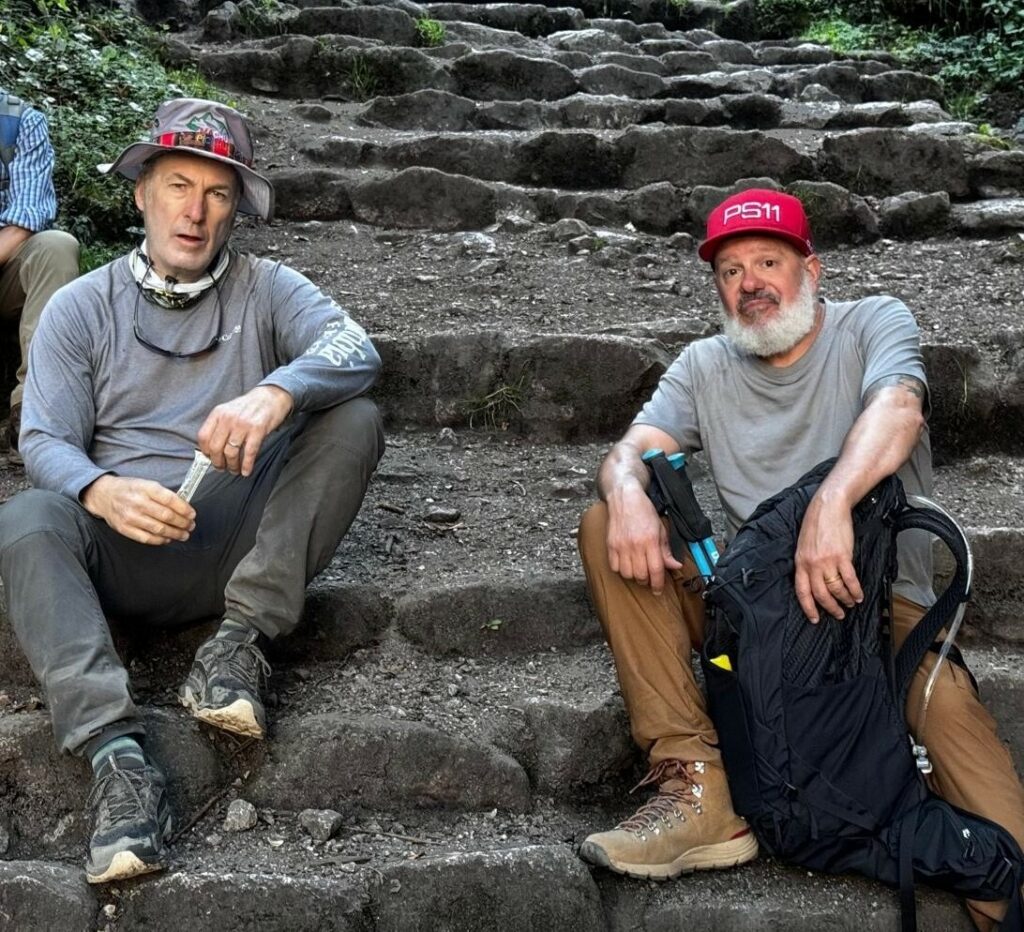
The documentary follows Bob Odenkirk and David Cross, both in attendance at the screening, as they take on the four-day hike to Machu Picchu together, immediately framing the trip as both a physical challenge for the two and an excuse to revisit their decades-long friendship on camera since the release of Mr. Show. Rather than centering on the adventure or danger or history, the film roots itself in the history between the two men, tracing their friendship back to their 90s comedy roots and showing how their lives and careers have developed in the years since. The hike itself becomes a backdrop more than a plot with the film using the trail as a setting for conversation, reflection, and comedy rather than treating the trek as the central source of tension. This grounding choice pays off immediately, since the film never has to manufacture drama, the natural difficulty of the hike combined with two genuinely funny people talking is more than enough to drive the documentary forward. From the outset, its clear the project is a passion piece for both comedians, with the easy, unforced energy between them signaling this is closer to two old friends documenting a trip than a polished, market-tested travel doc, it’s refreshing and new.
The chemistry between Bob and David carries the entire film, with both comedians clearly crafting bits on the fly and finding random moments of off-the-cuff humor that mesh effortlessly with the hike around them. Their decades of history together translate directly onto screen, giving their banter a lived-in, authentic quality that scripted travel comedy usually can’t replicate. When they do incorporate written material, it is clever and funny without undermining the natural appeal. The film leans entirely on this comedic dynamic rather than manufacturing forced emotional beats, aside from a couple of genuine moments, trusting that two people who know each other and know how to entertain will naturally generate the most compelling material. This approach mirrors the documentary’s strongest instinct overall, rather than overplaying the educational or inspirational angle of climbing Machu Picchu, the film leans into the comedy and banter that Bob and David do best, instead of trying to be something it is not. The result is a documentary that feels less like a structured production and more like eavesdropping on two old friends who happen to be extremely funny, which becomes the entire appeal of the experience.
The documentary’s pacing mirrors the structure of the hike itself, using the typical reality travel series trope of jumping to the inflection point at the start and then building toward it through the first two acts, though it remains streamlined otherwise. With roughly twenty-five minutes of screen time per day, the film has a clean, simple rhythm that never feels padded or rushed. A small amount of foreshadowing is woven throughout the early days, hinting at challenges and moments to come without ever tipping into manufactured suspense or forced drama. This balance between structured pacing and organic reflection keeps the documentary feeling controlled without ever feeling overly produced or artificial. The day-by-day format and comedic bits that carry the film through its runtime ultimately work quite well in its favor, mirroring the real physical and emotional progression of the hike while keeping the tone light and quick.
The hike itself adds tremendously to the appeal here as it is filmed beautifully, with the documentary doing an excellent job of showcasing the natural; landscape using it as a frame for the two men without over-relying on the educational or touristic angle that similar travel docs often fall into. Rather than presenting the trip as an informational journey about Machu Picchu, the film treats the trek more like a soul-searching, bucket-list adventure, prioritizing experience and connections over history lessons. The natural filming style in front of a genuinely gorgeous backdrop becomes one of the film’s biggest strengths, proving that simplicity and authenticity behind the camera can be more effective than heavily produced fully written travel cinematography. The visuals never overshadow the comedy, but instead support it, giving Bob and David’s banter a stunning, ever-changing setting that makes the hike itself feel like a character in the documentary. This restrained visual approach reinforces the film’s overall identity, choosing atmosphere and authenticity over spectacle at every turn.
It is very rare for a travel vlog-style documentary to find real purpose and connection, but this film quickly reaches its stride and settles comfortably into its own niche because of it. Rather than focusing heavily on the educational value of the trip, the documentary plays to Bob and David’s strengths, leaning into the comedy and banter the two know best instead of trying to be something they are not. Bob and David spoke after the screening with genuine enthusiasm about the project, and that authenticity clearly translates onto screen, with the documentary itself reflecting their real relationship properly rather than performing it. The simplicity of the premise, paired with the hilarity of the central duo, makes this one of the easiest, most purely enjoyable watches of the festival. Bob and David Climb Machu Picchu succeeds as a simple, hilarious, and authentic documentary, proof that two old friends and a stunning backdrop can be more than enough to make something genuinely memorable, earning it an 82/100 from TwilightRoom.
TwilightRoom Score: 82.0/100