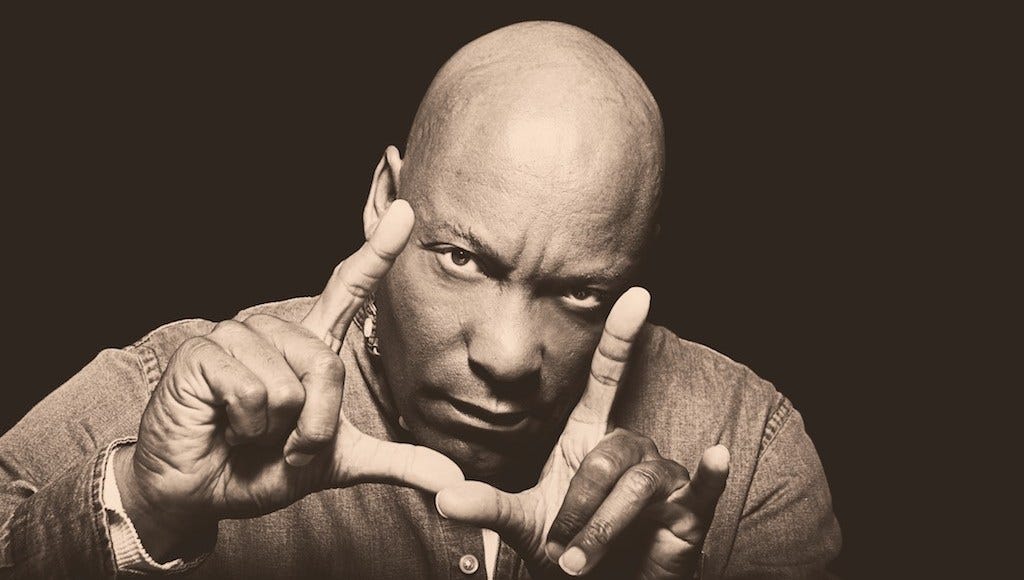
John Singleton
This week’s Criterion Tuesday takes on an entire trilogy rather than a single film, as we review Criterion’s newer 4K additions of John Singleton’s Hood Trilogy to the Collection, covering his three films that tell of the culture of South Los Angeles. Singleton was vocal throughout his career about his determination to hold injustice accountable and to speak to the lives of Black people in Los Angeles, and that mission never once wavered across the decade of work this trilogy spans. The director was determined to make a trilogy about that passion immediately after his first film wrapped shooting, building the Hood Trilogy specifically to speak on the struggles of the Black Migration to Los Angeles from the South and its lasting cultural impact on California lifestyle. The South Central setting is the common thread binding all three of these films together but is certainly not the only thread, as each one approached that world from a completely different angle, register, and emotional tone than the last while maintaining the same use of sound, culture, and inspiration. John Singleton’s Hood Trilogy, taken together, constitutes a dramatic universe entirely on its own, as the Criterion set makes an overwhelming case for Singleton as one of the most essential American directors of his generation.
John Singleton was born in South Central Los Angeles in 1968 and raised by his parents in separate households amid a crime-ridden environment, finding refuge in cinema and developing a genuine passion for filmmaking from an extremely early age. He wrote Boyz n the Hood as his undergraduate senior thesis at USC, typing it on a campus library computer, and then fought Columbia Pictures directly for the right to direct it himself after the studio made clear it wanted to buy the script and attach an established name instead. Spike Lee was the other gigantically successful Black filmmaker working at the time, and he heavily inspired Singleton to try to do for Los Angeles through film exactly what Lee had done for New York. Starting with Boyz n the Hood and its focus on Tre, his friends, and his family, Singleton wanted to tell stories of adolescence the way filmmakers before him had, but now entirely from his own unique point of view and lived experience. He became one of the more critically successful filmmakers of the entire 1990s, earning Oscar nominations for Boyz n the Hood in both Screenplay and Director, becoming the first Black Oscar nominee ever in the directing category and the youngest at just 24, which immediately opened doors to music videos with Michael Jackson and to major franchise work.
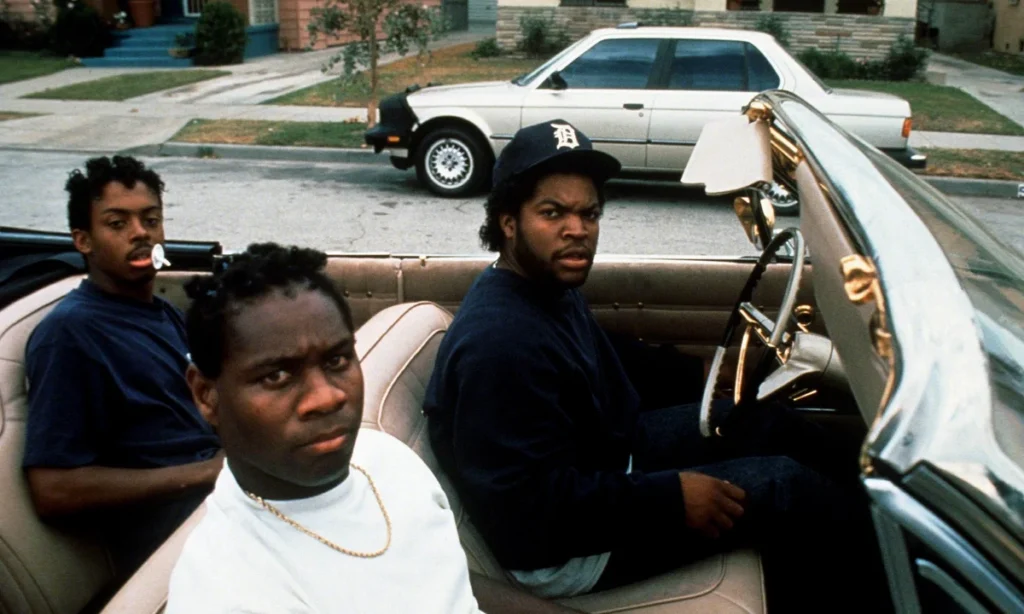
Boyz in The Hood
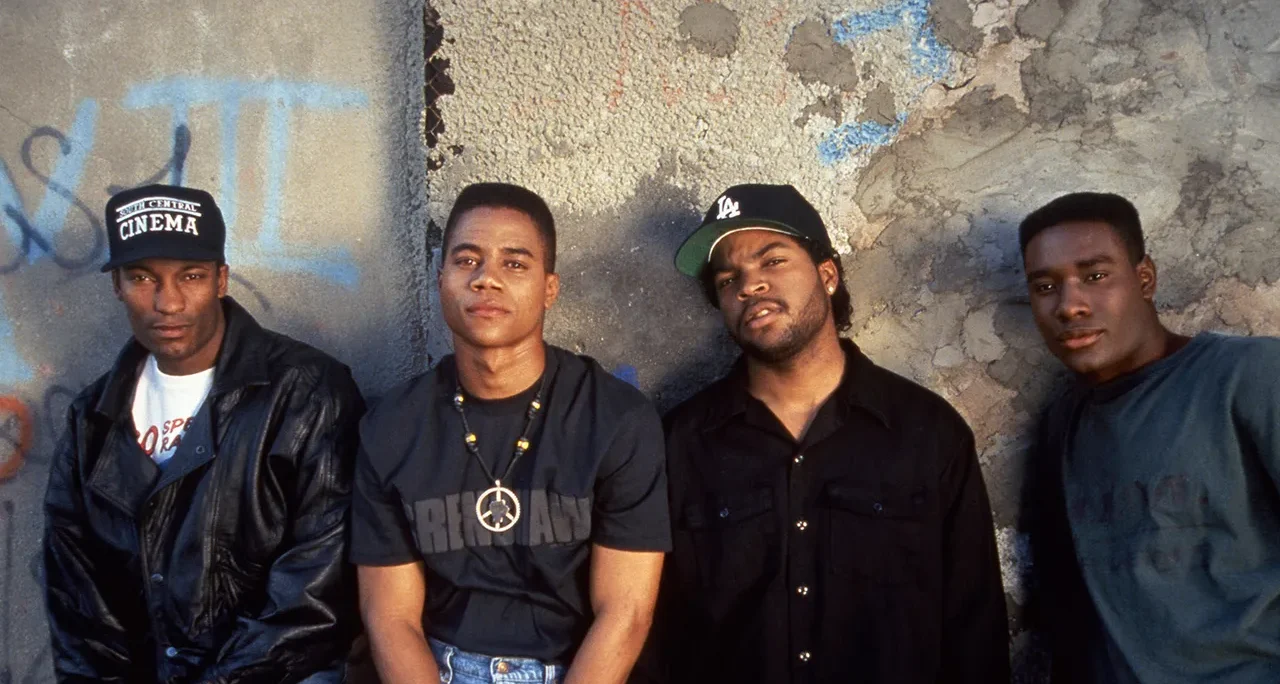
Boyz n the Hood is the first of the trilogy as Singleton establishes the vibe of the entire film in its opening minutes, using a schoolyard fight to immediately convey the
rough life Tre is growing up in without needing a single line of explanation, before a suspension sends him to live with his father and he witnesses a burglary that leads him to discover the flawed idea of a grown man he would be raised to become. The score across the film is outstanding and feels like the perfect coming-of-age setup, particularly once the story jumps to Tre’s older life at 17, giving those happier but still complex stretches a warmth the earlier
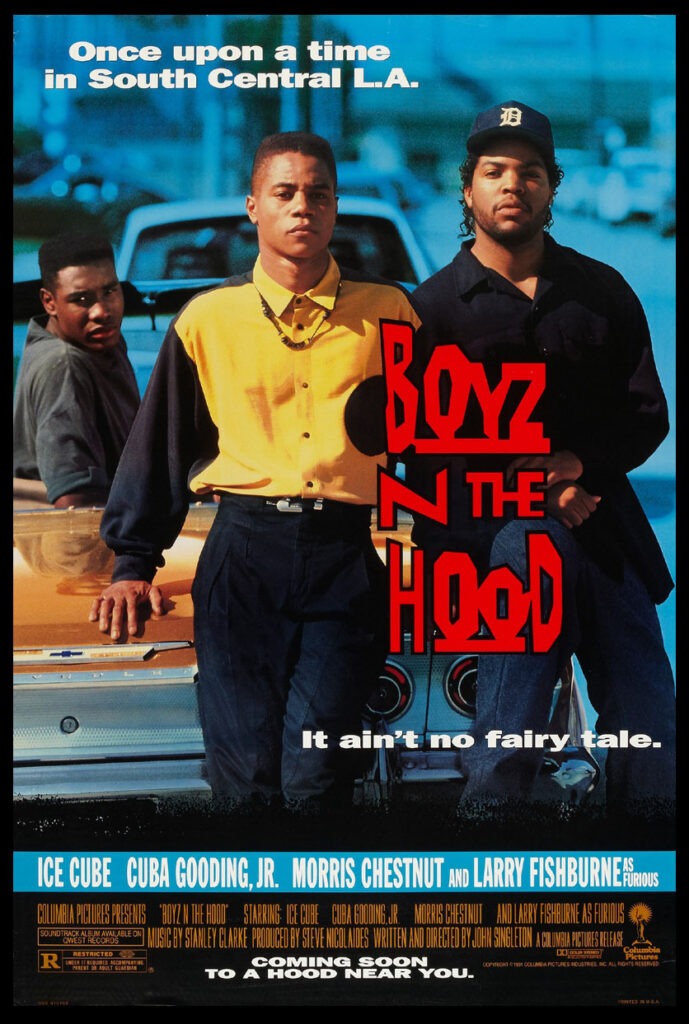
sections never allow themselves. Laurence Fishburne as Tre’s father is fantastic and steals every single scene he’s in, while Ice Cube as Ricky’s older brother is equally outstanding, and the whole film feels very well placed together in every aspect by Singleton. Ricky’s pursuit of a football career in college as his way out of the hood is a really nice complement to Tre’s story, giving the film two distinct escape routes to follow and eventually watch collapse. The moment Ricky is shot dead by the Bloods completely reframes the story into a tragedy that reshapes both Tre’s and Ricky’s brother’s lives, turning what had been a coming-of-age film into something considerably heavier in a single devastating turn.
Boyz n the Hood was made for $7 million after Singleton fought Columbia for the director’s chair, and it went on to gross $57.5 million domestically and nearly $100 million worldwide, an enormous return for a film of its scale and subject matter. It premiered at the Cannes Film Festival in the spring of 1991 to a genuinely rapturous reception, followed by rave reviews and huge box office back in the States that immediately positioned Singleton as one of the most significant new voices in American filmmaking. The film’s success made Singleton arguably the first studio filmmaker to find mainstream commercial success while representing a genuinely underrepresented part of American society, humanizing its characters as victims of larger systemic issues rather than reducing them to the stereotypes Hollywood had been leaning on for decades. Its Oscar nominations for Best Director and Best Original Screenplay made Singleton the first Black director ever nominated in that category and, at 24, the youngest, a record that still stands to this day. It is now widely regarded as one of the greatest debuts in all of American cinema, and its success directly created opportunities for an entire generation of Black filmmakers to finally tell their own stories on their own terms, earning an 88/100 from TwilightRoom.
Poetic Justice
In the second film, Poetic Justice, Singleton opens on tragedy rather than building toward it, with Justice watching her boyfriend get shot at the movies in the film’s
opening minutes, and that inversion shapes everything, making the entire thesis about how you deal with tragedy in a cruel world rather than how you avoid it. Janet Jackson’s Justice turning to poetry as her means of coping gives the film a lyrical, interior register that Singleton’s debut never once attempted, and it’s genuinely striking how differently he directs here. The central question isn’t whether Justice and Tupac Shakur’s Lucky get together but whether she’s willing to step back into the line of tragedy at all, which gives the romance far more weight than a standard arc would ever carry. The
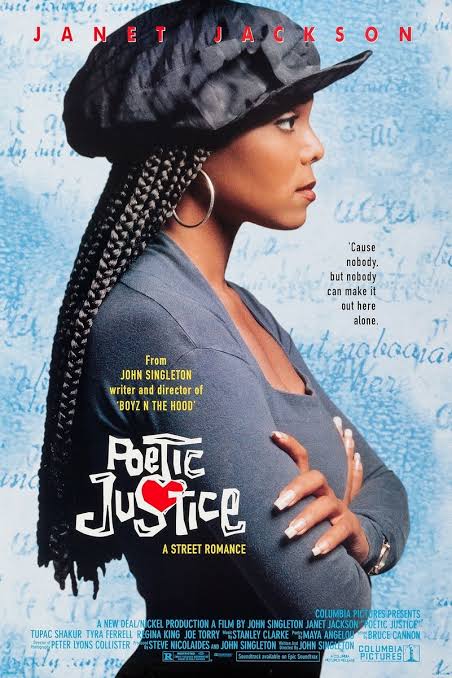
hate-to-love arc between them unfolds with real patience as the film builds toward the two learning they can actually relate to one another and bond, refusing to rush what most films would compress into twenty minutes. The oceanside embrace that opens the final act lands as genuinely earned precisely because of how long Singleton makes both characters and the audience wait for it.
In Poetic Justice, Singleton deliberately begins with tragedy, intentionally echoing what had happened during Boyz n the Hood’s real-life opening weekend, when two people were killed and Singleton spoke out forcefully against media outlets naming his film as responsible for the violence. Singleton’s choice to bring Janet Jackson on as the main role came at exactly the right cultural moment, as she had become one of the biggest pop stars in the entire world, and that decision paid real dividends for the film’s visibility and reach. Tupac Shakur’s casting as Lucky gave the film its other magnetic center, capturing him at a point where his own screen presence was only just beginning to be fully understood by audiences and critics alike. The film was not nearly as successful as Boyz n the Hood had been, arriving to reviews colored heavily by the impossible expectations that debut had set, which left it feeling like a minor disappointment at the time of release. It has since been preserved and has become much more widely popular, with contemporary critics now arguing it’s every bit the equal of Singleton’s debut, contemplative where Boyz was anxious and lyrical where Boyz was aggressive, earning a 79/100 from TwilightRoom.
Baby Boy
Baby Boy is certainly the weakest of the trilogy in terms of story, writing, and intrigue, simply lacking the presence the first two films carried throughout their runtimes.
The opening scene projecting Joseph Summers as still a mother’s boy despite his hard attitude, now facing commitment with two different women’s children, is probably the weakest start of the entire trilogy and sets a tone the film struggles to recover from for a long stretch. Our main character is much harder to root for here than in the other two films, and Singleton seems fully aware of that,
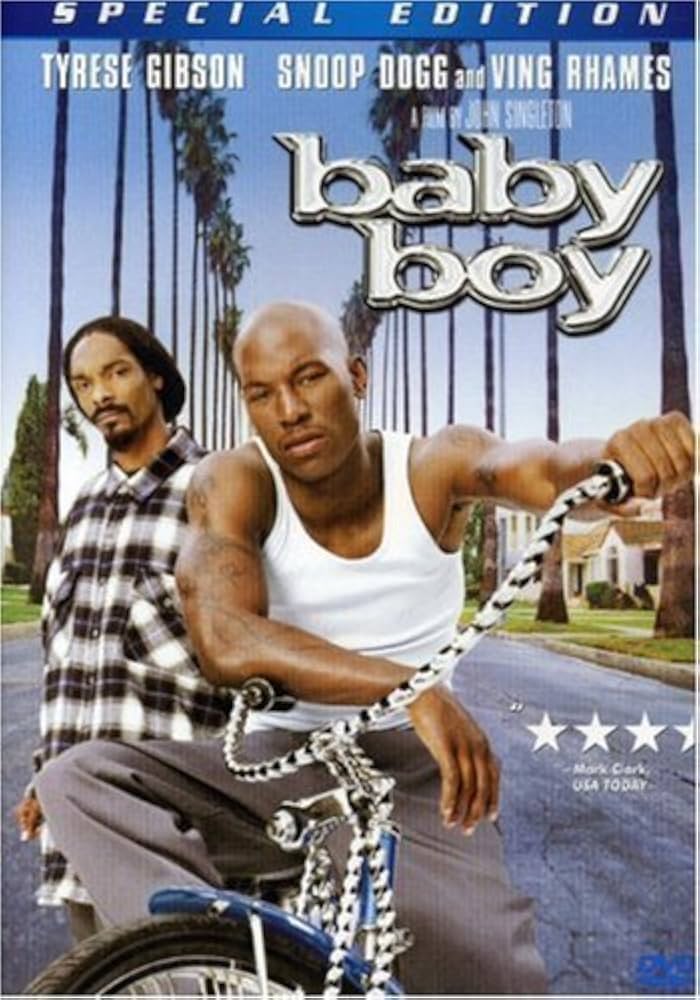
using Snoop Dogg’s Rodney coming out of jail as a blunt reality check for a man in total denial about his own life and about Yvette. Tyrese Gibson does solid work with a genuinely difficult role, but the film keeps Joseph at arm’s length in a way that makes the emotional investment considerably harder to sustain across the runtime. While the film is weaker overall, its final act is one of the strongest in the entire trilogy, taking a serious life-changing tone for Joseph after he leaves his mother’s house, that’s written very well, overdramatic but genuinely meaningful.
Baby Boy arrived in 2001 after Singleton had spent several years working in mainstream studio fare with Rosewood and Shaft, marking his deliberate and pointed return to his South Central Los Angeles roots. As the third entry in the trilogy, it focuses not on leaving South Central or on returning to it, but instead on someone whose entire life has been stunted by never having left at all, well into his adult years. That framing arguably makes it the most real-world portrayal of the entire trilogy, trading the coming-of-age urgency of Boyz and the lyrical grief of Poetic Justice for something considerably more uncomfortable and stagnant. Singleton’s biggest strength throughout his career was always his ability and willingness to cast hip hop stars in his films and pull genuinely great performances out of them, and Baby Boy continues that directly with Snoop Dogg and Tyrese Gibson. That instinct made him a hip hop icon for decades, with some of the best LA rappers of all time constantly paying homage to his work and to how thoroughly he shaped the way the city gets depicted on screen, as Baby Boy earns a 78/100 from the Twilightroom.
Conclusion
The South Central setting is the obvious common thread running through all three films, but what actually binds them together is Singleton’s insistence on treating that world as a place full of interior lives rather than as a backdrop for violence. Boyz n the Hood is about the danger of growing up there, Poetic Justice is about surviving the grief that world produces, and Baby Boy is about never managing to leave it at all, three completely different answers to the same central question. Each film shifts register entirely, moving from anxious to lyrical to stagnant and uncomfortable, and that range is precisely why the trilogy holds together as a single artistic statement rather than three similar films stacked on top of each other. Singleton’s willingness to cast hip hop artists across all three, from Ice Cube to Tupac to Snoop Dogg, gave these films an authenticity of place and voice that no amount of traditional Hollywood casting could ever have achieved. Watching all three in sequence reveals a director who spent an entire decade circling the same few blocks and finding something genuinely new to say every single time.
John Singleton’s Hood Trilogy is one of the most cohesive and purposeful bodies of work any American director has produced, three films made across a full decade that never once lose sight of what they’re actually about or who they’re actually for. Boyz n the Hood remains the clear peak, one of the greatest debuts in American cinema and a film whose influence on both the industry and the culture surrounding it is essentially impossible to overstate. Poetic Justice has grown enormously in reputation over the decades and now reads as the genuine equal of that debut, contemplative and lyrical where Boyz was anxious and aggressive, a film that was simply released into expectations no movie could have met. Baby Boy is the weakest of the three in story and writing, but its final act carries a real emotional weight that fully justifies its place in the set and completes the trilogy’s arc in a way neither of the other films could have. Singleton died at 51 in 2019 as a co-creator of Snowfall, the best modern-day homage to his own trilogy and ideals, and he still stands as South Los Angeles’s most influential director and its most important cinematic voice, a filmmaker whose Criterion induction feels less like an honor than an overdue acknowledgment of what was always obvious.