Rififi represents so many amazing things, but at the center it is the second-best heist film of all time behind Heat, a traditional heist that
highlights so much of what succeeded with film noir and classic French cinema at the same time. What starts as one of the greatest heist plans and executions on screen uses camera angles, shadowing and witty transitions to enthrall a typically divided French and American audience of the ’50s. From there, the job devolves into a struggle and a mad dash for a freedom the thieves may never reach. It embodies the best of what French filmmaking accomplished in that decade. Jules
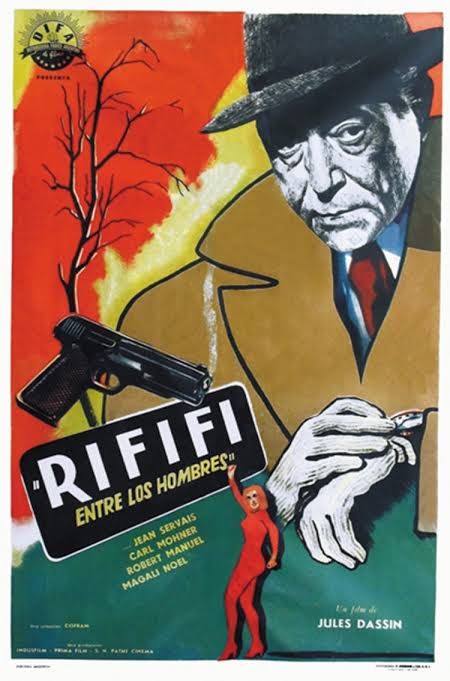
Dassin was the unique director for the job, facing a rough patch in his Hollywood career and returning to the City of Light to make what became not only his best film but also his most famous, due to his ability to blend the two opposite approaches to cinema that he was uniquely a part of. Rififi embodies not only the best traditional heist we have ever received but also a framework and a standout all in one that has taken me far too long to watch and even longer to truly appreciate.
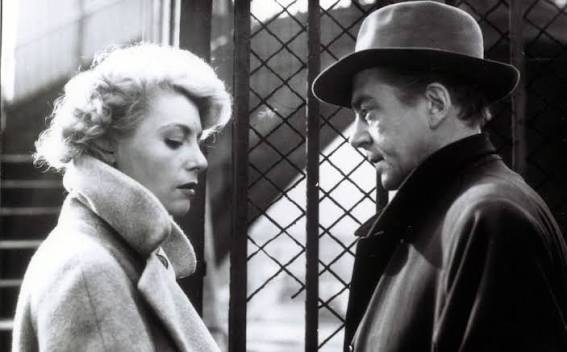
Rififi begins like a Hollywood picture and yet stays distinctly French throughout, dropping us into Paris and establishing the crew’s intent almost immediately rather than circling it for an hour the way most crime films of the period did. Jean Servais plays Tony le Stéphanois, an aging gangster fresh out of prison whose weathered face does half the characterization before he has said anything of consequence. Dassin built the film around casting an actor with that much wear on him rather than a star. The dialogue flows beautifully as our ragtag group of men falls into place, turning their sights from the jewelry-store window to the safe behind it, and the assembly of the crew is handled with a casualness that makes the eventual betrayals land much harder. What makes the setup work is how little Dassin romanticizes any of it, because these men are not charming professionals pulling off something clever; they are desperate people who have run out of alternatives. By the time the plan is locked, the film has quietly established everything it will spend the back half dismantling, which is the mark of a crime story that knows exactly where it is going.
The burglary runs roughly half an hour with no dialogue and no music whatsoever, with the thieves working in near-silence to crack a safe from the apartment above. It remains the single most imitated set piece in all of crime cinema. The camera techniques and the transitions during the break-in are extraordinary, mixed constantly with the expressions on the men’s faces so that we are reading tension off human beings rather than off a ticking clock. Most heist films, then and now, pull focus toward blockbuster set pieces, action or anything other than the actual robbery, while Rififi takes beautiful cinematography and points it directly at the process itself. The result works better than anything that has tried the same thing since. The wonderful score across the rest of the film classes the whole production up into masterpiece territory, which makes its total absence during these thirty minutes an even more deliberate and more devastating choice. The sequence was instructive enough that Rififi was reportedly banned in several countries, including Mexico, over fears it functioned as a manual, which is about the highest compliment a heist scene has ever received.
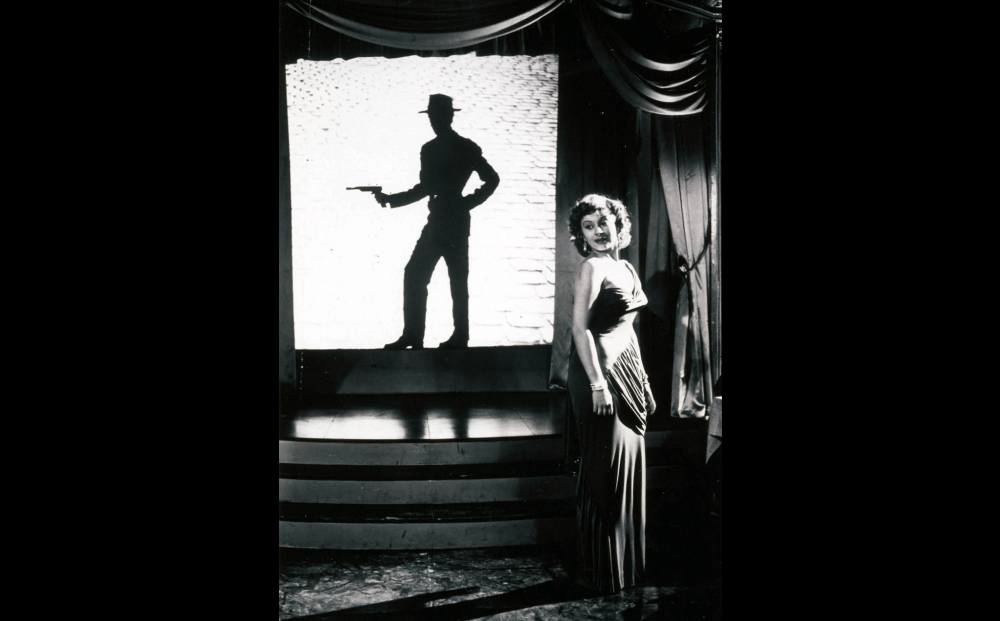
The heist succeeds roughly halfway through the film, and that structural decision is what separates Rififi from almost everything it inspired, because the robbery is not the climax but the hinge. Everything begins to fall apart immediately as greed takes hold and the men are hunted, and the tone shifts dramatically from precision and control to paranoia, violence and a desperate scramble for a freedom none of them is going to reach. Rififi is as much about the disintegration of loyalty after the job as it is about the job itself, and that is what gives the back half its bleak, fatalistic force. Dassin refuses to let anyone off easily, and the descent is not punishment delivered by the law so much as it is these men undoing themselves from the inside once there is finally something worth betraying each other over. It is a far crueler film than its reputation as a heist classic would suggest, and the ending remains one of the most genuinely hopeless in the genre.
Jules Dassin had been a rising American noir director with Brute Force and The Naked City before he was effectively blacklisted in 1949 following Night and the City. A later French project collapsed days before shooting when, by his own account, Hollywood union pressure got him replaced. He went five years without directing anything and called that stretch “the void,” which makes Rififi a comeback in the most literal sense, made in Paris, in French, with a local crew and a cast carrying no star power at all. He actively disliked Auguste Le Breton’s source novel, in which the robbery occupied only about ten pages of a much longer book, and reportedly wrote the adaptation in six days specifically to expand that throwaway chapter into the centerpiece of the entire film. Jean-Pierre Melville had originally been set to direct. Dassin shot only in overcast weather to get the gloom he wanted, and he played the safecracker César himself under a pseudonym because the budget could not accommodate another actor. It was made cheaply with a crew working for low wages, which is worth remembering every time somebody calls this the most elegant crime film ever shot.
Dassin won Best Director at Cannes in 1955, which put Hollywood in the genuinely awkward position of watching a man it had blacklisted get honored abroad for the finest work of his career. The film also took the Prix Méliès and landed on the National Board of Review’s top foreign films list, while François Truffaut summed it up better than anyone by writing that Dassin had made one of the best crime films he had ever seen out of one of the worst crime novels he had ever read. Its influence runs directly through Big Deal on Madonna Street, which parodied it three years later, into Le Trou and all the way to the Ocean’s films. Its 2000 re-release received a special New York Film Critics Circle award before Criterion gave it the treatment it deserved. Rififi is widely called the ultimate heist film and it has earned every bit of that, not simply for the silent half hour at its center but for what it does to those men afterward. With an 89.8/100 in our TwilightRoom review, Rififi is the second-best heist film ever made and a framework the entire genre has been building on for seventy years.
TwilightRoom Score: 89.8/100