Introduction
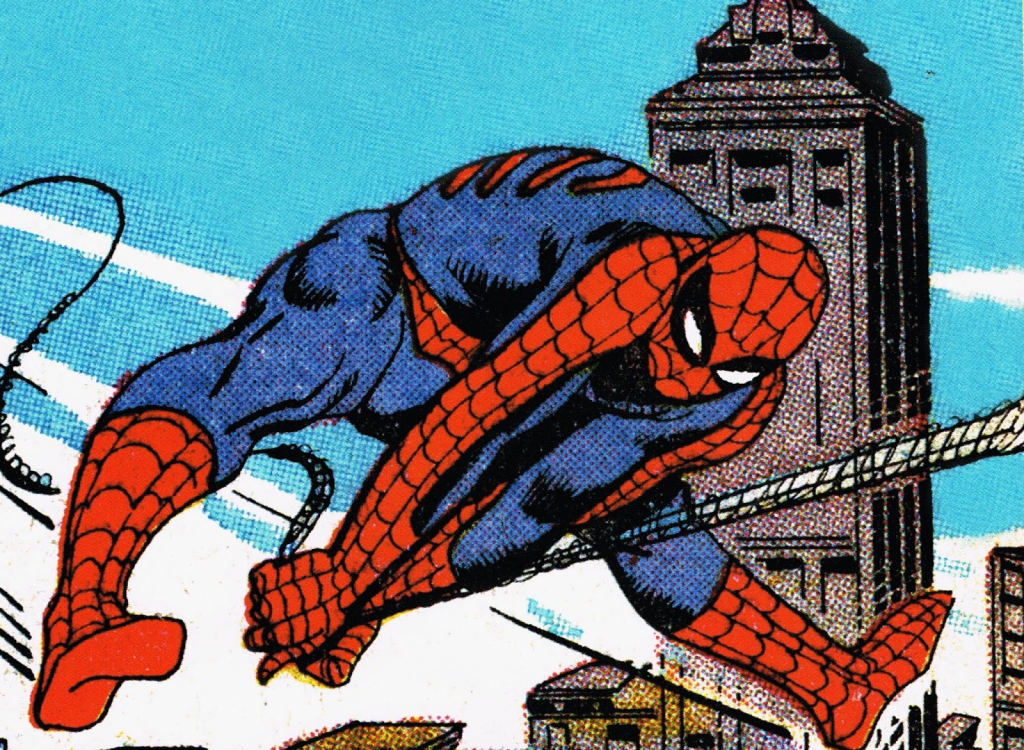
With Spider-Man: Brand New Day swinging into theaters this very week, there has never been a better time to look back and rank all ten Spider-Man films spanning three lead actors, two studios, and more than two decades of the character on the big screen. Spider-Man was created by Stan Lee and Steve Ditko in 1962, debuting in Amazing Fantasy #15 as a genuine revolution for the entire medium: the first major superhero who was still a teenager, and the first who had to worry about money, homework, and heartbreak as much as any supervillain. What separates him from every other hero in comics is the everyman idea at his core, the belief captured in his defining creed that with great power comes great responsibility, and the notion that anyone at all, regardless of who they are or where they come from, could be the person behind the mask. That single idea is exactly why the character survives constant reinvention, because no matter which actor puts on the suit or which universe he swings through, the fundamental humanity of Peter Parker, or Miles Morales, and everything they represent remains completely intact. This ranking is built on what we call the all-encompassing lens, the belief that these films are defined above all else by four things: their love stories, their final battles, their rogues galleries, and their central relationships, and it is on those grounds that every single placement on this list is earned. What follows is our full ranking from worst to best across the Maguire, Garfield, Holland, and Spider-Verse eras, and with a character this beloved and a filmography this deep, worst has never once been a softer word.
10. The Amazing Spider-Man 2
75.9/100 - Marc Webb - 2014

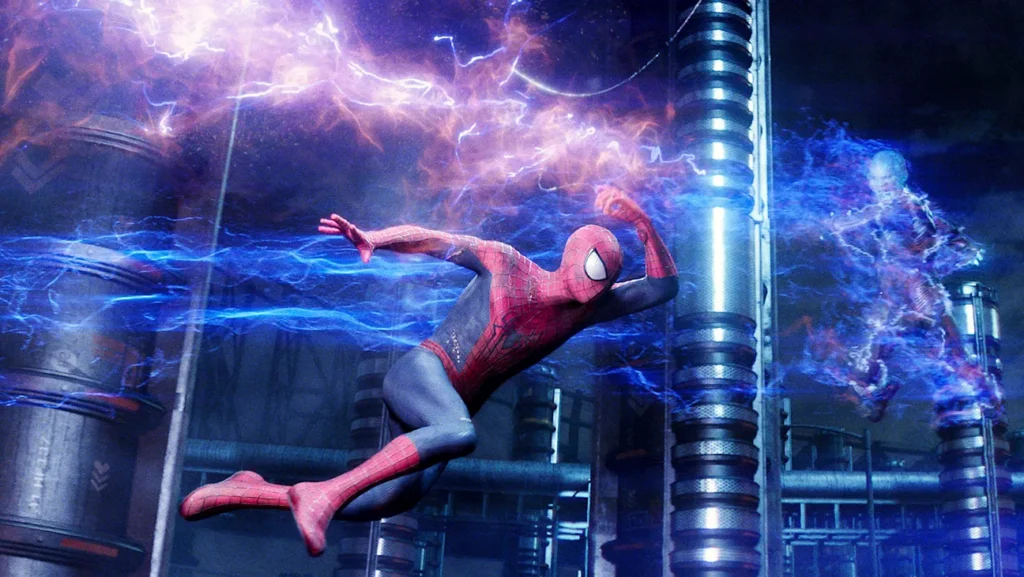
The Amazing Spider-Man 2, the end to the Garfield and Sony experiment, falls dead last on our list, a film with real high points and a genuinely talented pair of leads that is ultimately buried under the sheer weight of everything it is trying to accomplish at once, never giving its story the room it needs to breathe or Peter Parker’s hard-earned charisma space to land. Spider-Man has now gained a real legacy as a hero across the city, and what the film does best is build his character’s charisma and his relationships with the everyday civilians and children of New York, an element that is genuinely well written and easily the strongest part of the movie, proving the sentiment that there has never been a bad movie about the hero. The core problem in TASM 2 is the sheer abundance of villains, as the film introduces Rhino, Harry Osborn, and the full origin of Electro all at once while also hinting at other villains throughout, causing everything to feel cluttered and pulling focus away from the Garfield and Stone romance that carried the far superior original film. Even when the film overreaches, Stone and Garfield really do carry it, and the subplot surrounding the mystery of Peter’s father, though new and highly criticized, turns out to be considerably more interesting than expected once it moves toward the center of the story. Harry Osborn’s transformation into the Green Goblin is the film’s clearest shortcoming, feeling cheaply motivated and rushed in a way that actively takes you out of the final act at the exact moment the film should be landing its hardest emotional blows. Gwen Stacy’s death still hits as hard as ever, making this the moment the film truly finds its footing and making TASM 2 stronger upon revisiting the character, but the decision to end on a cliffhanger that does not even pay off correctly, with no third film ever arriving to resolve it, badly undercuts the entire ending in hindsight.
The film stands as one of the most extensively documented cases in blockbuster history of a studio sacrificing a single film’s integrity to launch a franchise ecosystem that had not yet been built. Watching the MCU gross over a billion dollars film after film, Sony assembled a franchise-minded group of writers tasked with planning an entire shared universe, complete with two more Amazing Spider-Man films, a Sinister Six spinoff, and a female-led spinoff film. That studio ambition is exactly why the finished film feels so overloaded with setups and teases for villains and stories that never received their promised payoff. The interference extended deep into production through rewrites and late reshoots to maximize the universe’s potential, including Shailene Woodley shooting an entire role as Mary Jane before being cut from the film entirely, and Paul Giamatti’s Rhino being reduced from a major planned role to a brief bookend. It grossed 716.9 million worldwide, the lowest of any Spider-Man film to date, triggering a genuine crisis of confidence within the studio about the direction of the entire franchise and character altogether. That crisis was only accelerated by the November 2014 Sony Pictures hack, whose leaked internal emails revealed extreme anxiety over the franchise, along with early conversations about integrating Spider-Man into the MCU, effectively marking the end of The Amazing Spider-Man era. Combining our view of the film’s lackluster villains, its failure to let Peter and Gwen’s relationship breathe at the forefront, and the negative controversy it stirred up, The Amazing Spider-Man 2 sits last on our list by a considerable margin, despite its high highs and a rating of 75/100 from TwilightRoom.
9. The Amazing Spider-Man
78.7/100 - Marc Webb - 2012
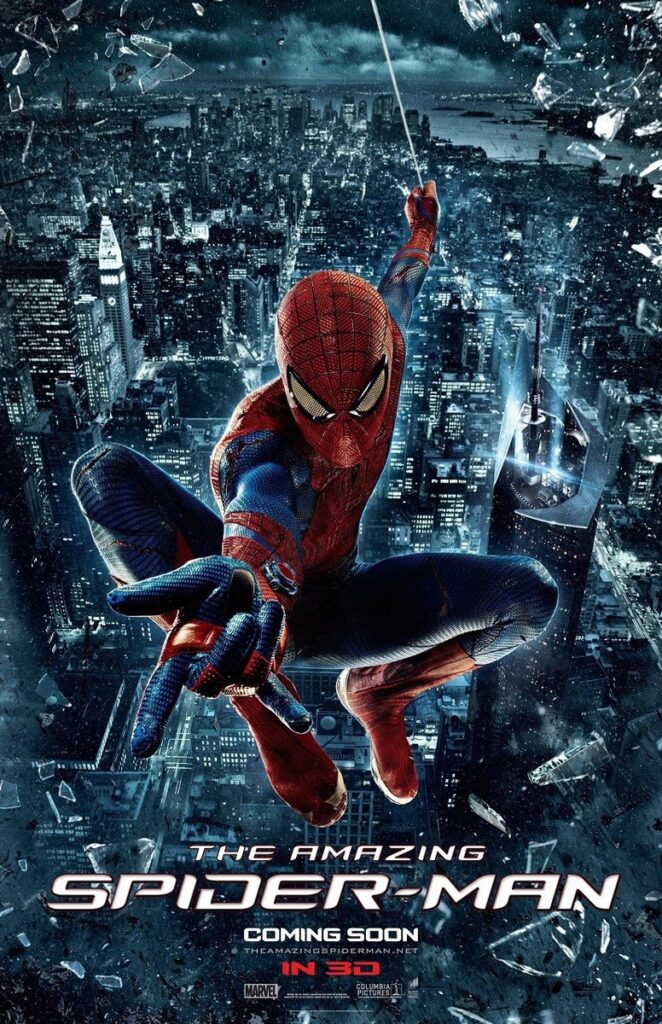
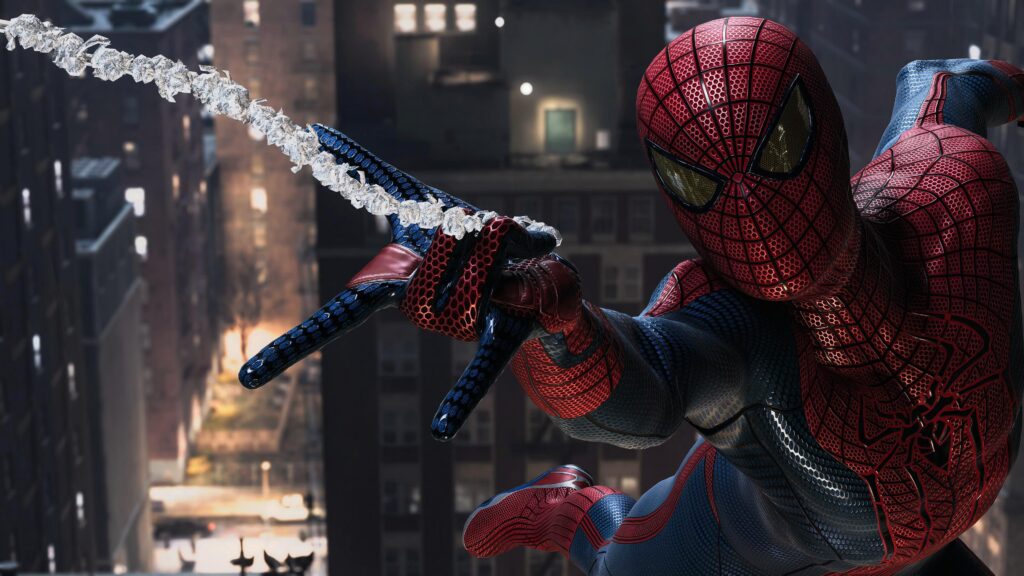
The Amazing Spider-Man, the original Garfield film, lands ninth, an origin story for a new Spider-Man played by Andrew Garfield that is perfectly solid on its own terms but ultimately arrives as a duller, weaker rehash of a film audiences had already seen just a decade earlier. Peter is introduced for the second time in a decade, now getting bullied by Flash at high school and meeting his love interest for his entire set of films in Gwen Stacy, played by Emma Stone, while growing obsessed with his father’s old work and approaching the Spider-Man origin from a far more scientific angle than the Raimi films ever did. TASM feels like a much duller version of Spider-Man on a purely visual level, with colors that fall flat, a grayer overall palette, and far less of the vibrant New York influence that made the original film feel so alive and lived in through real culture. What genuinely saves the film is Garfield’s charisma as Peter, which is really great throughout, and the story really picks up considerably once he finds his identity as Spider-Man, saving a kid on the bridge and growing closer to Gwen as it finally settles into its origin. The film’s final fight is the worst in the franchise, and possibly in any of the films, leaning heavily on the CGI design of the Lizard and on very familiar beats from the Raimi films, especially in the way it handles Gwen against the memory of Toby’s Mary Jane, making it feel derivative right where it needed to feel new. The Amazing Spider-Man is solid by all means, with a good origin and a strong identity search, but taken as a whole it lands as a noticeably weaker rehash of the original Tobey film, elevated almost entirely by the strength of its two leads.
TASM existed primarily out of contractual necessity, as Sony held the Spider-Man rights and needed to produce a new film or lose the character back to Marvel, and after Spider-Man 4 fell through the studio green-lit a reboot in the shortest-distance reboot in franchise film history. Director Marc Webb, whose only prior film was the hit (500) Days of Summer, was an extremely risky choice for a $200 million project, but his proven ability to capture a young romantic relationship was highly valued by Sony as they bet the entire film on the Garfield-and-Stone dynamic. Andrew Garfield was cast off the back of The Social Network and Never Let Me Go, demonstrating both intellectual intensity and emotional vulnerability, and the real-life romance that developed between him and Stone led to remarkable on-screen chemistry that critics and audiences alike praised. The film’s most consistent criticism centered on Rhys Ifans’ Lizard, whose CGI was widely considered underwhelming and whose motivation felt deeply underdeveloped, with unreleased footage later suggesting far more depth to the character than what made the final cut. The film grossed 758.7 million worldwide, making it the highest-grossing reboot of its time, and was praised as exhilarating but repetitive by critics who felt it simply retread ground the Raimi films had already covered better. We now regard it as much better than its negative reputation suggests, with that reputation significantly damaged by its association with the failed sequel and the collapse of the Garfield experiment, before Andrew Garfield’s later redemption arc through No Way Home revitalized opinion and led many to cite this film as underrated. While the villain still does not quite land, and the culture and cinematography do not fully deliver, Andrew’s charisma is undeniable enough to earn a 78/100 from TwilightRoom.
8. Spider-Man: Homecoming
79.1/100 - Jon Watts - 2017
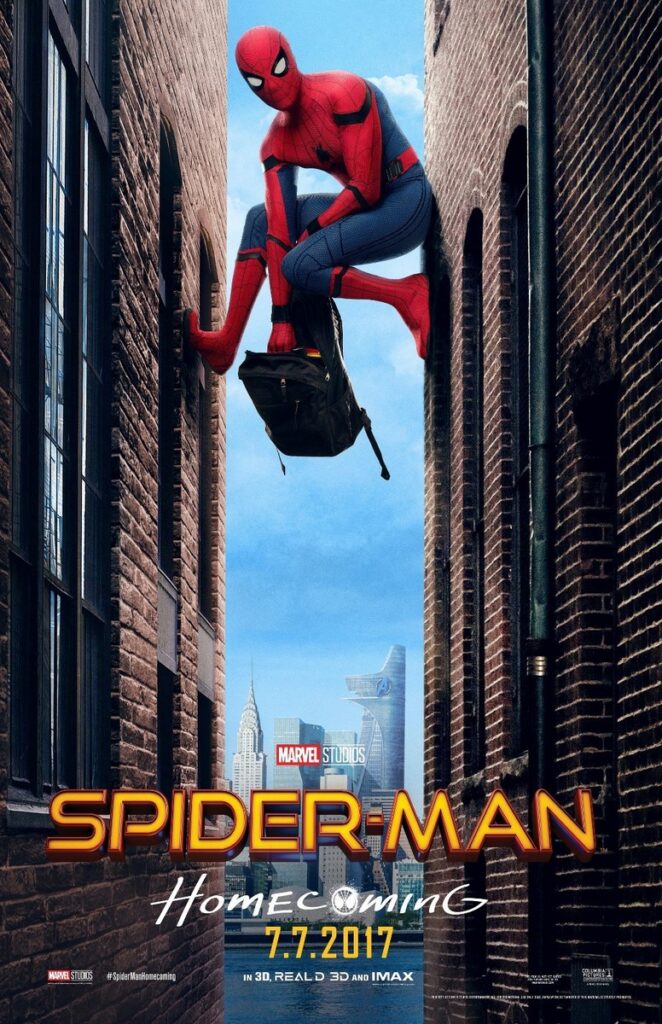
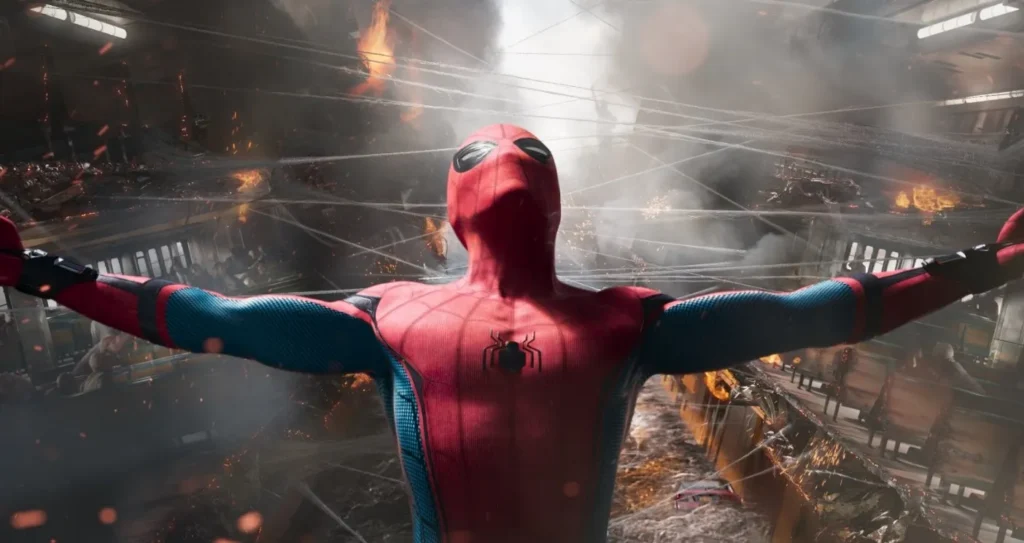
Spider-Man: Homecoming, the first film in the MCU-integrated Spider-Man era and featuring the young Tom Holland looking to make a name for himself, lands at eighth on our list, picking up directly after the events of Civil War and approaching the character’s origin from a slightly different angle than what came before. The film is again more gloomy and dull in its cinematography than one might remember, and it is certainly a new experience to have Spider-Man so deeply embedded in Marvel superhero culture from the start, a dynamic that both helps and occasionally hurts the character. Peter has a new best friend in Ned rather than Harry, a fun comedy dynamic that further separates this new Spider-Man from both previous eras, as he searches for his villain in Vulture while trying to balance his social life and being babied by Tony Stark and Iron Man. The film’s comedy surrounding the new suit is quite cheesy as Peter learns everything Tony gave him, but the more detective-driven story underneath is fun and refreshing for the character, and the trip to DC is a smart plot choice that meaningfully picks up the film’s intrigue, a commitment to being different from the tropes of Andrew and Tobey. The introduction to Vulture is much more violent than expected and played surprisingly well by Michael Keaton, a villain that had been rumored since the Tobey years, but the real turn is the reveal that he is the father of Peter’s homecoming date, a genuinely shocking twist that does not hit the same on rewatch but lands enormously the first time. Vulture’s threat to kill Peter if he interferes again is one of the most brutal and effective lines in any Spider-Man film and highlights the best parts and the step up from the TASM franchise here, with a final battle that is a real return to form, gritty and grounded, closing the film on a strong note that makes this better than Andrew but short of Tobey’s debut.
Spider-Man: Homecoming exists because of the February 2015 rights-sharing agreement between Sony and Marvel Studios, struck in response to the disappointment of The Amazing Spider-Man 2, with Holland’s brief appearance in Captain America: Civil War generating enormous excitement. Holland emerged from a strong casting search as the youngest actor ever to play the role and a closer match to the comics’ age, and his physical commitment plus real teenage awkwardness gave the film its greatest authenticity, while Jon Watts’ decision to skip the origin story proved crucial. Watts’ previous feature was the micro-budget Cop Car, and he was hired to ground the film in genuine human behavior modeled on John Hughes high school comedies, giving MCU Spider-Man a distinct teenage identity separate from the Avengers around him. Keaton’s Vulture delivered one of the most praised villain performances in any MCU film, with the silent realization that Peter is Spider-Man conveyed entirely through expression standing as one of the genre’s great character moments. The film grossed 880.9 million worldwide and earned strong reviews, serving as clear proof that audience exhaustion with Spider-Man reboots could be overcome by the right creative environment and a new actor with real pull stepping into the role. Spider-Man: Homecoming ultimately proved that a third screen version of the character could still work within the MCU, cementing the Sony-Marvel partnership for the time being and making Holland the Spider-Man of the future, earning a 79/100 from TwilightRoom.
7. Spider-Man: Far From Home
79.6/100 - Jon Watts -2019
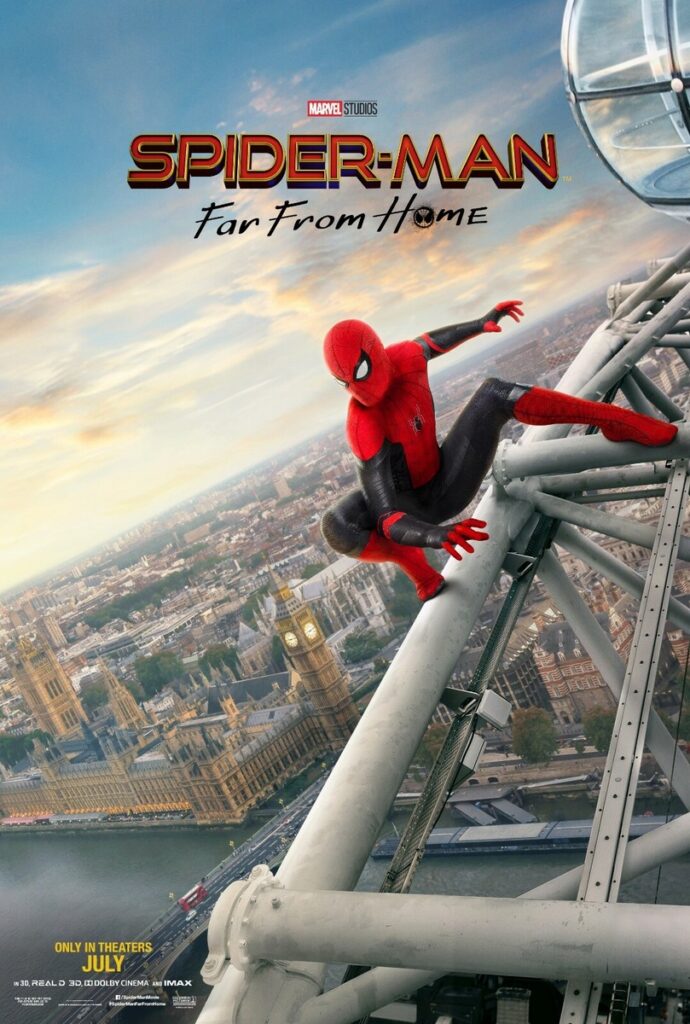
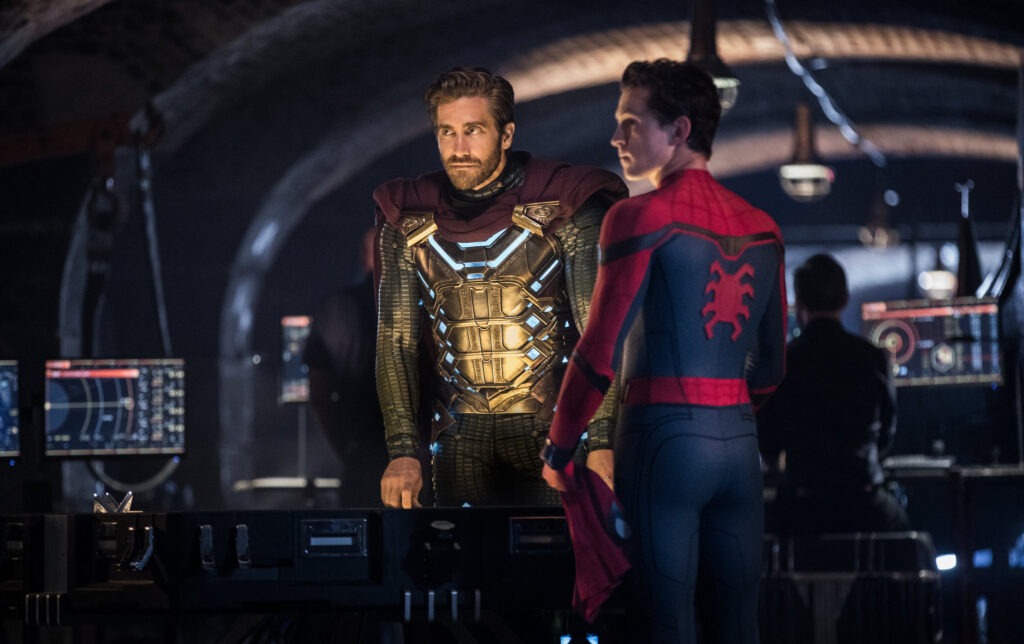
Spider-Man: Far From Home sits at seventh on our list as a trend of blocks of films from one specific actor begins to form, beginning post-Blip and post-Tony Stark’s death with Peter now a much more seasoned fighter post-Endgame, carrying a real emotional weight that the previous entry lacked entirely. The comedy is stronger to start as Aunt May settles into her role here and the gang of Flash, Ned, MJ, and Peter really find their stride, while Peter mourning Tony’s death becomes a fantastic story beat that grounds the entire film in genuine, believable grief and loss. The film feels ordinary for the first forty minutes to an hour, as the introduction of Mysterio plays stale and Fury does not feel great in his scenes, with the pieces of the puzzle laying into place but not in a very intriguing way as the movie searches to find its footing. The film really turns when Peter hands Mysterio the EDITH glasses he was gifted by Tony and is promptly revealed to have been tricked in another villain twist for the second time in two movies, a moment that is fun but also another example of a reused setup and the recurring idea of the hero handing power to the wrong man. The illusion fight sequences are the strongest part of the film, playing with Peter’s emotions as a genuinely powerful element and creating one of the most real and dangerous threats Spider-Man has ever faced, all while the budding MJ romance runs beautifully alongside it. The film finds its real footing in the final act, as Happy delivers a fantastic speech and the final hallway battle becomes one of the best final fights in the entire franchise, capped with MJ revealing she has feelings for Peter as well, allowing the second half to lift the film above where it started.
Released just two months after Avengers: Endgame, Far From Home was required to function simultaneously as a standalone adventure, an Endgame sequel, and the epilogue for the entire Infinity Saga, opening with a Whitney Houston-scored mourning of the lost heroes that remains controversial for its tonal delivery. Jake Gyllenhaal’s Mysterio is first set up as a mentor figure in the wake of Stark’s death, a choice specifically designed to make his eventual deception as destabilizing as possible, with the illusion sequence widely considered the film’s creative peak. That illusion sequence is the film’s high point but also one of the most inventive of the entire Holland franchise, weaponizing Peter’s grief and guilt in a way no Spider-Man villain had attempted before and giving the film a psychological edge that elevates its otherwise familiar structure. While Far From Home was still in theaters, Marvel and Sony had failed to renegotiate their revenue-sharing deal and Spider-Man was briefly set to leave the MCU entirely, with fan reaction fierce enough that both sides returned to the table within weeks, demonstrating just how much the MCU needed the character. At 1.133 billion worldwide, it became the first Spider-Man film ever to cross the billion-dollar threshold and Sony’s highest-grossing film at the time, a commercial milestone that significantly strengthened Sony’s negotiating position with Marvel. J.K. Simmons returns as J. Jonah Jameson in a direct callback to the Raimi trilogy, revealing Spider-Man’s identity in one of the most electric post-credits scenes in film history and setting up No Way Home with the most dramatically effective cliffhanger since The Avengers. Overall, Far From Home is incredibly up and down, with a first half that feels quite ordinary but a final hour that delivers on all the promises and impact a Spider-Man movie should have, making it sit toward the middle of this list with a respectable rating of 79/100, just ahead of the film it follows.
6. Spider-Man 3
80.5/100 - Sam Raimi - 2007
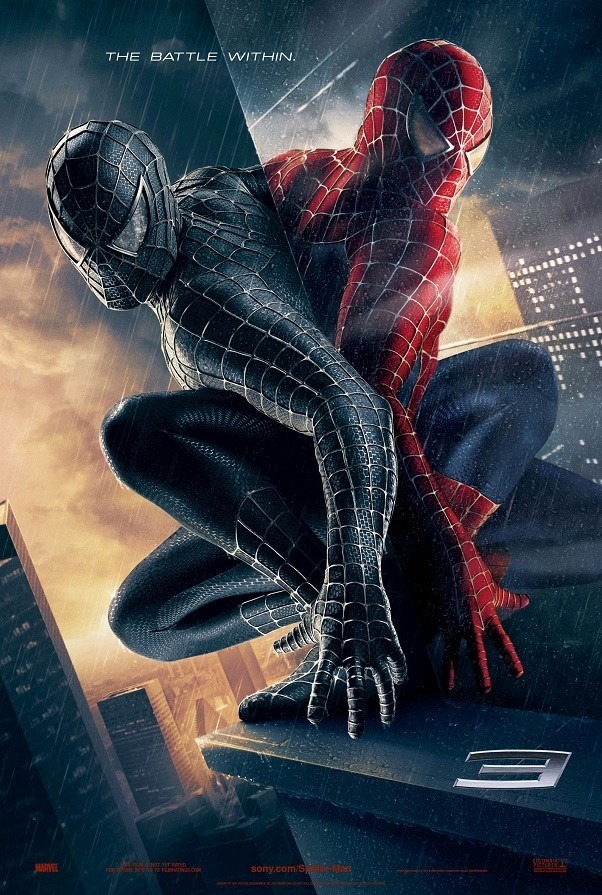
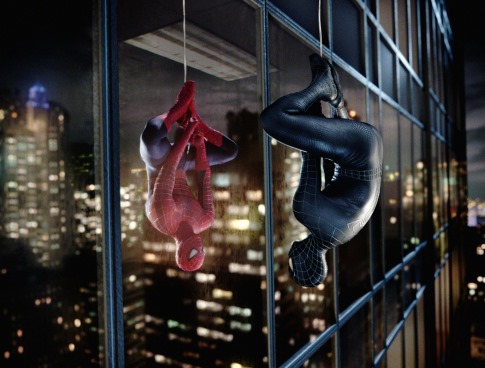
Spider-Man 3 is the weakest of the beloved Raimi trilogy, yet it remains a genuinely good film whose sheer entertainment value manages to top even the best parts of the franchise in isolated moments, which is precisely what makes its shortcomings so frustrating. Its central flaw is overload, as the film tries to carry Harry’s Green Goblin arc, Sandman, and the symbiote all at once, and no single thread gets the room it needs to fully land, leaving even its strongest ideas feeling crowded. The effects have not aged as gracefully as the first two films and can feel a bit cheesy in places, but the emotional throughline of Peter being corrupted by his own anger and pride still works. The infamous Bully Maguire stretch is a genuine paradox: extremely cheesy and a clear technical negative, while also being one of the most purely entertaining and rewatchable things in the entire trilogy. The film’s real problem is that its best material and its worst material sit side by side, with Harry’s redemption and Sandman’s pathos pulling in one direction while the Venom subplot pulls hard in the other, and it never quite reconciles the two. Still, there is a warmth and sincerity underneath all the clutter that keeps it afloat, and the eventual reconciliation between Peter and Mary Jane lets the trilogy close on a note of genuine feeling despite the mess surrounding it. It is a film undone less by a lack of ideas than by an overwhelming excess of them, and even at its most overstuffed it never stops being really solid.
Spider-Man 3 is one of the most extensively documented cases of studio interference derailing a director’s vision in all of blockbuster history, as the film was originally meant to conclude Harry’s arc and center Sandman as the main villain to deepen Peter’s own story. Producer Avi Arad, however, believed the franchise leaned too heavily on Raimi’s personal favorite characters and was convinced Venom was what audiences actually wanted, ultimately pressuring the director into adding a character fundamentally opposed to his creative instincts. That decision is the film’s original sin, and while Thomas Haden Church’s Sandman was a consensus positive and a clear sign of the movie that could have been, Topher Grace’s Venom was and remains widely criticized as both a miscast and a misuse, the clearest symbol of a film pulled in too many directions at once. Despite all of it, the film was the highest-grossing entry in the trilogy, earning $895.9 million worldwide against a $258 million budget even as it was branded the weakest, an early lesson that box office and critical reception do not always move together. The fallout soured Raimi on the franchise entirely, and the planned Spider-Man 4 with John Malkovich as Vulture and Anne Hathaway attached was pulled by Sony in January 2010 after Raimi couldn’t meet the release date, replaced two years later by The Amazing Spider-Man. Time has since been considerably kinder to the film, buoyed by both director’s-cut sentiment and a wave of No Way Home nostalgia, earning it an 80/100 rating from the TwilightRoom.
5. Spider-Man No Way Home
86.0/100 - Jon Watts - 2021

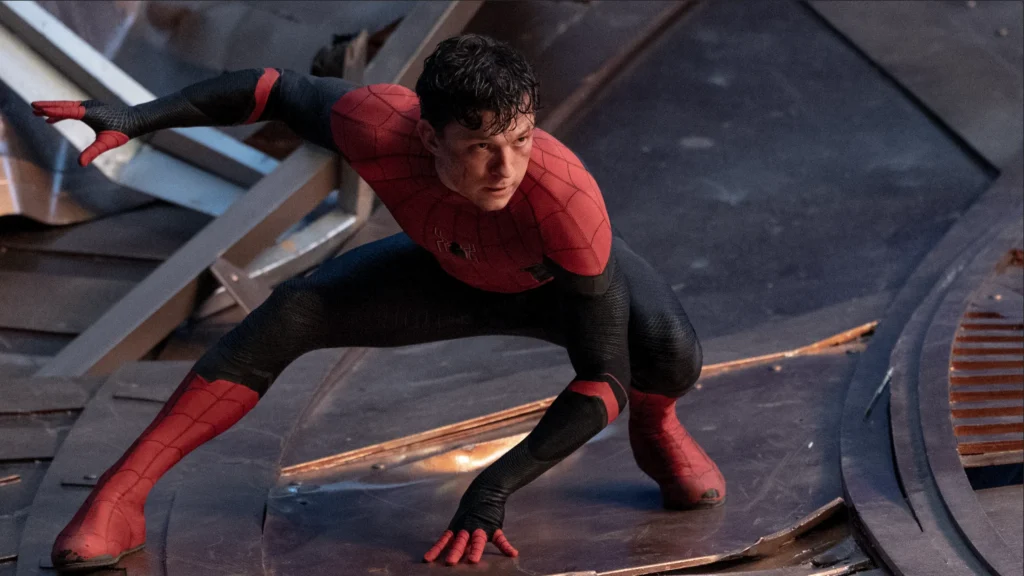
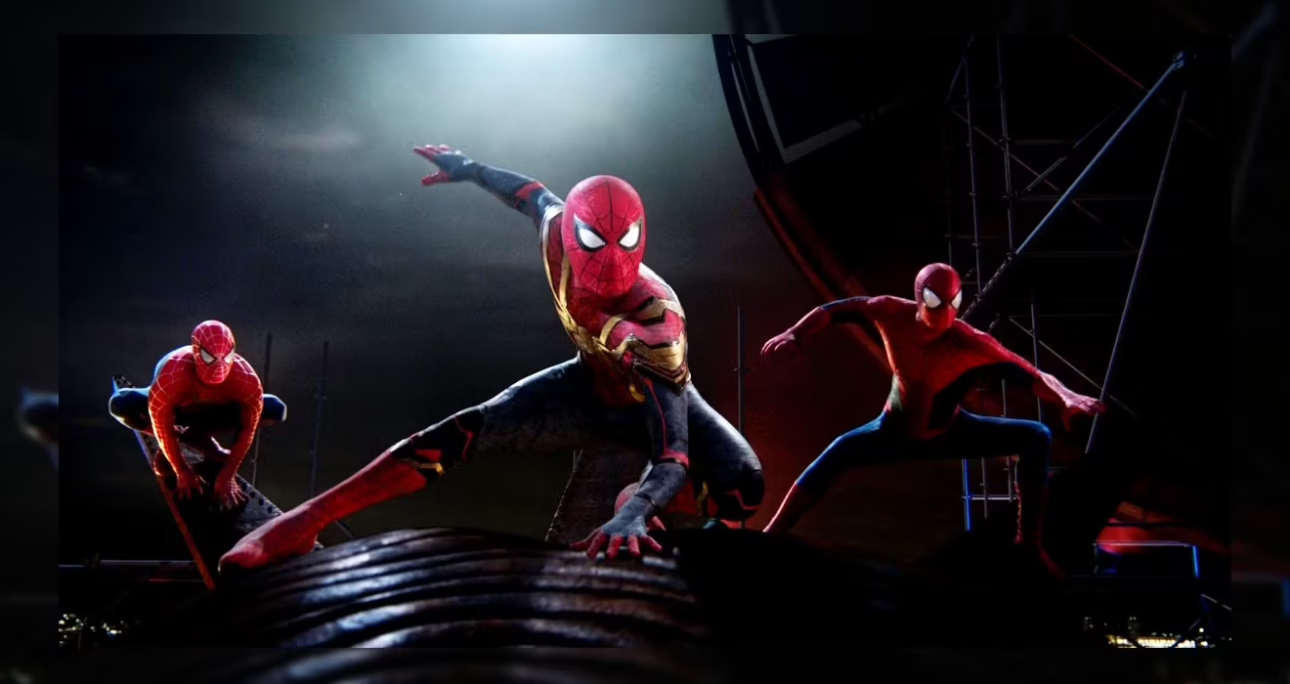
Spiderman No Way Home lands fifth on this list, and while messy on rewatch and a bit fabricated, the film is undeniably entertaining and emotional, it overcomes every one of its plot problems through sheer emotional force and the single most ambitious swing the franchise had ever attempted. The film picks up with Spider-Man’s identity revealed and MJ, May, Ned, and Peter at the forefront of the news, and when the three fail to get into MIT because of Peter’s connection to Spider-Man. It becomes the turning point that sends him to Doctor Strange to make the world forget he is Spider-Man. The film carries extreme emotions and genuinely feels like a time capsule of the exact moment it was released, holding an enormous amount of weight, and when Strange’s spell goes wrong and Doc Ock appears from Spider-Man 2, it becomes clear the magic has pulled villains from across the multiverse. Sure, parts of the film are messy, but the plan to fix the villains and return them to normal, gathering Electro, Green Goblin, Doc Ock, Lizard, and Sandman, plays as fun and all-encompassing homage to this very list, before Peter learns some of them were killed in their own universes and Aunt May reminds him they deserve to be saved. When the three Spider-Man join together, the film becomes so sentimental and great with an overwhelming amount of nostalgia, Aunt May’s death lands as pure emotion and heartbreak perhaps more than ever in a Spider-Man film. And the choice to forget Peter splitting him from Ned and MJ is really genuinely effective in the theater and even now upon rewatch. The sequence where Garfield saves MJ, completing the exact save he could never make for Gwen, is one of the most cathartic moments in the entire franchise and speaks to this film’s monumental importance, that regardless of messy plot, No Way Home was a moment in time nobody that was present for will ever forget.
The film was shot almost entirely during the COVID-19 pandemic from October 2020 to March 2021, managing the extraordinary logistical task of assembling three generations of Spider-Man actors and five returning villains under strict health protocols. The production maintained a level of secrecy about its returning cast that leaked repeatedly online yet somehow never fully diminished the theatrical impact, a genuinely rare case of persistent spoilers failing to dent a film’s ultimate emotional payoff. Willem Dafoe’s return as Norman Osborn anchors the film, and the sequence where the Green Goblin reasserts himself and confronts Peter with that monologue is widely regarded as the single best villain performance in any Spider-Man film. The film grossed 1.9 billion worldwide, became the highest-grossing Spider-Man film and Sony film to that point, and opened with staggering numbers rivaled only by Endgame. No Way Home is consistently cited as the defining event film of the post-pandemic era and one of the most emotionally satisfying franchise conclusions the superhero genre has produced, retroactively elevating the standing of every era of Spider-Man that came before it. Personally, this film has a strong impact and emotional effect on me as a viewer, and for that reason I will always hold it dear. Bias aside, the film rightfully earns an 86/100 from TwilightRoom, but its impact on the film world goes far beyond that rating.
4. Spider-Man 2
86.4/100 - Sam Raimi - 2004
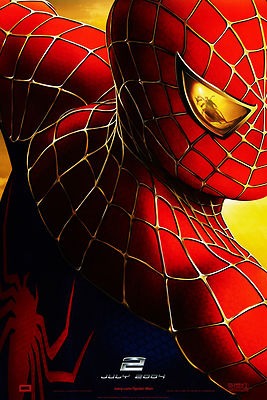
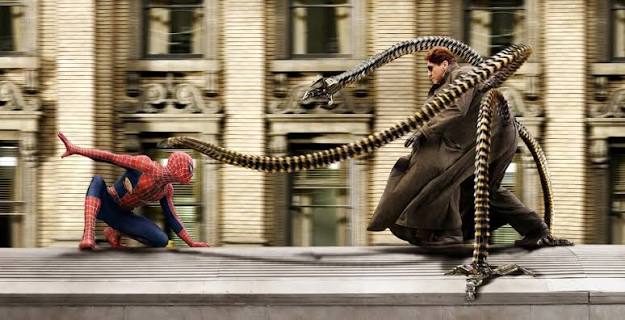
Spider-Man 2 is not quite as strong as the original taken as a complete package, but it contains a handful of individual moments so special they top the very best the entire franchise has to offer, and that is exactly what makes it such a successful sequel. What separates it from nearly every superhero film of its era is how seriously it treats Peter’s psychological burden, building the whole story around the cost of the mask rather than the thrill of it, and letting him lose his powers and walk away from being a hero entirely before earning his way back. The film does get a bit melodramatic at times in both its acting and its writing, and the sheer number of moving pieces in the final act threatens to overload it, but the emotional core holds because Maguire so completely sells a Peter worn down by everything the responsibility costs him. Its crown jewel is the train sequence, one of the most iconic and emotional scenes in all of comic book cinema, where an unmasked and exhausted Peter is carried by a crowd of ordinary New Yorkers who then stand between him and Doc Ock, a moment that grounds all of the spectacle in real, human, everyday stakes in a way the genre almost never manages. It is the purest distillation of what Raimi always understood Spider-Man to be, a hero of and for the common people, built on the idea that anyone at all could be the one under the mask, and when Peter and Mary Jane finally confess their love, the film lands its romance with a sincerity that makes even its melodrama feel earned. This is a sequel operating with total confidence, and its peaks are high enough that they carry the whole thing to a place the rest of the live-action franchise rarely reaches.
Spider-Man 2 was written by Alvin Sargent from a story by Michael Chabon, a Pulitzer Prize-winning novelist, which goes a long way toward explaining why the film treats its hero’s inner life with as much care as its action, openly asking what a person owes the world versus what they owe themselves. Raimi was now firmly the studio’s trusted hand with full creative control, and Tobey Maguire was established beyond any doubt as the Peter Parker, cementing the era’s definitive take on the character. Alfred Molina’s Doc Ock is the film’s most praised element and one of the great villain performances in all of superhero cinema, with the mechanical arms voiced and puppeteered to avoid full CGI and shot through the lens of Raimi’s horror roots, most memorably in the harrowing operating room sequence. The film won the Academy Award for Visual Effects, became one of the first superhero movies to win in a major category, earned widespread acclaim as one of the best films of 2004, and grossed $795.9 million worldwide against a $200 million budget. More than its numbers, it proved the genre could carry genuine dramatic and emotional weight rather than pure spectacle, and it now sits alongside The Dark Knight and Iron Man as one of the titles most responsible for establishing the modern superhero movie, earning an 86/100 rating from TwilightRoom.
3. Spider-Man
90.5/100 - Sam Raimi - 2002
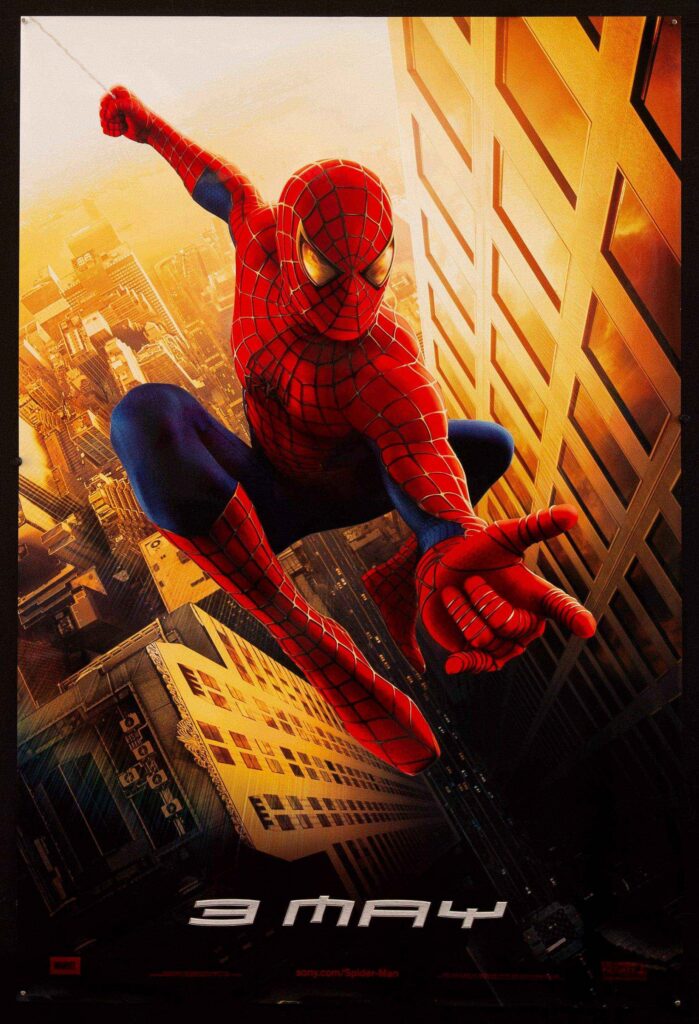
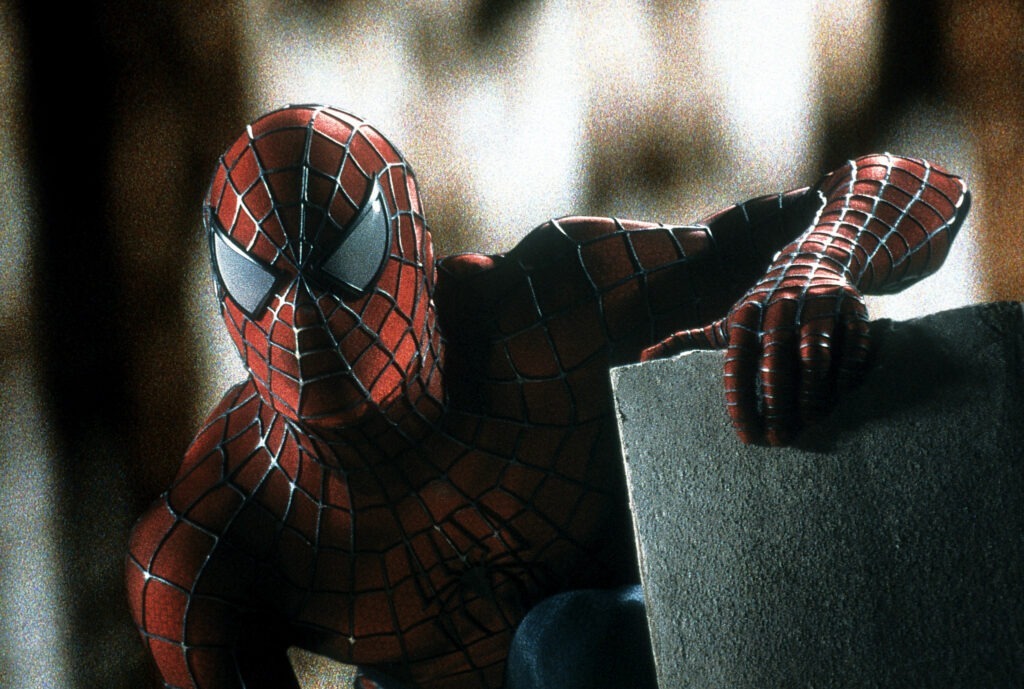
The original Spider-Man lands third on our list the highest live action film, a project whose Tobey Maguire origin is so mich more intriguing and fun then remembered upon rewatch, a fantastic New York origin story built on really well-written dialogue from Sam Raimi that holds up as one of the best superhero origins ever made. Peter Parker starts as a nerd bullied for his mannerisms while nursing a crush on Mary Jane, his only real friend Harry Osborne, son of tech millionaire Norman Osborne, an opening that establishes the everyday, grounded humanity that has always defined the character through different mediums. As Peter gains his powers from a radioactive spider bite, Norman develops new tech for the government using himself as a test subject, and after the death of Uncle Ben, the first film version of loss in a Spider-Man story, Peter fully embraces his powers in honor of his uncle in a genuinely fantastic emotional turn. As Harry deepens his relationship with Mary Jane, Peter becomes more confident both as himself and as Spider-Man, while Norman slowly morphs into the Green Goblin and murders the entire board that works with him, all delivered with a distinctly cool early-2000s style that grounds the whole film. As Mary Jane falls out of love with Harry and his father’s condition worsens, Peter learns that MJ is interested in Spider-Man in a wholesome moment between the two, before the final fight begins with the Green Goblin abducting her and ends with Peter finding his true powers and embracing his late Uncle Ben as his guiding father figure. As Norman dies by his own flyer and Harry swears Spider-Man will pay, the rest of the films are set up, and the film itself stands as one of the best and most well-written origin stories of all time, using the backdrop of New York perfectly and delivering one of the best monologues ever in the Goblin’s line about how the one thing people love more than a hero is to see them fail, fall, and die trying.
Spider-Man arrived as a major turning point for both superhero and New York films shortly after 9/11, embracing blockbuster NYC pride, resilience, and identity in a way that helped define the 2000s. Raimi framed New York itself as energetic, chaotic, hopeful, and communal, captured perfectly in the moment where a crowd of New Yorkers defends Spider-Man and makes the city as much a character as any person on screen. Directed by Sam Raimi off the back of his horror and Evil Dead roots, the film brought a distinctive visual energy to the genre, while Tobey Maguire’s earnest, awkward everyman performance established the definitive live-action Peter Parker for an entire generation. The film grossed roughly 825 million worldwide and shattered box office records on release, proving for the first time that comic book films could reliably function as full-scale blockbuster events and permanently reshaping the industry’s approach to the genre. It defined the NYC blockbuster as Spider-Man became the cinematic symbol for the city itself, a foundational text of the modern superhero era that launched the Raimi trilogy and still stands as the best live-action Spider-Man film, only surpassed by animated wonders that have taken the world by storm, earning a 90/100 from TwilightRoom.
2. Spider-Man: Into the Spiderverse
96.6/100 - Bob Persichetti, Peter Ramsey, & Rodney Rothman - 2018
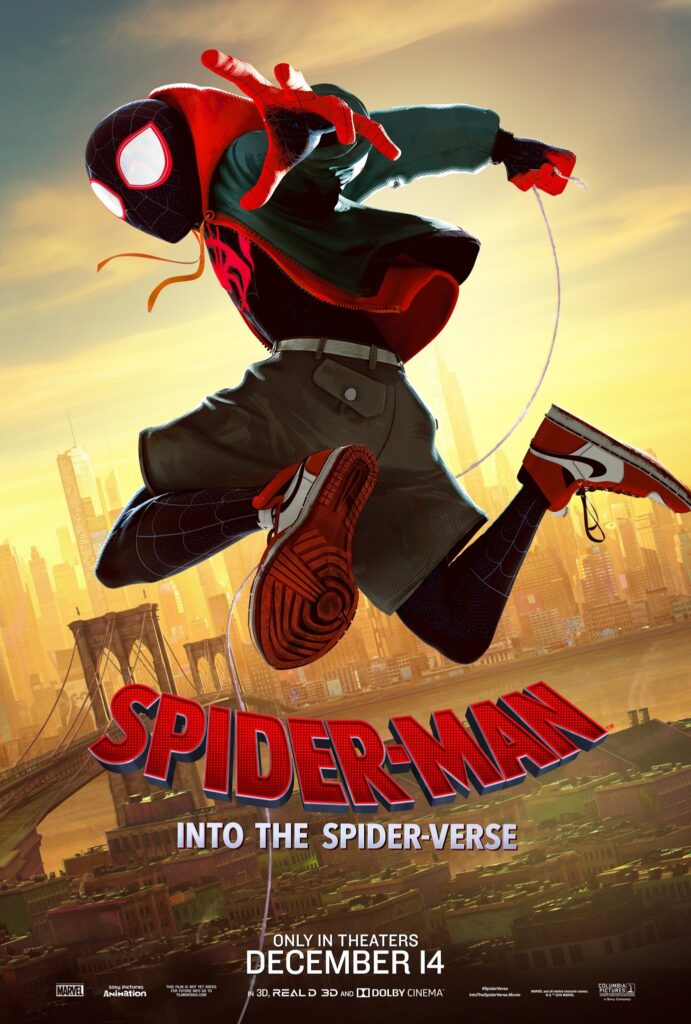
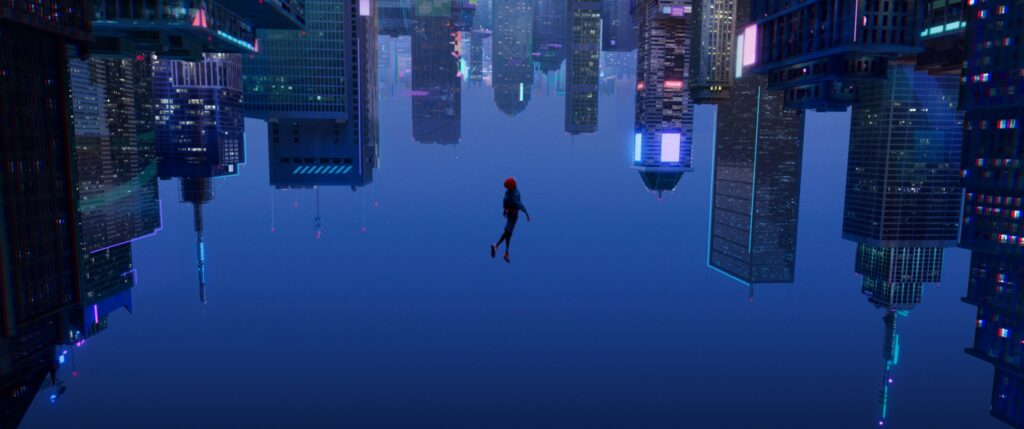
Spider-Man: Into the Spider-Verse lands second on this list, a monumental leap forward that begins with a young Miles Morales in a gorgeously animated world straight out of a comic book, one that never once felt this unique, delivering a brand new Spider-man with a brand-new origin, defying the typical storyline. The film’s color, soundtrack, needle drops, and emotions are all fantastic across the board, with the death of Peter Parker memorial standing as a powerful and deeply emotional call for a new Spider-man in Miles, a scene that somehow hits even harder upon rewatch. A new and much older Peter B. Parker Spider-Man from another universe appears and begins to mentor Miles on how to be Spider-Man and stop Kingpin, and this is the film that handles multiple villains better than any other Spider-Man movie, doing a truly great job juggling so many distinct designs at once. Miles plans to close the portal in order to send the five Spider-people home, but they are chased by Miles’s own uncle, revealed to be the Prowler, alongside a female Doc Ock, Tombstone, and Scorpion employed by the film’s big bad, Kingpin, but the Prowler reveal remains the central gut punch that raises the stakes of the entire back half to even higher heights. The Leap of Faith scene has become legendary and rightfully so, beautiful in every definition of the word and stunning in every conceivable way, while the final fight is a huge burst of color; that scene, especially the Leap of Faith, is what defines this first film and explains why it has developed the love and admiration it now enjoys. Into the Spider-Verse is a fantastic origin story offering a genuinely new look at Spider-Man, and Miles Morales is something the world truly needed, the purest embodiment yet of the idea that anyone can put on the mask, delivering the character’s core theme more directly than any film before it.
Into the Spider-Verse was produced by Phil Lord and Christopher Miller and conceived as a deliberate rejection of every visual and tonal convention an animated superhero film had ever established, with directors Bob Persischetti, Peter Ramsery, and Rodney Rothman building a visual language drawn from comic book printing itself, including Ben-Day dots, offset color, hand-drawn typography, and motion blue deliberately left unsmoothed. The animation was so painstaking that it took over a year for two animators on the project to produce just ten seconds of finished footage, an unprecedented level of commitment that fundamentally redefined what the medium was capable of. Centering the film on Miles Morales, an Afro-Latino teenager, as Spider-man was its single most significant creative and cultural decision, giving the world its first Black Spider-Man on the big screen with Shameik Moore’s voice performance at the emotional core. The film went on to win the Oscar for best animated feature along with a Golden Globe and a BAFTA for that category, accumulating 52 wins from 91 nominations to become one of the most decorated animated films of the entire decade. Made on a 90 million budget, the film grossed 375 million worldwide, a figure that genuinely underrepresented its cultural impact given that Sony had not been a dominant force in animation for years leading up to its release. The film is now cited alongside Toy Story, The Lion King, and Spirited Away as one of the most important animated films ever made, permanently expanding what the medium was understood to be capable of visually, narratively, and culturally, which is why its rating is a huge gap from the third spot at 96/100 from TwilightRoom.
1. Spider-Man: Across the Spiderverse
98.3/100 - Bob Persichetti, Peter Ramsey, & Rodney Rothman - 2023
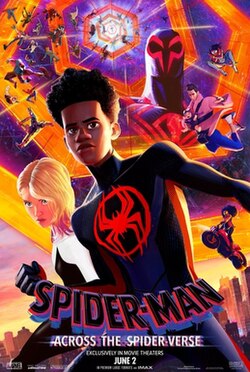

Spider-Man: Across the Spider-Verse takes our top spot on this ranking, and it is not particularly close: it opens with Gwen losing her Peter and immediately introduces a watercolor-inflected visual style that feels driven by emotion, blending her story seamlessly with Miles’s continuing path while riding perhaps the best soundtrack of the entire franchise. The introduction of Spider-Man 2099 reframes the series around Miles and the security of the multiverse, making Miguel one of the most complex characters in any Spider-Man film, while Gwen’s gorgeous art style and the heartbreak tied to her father give the film an unforgettable opening. Back on Miles’s side, the focus on him and his parents is beautifully authentic, especially in the way it captures an Afro-Latino family dynamic and the pressure of Miles becoming more and more of Spider-Man while unknowingly placing his family in greater danger, which is exactly the kind of emotional and cultural specificity the franchise had never quite achieved before. After Miles follows Gwen through a universal hole, he stops a canon event and the plot is thrown into motion, one of the most creative concepts the film has to offer, tying every Spider-Man to a shared event of loss in their life that is “unpreventable” and placing Miles at the center of an anomaly that threatens to destroy the web connecting them all. Miles, upon hearing this information, changes the way audiences see Spider-Man entirely, arguing that it is not fate but a responsibility to fight for what you stand for, a decision that becomes more impactful every time you revisit the film. The last hour in response to Miles’ defiance is unbelievable and delivers a cliffhanger that still somehow makes the film feel complete, a difficult balance that results in a fantastic sequel, one of the best ever made, and the clear best piece of Spider-Man content we have received this century, opening the door for the Spider-Verse trilogy to be one of the best of all time.
Across the Spider-Verse expands the visual ambition of Into the Spider-Verse by giving each universe its own distinct visual grammar, from Gwen Stacy’s Earth-65 to the Spider-Society’s Spanish modernism to Spot’s world dissolving into abstraction as his power grows. Its central argument that traumatic loss is canon to every Spider-Man sparked major discussion as both sophisticated superhero myth-making and a pointed critique of the franchise’s habit of repeating the same narrative beats. The film also earned major awards attention and became the highest-grossing film in Sony animation history at 690 million worldwide. It ends on a deliberate cliffhanger with Miles trapped in the wrong universe and facing a version of himself who has become the Prowler, building huge anticipation for Beyond the Spider-Verse, and it stands in our view as the best Spider-Man film and one of the strongest arguments yet for animation as genuine artistic ambition, earning a 98/100 from TwilightRoom.
Conclusion
Ranking these ten films is ultimately a testament to the sheer durability of a single idea: across three lead actors, two studios, live action and animation, and more than two decades, the everyman at the heart of Spider-Man has never once stopped working. The bottom of the list holds films sunk by studio interference and franchise overreach, the middle holds crowd-pleasing blockbusters and uneven sequels, and the top holds two animated films that redefined the medium entirely, yet every single entry is united by the same beating heart, which is exactly why the sentiment that there has never truly been a bad Spider-Man movie holds up even at the bottom of the ranking. What makes the character endure is exactly what makes him so rankable, the belief that anyone can put on the mask, a theme the Spider-Verse films made literal through Miles Morales and the Raimi films made deeply emotional through Peter Parker, and one no recasting or reboot has ever managed to break. Spider-Man has proven himself one of the most reliable forces in all of blockbuster cinema, the character behind the defining event film of the post-pandemic era in No Way Home and the cinematic symbol of New York itself ever since 2002, a hero whose films have shattered box office records and reshaped the entire superhero genre across generations. With Spider-Man: Brand New Day swinging into theaters this very week, the story is still being actively written, another reinvention of a character who has never needed anything more than a kid, a mask, and a sense of responsibility to become the biggest hero in the world. Twenty-plus years and ten films in, Spider-Man remains living proof that the most powerful thing in superhero cinema was never the spectacle but the person underneath the mask, and that is exactly why he will keep swinging back for generations to come.