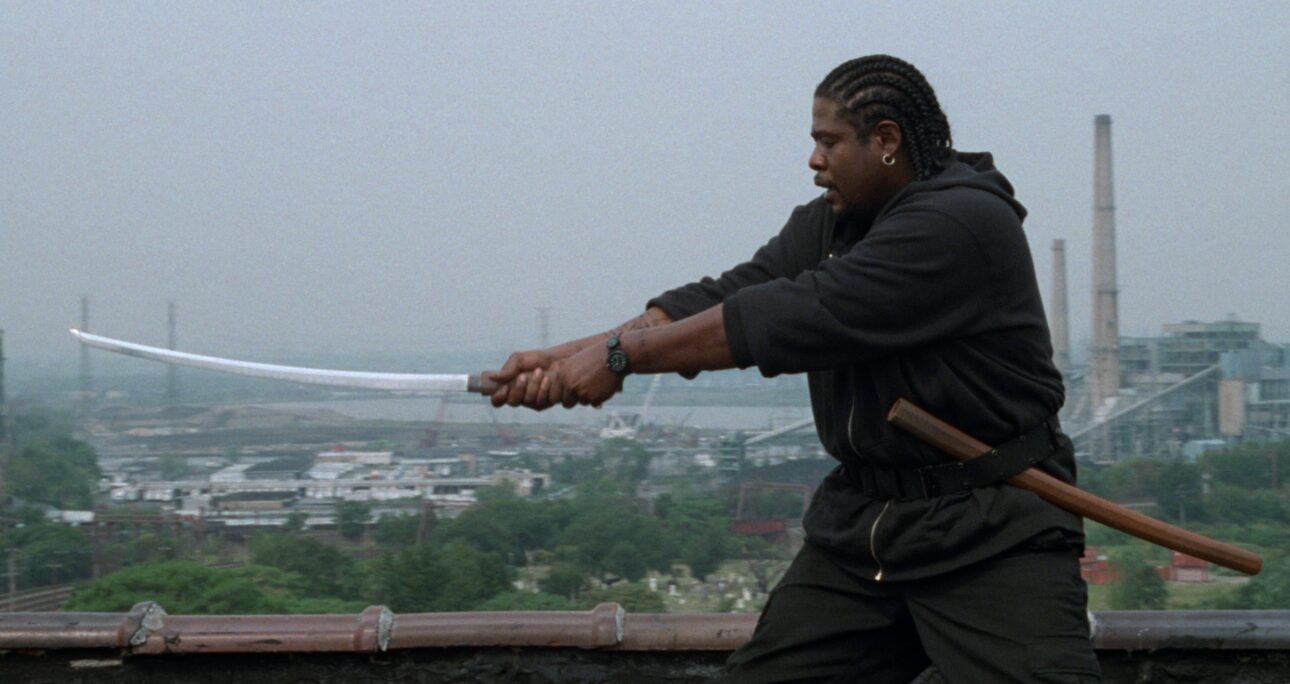
This week’s Throwback Thursday is one of Jim Jarmusch’s most unique and unconventional yet widely celebrated films, Ghost Dog: The Way of the Samurai,
blending urban crime storytelling, Japanese samurai philosophy, meditative character work, and deadpan comedy into an experience that stands as one of the defining cult classics of the ’90s. Set within a quiet, overlooked corner of New York City, the film follows Forest Whitaker’s Ghost Dog, a hitman who lives entirely by the teachings of the samurai and the principles of the
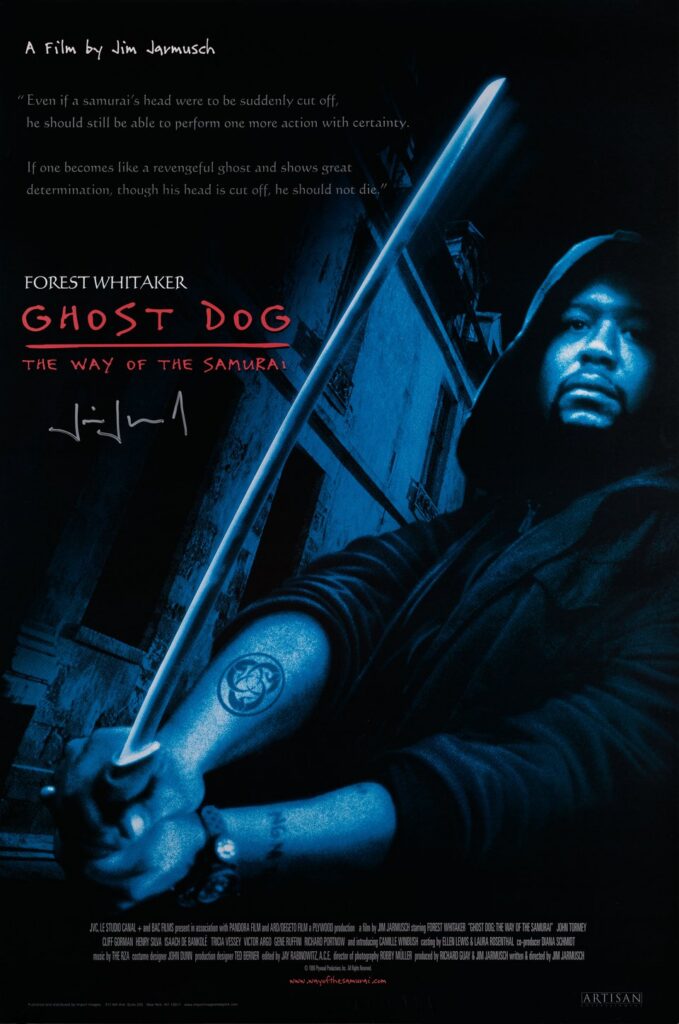
Hagakure, as he becomes entangled with the mob. Rather than functioning like a traditional gangster film, the movie becomes a philosophical reflection on loyalty, honor, mortality, and the idea of ancient codes struggling to survive within a modern world that no longer understands them. The film’s intentionally awkward editing, abrupt transitions,and quiet hip-hop score-driven pacing can absolutely lose certain audiences, which is likely why it was not a commercial success, but they also create a hypnotic atmosphere full of cool that becomes unlike almost anything else in American cinema. Ghost Dog: The Way of the Samurai succeeds because of its originality, meditative storytelling, and the way it transforms a simple hitman premise into a strangely beautiful blend of western, Japanese samurai, and crime filmmaking that delivers a deeply philosophical cult classic.
The film’s philosophical backbone comes entirely through Ghost Dog himself, a man who lives in almost complete isolation and structures every aspect of his existence around the teachings of the Hagakure and the principles of the samurai. Throughout the film, passages from the text appear on screen and through narration, transforming what could have been a straightforward hitman story into something far more meditative and reflective. After an assignment goes wrong and an eyewitness is unexpectedly left alive, Ghost Dog learns that the very mafia figures who once employed him now view him as a liability and have ordered his execution. Rather than reacting with panic or anger, he accepts the situation through the lens of samurai philosophy, treating death as an inevitable part of a warrior’s existence and continuing forward with an almost unsettling calmness. The monologues and philosophical reflections elevate the film enormously, giving Ghost Dog an introspective and spiritual quality that separates it entirely from traditional gangster cinema and allows its themes of loyalty, honor, and mortality to resonate on a much deeper level.
Jim Jarmusch’s filmmaking style becomes equally important to the experience, as the film is intentionally edited and paced in an unorthodox manner filled with long periods of quiet, abrupt cuts, awkward humor, and strange rhythms that constantly remind audiences they are watching something completely original. Conversations frequently linger in silence and moments of violence are often followed by deadpan comedy and absurd interactions that somehow make the film feel both meditative and strangely funny at the same time. The mafia members themselves are portrayed less like intimidating gangsters and more like outdated relics, spending much of their time arguing, watching cartoons, and behaving almost comically despite the danger they represent. This unusual portrayal becomes one of the film’s central ideas, as both the samurai code and organized crime are shown as dying traditions struggling to survive in a modern world that has long moved beyond them. The result is a crime film unlike almost any other, one that feels simultaneously philosophical, humorous, and hypnotically cool in ways only Jim Jarmusch could create.
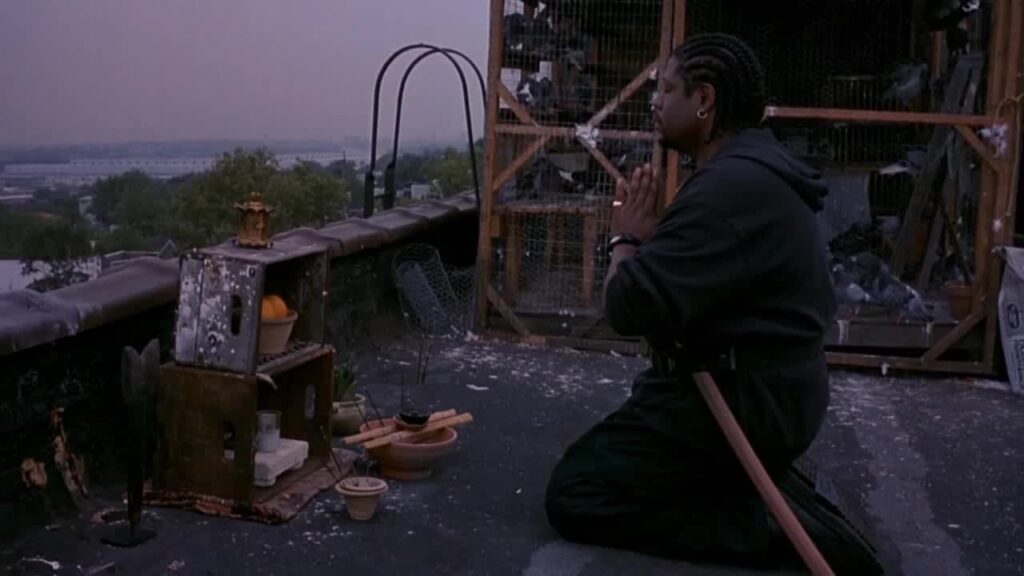
Forest Whitaker delivers one of the finest and most acclaimed performances of his career, creating a protagonist who is simultaneously intimidating, gentle, lonely, and deeply philosophical. Ghost Dog spends much of the film wandering through a quiet and dreamlike version of New York, caring for his pigeons, reading passages from the Hagakure, and interacting with people who often don’t understand his way if life, further emphasizing his separation from the world around him. As the mafia closes in and his pigeons are eventually killed, the emotional stakes suddenly become far more personal and reveal the tragedy that sits underneath the film’s calm exterior. Despite making his living as an assassin, Ghost Dog often behaves with more honor and compassion than nearly everyone pursuing him, making him one of modern crime cinema’s most sympathetic and morally fascinating protagonists. Whitaker’s restrained performance and complete commitment to the role elevates every philosophical and emotional idea the film attempts, transforming Ghost Dog into an almost mythological figure and cementing the movie’s status as one of the great cult classics of the 1990s.
The ending of Ghost Dog embraces tragedy and inevitability, as our main man ultimately accepts his fate in accordance with his teachings he has followed, making these philosophical texts lead to his demise. The conclusion mirrors the principles of the Hagakure that clearly drive the film in all facets, presenting death not as defeat but as a final act of a life lived entirely according to one’s code. While the film’s pacing, awkward structure, and philosophical dialogue will certainly not connect with every audience, those elements are also precisely what make it so memorable and singular. Nearly three decades later, it remains a defining moment in Jim Jarmusch’s career as his magnum opus and career defining work, and one of the great cult classes of modern independent cinema. Ghost Dog: The Way of the Samurai is an unconventional, meditative, and deeply original crime film that blends samurai philosophy and urban America in a way no other film truly has, earning it an 81/100 from TwilightRoom.
TwilightRoom Score: 81.9/100