Illustrious Corpses is perhaps a more out of the ordinary Throwback Thursday for us but as it arrives as part of Radiance Films’ 50% off sale this month, we
thought it would be good to bring awareness to the 4k release of one of their most unique and available titles, standing as one of the great additions to the international post-war paranoid conspiracy thriller canon. Directed by Francesco Rosi, one of the first and more important artsy paranoia directors in cinema history, the filmmaker coined the term “cine-inchiesta”, or film investigation,
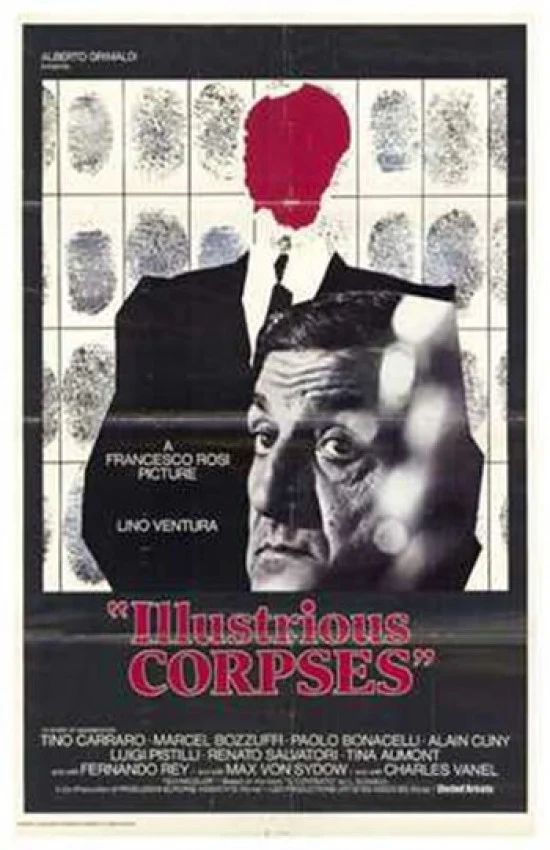
to describe his approach, a style that blends documentary news instinct with a fictional narrative in a brutally real effect. Adapted from Leonardo Sciascia’s novel Il Contesto, Illustrious Corpses was made with two strands running simultaneously, a linear-ish police story and a deeper exploration of Italian cultural, societal, and political reality with both complimenting with each other rather than competing. The background of the film is strikes, student protests, and violent repression, an Italy that is in visible crises, and every old building and modern facade in the film beautifully shown but fake and mysterious simultaneously. Illustrious Corpses is a deeply compelling and methodical watch, though one that requires a lot of patience, it’s the kind of film that rewards the audience who gives it the full attention its slow-building paranoia demands.
The film opens with a man walking quietly through a room full of dead bodies, an immediately unsettling image that establishes the tone before a single word of dialogue has been spoken. A detective is hired to look into a series of deaths connected to a figure known as the Mafreen, pulling him into a conspiracy that grows wider and more dangerous the deeper he goes. The inspector makes it clear from the outset that he intends to take down the Mafia all the way to its leadership, particularly after they kill a judge — an act that raises the personal and political stakes of the investigation almost immediately. Conflicting witness stories begin to imply a larger corruption running underneath the surface of everything, making the case considerably harder to pin down as the bodies continue to pile up. The film is deliberate in how it builds this setup, with Rosi’s detective being deeply methodical and calm throughout, treating everything around him like pieces of a puzzle to be assembled rather than a threat to be reacted to.
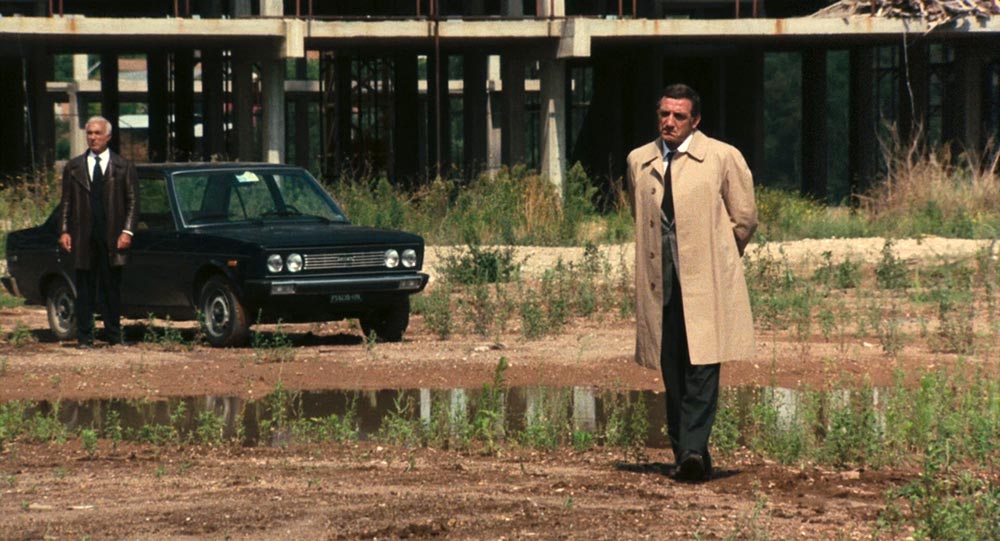
The shooting scenes and camera angles are extremely unique, with nothing ordinary about the way Rosi frames his world — overhead shots, shots through windows, shots through crowded spaces, all suggesting a world that is always being watched from somewhere unseen. The camera is clearly handheld and very shaky throughout, a choice that adds considerably to the film’s atmosphere of instability and unease at its best, though at other times it takes slightly away from the momentum the film has been carefully building. Every old building and modern facade in the frame feels as though something is being hidden behind it, and Rosi’s use of real Italian locations gives the entire film an unsettling sense of immediacy that purely constructed fiction could never replicate. Making the film identifiably set in Italy was the biggest change Rosi made from novel to screen, and it was the right call, it transforms the experience from a reader entering a separate world into a viewer leaving the theater and stepping directly into the same corrupted, complex world they just watched unfold on screen. The film’s visual grammar reinforces its core argument at every turn: that the line between the official and the criminal, between the state and the Mafia, is not just blurred but possibly nonexistent.
The murder scenes themselves are extremely abrupt and creative, standing as the clearest highlights of the film as more deaths occur surrounding the investigation and the stakes continue to quietly escalate around the detective. Each killing arrives with very little warning and is executed with a directness that cuts sharply against the film’s otherwise deliberate pacing, a contrast that makes every one of them land with far more force than a more conventional thriller would allow. Rosi coined the term cine-inchiesta to describe his approach and it shows throughout, with the investigation sequences feeling less like genre filmmaking and more like a documentary crew embedded in something real and still unfolding. The background of strikes, student protest, and violent state repression gives every murder real political weight, making each one feel less like a narrative plot device and more like a symptom of a larger ongoing crisis that no single investigation will ever fully resolve. Rosi’s film becomes deliberately opaque as it progresses, making all his characters hide something that is never fully revealed to the audience, a choice that keeps the paranoia at a constant and deeply uncomfortable pitch from the midpoint to the finish.
The film ends with the line “the truth is not always revolutionary,” a closing statement that crystallizes everything Rosi has been building toward, a bleak acknowledgment that uncovering corruption doesn’t necessarily change anything about the world producing it. Making a political film from a fictional novel gave Rosi the freedom to tell his own story in a way that his other films, based on real news reports and documented events, couldn’t quite achieve, giving him the room to push the paranoia all the way to its most unsettling and logical conclusion. The film operates on two tracks simultaneously, the police procedural and the exploration of Italian political reality, and the genius of the approach is that neither track ever fully dominates, leaving the audience perpetually uncertain which story is actually being told and whether there is any meaningful difference between them. The film was considered something of a white elephant for quite some time before its 4K restoration finally gave it the wider audience it long deserved, reinforcing how often genuinely important political cinema gets buried under the weight of its own ambition and uncompromising tone. Rosi’s other films had a documentarian disappear while researching a film within the film surrounding the Sicilian Mob, a detail that underlines just how personal and real the territory of Illustrious Corpses his other work actually was to the reality of the time, this is not paranoid fantasy but paranoid reality dressed up in the clothes of a detective story.
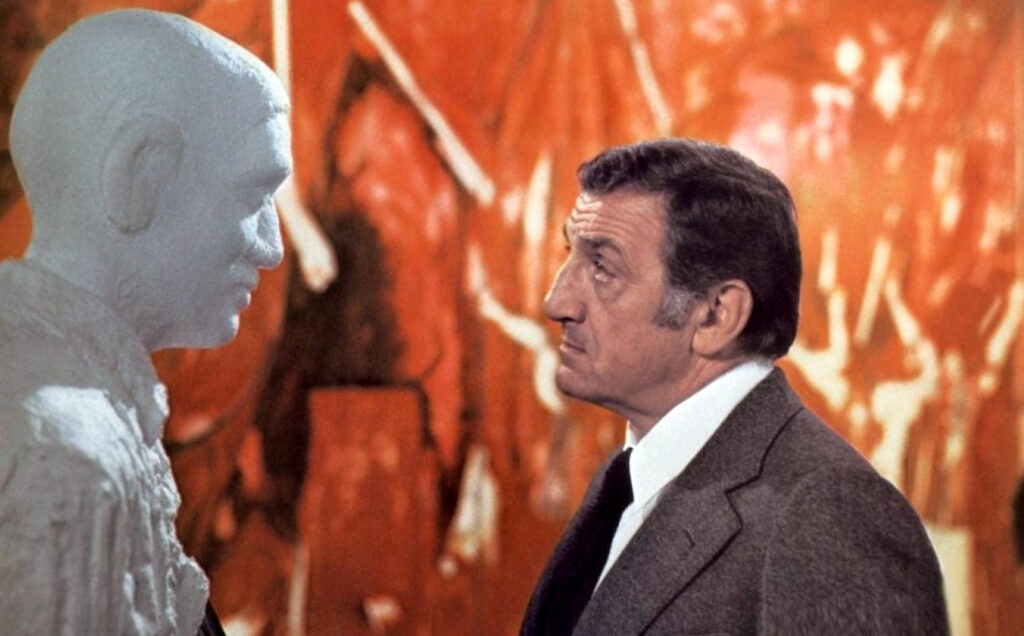
One of the final scenes of the film a man walking through a museum very quietly as the detective repeats the same walk with nothing but ambient noise as they are both shot at the end of the progression through the POV that has been filming the detective throughout is the best scenes in the film by far, a moment of pure cinematic restraint that lands with tremendous weight. The film ends on deliberate ambiguity, making all its characters hide something that is never revealed, leaving the audience exactly as disoriented and unsettled as the world it depicts. As a throwback Thursday entry it sits in the tradition of the great paranoia political thrillers, an unorthodox addition but a great one to the international post war conspiracy canon alongside its closest contemporaries in the genre. Francesco Rosi’s legacy as one of the earliest and most important artsy paranoia directors in cinema history is on full display here, and Illustrious Corpses rewards the patience it demands with a viewing experience that lingers considerably after the credits begin to roll. It is certainly not a perfect film, and the handle camera and slow pacing will test some viewers, but as a piece of political cinema built on genuine paranoia and genuine danger, it earns its place in the conversation, earning a 77/100 from the TwilightRoom.
Twilight Room Score: 77.4/100