Maggie Gyllenhaal’s The Bride! is an ambitious and visually intruiging reworking of the Frankenstein mythos, but its chaotic storytelling and uneven wiring prevent its bold idea from fully succeeding.
The Bride!’s opening scene begins with what becomes a defining characteristic of the film, a wild scene of an alive woman exploding into an euphoric Tourettes-like outburst leading to her eventual death. It’s a scene that sets the tone for director Maggie Gyllenhaal’s reimagined Frankenstein mythology story, set in an early 1900s Chicago and New York setting. The Jessie Buckley and Christian Bale lead remake is more representative of a blog and chaotic reinterpretation of the characters, from a story that has been told in film since 1935. The film takes a giant swing in almost every new sequence leaning heavily into experimentation with its tone and style as opposed to the safer and traditional approach many present directors take with their remakes. An approach that is exactly what audiences need, and what produces a well done and new feeling film, along with many failures along the way; but that’s what makes the good ones that much better. Maggie Gyllenhaal’s The Bride! is an ambitious and visually intriguing reworking of the Frankenstein mythos, but its chaotic storytelling and uneven wiring prevent its bold idea from fully succeeding.
After the initial scene we are set up with Frankenstein’s monster, going by Frank mostly in the film, 100 years after his creation in search of a companion to cure his loneliness, a concept incredibly similar to the source material. After finding a doctor that makes his Bride, we are initially greeted with what the audience believes to be the same type of language and understanding as the original monster, which is soon altered to be a lingering gothic Tourettes, led by the author of the original novel, Mary Shelley from her mind. The story continues as the two run off together after an incident causing two murders, leading to a chaotic and romantic chase film as the two characters learn more about themselves than they anticipated. It’s a plot that is incredibly jumbled at many points, setting up relationships outside of the the main two characters that never come to fruition, making the film a mixed bag of creativity and messiness.
What the film truly does right is Jessie Buckley and Christian Bale’s performances and chemistry. Buckley is yet again, after a shoo-in Oscar in a week for Hamnet, brilliant as the Bride, delivering an energetic, erratic and nuanced performance that carries the film. Her physical acting and facial expression mirror that of the 1935 film as much as they sell this new and chaotic character that Gyllenhaal created to establish something new. Her character slowly becomes this dangerous and symbolic figure for women as she finds her own identity and how it blends with the monster’s in a way that truly is the captivating moment of the film. Bale’s performance is fantastic in the complimentary aspect, it’s restrained, which is a positive and negative at points, while he clearly is able to identify he is not the star of the film and more of a piece to move Buckley’s character to its end point. However, the Frankenstein character does often feel limited in his depth, a common trait that seems to affect every side character the film presents. Although Jake Wiles (Peter Sarsgaard) and Myrna Holley (Penélope Cruz) are compellingly performed, the roles feel underdeveloped, as if the film’s stylized storytelling and technical craftsmanship took precedence over the character work that might have elevated it.
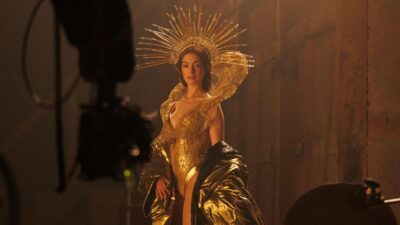
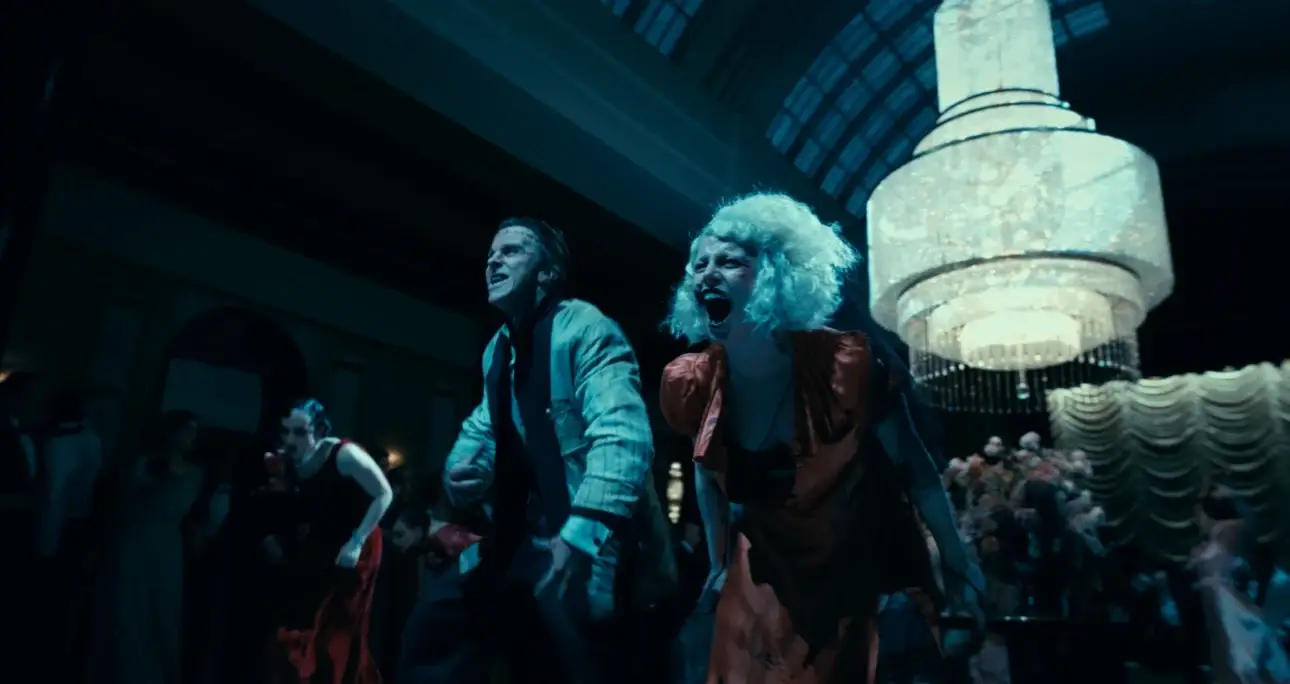
While the tone and style may take away from important parts of the film’s overall success, its very chaotic energy produced by Gyllenhaal resembles an unpolished and experimental style that felt like more of a success than a failure. The film feels bold and although at times very unfocused, jumps between horror, dark comedy, crime thriller, and romance seamlessly hinting at a director that is finding her footing rather than losing it. Its style is so strong in its 1930s New York and Chicago-style set design, building a unique atmosphere that clearly carries the majority of the film’s intrigue in early audiences’ eyes.
Many of the film’s big swings mentioned in this review are supportive of the core concept of a bold commentary mixed with an old gothic novel, but the pacing does become quite messy towards the end of the film. So many plot ideas are established from characters that don’t get fully developed, ending in the ideas not getting developed either. Examples like the concept of Mary Shelley’s voice existing in the Bride’s head and the relationship between the gangsters and the detectives to her, just are not solved enough by the film to feel like they were worth the early screen time. Much of these flaws in narrative are what hold it back from being more than just a unique concept that will hit with some but not all audiences.
The Bride! is an extremely ambitious reinterpretation of a film that has been famous for almost a century now, with a much needed creative change. Gyllenhaal’s unique ideas and the performances from Buckley and Bale make her stylistic choices more of a hit of a film than a miss. However, the uneven writing and underdeveloped ideas and final act keep the film from becoming something truly great and meeting many audiences expectations. The film still remains fascinating despite its flaws, proving that its bold swings do often outweigh its shortcomings, earning it a 76/100 from the TwilightRoom.
Twilight Room Score: 76.7/100