This week’s Throwback Thursday goes back to one of the most recognizable comedy mystery films of the 1960s, The Pink Panther, donning the famous pink cat and a stylish vintage heist comedy that
would eventually launch one of the cinema’s most iconic comedy franchises through Inspector Closeau. Directed by Breakfast At Tiffany’s creator Blake Edwards, the film immediately establishes a glamorous and elegant atmosphere through its now legendary animated opening and beautiful European visual style.
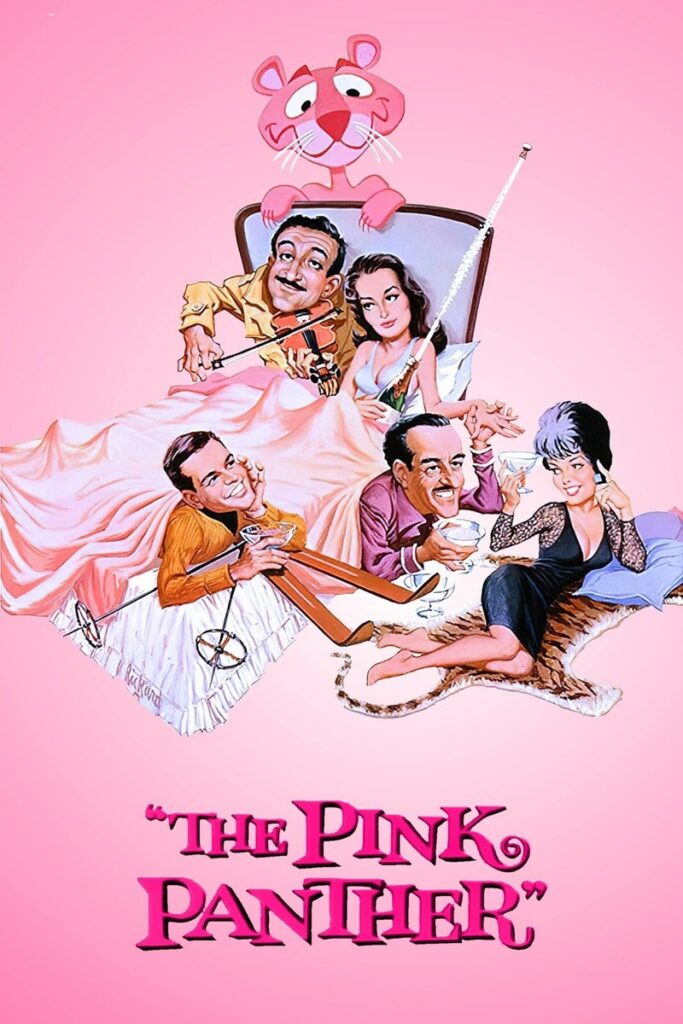
The Story follows the mysterious jewel thief known as “The Phantom,” whose next target appears to be the famous Pink Panther diamond while the hilariously incompetent Inspector Clouseau attempts to uncover the truth and capture the thief. The film mixes sophisticated upper-class mystery storytelling with slapstick comedy, romantic deception, and elaborate misunderstandings, creating a very different comedic tone compared to modern mystery films. While parts of the comedy and pacing certainly feel dated by today’s standards, The Pink Panther remains entertaining through charm, style, and the beginning of what would become one of comedy cinema’s most famous characters.
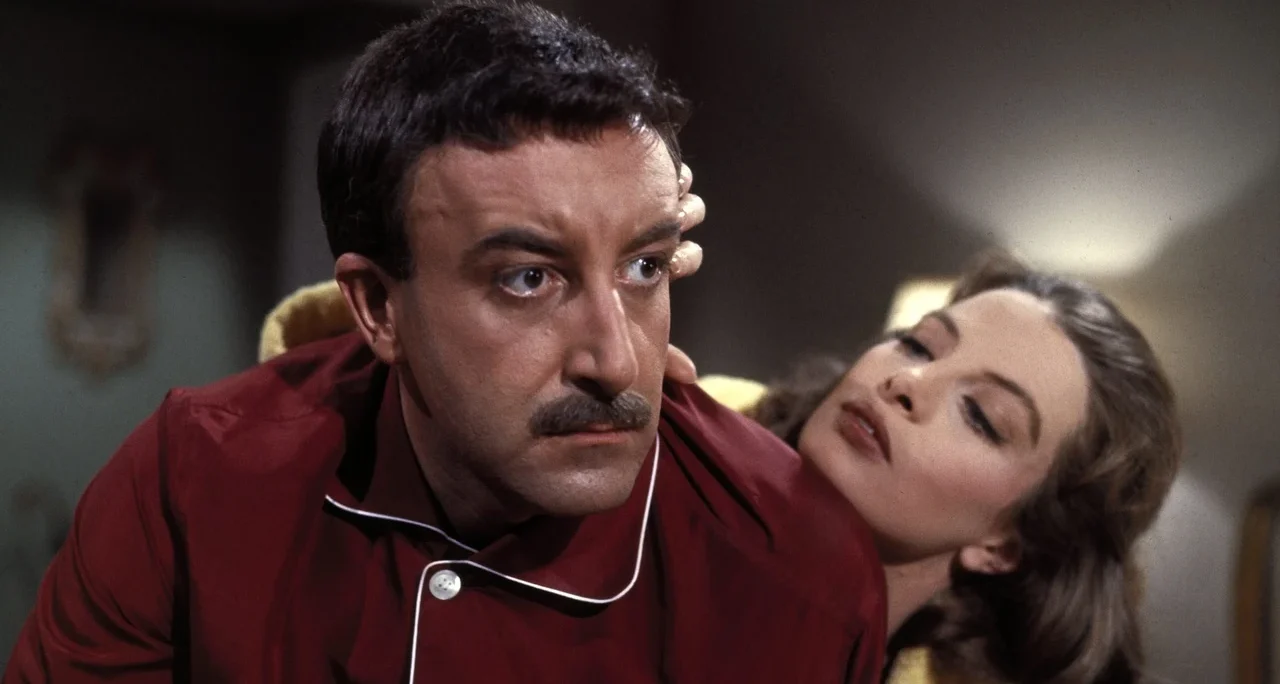
The central mystery of the film quickly establishes the dynamic between the intelligent jewel thief “The Phantom” and Inspector Clouseau, whose inability to properly read situations becomes one of the movie’s main comedic devices. Clouseau heads toward the Tyrolean Alps suspecting the famous Pink Panther diamond will soon be stolen, though the audience is intentionally given information far before the inspector himself understands anything. Sir Charles Lytton is presented suspiciously almost immediately, making it fairly obvious to viewers that he may in fact be the Phantom long before the mystery officially unfolds itself. Much of the humor comes from watching Clouseau completely fail to notice obvious romantic affairs, suspicious behavior, and manipulation happening directly around him, while his own wife Simone slowly becomes more involved in the conspiracy itself. The film leans more into charm, misunderstanding, and upper class social comedy than actual detective intelligence, making the mystery secondary to the personalities and awkward situations surrounding the jewel.
The comedy style throughout the film feels extremely vintage, relying heavily on exaggerated reactions, physical comedy, upper-class satire, and awkward misunderstandings rather than constant punchlines or rapid modern humor. Inspector Clouseau’s complete incompetence creates many of the movie’s funniest moments as he unknowingly becomes involved in the very crime he is attempting to solve, with Peter Sellers already showing flashes of the iconic comedy performance the franchise would later become known for. The glamorous hotel settings, ski resorts, costume parties, and elegant European atmosphere give the film a sophisticated visual identity even when the actual humor becomes intentionally ridiculous and chaotic. Romance and cheating become heavily intertwined with the mystery itself, especially as Clouseau slowly begins realizing his wife may be far more connected to the Phantom than he initially believes. Even when certain jokes no longer land perfectly today, the film still remains entertaining because of its charm, pacing, and commitment to stylish comedic absurdity.

The movie’s large costume party sequence becomes the major convergence point for nearly every important character and misunderstanding within the story, pushing the mystery fully into chaotic farce territory. Two ape costumes create additional confusion during the attempted jewel theft while the safe holding the Pink Panther diamond becomes increasingly vulnerable as multiple characters secretly pursue their own agendas surrounding the priceless jewel. Blake Edwards stages the sequence almost theatrically, relying heavily on timing, entrances, mistaken identities, and escalating confusion more than realism itself. The film’s ability to juggle multiple suspicious characters at once gives the mystery a fun unpredictability even if the actual reveal itself feels fairly obvious fairly early into the narrative. The sequence also highlights how much the movie values style, movement, and comedic rhythm over tension or detective realism, embracing the absurdity of its own mystery setup.
After the diamond disappears, it initially appears that Sir Charles may finally have been exposed as the Phantom, creating one final dramatic push before the film’s final reveal. The movie then twists expectations slightly by revealing that the Princess herself had moved the jewel after realizing Charles was in danger, leading her and Simone to work together in an effort to save him from legal trouble. Their plan ultimately involves planting the diamond onto Inspector Clouseau himself during the courtroom sequence, placing all blame onto the completely oblivious detective instead. The ending fully commits to humiliation comedy as Clouseau unknowingly becomes the victim of the very mystery he spent the entire film attempting to solve and unravel. While the final reveal itself is not particularly shocking, it perfectly fits the film’s commitment to misunderstanding, chaos, and elegant comedic embarrassment.
Peter Seller’ as Inspector Clouseau is a performance for the comedy ages easily becoming the defining element of the film and the reason the franchise exploded into popularity afterward. What began as more of an ensemble mystery comedy unexpectedly transformed into the launch point for one of cinema’s most iconic comedic characters in history. Blake Edwards’ direction balances elegant visually style with physical comedy surprisingly well, even if certain pacing issues occasionally slow the move down and age the title. The Pink Panther works far better today as a charming piece of vintage comedy history than as an airtight mystery heist film, but that charm still carries out most of the way to a good film. Overall, Pink Panther remains a fun and historically important throwback watch whose stylish atmosphere, classic comedy identity, and iconic franchise legacy outweigh many of its weaker narrative elements.
Twilight Room Score: 74.9/100