After the wild success of Fennell’s last film Saltburn, and the announcement of her new film starring Margot Robbie and Jacob Elordi, romance lovers, book lovers, and film lovers alike came together to check out the newest Wuthering Heights adaptation, providing an audience reaction that proves the undeniable emotional impact of the IP.
A film that promises and delivers a gorgeous set design along with Charli XCX’s magnificent score creates the vibe for a massive romantic tragedy, but unfortunately ends up falling short in its authenticity of its emotional manipulation, ability to tell a story through plot and dialogue, and production of a faithful adaptation. It is a film that is beautifully shot, and emotionally charged as an adaptation that succeeds in its on screen chemistry, but has glaring struggles with pacing, fully fleshed-out side characters, and fully immersing its audience in the world. From the beginning of the film Fennell implies there will be a similar sexual connotation and erotic story to Saltburn, but it becomes evident throughout the film, it is a much more forced fanfic-like connotation than what was needed for the film to be fully effective.
The film begins with Catherine and Heathcliff as children played by Charlotte Mellington and Owen Cooper, as we see their bond being established as a mix of class discrepancy, young love, and years of emotional foundation shaping. The foundation of their relationship is built on the idea that while Catherine and Heathcliff grow as friends, he was once assigned as her pet, a sense of toxicity that seems to quietly grumble in the background of their lifelong budding romance. As the story progresses through the first act, and the actors switch, the film very slowly burns forward, creating the first flaw of the film. That being for a film so set on straying from the source material, its way of navigating through the story feels like it would be better written in a book than seen, an ironic turn considering the faithfulness of the adaptation. The film’s turning point is in Heathcliff’s departure from Wuthering Heights separating the two, as we are left just with Catherine’s story until Heathcliff returns, and they finally confess their love. From then on, much of the rest of the film lacks any of the character development from either of the two main roles needed, as the film seeps further into a fanfic that requires a context that the audience lacks—eventually leading to a large scale tragedy as their forbidden love comes to an end, halting the film at the death of Catherine quite suddenly, despite much of the story left to tell.
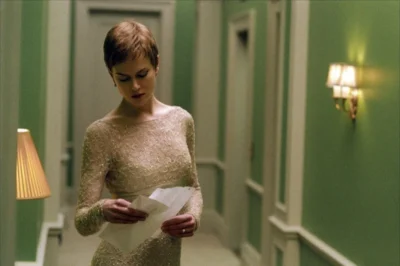
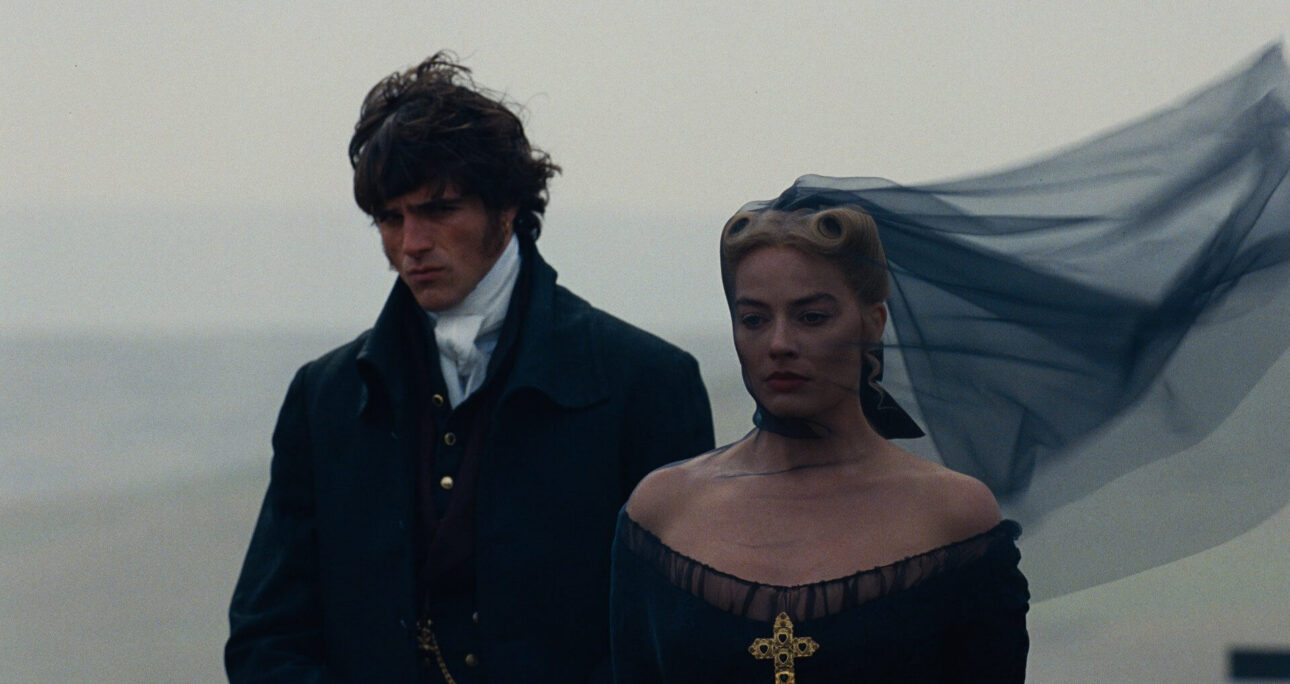
There are however, many things to enjoy about this film, beginning with overall cinematography that is stunning to the eye. It is hard for a film to capture the essence and vibe of the time period while also appealing to the present audience, and it is what Fennell excels at in this film. She takes one of the best working artists in Charli XCX and slows her music down in order to create an ethereal experience that builds the large pedestal for the film to succeed on top of. With all of this success in technique and capturing of the period, the background still feels just as the word suggests, a background. Despite the beauty of the film’s visuals and audio, nothing feels very immersive in the film, leading to a lack of grounding and suspension of disbelief. It causes the film’s largest strengths to lead to the largest faults as opposite aspects of the movie are so vastly different in quality, the film ends up feeling out of place as a whole.
However, the one other strength of the film, which seems to be a divided opinion, is the acting performances of both Heathcliff actors, Owen Cooper and Jacob Elordi. While Cooper delivers an emotional performance that seems to be the highlight of the emotional base for the film, Elordi delivers a mysterious, lustful, yearning performance that while campy at times, delivers the emotional note audiences needed. Further, its adaptation of Nelly as the largest side character of the film, was extremely well done as she presents herself as both a caring, jealous, malicious friend/antagonist that adds a weight to the film it otherwise desperately misses from its other side characters. Additionally, It may be an unpopular opinion, but Elordi’s chemistry with Margot Robbie was solid and their love felt real at the moments it was expressed fully, such as at the end of the film; there was just such a lack of true love expression written in to the script that this chemistry was never able to be fully proven. Nonetheless, the film achieves a certain audience, and a certain emotional reaction, that it clearly hoped for through its marketing, that is undeniable, establishing itself as the year’s most popular release so far, despite its flaws.
Emerald Fennell in collaboration with two of Hollywood’s biggest stars, delivers a visually impressive and emotionally charged gothic romance, a vibe and quality the film promised from its original announcement. While its strong central chemistry and atmosphere kept audiences in their seats, the film is largely held back by its pacing, artificiality, and its severe lack of exploration into its side characters, who barely even warrant a mention in the review.
Wuthering Heights is ambitious and emotionally affecting but not even close to fully cohesive causing it to fall fairly short of my anticipated 77/100 rating, in favor of a final rating of 66/100 from the TwilightRoom.
Twilight Room Score: 66.7/100