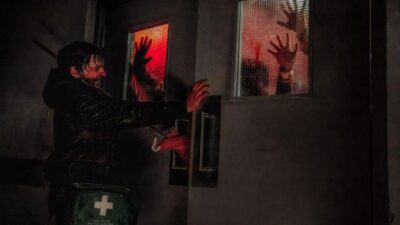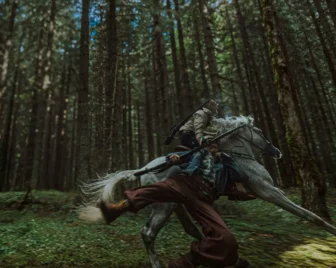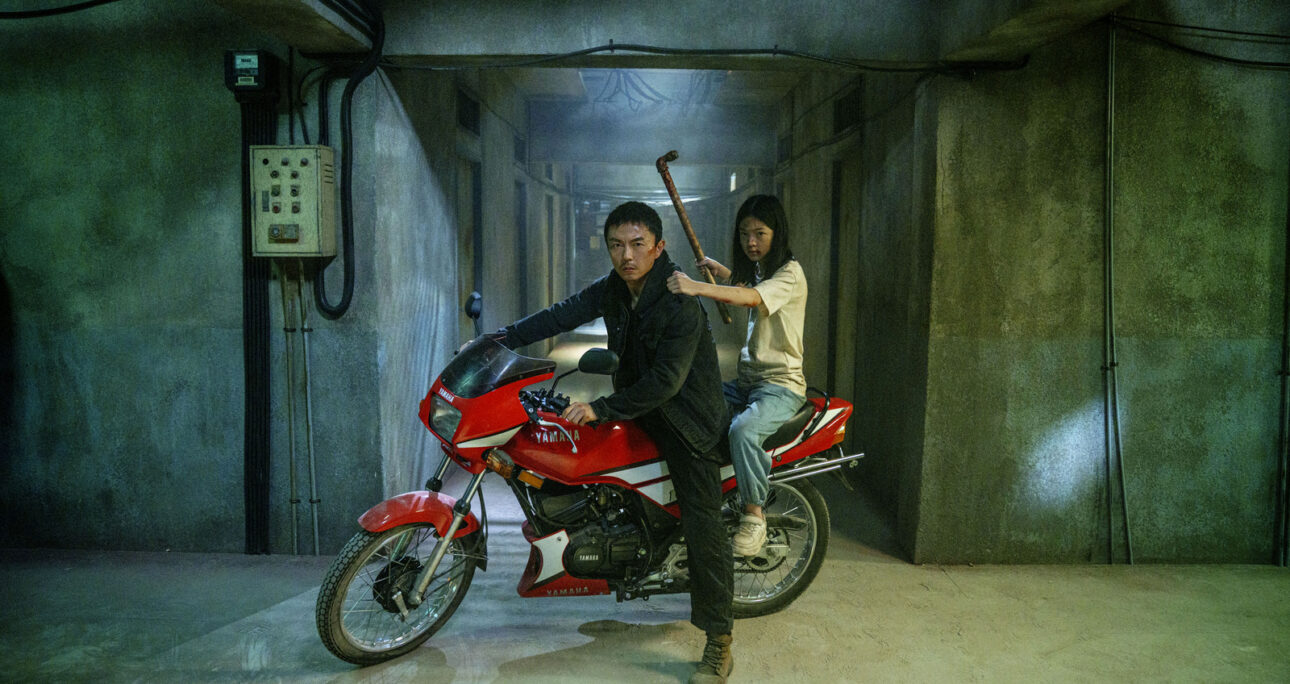
TwilightRoom was invited to an All Media early screening for the new action film The Furious, which immediately establishes itself as a pure action-driven revenge
thriller, prioritizing brutal choreography, nonstop pacing, and practical combat spectacle over complicated storytelling or emotional nuance. The film follows Wang Wei, a mute Chinese father whose daughter is abducted by a trafficking organization, forcing him into a violent rescue mission against a criminal network far richer, deeper, and more corrupt than he initially expects. During his chase down, Wang Wei encounters another
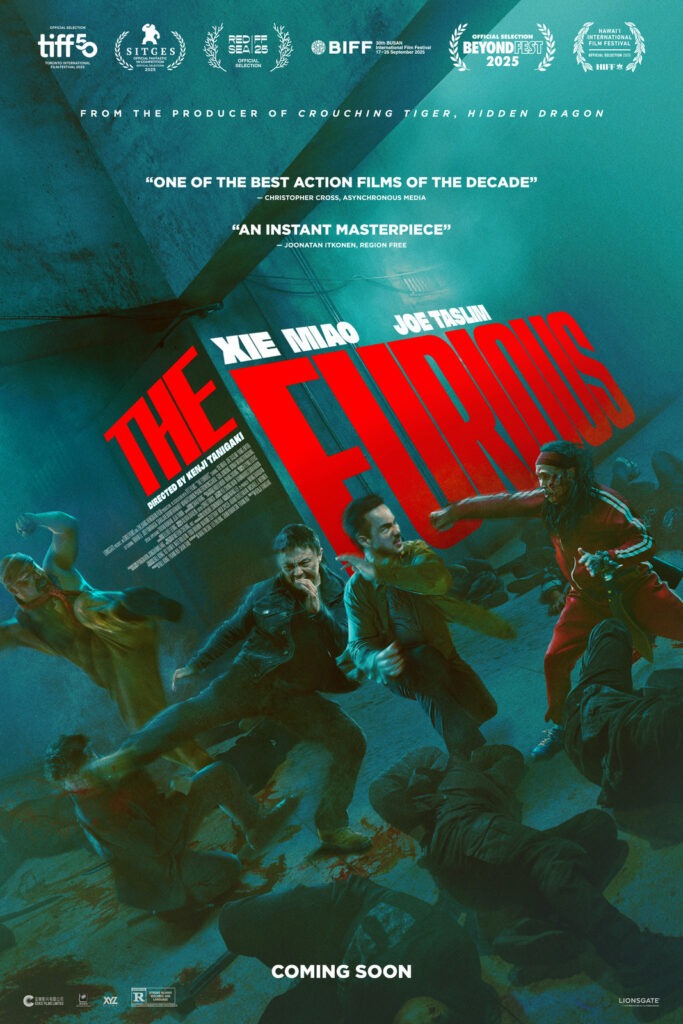
man attempting to dismantle the same operation after losing his reporter wife while she investigated information connected to the kidnappings, creating a revenge partnership that drives much of the film forward, and establishes the main protagonist duo of the film.
While the overall narrative itself remains extremely simple and mostly functions as a setup for action sequences, the choreography and practical brutality become so entertaining that the simplicity rarely hurts the experience. The Furious feels heavily inspired by films like Oldboy in its hallway combat, hammer fights, and brutal stunt work, while also channeling the nonstop escalation and underworld pacing of a John Wick‑style action film. The movie completely understands what audiences are showing up for, leaning hard into practical stunt work and brutal physical fights, with plenty of knives, bows, and arrows in the mix, delivering crowd‑pleasing action spectacle for nearly its entire runtime. The Furious, despite occasionally lacking deeper emotional development or realism in its combat, still delivers as one of the most entertaining and brutally choreographed films in recent memory, and stands as the best action flick of the year so far.
Wang Wei is introduced as a quiet, emotionally restrained father whose life collapses the moment his daughter is abducted, pushing the film almost instantly into desperate revenge‑thriller territory. What first looks like a small-time gang kidnapping gradually unfolds into a far larger trafficking network, pulling in corrupt businessmen, hidden facilities, hired assassins, and wealthy elites who operate comfortably above the violence they fund. During his search for those responsible, a bond slowly forms between Wang Wei and Navin, allowing the film to layer a second, shocking revenge perspective onto the rescue storyline. This shift transforms it from a familiar lone‑wolf revenge tale into a gripping two‑man crusade. The partnership between the two men stays relatively simple on an emotional level, but it works because both are driven entirely by rage, grief, survival, and a shared need to obliterate the operation that destroyed their families. The film wastes almost no time moving audiences into brutal action sequences, interrogation scenes, and violent encounters, keeping the pacing extremely fast with very little downtime between major moments.
The Furious truly shines through its practical action choreography, delivering some of the most brutal, inventive, and physically exhausting fight scenes of the year. Nearly every major set piece is rooted in painful, close‑quarters combat, favoring hammers, knives, blunt objects, hallway brawls, bicycles, and ladders over glossy, CGI‑heavy spectacle. The film’s action style heavily resembles Oldboy at times, particularly through its fight scenes and anger, the long endurance combat scenes that run on from what feels like an entire act, where characters physically struggle to survive rather than looking effortlessly invincible. At the same time, the pacing structure, criminal underworld progression, and emotional loss and stakes clearly pull influence from John Wick-style storytelling, constantly escalating from one increasingly dangerous location and fight into the next. The choreography stays engaging because the camera often remains steady enough to showcase the stunt work and movement, instead of relying on the rapid cuts and shaky editing that plague many modern action films, even if the occasional low‑budget CGI or editing trick stands out a bit more than I’d like. Every major fight sequence, which pretty much encompasses the entire film received strong reactions from the audience during the screening because of just how brutal, creative, and genuinely shocking many of the kills and physical impacts became throughout the runtime.
Around the hour mark, Wang Wei finally reunites with his daughter, turning what seemed like the film’s end goal into a pivotal turning point and escalating the story into a larger mission to stop the entire trafficking scheme from coming to fruition. The rescue reveals a much larger facility tied to the trafficking operation, with high‑level businessmen and even the police chief implicated, forcing the protagonists to keep fighting the network even after successfully breaking all the children out. A wealthy businessman, Pak, and his assassin henchman, Tak, emerge as key figures behind the corruption, and during a rampage to silence their partners, Pak accidentally kills his pregnant wife. Overcome with grief and rage, he swears revenge on the two protagonists now held at the police station, igniting the film’s final act. From this point on, the film shifts into almost nonstop escalation as the police force is wiped out, Tak cuts through human after human with knives and arrows, and Oak finally converges on Wang Wei and Navin for one last brutal showdown to settle the score. The emotional storytelling itself, especially in the back half of the film remains fairly surface level throughout these developments, but the pacing and brutality continue carrying the film forward because the stakes remain direct, personal, and constantly active.
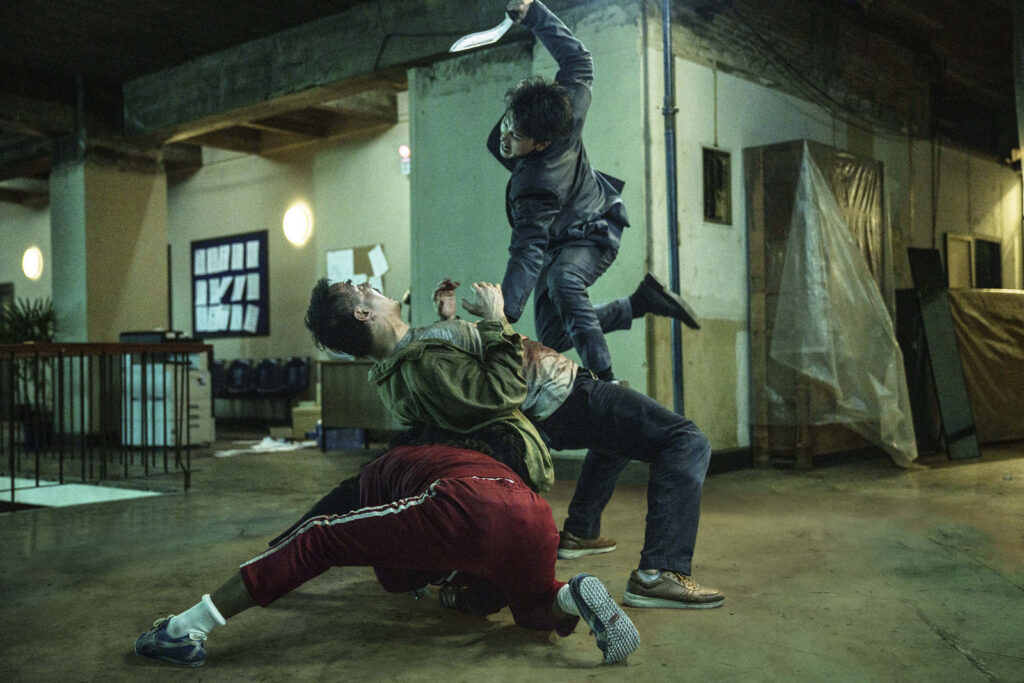
The final act of The Furious transforms almost entirely into a pure action, tightly cut choreography spectacle that zeroes in on what the film does best, delivering nearly thirty minutes of nonstop combat, survival sequences, brutal kills, and crowd‑pleasing escalation. Major sequences set in the police station, assassin showdowns, and large‑scale brawls become some of the film’s strongest moments, using everything from bicycles to knives to showcase just how creative and physically intense it’s willing to get. The audience reaction was off the charts, completely on board with the fun fights, as audible shock, laughter, and excitement constantly filled the theater whenever an especially brutal, inventive, or wildly unexpected moment landed. The main issue with this final act is how unrealistic it becomes, with certain characters continuing to fight through absurd amounts of punishment and extending battles that should have ended minutes ago. Some of the fight scenes could have benefitted from slightly more grounded consequences and tighter runtimes; however, the choreography remains so entertaining that the excessive brutality ultimately works. The final sequences fully commit to what the film does best, delivering pure adrenaline and practical combat spectacle that ends things on an extremely energetic, crowd‑pleasing note, even if the narrative remains fairly simple.
The cinematography works best during the action scenes, where the camera lets audiences fully absorb the choreography and stunt work without over‑relying on chaotic editing techniques. Editing throughout the fight scenes remains sharp and energetic, aside from some glaring mishaps, like a block of ice with a head in it that is quite poorly done, but still maintains enough visual clarity for the audience to understand the brutality of the combat. The sound design stands out heavily throughout the film, with punches, weapons, broken bones, knives, and environmental destruction hitting far harder than the score itself. And even though many of the wilder scenes and fights are far from realistic, they’re staged with such absurdly cool flair that it’s easy to suspend disbelief. The Furious visually thrives whenever it focuses purely on practical combat and physical destruction, making the quiet dialogue scenes feel noticeably less impactful compared to the action. Despite its narrative simplicity and occasional departures from realism in its more extreme fights, the filmmaking consistently delivers exactly what audiences expect from this style of brutal modern action cinema.
The Furious ultimately succeeds because it fully embraces being a brutal, crowd-pleasing action film, rather than attempting to become something emotionally profound or narratively complex. While the story itself remains thin and occasionally predictable, the nonstop, fast-paced momentum and incredible practical choreography keep the audience engaged for nearly the entire runtime. The film’s greatest strength easily lies in its brutal fights, tight close-quarters combat, standout stunt work, and full commitment to insane, over-the-top action, placing it among the best pure action films of the decade. The emotional revenge storyline works just enough to maintain some sort of stakes and momentum, even if deeper character development and realism feel sacrificed for nonstop escalation and spectacle. The Furious feels like a love letter to brutal practical action filmmaking from different cults, combining the emotional anger of revenge thrillers with the nonstop crowd-pleasing energy of modern underworld action-cinema. Despite some flaws involving realism, pacing, and emotional depth, the movie remains one of the most entertaining All Media screening experiences of the year because of how committed it becomes to practical violence and pure adrenaline earning it an 81/100 from the TwilightRoom.
TwilightRoom Score: 81.9/100