Best Movies of October 2026, Ranked
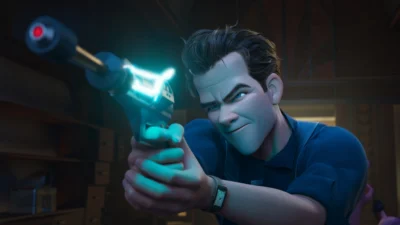
Our ranking of the best movies of October 2026 has the widest spread we have put together all year, a top end that reaches as high as anything in 2026 and a bottom that may be the worst stretch of films we have covered in a single month. Lance Oppenheim took our top spot for the second month running with You Can See Everything, a three-hour piece of nonfiction so audacious it keeps tricking you into believing it is fiction, and the relationship it builds between Nathan Fielder and Elizabeth Holmes is one of the best executed in all of film history. Javier Calvo and Javier Ambrossi’s La Bola Negra landed right behind it, a 160-minute queer Spanish epic that earned its Best Director prize at Cannes and stands as one of the best shot films ever made, while Travis Knight’s Wildwood found Laika operating at the absolute peak of stop-motion and framed its fantasy adventure around grief in a way almost nothing animated has managed. Wicker rounded out the month’s genuine standouts by committing completely to its own weirdness, and Clayface proved DC can take a real swing by building an origin story out of body horror rather than a costume.
The middle of the month is where things got uneven, with Love Your Life delivering the year’s best streaming performances inside a film that never quite connects its relationships, Street Fighter leaning entirely on self-aware fun, and The Social Reckoning struggling in nearly every field The Social Network excelled at despite Mikey Madison’s extraordinary work. Fjord arrived as the most polarizing Palme d’Or winner in years and spent more energy avoiding a position than taking one, while Iñárritu’s Digger buried its technical brilliance under an avalanche of monologues. Things got genuinely rough at the bottom, as Animals turned out to be a feature-length advertisement for Ben Affleck’s AI brand, Other Mommy wasted a terrifying trailer on a film that forgets to make anyone care about its family, and Masterplan closed the month out as one of the worst films we have ever seen. Between the extraordinary highs, the outright disasters, and the enormous gap between them, October gave us more to argue about than any month this year. Here is TwilightRoom’s full Film Monthly ranking of every October 2026 movie we reviewed.
20. Masterplan
39.4/100 - Thomas Vincent - Prime Video
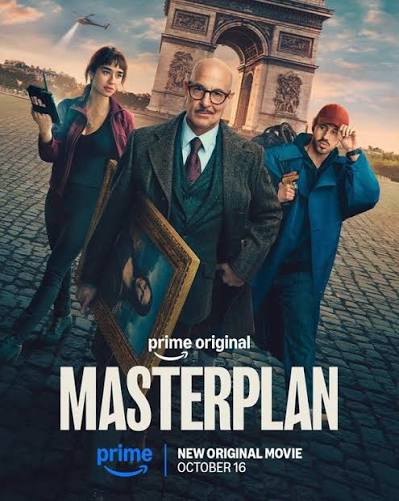
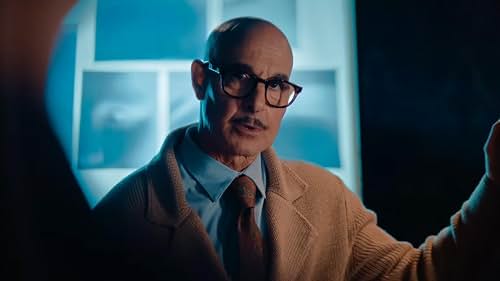
Stanley Tucci, what are we doing here? Masterplan is a heist film in which two notorious thieves are told they are siblings after sharing some sexual tension and are then convinced to steal the Mona Lisa in possibly the most uneventful and boring heist sequence we have ever seen. Unfortunately, the issues don’t stop there, as the camera pans and line delivery are consistently some of the most lackluster and phoned-in technical moments of any film this year, almost like a student film, and yet the plot is pure blockbuster and the production is backed by a gigantic streaming service. We are at a loss for words as to how this could possibly have made it through post-production and onto a streaming service, as it is easily one of the worst films we have ever seen, and it sits dead last on our list at number 20.
19. Other Mommy
40.0/100 - Rob Savage - Theaters
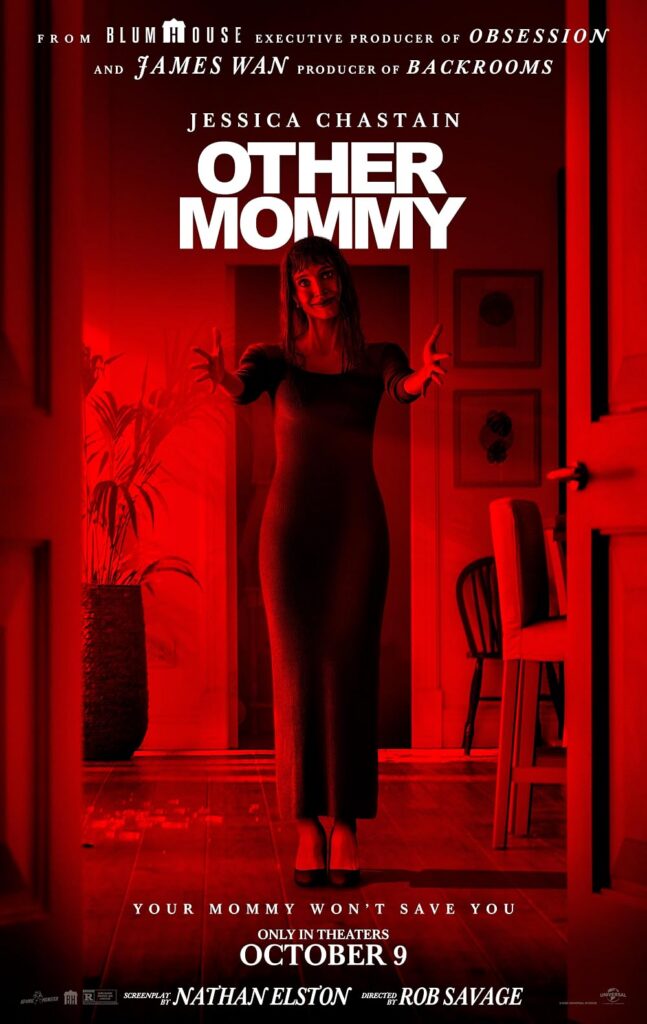

We went into Other Mommy knowing it was an adaptation and knowing that the trailer had sufficiently creeped us the hell out, and that is about it. In all honesty, we wish we had left it that way. The film itself is not scary, considerably less so than its trailer suggests, and the titular Other Mommy just never quite does it enough to even make this a dumb, scary, fun time. However, where this film really goes wrong is in the development of the parents of our young lead, as not only are they poorly developed with no intimate details to make the audience remotely care about them, but even when the film has a chance to fix that in the final act, it decides to make the mother, played by Chastain, an asshole. We have not been this frustrated with a film since Ice Cream Man, and now the feeling is mostly disappointment, because of how fun and scary the trailer suggested this film would be, leaving it at number 19 on our list.
18. Animals
48.8/100 - Ben Affleck - Netflix
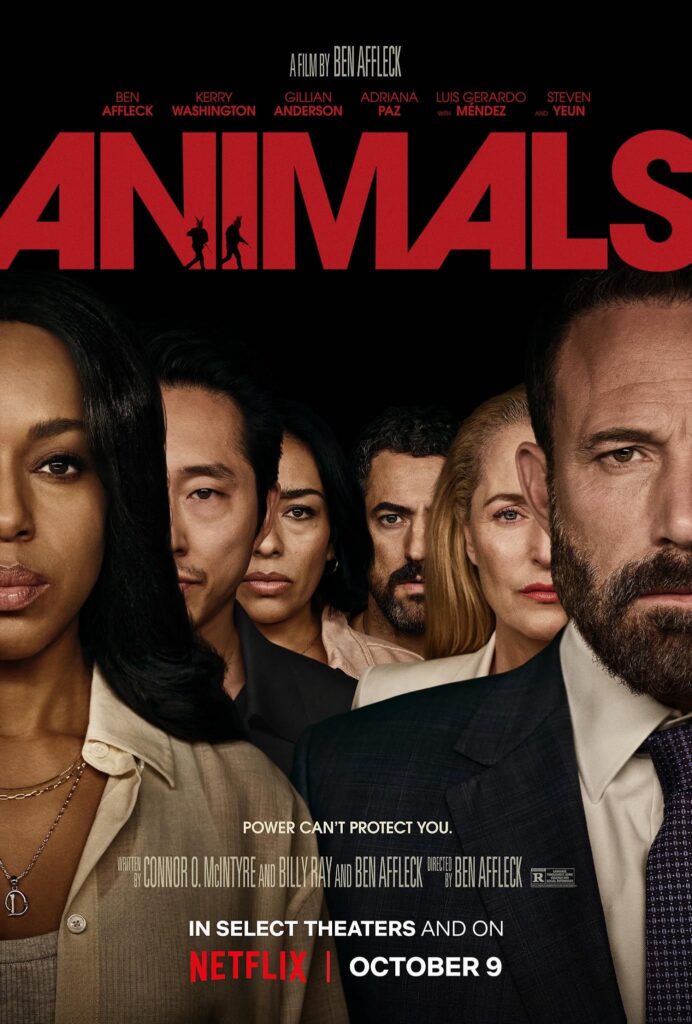

We are a bit confused with pretty much everything about Animals. At first it looks like an Affleck film, which is usually good, and it is based on High and Low, one of the best films ever made, so you gain some amount of interest in it. Then you find out that not only does the film use AI, but the film as a whole is a promotion for the AI brand Affleck is endorsing, and the product isn’t even good. And then on top of it, the film is overdramatic as hell and poorly written and organized, which is surprising, as writing and structure are things Affleck has been good at in the past. Again, very puzzling, and a giant step in the wrong direction for the director and actor, landing him and the film at number 18 on our list.
17. Matchbox The Movie
49.8/100 - Sam Hargrave - Apple TV
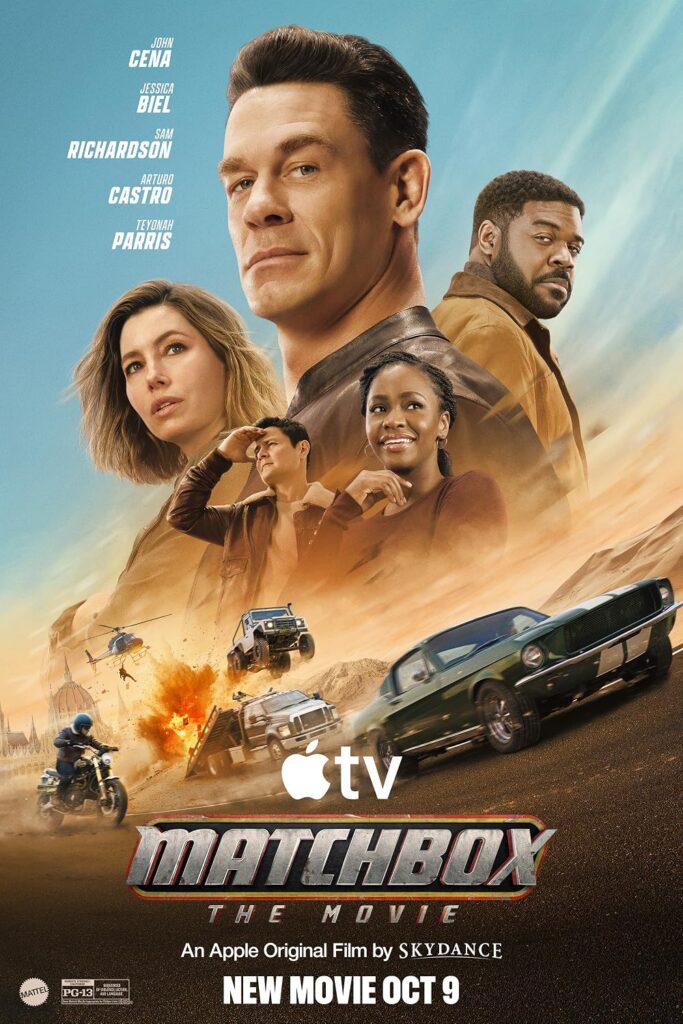
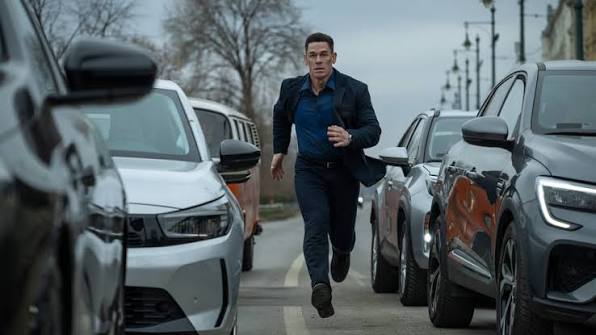
We were not expecting a straight-to-streaming Matchbox movie starring John Cena to be good, but can we cut it out with the multiple faux-ending format? It only works when you don’t want the movie to end, and here, every time they did it, we desperately wanted it to be the end. That said, we are actually going to rate this over the other two new releases we watched the same day, because at least it is self-aware dumb fun that never tries to be anything special, even if its writing makes you question a few things. Matchbox is not a very good movie, but we still love John Cena, so hell yes. The laughs are actually present at some moments, so why not? That is enough to put it at number 17 on our list.
16. Sacrifice
60.1/100 - Romain Gavras - Netflix
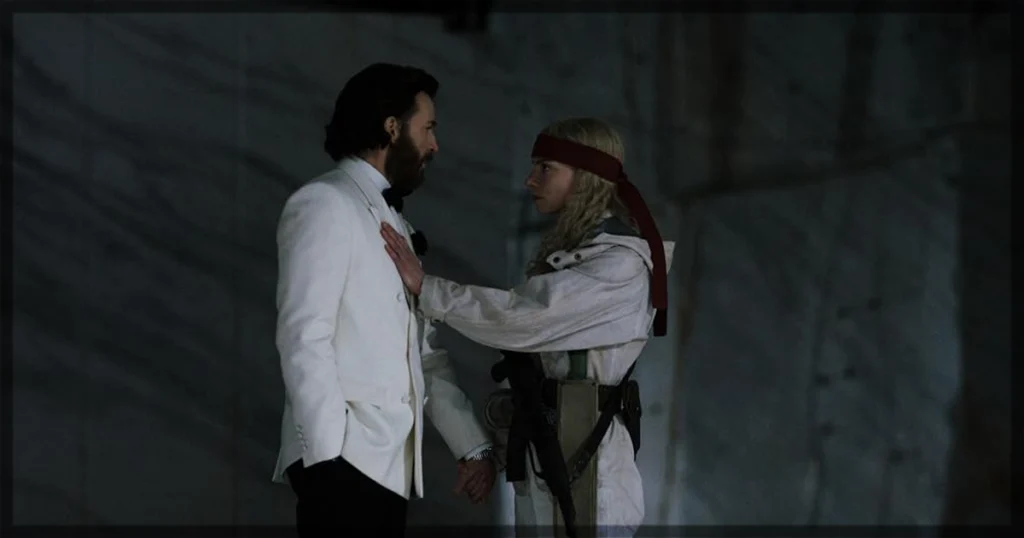
Sacrifice is such an odd experience, as the imagery is pretty quirky and cool, but the message seems to get lost in its own pretentiousness while also feeling surface-level. There is no real indicator here that tells you Sacrifice is a good film, and Chris Evans’ and Anya Taylor-Joy’s performances don’t do much but blur those lines even further. The film is marked as a comedy, but we are not convinced the delivery at moments is supposed to be satire, and the genre label almost felt like a fail-safe just in case audiences were confused as to what this film was going for, as if laughing alongside it were the safest way to avoid that confusion. Regardless, we did not hate our time with this film, and while it promoted itself as an intricate satirical commentary and certainly did not reach that level, it delivered enough interesting visuals and quirky plot points to be serviceable as a straight-to-streaming release, which is about what number 16 on our list suggests.
15. Verity
60.3/100 - Michael Showalter - Theater
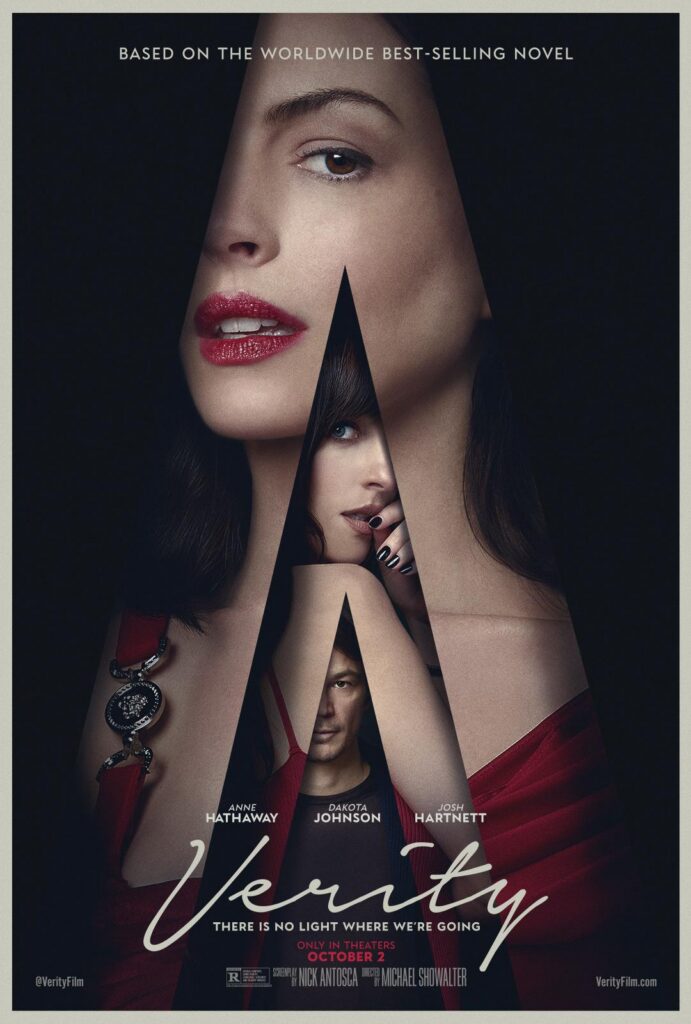
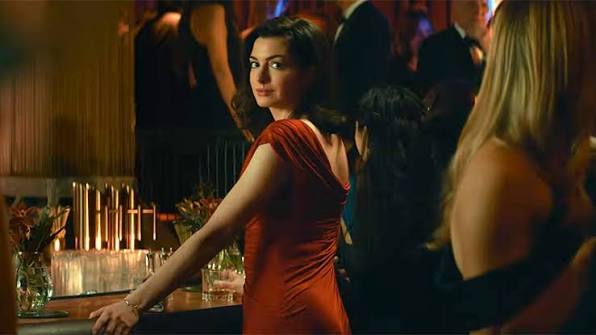
Verity had all the tools for an enthralling modern mystery, but instead of an eerie, eye-locking thriller, the film delivers more of a bland adaptation of one of Hoover’s best, with yet another great Hathaway supporting performance to prop it up. Unfortunately, Dakota Johnson looks bored the entire film, and while we can admit that is part of the character she is playing, it goes a bit beyond that point and really takes you out of any reveal this film gives in its final act. It left us wanting more and ready to just pick up the book, which is actually really good, or painfully wishing that Hathaway got a million more lines and the whole film was rewound and told from her perspective, as she acts circles around this cast with minimal dialogue. Hartnett is inoffensive but not stellar here, and Verity may just be meant to be read rather than watched, but the editing, the abrupt line cuts and the main acting certainly don’t help a really well-designed mystery-thriller story along the way, leaving it at number 15 on our list.
14. Tenzing
64.6/100 - Jennifer Peedom - Apple TV
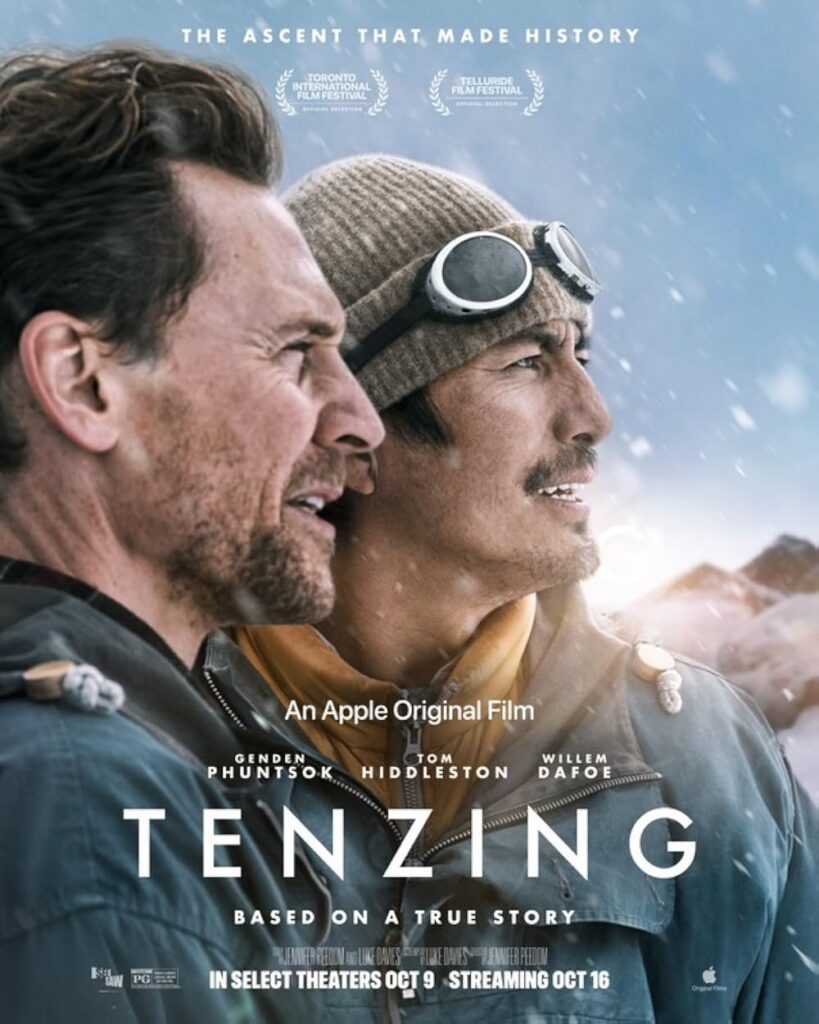
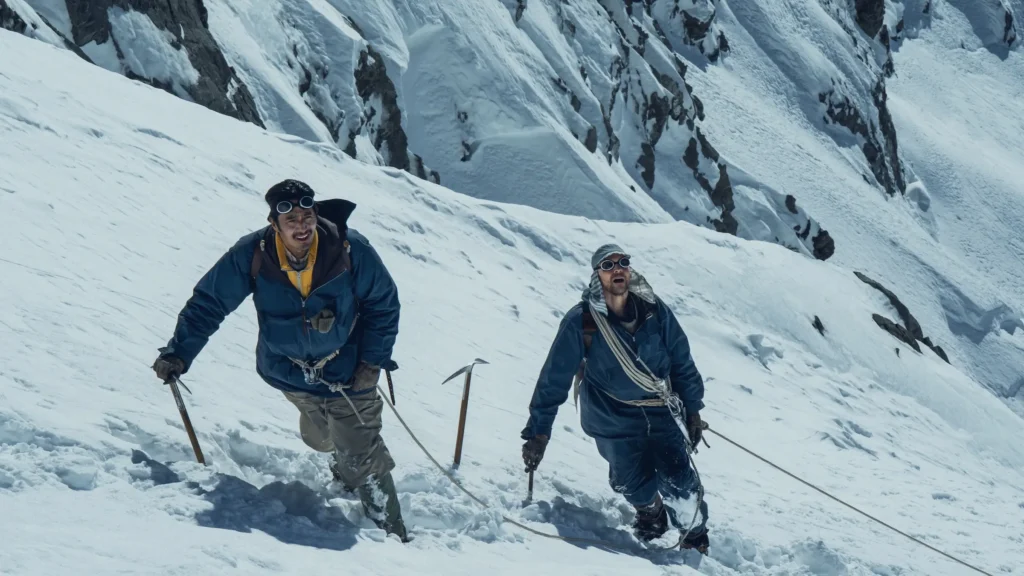
Tenzing is a nice, heartfelt film about a really cool moment in history as Mount Everest is summited for the first time, and while the film comes off a bit bland and slowly paced, it is a nice and inspiring enough story to make the two-hour runtime worthwhile. Tom Hiddleston and Willem Dafoe being in this film feels so random, and their performances and roles feel just as random, which makes the whole thing feel more Hollywood than it needed to and takes the authentic true-story atmosphere away from the delivery. The effects and cinematography are really solid, though, with great snowy mountain visuals that provide real stakes to the journey the film takes, which, alongside the main role Gendun Phuntsok plays as Tenzing, makes this most definitely the best film you can catch on streaming right now. Nothing outstanding here with Tenzing, but Apple TV does deliver a serviceable true story with some real heart behind it, good enough for number 14 on our list.
13. Whalefall
66.7/100 - Brain Duffield - Theater
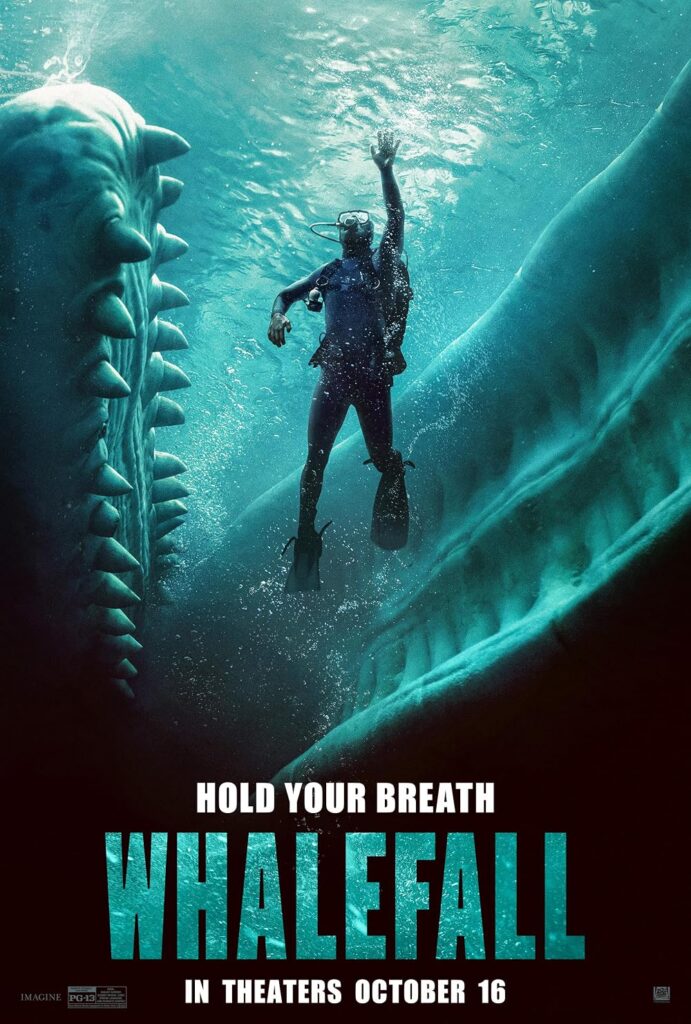
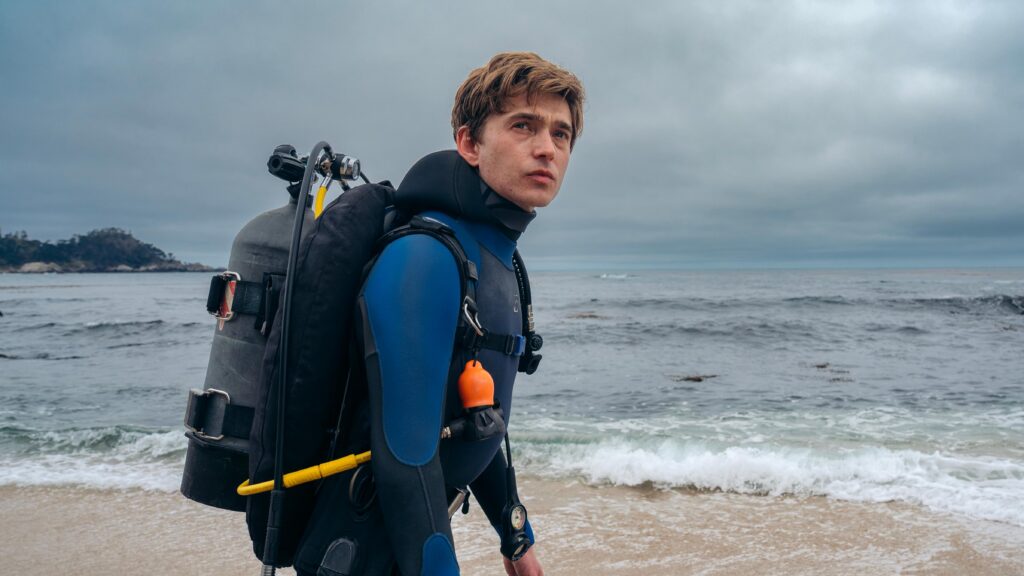
It is hard to believe the best part of this film is the cinematography when Austin Abrams walks into the ocean for the first time in the first act. Whalefall is quite the ride from start to finish, a story so simple that its 100-minute runtime felt much too long to be telling it, but still effective enough as a mix of claustrophobic and thalassophobic horror to make it worth checking out. The first thirty minutes, in addition to the oddly beautiful setting visuals, also bring solid writing to the table and a really exhilarating scene that, if it had not been spoiled by the trailer, would have been one of the coolest scenes of the year. However, that act only really proves there was no excuse for the absurdly cheesy and lazy writing in the back half of this script. There is a nice balance here between the father-son moments and the obvious, being swallowed whole by a sperm whale, and it gets obliterated in the final act by an odd creative choice that really pulled us out of the fun time we were having in the first half. Nevertheless, Austin Abrams genuinely rocks, and we cannot wait for him to get a ton of gigs after the run of films he has entered into in 2026, as nobody has been able to carry two horror films on their back through pure charisma and emotional voice-cracking screams the way he now has with Whalefall and Resident Evil under his belt, landing him and the film at number 13 on our list.
12. Mosquito Bowl
67.4/100 - Peter Berg - Theaters
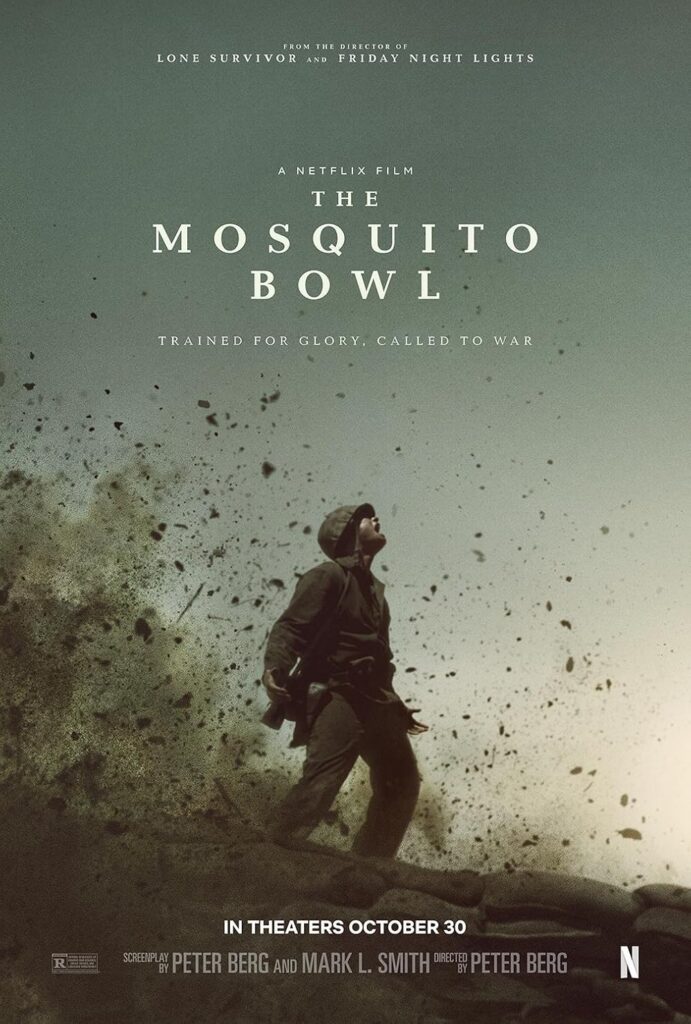

The Mosquito Bowl is an aggressive war film from Peter Berg that leans heavily on its four main performances to deliver an emotionally dense film, one that doesn’t necessarily stand out but certainly doesn’t deserve as negative a reaction as it is beginning to get upon its world premiere. Berg makes a clear effort here to project the unobstructed horrors of World War II in an approach that can only be described as trying to do what Saving Private Ryan did for the war genre, once again in 2026. While that approach feels a tad clouded at times, namely in its constant framing of the Japanese soldiers as antagonists, Berg pays more attention to it than early reviews let on, pausing at moments to acknowledge the inhumanity of what happened on Okinawa and bring to light just how dark this war really was. That being said, we are not convinced that also means the film needed to be this gray, as the color palette in The Mosquito Bowl is extremely dark for the entire runtime, dampening the experience of the emotional story the narrative is telling. The Mosquito Bowl wins you over in its scenes combining football with hope in the face of the horror of war, and its performances led by Nicholas Galitzine, Bill Skarsgård and Ray Nicholson do most of that heavy lifting, but it loses you in its blunt transitions and overambitious war scenes that feel more forced and in your face than they need to be, leading to an overall middling film that lands at number 12 on our list.
11. Digger
67.7/100 - Alejandro G. Iñárritu - Theater
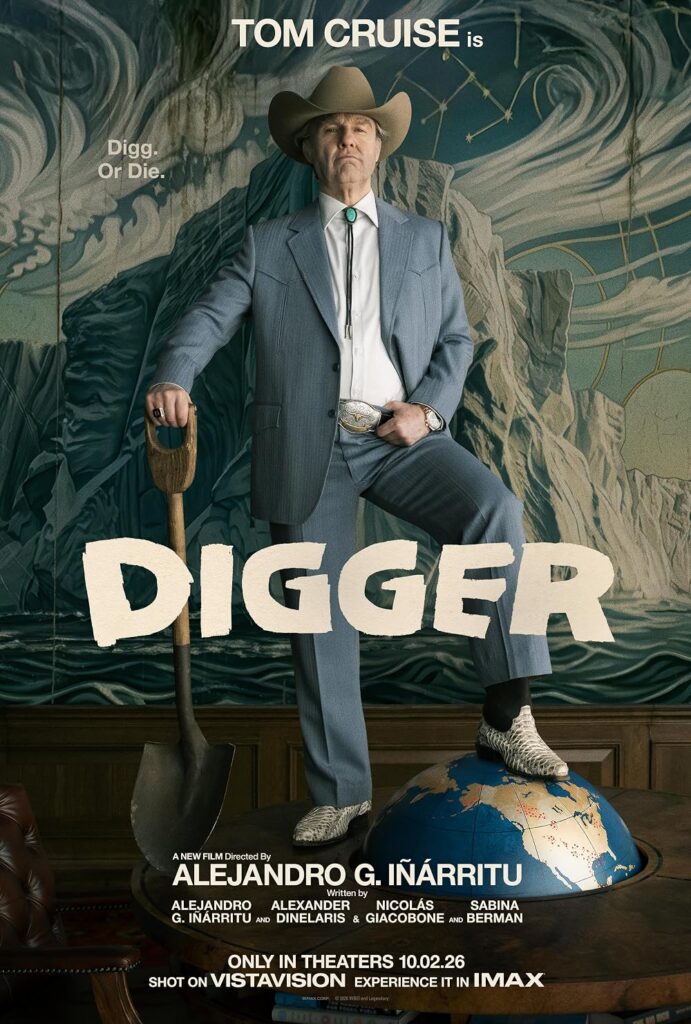
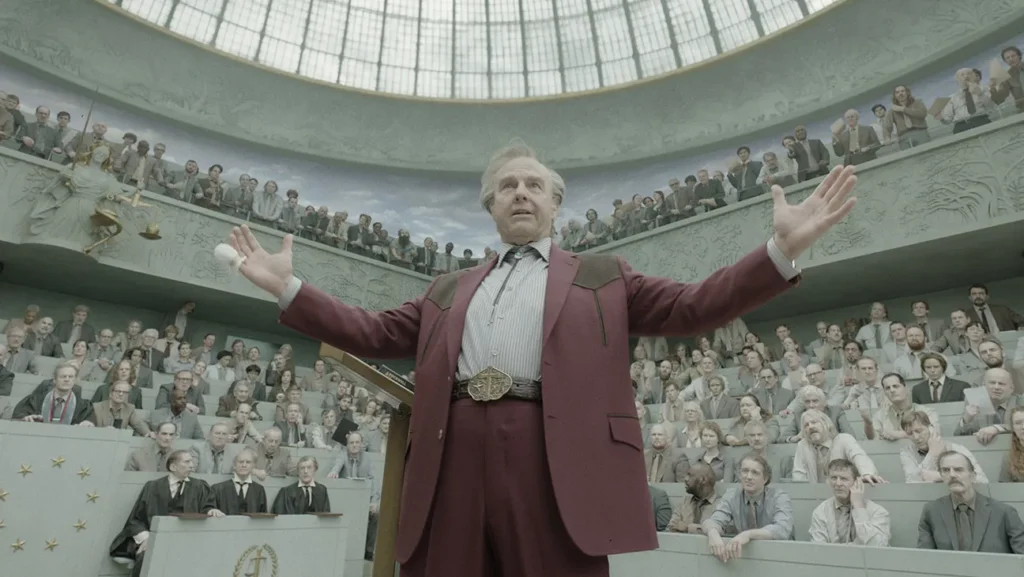
Digger as a whole film feels like a word that is perpetually stuck on the tip of your tongue for two hours that you will never fully remember but also will never be able to let go, and we cannot figure out if that is a form of torture or brilliance. Alejandro G. Iñárritu made a DECISION with this film, and what a decision it was. We just wish he didn’t spoon-feed it to us as much as he did, as the film’s brutal reliance on monologues makes the quirkiness bleed over into a film that feels poorly paced with a lack of momentum. However, there are some awesome things about this film. First and foremost, the editing, camera angles and choreography prove Iñárritu knows how to make a good film, and his ability to transition between reality and catastrophe is quite magnificent. Further, Riz Ahmed is insanely good here, and so is Plemons. The two of them, along with Goodman, essentially elevate a Cruise performance that will be endlessly praised when it really isn’t more than the product of the monologues and delivery around him. Digger is chaotic in a more negative than positive way, at least for now, but from a technical perspective it’s very cool, rounding out the list so far at number 11.
10. Fjord
78.6/100 - Cristian Mungiu - Theater
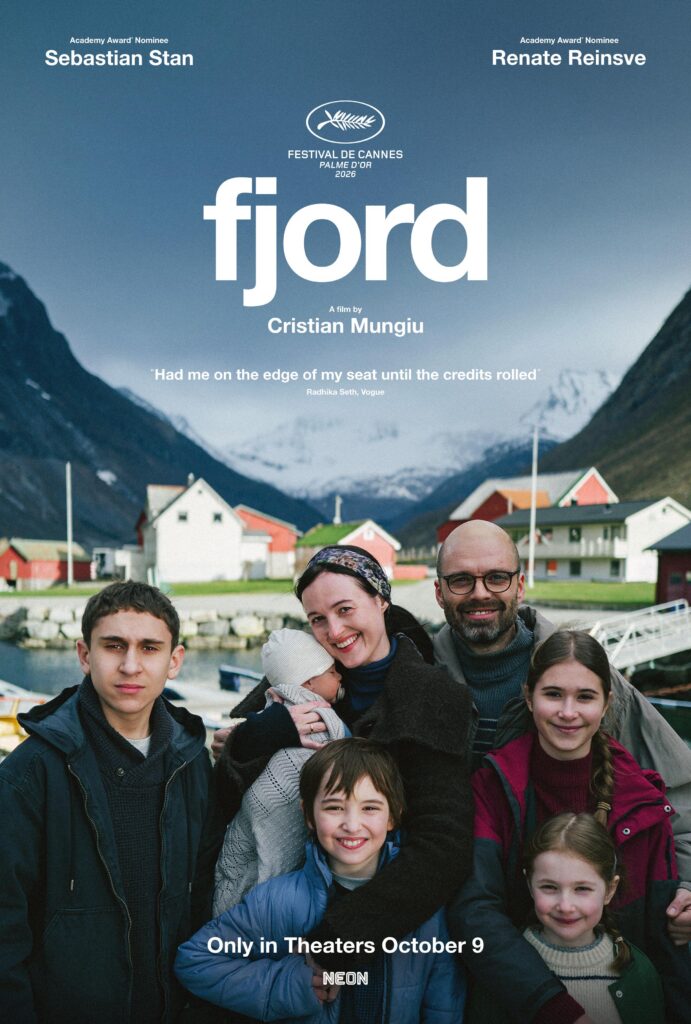
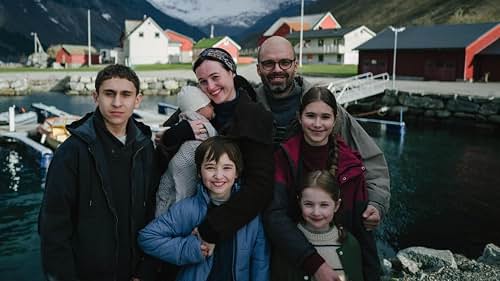
Fjord is the most polarizing Palme d’Or winner in years, a provocation that sets a devout Romanian-Norwegian family against a progressive Norwegian town and asks whether you would defend people whose values are fundamentally opposed to your own. Built loosely on the 2015 Bodnariu case, it follows Mihai (Sebastian Stan) and Lisbet (Renate Reinsve) as a hymn at school, an admitted slap and a set of bruises send all five of their children into foster care and the family into a long legal fight. Stan does career-best work as a man who genuinely cannot hear why his habits read as aggression, and Reinsve is extraordinary at doing less, refusing to beg for sympathy and earning it anyway. The trouble is Cristian Mungiu’s distance, with long unbroken takes staged from so far back that watching the family feels like caseworker observation. With the children and the incidents themselves kept almost entirely offscreen, the film never gives us enough experience of either side to really invest in one. That withholding is clearly meant as neutrality, but the details Mungiu does choose to include tilt the scales anyway, and the label that chased it out of theaters says as much about audiences arriving with their minds made up as it does about the film. Lisbet realizing she can no longer nurse the baby taken from her is the one moment that cuts through every argument around it, and the two leads alone justify the ticket, even if the film’s impartiality leaves it feeling noncommittal, falling right in the middle of our list at number 10.
9. Ghost in the Cell
78.8/100 - Joko Anwar - Theater
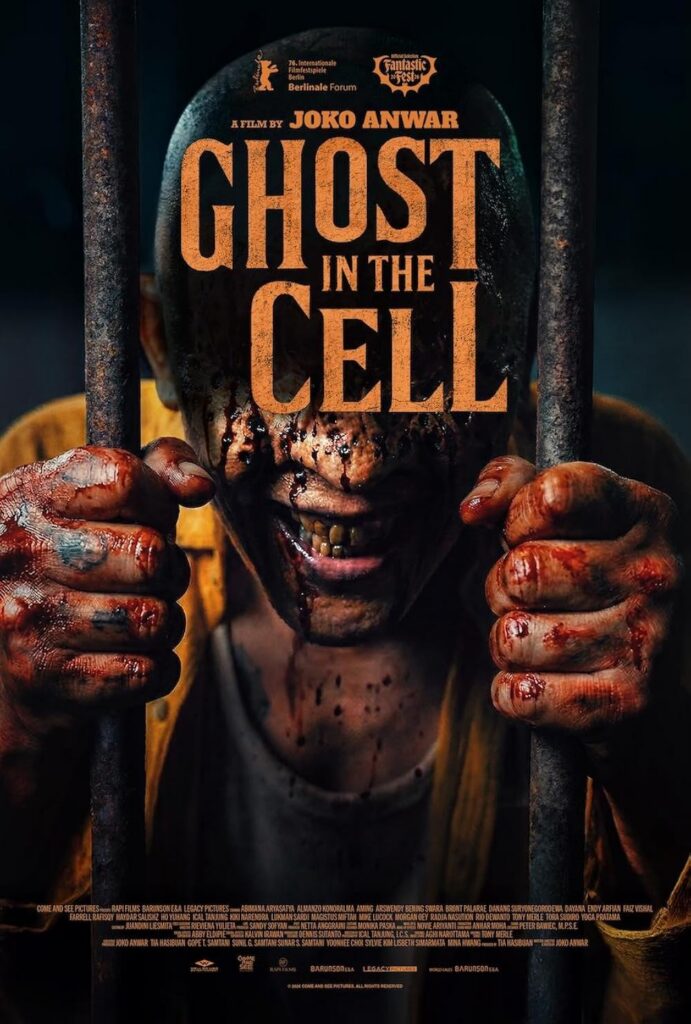
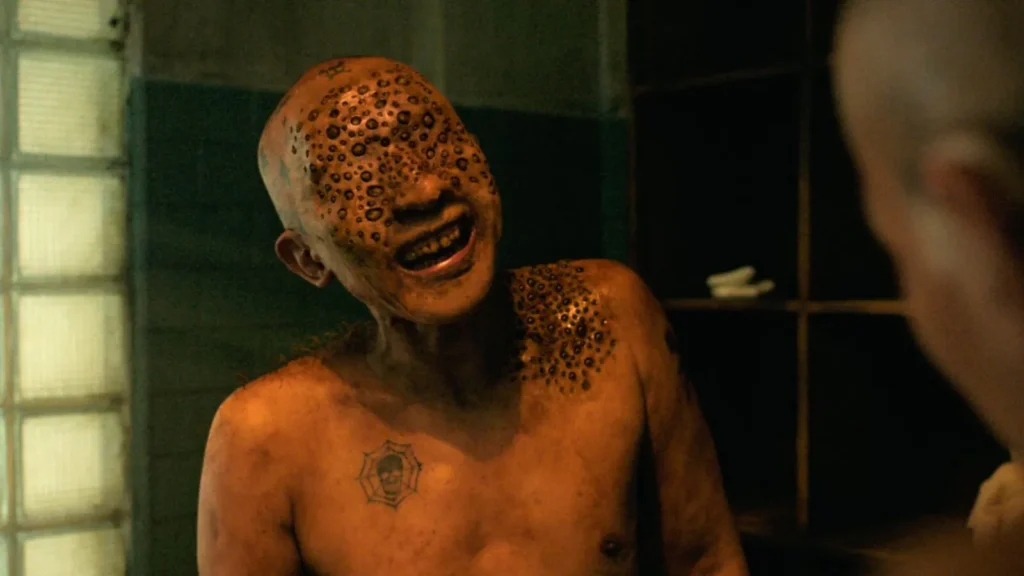
Ghost in the Cell is a wild and chaotic ride of gore and horror that we will never forget, one of the craziest horror films of the year and one that we fear will be criminally underseen. The film takes place in a prison with hardened inmates made that way by even more hardened guards, who all begin going nuts when an invisible presence starts killing them one by one in some of the most gruesome ways a film has ever shown, creating a psychological-horror atmosphere that intensifies by the minute. There are certainly flaws here, as the dialogue lacks some of the polishing and cohesion necessary to compare it to some of the true stars of the horror genre from the last few years, but the creativity in camera work here, the constant urge to try new ideas and angles from the director, truly shows that Joko Anwar has got the sauce, and he is not afraid to let loose. If you can get your hands on this one, we highly recommend it, and it comes in at number nine on our list.
8. The Social Reckoning
78.8/100 - Aaron Sorkin - Theater
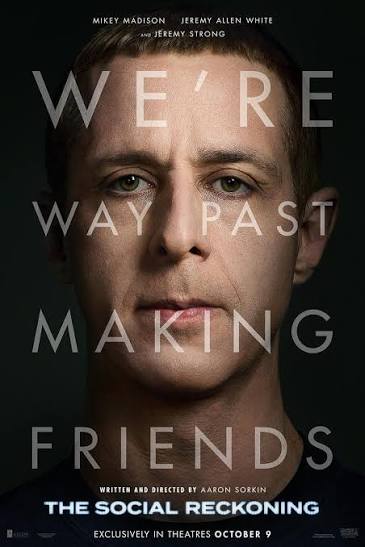
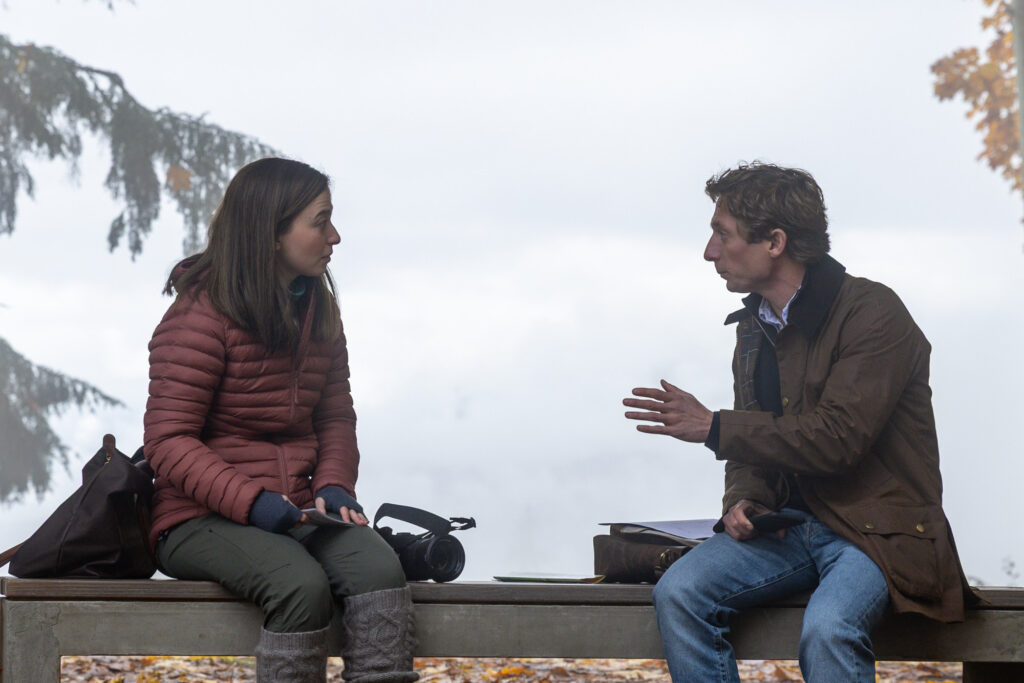
The Social Reckoning is better than early reactions suggest it is, but we are not quite sure Aaron Sorkin was the man to tell the story. There are a slew of positives here: Mikey Madison may have delivered the best performance of the year so far with her main role here. She is unbelievable as Frances and demonstrates a level of range we had no idea she had. Beyond that, the story for this film, The Facebook Files, is one that needed to be told. The film does a good enough job telling it to make this a positive entry into today’s climate. However, the film is technically a mess. There is not much nuance, and the time-jump and part-system timeline that is used feels more like a high-school Google slide than it does part of a good film, which leaves the film feeling poorly blocked. We enjoyed The Social Reckoning, but it also struggled in almost every field that The Social Network excelled at, and while the recasting and new castings were brilliant across the board, the switch in directors is a noticeable downgrade, landing it at number eight on our list.
7. Street Fighter
78.9/100 - Kitao Sakurai - Theater
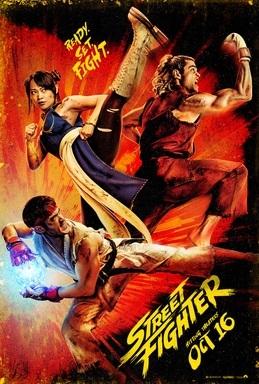
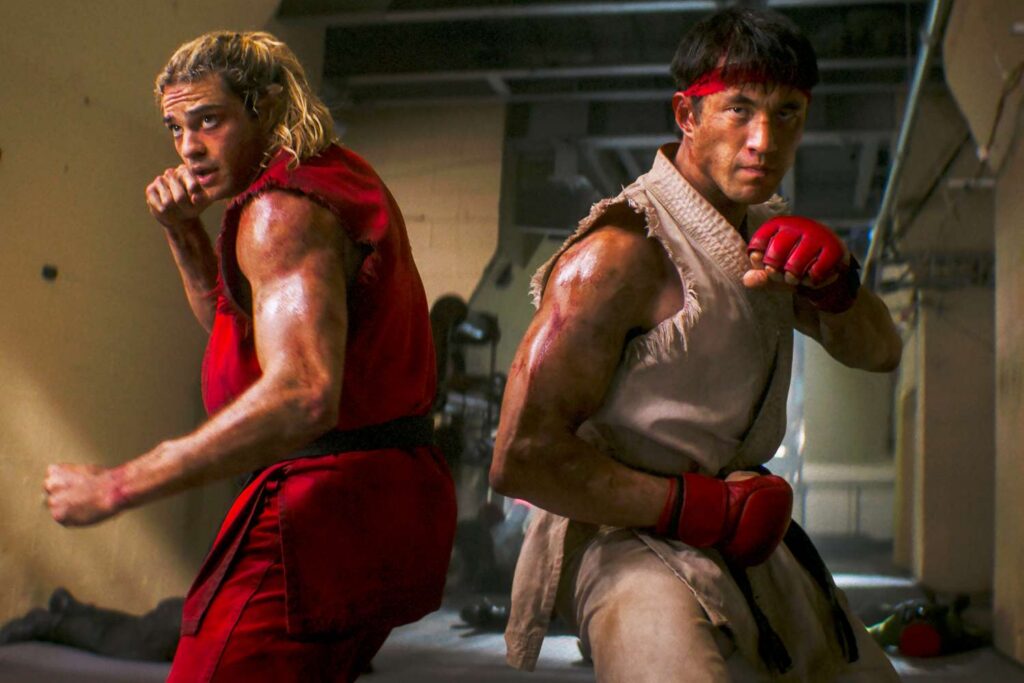
We have been rather critical of these all-fun, no-nuance movies as of late, and while we stand by our comments on other films, this new Street Fighter film is where we draw the line: we had an absolute blast for the entire two-hour runtime. When a film begins the way this one does, it is clear we are having fun and nothing else, and between the characters flying across the screen, making absurd and random gestures and becoming self-aware of the insane plot they are a part of, we had as much fun as we have had all year with this one. Andrew Koji comes from his background on Warrior and plays Ryu, this serious martial-arts character, while Noah Centineo plays Ken, a character derived from his performance in The Recruit, stumbling into this world as the clumsy macho man. The two are so opposite they complement each other in the most oddly satisfying way. Sure, there are hundreds of things to criticize here, but we will leave that for someone else, as we fear any bad press about this film will take away from the endless fun general audiences will have with it if they see it in theaters. Finally, the highlight of the film is the choice to tell the flashback scenes in an animated format that gives us top-tier animation, anime-style fights and something extra to prove this movie has got the absolute sauce, landing it at number seven on our list.
6. Love of Your Life
79.8/100 - Rachel Morrison - Prime Video
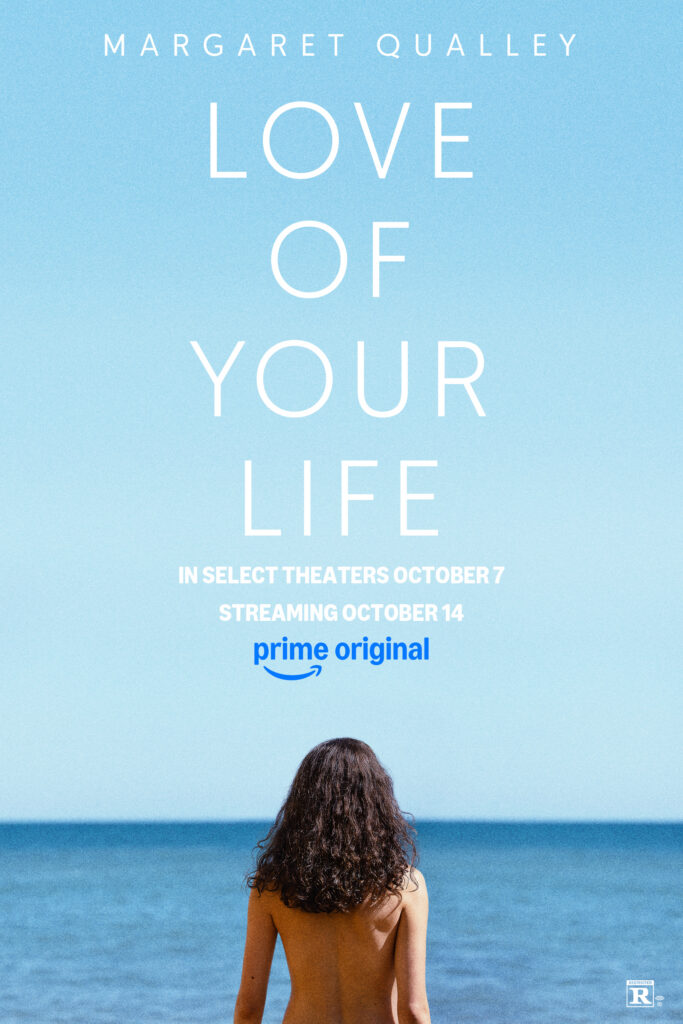

We always pick the craziest times to watch the saddest films, and Love of Your Life is the next title to add to that list, as Margaret Qualley, under the direction of Rachel Morrison, delivers a performance of grief that is an amazing balance of emotion and complexity. It makes you feel, but more so in its reflection than in its relationships, as the onscreen chemistry is the component that lacks the most here, despite every actor giving wonderfully subtle turns that stand out as the best streaming-release performances of the year. Grief never leaves you, but neither does love, and a timely film that is able to look back on the very real and recent tragic past of the pandemic — how it affected families, futures and ambition — is the ideal but heartbreaking setting to convey this message from within. Morrison proves yet again she has the talent to make a film that makes you feel deeply, in a way that is less direct and more layered than audiences are used to, which may be one of the single hardest things to do in modern cinema. Love of Your Life is far from perfect, but it is quite good, landing at number six on our list.
5. Clayface
80.1/100 - James Watkins - Theater
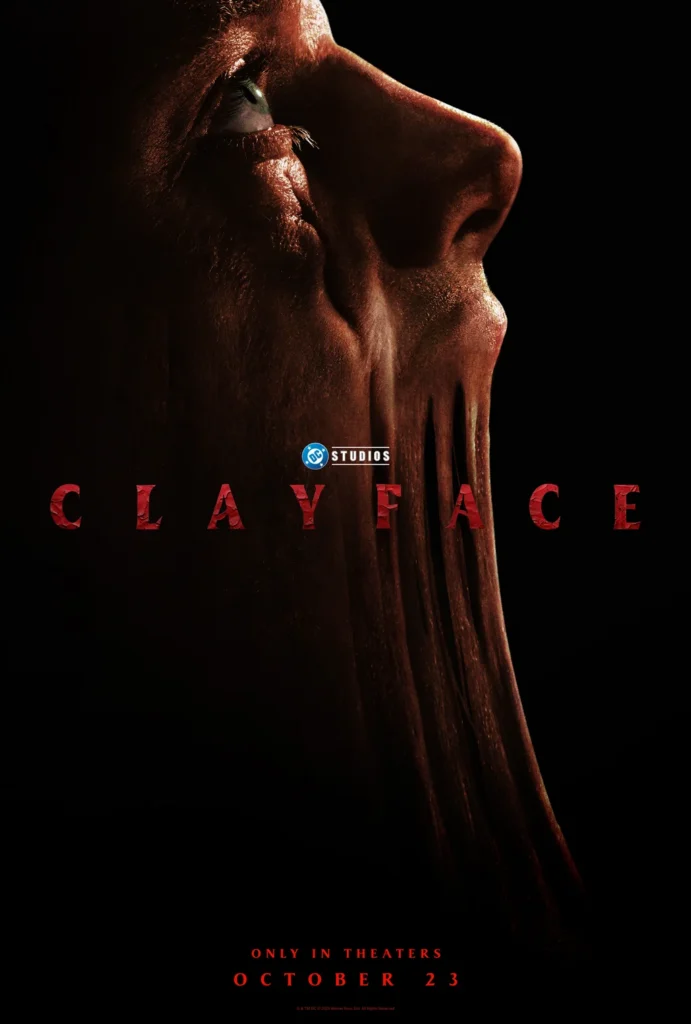
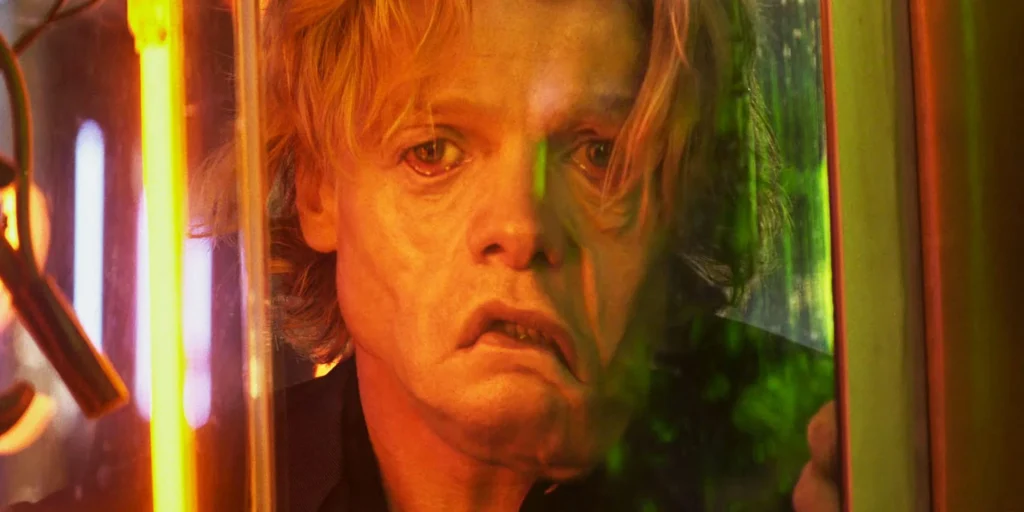
Clayface is a mix of The Substance and The Fly, blending both the old and new body-horror styles into a DC origin story that commits fully to the transformation of Mike Hagen rather than treating it as a stepping stone toward a costume, a bold risk that paid off overall for DC. The film does not quite deliver the brutal, gory horror story the premise and trailers promised, but it offers enough elsewhere to make up for it, and it is still the first DCU project that is unapologetically rated R for its horror rather than for its violence. Flanagan’s writing and Watkins’ directing pair a clear homage to the comics and the Batman: The Animated Series version of the character with the body-horror genre, one that provides exactly what DC fans needed: something unique, horrific and distinctly DC. Strong and inventive camera tricks and practical effects work keep this as realistic as possible throughout. It is evident the production had a blast with the creativity of it all, which is a large part of why the transformation registers as something happening to a person rather than something being rendered. The camera tricks take enough of the heavy lifting off the effects to make everything feel cohesive. The film’s flaws land in its line delivery and the extinguishing of good plot points as soon as they are introduced in favor of the film’s core concept, at times prioritizing that idea over becoming a horror-film masterpiece. Clayface, despite its flaws, is a large swing for DC and one that connects as an intelligent fusion of both eras of the genre and a fitting showcase for one of Batman’s most underappreciated and gruesome villains, settling in at number five on our list.
4. Wicker
81.0/100 - Eleanor Wilson, Alex Huston Fischer - Theater
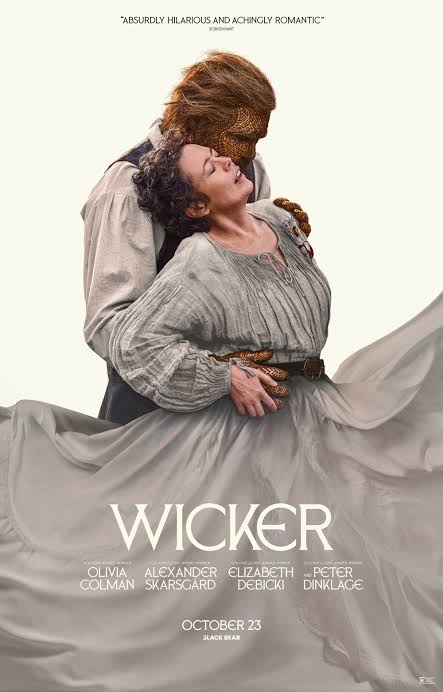

Wicker works because it dares to do the one thing most mainstream films won’t, which is to be genuinely weird, and then commits to the bit completely rather than hedging. Set in a fairy-tale world where nobody has a name and everyone is known by their profession, it follows Fisherwoman (Olivia Colman), a village outcast who commissions a local basketmaker to build her a husband out of wicker, and the resulting man (Alexander Skarsgård) turns out to be kind, devoted and very good in bed. What starts as a kinky sex comedy quietly becomes a sharp piece about patriarchy, as the other women watch a husband actually love his wife and start reassessing their own worth while the men panic and the community’s oppressive machinery moves in to crush the two of them. Alex Huston Fischer and Eleanor Wilson’s ornate storybook setting and Lol Crawley’s cinematography make it a gorgeous thing to look at, but the real triumph is the practical costume, a living, breathing build that lets Skarsgård disappear entirely and still deliver heart and humor through all that restriction. Colman and Elizabeth Debicki are terrific opposite each other, with Debicki’s buttoned-up antagonist eventually revealed to be just as trapped by the system as anyone she torments. It surpassed every expectation we had, landing at number four on our list. More mainstream films should take the hint.
3. Wildwood
93.5/100 - Travis Knight - Theater
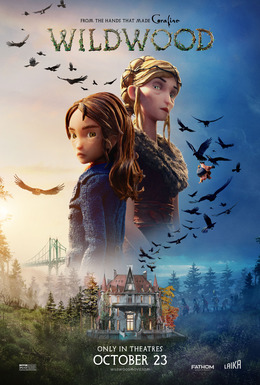

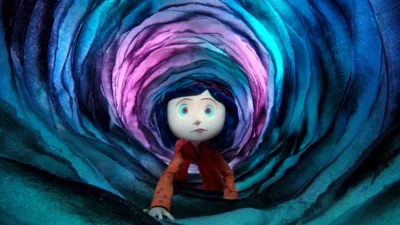
Wildwood is a magnificent piece of stop-motion that delivers a fantasy-adventure animated classic from its very first frames, proving Laika can both create something never seen before and capture an audience with a compelling narrative. The film is a prototype epic adventure with real beauty and a unique tone baked directly into the core of the plot, a rare fantasy that is not a copy-and-paste but instead borrows from a general template and transforms it into a medium and style that nobody else has ever dreamed of. The film achieves the absolute peak for Laika animation, which is remarkable, as the studio has been operating at the top of its craft since Coraline and has never once put out something that was not worth your time, but Wildwood is on another level of magnificent. Travis Knight’s introduction at the AFI FEST premiere cast a whole new perspective on the film, framing the narrative around grief and the ones we wish we were sitting next to in the theater, a powerful message that the film itself stands by gorgeously rather than merely gesturing toward. Wildwood is a stunning achievement in stop-motion filmmaking, but even further, the clearest example that a form can only go as far as the heart and soul placed within it allow. In this case, Knight brings pure genius to this epic, turning it into something truly special, rounding out our podium at number three.
2. La Bola Negra
94.4/100 - Javier Ambrossi, Javier Calvo - Theater
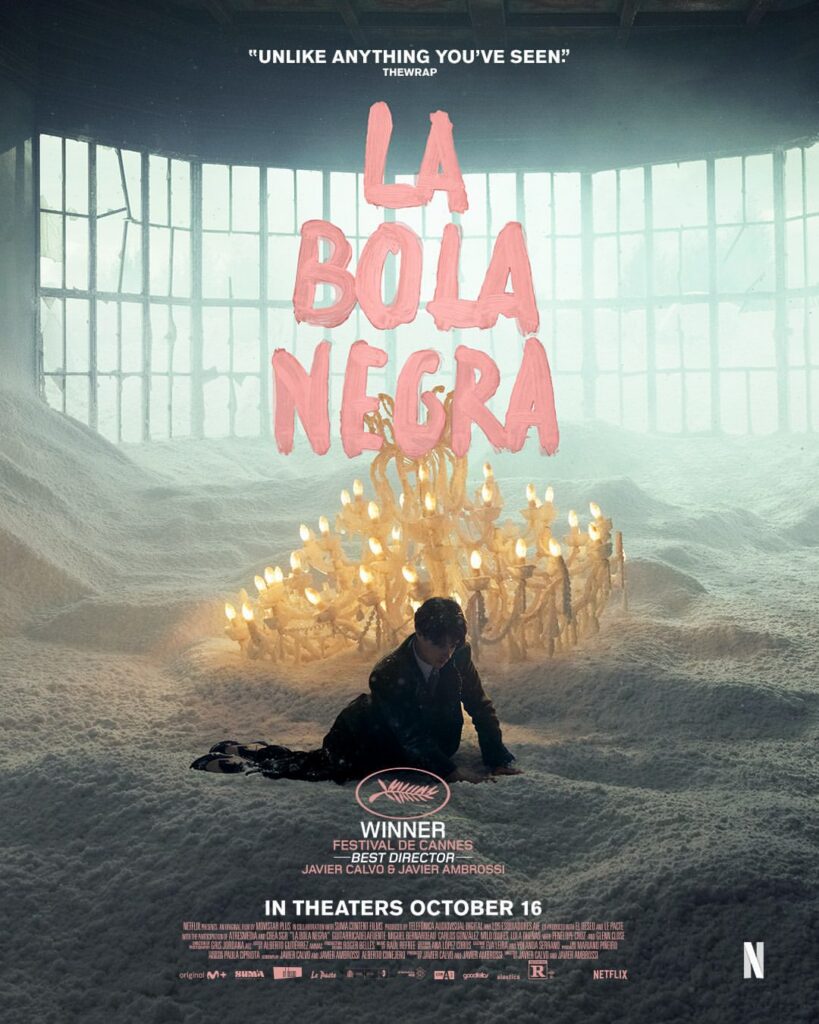
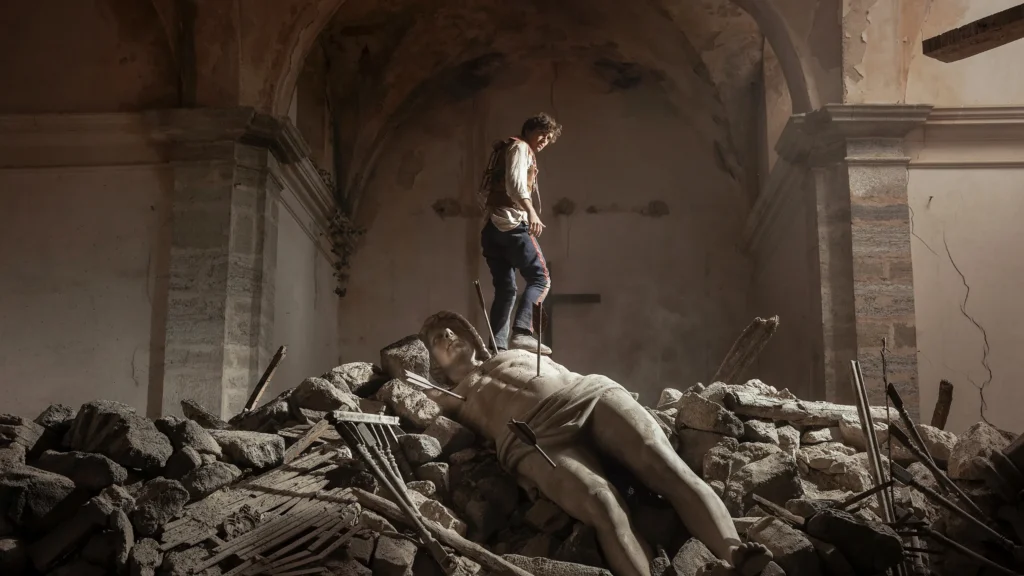
La Bola Negra is a true epic in every direction at once, from the booming score to the vast camera techniques to the full narrative managing three storylines, blending them seamlessly to deliver a top-5 entry of the year, and a momentous film for queer and Spanish cinema. The film immediately establishes the type of experience this 160-minute journey will entail with one of the greatest ambushes of innocence an opening sequence has had this century, then moves into identifying how each story will tackle queer identity on a scale as grand as there is in cinema. Each of the three stories is built around this concept and further allows the subject to escalate as we move through time, running from suggestion, to hidden identity in a town that refuses to accept them, to the modern day when the complexities only continue to grow. Javier Calvo and Javier Ambrossi took Best Director at Cannes for their play-within-a-play wartime epic that pursues reality and reflection at every moment. It was well deserved, as the film delivers what no other this year could: one of the best-shot films ever made combined with a gripping, crucial story that never once loses its audience. La Bola Negra is a beautiful queer Spanish epic unlike anything ever made before it, and the ambition on display is complemented with the intricacy needed to place the film among the greats of the genre, landing just short of the top at number two on our list.
1. You Can See Everything
97.5/100 - Nathan Fielder, Lance Oppenheim - Theater
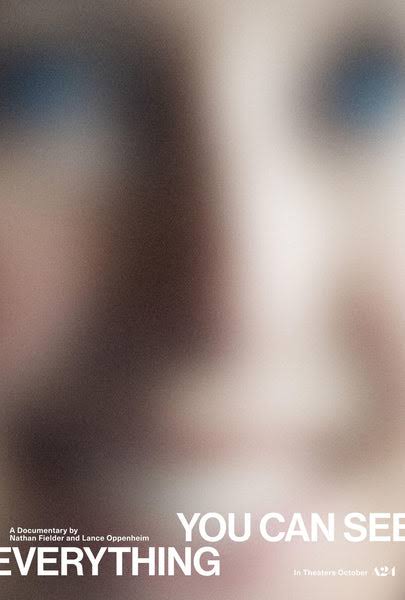
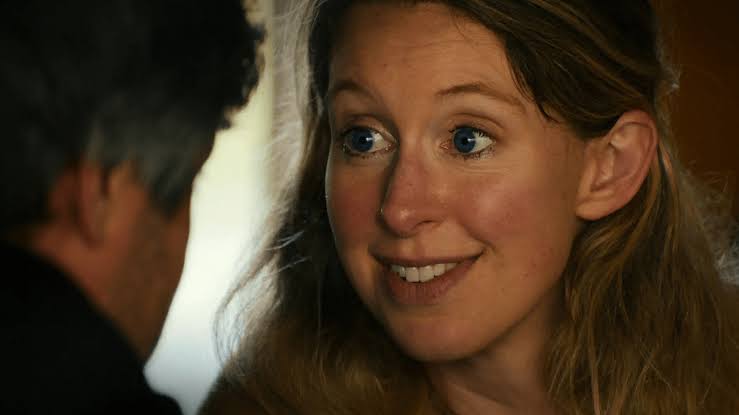
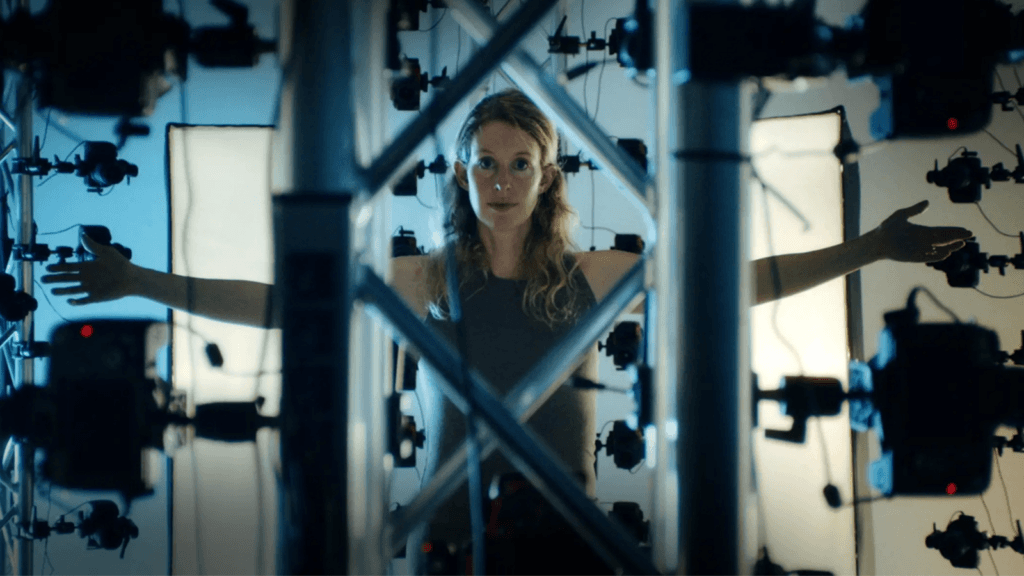
You Can See Everything may just be the best documentary of all time, and the best film in an incredible year for the medium, a three-hour piece of nonfiction filmmaking that is so insane it tricks your mind into believing it’s fiction. The film is jaw-dropping from the opening frame to the closing image, not only for its tantalizing material but also for its masterful camera work from director Lance Oppenheim. The access and the subject matter for the film are such absurd and extreme conversations that they circle back to feeling fabricated at many moments, playing like a narrative feature constructed by someone with total authorial control rather than a documentary assembled out of whatever an unreliable subject was willing to permit. That collapse between the documented, the documentarian and the staged is the film’s entire operating principle. You Can See Everything is rightfully so eerie and tantalizing in equal measure, holding a tone that should be impossible to sustain across three hours, which speaks as much to the excellent pacing of the film as it does to the subject matter itself. Every complexity inside this story is perfectly explored by Fielder up until the point where he becomes the subject of his own film, never flattened or pushed too far. The film’s willingness to sit inside contradiction and uncertainty, its own manipulation, maintains an unresolved tension that separates it from every other documentary that has ever even tried to touch this territory. You Can See Everything is a masterpiece in filmmaking, both through the stunning framing and cinematography of Oppenheim and through the immaculately timed progression of events that never lets up and always looks ahead, making the endlessly intriguing relationship between Nathan Fielder and Elizabeth Holmes one of the best formatted and executed in all of film history, and taking the top spot on our list at number one.